Dad Dismissed My 11-Year Military Career, Until a Live Broadcast Exposed My Secret High-Level Role

Part 1: The Toast That Erased Me

My father raised his bourbon beneath the lights in Grandma Rose’s Savannah backyard, silencing sixty guests gathered to celebrate his thirty years of Army service. I stood near the back in travel-worn clothes while my older brother, Lucas, occupied the center of the lawn in a crisp white shirt.

“My son, Commander Lucas Hayes,” Dad announced, “carries our family name with honor and discipline.”

Applause erupted. Mom pressed a hand to her chest, and Lucas accepted the praise with practiced humility. Then Dad finally noticed me.

“And my daughter, Elena. She serves in her own way. We’re proud of her choices.”

That was all. He did not mention my rank, eleven years of service, or the work that had kept me away from home. My achievements had always entered our family quietly. When Lucas earned a B-plus, Dad took him to dinner. When I won a statewide mathematics competition, he asked me to tutor my brother.

I told myself I was too old to care. Yet his careless sentence reopened every wound I had spent years ignoring.

Then phones began chiming across the yard.

From the television inside came an anchor’s voice: “The Department of Defense confirmed that Army Colonel Elena Hayes was the lead architect of the federal cyber-defense framework that prevented one of the largest attempted infrastructure disruptions in recent American history.”

Silence swallowed the party.

The report explained that Project Northstar had protected payment systems, hospitals, transportation networks, and emergency communications during a coordinated cyberattack. My father tightened his grip on his glass. Mom’s smile vanished, and Lucas stared toward the television.

I left without waiting for congratulations and sat on Grandma Rose’s porch swing.

“My father needed television to tell him I existed,” I said when she joined me.

She handed me iced tea. “I’m too old to pretend he meant well.”

Minutes later, Lucas stepped outside clutching his phone.

“You should have told us this was going public.”

“Told you why?”

His eyes flicked toward Grandma Rose before returning to me. “It doesn’t matter.”

But his concern was not surprise or pride. It was fear—the kind people show when a locked door unexpectedly opens.

That was when I knew something was wrong.

For once, being overlooked made me the only person paying attention.

Part 2: The Story My Brother Borrowed

I left Savannah before my parents woke. Overnight, relatives who had ignored my career suddenly filled my phone with messages. Lucas sent only one:

Call me before you speak to anyone.

I deleted it.

Years earlier, I had sent money home from every Army paycheck, believing I was helping repair Grandma Rose’s roof and cover family emergencies. Then Mom casually admitted that one transfer had bought Lucas a designer suit for Navy interviews.

“Family helps family,” she told me.

I stopped sending money. Three weeks later, Dad called—not to ask whether I was struggling, but whether something was wrong with my bank account.

Keeping that money changed my life. I bought decent food, proper running shoes, and eventually allowed myself friendships beyond the family that treated me as a resource.

My career advanced into cyber operations. Colonel Vivian Cole became the first senior officer who protected my work instead of quietly benefiting from it. Sergeant First Class Mateo Rivera became the person who noticed when I was exhausted and asked about me rather than the system.

Together, we helped build Project Northstar. When the immediate crisis ended, Vivian told me, “History will eventually know who designed this.”

Four months later, Mateo entered my office carrying an open laptop.

“You need to see this.”

Lucas sat beneath television lights in Navy dress uniform while a national anchor introduced him as an officer behind a groundbreaking defense initiative.

Then he began describing Northstar.

He repeated our layered-response architecture, decision process, and even the language I had used during classified planning sessions. The anchor called him a national hero.

Lucas lowered his eyes modestly.

“I was only doing my job.”

I watched my brother claim my work before millions of viewers.

Then I called my father.

Part 3: The Letter My Father Wrote Against Me

Dad fell silent when I asked whether he knew.

“Lucas needed visibility,” he finally said. “His career had stalled.”

“He is describing an operation he never joined.”

“You already have the position and the work, Elena. Your brother needed proof of strategic leadership.”

To Dad, Lucas had not stolen anything. He had simply used a family resource—and that resource was me.

When I asked whether Dad had given him information, he replied, “Nothing classified.”

That was not a denial.

Twelve days later, General Arthur Keane suspended my operational access pending an investigation into unauthorized disclosure. Keane had resented me since I exposed a vulnerability his office had declared resolved. Now suspicion shifted toward me instead of Lucas.

Vivian told me not to react. Mateo helped trace months of informal requests from Navy contacts seeking sanitized Northstar information. Together, they formed a pattern leading directly toward someone connected to Lucas.

That evening, Vivian arrived at my apartment with access logs, draft presentations, meeting notes, and signed statements confirming my role. Mateo brought evidence proving the requests began three months before Lucas’s interview.

He had planned the theft.

Then Vivian handed me one final document: a written assessment questioning my reliability. It described me as resentful, emotionally unstable, resistant to authority, and overly concerned with personal recognition.

The author was my father, retired Colonel Richard Hayes.

He had sent it to someone connected to General Keane’s office less than two weeks before my suspension.

Dad had spent my childhood overlooking my accomplishments.

Now he had remembered me just long enough to help erase them.

Part 4: The Record They Could Not Rewrite

For three months, I worked without operational access while colleagues lowered their voices whenever I entered a room. Vivian reconstructed Northstar’s development timeline, Mateo mapped every inquiry connected to Lucas, and I organized drafts, timestamps, approvals, and meeting records.

National-security journalist Rachel Kim contacted me after noticing how carefully Lucas’s public image had been manufactured. She showed me communications discussing how to position him as Northstar’s public representative.

Lucas wanted advancement. General Keane wanted public credit for a successful operation under his oversight. I had become inconvenient because I possessed the strongest claim to the work.

Rachel offered to publish immediately.

“Not yet,” I said. “I want the record complete.”

My attorney, Julia Mercer, instructed me to stop speaking with anyone involved. I blocked Lucas and limited contact with my parents.

Dad sent one email urging me to think beyond my anger because Lucas had a career and children to protect. Even then, he worried about the consequences facing my brother—not the damage already done to me.

As formal objections accumulated, officers and analysts submitted statements confirming my authorship. Julia eventually called with the news.

“There will be a congressional inquiry.”

Three days before the hearing, Mateo entered my office carrying a recovered message chain.

The final message had been sent from Lucas to Dad:

Thanks for the background on Elena. Keane says it gives them what they need.

Until then, part of me had hoped Dad’s assessment was naïve interference.

Now I knew Lucas had requested it.

Part 5: The Hearing

Lucas attended the hearing in Navy dress uniform. Mom sat behind him, clutching her purse. Dad did not appear.

I testified using dates, records, and access logs. The earliest Northstar design predated Lucas’s first inquiry by eighteen months. He had never entered our facility, joined our team, or participated in the decisions he later described on television.

The committee played clips from his interview beside my original briefing documents. His words matched mine almost exactly.

Communications records then revealed that General Keane’s office had helped build Lucas’s media narrative. Lucas received visibility, Keane gained public credit, and I was discredited before I could object.

Finally, the committee displayed Dad’s assessment.

“Was your father qualified to evaluate your psychological condition?” the chair asked.

“No.”

“Did he observe your workplace behavior?”

“No.”

“Did he know the assessment could influence an active security review?”

I looked toward Lucas.

“The evidence indicates that he did.”

His message thanking Dad appeared on the screen. Mom made a small sound behind me.

General Keane insisted every decision had been made in good faith until a committee member asked why his staff had discussed controlling the Hayes authorship issue.

For the first time, his confidence disappeared.

Outside the Capitol, Mateo and Vivian joined me with vending-machine coffee. My phone vibrated with a message from Mom:

Your father wants to know whether you understand what you have done to this family.

I replied:

I understand exactly what I stopped allowing this family to do to me.

Then I blocked her number.

Part 6: What Consequences Looked Like

Four weeks later, General Keane retired without ceremony. Lucas’s pending commendation was withdrawn, and the Navy opened an investigation into his public claims. He was eventually reassigned to logistics in Norfolk.

Lucas sent three emails. He blamed Keane, then Dad, and finally wrote that he had only “borrowed” my story because I already possessed credibility.

I never answered.

Two months later, Mom called from an unfamiliar number and asked me to visit Savannah. When I arrived at Grandma Rose’s house, she was waiting with a shoebox.

Inside were my ROTC appointment letter, a photograph from my first training assignment, and my first Army Achievement Medal.

“Where were these?” I asked.

“In the garage.”

“What was the box labeled?”

Her eyes filled with tears. “Seasonal.”

My first military recognition had spent years beside Christmas decorations.

“I should have seen you,” Mom whispered.

“Yes.”

She admitted that my competence had become the family’s excuse for giving Lucas more attention. I told her a child who handled neglect quietly did not need less care.

Dad watched through the front curtain but never came outside.

Mom said he wanted to speak with me and felt ashamed. I refused.

“His shame belongs to him. I’m not managing it.”

I took the shoebox and walked to my car. Mom called after me that Dad had watched every minute of the hearing.

“Good,” I said.

Then I drove away without entering the house.

Part 7: The Meridian Initiative

Six months later, the National Defense University offered me a senior fellowship in cyber operations. The position carried less operational authority, but it allowed me to build something of my own.

I created the Meridian Initiative, a mentorship program for officers accustomed to being underestimated. On the first day, I refused to lecture them about resilience.

“Being overlooked does not mean you lack value,” I said. “Sometimes it means the room has poor vision.”

I taught them to document drafts, confirm decisions in writing, protect their teams, and give credit accurately. Generosity, I explained, should never require surrendering authorship.

Captain Maya Chen raised her hand.

“What if someone takes the credit before the record catches up?”

For a moment, I saw Lucas beneath the studio lights.

“Then document everything before you need the documentation.”

Mateo later called from Texas and asked the question he had been asking for years.

“You good?”

This time, I answered without hesitation.

“Yes.”

Vivian visited soon afterward and told me I had created something worthwhile. Her praise no longer needed to replace my father’s approval because I had finally stopped allowing one person’s recognition to define my value.

One evening, Grandma Rose texted that Dad had asked about Meridian.

Her next message read:

I told him to Google it.

I laughed.

Access to my life was no longer his birthright. It had to be earned by showing up.

Part 8: The Silence That Finally Belonged to Me

The first Meridian cohort graduated the following spring. Maya had secured a leadership assignment—and documented every authority, responsibility, and promise attached to it.

Northstar entered professional military education with my authorship restored to the official record. My suspension disappeared from the account of my career.

Vindication was quieter than I expected. It felt like a machine that had hummed in the next room for years finally switching off.

Lucas eventually left active service for consulting. His life continued elsewhere, and I discovered that healing did not require forgiveness or another confrontation.

It looked like irrelevance.

Mom and I rebuilt a cautious relationship under clear boundaries. Dad sent one handwritten letter admitting he had favored Lucas, mistaken my strength for permission to neglect me, and helped my brother without considering who would be harmed.

He did not request forgiveness.

I never replied.

Dad had the right to regret his choices and become a better man. I had the right not to participate in that transformation.

Grandma Rose died peacefully the following winter. At her funeral, Dad and I exchanged a small nod from opposite sides of the church. Lucas stood nearby, but I turned instead toward the people who had shown up for me: Vivian, Mateo, and two former Meridian fellows.

They had noticed when I disappeared from a room.

They remembered my victories before television announced them.

The Meridian Initiative later expanded to civilian cyber analysts. On Northstar’s fifth anniversary, I lectured about institutional memory and why leaders must identify who performed the work before applause begins.

That evening, Maya texted:

Promotion list came out. I made it. Documented everything.

I smiled and replied:

Congratulations, Colonel.

Years earlier, I believed the television report in Grandma Rose’s backyard had finally made me visible. I understood now that I had always been visible to those willing to look.

Vivian saw me.

Mateo saw me.

Grandma Rose saw me.

Eventually, I learned to see myself.

My father thought the breaking news had changed who I was. It had only revealed how little he knew.

I was the woman who built the work, survived its theft, corrected the record, and created something larger than the family that had taught her to disappear.

When I finally stopped waiting for their applause, the silence no longer felt empty.

It belonged to me.

Dad Dismissed My 11-Year Military Career, Until a Live Broadcast Exposed My Secret High-Level Role Read More

A Senior Officer Mocked My Navy Aviation Career, Until the Four-Star Admiral Asked for My Call Sign

Part 1: The Dinner That Became an Interrogation

When Ethan Brooks first took me home to meet his family, he warned me that dinner with his father could feel like a military briefing. Retired Admiral William Brooks welcomed me politely, but his gaze lingered when Ethan mentioned my engineering degree and I casually referred to Pensacola. I suspected he recognized something. Still, he asked no questions, and I was grateful.

I was thirty-six, quiet by nature, and accustomed to people making assumptions. When I said I worked for the Navy, they imagined an office. If I mentioned aviation, they assumed logistics or contracting. Almost no one pictured me flying military aircraft, and years earlier I had stopped correcting them.

Ethan knew I was a pilot, but even he knew only the ordinary parts of my career. Certain missions remained classified; others were memories I refused to turn into dinner-table entertainment. His sister Natalie seemed to understand. Over coffee a few weeks later, she asked what I really did.

“I fly.”

“Military aircraft?”

“Yes.”

“What kind?”

“The kind I don’t discuss over coffee.”

She accepted the answer, then quietly said, “Dad knows something about you.”

For the next three months, Admiral Brooks continued watching without exposing me. I began to relax—until Ethan invited me to his father’s seventieth-birthday dinner in Washington. The private room was crowded with retired officers, commanders, and their spouses. Shortly after we arrived, a broad-shouldered guest with a glass of bourbon approached us.

“Claire, meet Colonel Richard Coleman,” Ethan said. “He’s an old friend of Dad’s.”

Coleman looked me over as if assigning me a category.

“What do you do, Claire?”

“I fly for the Navy.”

His eyebrows rose, followed by a knowing smile. I recognized it immediately: the expression of a man who had already decided my answer could not be true.

Across the table, Admiral Brooks silently watched us. Coleman had no idea that the quiet woman he was preparing to challenge had once made a decision over black water that had reached the admiral’s desk years earlier.

And before Coleman asked his next question, I knew dinner was about to become an interrogation.

Part 2: Prove It

Coleman began politely, asking whether I flew helicopters, fixed-wing aircraft, or carrier missions. I answered only what I wished to share, and every restrained response made him more certain I was hiding inexperience rather than protecting private information.

When retired Captain Thomas Reed mentioned a dangerous rescue during severe weather, Coleman interrupted him. “Weather only frightens pilots who don’t trust their training.”

The remark pulled me back to black water, violent rain, failing visibility, and two voices fading through static. I kept my expression neutral.

Coleman asked about my flight hours, deployments, and operational history. Then he announced that I did not carry myself like the combat aviators he knew. Natalie challenged him, while Ethan’s patience visibly thinned.

Finally, Coleman addressed the table instead of me. “Maybe she flies support. Maybe she’s a reservist. I’m only saying the person doesn’t match the story.”

Then he smiled sympathetically. “Sweetheart, nobody expects you to impress us.”

Ethan started to rise, but I touched his knee. Coleman wanted me angry because anger would make his behavior seem justified. I refused to give him that advantage.

After another round of questions, I set down my fork. “You’ve asked me eleven things and listened to none of my answers. You compared each one to what you wanted to hear, then treated the difference as evidence.”

His expression hardened.

“You say you aren’t accusing me of lying,” I continued. “Yet that is exactly what you’ve done. If you intend to accuse me, Colonel, have the discipline to say it clearly.”

Coleman leaned forward. “Fine. Name one aircraft, one unit, or one deployment. Prove you are what you claim.”

I resumed eating.

“You won’t answer?”

“No.”

“Why?”

“Because you’re not entitled to an answer. I’m accountable to my chain of command, and you are not part of it.”

He demanded my call sign next. Ethan stood and ordered him to stop, but I gently pulled him back down.

Then Admiral Brooks placed his fork beside his plate. The quiet metallic sound silenced the room.

He looked directly at me.

“Claire,” he asked calmly, “what is your call sign?”

Part 3: Lantern

Admiral Brooks had not exposed me or ordered me to answer. He had given me a choice after months of protecting my privacy.

That earned the truth.

“Lantern.”

Recognition immediately crossed his face.

“Meridian,” he said.

Coleman’s smile vanished. He had helped brief part of the after-action review and knew exactly what that name meant.

Admiral Brooks briefly explained that two naval officers had gone into the Atlantic during a failed extraction. A brutal storm had reduced visibility to almost nothing, and several aircraft had been redirected because reaching the recovery point was considered too dangerous.

“One crew continued,” he said.

Coleman stared at me. “That was you?”

“I was the aircraft commander.”

“And the pilot who made the final approach,” Admiral Brooks added.

Coleman remembered that our crew had been told to hold position. I corrected him. We had been advised to hold, not ordered. The weather was closing, fuel was running low, and the officers in the water were weakening. We had one shrinking opportunity.

I took it.

Both officers came home alive.

Coleman lowered his eyes. “I didn’t know.”

Admiral Brooks regarded him evenly. “You didn’t ask. You decided.”

He reminded Coleman that thirty-one years of service should have taught him the difference between verification and assumption. Coleman had judged me by appearance, then demanded that I perform my record for his approval.

When Coleman attempted to apologize, I raised a hand. “Not tonight.”

I did not want remorse offered only because the audience had changed.

Admiral Brooks nodded and calmly told him to finish his dinner. Conversation gradually returned, but nothing felt ordinary again. Ethan held my hand beneath the table, though uncertainty had replaced anger in his expression.

Outside the restaurant, he finally asked the question I had expected.

“Why didn’t you tell me about Meridian?”

The hurt in his voice made me realize that revealing my identity had ended Coleman’s interrogation—but opened a far more difficult conversation between Ethan and me.

Part 4: The Story I Never Wanted to Tell

Under the restaurant awning, I explained that every time people heard about Meridian, they rearranged their understanding of me. I stopped being the woman who misplaced her keys, left coffee cups in the car, and enjoyed terrible movies. I became the pilot from a famous rescue.

“I didn’t want a heroic version of myself with you,” I said. “I wanted an ordinary life.”

Ethan understood, but understanding did not erase his pain. He quietly asked why I had never allowed him the chance to respond differently.

He was right.

Two days later, Admiral Brooks invited me to a diner. He admitted that the Meridian report had crossed his desk while he was still serving because one of the rescued officers, Commander David Hayes, had once served under him. Hayes had recovered, retired, and now lived in Maine surrounded by grandchildren.

The admiral also explained why I had been given the call sign Lantern. During the rescue, I had repeatedly identified faint lights and landmarks through weather no one else could penetrate. After landing, someone joked that I could find a porch light from space.

Admiral Brooks had recognized my name and background the first night we met. He also recognized a habit described in the report.

“You become quieter when everyone else becomes louder,” he said.

He had chosen not to reveal me because my history belonged to me. He regretted not stopping Coleman sooner, but I admitted that he had been waiting to see whether I wanted help.

When he mentioned that Coleman wished to apologize, I declined. I did not need Coleman to improve for my benefit. I only needed him to stop treating me as inferior.

Outside the diner, Ethan was waiting. He told me something his father had left unsaid: years before Meridian, Commander Hayes had saved Admiral Brooks during a shipboard fire.

That was why Meridian affected him so deeply.

The admiral had considered contacting me after the rescue but decided I did not need another stranger turning the worst night of my life into something he needed from me.

Until then, I had respected William Brooks.

After learning that, I trusted him.

Part 5: What Came After the Storm

That evening, I told Ethan more about Meridian—not classified details, but the human ones. I described the smell of hydraulic fluid, the coffee spilled before launch, my freezing hands after landing, and the crew member who became sick behind a hangar once the adrenaline faded.

I explained why the commendation ceremony had felt wrong. Everyone called us courageous while I remembered the decisions that could have killed us.

Ethan did not interrupt or praise me. When I finished, he simply said, “Thank you for telling me.”

Our relationship did not instantly become perfect, but it became more honest. He learned that “I can’t discuss that” was not rejection, and I learned that privacy could sometimes be fear disguised as independence.

News of the birthday dinner spread through the military community. At first, people introduced me as “the Meridian pilot” and sought my opinion on every aviation story. I hated being reduced to one mission again, but eventually the attention faded.

Months later, Coleman sent me a direct apology. He admitted that pride had turned his curiosity into disrespect and that he had humiliated me publicly.

I replied: “Thank you for acknowledging what happened. I accept that you regret it. I have nothing further to discuss, but I hope you treat the next person differently.”

That was enough. I did not forgive him sentimentally or pretend the experience had been a gift. I simply stopped carrying the burden of his judgment.

That spring, Captain Monica Reyes called me into her office and handed me two documents. The first confirmed my promotion. The second assigned me to advanced aviation training.

“You’ve spent years making difficult decisions,” she said. “Now teach others how to make them.”

For the first time, I saw a future in which Meridian would not define my career.

Then I read the roster for my incoming class.

One name made every muscle in my shoulders tighten:

Lieutenant Grace Coleman.

Richard Coleman’s daughter.

Part 6: The Colonel’s Daughter

For five seconds, I considered refusing the assignment. Then Captain Reyes asked whether the family connection would affect my judgment.

“No.”

Grace arrived three weeks later. She resembled her father enough that I recognized her immediately, and her expression confirmed that she knew who I was. Neither of us mentioned it.

She was talented, disciplined, and harder on herself than any instructor needed to be. During one simulator exercise, she missed a change on final approach because she was still thinking about an earlier error.

“You were flying backward,” I told her. “The aircraft doesn’t care what happened thirty seconds ago. It cares about what you do now.”

As she prepared to leave, Grace stopped.

“My father told me what happened. I’m sorry.”

“You didn’t do anything.”

“He was wrong.”

“Yes.”

She seemed surprised by my bluntness, but the truth required neither cruelty nor pretending.

“In this building, you are Lieutenant Coleman, I am Commander Bennett, and your father does not appear on my training schedule.”

Relief softened her expression.

Over the following months, Grace became one of the class’s strongest pilots—not because she stopped making mistakes, but because she learned to admit them before they became dangerous. She absorbed the lesson her father had missed at dinner: confidence and competence were not the same.

Meanwhile, Ethan and I became better at asking questions and respecting boundaries. Our problems did not vanish; we simply stopped hiding them beneath politeness.

One morning, while I stood barefoot in my kitchen drinking terrible coffee, Ethan placed a ring box beside my mug.

“I don’t need every version of your past,” he said. “I only want the future you’re willing to build with me.”

I said yes before he finished.

For once, letting someone fully into my life did not feel like surrender.

It felt like partnership.

Part 7: The Lesson That Arrived Late

Two weeks before our wedding, Grace completed the advanced course. Her family attended the graduation, and for the first time since Admiral Brooks’s birthday, I saw Richard Coleman in person.

He approached while Ethan and Admiral Brooks stood nearby.

“Commander Bennett.”

“Colonel.”

“Retired,” he corrected quietly.

He thanked me for teaching Grace. I reminded him that it was my job, but he continued.

“She says you taught her not to confuse certainty with competence.”

“She talks too much.”

A faint smile crossed his face. Then he admitted that he wished someone had taught him that lesson thirty years earlier.

I could have punished him with silence or reminded him how late the realization had come. Instead, I said, “Better late than never.”

He offered his hand. After a brief pause, I shook it.

It was not friendship, reconciliation, or complete forgiveness. It was an acknowledgment between two people standing beyond an ugly moment and agreeing not to repeat it.

After Coleman left, Admiral Brooks looked toward the flight line.

“Lantern,” he said.

It was the first time he had used my call sign since the dinner.

“Do you ever miss being only that?”

I looked at Ethan, Natalie, my students, and the life that had grown beyond one night over the Atlantic.

“No.”

For the first time, I meant it.

Part 8: An Ordinary Life

Ethan and I married beneath the trees at a restored farmhouse outside Charlottesville. During his vows, he promised never to make me prove what I had already shown him. I promised not to call privacy strength when it was really fear.

Later, Admiral Brooks found me near the orchard and handed me a letter from Commander Hayes. He had not read it and left the decision entirely to me.

Hayes did not write a heroic tribute. He told me about Maine, his wife, his grandchildren, a badly built deck, neighborhood arguments, an Alaska trip, and his failed attempts at baking bread.

Then I reached the sentence that finally broke through six years of distance:

“I hope your life became ordinary in all the ways mine did.”

I cried because I had always believed Meridian either had to define me or mean nothing. His letter offered another possibility: it could matter without owning me.

Years later, as a full-time instructor, I began every class by writing two sentences on the board:

Competence does not need an audience.

But it does require accountability.

Coleman and I never became friends, though Grace later told me he had become slower to dismiss junior officers and more careful with people whose experience did not match his expectations. His growth belonged to him; I did not need to reward it by pretending his disrespect had never happened.

The lesson I carried was simpler. Silence could be confidence, strategy, or merely a way to avoid making others uncomfortable. Strength meant knowing the difference.

Whenever new pilots asked about my call sign, I usually gave them the joke about spotting porch lights from space. If they pressed, I told them the longer story was unnecessary. The best ones respected that answer.

For years, I thought the victory at Admiral Brooks’s dinner came when Coleman finally learned who I was.

It did not.

The victory came earlier, when I knew exactly who I was and refused to treat his disbelief as an emergency. The call sign only made the truth visible.

Because truth does not become weaker when someone fails to recognize it.

And I did not become smaller simply because Richard Coleman lacked the imagination to see my full size.

A Senior Officer Mocked My Navy Aviation Career, Until the Four-Star Admiral Asked for My Call Sign Read More

Family Vanished During My Daughter’s 13-Hour Surgery, Then Dad Asked Me to Pay $3,500 for My Brother’s Trip

There are moments in life that quietly change something inside you forever.

You don’t always recognize them when they begin.

Sometimes you only realize afterward that the person who walked into that moment isn’t the same person who walked out.

For me, it happened on a cold Tuesday morning, sometime around the eleventh hour of my daughter’s surgery.

I was sitting alone in a hospital waiting room, staring at a vending-machine sandwich I had bought hours earlier but couldn’t bring myself to eat.

Every few minutes, I checked my phone.

Nothing.

No missed calls.

No messages.

Not even one of those generic, “Thinking of you” texts people send when they don’t know what else to say.

For hours, I kept making excuses.

Maybe their phones weren’t working.

Maybe someone was driving.

Maybe they were waiting for news before contacting me.

But after eleven hours, there was no explanation left.

Just silence.

My name is Jordan.

I’m thirty-eight years old, and I work as a project manager for a commercial renovation company.

Most days, that means managing expensive construction projects while trying to keep contractors, clients, schedules, budgets, and deadlines from colliding.

But the most important role in my life has nothing to do with construction.

I’m a single father.

My daughter, Lily, is fourteen.

And she is everything to me.

She’s the kind of kid who thanks me every morning when I pack her lunch, even if I’ve done nothing more impressive than put leftovers into a container.

She reads old novels because she actually enjoys them.

She covers our dog with a blanket when she thinks nobody is watching.

She’s smart, thoughtful, quiet, and far kinder than the family circumstances she inherited deserve.

When I say “family,” I mean my parents and my younger brother, Austin.

There was a time when I would have said we were close.

Not perfect.

But close enough for birthdays, holidays, family dinners, group texts, and all the usual things people point to when they want to prove they belong to one another.

Things started changing after Lily was born.

I was twenty-four then.

Her mother and I had separated under difficult circumstances, and I chose to raise Lily myself.

Instead of supporting me, my family acted as though I had made some catastrophic mistake.

Mom told me I was throwing away my future.

Dad offered to let Lily stay in their basement because, according to him, “a child needs stability.”

He meant Lily.

Not me.

And Austin?

He practically disappeared for a year.

No congratulations.

No visits.

Nothing.

Eventually, everyone pretended things had improved.

Mom began posting pictures of Lily online and presenting herself as a proud grandmother, even though she rarely spent time with her.

Dad would slip Lily twenty dollars at Christmas and talk as if he had spoiled her.

Austin reappeared when his own life began getting serious.

He became engaged to Jen, whose family had money, and suddenly he needed help.

Deposits.

Planning.

Small loans.

Emergency favors.

And somehow, I became the person everybody called.

I organized things.

I fixed problems.

I lent money.

I hosted dinners.

I forgave comments I shouldn’t have forgiven.

And for years, I convinced myself that was simply what family meant.

Maybe I was the responsible one.

Maybe being reliable meant carrying more.

Then Lily got sick.

About four months before that Tuesday morning, doctors discovered a rare condition affecting her spine.

I didn’t understand every medical term they used, but I understood the important part.

It was serious.

Without surgery, the condition could worsen to the point that Lily might eventually lose her ability to walk.

The operation would take around thirteen hours.

Recovery would be difficult.

There were risks.

From the beginning, I kept my family informed.

I sent updates.

I shared information from the doctors.

I personally explained the surgery date and timeline to my parents.

I wasn’t asking them for money.

I wasn’t even asking them to fix anything.

I just assumed that when my fourteen-year-old daughter went through the biggest medical crisis of her life, her grandparents and uncle would show up.

They didn’t.

Hour after hour passed.

I sat in that waiting room alone.

Every few hours, a nurse gave me an update.

The news gradually became more encouraging.

But the silence from my family grew louder.

Around hour seven, I still told myself they were probably coming.

Maybe traffic was bad.

Maybe somebody was delayed.

Maybe they had forgotten to text.

By hour ten, I stopped lying to myself.

My parents lived twenty minutes away.

Austin worked remotely and never missed an opportunity to brag about how flexible his schedule was.

They weren’t unavailable.

They had simply chosen not to come.

Lily’s surgery lasted thirteen hours.

Thankfully, she made it through.

And not one member of my family called to ask if she was okay.

Then, three days later, my father finally texted me.

I stared at his name on the screen, expecting—maybe foolishly—something about Lily.

Instead, his message asked whether I could contribute $3,500 toward Austin’s engagement celebration.

They were planning a destination event in the Bahamas.

Dad even added a smiling emoji.

I read the message several times.

At first, I couldn’t believe it.

Then something inside me became very calm.

For years, I had wondered whether I was being too sensitive.

Whether I expected too much.

Whether the problem was somehow me.

That message answered every question.

When they needed me, I was family.

When I needed them, I was on my own.

The next morning, after another night sleeping in a chair beside Lily’s hospital bed, I watched her wake up.

She was exhausted.

She was hurting.

She was scared.

And somehow, she still smiled when I brought her ice chips.

I held her hand and told her she was the bravest person I knew.

After she fell asleep again, I opened my banking app.

I transferred one cent to my father’s account.

In the memo, I wrote:

“Put it toward his future.”

Then I started cutting ties.

Every streaming account my family used through me—gone.

Every card they still had access to—canceled.

Every login they borrowed—reset.

Every emergency fund they had somehow convinced me to maintain for them—closed.

I didn’t announce it.

I didn’t threaten them.

I simply stopped paying.

The next morning at 6:03, my phone started vibrating.

Seventeen missed calls.

All from Mom.

At first, I ignored them.

But the old guilt eventually got to me.

That familiar feeling that if I didn’t answer, I was somehow doing something wrong.

On the sixth call, I picked up.

Mom didn’t ask about Lily.

She didn’t even say good morning.

“What is wrong with you?” she demanded. “Your father can’t get into Hulu. Austin says his gym membership stopped working. And did you seriously send your father one cent?”

I stood in the hallway outside Lily’s room.

“Did you forget Lily had surgery?”

Mom immediately became defensive.

“Of course we didn’t forget.”

“You didn’t call.”

Silence.

“You didn’t text. You didn’t ask if she survived the surgery.”

She sighed.

“We knew you had everything handled. Your father hates hospitals, and Austin has been busy planning his party. We didn’t want to overwhelm you.”

Overwhelm me.

I almost laughed.

“I sat alone for thirteen hours while my daughter was in surgery.”

Then my voice tightened.

“You weren’t worried about overwhelming me. You just didn’t want to be inconvenienced.”

Mom responded exactly the way she always had.

“Jordan, stop being dramatic. You’re always making yourself the victim.”

There it was.

That old familiar sentence.

The same attitude I had heard growing up when Austin received opportunities I didn’t.

When I worked through college while he had his expenses covered.

When I became a father and they warned me that Lily would ruin my life.

I hung up.

Over the next few days, messages arrived from everyone.

Dad sent short texts.

“We need to talk.”

Austin acted confused.

“Bro, what happened? Mom’s freaking out. Can you fix Netflix?”

Then Mom sent a long message accusing me of being heartless.

According to her, I had cut off my family over “one simple oversight.”

An oversight.

That was what they called abandoning a fourteen-year-old girl during a thirteen-hour spinal operation.

Meanwhile, Lily was learning to walk again.

She gripped her walker with shaking hands and celebrated every few steps like she had just crossed a finish line.

What hurt most was that she never asked why my family hadn’t visited.

She didn’t ask about her grandparents.

She didn’t ask about Austin.

She had already learned not to expect them.

When she finally came home, I changed her sheets, bought extra pillows, stacked her favorite books beside the bed, and helped her settle in.

That night, I made myself a promise.

My daughter would never feel abandoned if I had anything to say about it.

A week later, an expensive-looking envelope arrived.

Gold trim.

Embossed lettering.

Austin’s engagement-party invitation.

The same celebration Dad wanted me to help finance.

The trip would be held at an expensive resort in Nassau.

The invitation was addressed to:

“Uncle Jordan and Lily.”

As though nothing had happened.

Lily noticed it before I could throw it away.

“Are we going?”

I smiled.

“No, sweetheart. We have better plans.”

The next week, Austin came to my house without warning.

He walked inside wearing designer sunglasses and the same confidence he had always carried when he wanted something.

“We need to talk.”

“About what?”

“The surgery thing.”

The surgery thing.

He shrugged.

“You’ve always been the strong one. We knew you could handle it. You didn’t exactly need us there.”

I stared at him.

“That’s the problem, Austin. None of you ever think I need anything. You only believe showing up matters when it’s convenient.”

He rolled his eyes.

Then he finally revealed why he had actually come.

The canceled gym membership.

Jen had apparently been using it for wedding workouts.

Then he mentioned the credit card I had closed.

“That was supposed to be for family emergencies.”

I almost laughed.

“I thought family showed up for each other.”

He changed directions.

He told me Jen’s parents were asking why I wasn’t attending.

Apparently, Austin had explained that I was “dramatic.”

Then he added:

“Dad also said that if you’re not coming, maybe you could help with the open bar. We’re over budget.”

I stared at him.

Then I opened the front door.

“Get out.”

He blinked.

“What?”

“Leave. And don’t come back unless you’re ready to apologize to Lily.”

His face hardened.

He accused me of playing the martyr.

Called me bitter.

Said I thought I was better than everyone.

I didn’t respond.

I simply held the door open until he left.

Two days before they flew to the Bahamas, Mom left me a voicemail.

She said I was embarrassing the family.

She called Lily’s surgery “one little event.”

That night, Lily found me pacing in the kitchen.

By then, she was using only one crutch.

“Dad, are you okay?”

I looked at her.

“I’m done, sweetheart.”

“Done with what?”

“Trying to convince people to care.”

She hugged me.

And something finally settled inside me.

I wasn’t destroying a family.

I was stopping myself from chasing one that had never really been there.

The next morning, a family friend sent me a screenshot from Jen’s social media.

There was my family on the beach.

My parents.

Austin.

Jen.

Everyone smiling with drinks in their hands.

The caption said:

“Surrounded by all the people who matter most.”

That was the moment the last thread broke.

I stopped wondering whether I should repair things.

Instead, I started rebuilding my own life.

At first, that rebuilding was messy.

Lily was recovering, but the medical bills began arriving.

Even with insurance, the costs were enormous.

Specialists.

Hospital charges.

Physical therapy.

Follow-up care.

At work, I started slipping.

I missed emails.

I struggled to sleep.

I kept everything functioning for Lily, but emotionally, I was exhausted.

Then something unexpected happened.

A client noticed.

Her name was Diane, and she ran a local nonprofit arts center whose renovation I was managing.

One afternoon she pulled me aside.

“Jordan, are you okay?”

Such a simple question.

It nearly broke me.

I told her only part of the truth.

That my daughter had gone through major surgery.

That life had been difficult.

That I was trying to keep up.

She didn’t interrogate me.

She simply said:

“You’re excellent at what you do. If you ever need a reference, extra work, anything, call me.”

A week later, a subcontractor named Miguel contacted me.

He needed someone to review plans for a private renovation project.

Good pay.

Flexible hours.

I accepted.

Then another job came.

Then another.

Slowly, I remembered something I had forgotten during years of being everyone’s emergency contact.

I was good at my job.

One afternoon, while cleaning the garage, I found an old leather notebook.

Inside were notes I had written years earlier for a business idea.

A project-management and renovation company focused on smaller businesses and nonprofits that couldn’t afford huge consulting firms.

The idea had never gone anywhere.

Life happened.

Lily happened.

Responsibility happened.

But that night, I opened the notebook again.

And this time, I didn’t put it away.

I researched licenses.

Business registration.

Websites.

Insurance.

Financing.

Then I filed the paperwork.

True North Projects was born.

I built it quietly.

Diane referred two clients.

Miguel helped connect me with someone who could design a logo.

I opened a business account.

Got a mailing address.

Created invoices.

By the third month, I had four clients and two more waiting.

One nonprofit hired me to review its annual expenses.

I found ways to save them more than $8,000 a year.

They paid me twice what I had quoted.

I wasn’t wealthy.

But for the first time in months, I didn’t feel like I was drowning.

I also returned to therapy.

During one session, I explained everything.

The surgery.

The silence.

The Bahamas.

The messages.

The money.

My therapist listened quietly.

Then she said:

“You’ve been grieving a relationship that never really existed.”

That sentence hurt.

But it also freed me.

I had spent years clinging to an image of my family.

Holiday pictures.

Birthday dinners.

Group texts.

But the moment life became difficult, the image disappeared.

Meanwhile, Lily became fascinated by True North.

She drew logo ideas on sticky notes and attached them to my laptop.

“You’ve got this, Dad.”

Then one afternoon, I received a call from a woman named Emma.

She was one of Jen’s bridesmaids.

“I hope this isn’t strange,” she said. “But there’s something you should know.”

She sounded nervous.

“What?”

“There’s a group chat.”

I sat straighter.

“What group chat?”

“The wedding group chat. They accidentally added me to part of a conversation I don’t think I was supposed to see.”

An hour later, Emma emailed me more than seventy screenshots.

I read them slowly.

Then I read them again.

My mother had mocked my emotional stability.

My father had made jokes about Lily.

Austin had written that he was tired of feeling guilty about “Jordan drowning in his own life choices.”

Jen referred to me as the family’s cautionary tale.

They accused me of exaggerating Lily’s illness for attention.

Mom wrote:

“Jordan always needs a crisis so he can feel important.”

They had even discussed ways to discourage me from attending the destination celebration.

One message suggested pretending they assumed I couldn’t afford it.

Then I reached the messages from just before the Bahamas trip.

They had been discussing asking me for more money.

This time, for Austin’s honeymoon.

My father wrote that I still had an emergency savings account and that I “owed it to the family.”

Then Austin responded:

“If he says no, we cut him off. No more pretending.”

I stared at that word.

Pretending.

That was what our relationship had been to them.

A performance maintained as long as I remained useful.

I didn’t explode.

I didn’t post the screenshots online.

I organized them.

I printed everything.

Dates.

Messages.

Financial requests.

Insults.

I made backups.

Then I wrote my family a six-page letter.

It wasn’t angry.

It was factual.

I documented the pattern.

Years of financial dependence.

The absence during Lily’s surgery.

The insults.

The manipulation.

The private messages.

At the end, I wrote:

“As of today, I am stepping away from this family. This is not about one incident. It is about a long pattern of behavior I will no longer accept. I do not need an apology, and I will not respond to guilt. I will no longer financially or emotionally support people who knowingly disrespect my daughter and me.”

I sent copies to my parents, Austin, and Jen.

Then I went back to work.

True North continued growing.

I updated the website and wrote honestly about why I had started the company.

Not naming anyone.

Not exposing screenshots.

Just telling my own story.

A single father rebuilding after discovering how alone he truly was.

With Lily’s permission, I wrote a newsletter called:

“Walking Again: What My Daughter Taught Me About Standing Tall.”

People shared it.

Clients forwarded it.

Within a week, three new companies contacted me.

Then a local business magazine asked to profile me as a single-parent entrepreneur.

I agreed.

The article included a photograph of Lily and me together at a park.

The headline focused on rebuilding after adversity.

Three days after publication, Mom texted:

“Why are you doing this to us?”

I ignored her.

Austin accused me of damaging the family’s reputation.

But I hadn’t named them.

I had simply stopped protecting the version of events they preferred.

At the same time, I made another important change.

The emergency savings account my family believed they could rely on?

I placed the money into a trust for Lily.

It would belong to her.

Not them.

Then I reviewed every remaining financial connection between myself and my parents.

Old credit lines.

Insurance documents.

Accounts I had co-signed years earlier.

One by one, I legally separated myself.

For the first time in my adult life, there was no financial cord tying me to them.

Around then, the magazine article caught the attention of an organization raising money for pediatric spinal research.

They invited Lily and me to a fundraising gala.

It happened to fall on the same weekend as Austin’s wedding.

I accepted immediately.

Lily wore a simple navy dress.

I pulled an old suit from the back of my closet.

That night, we sat with physicians, parents, patients, and families who understood exactly how frightening spinal illness could be.

The event raised more than $200,000.

I gave a short speech.

At the end, I said:

“Some people learn to build while standing alone. Some learn to walk again after being told the road ahead will be difficult. But none of us should have to earn the love we deserve.”

Someone posted the quote online.

It spread.

Apparently, one of Jen’s relatives saw it during Austin’s wedding reception.

People started asking questions.

But I wasn’t there.

I was across town beside my daughter.

Weeks later, Emma sent me another message.

This time, it was a copy of the wedding video.

“You should watch the father-of-the-groom speech.”

I almost didn’t.

Then I clicked play.

My father stood in front of the reception guests and raised his glass.

He praised Austin as the reliable son.

The golden child.

The one who had made “smart choices.”

Then he talked about how some branches of a family tree grow strong while others break.

A few people laughed.

Then he said:

“At the end of the day, we choose who deserves a seat at the table. And tonight, I know we have the right people here.”

I sat completely still.

They weren’t simply ignoring me anymore.

They were rewriting history.

Turning me into the difficult son.

The failed branch.

The embarrassment.

That was when I decided I would stop allowing other people to define my story.

A few weeks later, the organizers from the pediatric fundraiser invited me to participate in a public speaker series for local entrepreneurs who had overcome personal adversity.

I agreed.

I spent weeks preparing.

My talk wasn’t about revenge.

It was about boundaries.

About resilience.

About what happens when you stop living inside someone else’s version of you.

Lily sat in the front row.

Before I walked onto the stage, she squeezed my hand.

“You’re going to crush it.”

I told the audience about the hospital.

Thirteen hours.

No calls.

No messages.

The request for $3,500 three days later.

The penny.

The screenshots.

The business I built afterward.

And then I said:

“Sometimes the people who hurt you resent your healing because your recovery forces them to confront what they did. When you stop playing the role they assigned you, they may try to rewrite the story. But truth doesn’t need their permission.”

The video was posted the following day.

Within forty-eight hours, it had more than 100,000 views.

Someone reposted it with the title:

“He Was Erased by His Own Family—Then Built Something They Couldn’t Ignore.”

Old classmates contacted me.

Former colleagues reached out.

Other single parents sent messages.

People who had experienced similar family dynamics told me they finally felt understood.

Austin eventually commented under one repost, accusing me of rewriting history for attention.

The response was so negative that he deleted the comment shortly afterward.

Then something else happened.

People who had known my family began asking questions.

One of Austin’s friends contacted me.

“Is it true your parents had you co-sign their mortgage years ago?”

“Yes.”

He was stunned.

Apparently, my parents had been telling people a very different version of that story.

Jen’s cousin reached out next.

She apologized.

Then she mentioned that people connected with one of Dad’s community organizations had seen my talk.

Dad served on a civic committee that emphasized ethics and transparency.

Not long afterward, he quietly lost the position.

Austin was also trying to launch a business partnership.

That deal eventually collapsed after his prospective partner decided their values weren’t aligned.

I didn’t contact either of them.

I didn’t celebrate.

I didn’t need to.

For the first time, their consequences had nothing to do with me fixing things for them.

And then came the greatest gift of all.

Silence.

The calls stopped.

The demands disappeared.

Nobody asked me to cover a bill.

Nobody needed a password.

Nobody demanded that I rescue a celebration.

My home became peaceful.

True North kept growing.

Lily kept getting stronger.

She eventually returned to dance.

She began taking an online coding course.

She walked without assistance.

She started talking about college.

One afternoon, months later, she asked me:

“Dad, do you think they’ll ever apologize?”

I thought about it.

Then I shook my head.

“Probably not.”

She nodded.

“I think I’m okay with that.”

I looked at her.

And I realized I was too.

For years, I thought closure would come from finally hearing my parents admit they had failed us.

I thought I needed Austin to understand.

I thought I needed an apology.

But I didn’t.

Lily and I had already created our own ending.

We hadn’t survived because my family finally showed up.

We survived because we stopped waiting for them to.

That evening, Lily sat curled up on the couch with one of her books while our rescued dog ignored every rule I had ever made about staying off the furniture.

Business folders covered half the coffee table.

Her schoolbooks covered the other half.

It wasn’t glamorous.

It wasn’t the polished family picture my parents had always cared about presenting.

But it was real.

No performances.

No carefully staged smiles.

No pretending.

Just Lily and me.

And for the first time in a very long time, that was more than enough.

Family Vanished During My Daughter’s 13-Hour Surgery, Then Dad Asked Me to Pay $3,500 for My Brother’s Trip Read More
Bombshell poll reveals what US voters really think of Trump 11 months into presidency

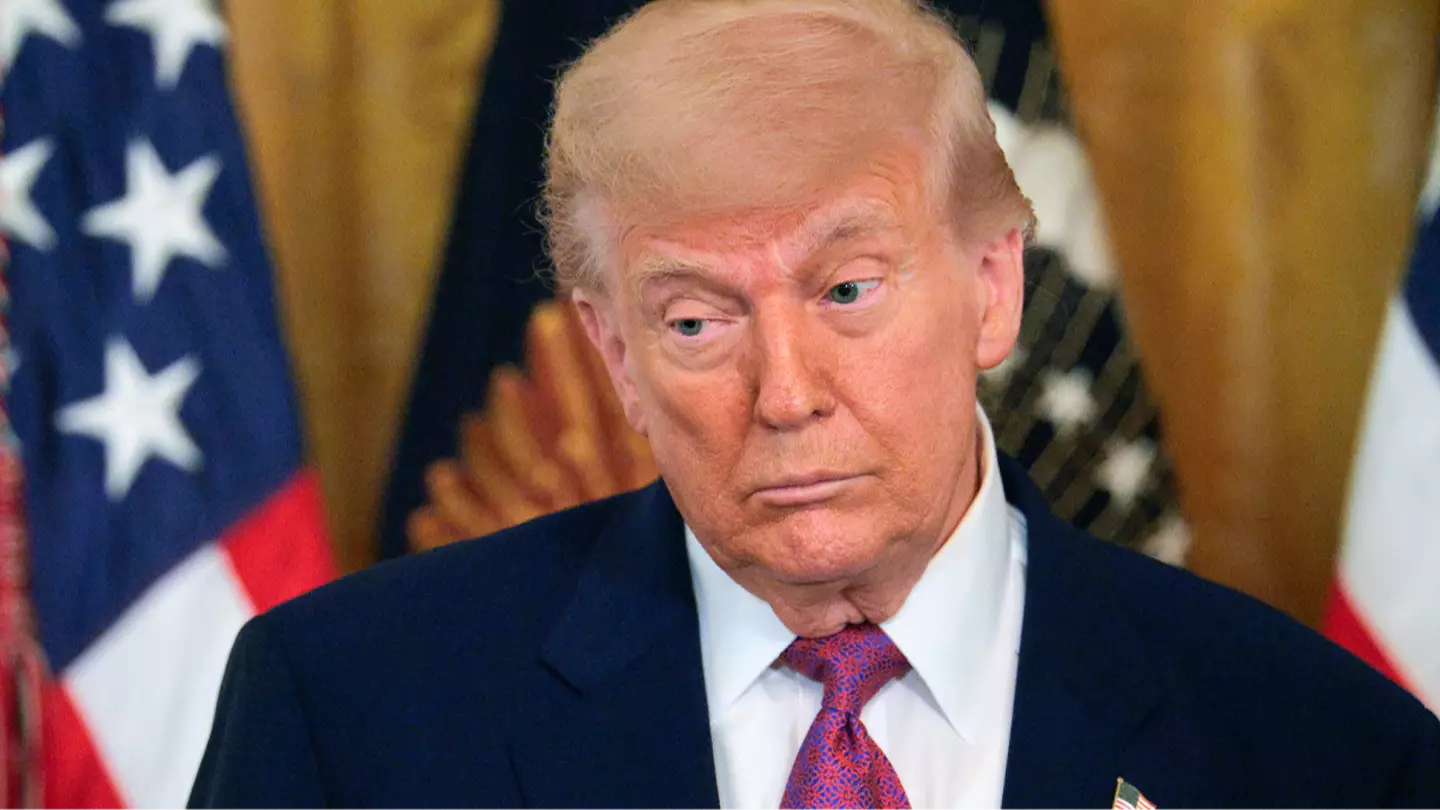
As the one-year mark of Donald Trump’s second-term inauguration approaches, a series of new polls reveal how Americans currently view his performance.

Since returning to the White House in January as the 47th President, Trump has moved quickly to implement major policy changes. Over the past 11 months, his administration has reshaped immigration rules, adjusted economic policies, and introduced new trade measures that significantly disrupted global markets. A lengthy federal government shutdown also took place in the fall.

Internationally, Trump has remained active on foreign issues, including diplomatic efforts related to ongoing conflicts. Domestically, he authorized National Guard deployments in several major cities as part of broader public-safety initiatives.

Despite these actions, Trump’s approval ratings have generally declined.

In October, a national survey showed 63% of Americans disapproved of his performance—one of the highest numbers recorded during his presidency. Another Reuters/Ipsos poll highlighted widespread concern about rising living costs.

A more recent New York Times poll suggests a slight rebound, with 42% approving and 55% disapproving as of December 5. Yet, many voters remain unsatisfied with how the administration is handling economic issues. Only 26% in last month’s Reuters poll said they felt the government was effectively managing the cost of living.

Support among Republicans has also softened. A Marquette University survey found approval of Trump’s economic leadership at 75%, down from 82% in July.

Beyond the economy, voters continue to express concerns about several national and international issues, including federal spending, healthcare, and ongoing global conflicts. According to Gallup, Trump’s highest approval ratings are in areas such as crime, foreign affairs, trade, and immigration, though none exceed the mid-40 percent range.

Multiple polls also show a decline in support from key demographic groups, including college-educated white men.

Another survey tracking 1,628 adults indicated Trump’s net approval rating has stayed at -15 or worse for seven consecutive weeks — an unusual trend compared to his first term.

For comparison, Joe Biden held a net approval of -9 at the same point in his presidency. Meanwhile, some polling suggests former President Barack Obama remains more favorably viewed than both Trump and Biden.

Overall, the data forecasts challenges ahead for the Republican Party. Several polls show Democrats gaining momentum for the upcoming midterm elections, with 55% of Americans saying they are more inclined to vote Democratic in their district.

Bombshell poll reveals what US voters really think of Trump 11 months into presidency Read More

Bombshell poll reveals what US voters really think of Trump 11 months into presidency

As the one-year mark of Donald Trump’s second-term inauguration approaches, a series of new polls reveal how Americans currently view his performance.

Since returning to the White House in January as the 47th President, Trump has moved quickly to implement major policy changes. Over the past 11 months, his administration has reshaped immigration rules, adjusted economic policies, and introduced new trade measures that significantly disrupted global markets. A lengthy federal government shutdown also took place in the fall.

Internationally, Trump has remained active on foreign issues, including diplomatic efforts related to ongoing conflicts. Domestically, he authorized National Guard deployments in several major cities as part of broader public-safety initiatives.

Despite these actions, Trump’s approval ratings have generally declined.

In October, a national survey showed 63% of Americans disapproved of his performance—one of the highest numbers recorded during his presidency. Another Reuters/Ipsos poll highlighted widespread concern about rising living costs.

A more recent New York Times poll suggests a slight rebound, with 42% approving and 55% disapproving as of December 5. Yet, many voters remain unsatisfied with how the administration is handling economic issues. Only 26% in last month’s Reuters poll said they felt the government was effectively managing the cost of living.

Support among Republicans has also softened. A Marquette University survey found approval of Trump’s economic leadership at 75%, down from 82% in July.

Beyond the economy, voters continue to express concerns about several national and international issues, including federal spending, healthcare, and ongoing global conflicts. According to Gallup, Trump’s highest approval ratings are in areas such as crime, foreign affairs, trade, and immigration, though none exceed the mid-40 percent range.

Multiple polls also show a decline in support from key demographic groups, including college-educated white men.

Another survey tracking 1,628 adults indicated Trump’s net approval rating has stayed at -15 or worse for seven consecutive weeks — an unusual trend compared to his first term.

For comparison, Joe Biden held a net approval of -9 at the same point in his presidency. Meanwhile, some polling suggests former President Barack Obama remains more favorably viewed than both Trump and Biden.

Overall, the data forecasts challenges ahead for the Republican Party. Several polls show Democrats gaining momentum for the upcoming midterm elections, with 55% of Americans saying they are more inclined to vote Democratic in their district.

Bombshell poll reveals what US voters really think of Trump 11 months into presidency Read More

Bombshell poll reveals what US voters really think of Trump 11 months into presidency

As the one-year mark of Donald Trump’s second-term inauguration approaches, a series of new polls reveal how Americans currently view his performance.

Since returning to the White House in January as the 47th President, Trump has moved quickly to implement major policy changes. Over the past 11 months, his administration has reshaped immigration rules, adjusted economic policies, and introduced new trade measures that significantly disrupted global markets. A lengthy federal government shutdown also took place in the fall.

Internationally, Trump has remained active on foreign issues, including diplomatic efforts related to ongoing conflicts. Domestically, he authorized National Guard deployments in several major cities as part of broader public-safety initiatives.

Despite these actions, Trump’s approval ratings have generally declined.

In October, a national survey showed 63% of Americans disapproved of his performance—one of the highest numbers recorded during his presidency. Another Reuters/Ipsos poll highlighted widespread concern about rising living costs.

A more recent New York Times poll suggests a slight rebound, with 42% approving and 55% disapproving as of December 5. Yet, many voters remain unsatisfied with how the administration is handling economic issues. Only 26% in last month’s Reuters poll said they felt the government was effectively managing the cost of living.

Support among Republicans has also softened. A Marquette University survey found approval of Trump’s economic leadership at 75%, down from 82% in July.

Beyond the economy, voters continue to express concerns about several national and international issues, including federal spending, healthcare, and ongoing global conflicts. According to Gallup, Trump’s highest approval ratings are in areas such as crime, foreign affairs, trade, and immigration, though none exceed the mid-40 percent range.

Multiple polls also show a decline in support from key demographic groups, including college-educated white men.

Another survey tracking 1,628 adults indicated Trump’s net approval rating has stayed at -15 or worse for seven consecutive weeks — an unusual trend compared to his first term.

For comparison, Joe Biden held a net approval of -9 at the same point in his presidency. Meanwhile, some polling suggests former President Barack Obama remains more favorably viewed than both Trump and Biden.

Overall, the data forecasts challenges ahead for the Republican Party. Several polls show Democrats gaining momentum for the upcoming midterm elections, with 55% of Americans saying they are more inclined to vote Democratic in their district.

Bombshell poll reveals what US voters really think of Trump 11 months into presidency Read More

Bombshell poll reveals what US voters really think of Trump 11 months into presidency

As the one-year mark of Donald Trump’s second-term inauguration approaches, a series of new polls reveal how Americans currently view his performance.

Since returning to the White House in January as the 47th President, Trump has moved quickly to implement major policy changes. Over the past 11 months, his administration has reshaped immigration rules, adjusted economic policies, and introduced new trade measures that significantly disrupted global markets. A lengthy federal government shutdown also took place in the fall.

Internationally, Trump has remained active on foreign issues, including diplomatic efforts related to ongoing conflicts. Domestically, he authorized National Guard deployments in several major cities as part of broader public-safety initiatives.

Despite these actions, Trump’s approval ratings have generally declined.

In October, a national survey showed 63% of Americans disapproved of his performance—one of the highest numbers recorded during his presidency. Another Reuters/Ipsos poll highlighted widespread concern about rising living costs.

A more recent New York Times poll suggests a slight rebound, with 42% approving and 55% disapproving as of December 5. Yet, many voters remain unsatisfied with how the administration is handling economic issues. Only 26% in last month’s Reuters poll said they felt the government was effectively managing the cost of living.

Support among Republicans has also softened. A Marquette University survey found approval of Trump’s economic leadership at 75%, down from 82% in July.

Beyond the economy, voters continue to express concerns about several national and international issues, including federal spending, healthcare, and ongoing global conflicts. According to Gallup, Trump’s highest approval ratings are in areas such as crime, foreign affairs, trade, and immigration, though none exceed the mid-40 percent range.

Multiple polls also show a decline in support from key demographic groups, including college-educated white men.

Another survey tracking 1,628 adults indicated Trump’s net approval rating has stayed at -15 or worse for seven consecutive weeks — an unusual trend compared to his first term.

For comparison, Joe Biden held a net approval of -9 at the same point in his presidency. Meanwhile, some polling suggests former President Barack Obama remains more favorably viewed than both Trump and Biden.

Overall, the data forecasts challenges ahead for the Republican Party. Several polls show Democrats gaining momentum for the upcoming midterm elections, with 55% of Americans saying they are more inclined to vote Democratic in their district.

Bombshell poll reveals what US voters really think of Trump 11 months into presidency Read More

Bombshell poll reveals what US voters really think of Trump 11 months into presidency

As the one-year mark of Donald Trump’s second-term inauguration approaches, a series of new polls reveal how Americans currently view his performance.

Since returning to the White House in January as the 47th President, Trump has moved quickly to implement major policy changes. Over the past 11 months, his administration has reshaped immigration rules, adjusted economic policies, and introduced new trade measures that significantly disrupted global markets. A lengthy federal government shutdown also took place in the fall.

Internationally, Trump has remained active on foreign issues, including diplomatic efforts related to ongoing conflicts. Domestically, he authorized National Guard deployments in several major cities as part of broader public-safety initiatives.

Despite these actions, Trump’s approval ratings have generally declined.

In October, a national survey showed 63% of Americans disapproved of his performance—one of the highest numbers recorded during his presidency. Another Reuters/Ipsos poll highlighted widespread concern about rising living costs.

A more recent New York Times poll suggests a slight rebound, with 42% approving and 55% disapproving as of December 5. Yet, many voters remain unsatisfied with how the administration is handling economic issues. Only 26% in last month’s Reuters poll said they felt the government was effectively managing the cost of living.

Support among Republicans has also softened. A Marquette University survey found approval of Trump’s economic leadership at 75%, down from 82% in July.

Beyond the economy, voters continue to express concerns about several national and international issues, including federal spending, healthcare, and ongoing global conflicts. According to Gallup, Trump’s highest approval ratings are in areas such as crime, foreign affairs, trade, and immigration, though none exceed the mid-40 percent range.

Multiple polls also show a decline in support from key demographic groups, including college-educated white men.

Another survey tracking 1,628 adults indicated Trump’s net approval rating has stayed at -15 or worse for seven consecutive weeks — an unusual trend compared to his first term.

For comparison, Joe Biden held a net approval of -9 at the same point in his presidency. Meanwhile, some polling suggests former President Barack Obama remains more favorably viewed than both Trump and Biden.

Overall, the data forecasts challenges ahead for the Republican Party. Several polls show Democrats gaining momentum for the upcoming midterm elections, with 55% of Americans saying they are more inclined to vote Democratic in their district.

Bombshell poll reveals what US voters really think of Trump 11 months into presidency Read More

Bombshell poll reveals what US voters really think of Trump 11 months into presidency

As the one-year mark of Donald Trump’s second-term inauguration approaches, a series of new polls reveal how Americans currently view his performance.

Since returning to the White House in January as the 47th President, Trump has moved quickly to implement major policy changes. Over the past 11 months, his administration has reshaped immigration rules, adjusted economic policies, and introduced new trade measures that significantly disrupted global markets. A lengthy federal government shutdown also took place in the fall.

Internationally, Trump has remained active on foreign issues, including diplomatic efforts related to ongoing conflicts. Domestically, he authorized National Guard deployments in several major cities as part of broader public-safety initiatives.

Despite these actions, Trump’s approval ratings have generally declined.

In October, a national survey showed 63% of Americans disapproved of his performance—one of the highest numbers recorded during his presidency. Another Reuters/Ipsos poll highlighted widespread concern about rising living costs.

A more recent New York Times poll suggests a slight rebound, with 42% approving and 55% disapproving as of December 5. Yet, many voters remain unsatisfied with how the administration is handling economic issues. Only 26% in last month’s Reuters poll said they felt the government was effectively managing the cost of living.

Support among Republicans has also softened. A Marquette University survey found approval of Trump’s economic leadership at 75%, down from 82% in July.

Beyond the economy, voters continue to express concerns about several national and international issues, including federal spending, healthcare, and ongoing global conflicts. According to Gallup, Trump’s highest approval ratings are in areas such as crime, foreign affairs, trade, and immigration, though none exceed the mid-40 percent range.

Multiple polls also show a decline in support from key demographic groups, including college-educated white men.

Another survey tracking 1,628 adults indicated Trump’s net approval rating has stayed at -15 or worse for seven consecutive weeks — an unusual trend compared to his first term.

For comparison, Joe Biden held a net approval of -9 at the same point in his presidency. Meanwhile, some polling suggests former President Barack Obama remains more favorably viewed than both Trump and Biden.

Overall, the data forecasts challenges ahead for the Republican Party. Several polls show Democrats gaining momentum for the upcoming midterm elections, with 55% of Americans saying they are more inclined to vote Democratic in their district.

Bombshell poll reveals what US voters really think of Trump 11 months into presidency Read More

Bombshell poll reveals what US voters really think of Trump 11 months into presidency

As the one-year mark of Donald Trump’s second-term inauguration approaches, a series of new polls reveal how Americans currently view his performance.

Since returning to the White House in January as the 47th President, Trump has moved quickly to implement major policy changes. Over the past 11 months, his administration has reshaped immigration rules, adjusted economic policies, and introduced new trade measures that significantly disrupted global markets. A lengthy federal government shutdown also took place in the fall.

Internationally, Trump has remained active on foreign issues, including diplomatic efforts related to ongoing conflicts. Domestically, he authorized National Guard deployments in several major cities as part of broader public-safety initiatives.

Despite these actions, Trump’s approval ratings have generally declined.

In October, a national survey showed 63% of Americans disapproved of his performance—one of the highest numbers recorded during his presidency. Another Reuters/Ipsos poll highlighted widespread concern about rising living costs.

A more recent New York Times poll suggests a slight rebound, with 42% approving and 55% disapproving as of December 5. Yet, many voters remain unsatisfied with how the administration is handling economic issues. Only 26% in last month’s Reuters poll said they felt the government was effectively managing the cost of living.

Support among Republicans has also softened. A Marquette University survey found approval of Trump’s economic leadership at 75%, down from 82% in July.

Beyond the economy, voters continue to express concerns about several national and international issues, including federal spending, healthcare, and ongoing global conflicts. According to Gallup, Trump’s highest approval ratings are in areas such as crime, foreign affairs, trade, and immigration, though none exceed the mid-40 percent range.

Multiple polls also show a decline in support from key demographic groups, including college-educated white men.

Another survey tracking 1,628 adults indicated Trump’s net approval rating has stayed at -15 or worse for seven consecutive weeks — an unusual trend compared to his first term.

For comparison, Joe Biden held a net approval of -9 at the same point in his presidency. Meanwhile, some polling suggests former President Barack Obama remains more favorably viewed than both Trump and Biden.

Overall, the data forecasts challenges ahead for the Republican Party. Several polls show Democrats gaining momentum for the upcoming midterm elections, with 55% of Americans saying they are more inclined to vote Democratic in their district.

Bombshell poll reveals what US voters really think of Trump 11 months into presidency Read More