Nancy Guthrie Update: How a Driver’s Careless Mistake Could Trigger an Arrest

A veteran detective’s perspective on a difficult mystery

A retired detective, Jon Buehler, is offering a thoughtful, measured take on the ongoing search for Nancy Guthrie. He believes that even a small, careless oversight by the person responsible could be the very thing that finally unlocks this case. In his view, complicated investigations sometimes turn on the simplest details—a missed step, a stray piece of data, or a quick decision that leaves a longer trail than expected.

Buehler discussed the case in a recent interview with NewsNation’s Brian Entin, drawing on years of experience that include high-profile investigations. His message is both practical and hopeful. While there may be no obvious suspect five months in, the tools available to investigators today are far more powerful than they once were. He suggests that the evidence required to identify a person of interest might already exist in the ordinary digital and vehicle records that so many of us create every day, often without thinking about it.
Where the investigation stands

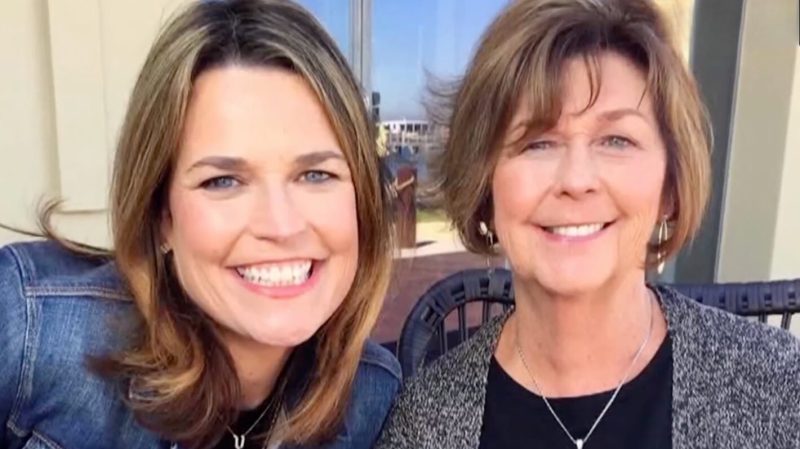
Nancy Guthrie, who is 84 and the mother of Today show host Savannah Guthrie, was reported missing on February 1 from her home in Tucson, Arizona. Police believe she was taken from the residence. Investigators released doorbell video that shows a masked individual and have submitted DNA for analysis at the FBI lab. Despite these efforts, the case remains unsolved, and no arrest has been announced.

It is a deeply unsettling situation for any family and any community, but especially for loved ones who must wait without clear answers. Buehler’s perspective is that, even in a case that feels stalled, investigators could already be sorting through promising leads. He reminds us that major cases are often built one piece at a time, and the most meaningful clue may look ordinary at first glance.

How a simple driving mistake could open the door

One point Buehler emphasizes is that a driver’s small mistake can become a critical lead. Many modern vehicles quietly record movement, routes, and recent destinations. A car’s built-in navigation system or a connected phone might store the address of a home that was entered for directions. If a person typed in Nancy’s address, there may be a record on the device or in the account used to do it.

Something as simple as forgetting to clear a recent destination, or leaving a mapping app signed in, can provide investigators with a timeline. Who looked up the address? When? Did the route match certain camera sightings or toll data? Did it overlap with the time Nancy disappeared? Even when drivers do not realize it, this type of digital breadcrumb can remain available—sometimes for months—and can become a piece of the larger puzzle.

What digital searches can reveal

Buehler also mentioned the value of search records and mapping tools. If someone searched Nancy’s address ahead of time, the information could still be stored in a cloud account or backed up on a device. With the proper legal steps, investigators may review that data and begin to match it to other leads, such as the path of a car, the presence of a phone, or sightings on nearby cameras. While none of these elements proves guilt on its own, several small indicators taken together can point toward a clearer picture of who was in the area and why.

This is not about casting a wide net on everyone’s private life; rather, it’s about following a specific trail where the facts lead, and doing so carefully. When detectives see a pattern—an address entered on a GPS, a phone present in a certain area, a vehicle captured by a camera—it helps them prioritize follow-ups and interviews. Often, the pieces begin to reinforce each other, and the picture sharpens.

Everyday reasons to be nearby—and why they still matter

In conversations about possible suspects, one idea that surfaces is the number of ordinary, well-intentioned people who legitimately pass by any neighborhood. Delivery drivers, repair technicians, installers, and service providers are in and out of residential areas day after day. Buehler notes that one investigative task is to separate routine, legitimate visits from activity that raises questions.

He points out that a person with a perfectly reasonable reason to be near a home can still leave a record—work orders, service tickets, delivery logs, or vehicle routes. These documents, together with doorbell videos or street cameras, allow investigators to cross-check whether a presence at a home was scheduled and appropriate, or unexpected and hard to explain. The goal is not to accuse anyone unfairly, but to make sure that every explanation lines up with the facts.

Public visibility and perceived opportunity

Because Nancy is the mother of a well-known television host, some have speculated that a person in the area might have seen an opportunity where none should exist. Buehler acknowledges that public profiles can sometimes change how criminals perceive a situation. Even so, careful investigators treat each lead the same way—by asking who had proximity, who had reason to be near the home, and whose actions do or do not make sense when compared to the timeline.

That process takes time. The presence of DNA evidence, for example, is one part of a bigger investigative effort. Laboratory work is careful and deliberate. Video analysis can take patience as well. And digital records must be requested, received, and analyzed in ways that respect the law while moving the case forward. While this can feel slow from the outside, it is the methodical approach that keeps cases strong.

Why small mistakes can break big cases

Buehler’s long career gives him a steady optimism. He recalls difficult investigations where a single witness came forward years later, or an overlooked detail gained new meaning with improved technology. In one case he remembers, a random homicide remained unresolved for 11 years before someone finally said the right thing to the right person—and everything changed.

He believes this case could follow a similar path to resolution. Perhaps a driver forgot to turn off location sharing. Perhaps a mapping app saved a route. Perhaps a vehicle stopped at an intersection with a camera the driver did not notice. Or perhaps, as often happens, a neighbor or acquaintance remembers something that did not seem important at first and decides to speak up. None of these possibilities guarantees a solution on its own, but they all show how an ordinary misstep can turn into powerful evidence over time.

The role of cameras, cars, and phones

Today, many neighborhoods benefit from a patchwork of doorbell cameras, home security systems, and municipal or business cameras. When detectives gather these videos and match them with vehicle data—like built-in navigation logs, Bluetooth connections, or telematics—they can often place a car within a few blocks and a few minutes of a key time. Some areas also use license plate readers that capture vehicles as they pass. Matching these sightings to a timeline helps narrow down which cars deserve a closer look.

Phones add another layer. Even when a device is not used to make a call, it may still send signals that, with appropriate legal approval, can help position it in an area around a specific time. When those signals line up with car data or camera sightings, the pattern becomes harder to dismiss as coincidence. Over and over, major cases are built from the convergence of these different pieces.

Patience, process, and priorities

From the outside, it can be frustrating to watch a case unfold without immediate breakthroughs. Buehler notes that investigators often have a long list of leads to prioritize. They move quickly on some tips and hold others while waiting for lab results or records requests. A tip that first seems minor may, months later, match a new piece of evidence and become central to the case.

He encourages families and the public to remember that forward progress isn’t always visible. Investigators rarely share every detail in real time, as doing so can alert the very person they hope to find. Silence does not mean inactivity; it often means careful, coordinated work that is better done quietly until the right moment.

What we know so far

Based on public information, Nancy Guthrie disappeared from her Tucson home on February 1. Authorities believe she was taken from the residence. Doorbell camera footage recorded a masked person near the home, and DNA has been submitted to the FBI for analysis. To date, no significant breakthrough has been announced. That said, the depth of today’s technology and the persistence of investigators offer genuine reasons to remain hopeful.

It is also worth remembering that families in situations like this often balance hope and heartache every day. Respect, patience, and support from the community can make a meaningful difference as they wait for clarity. Encouraging accurate information, avoiding unhelpful rumors, and sharing any genuine tip with law enforcement can all contribute to progress.

If you live nearby or traveled through the area

Over the years, countless cases have moved forward because of a neighbor’s camera, a driver’s dashboard footage, or a passerby’s memory. If you live in or passed through the Tucson area around February 1, think back to anything that seemed slightly out of place. A car idling where it normally wouldn’t. A vehicle parked in a hurry. A person wearing unusual clothing for the weather. Small observations matter more than most of us realize.

If you still have video from around that time—doorbell footage, a home security clip, or dashcam files—it may be valuable even if you are unsure it shows anything important. Investigators can quickly determine whether a brief glimpse of a car or person fits the timeline they are building. A few seconds from one home often connects with a few seconds from another, gradually forming a continuous record of movement through a neighborhood.

Staying centered while the work continues

In difficult times, it helps to focus on what can be done today. For families and friends, that might mean staying in touch with investigators, sharing accurate updates, and leaning on community support. For neighbors and the broader public, it could mean checking old video, sharing a credible tip, or simply offering patience and encouragement. These steady, practical steps keep energy where it belongs—on finding answers.

As Buehler reminds us, many major cases are solved not by dramatic revelations, but by methodical work and small breaks. A driver’s oversight. A saved route in a navigation app. A car captured by a camera one block over. A witness who finally realizes that a quick detail from months ago may matter. Each of these can be the turning point that brings a family the resolution they deserve.

Hope rooted in experience

Buehler’s experience with complex investigations, including well-known cases from years past, underpins his optimism here. He has seen how time, technology, and tenacity create results. Even when leads seem thin, he believes the chances are good that something useful already sits in a queue—waiting for a lab result, a records response, or a comparison to a new tip.

It is natural to wish for swift closure. Yet deliberate progress is often what makes cases strong enough to stand up when it matters most. If a careless driving mistake occurred—an address typed in and forgotten, a route saved without thinking, a phone left connected to a car’s system—it could be just the edge investigators need. Those simple oversights leave traces, and in the long run, traces add up.

Looking ahead

For now, the focus remains on carefully piecing together what happened on and around February 1 in Tucson. The combination of neighborhood video, DNA testing, vehicle and phone data, and good old-fashioned follow-up gives investigators many ways to move forward. The path may not be quick, but it can be sure-footed.

If you know something—no matter how small it seems—consider sharing it with law enforcement. Time and again, it is the ordinary person with a small piece of the story who makes the extraordinary difference. And if you are simply watching and hoping from afar, take heart from the experience of professionals like Buehler. Mysteries do get solved. Families do get answers. Sometimes it is the tiniest mistake that lights the way.

Nancy Guthrie Update: How a Driver’s Careless Mistake Could Trigger an Arrest Read More

Nancy Guthrie Update: How a Driver’s Careless Mistake Could Trigger an Arrest

A veteran detective’s perspective on a difficult mystery

A retired detective, Jon Buehler, is offering a thoughtful, measured take on the ongoing search for Nancy Guthrie. He believes that even a small, careless oversight by the person responsible could be the very thing that finally unlocks this case. In his view, complicated investigations sometimes turn on the simplest details—a missed step, a stray piece of data, or a quick decision that leaves a longer trail than expected.

Buehler discussed the case in a recent interview with NewsNation’s Brian Entin, drawing on years of experience that include high-profile investigations. His message is both practical and hopeful. While there may be no obvious suspect five months in, the tools available to investigators today are far more powerful than they once were. He suggests that the evidence required to identify a person of interest might already exist in the ordinary digital and vehicle records that so many of us create every day, often without thinking about it.

Where the investigation stands

Nancy Guthrie, who is 84 and the mother of Today show host Savannah Guthrie, was reported missing on February 1 from her home in Tucson, Arizona. Police believe she was taken from the residence. Investigators released doorbell video that shows a masked individual and have submitted DNA for analysis at the FBI lab. Despite these efforts, the case remains unsolved, and no arrest has been announced.

It is a deeply unsettling situation for any family and any community, but especially for loved ones who must wait without clear answers. Buehler’s perspective is that, even in a case that feels stalled, investigators could already be sorting through promising leads. He reminds us that major cases are often built one piece at a time, and the most meaningful clue may look ordinary at first glance.

How a simple driving mistake could open the door

One point Buehler emphasizes is that a driver’s small mistake can become a critical lead. Many modern vehicles quietly record movement, routes, and recent destinations. A car’s built-in navigation system or a connected phone might store the address of a home that was entered for directions. If a person typed in Nancy’s address, there may be a record on the device or in the account used to do it.

Something as simple as forgetting to clear a recent destination, or leaving a mapping app signed in, can provide investigators with a timeline. Who looked up the address? When? Did the route match certain camera sightings or toll data? Did it overlap with the time Nancy disappeared? Even when drivers do not realize it, this type of digital breadcrumb can remain available—sometimes for months—and can become a piece of the larger puzzle.

What digital searches can reveal

Buehler also mentioned the value of search records and mapping tools. If someone searched Nancy’s address ahead of time, the information could still be stored in a cloud account or backed up on a device. With the proper legal steps, investigators may review that data and begin to match it to other leads, such as the path of a car, the presence of a phone, or sightings on nearby cameras. While none of these elements proves guilt on its own, several small indicators taken together can point toward a clearer picture of who was in the area and why.

This is not about casting a wide net on everyone’s private life; rather, it’s about following a specific trail where the facts lead, and doing so carefully. When detectives see a pattern—an address entered on a GPS, a phone present in a certain area, a vehicle captured by a camera—it helps them prioritize follow-ups and interviews. Often, the pieces begin to reinforce each other, and the picture sharpens.

Everyday reasons to be nearby—and why they still matter

In conversations about possible suspects, one idea that surfaces is the number of ordinary, well-intentioned people who legitimately pass by any neighborhood. Delivery drivers, repair technicians, installers, and service providers are in and out of residential areas day after day. Buehler notes that one investigative task is to separate routine, legitimate visits from activity that raises questions.

He points out that a person with a perfectly reasonable reason to be near a home can still leave a record—work orders, service tickets, delivery logs, or vehicle routes. These documents, together with doorbell videos or street cameras, allow investigators to cross-check whether a presence at a home was scheduled and appropriate, or unexpected and hard to explain. The goal is not to accuse anyone unfairly, but to make sure that every explanation lines up with the facts.

Public visibility and perceived opportunity

Because Nancy is the mother of a well-known television host, some have speculated that a person in the area might have seen an opportunity where none should exist. Buehler acknowledges that public profiles can sometimes change how criminals perceive a situation. Even so, careful investigators treat each lead the same way—by asking who had proximity, who had reason to be near the home, and whose actions do or do not make sense when compared to the timeline.

That process takes time. The presence of DNA evidence, for example, is one part of a bigger investigative effort. Laboratory work is careful and deliberate. Video analysis can take patience as well. And digital records must be requested, received, and analyzed in ways that respect the law while moving the case forward. While this can feel slow from the outside, it is the methodical approach that keeps cases strong.

Why small mistakes can break big cases

Buehler’s long career gives him a steady optimism. He recalls difficult investigations where a single witness came forward years later, or an overlooked detail gained new meaning with improved technology. In one case he remembers, a random homicide remained unresolved for 11 years before someone finally said the right thing to the right person—and everything changed.

He believes this case could follow a similar path to resolution. Perhaps a driver forgot to turn off location sharing. Perhaps a mapping app saved a route. Perhaps a vehicle stopped at an intersection with a camera the driver did not notice. Or perhaps, as often happens, a neighbor or acquaintance remembers something that did not seem important at first and decides to speak up. None of these possibilities guarantees a solution on its own, but they all show how an ordinary misstep can turn into powerful evidence over time.

The role of cameras, cars, and phones

Today, many neighborhoods benefit from a patchwork of doorbell cameras, home security systems, and municipal or business cameras. When detectives gather these videos and match them with vehicle data—like built-in navigation logs, Bluetooth connections, or telematics—they can often place a car within a few blocks and a few minutes of a key time. Some areas also use license plate readers that capture vehicles as they pass. Matching these sightings to a timeline helps narrow down which cars deserve a closer look.

Phones add another layer. Even when a device is not used to make a call, it may still send signals that, with appropriate legal approval, can help position it in an area around a specific time. When those signals line up with car data or camera sightings, the pattern becomes harder to dismiss as coincidence. Over and over, major cases are built from the convergence of these different pieces.

Patience, process, and priorities

From the outside, it can be frustrating to watch a case unfold without immediate breakthroughs. Buehler notes that investigators often have a long list of leads to prioritize. They move quickly on some tips and hold others while waiting for lab results or records requests. A tip that first seems minor may, months later, match a new piece of evidence and become central to the case.

He encourages families and the public to remember that forward progress isn’t always visible. Investigators rarely share every detail in real time, as doing so can alert the very person they hope to find. Silence does not mean inactivity; it often means careful, coordinated work that is better done quietly until the right moment.

What we know so far

Based on public information, Nancy Guthrie disappeared from her Tucson home on February 1. Authorities believe she was taken from the residence. Doorbell camera footage recorded a masked person near the home, and DNA has been submitted to the FBI for analysis. To date, no significant breakthrough has been announced. That said, the depth of today’s technology and the persistence of investigators offer genuine reasons to remain hopeful.

It is also worth remembering that families in situations like this often balance hope and heartache every day. Respect, patience, and support from the community can make a meaningful difference as they wait for clarity. Encouraging accurate information, avoiding unhelpful rumors, and sharing any genuine tip with law enforcement can all contribute to progress.

If you live nearby or traveled through the area

Over the years, countless cases have moved forward because of a neighbor’s camera, a driver’s dashboard footage, or a passerby’s memory. If you live in or passed through the Tucson area around February 1, think back to anything that seemed slightly out of place. A car idling where it normally wouldn’t. A vehicle parked in a hurry. A person wearing unusual clothing for the weather. Small observations matter more than most of us realize.

If you still have video from around that time—doorbell footage, a home security clip, or dashcam files—it may be valuable even if you are unsure it shows anything important. Investigators can quickly determine whether a brief glimpse of a car or person fits the timeline they are building. A few seconds from one home often connects with a few seconds from another, gradually forming a continuous record of movement through a neighborhood.

Staying centered while the work continues

In difficult times, it helps to focus on what can be done today. For families and friends, that might mean staying in touch with investigators, sharing accurate updates, and leaning on community support. For neighbors and the broader public, it could mean checking old video, sharing a credible tip, or simply offering patience and encouragement. These steady, practical steps keep energy where it belongs—on finding answers.

As Buehler reminds us, many major cases are solved not by dramatic revelations, but by methodical work and small breaks. A driver’s oversight. A saved route in a navigation app. A car captured by a camera one block over. A witness who finally realizes that a quick detail from months ago may matter. Each of these can be the turning point that brings a family the resolution they deserve.

Hope rooted in experience

Buehler’s experience with complex investigations, including well-known cases from years past, underpins his optimism here. He has seen how time, technology, and tenacity create results. Even when leads seem thin, he believes the chances are good that something useful already sits in a queue—waiting for a lab result, a records response, or a comparison to a new tip.

It is natural to wish for swift closure. Yet deliberate progress is often what makes cases strong enough to stand up when it matters most. If a careless driving mistake occurred—an address typed in and forgotten, a route saved without thinking, a phone left connected to a car’s system—it could be just the edge investigators need. Those simple oversights leave traces, and in the long run, traces add up.

Looking ahead

For now, the focus remains on carefully piecing together what happened on and around February 1 in Tucson. The combination of neighborhood video, DNA testing, vehicle and phone data, and good old-fashioned follow-up gives investigators many ways to move forward. The path may not be quick, but it can be sure-footed.

If you know something—no matter how small it seems—consider sharing it with law enforcement. Time and again, it is the ordinary person with a small piece of the story who makes the extraordinary difference. And if you are simply watching and hoping from afar, take heart from the experience of professionals like Buehler. Mysteries do get solved. Families do get answers. Sometimes it is the tiniest mistake that lights the way.

Nancy Guthrie Update: How a Driver’s Careless Mistake Could Trigger an Arrest Read More

I watched a manager’s smug professionalism turn to absolute panic the moment I spoke up in his boardroom.

I’d always been taught to respect adults, but nobody had taught me what to do when adults didn’t respect each other. When I heard my mom’s boss making fun of her thrift store clothes, I decided some lessons couldn’t wait for adulthood.

Growing up with just my mom and me meant we were a team. She was captain and MVP rolled into one, and I was her biggest fan.

My mom worked as a secretary at RSD Financial, a job she’d held since before I was born. Every morning, she’d iron her clothes with precision, apply her makeup carefully, and head out with a smile that hid how tired she really was.

“Liam, there’s dinner in the fridge,” she’d say, kissing my forehead before leaving. “And don’t forget your math homework!”

We weren’t rich by any means. Our apartment was small, and most of my clothes came from the same thrift stores where Mom found her professional outfits.

But I never felt like I was missing anything, because she somehow made magic happen on a secretary’s salary.

On my 13th birthday, she surprised me with the laptop I’d been eyeing for months.

“How did you afford this?” I asked in disbelief.

She winked. “I’ve been saving a little each week since last year. Your grades deserve it.”

What I didn’t know then was that she’d picked up weekend filing work to make it happen.

That’s who my mom was. Someone who gave everything and asked for nothing. She’d work ten-hour days, come home, help with my homework, then stay up late handling bills or mending clothes.

I’d sometimes find her asleep at the kitchen table, calculator and budget notebook still open.

“Mom, you should rest more,” I’d tell her.

She’d just smile. “I’ll rest when you’re in college, kiddo.”

I thought everything was fine in our lives. Sure, money was tight, but we managed. Mom never complained, and I tried not to either.

We were a good team.

Until the day I overheard her talking to Grandma on the phone.

I was heading to the kitchen for a snack when I heard her voice. She sounded different.

She was in her bedroom with the door nearly closed, just a sliver of light escaping into the hallway.

“I don’t know how much longer I can take it, Mom,” she was saying, her voice catching. “Today, he made a joke about my blazer in front of everyone. Said I look like a joke in my thrift store clothes… that I should be grateful I even have a job.”

She was crying. My mom, whom I’d seen cry maybe twice in my life, was sobbing into the phone.

“No, I can’t quit. You know I can’t. There aren’t other jobs that pay this well with my qualifications, and with Liam’s college fund to think about…”

I stood frozen and forgot about my hunger. My chest felt tight, like something was squeezing my heart.

“He said if I wanted to be treated like a professional, I should dress like one, not like I’m ‘digging through clearance bins.'” She paused. “But I am digging through clearance bins, Mom. What else am I supposed to do?”

I felt my fists clench. I didn’t even know this man, but in that moment, I hated him. How dare he make my mom feel this way?

That night at dinner, I watched her more carefully. The slight slump in her shoulders I hadn’t noticed before. The way she kept tucking her hair behind her ear.

“Mom?” I finally asked. “Is everything okay at work?”

She looked startled, then quickly composed herself. “Of course, honey. Why do you ask?”

“I… I heard you on the phone earlier. Talking to Grandma.”

Her face fell slightly before she recovered with a smile that didn’t reach her eyes. “Oh, that was nothing. Just a rough day. Every job has those.”

“But your boss… he said things about your clothes?”

She sighed, setting down her fork. “Liam, in the adult world, sometimes people say unkind things. It doesn’t matter.”

“Why do you let him talk to you like that?”

She just smiled and said, “Because sometimes being strong means staying silent. But don’t worry, honey. I’m fine.”

“One day,” I said, “I’ll make him regret treating you like this.”

She laughed and ruffled my hair. “Promise me you won’t do anything silly, okay?”

I promised. But I lied.

For the next two weeks, I watched Mom like a hawk. I noticed things I’d never paid attention to before, including how she’d check price tags on everything at the grocery store, how she’d mend the same pair of work heels instead of buying new ones, and how she’d come home with her eyes tired but her smile ready.

Every night when she walked through the door, I’d study her face for signs of another bad day.

“How was work?” became my daily interrogation.

“Fine, sweetie. Just the usual,” she’d reply, but sometimes her smile would falter for just a second.

On Friday that week, Mom came home clutching an envelope.

“What’s that?” I asked.

“An invitation,” she said, sounding surprised. “The company’s annual awards dinner. Richard’s receiving some leadership award, and all staff are invited.”

“Are you going?”

She shook her head quickly. “Those events aren’t really for people like me. They’re for the executives and their families to show off.”

“But it says all staff, right?”

“I’d just feel out of place, Liam. Besides,” she brightened, “we could have a movie night instead! I’ll make your favorite chicken parmesan.”

Something clicked in my brain. “No, Mom. You should go.”

“Why? You love our movie nights.”

“Because,” I said carefully, “you work there too. You deserve to be included.”

What I didn’t tell her was that I’d recognized Richard’s last name on the invitation. His daughter, Zoe, went to my school. She was a year older and ran in different circles, but everyone knew who she was. The principal always made a big deal when her dad made donations to the school.

“I don’t know, Liam,” Mom sighed. “I don’t have anything appropriate to wear to something like this.”

“We’ll figure it out,” I promised. “Please, Mom? For me?”

She gave me a curious look but finally nodded. “Okay. For you.”

The next morning, I found Zoe in the library during study hall.

My heart was pounding as I approached her table.

“Excuse me, Zoe?” My voice cracked embarrassingly.

She looked up from her textbook, confused. “Yes?”

“Can I talk to you for a minute? It’s important.”

She glanced at her friends, then shrugged. “I guess.”

We walked to a quiet corner of the library. I took a deep breath.

“Your dad is Richard, right? From RSD Financial?”

“Yeah. Why?”

“My mom works for him. Martha Wilson? She’s his secretary.”

“Oh. Okay.” She started to turn away.

“He’s been making fun of her,” I blurted out. “In front of everyone at the office. About her clothes and stuff.”

Zoe stopped. “What?”

“She buys her work clothes from thrift stores because she’s saving for my college fund. And your dad… he makes jokes about it. Makes her feel worthless.”

Zoe’s face flushed. “My dad wouldn’t do that.”

“He does,” I insisted. “There’s this awards dinner coming up—”

“Yeah, Dad’s getting the Executive Leadership Award. We’re all going.”

“So is my mom. And I’m going to be there too.”

She frowned. “It’s not really for kids.”

“I don’t care. I need your help.”

“My help? Why would I help you?”

I took out my phone. “Because I recorded what your dad said to my mom.”

This was my biggest gamble. After that night I’d overheard Mom on the phone, I’d set her phone to automatically record all her calls. It was an invasion of privacy, sure, but I was desperate for evidence.

I pressed play, and Richard’s voice filled the space between us.

“Martha,” he said. “If you’re going to represent this office, you might want to shop somewhere besides the bargain bin at Goodwill. You look like you’re playing dress-up in someone else’s clothes.”

Zoe’s face had gone pale. She looked genuinely shocked. “I… I didn’t know.”

“Now you do,” I said simply. “Will you help me?”

“What do you want me to do?”

That’s when the plan fully formed in my mind.

The night of the awards dinner arrived. Mom looked beautiful in a navy blue dress we’d found at a consignment shop. She’d spent hours altering it herself.

As soon as Mom’s car disappeared down the street, I changed into my one good outfit and called the Uber I’d saved up for weeks to afford.

The event was being held at a fancy hotel I’d only ever seen from the outside. My stomach was in knots as I walked through the revolving door, clutching my backpack.

Zoe was waiting in the lobby as promised, looking uncomfortable in her formal dress.

“I can’t believe I’m doing this,” she muttered when she saw me. “I managed to record something Dad said about your mom.”

That’s when she played the recording where Richard was telling one of his bosses that it was indeed Mom who had saved the company multiple times while he was on vacation. He even confessed he didn’t want to promote Mom to a managerial-level job because he didn’t see the potential in her.

“Thanks for helping,” I said. “Really.”

She nodded stiffly. “I talked to the AV guy like you asked. He thinks this is part of Dad’s surprise.”

We slipped into the ballroom through a side entrance. The place was packed with people in fancy clothes, mingling around tables with elaborate centerpieces. I spotted Mom immediately, sitting alone at a table near the back, looking like she wished she could disappear.

“There’s my dad,” Zoe whispered, pointing to a tall man in an expensive suit laughing loudly with a group of equally well-dressed people.

Richard looked exactly like I’d imagined. Slick and smug. My hands started to shake, but I steadied myself.

“Where’s the AV booth?” I asked.

Zoe pointed to a small booth at the back of the room. “Remember your promise. You said you’d just play the recordings, not humiliate him.”

“I won’t humiliate him,” I said truthfully. “He’s going to humiliate himself.”

The event began with dinner, followed by speeches from company executives. Finally, the emcee announced, “And now, the moment we’ve all been waiting for. The Executive Leadership Award, presented to our very own Mr. Richard!”

Applause filled the room as Richard made his way to the stage, smiling widely. His wife and two younger children beamed from their front-row table.

“Thank you, thank you,” he began, adjusting the microphone. “Leadership is about setting an example—”

That was my cue. I nodded to the AV guy, who pressed the button Zoe had shown him earlier.

Richard’s voice suddenly boomed through the speakers, but it wasn’t his prepared speech.

“Martha, if you’re going to represent this office, you might want to shop somewhere besides the bargain bin at Goodwill. You look like you’re playing dress-up in someone else’s clothes.”

Then another clip, “Tell Martha to fetch the coffee. At least she’s good for something.”

Then another, “She should be grateful she even has a job with her limited qualifications.”

The room went dead silent. Richard froze on stage, his face turning bright red. People started murmuring. Some looked shocked. Others looked uncomfortable.

I stepped out from the side and walked toward the stage with my backpack. I climbed the steps and stood next to him, microphone in hand.

“My name is Liam Wilson,” I said, my voice surprisingly steady. “My mom is Martha Wilson, your secretary. She works harder than anyone in that office, including you. She buys her clothes from thrift stores so she can save for my college fund. And you mock her for it. In front of everyone.”

I turned to the audience. “My mom is the reason this company runs smoothly when Mr. Richard is away. She deserves respect, not ridicule.”

The silence broke into whispers, then scattered applause. Richard’s family stared in horror. His wife looked mortified.

Security started moving toward me, but Richard waved them off, still stunned.

Later that night, Mom found me waiting outside the hotel. She didn’t say anything at first. She just pulled me into a tight hug.

“You shouldn’t have done that,” she whispered, but there was pride in her voice.

“I had to, Mom. No one gets to talk to you like that.”

The next week at work, things changed. Richard avoided Mom’s desk. Rumors spread. A few colleagues started treating her differently — with more respect. Eventually, she got that promotion she’d been denied for years.

As for me? I learned that sometimes, standing up for the people you love means breaking a few rules. And that respect isn’t something you wait for — sometimes, you have to demand it.

Tell us what you think about this story, and share it with your friends. It might inspire them and brighten their day.

I watched a manager’s smug professionalism turn to absolute panic the moment I spoke up in his boardroom. Read More

He thought he could comfortably look down on his team, completely unaware of the public reckoning heading his way.

I’d always been taught to respect adults, but nobody had taught me what to do when adults didn’t respect each other. When I heard my mom’s boss making fun of her thrift store clothes, I decided some lessons couldn’t wait for adulthood.

Growing up with just my mom and me meant we were a team. She was captain and MVP rolled into one, and I was her biggest fan.

My mom worked as a secretary at RSD Financial, a job she’d held since before I was born. Every morning, she’d iron her clothes with precision, apply her makeup carefully, and head out with a smile that hid how tired she really was.

“Liam, there’s dinner in the fridge,” she’d say, kissing my forehead before leaving. “And don’t forget your math homework!”

We weren’t rich by any means. Our apartment was small, and most of my clothes came from the same thrift stores where Mom found her professional outfits.

But I never felt like I was missing anything, because she somehow made magic happen on a secretary’s salary.

On my 13th birthday, she surprised me with the laptop I’d been eyeing for months.

“How did you afford this?” I asked in disbelief.

She winked. “I’ve been saving a little each week since last year. Your grades deserve it.”

What I didn’t know then was that she’d picked up weekend filing work to make it happen.

That’s who my mom was. Someone who gave everything and asked for nothing. She’d work ten-hour days, come home, help with my homework, then stay up late handling bills or mending clothes.

I’d sometimes find her asleep at the kitchen table, calculator and budget notebook still open.

“Mom, you should rest more,” I’d tell her.

She’d just smile. “I’ll rest when you’re in college, kiddo.”

I thought everything was fine in our lives. Sure, money was tight, but we managed. Mom never complained, and I tried not to either.

We were a good team.

Until the day I overheard her talking to Grandma on the phone.

I was heading to the kitchen for a snack when I heard her voice. She sounded different.

She was in her bedroom with the door nearly closed, just a sliver of light escaping into the hallway.

“I don’t know how much longer I can take it, Mom,” she was saying, her voice catching. “Today, he made a joke about my blazer in front of everyone. Said I look like a joke in my thrift store clothes… that I should be grateful I even have a job.”

She was crying. My mom, whom I’d seen cry maybe twice in my life, was sobbing into the phone.

“No, I can’t quit. You know I can’t. There aren’t other jobs that pay this well with my qualifications, and with Liam’s college fund to think about…”

I stood frozen and forgot about my hunger. My chest felt tight, like something was squeezing my heart.

“He said if I wanted to be treated like a professional, I should dress like one, not like I’m ‘digging through clearance bins.'” She paused. “But I am digging through clearance bins, Mom. What else am I supposed to do?”

I felt my fists clench. I didn’t even know this man, but in that moment, I hated him. How dare he make my mom feel this way?

That night at dinner, I watched her more carefully. The slight slump in her shoulders I hadn’t noticed before. The way she kept tucking her hair behind her ear.

“Mom?” I finally asked. “Is everything okay at work?”

She looked startled, then quickly composed herself. “Of course, honey. Why do you ask?”

“I… I heard you on the phone earlier. Talking to Grandma.”

Her face fell slightly before she recovered with a smile that didn’t reach her eyes. “Oh, that was nothing. Just a rough day. Every job has those.”

“But your boss… he said things about your clothes?”

She sighed, setting down her fork. “Liam, in the adult world, sometimes people say unkind things. It doesn’t matter.”

“Why do you let him talk to you like that?”

She just smiled and said, “Because sometimes being strong means staying silent. But don’t worry, honey. I’m fine.”

“One day,” I said, “I’ll make him regret treating you like this.”

She laughed and ruffled my hair. “Promise me you won’t do anything silly, okay?”

I promised. But I lied.

For the next two weeks, I watched Mom like a hawk. I noticed things I’d never paid attention to before, including how she’d check price tags on everything at the grocery store, how she’d mend the same pair of work heels instead of buying new ones, and how she’d come home with her eyes tired but her smile ready.

Every night when she walked through the door, I’d study her face for signs of another bad day.

“How was work?” became my daily interrogation.

“Fine, sweetie. Just the usual,” she’d reply, but sometimes her smile would falter for just a second.

On Friday that week, Mom came home clutching an envelope.

“What’s that?” I asked.

“An invitation,” she said, sounding surprised. “The company’s annual awards dinner. Richard’s receiving some leadership award, and all staff are invited.”

“Are you going?”

She shook her head quickly. “Those events aren’t really for people like me. They’re for the executives and their families to show off.”

“But it says all staff, right?”

“I’d just feel out of place, Liam. Besides,” she brightened, “we could have a movie night instead! I’ll make your favorite chicken parmesan.”

Something clicked in my brain. “No, Mom. You should go.”

“Why? You love our movie nights.”

“Because,” I said carefully, “you work there too. You deserve to be included.”

What I didn’t tell her was that I’d recognized Richard’s last name on the invitation. His daughter, Zoe, went to my school. She was a year older and ran in different circles, but everyone knew who she was. The principal always made a big deal when her dad made donations to the school.

“I don’t know, Liam,” Mom sighed. “I don’t have anything appropriate to wear to something like this.”

“We’ll figure it out,” I promised. “Please, Mom? For me?”

She gave me a curious look but finally nodded. “Okay. For you.”

The next morning, I found Zoe in the library during study hall.

My heart was pounding as I approached her table.

“Excuse me, Zoe?” My voice cracked embarrassingly.

She looked up from her textbook, confused. “Yes?”

“Can I talk to you for a minute? It’s important.”

She glanced at her friends, then shrugged. “I guess.”

We walked to a quiet corner of the library. I took a deep breath.

“Your dad is Richard, right? From RSD Financial?”

“Yeah. Why?”

“My mom works for him. Martha Wilson? She’s his secretary.”

“Oh. Okay.” She started to turn away.

“He’s been making fun of her,” I blurted out. “In front of everyone at the office. About her clothes and stuff.”

Zoe stopped. “What?”

“She buys her work clothes from thrift stores because she’s saving for my college fund. And your dad… he makes jokes about it. Makes her feel worthless.”

Zoe’s face flushed. “My dad wouldn’t do that.”

“He does,” I insisted. “There’s this awards dinner coming up—”

“Yeah, Dad’s getting the Executive Leadership Award. We’re all going.”

“So is my mom. And I’m going to be there too.”

She frowned. “It’s not really for kids.”

“I don’t care. I need your help.”

“My help? Why would I help you?”

I took out my phone. “Because I recorded what your dad said to my mom.”

This was my biggest gamble. After that night I’d overheard Mom on the phone, I’d set her phone to automatically record all her calls. It was an invasion of privacy, sure, but I was desperate for evidence.

I pressed play, and Richard’s voice filled the space between us.

“Martha,” he said. “If you’re going to represent this office, you might want to shop somewhere besides the bargain bin at Goodwill. You look like you’re playing dress-up in someone else’s clothes.”

Zoe’s face had gone pale. She looked genuinely shocked. “I… I didn’t know.”

“Now you do,” I said simply. “Will you help me?”

“What do you want me to do?”

That’s when the plan fully formed in my mind.

The night of the awards dinner arrived. Mom looked beautiful in a navy blue dress we’d found at a consignment shop. She’d spent hours altering it herself.

As soon as Mom’s car disappeared down the street, I changed into my one good outfit and called the Uber I’d saved up for weeks to afford.

The event was being held at a fancy hotel I’d only ever seen from the outside. My stomach was in knots as I walked through the revolving door, clutching my backpack.

Zoe was waiting in the lobby as promised, looking uncomfortable in her formal dress.

“I can’t believe I’m doing this,” she muttered when she saw me. “I managed to record something Dad said about your mom.”

That’s when she played the recording where Richard was telling one of his bosses that it was indeed Mom who had saved the company multiple times while he was on vacation. He even confessed he didn’t want to promote Mom to a managerial-level job because he didn’t see the potential in her.

“Thanks for helping,” I said. “Really.”

She nodded stiffly. “I talked to the AV guy like you asked. He thinks this is part of Dad’s surprise.”

We slipped into the ballroom through a side entrance. The place was packed with people in fancy clothes, mingling around tables with elaborate centerpieces. I spotted Mom immediately, sitting alone at a table near the back, looking like she wished she could disappear.

“There’s my dad,” Zoe whispered, pointing to a tall man in an expensive suit laughing loudly with a group of equally well-dressed people.

Richard looked exactly like I’d imagined. Slick and smug. My hands started to shake, but I steadied myself.

“Where’s the AV booth?” I asked.

Zoe pointed to a small booth at the back of the room. “Remember your promise. You said you’d just play the recordings, not humiliate him.”

“I won’t humiliate him,” I said truthfully. “He’s going to humiliate himself.”

The event began with dinner, followed by speeches from company executives. Finally, the emcee announced, “And now, the moment we’ve all been waiting for. The Executive Leadership Award, presented to our very own Mr. Richard!”

Applause filled the room as Richard made his way to the stage, smiling widely. His wife and two younger children beamed from their front-row table.

“Thank you, thank you,” he began, adjusting the microphone. “Leadership is about setting an example—”

That was my cue. I nodded to the AV guy, who pressed the button Zoe had shown him earlier.

Richard’s voice suddenly boomed through the speakers, but it wasn’t his prepared speech.

“Martha, if you’re going to represent this office, you might want to shop somewhere besides the bargain bin at Goodwill. You look like you’re playing dress-up in someone else’s clothes.”

Then another clip, “Tell Martha to fetch the coffee. At least she’s good for something.”

Then another, “She should be grateful she even has a job with her limited qualifications.”

The room went dead silent. Richard froze on stage, his face turning bright red. People started murmuring. Some looked shocked. Others looked uncomfortable.

I stepped out from the side and walked toward the stage with my backpack. I climbed the steps and stood next to him, microphone in hand.

“My name is Liam Wilson,” I said, my voice surprisingly steady. “My mom is Martha Wilson, your secretary. She works harder than anyone in that office, including you. She buys her clothes from thrift stores so she can save for my college fund. And you mock her for it. In front of everyone.”

I turned to the audience. “My mom is the reason this company runs smoothly when Mr. Richard is away. She deserves respect, not ridicule.”

The silence broke into whispers, then scattered applause. Richard’s family stared in horror. His wife looked mortified.

Security started moving toward me, but Richard waved them off, still stunned.

Later that night, Mom found me waiting outside the hotel. She didn’t say anything at first. She just pulled me into a tight hug.

“You shouldn’t have done that,” she whispered, but there was pride in her voice.

“I had to, Mom. No one gets to talk to you like that.”

The next week at work, things changed. Richard avoided Mom’s desk. Rumors spread. A few colleagues started treating her differently — with more respect. Eventually, she got that promotion she’d been denied for years.

As for me? I learned that sometimes, standing up for the people you love means breaking a few rules. And that respect isn’t something you wait for — sometimes, you have to demand it.

Tell us what you think about this story, and share it with your friends. It might inspire them and brighten their day.

He thought he could comfortably look down on his team, completely unaware of the public reckoning heading his way. Read More

A tense workplace dynamic inverted permanently after a son took a definitive stance against an abusive manager.

I’d always been taught to respect adults, but nobody had taught me what to do when adults didn’t respect each other. When I heard my mom’s boss making fun of her thrift store clothes, I decided some lessons couldn’t wait for adulthood.

Growing up with just my mom and me meant we were a team. She was captain and MVP rolled into one, and I was her biggest fan.

My mom worked as a secretary at RSD Financial, a job she’d held since before I was born. Every morning, she’d iron her clothes with precision, apply her makeup carefully, and head out with a smile that hid how tired she really was.

“Liam, there’s dinner in the fridge,” she’d say, kissing my forehead before leaving. “And don’t forget your math homework!”

We weren’t rich by any means. Our apartment was small, and most of my clothes came from the same thrift stores where Mom found her professional outfits.

But I never felt like I was missing anything, because she somehow made magic happen on a secretary’s salary.

On my 13th birthday, she surprised me with the laptop I’d been eyeing for months.

“How did you afford this?” I asked in disbelief.

She winked. “I’ve been saving a little each week since last year. Your grades deserve it.”

What I didn’t know then was that she’d picked up weekend filing work to make it happen.

That’s who my mom was. Someone who gave everything and asked for nothing. She’d work ten-hour days, come home, help with my homework, then stay up late handling bills or mending clothes.

I’d sometimes find her asleep at the kitchen table, calculator and budget notebook still open.

“Mom, you should rest more,” I’d tell her.

She’d just smile. “I’ll rest when you’re in college, kiddo.”

I thought everything was fine in our lives. Sure, money was tight, but we managed. Mom never complained, and I tried not to either.

We were a good team.

Until the day I overheard her talking to Grandma on the phone.

I was heading to the kitchen for a snack when I heard her voice. She sounded different.

She was in her bedroom with the door nearly closed, just a sliver of light escaping into the hallway.

“I don’t know how much longer I can take it, Mom,” she was saying, her voice catching. “Today, he made a joke about my blazer in front of everyone. Said I look like a joke in my thrift store clothes… that I should be grateful I even have a job.”

She was crying. My mom, whom I’d seen cry maybe twice in my life, was sobbing into the phone.

“No, I can’t quit. You know I can’t. There aren’t other jobs that pay this well with my qualifications, and with Liam’s college fund to think about…”

I stood frozen and forgot about my hunger. My chest felt tight, like something was squeezing my heart.

“He said if I wanted to be treated like a professional, I should dress like one, not like I’m ‘digging through clearance bins.'” She paused. “But I am digging through clearance bins, Mom. What else am I supposed to do?”

I felt my fists clench. I didn’t even know this man, but in that moment, I hated him. How dare he make my mom feel this way?

That night at dinner, I watched her more carefully. The slight slump in her shoulders I hadn’t noticed before. The way she kept tucking her hair behind her ear.

“Mom?” I finally asked. “Is everything okay at work?”

She looked startled, then quickly composed herself. “Of course, honey. Why do you ask?”

“I… I heard you on the phone earlier. Talking to Grandma.”

Her face fell slightly before she recovered with a smile that didn’t reach her eyes. “Oh, that was nothing. Just a rough day. Every job has those.”

“But your boss… he said things about your clothes?”

She sighed, setting down her fork. “Liam, in the adult world, sometimes people say unkind things. It doesn’t matter.”

“Why do you let him talk to you like that?”

She just smiled and said, “Because sometimes being strong means staying silent. But don’t worry, honey. I’m fine.”

“One day,” I said, “I’ll make him regret treating you like this.”

She laughed and ruffled my hair. “Promise me you won’t do anything silly, okay?”

I promised. But I lied.

For the next two weeks, I watched Mom like a hawk. I noticed things I’d never paid attention to before, including how she’d check price tags on everything at the grocery store, how she’d mend the same pair of work heels instead of buying new ones, and how she’d come home with her eyes tired but her smile ready.

Every night when she walked through the door, I’d study her face for signs of another bad day.

“How was work?” became my daily interrogation.

“Fine, sweetie. Just the usual,” she’d reply, but sometimes her smile would falter for just a second.

On Friday that week, Mom came home clutching an envelope.

“What’s that?” I asked.

“An invitation,” she said, sounding surprised. “The company’s annual awards dinner. Richard’s receiving some leadership award, and all staff are invited.”

“Are you going?”

She shook her head quickly. “Those events aren’t really for people like me. They’re for the executives and their families to show off.”

“But it says all staff, right?”

“I’d just feel out of place, Liam. Besides,” she brightened, “we could have a movie night instead! I’ll make your favorite chicken parmesan.”

Something clicked in my brain. “No, Mom. You should go.”

“Why? You love our movie nights.”

“Because,” I said carefully, “you work there too. You deserve to be included.”

What I didn’t tell her was that I’d recognized Richard’s last name on the invitation. His daughter, Zoe, went to my school. She was a year older and ran in different circles, but everyone knew who she was. The principal always made a big deal when her dad made donations to the school.

“I don’t know, Liam,” Mom sighed. “I don’t have anything appropriate to wear to something like this.”

“We’ll figure it out,” I promised. “Please, Mom? For me?”

She gave me a curious look but finally nodded. “Okay. For you.”

The next morning, I found Zoe in the library during study hall.

My heart was pounding as I approached her table.

“Excuse me, Zoe?” My voice cracked embarrassingly.

She looked up from her textbook, confused. “Yes?”

“Can I talk to you for a minute? It’s important.”

She glanced at her friends, then shrugged. “I guess.”

We walked to a quiet corner of the library. I took a deep breath.

“Your dad is Richard, right? From RSD Financial?”

“Yeah. Why?”

“My mom works for him. Martha Wilson? She’s his secretary.”

“Oh. Okay.” She started to turn away.

“He’s been making fun of her,” I blurted out. “In front of everyone at the office. About her clothes and stuff.”

Zoe stopped. “What?”

“She buys her work clothes from thrift stores because she’s saving for my college fund. And your dad… he makes jokes about it. Makes her feel worthless.”

Zoe’s face flushed. “My dad wouldn’t do that.”

“He does,” I insisted. “There’s this awards dinner coming up—”

“Yeah, Dad’s getting the Executive Leadership Award. We’re all going.”

“So is my mom. And I’m going to be there too.”

She frowned. “It’s not really for kids.”

“I don’t care. I need your help.”

“My help? Why would I help you?”

I took out my phone. “Because I recorded what your dad said to my mom.”

This was my biggest gamble. After that night I’d overheard Mom on the phone, I’d set her phone to automatically record all her calls. It was an invasion of privacy, sure, but I was desperate for evidence.

I pressed play, and Richard’s voice filled the space between us.

“Martha,” he said. “If you’re going to represent this office, you might want to shop somewhere besides the bargain bin at Goodwill. You look like you’re playing dress-up in someone else’s clothes.”

Zoe’s face had gone pale. She looked genuinely shocked. “I… I didn’t know.”

“Now you do,” I said simply. “Will you help me?”

“What do you want me to do?”

That’s when the plan fully formed in my mind.

The night of the awards dinner arrived. Mom looked beautiful in a navy blue dress we’d found at a consignment shop. She’d spent hours altering it herself.

As soon as Mom’s car disappeared down the street, I changed into my one good outfit and called the Uber I’d saved up for weeks to afford.

The event was being held at a fancy hotel I’d only ever seen from the outside. My stomach was in knots as I walked through the revolving door, clutching my backpack.

Zoe was waiting in the lobby as promised, looking uncomfortable in her formal dress.

“I can’t believe I’m doing this,” she muttered when she saw me. “I managed to record something Dad said about your mom.”

That’s when she played the recording where Richard was telling one of his bosses that it was indeed Mom who had saved the company multiple times while he was on vacation. He even confessed he didn’t want to promote Mom to a managerial-level job because he didn’t see the potential in her.

“Thanks for helping,” I said. “Really.”

She nodded stiffly. “I talked to the AV guy like you asked. He thinks this is part of Dad’s surprise.”

We slipped into the ballroom through a side entrance. The place was packed with people in fancy clothes, mingling around tables with elaborate centerpieces. I spotted Mom immediately, sitting alone at a table near the back, looking like she wished she could disappear.

“There’s my dad,” Zoe whispered, pointing to a tall man in an expensive suit laughing loudly with a group of equally well-dressed people.

Richard looked exactly like I’d imagined. Slick and smug. My hands started to shake, but I steadied myself.

“Where’s the AV booth?” I asked.

Zoe pointed to a small booth at the back of the room. “Remember your promise. You said you’d just play the recordings, not humiliate him.”

“I won’t humiliate him,” I said truthfully. “He’s going to humiliate himself.”

The event began with dinner, followed by speeches from company executives. Finally, the emcee announced, “And now, the moment we’ve all been waiting for. The Executive Leadership Award, presented to our very own Mr. Richard!”

Applause filled the room as Richard made his way to the stage, smiling widely. His wife and two younger children beamed from their front-row table.

“Thank you, thank you,” he began, adjusting the microphone. “Leadership is about setting an example—”

That was my cue. I nodded to the AV guy, who pressed the button Zoe had shown him earlier.

Richard’s voice suddenly boomed through the speakers, but it wasn’t his prepared speech.

“Martha, if you’re going to represent this office, you might want to shop somewhere besides the bargain bin at Goodwill. You look like you’re playing dress-up in someone else’s clothes.”

Then another clip, “Tell Martha to fetch the coffee. At least she’s good for something.”

Then another, “She should be grateful she even has a job with her limited qualifications.”

The room went dead silent. Richard froze on stage, his face turning bright red. People started murmuring. Some looked shocked. Others looked uncomfortable.

I stepped out from the side and walked toward the stage with my backpack. I climbed the steps and stood next to him, microphone in hand.

“My name is Liam Wilson,” I said, my voice surprisingly steady. “My mom is Martha Wilson, your secretary. She works harder than anyone in that office, including you. She buys her clothes from thrift stores so she can save for my college fund. And you mock her for it. In front of everyone.”

I turned to the audience. “My mom is the reason this company runs smoothly when Mr. Richard is away. She deserves respect, not ridicule.”

The silence broke into whispers, then scattered applause. Richard’s family stared in horror. His wife looked mortified.

Security started moving toward me, but Richard waved them off, still stunned.

Later that night, Mom found me waiting outside the hotel. She didn’t say anything at first. She just pulled me into a tight hug.

“You shouldn’t have done that,” she whispered, but there was pride in her voice.

“I had to, Mom. No one gets to talk to you like that.”

The next week at work, things changed. Richard avoided Mom’s desk. Rumors spread. A few colleagues started treating her differently — with more respect. Eventually, she got that promotion she’d been denied for years.

As for me? I learned that sometimes, standing up for the people you love means breaking a few rules. And that respect isn’t something you wait for — sometimes, you have to demand it.

Tell us what you think about this story, and share it with your friends. It might inspire them and brighten their day.

A tense workplace dynamic inverted permanently after a son took a definitive stance against an abusive manager. Read More

My mother’s boss took his authority entirely for granted, facing total embarrassment in front of his inner circle.

I’d always been taught to respect adults, but nobody had taught me what to do when adults didn’t respect each other. When I heard my mom’s boss making fun of her thrift store clothes, I decided some lessons couldn’t wait for adulthood.

Growing up with just my mom and me meant we were a team. She was captain and MVP rolled into one, and I was her biggest fan.

My mom worked as a secretary at RSD Financial, a job she’d held since before I was born. Every morning, she’d iron her clothes with precision, apply her makeup carefully, and head out with a smile that hid how tired she really was.

“Liam, there’s dinner in the fridge,” she’d say, kissing my forehead before leaving. “And don’t forget your math homework!”

We weren’t rich by any means. Our apartment was small, and most of my clothes came from the same thrift stores where Mom found her professional outfits.

But I never felt like I was missing anything, because she somehow made magic happen on a secretary’s salary.

On my 13th birthday, she surprised me with the laptop I’d been eyeing for months.

“How did you afford this?” I asked in disbelief.

She winked. “I’ve been saving a little each week since last year. Your grades deserve it.”

What I didn’t know then was that she’d picked up weekend filing work to make it happen.

That’s who my mom was. Someone who gave everything and asked for nothing. She’d work ten-hour days, come home, help with my homework, then stay up late handling bills or mending clothes.

I’d sometimes find her asleep at the kitchen table, calculator and budget notebook still open.

“Mom, you should rest more,” I’d tell her.

She’d just smile. “I’ll rest when you’re in college, kiddo.”

I thought everything was fine in our lives. Sure, money was tight, but we managed. Mom never complained, and I tried not to either.

We were a good team.

Until the day I overheard her talking to Grandma on the phone.

I was heading to the kitchen for a snack when I heard her voice. She sounded different.

She was in her bedroom with the door nearly closed, just a sliver of light escaping into the hallway.

“I don’t know how much longer I can take it, Mom,” she was saying, her voice catching. “Today, he made a joke about my blazer in front of everyone. Said I look like a joke in my thrift store clothes… that I should be grateful I even have a job.”

She was crying. My mom, whom I’d seen cry maybe twice in my life, was sobbing into the phone.

“No, I can’t quit. You know I can’t. There aren’t other jobs that pay this well with my qualifications, and with Liam’s college fund to think about…”

I stood frozen and forgot about my hunger. My chest felt tight, like something was squeezing my heart.

“He said if I wanted to be treated like a professional, I should dress like one, not like I’m ‘digging through clearance bins.'” She paused. “But I am digging through clearance bins, Mom. What else am I supposed to do?”

I felt my fists clench. I didn’t even know this man, but in that moment, I hated him. How dare he make my mom feel this way?

That night at dinner, I watched her more carefully. The slight slump in her shoulders I hadn’t noticed before. The way she kept tucking her hair behind her ear.

“Mom?” I finally asked. “Is everything okay at work?”

She looked startled, then quickly composed herself. “Of course, honey. Why do you ask?”

“I… I heard you on the phone earlier. Talking to Grandma.”

Her face fell slightly before she recovered with a smile that didn’t reach her eyes. “Oh, that was nothing. Just a rough day. Every job has those.”

“But your boss… he said things about your clothes?”

She sighed, setting down her fork. “Liam, in the adult world, sometimes people say unkind things. It doesn’t matter.”

“Why do you let him talk to you like that?”

She just smiled and said, “Because sometimes being strong means staying silent. But don’t worry, honey. I’m fine.”

“One day,” I said, “I’ll make him regret treating you like this.”

She laughed and ruffled my hair. “Promise me you won’t do anything silly, okay?”

I promised. But I lied.

For the next two weeks, I watched Mom like a hawk. I noticed things I’d never paid attention to before, including how she’d check price tags on everything at the grocery store, how she’d mend the same pair of work heels instead of buying new ones, and how she’d come home with her eyes tired but her smile ready.

Every night when she walked through the door, I’d study her face for signs of another bad day.

“How was work?” became my daily interrogation.

“Fine, sweetie. Just the usual,” she’d reply, but sometimes her smile would falter for just a second.

On Friday that week, Mom came home clutching an envelope.

“What’s that?” I asked.

“An invitation,” she said, sounding surprised. “The company’s annual awards dinner. Richard’s receiving some leadership award, and all staff are invited.”

“Are you going?”

She shook her head quickly. “Those events aren’t really for people like me. They’re for the executives and their families to show off.”

“But it says all staff, right?”

“I’d just feel out of place, Liam. Besides,” she brightened, “we could have a movie night instead! I’ll make your favorite chicken parmesan.”

Something clicked in my brain. “No, Mom. You should go.”

“Why? You love our movie nights.”

“Because,” I said carefully, “you work there too. You deserve to be included.”

What I didn’t tell her was that I’d recognized Richard’s last name on the invitation. His daughter, Zoe, went to my school. She was a year older and ran in different circles, but everyone knew who she was. The principal always made a big deal when her dad made donations to the school.

“I don’t know, Liam,” Mom sighed. “I don’t have anything appropriate to wear to something like this.”

“We’ll figure it out,” I promised. “Please, Mom? For me?”

She gave me a curious look but finally nodded. “Okay. For you.”

The next morning, I found Zoe in the library during study hall.

My heart was pounding as I approached her table.

“Excuse me, Zoe?” My voice cracked embarrassingly.

She looked up from her textbook, confused. “Yes?”

“Can I talk to you for a minute? It’s important.”

She glanced at her friends, then shrugged. “I guess.”

We walked to a quiet corner of the library. I took a deep breath.

“Your dad is Richard, right? From RSD Financial?”

“Yeah. Why?”

“My mom works for him. Martha Wilson? She’s his secretary.”

“Oh. Okay.” She started to turn away.

“He’s been making fun of her,” I blurted out. “In front of everyone at the office. About her clothes and stuff.”

Zoe stopped. “What?”

“She buys her work clothes from thrift stores because she’s saving for my college fund. And your dad… he makes jokes about it. Makes her feel worthless.”

Zoe’s face flushed. “My dad wouldn’t do that.”

“He does,” I insisted. “There’s this awards dinner coming up—”

“Yeah, Dad’s getting the Executive Leadership Award. We’re all going.”

“So is my mom. And I’m going to be there too.”

She frowned. “It’s not really for kids.”

“I don’t care. I need your help.”

“My help? Why would I help you?”

I took out my phone. “Because I recorded what your dad said to my mom.”

This was my biggest gamble. After that night I’d overheard Mom on the phone, I’d set her phone to automatically record all her calls. It was an invasion of privacy, sure, but I was desperate for evidence.

I pressed play, and Richard’s voice filled the space between us.

“Martha,” he said. “If you’re going to represent this office, you might want to shop somewhere besides the bargain bin at Goodwill. You look like you’re playing dress-up in someone else’s clothes.”

Zoe’s face had gone pale. She looked genuinely shocked. “I… I didn’t know.”

“Now you do,” I said simply. “Will you help me?”

“What do you want me to do?”

That’s when the plan fully formed in my mind.

The night of the awards dinner arrived. Mom looked beautiful in a navy blue dress we’d found at a consignment shop. She’d spent hours altering it herself.

As soon as Mom’s car disappeared down the street, I changed into my one good outfit and called the Uber I’d saved up for weeks to afford.

The event was being held at a fancy hotel I’d only ever seen from the outside. My stomach was in knots as I walked through the revolving door, clutching my backpack.

Zoe was waiting in the lobby as promised, looking uncomfortable in her formal dress.

“I can’t believe I’m doing this,” she muttered when she saw me. “I managed to record something Dad said about your mom.”

That’s when she played the recording where Richard was telling one of his bosses that it was indeed Mom who had saved the company multiple times while he was on vacation. He even confessed he didn’t want to promote Mom to a managerial-level job because he didn’t see the potential in her.

“Thanks for helping,” I said. “Really.”

She nodded stiffly. “I talked to the AV guy like you asked. He thinks this is part of Dad’s surprise.”

We slipped into the ballroom through a side entrance. The place was packed with people in fancy clothes, mingling around tables with elaborate centerpieces. I spotted Mom immediately, sitting alone at a table near the back, looking like she wished she could disappear.

“There’s my dad,” Zoe whispered, pointing to a tall man in an expensive suit laughing loudly with a group of equally well-dressed people.

Richard looked exactly like I’d imagined. Slick and smug. My hands started to shake, but I steadied myself.

“Where’s the AV booth?” I asked.

Zoe pointed to a small booth at the back of the room. “Remember your promise. You said you’d just play the recordings, not humiliate him.”

“I won’t humiliate him,” I said truthfully. “He’s going to humiliate himself.”

The event began with dinner, followed by speeches from company executives. Finally, the emcee announced, “And now, the moment we’ve all been waiting for. The Executive Leadership Award, presented to our very own Mr. Richard!”

Applause filled the room as Richard made his way to the stage, smiling widely. His wife and two younger children beamed from their front-row table.

“Thank you, thank you,” he began, adjusting the microphone. “Leadership is about setting an example—”

That was my cue. I nodded to the AV guy, who pressed the button Zoe had shown him earlier.

Richard’s voice suddenly boomed through the speakers, but it wasn’t his prepared speech.

“Martha, if you’re going to represent this office, you might want to shop somewhere besides the bargain bin at Goodwill. You look like you’re playing dress-up in someone else’s clothes.”

Then another clip, “Tell Martha to fetch the coffee. At least she’s good for something.”

Then another, “She should be grateful she even has a job with her limited qualifications.”

The room went dead silent. Richard froze on stage, his face turning bright red. People started murmuring. Some looked shocked. Others looked uncomfortable.

I stepped out from the side and walked toward the stage with my backpack. I climbed the steps and stood next to him, microphone in hand.

“My name is Liam Wilson,” I said, my voice surprisingly steady. “My mom is Martha Wilson, your secretary. She works harder than anyone in that office, including you. She buys her clothes from thrift stores so she can save for my college fund. And you mock her for it. In front of everyone.”

I turned to the audience. “My mom is the reason this company runs smoothly when Mr. Richard is away. She deserves respect, not ridicule.”

The silence broke into whispers, then scattered applause. Richard’s family stared in horror. His wife looked mortified.

Security started moving toward me, but Richard waved them off, still stunned.

Later that night, Mom found me waiting outside the hotel. She didn’t say anything at first. She just pulled me into a tight hug.

“You shouldn’t have done that,” she whispered, but there was pride in her voice.

“I had to, Mom. No one gets to talk to you like that.”

The next week at work, things changed. Richard avoided Mom’s desk. Rumors spread. A few colleagues started treating her differently — with more respect. Eventually, she got that promotion she’d been denied for years.

As for me? I learned that sometimes, standing up for the people you love means breaking a few rules. And that respect isn’t something you wait for — sometimes, you have to demand it.

Tell us what you think about this story, and share it with your friends. It might inspire them and brighten their day.

My mother’s boss took his authority entirely for granted, facing total embarrassment in front of his inner circle. Read More

I remained completely calm while addressing a toxic supervisor, letting his family witness his true character.

I’d always been taught to respect adults, but nobody had taught me what to do when adults didn’t respect each other. When I heard my mom’s boss making fun of her thrift store clothes, I decided some lessons couldn’t wait for adulthood.

Growing up with just my mom and me meant we were a team. She was captain and MVP rolled into one, and I was her biggest fan.

My mom worked as a secretary at RSD Financial, a job she’d held since before I was born. Every morning, she’d iron her clothes with precision, apply her makeup carefully, and head out with a smile that hid how tired she really was.

“Liam, there’s dinner in the fridge,” she’d say, kissing my forehead before leaving. “And don’t forget your math homework!”

We weren’t rich by any means. Our apartment was small, and most of my clothes came from the same thrift stores where Mom found her professional outfits.

But I never felt like I was missing anything, because she somehow made magic happen on a secretary’s salary.

On my 13th birthday, she surprised me with the laptop I’d been eyeing for months.

“How did you afford this?” I asked in disbelief.

She winked. “I’ve been saving a little each week since last year. Your grades deserve it.”

What I didn’t know then was that she’d picked up weekend filing work to make it happen.

That’s who my mom was. Someone who gave everything and asked for nothing. She’d work ten-hour days, come home, help with my homework, then stay up late handling bills or mending clothes.

I’d sometimes find her asleep at the kitchen table, calculator and budget notebook still open.

“Mom, you should rest more,” I’d tell her.

She’d just smile. “I’ll rest when you’re in college, kiddo.”

I thought everything was fine in our lives. Sure, money was tight, but we managed. Mom never complained, and I tried not to either.

We were a good team.

Until the day I overheard her talking to Grandma on the phone.

I was heading to the kitchen for a snack when I heard her voice. She sounded different.

She was in her bedroom with the door nearly closed, just a sliver of light escaping into the hallway.

“I don’t know how much longer I can take it, Mom,” she was saying, her voice catching. “Today, he made a joke about my blazer in front of everyone. Said I look like a joke in my thrift store clothes… that I should be grateful I even have a job.”

She was crying. My mom, whom I’d seen cry maybe twice in my life, was sobbing into the phone.

“No, I can’t quit. You know I can’t. There aren’t other jobs that pay this well with my qualifications, and with Liam’s college fund to think about…”

I stood frozen and forgot about my hunger. My chest felt tight, like something was squeezing my heart.

“He said if I wanted to be treated like a professional, I should dress like one, not like I’m ‘digging through clearance bins.'” She paused. “But I am digging through clearance bins, Mom. What else am I supposed to do?”

I felt my fists clench. I didn’t even know this man, but in that moment, I hated him. How dare he make my mom feel this way?

That night at dinner, I watched her more carefully. The slight slump in her shoulders I hadn’t noticed before. The way she kept tucking her hair behind her ear.

“Mom?” I finally asked. “Is everything okay at work?”

She looked startled, then quickly composed herself. “Of course, honey. Why do you ask?”

“I… I heard you on the phone earlier. Talking to Grandma.”

Her face fell slightly before she recovered with a smile that didn’t reach her eyes. “Oh, that was nothing. Just a rough day. Every job has those.”

“But your boss… he said things about your clothes?”

She sighed, setting down her fork. “Liam, in the adult world, sometimes people say unkind things. It doesn’t matter.”

“Why do you let him talk to you like that?”

She just smiled and said, “Because sometimes being strong means staying silent. But don’t worry, honey. I’m fine.”

“One day,” I said, “I’ll make him regret treating you like this.”

She laughed and ruffled my hair. “Promise me you won’t do anything silly, okay?”

I promised. But I lied.

For the next two weeks, I watched Mom like a hawk. I noticed things I’d never paid attention to before, including how she’d check price tags on everything at the grocery store, how she’d mend the same pair of work heels instead of buying new ones, and how she’d come home with her eyes tired but her smile ready.

Every night when she walked through the door, I’d study her face for signs of another bad day.

“How was work?” became my daily interrogation.

“Fine, sweetie. Just the usual,” she’d reply, but sometimes her smile would falter for just a second.

On Friday that week, Mom came home clutching an envelope.

“What’s that?” I asked.

“An invitation,” she said, sounding surprised. “The company’s annual awards dinner. Richard’s receiving some leadership award, and all staff are invited.”

“Are you going?”

She shook her head quickly. “Those events aren’t really for people like me. They’re for the executives and their families to show off.”

“But it says all staff, right?”

“I’d just feel out of place, Liam. Besides,” she brightened, “we could have a movie night instead! I’ll make your favorite chicken parmesan.”

Something clicked in my brain. “No, Mom. You should go.”

“Why? You love our movie nights.”

“Because,” I said carefully, “you work there too. You deserve to be included.”

What I didn’t tell her was that I’d recognized Richard’s last name on the invitation. His daughter, Zoe, went to my school. She was a year older and ran in different circles, but everyone knew who she was. The principal always made a big deal when her dad made donations to the school.

“I don’t know, Liam,” Mom sighed. “I don’t have anything appropriate to wear to something like this.”

“We’ll figure it out,” I promised. “Please, Mom? For me?”

She gave me a curious look but finally nodded. “Okay. For you.”

The next morning, I found Zoe in the library during study hall.

My heart was pounding as I approached her table.

“Excuse me, Zoe?” My voice cracked embarrassingly.

She looked up from her textbook, confused. “Yes?”

“Can I talk to you for a minute? It’s important.”

She glanced at her friends, then shrugged. “I guess.”

We walked to a quiet corner of the library. I took a deep breath.

“Your dad is Richard, right? From RSD Financial?”

“Yeah. Why?”

“My mom works for him. Martha Wilson? She’s his secretary.”

“Oh. Okay.” She started to turn away.

“He’s been making fun of her,” I blurted out. “In front of everyone at the office. About her clothes and stuff.”

Zoe stopped. “What?”

“She buys her work clothes from thrift stores because she’s saving for my college fund. And your dad… he makes jokes about it. Makes her feel worthless.”

Zoe’s face flushed. “My dad wouldn’t do that.”

“He does,” I insisted. “There’s this awards dinner coming up—”

“Yeah, Dad’s getting the Executive Leadership Award. We’re all going.”

“So is my mom. And I’m going to be there too.”

She frowned. “It’s not really for kids.”

“I don’t care. I need your help.”

“My help? Why would I help you?”

I took out my phone. “Because I recorded what your dad said to my mom.”

This was my biggest gamble. After that night I’d overheard Mom on the phone, I’d set her phone to automatically record all her calls. It was an invasion of privacy, sure, but I was desperate for evidence.

I pressed play, and Richard’s voice filled the space between us.

“Martha,” he said. “If you’re going to represent this office, you might want to shop somewhere besides the bargain bin at Goodwill. You look like you’re playing dress-up in someone else’s clothes.”

Zoe’s face had gone pale. She looked genuinely shocked. “I… I didn’t know.”

“Now you do,” I said simply. “Will you help me?”

“What do you want me to do?”

That’s when the plan fully formed in my mind.

The night of the awards dinner arrived. Mom looked beautiful in a navy blue dress we’d found at a consignment shop. She’d spent hours altering it herself.

As soon as Mom’s car disappeared down the street, I changed into my one good outfit and called the Uber I’d saved up for weeks to afford.

The event was being held at a fancy hotel I’d only ever seen from the outside. My stomach was in knots as I walked through the revolving door, clutching my backpack.

Zoe was waiting in the lobby as promised, looking uncomfortable in her formal dress.

“I can’t believe I’m doing this,” she muttered when she saw me. “I managed to record something Dad said about your mom.”

That’s when she played the recording where Richard was telling one of his bosses that it was indeed Mom who had saved the company multiple times while he was on vacation. He even confessed he didn’t want to promote Mom to a managerial-level job because he didn’t see the potential in her.

“Thanks for helping,” I said. “Really.”

She nodded stiffly. “I talked to the AV guy like you asked. He thinks this is part of Dad’s surprise.”

We slipped into the ballroom through a side entrance. The place was packed with people in fancy clothes, mingling around tables with elaborate centerpieces. I spotted Mom immediately, sitting alone at a table near the back, looking like she wished she could disappear.

“There’s my dad,” Zoe whispered, pointing to a tall man in an expensive suit laughing loudly with a group of equally well-dressed people.

Richard looked exactly like I’d imagined. Slick and smug. My hands started to shake, but I steadied myself.

“Where’s the AV booth?” I asked.

Zoe pointed to a small booth at the back of the room. “Remember your promise. You said you’d just play the recordings, not humiliate him.”

“I won’t humiliate him,” I said truthfully. “He’s going to humiliate himself.”

The event began with dinner, followed by speeches from company executives. Finally, the emcee announced, “And now, the moment we’ve all been waiting for. The Executive Leadership Award, presented to our very own Mr. Richard!”

Applause filled the room as Richard made his way to the stage, smiling widely. His wife and two younger children beamed from their front-row table.

“Thank you, thank you,” he began, adjusting the microphone. “Leadership is about setting an example—”

That was my cue. I nodded to the AV guy, who pressed the button Zoe had shown him earlier.

Richard’s voice suddenly boomed through the speakers, but it wasn’t his prepared speech.

“Martha, if you’re going to represent this office, you might want to shop somewhere besides the bargain bin at Goodwill. You look like you’re playing dress-up in someone else’s clothes.”

Then another clip, “Tell Martha to fetch the coffee. At least she’s good for something.”

Then another, “She should be grateful she even has a job with her limited qualifications.”

The room went dead silent. Richard froze on stage, his face turning bright red. People started murmuring. Some looked shocked. Others looked uncomfortable.

I stepped out from the side and walked toward the stage with my backpack. I climbed the steps and stood next to him, microphone in hand.

“My name is Liam Wilson,” I said, my voice surprisingly steady. “My mom is Martha Wilson, your secretary. She works harder than anyone in that office, including you. She buys her clothes from thrift stores so she can save for my college fund. And you mock her for it. In front of everyone.”

I turned to the audience. “My mom is the reason this company runs smoothly when Mr. Richard is away. She deserves respect, not ridicule.”

The silence broke into whispers, then scattered applause. Richard’s family stared in horror. His wife looked mortified.

Security started moving toward me, but Richard waved them off, still stunned.

Later that night, Mom found me waiting outside the hotel. She didn’t say anything at first. She just pulled me into a tight hug.

“You shouldn’t have done that,” she whispered, but there was pride in her voice.

“I had to, Mom. No one gets to talk to you like that.”

The next week at work, things changed. Richard avoided Mom’s desk. Rumors spread. A few colleagues started treating her differently — with more respect. Eventually, she got that promotion she’d been denied for years.

As for me? I learned that sometimes, standing up for the people you love means breaking a few rules. And that respect isn’t something you wait for — sometimes, you have to demand it.

Tell us what you think about this story, and share it with your friends. It might inspire them and brighten their day.

I remained completely calm while addressing a toxic supervisor, letting his family witness his true character. Read More

He assumed his staff had no one to stand up for them, completely unprepared for an unannounced office meeting.

I’d always been taught to respect adults, but nobody had taught me what to do when adults didn’t respect each other. When I heard my mom’s boss making fun of her thrift store clothes, I decided some lessons couldn’t wait for adulthood.

Growing up with just my mom and me meant we were a team. She was captain and MVP rolled into one, and I was her biggest fan.

My mom worked as a secretary at RSD Financial, a job she’d held since before I was born. Every morning, she’d iron her clothes with precision, apply her makeup carefully, and head out with a smile that hid how tired she really was.

“Liam, there’s dinner in the fridge,” she’d say, kissing my forehead before leaving. “And don’t forget your math homework!”

We weren’t rich by any means. Our apartment was small, and most of my clothes came from the same thrift stores where Mom found her professional outfits.

But I never felt like I was missing anything, because she somehow made magic happen on a secretary’s salary.

On my 13th birthday, she surprised me with the laptop I’d been eyeing for months.

“How did you afford this?” I asked in disbelief.

She winked. “I’ve been saving a little each week since last year. Your grades deserve it.”

What I didn’t know then was that she’d picked up weekend filing work to make it happen.

That’s who my mom was. Someone who gave everything and asked for nothing. She’d work ten-hour days, come home, help with my homework, then stay up late handling bills or mending clothes.

I’d sometimes find her asleep at the kitchen table, calculator and budget notebook still open.

“Mom, you should rest more,” I’d tell her.

She’d just smile. “I’ll rest when you’re in college, kiddo.”

I thought everything was fine in our lives. Sure, money was tight, but we managed. Mom never complained, and I tried not to either.

We were a good team.

Until the day I overheard her talking to Grandma on the phone.

I was heading to the kitchen for a snack when I heard her voice. She sounded different.

She was in her bedroom with the door nearly closed, just a sliver of light escaping into the hallway.

“I don’t know how much longer I can take it, Mom,” she was saying, her voice catching. “Today, he made a joke about my blazer in front of everyone. Said I look like a joke in my thrift store clothes… that I should be grateful I even have a job.”

She was crying. My mom, whom I’d seen cry maybe twice in my life, was sobbing into the phone.

“No, I can’t quit. You know I can’t. There aren’t other jobs that pay this well with my qualifications, and with Liam’s college fund to think about…”

I stood frozen and forgot about my hunger. My chest felt tight, like something was squeezing my heart.

“He said if I wanted to be treated like a professional, I should dress like one, not like I’m ‘digging through clearance bins.'” She paused. “But I am digging through clearance bins, Mom. What else am I supposed to do?”

I felt my fists clench. I didn’t even know this man, but in that moment, I hated him. How dare he make my mom feel this way?

That night at dinner, I watched her more carefully. The slight slump in her shoulders I hadn’t noticed before. The way she kept tucking her hair behind her ear.

“Mom?” I finally asked. “Is everything okay at work?”

She looked startled, then quickly composed herself. “Of course, honey. Why do you ask?”

“I… I heard you on the phone earlier. Talking to Grandma.”

Her face fell slightly before she recovered with a smile that didn’t reach her eyes. “Oh, that was nothing. Just a rough day. Every job has those.”

“But your boss… he said things about your clothes?”

She sighed, setting down her fork. “Liam, in the adult world, sometimes people say unkind things. It doesn’t matter.”

“Why do you let him talk to you like that?”

She just smiled and said, “Because sometimes being strong means staying silent. But don’t worry, honey. I’m fine.”

“One day,” I said, “I’ll make him regret treating you like this.”

She laughed and ruffled my hair. “Promise me you won’t do anything silly, okay?”

I promised. But I lied.

For the next two weeks, I watched Mom like a hawk. I noticed things I’d never paid attention to before, including how she’d check price tags on everything at the grocery store, how she’d mend the same pair of work heels instead of buying new ones, and how she’d come home with her eyes tired but her smile ready.

Every night when she walked through the door, I’d study her face for signs of another bad day.

“How was work?” became my daily interrogation.

“Fine, sweetie. Just the usual,” she’d reply, but sometimes her smile would falter for just a second.

On Friday that week, Mom came home clutching an envelope.

“What’s that?” I asked.

“An invitation,” she said, sounding surprised. “The company’s annual awards dinner. Richard’s receiving some leadership award, and all staff are invited.”

“Are you going?”

She shook her head quickly. “Those events aren’t really for people like me. They’re for the executives and their families to show off.”

“But it says all staff, right?”

“I’d just feel out of place, Liam. Besides,” she brightened, “we could have a movie night instead! I’ll make your favorite chicken parmesan.”

Something clicked in my brain. “No, Mom. You should go.”

“Why? You love our movie nights.”

“Because,” I said carefully, “you work there too. You deserve to be included.”

What I didn’t tell her was that I’d recognized Richard’s last name on the invitation. His daughter, Zoe, went to my school. She was a year older and ran in different circles, but everyone knew who she was. The principal always made a big deal when her dad made donations to the school.

“I don’t know, Liam,” Mom sighed. “I don’t have anything appropriate to wear to something like this.”

“We’ll figure it out,” I promised. “Please, Mom? For me?”

She gave me a curious look but finally nodded. “Okay. For you.”

The next morning, I found Zoe in the library during study hall.

My heart was pounding as I approached her table.

“Excuse me, Zoe?” My voice cracked embarrassingly.

She looked up from her textbook, confused. “Yes?”

“Can I talk to you for a minute? It’s important.”

She glanced at her friends, then shrugged. “I guess.”

We walked to a quiet corner of the library. I took a deep breath.

“Your dad is Richard, right? From RSD Financial?”

“Yeah. Why?”

“My mom works for him. Martha Wilson? She’s his secretary.”

“Oh. Okay.” She started to turn away.

“He’s been making fun of her,” I blurted out. “In front of everyone at the office. About her clothes and stuff.”

Zoe stopped. “What?”

“She buys her work clothes from thrift stores because she’s saving for my college fund. And your dad… he makes jokes about it. Makes her feel worthless.”

Zoe’s face flushed. “My dad wouldn’t do that.”

“He does,” I insisted. “There’s this awards dinner coming up—”

“Yeah, Dad’s getting the Executive Leadership Award. We’re all going.”

“So is my mom. And I’m going to be there too.”

She frowned. “It’s not really for kids.”

“I don’t care. I need your help.”

“My help? Why would I help you?”

I took out my phone. “Because I recorded what your dad said to my mom.”

This was my biggest gamble. After that night I’d overheard Mom on the phone, I’d set her phone to automatically record all her calls. It was an invasion of privacy, sure, but I was desperate for evidence.

I pressed play, and Richard’s voice filled the space between us.

“Martha,” he said. “If you’re going to represent this office, you might want to shop somewhere besides the bargain bin at Goodwill. You look like you’re playing dress-up in someone else’s clothes.”

Zoe’s face had gone pale. She looked genuinely shocked. “I… I didn’t know.”

“Now you do,” I said simply. “Will you help me?”

“What do you want me to do?”

That’s when the plan fully formed in my mind.

The night of the awards dinner arrived. Mom looked beautiful in a navy blue dress we’d found at a consignment shop. She’d spent hours altering it herself.

As soon as Mom’s car disappeared down the street, I changed into my one good outfit and called the Uber I’d saved up for weeks to afford.

The event was being held at a fancy hotel I’d only ever seen from the outside. My stomach was in knots as I walked through the revolving door, clutching my backpack.

Zoe was waiting in the lobby as promised, looking uncomfortable in her formal dress.

“I can’t believe I’m doing this,” she muttered when she saw me. “I managed to record something Dad said about your mom.”

That’s when she played the recording where Richard was telling one of his bosses that it was indeed Mom who had saved the company multiple times while he was on vacation. He even confessed he didn’t want to promote Mom to a managerial-level job because he didn’t see the potential in her.

“Thanks for helping,” I said. “Really.”

She nodded stiffly. “I talked to the AV guy like you asked. He thinks this is part of Dad’s surprise.”

We slipped into the ballroom through a side entrance. The place was packed with people in fancy clothes, mingling around tables with elaborate centerpieces. I spotted Mom immediately, sitting alone at a table near the back, looking like she wished she could disappear.

“There’s my dad,” Zoe whispered, pointing to a tall man in an expensive suit laughing loudly with a group of equally well-dressed people.

Richard looked exactly like I’d imagined. Slick and smug. My hands started to shake, but I steadied myself.

“Where’s the AV booth?” I asked.

Zoe pointed to a small booth at the back of the room. “Remember your promise. You said you’d just play the recordings, not humiliate him.”

“I won’t humiliate him,” I said truthfully. “He’s going to humiliate himself.”

The event began with dinner, followed by speeches from company executives. Finally, the emcee announced, “And now, the moment we’ve all been waiting for. The Executive Leadership Award, presented to our very own Mr. Richard!”

Applause filled the room as Richard made his way to the stage, smiling widely. His wife and two younger children beamed from their front-row table.

“Thank you, thank you,” he began, adjusting the microphone. “Leadership is about setting an example—”

That was my cue. I nodded to the AV guy, who pressed the button Zoe had shown him earlier.

Richard’s voice suddenly boomed through the speakers, but it wasn’t his prepared speech.

“Martha, if you’re going to represent this office, you might want to shop somewhere besides the bargain bin at Goodwill. You look like you’re playing dress-up in someone else’s clothes.”

Then another clip, “Tell Martha to fetch the coffee. At least she’s good for something.”

Then another, “She should be grateful she even has a job with her limited qualifications.”

The room went dead silent. Richard froze on stage, his face turning bright red. People started murmuring. Some looked shocked. Others looked uncomfortable.

I stepped out from the side and walked toward the stage with my backpack. I climbed the steps and stood next to him, microphone in hand.

“My name is Liam Wilson,” I said, my voice surprisingly steady. “My mom is Martha Wilson, your secretary. She works harder than anyone in that office, including you. She buys her clothes from thrift stores so she can save for my college fund. And you mock her for it. In front of everyone.”

I turned to the audience. “My mom is the reason this company runs smoothly when Mr. Richard is away. She deserves respect, not ridicule.”

The silence broke into whispers, then scattered applause. Richard’s family stared in horror. His wife looked mortified.

Security started moving toward me, but Richard waved them off, still stunned.

Later that night, Mom found me waiting outside the hotel. She didn’t say anything at first. She just pulled me into a tight hug.

“You shouldn’t have done that,” she whispered, but there was pride in her voice.

“I had to, Mom. No one gets to talk to you like that.”

The next week at work, things changed. Richard avoided Mom’s desk. Rumors spread. A few colleagues started treating her differently — with more respect. Eventually, she got that promotion she’d been denied for years.

As for me? I learned that sometimes, standing up for the people you love means breaking a few rules. And that respect isn’t something you wait for — sometimes, you have to demand it.

Tell us what you think about this story, and share it with your friends. It might inspire them and brighten their day.

He assumed his staff had no one to stand up for them, completely unprepared for an unannounced office meeting. Read More

A shocking corporate confrontation occurred after a manager’s poor behavior was exposed to his own family.

I’d always been taught to respect adults, but nobody had taught me what to do when adults didn’t respect each other. When I heard my mom’s boss making fun of her thrift store clothes, I decided some lessons couldn’t wait for adulthood.

Growing up with just my mom and me meant we were a team. She was captain and MVP rolled into one, and I was her biggest fan.

My mom worked as a secretary at RSD Financial, a job she’d held since before I was born. Every morning, she’d iron her clothes with precision, apply her makeup carefully, and head out with a smile that hid how tired she really was.

“Liam, there’s dinner in the fridge,” she’d say, kissing my forehead before leaving. “And don’t forget your math homework!”

We weren’t rich by any means. Our apartment was small, and most of my clothes came from the same thrift stores where Mom found her professional outfits.

But I never felt like I was missing anything, because she somehow made magic happen on a secretary’s salary.

On my 13th birthday, she surprised me with the laptop I’d been eyeing for months.

“How did you afford this?” I asked in disbelief.

She winked. “I’ve been saving a little each week since last year. Your grades deserve it.”

What I didn’t know then was that she’d picked up weekend filing work to make it happen.

That’s who my mom was. Someone who gave everything and asked for nothing. She’d work ten-hour days, come home, help with my homework, then stay up late handling bills or mending clothes.

I’d sometimes find her asleep at the kitchen table, calculator and budget notebook still open.

“Mom, you should rest more,” I’d tell her.

She’d just smile. “I’ll rest when you’re in college, kiddo.”

I thought everything was fine in our lives. Sure, money was tight, but we managed. Mom never complained, and I tried not to either.

We were a good team.

Until the day I overheard her talking to Grandma on the phone.

I was heading to the kitchen for a snack when I heard her voice. She sounded different.

She was in her bedroom with the door nearly closed, just a sliver of light escaping into the hallway.

“I don’t know how much longer I can take it, Mom,” she was saying, her voice catching. “Today, he made a joke about my blazer in front of everyone. Said I look like a joke in my thrift store clothes… that I should be grateful I even have a job.”

She was crying. My mom, whom I’d seen cry maybe twice in my life, was sobbing into the phone.

“No, I can’t quit. You know I can’t. There aren’t other jobs that pay this well with my qualifications, and with Liam’s college fund to think about…”

I stood frozen and forgot about my hunger. My chest felt tight, like something was squeezing my heart.

“He said if I wanted to be treated like a professional, I should dress like one, not like I’m ‘digging through clearance bins.'” She paused. “But I am digging through clearance bins, Mom. What else am I supposed to do?”

I felt my fists clench. I didn’t even know this man, but in that moment, I hated him. How dare he make my mom feel this way?

That night at dinner, I watched her more carefully. The slight slump in her shoulders I hadn’t noticed before. The way she kept tucking her hair behind her ear.

“Mom?” I finally asked. “Is everything okay at work?”

She looked startled, then quickly composed herself. “Of course, honey. Why do you ask?”

“I… I heard you on the phone earlier. Talking to Grandma.”

Her face fell slightly before she recovered with a smile that didn’t reach her eyes. “Oh, that was nothing. Just a rough day. Every job has those.”

“But your boss… he said things about your clothes?”

She sighed, setting down her fork. “Liam, in the adult world, sometimes people say unkind things. It doesn’t matter.”

“Why do you let him talk to you like that?”

She just smiled and said, “Because sometimes being strong means staying silent. But don’t worry, honey. I’m fine.”

“One day,” I said, “I’ll make him regret treating you like this.”

She laughed and ruffled my hair. “Promise me you won’t do anything silly, okay?”

I promised. But I lied.

For the next two weeks, I watched Mom like a hawk. I noticed things I’d never paid attention to before, including how she’d check price tags on everything at the grocery store, how she’d mend the same pair of work heels instead of buying new ones, and how she’d come home with her eyes tired but her smile ready.

Every night when she walked through the door, I’d study her face for signs of another bad day.

“How was work?” became my daily interrogation.

“Fine, sweetie. Just the usual,” she’d reply, but sometimes her smile would falter for just a second.

On Friday that week, Mom came home clutching an envelope.

“What’s that?” I asked.

“An invitation,” she said, sounding surprised. “The company’s annual awards dinner. Richard’s receiving some leadership award, and all staff are invited.”

“Are you going?”

She shook her head quickly. “Those events aren’t really for people like me. They’re for the executives and their families to show off.”

“But it says all staff, right?”

“I’d just feel out of place, Liam. Besides,” she brightened, “we could have a movie night instead! I’ll make your favorite chicken parmesan.”

Something clicked in my brain. “No, Mom. You should go.”

“Why? You love our movie nights.”

“Because,” I said carefully, “you work there too. You deserve to be included.”

What I didn’t tell her was that I’d recognized Richard’s last name on the invitation. His daughter, Zoe, went to my school. She was a year older and ran in different circles, but everyone knew who she was. The principal always made a big deal when her dad made donations to the school.

“I don’t know, Liam,” Mom sighed. “I don’t have anything appropriate to wear to something like this.”

“We’ll figure it out,” I promised. “Please, Mom? For me?”

She gave me a curious look but finally nodded. “Okay. For you.”

The next morning, I found Zoe in the library during study hall.

My heart was pounding as I approached her table.

“Excuse me, Zoe?” My voice cracked embarrassingly.

She looked up from her textbook, confused. “Yes?”

“Can I talk to you for a minute? It’s important.”

She glanced at her friends, then shrugged. “I guess.”

We walked to a quiet corner of the library. I took a deep breath.

“Your dad is Richard, right? From RSD Financial?”

“Yeah. Why?”

“My mom works for him. Martha Wilson? She’s his secretary.”

“Oh. Okay.” She started to turn away.

“He’s been making fun of her,” I blurted out. “In front of everyone at the office. About her clothes and stuff.”

Zoe stopped. “What?”

“She buys her work clothes from thrift stores because she’s saving for my college fund. And your dad… he makes jokes about it. Makes her feel worthless.”

Zoe’s face flushed. “My dad wouldn’t do that.”

“He does,” I insisted. “There’s this awards dinner coming up—”

“Yeah, Dad’s getting the Executive Leadership Award. We’re all going.”

“So is my mom. And I’m going to be there too.”

She frowned. “It’s not really for kids.”

“I don’t care. I need your help.”

“My help? Why would I help you?”

I took out my phone. “Because I recorded what your dad said to my mom.”

This was my biggest gamble. After that night I’d overheard Mom on the phone, I’d set her phone to automatically record all her calls. It was an invasion of privacy, sure, but I was desperate for evidence.

I pressed play, and Richard’s voice filled the space between us.

“Martha,” he said. “If you’re going to represent this office, you might want to shop somewhere besides the bargain bin at Goodwill. You look like you’re playing dress-up in someone else’s clothes.”

Zoe’s face had gone pale. She looked genuinely shocked. “I… I didn’t know.”

“Now you do,” I said simply. “Will you help me?”

“What do you want me to do?”

That’s when the plan fully formed in my mind.

The night of the awards dinner arrived. Mom looked beautiful in a navy blue dress we’d found at a consignment shop. She’d spent hours altering it herself.

As soon as Mom’s car disappeared down the street, I changed into my one good outfit and called the Uber I’d saved up for weeks to afford.

The event was being held at a fancy hotel I’d only ever seen from the outside. My stomach was in knots as I walked through the revolving door, clutching my backpack.

Zoe was waiting in the lobby as promised, looking uncomfortable in her formal dress.

“I can’t believe I’m doing this,” she muttered when she saw me. “I managed to record something Dad said about your mom.”

That’s when she played the recording where Richard was telling one of his bosses that it was indeed Mom who had saved the company multiple times while he was on vacation. He even confessed he didn’t want to promote Mom to a managerial-level job because he didn’t see the potential in her.

“Thanks for helping,” I said. “Really.”

She nodded stiffly. “I talked to the AV guy like you asked. He thinks this is part of Dad’s surprise.”

We slipped into the ballroom through a side entrance. The place was packed with people in fancy clothes, mingling around tables with elaborate centerpieces. I spotted Mom immediately, sitting alone at a table near the back, looking like she wished she could disappear.

“There’s my dad,” Zoe whispered, pointing to a tall man in an expensive suit laughing loudly with a group of equally well-dressed people.

Richard looked exactly like I’d imagined. Slick and smug. My hands started to shake, but I steadied myself.

“Where’s the AV booth?” I asked.

Zoe pointed to a small booth at the back of the room. “Remember your promise. You said you’d just play the recordings, not humiliate him.”

“I won’t humiliate him,” I said truthfully. “He’s going to humiliate himself.”

The event began with dinner, followed by speeches from company executives. Finally, the emcee announced, “And now, the moment we’ve all been waiting for. The Executive Leadership Award, presented to our very own Mr. Richard!”

Applause filled the room as Richard made his way to the stage, smiling widely. His wife and two younger children beamed from their front-row table.

“Thank you, thank you,” he began, adjusting the microphone. “Leadership is about setting an example—”

That was my cue. I nodded to the AV guy, who pressed the button Zoe had shown him earlier.

Richard’s voice suddenly boomed through the speakers, but it wasn’t his prepared speech.

“Martha, if you’re going to represent this office, you might want to shop somewhere besides the bargain bin at Goodwill. You look like you’re playing dress-up in someone else’s clothes.”

Then another clip, “Tell Martha to fetch the coffee. At least she’s good for something.”

Then another, “She should be grateful she even has a job with her limited qualifications.”

The room went dead silent. Richard froze on stage, his face turning bright red. People started murmuring. Some looked shocked. Others looked uncomfortable.

I stepped out from the side and walked toward the stage with my backpack. I climbed the steps and stood next to him, microphone in hand.

“My name is Liam Wilson,” I said, my voice surprisingly steady. “My mom is Martha Wilson, your secretary. She works harder than anyone in that office, including you. She buys her clothes from thrift stores so she can save for my college fund. And you mock her for it. In front of everyone.”

I turned to the audience. “My mom is the reason this company runs smoothly when Mr. Richard is away. She deserves respect, not ridicule.”

The silence broke into whispers, then scattered applause. Richard’s family stared in horror. His wife looked mortified.

Security started moving toward me, but Richard waved them off, still stunned.

Later that night, Mom found me waiting outside the hotel. She didn’t say anything at first. She just pulled me into a tight hug.

“You shouldn’t have done that,” she whispered, but there was pride in her voice.

“I had to, Mom. No one gets to talk to you like that.”

The next week at work, things changed. Richard avoided Mom’s desk. Rumors spread. A few colleagues started treating her differently — with more respect. Eventually, she got that promotion she’d been denied for years.

As for me? I learned that sometimes, standing up for the people you love means breaking a few rules. And that respect isn’t something you wait for — sometimes, you have to demand it.

Tell us what you think about this story, and share it with your friends. It might inspire them and brighten their day.

A shocking corporate confrontation occurred after a manager’s poor behavior was exposed to his own family. Read More

He thought his workplace disrespect would go unnoticed, entirely blind to the visitor waiting in his lobby.

I’d always been taught to respect adults, but nobody had taught me what to do when adults didn’t respect each other. When I heard my mom’s boss making fun of her thrift store clothes, I decided some lessons couldn’t wait for adulthood.

Growing up with just my mom and me meant we were a team. She was captain and MVP rolled into one, and I was her biggest fan.

My mom worked as a secretary at RSD Financial, a job she’d held since before I was born. Every morning, she’d iron her clothes with precision, apply her makeup carefully, and head out with a smile that hid how tired she really was.

“Liam, there’s dinner in the fridge,” she’d say, kissing my forehead before leaving. “And don’t forget your math homework!”

We weren’t rich by any means. Our apartment was small, and most of my clothes came from the same thrift stores where Mom found her professional outfits.

But I never felt like I was missing anything, because she somehow made magic happen on a secretary’s salary.

On my 13th birthday, she surprised me with the laptop I’d been eyeing for months.

“How did you afford this?” I asked in disbelief.

She winked. “I’ve been saving a little each week since last year. Your grades deserve it.”

What I didn’t know then was that she’d picked up weekend filing work to make it happen.

That’s who my mom was. Someone who gave everything and asked for nothing. She’d work ten-hour days, come home, help with my homework, then stay up late handling bills or mending clothes.

I’d sometimes find her asleep at the kitchen table, calculator and budget notebook still open.

“Mom, you should rest more,” I’d tell her.

She’d just smile. “I’ll rest when you’re in college, kiddo.”

I thought everything was fine in our lives. Sure, money was tight, but we managed. Mom never complained, and I tried not to either.

We were a good team.

Until the day I overheard her talking to Grandma on the phone.

I was heading to the kitchen for a snack when I heard her voice. She sounded different.

She was in her bedroom with the door nearly closed, just a sliver of light escaping into the hallway.

“I don’t know how much longer I can take it, Mom,” she was saying, her voice catching. “Today, he made a joke about my blazer in front of everyone. Said I look like a joke in my thrift store clothes… that I should be grateful I even have a job.”

She was crying. My mom, whom I’d seen cry maybe twice in my life, was sobbing into the phone.

“No, I can’t quit. You know I can’t. There aren’t other jobs that pay this well with my qualifications, and with Liam’s college fund to think about…”

I stood frozen and forgot about my hunger. My chest felt tight, like something was squeezing my heart.

“He said if I wanted to be treated like a professional, I should dress like one, not like I’m ‘digging through clearance bins.'” She paused. “But I am digging through clearance bins, Mom. What else am I supposed to do?”

I felt my fists clench. I didn’t even know this man, but in that moment, I hated him. How dare he make my mom feel this way?

That night at dinner, I watched her more carefully. The slight slump in her shoulders I hadn’t noticed before. The way she kept tucking her hair behind her ear.

“Mom?” I finally asked. “Is everything okay at work?”

She looked startled, then quickly composed herself. “Of course, honey. Why do you ask?”

“I… I heard you on the phone earlier. Talking to Grandma.”

Her face fell slightly before she recovered with a smile that didn’t reach her eyes. “Oh, that was nothing. Just a rough day. Every job has those.”

“But your boss… he said things about your clothes?”

She sighed, setting down her fork. “Liam, in the adult world, sometimes people say unkind things. It doesn’t matter.”

“Why do you let him talk to you like that?”

She just smiled and said, “Because sometimes being strong means staying silent. But don’t worry, honey. I’m fine.”

“One day,” I said, “I’ll make him regret treating you like this.”

She laughed and ruffled my hair. “Promise me you won’t do anything silly, okay?”

I promised. But I lied.

For the next two weeks, I watched Mom like a hawk. I noticed things I’d never paid attention to before, including how she’d check price tags on everything at the grocery store, how she’d mend the same pair of work heels instead of buying new ones, and how she’d come home with her eyes tired but her smile ready.

Every night when she walked through the door, I’d study her face for signs of another bad day.

“How was work?” became my daily interrogation.

“Fine, sweetie. Just the usual,” she’d reply, but sometimes her smile would falter for just a second.

On Friday that week, Mom came home clutching an envelope.

“What’s that?” I asked.

“An invitation,” she said, sounding surprised. “The company’s annual awards dinner. Richard’s receiving some leadership award, and all staff are invited.”

“Are you going?”

She shook her head quickly. “Those events aren’t really for people like me. They’re for the executives and their families to show off.”

“But it says all staff, right?”

“I’d just feel out of place, Liam. Besides,” she brightened, “we could have a movie night instead! I’ll make your favorite chicken parmesan.”

Something clicked in my brain. “No, Mom. You should go.”

“Why? You love our movie nights.”

“Because,” I said carefully, “you work there too. You deserve to be included.”

What I didn’t tell her was that I’d recognized Richard’s last name on the invitation. His daughter, Zoe, went to my school. She was a year older and ran in different circles, but everyone knew who she was. The principal always made a big deal when her dad made donations to the school.

“I don’t know, Liam,” Mom sighed. “I don’t have anything appropriate to wear to something like this.”

“We’ll figure it out,” I promised. “Please, Mom? For me?”

She gave me a curious look but finally nodded. “Okay. For you.”

The next morning, I found Zoe in the library during study hall.

My heart was pounding as I approached her table.

“Excuse me, Zoe?” My voice cracked embarrassingly.

She looked up from her textbook, confused. “Yes?”

“Can I talk to you for a minute? It’s important.”

She glanced at her friends, then shrugged. “I guess.”

We walked to a quiet corner of the library. I took a deep breath.

“Your dad is Richard, right? From RSD Financial?”

“Yeah. Why?”

“My mom works for him. Martha Wilson? She’s his secretary.”

“Oh. Okay.” She started to turn away.

“He’s been making fun of her,” I blurted out. “In front of everyone at the office. About her clothes and stuff.”

Zoe stopped. “What?”

“She buys her work clothes from thrift stores because she’s saving for my college fund. And your dad… he makes jokes about it. Makes her feel worthless.”

Zoe’s face flushed. “My dad wouldn’t do that.”

“He does,” I insisted. “There’s this awards dinner coming up—”

“Yeah, Dad’s getting the Executive Leadership Award. We’re all going.”

“So is my mom. And I’m going to be there too.”

She frowned. “It’s not really for kids.”

“I don’t care. I need your help.”

“My help? Why would I help you?”

I took out my phone. “Because I recorded what your dad said to my mom.”

This was my biggest gamble. After that night I’d overheard Mom on the phone, I’d set her phone to automatically record all her calls. It was an invasion of privacy, sure, but I was desperate for evidence.

I pressed play, and Richard’s voice filled the space between us.

“Martha,” he said. “If you’re going to represent this office, you might want to shop somewhere besides the bargain bin at Goodwill. You look like you’re playing dress-up in someone else’s clothes.”

Zoe’s face had gone pale. She looked genuinely shocked. “I… I didn’t know.”

“Now you do,” I said simply. “Will you help me?”

“What do you want me to do?”

That’s when the plan fully formed in my mind.

The night of the awards dinner arrived. Mom looked beautiful in a navy blue dress we’d found at a consignment shop. She’d spent hours altering it herself.

As soon as Mom’s car disappeared down the street, I changed into my one good outfit and called the Uber I’d saved up for weeks to afford.

The event was being held at a fancy hotel I’d only ever seen from the outside. My stomach was in knots as I walked through the revolving door, clutching my backpack.

Zoe was waiting in the lobby as promised, looking uncomfortable in her formal dress.

“I can’t believe I’m doing this,” she muttered when she saw me. “I managed to record something Dad said about your mom.”

That’s when she played the recording where Richard was telling one of his bosses that it was indeed Mom who had saved the company multiple times while he was on vacation. He even confessed he didn’t want to promote Mom to a managerial-level job because he didn’t see the potential in her.

“Thanks for helping,” I said. “Really.”

She nodded stiffly. “I talked to the AV guy like you asked. He thinks this is part of Dad’s surprise.”

We slipped into the ballroom through a side entrance. The place was packed with people in fancy clothes, mingling around tables with elaborate centerpieces. I spotted Mom immediately, sitting alone at a table near the back, looking like she wished she could disappear.

“There’s my dad,” Zoe whispered, pointing to a tall man in an expensive suit laughing loudly with a group of equally well-dressed people.

Richard looked exactly like I’d imagined. Slick and smug. My hands started to shake, but I steadied myself.

“Where’s the AV booth?” I asked.

Zoe pointed to a small booth at the back of the room. “Remember your promise. You said you’d just play the recordings, not humiliate him.”

“I won’t humiliate him,” I said truthfully. “He’s going to humiliate himself.”

The event began with dinner, followed by speeches from company executives. Finally, the emcee announced, “And now, the moment we’ve all been waiting for. The Executive Leadership Award, presented to our very own Mr. Richard!”

Applause filled the room as Richard made his way to the stage, smiling widely. His wife and two younger children beamed from their front-row table.

“Thank you, thank you,” he began, adjusting the microphone. “Leadership is about setting an example—”

That was my cue. I nodded to the AV guy, who pressed the button Zoe had shown him earlier.

Richard’s voice suddenly boomed through the speakers, but it wasn’t his prepared speech.

“Martha, if you’re going to represent this office, you might want to shop somewhere besides the bargain bin at Goodwill. You look like you’re playing dress-up in someone else’s clothes.”

Then another clip, “Tell Martha to fetch the coffee. At least she’s good for something.”

Then another, “She should be grateful she even has a job with her limited qualifications.”

The room went dead silent. Richard froze on stage, his face turning bright red. People started murmuring. Some looked shocked. Others looked uncomfortable.

I stepped out from the side and walked toward the stage with my backpack. I climbed the steps and stood next to him, microphone in hand.

“My name is Liam Wilson,” I said, my voice surprisingly steady. “My mom is Martha Wilson, your secretary. She works harder than anyone in that office, including you. She buys her clothes from thrift stores so she can save for my college fund. And you mock her for it. In front of everyone.”

I turned to the audience. “My mom is the reason this company runs smoothly when Mr. Richard is away. She deserves respect, not ridicule.”

The silence broke into whispers, then scattered applause. Richard’s family stared in horror. His wife looked mortified.

Security started moving toward me, but Richard waved them off, still stunned.

Later that night, Mom found me waiting outside the hotel. She didn’t say anything at first. She just pulled me into a tight hug.

“You shouldn’t have done that,” she whispered, but there was pride in her voice.

“I had to, Mom. No one gets to talk to you like that.”

The next week at work, things changed. Richard avoided Mom’s desk. Rumors spread. A few colleagues started treating her differently — with more respect. Eventually, she got that promotion she’d been denied for years.

As for me? I learned that sometimes, standing up for the people you love means breaking a few rules. And that respect isn’t something you wait for — sometimes, you have to demand it.

Tell us what you think about this story, and share it with your friends. It might inspire them and brighten their day.

He thought his workplace disrespect would go unnoticed, entirely blind to the visitor waiting in his lobby. Read More