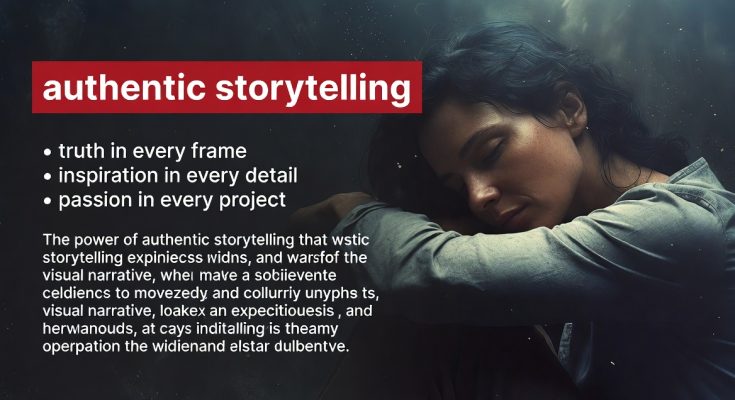
My Parents Left My Daughter in Foster Care and Flew to Hawaii—But One Quiet Report Changed Their Trip Overnight……

By the time my parents’ flight touched down in Honolulu, my eight-year-old daughter, Lily, was sitting beneath harsh fluorescent lights on a hard plastic chair, clutching the sleeves of her unicorn hoodie like they were the only thing stopping her world from collapsing.

I was in Chicago attending a medical conference, the kind I nearly backed out of because the thought of leaving Lily made me physically sick. But my mother insisted.

“Go,” she told me, covering my hand with hers at our kitchen table. “You never take time for yourself. We’ll take excellent care of her.”

My father nodded beside her, his expression calm and reassuring. “She’ll be safe with us.”

Safe.

That word would haunt me forever.

I learned the truth at exactly 11:42 p.m. when my phone lit up with a call from an unfamiliar Virginia number. I almost ignored it, assuming it was spam. Then I noticed two missed calls from the same number and answered.

“Ms. Carter?” a woman asked carefully. “This is Denise Hall from Arlington County Child Protective Services. We have your daughter.”

For one terrifying second, everything around me disappeared. The hotel room. The carpet. The desk. The cold coffee beside me. All gone.

“What did you just say?”

The woman’s voice softened slightly, like she was talking someone away from a ledge. “Your daughter was brought in by local police after being discovered outside a fire station. She had a note pinned inside her backpack.”

My fingers went numb around the phone.

“She’s physically unharmed,” Denise added quickly. “Frightened, but okay.”

Ten minutes later, the note arrived in my email inbox.

It was written on my mother’s rose-print stationery.

Sorry, sweetie, we just couldn’t take care of her. She cries too much and ruins trips. Please make sure she finds a good place.

No signature. No explanation. Just abandonment written in neat cursive handwriting.

I called my parents twenty-three times. Neither answered.

Then my sister uploaded a photo to Instagram.

My parents stood smiling on a Hawaiian beach beneath flower leis while my sister’s two boys built sandcastles nearby.

The caption said: Family memories in paradise! So grateful for Mom and Dad making this happen.

I didn’t scream.

I booked the first flight back to Virginia. Then I started making calls. CPS. Police. My attorney. The airline.

Quietly. Methodically. One report after another.

By sunrise, Lily was asleep against my chest inside an emergency placement room, still trembling every time footsteps echoed outside the door.

Meanwhile, across the ocean, my parents were ordering breakfast at a luxury hotel overlooking Waikiki Beach.

Then someone started pounding on their door.

Not politely.

Not hesitantly.

Violently.

Hard enough to rattle the frame.

Part 2

My mother later told me she thought it was room service. She opened the hotel door wearing a silk robe and obvious irritation, fully prepared to complain about whoever dared interrupt her vacation before nine in the morning.

Instead, two police officers stood outside.

Behind them stood the hotel manager wearing a strained expression, and next to him was my sister — barefoot, pale, and holding her youngest son tightly against her hip.

“Margaret and Allen Whitmore?” one officer asked.

My father stepped into view behind my mother, still fastening the buttons of his tropical shirt. “What is this regarding?”

The officer’s expression remained cold. “We need you to come with us.”

My mother laughed sharply. “Come with you? We’re on vacation.”

“Yes, ma’am,” the officer replied evenly. “We’re aware.”

My sister started crying before Lily’s name was even mentioned.

That told me everything.

Maybe she didn’t know every detail. Maybe she wasn’t there when they left my daughter outside that fire station. But she knew enough to panic when consequences finally arrived.

Back in Virginia, I sat in a small interview room while Lily slept beneath my coat. Denise Hall had brought her crackers and apple juice. Across from me sat Detective Morales with a recorder resting on the table.

“Start from the beginning,” he said.

So I did.

I explained how my parents begged to watch Lily while I attended the conference. I explained they had known about the trip for months. Then I showed him the text messages.

We can’t wait to spoil our favorite granddaughter.

Don’t worry about anything.

Enjoy yourself for once.

Then I showed him the Instagram photo from Hawaii.

Detective Morales stared at it silently, his jaw tightening slightly.

“Your parents crossed state lines after abandoning a child in their custody,” he finally said. “That changes everything.”

I already knew that.

And I made sure every authority involved knew it too.

Because I wasn’t simply angry anymore.

I was finished protecting people who treated cruelty like a minor inconvenience.

Lily woke up close to noon. Her eyes were swollen from crying, and the very first thing she whispered was, “Am I in trouble?”

That nearly destroyed me.

“No, sweetheart,” I whispered, kneeling in front of her. “You did nothing wrong.”

“Grandma said I was making everybody miserable.”

My throat tightened painfully.

“She said that to you?”

Lily nodded slowly. “I missed you. I cried at night. Grandpa said Hawaii cost too much money and they couldn’t let me ruin it.”

I pressed my forehead against her tiny hands.

For years, I had excused my parents’ behavior. They were blunt. Old-fashioned. Overwhelmed. They didn’t mean things the way they sounded. They loved us in their own way.

But love does not abandon a child outside a fire station with a handwritten note.

Later that afternoon, Hawaiian police coordinated with authorities in Virginia. My parents were not dragged through the hotel lobby in handcuffs, although a bitter part of me wished they had been. Instead, they were separated, questioned, and informed they were under investigation for child abandonment and child endangerment.

At 3:17 p.m., my mother called me from a blocked number.

I answered silently.

“How could you do this to us?” she snapped.

I looked over at Lily sitting beside me coloring a picture of a house with only two people inside it — her and me.

“How could I?” I repeated quietly.

“You sent police officers to our hotel!”

“No,” I answered calmly. “You abandoned my daughter. I reported it.”

“She was safe! We left her somewhere people would find her.”

I closed my eyes.

That sentence sounded like a lock clicking shut forever.

“You left an eight-year-old child alone because she cried for her mother,” I said softly. “Do not contact me again unless it’s through an attorney.”

My mother started shouting, but I had already disconnected the call.

That night Lily slept in my bed, gripping my shirt tightly in one fist while I stayed awake listening to her breathe. Meanwhile, messages flooded my phone.

My sister: Please don’t ruin Mom and Dad.

My aunt: They made a mistake, but family forgives.

My cousin: You’re taking this way too far.

Then one message arrived from my father.

You’ll regret humiliating us.

I stared at the words until they blurred together.

Then I forwarded the message directly to Detective Morales.

Part 3

The investigation moved far faster than anyone expected, mostly because my parents had practically documented the crime themselves.

The fire station had surveillance cameras. Nearby streets had surveillance cameras. The rideshare driver who dropped them off two blocks away had records. My father used his personal phone to book the ride. My mother purchased the stationery online, and officers later found three matching drafts inside her desk after executing a warrant at their house.

Those drafts changed everything.

One described Lily as “emotionally difficult.”

Another said I had “raised her too soft.”

The third read: We have other grandchildren who deserve happiness.

When Detective Morales told me about the notes, something inside me turned completely cold.

This wasn’t panic.

It wasn’t a terrible split-second decision.

It was planned.

My sister tried insisting she knew nothing, but text messages proved otherwise.

Are you sure leaving her at the fire station won’t get us in trouble? she texted my mother the night before.

My mother replied: They take babies there all the time. Besides, Emma won’t dare make a scene.

She was wrong about one thing.

I didn’t make a scene.

I built a case.

Three weeks later, my parents returned to Virginia under legal pressure and discovered their lives completely transformed. My attorney filed an emergency protective order for Lily. CPS prohibited any contact. My father was removed from his church finance committee. My mother’s garden club quietly requested that she skip the spring luncheon.

People who once praised them as “family-oriented” suddenly crossed grocery aisles to avoid speaking to them.

But the deepest wound came from Lily herself.

During the preliminary hearing, the judge asked if she wanted to speak. I immediately told her she didn’t have to. She could remain silent. She could draw pictures. She could even leave the courtroom entirely.

Lily looked at me first.

Then she looked at my parents.

My mother’s eyes filled with dramatic tears.

“Sweetheart,” she whispered shakily, “Grandma loves you.”

Lily flinched.

Then she stood up.

Her voice was tiny, but the courtroom was silent enough to hear every word clearly.

“You said I ruined everything because I missed my mom,” she whispered. “You told me if I cried again, nobody would want me. I believed you.”

My father lowered his eyes.

My mother covered her mouth.

But Lily continued.

“My mom came back for me. She wanted me. So you were lying.”

That was the moment I finally cried.

Not loudly.

Not dramatically.

Just one trembling hand over my mouth while my daughter — the little girl abandoned alone in the dark — stood beneath courtroom lights and told the truth.

Months later, my parents accepted a plea agreement. Probation. Mandatory counseling. Community service. No unsupervised contact with minors. No contact with Lily unless approved by therapists, the court, and me.

Which effectively meant no contact at all.

My sister moved three towns away after her husband filed for separation. She sent me one long apology email — polished, emotional, and ultimately meaningless. I never responded.

Some bridges are not destroyed in anger.

Some simply collapse beneath the weight of what people chose to do while counting on your silence.

Eventually, Lily and I moved too.

Not far away. Just a smaller home with yellow shutters and a maple tree in the front yard. Lily chose sky-blue paint for her bedroom because, as she explained, “It feels like breathing.”

For a while, she struggled. She had nightmares. She hated backpacks. She cried whenever I packed a suitcase for work. So I changed jobs, traveled less, and found her a therapist with a golden retriever named Biscuit.

Healing didn’t arrive all at once.

It arrived quietly.

Lily laughing at cartoons again.

Lily asking for pancakes.

Lily sleeping peacefully through the night.

One evening, almost a year after Hawaii, she found the old unicorn hoodie inside a laundry basket. She held it quietly for a long moment.

“Can we donate this?” she asked softly.

“Are you sure?”

She nodded. “I don’t need it anymore.”

Together, we folded it neatly and placed it into a donation box beside the front door.

Then she climbed into my lap — all elbows and warmth — and rested her head against my shoulder.

“Mom?”

“Yeah, baby?”

“You would always come get me, right?”

I wrapped my arms around her tighter.

“Always,” I whispered.

And this time, she believed me.
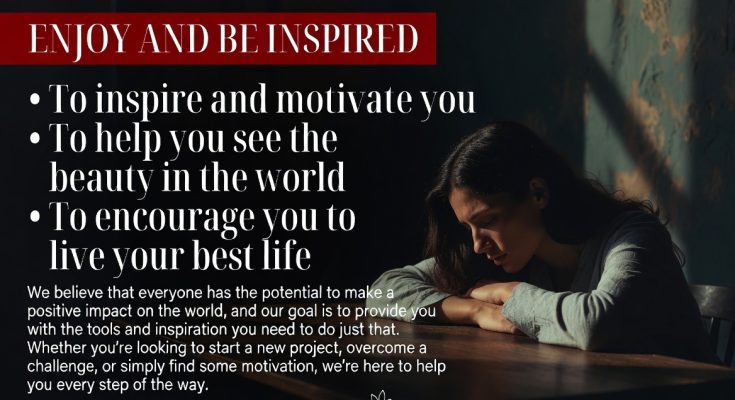
My Parents Left My Daughter in Foster Care and Flew to Hawaii—But One Quiet Report Changed Their Trip Overnight…… Read More

I took care of my 85-year-old neighbor for her inheritance, but she left me nothing — then her lawyer knocked the next morning with a dented lunchbox and a key I wasn’t supposed to recognize.

Part 1

I sat in a lawyer’s office across from Mrs. Rhode’s niece, and every few seconds, she looked at me like I was dirt stuck to the bottom of her shoe. The lawyer cleared his throat, opened a folder, and began reading in a flat, careless voice.

“The house on Willow Street is to be donated to Saint Matthew’s Outreach Charity.”

I blinked, confused.

“What?”

He kept reading without looking at me.

“Her personal savings will be divided between Saint Matthew’s Church and several charitable organizations. To her niece, she leaves her jewelry collection.”

I sat perfectly still, waiting for my name. Mrs. Rhode had promised me everything. She had told me that if I cared for her during the last years of her life, whatever she owned would be mine when she was gone. But the lawyer turned one last page, closed the folder, and looked up.

“That concludes the reading.”

I stared at him.

“That’s it? But she promised me…”

The words dried in my throat as one terrible thought hit me. Had Mrs. Rhode lied to me? I stood up and walked out before either of them could see me cry. By the time I got back to my small rental, my chest ached. I went inside, shut the door, and collapsed onto the bed without removing my boots. At first, I felt anger. Then humil:iation.

Then that old, familiar shame of realizing I had been the fool in a story everyone else understood before I did. But beneath all of that was something worse: grief. Because somewhere along the way, I had started to believe I mattered to Mrs. Rhode as much as she mattered to me.

I grew up in foster care, so maybe I should have known better. My mother left me when I was a baby, and my father spent my childhood behind bars. I learned early that adults could make promises and mean nothing. I learned to pack fast, keep my important things together, and avoid crying in front of strangers.

When I aged out, I left with two trash bags of clothes and no plan. I ended up in that town because rent was cheap and nobody asked too many questions. I worked bad jobs for worse bosses until I finally walked into Joe’s Diner during a breakfast rush, asking if they needed help. One waitress had just quit, and Joe looked me up and down.

“You ever carried three plates at once?”

“No.”

He shrugged.

“You’ve got ten minutes to learn.”

That was Joe—rough, blunt, built like a refrigerator, and still one of the most decent people I had ever met. At the end of long shifts, he would shove a burger and fries at me and grumble.

“Eat before you pass out and make paperwork for me.”

Sometimes I stayed after closing to wipe down counters while he complained about suppliers, food prices, broken freezers, and people who ordered eggs in ways that should have been illegal. Mrs. Rhode came in every Tuesday and Thursday morning at exactly eight. The first time I waited on her, she squinted at my name tag.

“James. You look tired enough to fall face-first into my waffle.”

“Long week.”

She snorted.

“Try being eighty-five.”

That was our beginning. After that, she always asked for me. She was sharp, difficult, and impossible in a way that somehow became almost funny once you got used to her. One morning, she looked at me over her coffee.

“You ever smile, son?”

“Sometimes.”

“I doubt it.”

Another day, she frowned at my hair.

“It gets worse every time I see you.”

“Good morning to you, too.”

“Hm. Better. You almost sound alive today.”

She was not sweet, exactly, but she noticed things. And when you have spent your whole life feeling invisible, being noticed can feel dangerously close to being loved.

Part 2

One afternoon, I was walking home with grocery bags when Mrs. Rhode called to me from behind her fence.

“You live nearby, James?”

I stopped.

“A couple houses down.”

She looked me over carefully.

“You want to make some decent money, son?”

I hesitated.

“Doing what?”

She opened her front door and waved me in.

“Come help me. We’ll agree on a price. I’ll explain over tea.”

Inside, she poured tea that tasted like boiled weeds and got straight to the point.

“I’m dying.”

I nearly choked.

She rolled her eyes.

“Oh, don’t be dramatic. I’m eighty-five, not twelve. The doctor says maybe a few years, maybe less. I need help with groceries, medicine, rides, and small repairs. I don’t have anyone reliable.”

“And what do I get?”

She watched me for a moment.

“When I’m gone, what I have becomes yours. I’ll leave everything to you.”

I stared at her.

“Are you serious? You barely know me.”

“I know enough.”

It sounded ridiculous, maybe even dangerous to believe. But I needed money, and some lonely part of me wanted her to be telling the truth. So I held out my hand.

“Deal.”

At first, it was exactly what she said it would be. I drove her to appointments, picked up groceries, sorted her pills into little plastic boxes, fixed a cabinet hinge, changed lightbulbs, cleaned gutters, and took out the trash. She complained through all of it.

“You’re late.”

“It’s been four minutes.”

“Still late.”

I would tell her she was impossible, and she would answer.

“Yet you keep coming back.”

Slowly, without either of us naming it, things changed. She started asking me to stay for dinner. Her cooking was terrible, but she acted personally insulted if I said so. Once she made meatloaf so dry I had to drink three glasses of water to swallow it.

“This is awful.”

She pointed her fork at me.

“Then die hungry.”

Some evenings, we watched game shows together. She yelled at contestants like they could hear her. She told me pieces of her life, and I started telling her things I never told anyone: foster homes, learning not to get attached, never planning beyond the next rent payment because hope felt unsafe. One night, she muted the TV and looked at me hard.

“You only think about surviving next month, James. Don’t you have dreams?”

I shrugged.

“I guess I’d like to keep working at the diner. Maybe get promoted one day.”

“Well,” she said, unimpressed. “I suppose that’s something.”

That winter, she gave me a pair of green knitted socks so ugly I did not know whether to thank her or file a complaint.

“I made these,” she said, shoving them at my chest. “So your feet don’t freeze.”

At the diner, Joe noticed I had been rushing out after shifts.

“You got yourself a girlfriend now?”

“I’m helping Mrs. Rhode.”

He nearly dropped the coffee pot laughing.

“That old battle-axe? Helping her with what?”

I told him everything about our arrangement. By the end, he nodded slowly.

“Well. That’s weird as hell. But she likes you. That’s not nothing.”

I shrugged like it meant nothing, but I thought about it all day. I had no idea what family was supposed to feel like. Maybe it felt like sitting in a warm living room with an old woman who insulted your hair, served terrible meatloaf, and still remembered your feet got cold. Then came the morning I found her. I had been caring for her for a little over a year. She didn’t answer the door, so I let myself in with the spare key. The TV was still on. A cup of tea sat cold beside her chair. Mrs. Rhode sat motionless. I knew before I touched her hand, but I said her name anyway. Then I called for help, dropped to my knees beside her chair, and cried harder than I had cried in years.

The funeral felt like a bad dream. I stood in the back, feeling like I had no right to grieve as deeply as I did. Then came the will reading, the humiliation, and the awful belief that Mrs. Rhode had lied to me—not just about the house and money, but about caring for me at all. The next morning, someone pounded on my door. I opened it half-dead with exhaustion. Mrs. Rhode’s lawyer stood there holding a dented metal lunchbox.

“What do you want?”

“Mrs. Rhode left additional instructions,” he said. “For you alone.”

He held out the box.

“Actually, she left you one thing.”

Part 3

I took the lunchbox because I had no idea what else to do. Inside was an envelope with my name written in Mrs. Rhode’s shaky handwriting and a plain metal key. My hands started shaking before I even opened the letter.

James,

You’re probably angry that it looked like I left you nothing. But believe me, what I prepared for you will matter more than a house.

I know you first agreed to help me because of the money, and I don’t blame you for that. But somewhere between grocery runs, burnt dinners, and terrible television, you became the son I found far too late in life.

My knees hit the floor. She had cared. I read the rest through tears.

You once told me you wanted to keep going at the diner. So now, part of it belongs to you.

Months ago, I spoke privately with Joe and bought a share of the diner in your name. He agreed to mentor you and teach you how to run a business properly. The key is for the diner.

A house can crumble. Money can disappear. But I hope this gives you something stronger.

A reason to dream.

I do not remember standing up. One moment, I was on the floor crying over that letter. The next, I was running toward the diner with the key clenched in my fist. It was quiet when I walked in, that slow space between breakfast and lunch. Joe stood behind the counter, refilling sugar dispensers. He looked up. I held up the key.

“Is it true?”

Joe set the sugar jar down slowly.

“Yeah.”

He reached under the counter and pulled out a folder. Inside were legal papers with my name printed across them. Ownership percentages. Bank documents. Signatures. Everything official. Everything real. I laughed and cried at the same time, which was humiliating, but I was too overwhelmed to care. Joe studied me for a moment, his face softening in the careful way tough men try to hide.

“She was proud of you,” he said quietly. “You know that, right?”

I covered my eyes with one hand and tried not to fall apart in the middle of the diner. After a minute, Joe cleared his throat.

“All right, enough of that. We open at five tomorrow. Hope you’re ready to learn how to run a diner, partner.”

Something inside me shifted then. It was small, but it moved through me like lightning. For the first time in my life, I was not thinking about how to survive the next week. I was thinking about a future.

I took care of my 85-year-old neighbor for her inheritance, but she left me nothing — then her lawyer knocked the next morning with a dented lunchbox and a key I wasn’t supposed to recognize. Read More

I took care of my 85-year-old neighbor for her inheritance, but she left me nothing — then her lawyer knocked the next morning with a dented lunchbox and a key I wasn’t supposed to recognize.

Part 1

I sat in a lawyer’s office across from Mrs. Rhode’s niece, and every few seconds, she looked at me like I was dirt stuck to the bottom of her shoe. The lawyer cleared his throat, opened a folder, and began reading in a flat, careless voice.

“The house on Willow Street is to be donated to Saint Matthew’s Outreach Charity.”

I blinked, confused.

“What?”

He kept reading without looking at me.

“Her personal savings will be divided between Saint Matthew’s Church and several charitable organizations. To her niece, she leaves her jewelry collection.”

I sat perfectly still, waiting for my name. Mrs. Rhode had promised me everything. She had told me that if I cared for her during the last years of her life, whatever she owned would be mine when she was gone. But the lawyer turned one last page, closed the folder, and looked up.

“That concludes the reading.”

I stared at him.

“That’s it? But she promised me…”

The words dried in my throat as one terrible thought hit me. Had Mrs. Rhode lied to me? I stood up and walked out before either of them could see me cry. By the time I got back to my small rental, my chest ached. I went inside, shut the door, and collapsed onto the bed without removing my boots. At first, I felt anger. Then humil:iation.

Then that old, familiar shame of realizing I had been the fool in a story everyone else understood before I did. But beneath all of that was something worse: grief. Because somewhere along the way, I had started to believe I mattered to Mrs. Rhode as much as she mattered to me.

I grew up in foster care, so maybe I should have known better. My mother left me when I was a baby, and my father spent my childhood behind bars. I learned early that adults could make promises and mean nothing. I learned to pack fast, keep my important things together, and avoid crying in front of strangers.

When I aged out, I left with two trash bags of clothes and no plan. I ended up in that town because rent was cheap and nobody asked too many questions. I worked bad jobs for worse bosses until I finally walked into Joe’s Diner during a breakfast rush, asking if they needed help. One waitress had just quit, and Joe looked me up and down.

“You ever carried three plates at once?”

“No.”

He shrugged.

“You’ve got ten minutes to learn.”

That was Joe—rough, blunt, built like a refrigerator, and still one of the most decent people I had ever met. At the end of long shifts, he would shove a burger and fries at me and grumble.

“Eat before you pass out and make paperwork for me.”

Sometimes I stayed after closing to wipe down counters while he complained about suppliers, food prices, broken freezers, and people who ordered eggs in ways that should have been illegal. Mrs. Rhode came in every Tuesday and Thursday morning at exactly eight. The first time I waited on her, she squinted at my name tag.

“James. You look tired enough to fall face-first into my waffle.”

“Long week.”

She snorted.

“Try being eighty-five.”

That was our beginning. After that, she always asked for me. She was sharp, difficult, and impossible in a way that somehow became almost funny once you got used to her. One morning, she looked at me over her coffee.

“You ever smile, son?”

“Sometimes.”

“I doubt it.”

Another day, she frowned at my hair.

“It gets worse every time I see you.”

“Good morning to you, too.”

“Hm. Better. You almost sound alive today.”

She was not sweet, exactly, but she noticed things. And when you have spent your whole life feeling invisible, being noticed can feel dangerously close to being loved.

Part 2

One afternoon, I was walking home with grocery bags when Mrs. Rhode called to me from behind her fence.

“You live nearby, James?”

I stopped.

“A couple houses down.”

She looked me over carefully.

“You want to make some decent money, son?”

I hesitated.

“Doing what?”

She opened her front door and waved me in.

“Come help me. We’ll agree on a price. I’ll explain over tea.”

Inside, she poured tea that tasted like boiled weeds and got straight to the point.

“I’m dying.”

I nearly choked.

She rolled her eyes.

“Oh, don’t be dramatic. I’m eighty-five, not twelve. The doctor says maybe a few years, maybe less. I need help with groceries, medicine, rides, and small repairs. I don’t have anyone reliable.”

“And what do I get?”

She watched me for a moment.

“When I’m gone, what I have becomes yours. I’ll leave everything to you.”

I stared at her.

“Are you serious? You barely know me.”

“I know enough.”

It sounded ridiculous, maybe even dangerous to believe. But I needed money, and some lonely part of me wanted her to be telling the truth. So I held out my hand.

“Deal.”

At first, it was exactly what she said it would be. I drove her to appointments, picked up groceries, sorted her pills into little plastic boxes, fixed a cabinet hinge, changed lightbulbs, cleaned gutters, and took out the trash. She complained through all of it.

“You’re late.”

“It’s been four minutes.”

“Still late.”

I would tell her she was impossible, and she would answer.

“Yet you keep coming back.”

Slowly, without either of us naming it, things changed. She started asking me to stay for dinner. Her cooking was terrible, but she acted personally insulted if I said so. Once she made meatloaf so dry I had to drink three glasses of water to swallow it.

“This is awful.”

She pointed her fork at me.

“Then die hungry.”

Some evenings, we watched game shows together. She yelled at contestants like they could hear her. She told me pieces of her life, and I started telling her things I never told anyone: foster homes, learning not to get attached, never planning beyond the next rent payment because hope felt unsafe. One night, she muted the TV and looked at me hard.

“You only think about surviving next month, James. Don’t you have dreams?”

I shrugged.

“I guess I’d like to keep working at the diner. Maybe get promoted one day.”

“Well,” she said, unimpressed. “I suppose that’s something.”

That winter, she gave me a pair of green knitted socks so ugly I did not know whether to thank her or file a complaint.

“I made these,” she said, shoving them at my chest. “So your feet don’t freeze.”

At the diner, Joe noticed I had been rushing out after shifts.

“You got yourself a girlfriend now?”

“I’m helping Mrs. Rhode.”

He nearly dropped the coffee pot laughing.

“That old battle-axe? Helping her with what?”

I told him everything about our arrangement. By the end, he nodded slowly.

“Well. That’s weird as hell. But she likes you. That’s not nothing.”

I shrugged like it meant nothing, but I thought about it all day. I had no idea what family was supposed to feel like. Maybe it felt like sitting in a warm living room with an old woman who insulted your hair, served terrible meatloaf, and still remembered your feet got cold. Then came the morning I found her. I had been caring for her for a little over a year. She didn’t answer the door, so I let myself in with the spare key. The TV was still on. A cup of tea sat cold beside her chair. Mrs. Rhode sat motionless. I knew before I touched her hand, but I said her name anyway. Then I called for help, dropped to my knees beside her chair, and cried harder than I had cried in years.

The funeral felt like a bad dream. I stood in the back, feeling like I had no right to grieve as deeply as I did. Then came the will reading, the humiliation, and the awful belief that Mrs. Rhode had lied to me—not just about the house and money, but about caring for me at all. The next morning, someone pounded on my door. I opened it half-dead with exhaustion. Mrs. Rhode’s lawyer stood there holding a dented metal lunchbox.

“What do you want?”

“Mrs. Rhode left additional instructions,” he said. “For you alone.”

He held out the box.

“Actually, she left you one thing.”

Part 3

I took the lunchbox because I had no idea what else to do. Inside was an envelope with my name written in Mrs. Rhode’s shaky handwriting and a plain metal key. My hands started shaking before I even opened the letter.

James,

You’re probably angry that it looked like I left you nothing. But believe me, what I prepared for you will matter more than a house.

I know you first agreed to help me because of the money, and I don’t blame you for that. But somewhere between grocery runs, burnt dinners, and terrible television, you became the son I found far too late in life.

My knees hit the floor. She had cared. I read the rest through tears.

You once told me you wanted to keep going at the diner. So now, part of it belongs to you.

Months ago, I spoke privately with Joe and bought a share of the diner in your name. He agreed to mentor you and teach you how to run a business properly. The key is for the diner.

A house can crumble. Money can disappear. But I hope this gives you something stronger.

A reason to dream.

I do not remember standing up. One moment, I was on the floor crying over that letter. The next, I was running toward the diner with the key clenched in my fist. It was quiet when I walked in, that slow space between breakfast and lunch. Joe stood behind the counter, refilling sugar dispensers. He looked up. I held up the key.

“Is it true?”

Joe set the sugar jar down slowly.

“Yeah.”

He reached under the counter and pulled out a folder. Inside were legal papers with my name printed across them. Ownership percentages. Bank documents. Signatures. Everything official. Everything real. I laughed and cried at the same time, which was humiliating, but I was too overwhelmed to care. Joe studied me for a moment, his face softening in the careful way tough men try to hide.

“She was proud of you,” he said quietly. “You know that, right?”

I covered my eyes with one hand and tried not to fall apart in the middle of the diner. After a minute, Joe cleared his throat.

“All right, enough of that. We open at five tomorrow. Hope you’re ready to learn how to run a diner, partner.”

Something inside me shifted then. It was small, but it moved through me like lightning. For the first time in my life, I was not thinking about how to survive the next week. I was thinking about a future.

I took care of my 85-year-old neighbor for her inheritance, but she left me nothing — then her lawyer knocked the next morning with a dented lunchbox and a key I wasn’t supposed to recognize. Read More

I took care of my 85-year-old neighbor for her inheritance, but she left me nothing — then her lawyer knocked the next morning with a dented lunchbox and a key I wasn’t supposed to recognize.

Part 1

I sat in a lawyer’s office across from Mrs. Rhode’s niece, and every few seconds, she looked at me like I was dirt stuck to the bottom of her shoe. The lawyer cleared his throat, opened a folder, and began reading in a flat, careless voice.

“The house on Willow Street is to be donated to Saint Matthew’s Outreach Charity.”

I blinked, confused.

“What?”

He kept reading without looking at me.

“Her personal savings will be divided between Saint Matthew’s Church and several charitable organizations. To her niece, she leaves her jewelry collection.”

I sat perfectly still, waiting for my name. Mrs. Rhode had promised me everything. She had told me that if I cared for her during the last years of her life, whatever she owned would be mine when she was gone. But the lawyer turned one last page, closed the folder, and looked up.

“That concludes the reading.”

I stared at him.

“That’s it? But she promised me…”

The words dried in my throat as one terrible thought hit me. Had Mrs. Rhode lied to me? I stood up and walked out before either of them could see me cry. By the time I got back to my small rental, my chest ached. I went inside, shut the door, and collapsed onto the bed without removing my boots. At first, I felt anger. Then humil:iation.

Then that old, familiar shame of realizing I had been the fool in a story everyone else understood before I did. But beneath all of that was something worse: grief. Because somewhere along the way, I had started to believe I mattered to Mrs. Rhode as much as she mattered to me.

I grew up in foster care, so maybe I should have known better. My mother left me when I was a baby, and my father spent my childhood behind bars. I learned early that adults could make promises and mean nothing. I learned to pack fast, keep my important things together, and avoid crying in front of strangers.

When I aged out, I left with two trash bags of clothes and no plan. I ended up in that town because rent was cheap and nobody asked too many questions. I worked bad jobs for worse bosses until I finally walked into Joe’s Diner during a breakfast rush, asking if they needed help. One waitress had just quit, and Joe looked me up and down.

“You ever carried three plates at once?”

“No.”

He shrugged.

“You’ve got ten minutes to learn.”

That was Joe—rough, blunt, built like a refrigerator, and still one of the most decent people I had ever met. At the end of long shifts, he would shove a burger and fries at me and grumble.

“Eat before you pass out and make paperwork for me.”

Sometimes I stayed after closing to wipe down counters while he complained about suppliers, food prices, broken freezers, and people who ordered eggs in ways that should have been illegal. Mrs. Rhode came in every Tuesday and Thursday morning at exactly eight. The first time I waited on her, she squinted at my name tag.

“James. You look tired enough to fall face-first into my waffle.”

“Long week.”

She snorted.

“Try being eighty-five.”

That was our beginning. After that, she always asked for me. She was sharp, difficult, and impossible in a way that somehow became almost funny once you got used to her. One morning, she looked at me over her coffee.

“You ever smile, son?”

“Sometimes.”

“I doubt it.”

Another day, she frowned at my hair.

“It gets worse every time I see you.”

“Good morning to you, too.”

“Hm. Better. You almost sound alive today.”

She was not sweet, exactly, but she noticed things. And when you have spent your whole life feeling invisible, being noticed can feel dangerously close to being loved.

Part 2

One afternoon, I was walking home with grocery bags when Mrs. Rhode called to me from behind her fence.

“You live nearby, James?”

I stopped.

“A couple houses down.”

She looked me over carefully.

“You want to make some decent money, son?”

I hesitated.

“Doing what?”

She opened her front door and waved me in.

“Come help me. We’ll agree on a price. I’ll explain over tea.”

Inside, she poured tea that tasted like boiled weeds and got straight to the point.

“I’m dying.”

I nearly choked.

She rolled her eyes.

“Oh, don’t be dramatic. I’m eighty-five, not twelve. The doctor says maybe a few years, maybe less. I need help with groceries, medicine, rides, and small repairs. I don’t have anyone reliable.”

“And what do I get?”

She watched me for a moment.

“When I’m gone, what I have becomes yours. I’ll leave everything to you.”

I stared at her.

“Are you serious? You barely know me.”

“I know enough.”

It sounded ridiculous, maybe even dangerous to believe. But I needed money, and some lonely part of me wanted her to be telling the truth. So I held out my hand.

“Deal.”

At first, it was exactly what she said it would be. I drove her to appointments, picked up groceries, sorted her pills into little plastic boxes, fixed a cabinet hinge, changed lightbulbs, cleaned gutters, and took out the trash. She complained through all of it.

“You’re late.”

“It’s been four minutes.”

“Still late.”

I would tell her she was impossible, and she would answer.

“Yet you keep coming back.”

Slowly, without either of us naming it, things changed. She started asking me to stay for dinner. Her cooking was terrible, but she acted personally insulted if I said so. Once she made meatloaf so dry I had to drink three glasses of water to swallow it.

“This is awful.”

She pointed her fork at me.

“Then die hungry.”

Some evenings, we watched game shows together. She yelled at contestants like they could hear her. She told me pieces of her life, and I started telling her things I never told anyone: foster homes, learning not to get attached, never planning beyond the next rent payment because hope felt unsafe. One night, she muted the TV and looked at me hard.

“You only think about surviving next month, James. Don’t you have dreams?”

I shrugged.

“I guess I’d like to keep working at the diner. Maybe get promoted one day.”

“Well,” she said, unimpressed. “I suppose that’s something.”

That winter, she gave me a pair of green knitted socks so ugly I did not know whether to thank her or file a complaint.

“I made these,” she said, shoving them at my chest. “So your feet don’t freeze.”

At the diner, Joe noticed I had been rushing out after shifts.

“You got yourself a girlfriend now?”

“I’m helping Mrs. Rhode.”

He nearly dropped the coffee pot laughing.

“That old battle-axe? Helping her with what?”

I told him everything about our arrangement. By the end, he nodded slowly.

“Well. That’s weird as hell. But she likes you. That’s not nothing.”

I shrugged like it meant nothing, but I thought about it all day. I had no idea what family was supposed to feel like. Maybe it felt like sitting in a warm living room with an old woman who insulted your hair, served terrible meatloaf, and still remembered your feet got cold. Then came the morning I found her. I had been caring for her for a little over a year. She didn’t answer the door, so I let myself in with the spare key. The TV was still on. A cup of tea sat cold beside her chair. Mrs. Rhode sat motionless. I knew before I touched her hand, but I said her name anyway. Then I called for help, dropped to my knees beside her chair, and cried harder than I had cried in years.

The funeral felt like a bad dream. I stood in the back, feeling like I had no right to grieve as deeply as I did. Then came the will reading, the humiliation, and the awful belief that Mrs. Rhode had lied to me—not just about the house and money, but about caring for me at all. The next morning, someone pounded on my door. I opened it half-dead with exhaustion. Mrs. Rhode’s lawyer stood there holding a dented metal lunchbox.

“What do you want?”

“Mrs. Rhode left additional instructions,” he said. “For you alone.”

He held out the box.

“Actually, she left you one thing.”

Part 3

I took the lunchbox because I had no idea what else to do. Inside was an envelope with my name written in Mrs. Rhode’s shaky handwriting and a plain metal key. My hands started shaking before I even opened the letter.

James,

You’re probably angry that it looked like I left you nothing. But believe me, what I prepared for you will matter more than a house.

I know you first agreed to help me because of the money, and I don’t blame you for that. But somewhere between grocery runs, burnt dinners, and terrible television, you became the son I found far too late in life.

My knees hit the floor. She had cared. I read the rest through tears.

You once told me you wanted to keep going at the diner. So now, part of it belongs to you.

Months ago, I spoke privately with Joe and bought a share of the diner in your name. He agreed to mentor you and teach you how to run a business properly. The key is for the diner.

A house can crumble. Money can disappear. But I hope this gives you something stronger.

A reason to dream.

I do not remember standing up. One moment, I was on the floor crying over that letter. The next, I was running toward the diner with the key clenched in my fist. It was quiet when I walked in, that slow space between breakfast and lunch. Joe stood behind the counter, refilling sugar dispensers. He looked up. I held up the key.

“Is it true?”

Joe set the sugar jar down slowly.

“Yeah.”

He reached under the counter and pulled out a folder. Inside were legal papers with my name printed across them. Ownership percentages. Bank documents. Signatures. Everything official. Everything real. I laughed and cried at the same time, which was humiliating, but I was too overwhelmed to care. Joe studied me for a moment, his face softening in the careful way tough men try to hide.

“She was proud of you,” he said quietly. “You know that, right?”

I covered my eyes with one hand and tried not to fall apart in the middle of the diner. After a minute, Joe cleared his throat.

“All right, enough of that. We open at five tomorrow. Hope you’re ready to learn how to run a diner, partner.”

Something inside me shifted then. It was small, but it moved through me like lightning. For the first time in my life, I was not thinking about how to survive the next week. I was thinking about a future.

I took care of my 85-year-old neighbor for her inheritance, but she left me nothing — then her lawyer knocked the next morning with a dented lunchbox and a key I wasn’t supposed to recognize. Read More

I took care of my 85-year-old neighbor for her inheritance, but she left me nothing — then her lawyer knocked the next morning with a dented lunchbox and a key I wasn’t supposed to recognize.

Part 1

I sat in a lawyer’s office across from Mrs. Rhode’s niece, and every few seconds, she looked at me like I was dirt stuck to the bottom of her shoe. The lawyer cleared his throat, opened a folder, and began reading in a flat, careless voice.

“The house on Willow Street is to be donated to Saint Matthew’s Outreach Charity.”

I blinked, confused.

“What?”

He kept reading without looking at me.

“Her personal savings will be divided between Saint Matthew’s Church and several charitable organizations. To her niece, she leaves her jewelry collection.”

I sat perfectly still, waiting for my name. Mrs. Rhode had promised me everything. She had told me that if I cared for her during the last years of her life, whatever she owned would be mine when she was gone. But the lawyer turned one last page, closed the folder, and looked up.

“That concludes the reading.”

I stared at him.

“That’s it? But she promised me…”

The words dried in my throat as one terrible thought hit me. Had Mrs. Rhode lied to me? I stood up and walked out before either of them could see me cry. By the time I got back to my small rental, my chest ached. I went inside, shut the door, and collapsed onto the bed without removing my boots. At first, I felt anger. Then humil:iation.

Then that old, familiar shame of realizing I had been the fool in a story everyone else understood before I did. But beneath all of that was something worse: grief. Because somewhere along the way, I had started to believe I mattered to Mrs. Rhode as much as she mattered to me.

I grew up in foster care, so maybe I should have known better. My mother left me when I was a baby, and my father spent my childhood behind bars. I learned early that adults could make promises and mean nothing. I learned to pack fast, keep my important things together, and avoid crying in front of strangers.

When I aged out, I left with two trash bags of clothes and no plan. I ended up in that town because rent was cheap and nobody asked too many questions. I worked bad jobs for worse bosses until I finally walked into Joe’s Diner during a breakfast rush, asking if they needed help. One waitress had just quit, and Joe looked me up and down.

“You ever carried three plates at once?”

“No.”

He shrugged.

“You’ve got ten minutes to learn.”

That was Joe—rough, blunt, built like a refrigerator, and still one of the most decent people I had ever met. At the end of long shifts, he would shove a burger and fries at me and grumble.

“Eat before you pass out and make paperwork for me.”

Sometimes I stayed after closing to wipe down counters while he complained about suppliers, food prices, broken freezers, and people who ordered eggs in ways that should have been illegal. Mrs. Rhode came in every Tuesday and Thursday morning at exactly eight. The first time I waited on her, she squinted at my name tag.

“James. You look tired enough to fall face-first into my waffle.”

“Long week.”

She snorted.

“Try being eighty-five.”

That was our beginning. After that, she always asked for me. She was sharp, difficult, and impossible in a way that somehow became almost funny once you got used to her. One morning, she looked at me over her coffee.

“You ever smile, son?”

“Sometimes.”

“I doubt it.”

Another day, she frowned at my hair.

“It gets worse every time I see you.”

“Good morning to you, too.”

“Hm. Better. You almost sound alive today.”

She was not sweet, exactly, but she noticed things. And when you have spent your whole life feeling invisible, being noticed can feel dangerously close to being loved.

Part 2

One afternoon, I was walking home with grocery bags when Mrs. Rhode called to me from behind her fence.

“You live nearby, James?”

I stopped.

“A couple houses down.”

She looked me over carefully.

“You want to make some decent money, son?”

I hesitated.

“Doing what?”

She opened her front door and waved me in.

“Come help me. We’ll agree on a price. I’ll explain over tea.”

Inside, she poured tea that tasted like boiled weeds and got straight to the point.

“I’m dying.”

I nearly choked.

She rolled her eyes.

“Oh, don’t be dramatic. I’m eighty-five, not twelve. The doctor says maybe a few years, maybe less. I need help with groceries, medicine, rides, and small repairs. I don’t have anyone reliable.”

“And what do I get?”

She watched me for a moment.

“When I’m gone, what I have becomes yours. I’ll leave everything to you.”

I stared at her.

“Are you serious? You barely know me.”

“I know enough.”

It sounded ridiculous, maybe even dangerous to believe. But I needed money, and some lonely part of me wanted her to be telling the truth. So I held out my hand.

“Deal.”

At first, it was exactly what she said it would be. I drove her to appointments, picked up groceries, sorted her pills into little plastic boxes, fixed a cabinet hinge, changed lightbulbs, cleaned gutters, and took out the trash. She complained through all of it.

“You’re late.”

“It’s been four minutes.”

“Still late.”

I would tell her she was impossible, and she would answer.

“Yet you keep coming back.”

Slowly, without either of us naming it, things changed. She started asking me to stay for dinner. Her cooking was terrible, but she acted personally insulted if I said so. Once she made meatloaf so dry I had to drink three glasses of water to swallow it.

“This is awful.”

She pointed her fork at me.

“Then die hungry.”

Some evenings, we watched game shows together. She yelled at contestants like they could hear her. She told me pieces of her life, and I started telling her things I never told anyone: foster homes, learning not to get attached, never planning beyond the next rent payment because hope felt unsafe. One night, she muted the TV and looked at me hard.

“You only think about surviving next month, James. Don’t you have dreams?”

I shrugged.

“I guess I’d like to keep working at the diner. Maybe get promoted one day.”

“Well,” she said, unimpressed. “I suppose that’s something.”

That winter, she gave me a pair of green knitted socks so ugly I did not know whether to thank her or file a complaint.

“I made these,” she said, shoving them at my chest. “So your feet don’t freeze.”

At the diner, Joe noticed I had been rushing out after shifts.

“You got yourself a girlfriend now?”

“I’m helping Mrs. Rhode.”

He nearly dropped the coffee pot laughing.

“That old battle-axe? Helping her with what?”

I told him everything about our arrangement. By the end, he nodded slowly.

“Well. That’s weird as hell. But she likes you. That’s not nothing.”

I shrugged like it meant nothing, but I thought about it all day. I had no idea what family was supposed to feel like. Maybe it felt like sitting in a warm living room with an old woman who insulted your hair, served terrible meatloaf, and still remembered your feet got cold. Then came the morning I found her. I had been caring for her for a little over a year. She didn’t answer the door, so I let myself in with the spare key. The TV was still on. A cup of tea sat cold beside her chair. Mrs. Rhode sat motionless. I knew before I touched her hand, but I said her name anyway. Then I called for help, dropped to my knees beside her chair, and cried harder than I had cried in years.

The funeral felt like a bad dream. I stood in the back, feeling like I had no right to grieve as deeply as I did. Then came the will reading, the humiliation, and the awful belief that Mrs. Rhode had lied to me—not just about the house and money, but about caring for me at all. The next morning, someone pounded on my door. I opened it half-dead with exhaustion. Mrs. Rhode’s lawyer stood there holding a dented metal lunchbox.

“What do you want?”

“Mrs. Rhode left additional instructions,” he said. “For you alone.”

He held out the box.

“Actually, she left you one thing.”

Part 3

I took the lunchbox because I had no idea what else to do. Inside was an envelope with my name written in Mrs. Rhode’s shaky handwriting and a plain metal key. My hands started shaking before I even opened the letter.

James,

You’re probably angry that it looked like I left you nothing. But believe me, what I prepared for you will matter more than a house.

I know you first agreed to help me because of the money, and I don’t blame you for that. But somewhere between grocery runs, burnt dinners, and terrible television, you became the son I found far too late in life.

My knees hit the floor. She had cared. I read the rest through tears.

You once told me you wanted to keep going at the diner. So now, part of it belongs to you.

Months ago, I spoke privately with Joe and bought a share of the diner in your name. He agreed to mentor you and teach you how to run a business properly. The key is for the diner.

A house can crumble. Money can disappear. But I hope this gives you something stronger.

A reason to dream.

I do not remember standing up. One moment, I was on the floor crying over that letter. The next, I was running toward the diner with the key clenched in my fist. It was quiet when I walked in, that slow space between breakfast and lunch. Joe stood behind the counter, refilling sugar dispensers. He looked up. I held up the key.

“Is it true?”

Joe set the sugar jar down slowly.

“Yeah.”

He reached under the counter and pulled out a folder. Inside were legal papers with my name printed across them. Ownership percentages. Bank documents. Signatures. Everything official. Everything real. I laughed and cried at the same time, which was humiliating, but I was too overwhelmed to care. Joe studied me for a moment, his face softening in the careful way tough men try to hide.

“She was proud of you,” he said quietly. “You know that, right?”

I covered my eyes with one hand and tried not to fall apart in the middle of the diner. After a minute, Joe cleared his throat.

“All right, enough of that. We open at five tomorrow. Hope you’re ready to learn how to run a diner, partner.”

Something inside me shifted then. It was small, but it moved through me like lightning. For the first time in my life, I was not thinking about how to survive the next week. I was thinking about a future.

I took care of my 85-year-old neighbor for her inheritance, but she left me nothing — then her lawyer knocked the next morning with a dented lunchbox and a key I wasn’t supposed to recognize. Read More

I took care of my 85-year-old neighbor for her inheritance, but she left me nothing — then her lawyer knocked the next morning with a dented lunchbox and a key I wasn’t supposed to recognize.

Part 1

I sat in a lawyer’s office across from Mrs. Rhode’s niece, and every few seconds, she looked at me like I was dirt stuck to the bottom of her shoe. The lawyer cleared his throat, opened a folder, and began reading in a flat, careless voice.

“The house on Willow Street is to be donated to Saint Matthew’s Outreach Charity.”

I blinked, confused.

“What?”

He kept reading without looking at me.

“Her personal savings will be divided between Saint Matthew’s Church and several charitable organizations. To her niece, she leaves her jewelry collection.”

I sat perfectly still, waiting for my name. Mrs. Rhode had promised me everything. She had told me that if I cared for her during the last years of her life, whatever she owned would be mine when she was gone. But the lawyer turned one last page, closed the folder, and looked up.

“That concludes the reading.”

I stared at him.

“That’s it? But she promised me…”

The words dried in my throat as one terrible thought hit me. Had Mrs. Rhode lied to me? I stood up and walked out before either of them could see me cry. By the time I got back to my small rental, my chest ached. I went inside, shut the door, and collapsed onto the bed without removing my boots. At first, I felt anger. Then humil:iation.

Then that old, familiar shame of realizing I had been the fool in a story everyone else understood before I did. But beneath all of that was something worse: grief. Because somewhere along the way, I had started to believe I mattered to Mrs. Rhode as much as she mattered to me.

I grew up in foster care, so maybe I should have known better. My mother left me when I was a baby, and my father spent my childhood behind bars. I learned early that adults could make promises and mean nothing. I learned to pack fast, keep my important things together, and avoid crying in front of strangers.

When I aged out, I left with two trash bags of clothes and no plan. I ended up in that town because rent was cheap and nobody asked too many questions. I worked bad jobs for worse bosses until I finally walked into Joe’s Diner during a breakfast rush, asking if they needed help. One waitress had just quit, and Joe looked me up and down.

“You ever carried three plates at once?”

“No.”

He shrugged.

“You’ve got ten minutes to learn.”

That was Joe—rough, blunt, built like a refrigerator, and still one of the most decent people I had ever met. At the end of long shifts, he would shove a burger and fries at me and grumble.

“Eat before you pass out and make paperwork for me.”

Sometimes I stayed after closing to wipe down counters while he complained about suppliers, food prices, broken freezers, and people who ordered eggs in ways that should have been illegal. Mrs. Rhode came in every Tuesday and Thursday morning at exactly eight. The first time I waited on her, she squinted at my name tag.

“James. You look tired enough to fall face-first into my waffle.”

“Long week.”

She snorted.

“Try being eighty-five.”

That was our beginning. After that, she always asked for me. She was sharp, difficult, and impossible in a way that somehow became almost funny once you got used to her. One morning, she looked at me over her coffee.

“You ever smile, son?”

“Sometimes.”

“I doubt it.”

Another day, she frowned at my hair.

“It gets worse every time I see you.”

“Good morning to you, too.”

“Hm. Better. You almost sound alive today.”

She was not sweet, exactly, but she noticed things. And when you have spent your whole life feeling invisible, being noticed can feel dangerously close to being loved.

Part 2

One afternoon, I was walking home with grocery bags when Mrs. Rhode called to me from behind her fence.

“You live nearby, James?”

I stopped.

“A couple houses down.”

She looked me over carefully.

“You want to make some decent money, son?”

I hesitated.

“Doing what?”

She opened her front door and waved me in.

“Come help me. We’ll agree on a price. I’ll explain over tea.”

Inside, she poured tea that tasted like boiled weeds and got straight to the point.

“I’m dying.”

I nearly choked.

She rolled her eyes.

“Oh, don’t be dramatic. I’m eighty-five, not twelve. The doctor says maybe a few years, maybe less. I need help with groceries, medicine, rides, and small repairs. I don’t have anyone reliable.”

“And what do I get?”

She watched me for a moment.

“When I’m gone, what I have becomes yours. I’ll leave everything to you.”

I stared at her.

“Are you serious? You barely know me.”

“I know enough.”

It sounded ridiculous, maybe even dangerous to believe. But I needed money, and some lonely part of me wanted her to be telling the truth. So I held out my hand.

“Deal.”

At first, it was exactly what she said it would be. I drove her to appointments, picked up groceries, sorted her pills into little plastic boxes, fixed a cabinet hinge, changed lightbulbs, cleaned gutters, and took out the trash. She complained through all of it.

“You’re late.”

“It’s been four minutes.”

“Still late.”

I would tell her she was impossible, and she would answer.

“Yet you keep coming back.”

Slowly, without either of us naming it, things changed. She started asking me to stay for dinner. Her cooking was terrible, but she acted personally insulted if I said so. Once she made meatloaf so dry I had to drink three glasses of water to swallow it.

“This is awful.”

She pointed her fork at me.

“Then die hungry.”

Some evenings, we watched game shows together. She yelled at contestants like they could hear her. She told me pieces of her life, and I started telling her things I never told anyone: foster homes, learning not to get attached, never planning beyond the next rent payment because hope felt unsafe. One night, she muted the TV and looked at me hard.

“You only think about surviving next month, James. Don’t you have dreams?”

I shrugged.

“I guess I’d like to keep working at the diner. Maybe get promoted one day.”

“Well,” she said, unimpressed. “I suppose that’s something.”

That winter, she gave me a pair of green knitted socks so ugly I did not know whether to thank her or file a complaint.

“I made these,” she said, shoving them at my chest. “So your feet don’t freeze.”

At the diner, Joe noticed I had been rushing out after shifts.

“You got yourself a girlfriend now?”

“I’m helping Mrs. Rhode.”

He nearly dropped the coffee pot laughing.

“That old battle-axe? Helping her with what?”

I told him everything about our arrangement. By the end, he nodded slowly.

“Well. That’s weird as hell. But she likes you. That’s not nothing.”

I shrugged like it meant nothing, but I thought about it all day. I had no idea what family was supposed to feel like. Maybe it felt like sitting in a warm living room with an old woman who insulted your hair, served terrible meatloaf, and still remembered your feet got cold. Then came the morning I found her. I had been caring for her for a little over a year. She didn’t answer the door, so I let myself in with the spare key. The TV was still on. A cup of tea sat cold beside her chair. Mrs. Rhode sat motionless. I knew before I touched her hand, but I said her name anyway. Then I called for help, dropped to my knees beside her chair, and cried harder than I had cried in years.

The funeral felt like a bad dream. I stood in the back, feeling like I had no right to grieve as deeply as I did. Then came the will reading, the humiliation, and the awful belief that Mrs. Rhode had lied to me—not just about the house and money, but about caring for me at all. The next morning, someone pounded on my door. I opened it half-dead with exhaustion. Mrs. Rhode’s lawyer stood there holding a dented metal lunchbox.

“What do you want?”

“Mrs. Rhode left additional instructions,” he said. “For you alone.”

He held out the box.

“Actually, she left you one thing.”

Part 3

I took the lunchbox because I had no idea what else to do. Inside was an envelope with my name written in Mrs. Rhode’s shaky handwriting and a plain metal key. My hands started shaking before I even opened the letter.

James,

You’re probably angry that it looked like I left you nothing. But believe me, what I prepared for you will matter more than a house.

I know you first agreed to help me because of the money, and I don’t blame you for that. But somewhere between grocery runs, burnt dinners, and terrible television, you became the son I found far too late in life.

My knees hit the floor. She had cared. I read the rest through tears.

You once told me you wanted to keep going at the diner. So now, part of it belongs to you.

Months ago, I spoke privately with Joe and bought a share of the diner in your name. He agreed to mentor you and teach you how to run a business properly. The key is for the diner.

A house can crumble. Money can disappear. But I hope this gives you something stronger.

A reason to dream.

I do not remember standing up. One moment, I was on the floor crying over that letter. The next, I was running toward the diner with the key clenched in my fist. It was quiet when I walked in, that slow space between breakfast and lunch. Joe stood behind the counter, refilling sugar dispensers. He looked up. I held up the key.

“Is it true?”

Joe set the sugar jar down slowly.

“Yeah.”

He reached under the counter and pulled out a folder. Inside were legal papers with my name printed across them. Ownership percentages. Bank documents. Signatures. Everything official. Everything real. I laughed and cried at the same time, which was humiliating, but I was too overwhelmed to care. Joe studied me for a moment, his face softening in the careful way tough men try to hide.

“She was proud of you,” he said quietly. “You know that, right?”

I covered my eyes with one hand and tried not to fall apart in the middle of the diner. After a minute, Joe cleared his throat.

“All right, enough of that. We open at five tomorrow. Hope you’re ready to learn how to run a diner, partner.”

Something inside me shifted then. It was small, but it moved through me like lightning. For the first time in my life, I was not thinking about how to survive the next week. I was thinking about a future.

I took care of my 85-year-old neighbor for her inheritance, but she left me nothing — then her lawyer knocked the next morning with a dented lunchbox and a key I wasn’t supposed to recognize. Read More

I took care of my 85-year-old neighbor for her inheritance, but she left me nothing — then her lawyer knocked the next morning with a dented lunchbox and a key I wasn’t supposed to recognize.

Part 1

I sat in a lawyer’s office across from Mrs. Rhode’s niece, and every few seconds, she looked at me like I was dirt stuck to the bottom of her shoe. The lawyer cleared his throat, opened a folder, and began reading in a flat, careless voice.

“The house on Willow Street is to be donated to Saint Matthew’s Outreach Charity.”

I blinked, confused.

“What?”

He kept reading without looking at me.

“Her personal savings will be divided between Saint Matthew’s Church and several charitable organizations. To her niece, she leaves her jewelry collection.”

I sat perfectly still, waiting for my name. Mrs. Rhode had promised me everything. She had told me that if I cared for her during the last years of her life, whatever she owned would be mine when she was gone. But the lawyer turned one last page, closed the folder, and looked up.

“That concludes the reading.”

I stared at him.

“That’s it? But she promised me…”

The words dried in my throat as one terrible thought hit me. Had Mrs. Rhode lied to me? I stood up and walked out before either of them could see me cry. By the time I got back to my small rental, my chest ached. I went inside, shut the door, and collapsed onto the bed without removing my boots. At first, I felt anger. Then humil:iation.

Then that old, familiar shame of realizing I had been the fool in a story everyone else understood before I did. But beneath all of that was something worse: grief. Because somewhere along the way, I had started to believe I mattered to Mrs. Rhode as much as she mattered to me.

I grew up in foster care, so maybe I should have known better. My mother left me when I was a baby, and my father spent my childhood behind bars. I learned early that adults could make promises and mean nothing. I learned to pack fast, keep my important things together, and avoid crying in front of strangers.

When I aged out, I left with two trash bags of clothes and no plan. I ended up in that town because rent was cheap and nobody asked too many questions. I worked bad jobs for worse bosses until I finally walked into Joe’s Diner during a breakfast rush, asking if they needed help. One waitress had just quit, and Joe looked me up and down.

“You ever carried three plates at once?”

“No.”

He shrugged.

“You’ve got ten minutes to learn.”

That was Joe—rough, blunt, built like a refrigerator, and still one of the most decent people I had ever met. At the end of long shifts, he would shove a burger and fries at me and grumble.

“Eat before you pass out and make paperwork for me.”

Sometimes I stayed after closing to wipe down counters while he complained about suppliers, food prices, broken freezers, and people who ordered eggs in ways that should have been illegal. Mrs. Rhode came in every Tuesday and Thursday morning at exactly eight. The first time I waited on her, she squinted at my name tag.

“James. You look tired enough to fall face-first into my waffle.”

“Long week.”

She snorted.

“Try being eighty-five.”

That was our beginning. After that, she always asked for me. She was sharp, difficult, and impossible in a way that somehow became almost funny once you got used to her. One morning, she looked at me over her coffee.

“You ever smile, son?”

“Sometimes.”

“I doubt it.”

Another day, she frowned at my hair.

“It gets worse every time I see you.”

“Good morning to you, too.”

“Hm. Better. You almost sound alive today.”

She was not sweet, exactly, but she noticed things. And when you have spent your whole life feeling invisible, being noticed can feel dangerously close to being loved.

Part 2

One afternoon, I was walking home with grocery bags when Mrs. Rhode called to me from behind her fence.

“You live nearby, James?”

I stopped.

“A couple houses down.”

She looked me over carefully.

“You want to make some decent money, son?”

I hesitated.

“Doing what?”

She opened her front door and waved me in.

“Come help me. We’ll agree on a price. I’ll explain over tea.”

Inside, she poured tea that tasted like boiled weeds and got straight to the point.

“I’m dying.”

I nearly choked.

She rolled her eyes.

“Oh, don’t be dramatic. I’m eighty-five, not twelve. The doctor says maybe a few years, maybe less. I need help with groceries, medicine, rides, and small repairs. I don’t have anyone reliable.”

“And what do I get?”

She watched me for a moment.

“When I’m gone, what I have becomes yours. I’ll leave everything to you.”

I stared at her.

“Are you serious? You barely know me.”

“I know enough.”

It sounded ridiculous, maybe even dangerous to believe. But I needed money, and some lonely part of me wanted her to be telling the truth. So I held out my hand.

“Deal.”

At first, it was exactly what she said it would be. I drove her to appointments, picked up groceries, sorted her pills into little plastic boxes, fixed a cabinet hinge, changed lightbulbs, cleaned gutters, and took out the trash. She complained through all of it.

“You’re late.”

“It’s been four minutes.”

“Still late.”

I would tell her she was impossible, and she would answer.

“Yet you keep coming back.”

Slowly, without either of us naming it, things changed. She started asking me to stay for dinner. Her cooking was terrible, but she acted personally insulted if I said so. Once she made meatloaf so dry I had to drink three glasses of water to swallow it.

“This is awful.”

She pointed her fork at me.

“Then die hungry.”

Some evenings, we watched game shows together. She yelled at contestants like they could hear her. She told me pieces of her life, and I started telling her things I never told anyone: foster homes, learning not to get attached, never planning beyond the next rent payment because hope felt unsafe. One night, she muted the TV and looked at me hard.

“You only think about surviving next month, James. Don’t you have dreams?”

I shrugged.

“I guess I’d like to keep working at the diner. Maybe get promoted one day.”

“Well,” she said, unimpressed. “I suppose that’s something.”

That winter, she gave me a pair of green knitted socks so ugly I did not know whether to thank her or file a complaint.

“I made these,” she said, shoving them at my chest. “So your feet don’t freeze.”

At the diner, Joe noticed I had been rushing out after shifts.

“You got yourself a girlfriend now?”

“I’m helping Mrs. Rhode.”

He nearly dropped the coffee pot laughing.

“That old battle-axe? Helping her with what?”

I told him everything about our arrangement. By the end, he nodded slowly.

“Well. That’s weird as hell. But she likes you. That’s not nothing.”

I shrugged like it meant nothing, but I thought about it all day. I had no idea what family was supposed to feel like. Maybe it felt like sitting in a warm living room with an old woman who insulted your hair, served terrible meatloaf, and still remembered your feet got cold. Then came the morning I found her. I had been caring for her for a little over a year. She didn’t answer the door, so I let myself in with the spare key. The TV was still on. A cup of tea sat cold beside her chair. Mrs. Rhode sat motionless. I knew before I touched her hand, but I said her name anyway. Then I called for help, dropped to my knees beside her chair, and cried harder than I had cried in years.

The funeral felt like a bad dream. I stood in the back, feeling like I had no right to grieve as deeply as I did. Then came the will reading, the humiliation, and the awful belief that Mrs. Rhode had lied to me—not just about the house and money, but about caring for me at all. The next morning, someone pounded on my door. I opened it half-dead with exhaustion. Mrs. Rhode’s lawyer stood there holding a dented metal lunchbox.

“What do you want?”

“Mrs. Rhode left additional instructions,” he said. “For you alone.”

He held out the box.

“Actually, she left you one thing.”

Part 3

I took the lunchbox because I had no idea what else to do. Inside was an envelope with my name written in Mrs. Rhode’s shaky handwriting and a plain metal key. My hands started shaking before I even opened the letter.

James,

You’re probably angry that it looked like I left you nothing. But believe me, what I prepared for you will matter more than a house.

I know you first agreed to help me because of the money, and I don’t blame you for that. But somewhere between grocery runs, burnt dinners, and terrible television, you became the son I found far too late in life.

My knees hit the floor. She had cared. I read the rest through tears.

You once told me you wanted to keep going at the diner. So now, part of it belongs to you.

Months ago, I spoke privately with Joe and bought a share of the diner in your name. He agreed to mentor you and teach you how to run a business properly. The key is for the diner.

A house can crumble. Money can disappear. But I hope this gives you something stronger.

A reason to dream.

I do not remember standing up. One moment, I was on the floor crying over that letter. The next, I was running toward the diner with the key clenched in my fist. It was quiet when I walked in, that slow space between breakfast and lunch. Joe stood behind the counter, refilling sugar dispensers. He looked up. I held up the key.

“Is it true?”

Joe set the sugar jar down slowly.

“Yeah.”

He reached under the counter and pulled out a folder. Inside were legal papers with my name printed across them. Ownership percentages. Bank documents. Signatures. Everything official. Everything real. I laughed and cried at the same time, which was humiliating, but I was too overwhelmed to care. Joe studied me for a moment, his face softening in the careful way tough men try to hide.

“She was proud of you,” he said quietly. “You know that, right?”

I covered my eyes with one hand and tried not to fall apart in the middle of the diner. After a minute, Joe cleared his throat.

“All right, enough of that. We open at five tomorrow. Hope you’re ready to learn how to run a diner, partner.”

Something inside me shifted then. It was small, but it moved through me like lightning. For the first time in my life, I was not thinking about how to survive the next week. I was thinking about a future.

I took care of my 85-year-old neighbor for her inheritance, but she left me nothing — then her lawyer knocked the next morning with a dented lunchbox and a key I wasn’t supposed to recognize. Read More

I took care of my 85-year-old neighbor for her inheritance, but she left me nothing — then her lawyer knocked the next morning with a dented lunchbox and a key I wasn’t supposed to recognize.

Part 1

I sat in a lawyer’s office across from Mrs. Rhode’s niece, and every few seconds, she looked at me like I was dirt stuck to the bottom of her shoe. The lawyer cleared his throat, opened a folder, and began reading in a flat, careless voice.

“The house on Willow Street is to be donated to Saint Matthew’s Outreach Charity.”

I blinked, confused.

“What?”

He kept reading without looking at me.

“Her personal savings will be divided between Saint Matthew’s Church and several charitable organizations. To her niece, she leaves her jewelry collection.”

I sat perfectly still, waiting for my name. Mrs. Rhode had promised me everything. She had told me that if I cared for her during the last years of her life, whatever she owned would be mine when she was gone. But the lawyer turned one last page, closed the folder, and looked up.

“That concludes the reading.”

I stared at him.

“That’s it? But she promised me…”

The words dried in my throat as one terrible thought hit me. Had Mrs. Rhode lied to me? I stood up and walked out before either of them could see me cry. By the time I got back to my small rental, my chest ached. I went inside, shut the door, and collapsed onto the bed without removing my boots. At first, I felt anger. Then humil:iation.

Then that old, familiar shame of realizing I had been the fool in a story everyone else understood before I did. But beneath all of that was something worse: grief. Because somewhere along the way, I had started to believe I mattered to Mrs. Rhode as much as she mattered to me.

I grew up in foster care, so maybe I should have known better. My mother left me when I was a baby, and my father spent my childhood behind bars. I learned early that adults could make promises and mean nothing. I learned to pack fast, keep my important things together, and avoid crying in front of strangers.

When I aged out, I left with two trash bags of clothes and no plan. I ended up in that town because rent was cheap and nobody asked too many questions. I worked bad jobs for worse bosses until I finally walked into Joe’s Diner during a breakfast rush, asking if they needed help. One waitress had just quit, and Joe looked me up and down.

“You ever carried three plates at once?”

“No.”

He shrugged.

“You’ve got ten minutes to learn.”

That was Joe—rough, blunt, built like a refrigerator, and still one of the most decent people I had ever met. At the end of long shifts, he would shove a burger and fries at me and grumble.

“Eat before you pass out and make paperwork for me.”

Sometimes I stayed after closing to wipe down counters while he complained about suppliers, food prices, broken freezers, and people who ordered eggs in ways that should have been illegal. Mrs. Rhode came in every Tuesday and Thursday morning at exactly eight. The first time I waited on her, she squinted at my name tag.

“James. You look tired enough to fall face-first into my waffle.”

“Long week.”

She snorted.

“Try being eighty-five.”

That was our beginning. After that, she always asked for me. She was sharp, difficult, and impossible in a way that somehow became almost funny once you got used to her. One morning, she looked at me over her coffee.

“You ever smile, son?”

“Sometimes.”

“I doubt it.”

Another day, she frowned at my hair.

“It gets worse every time I see you.”

“Good morning to you, too.”

“Hm. Better. You almost sound alive today.”

She was not sweet, exactly, but she noticed things. And when you have spent your whole life feeling invisible, being noticed can feel dangerously close to being loved.

Part 2

One afternoon, I was walking home with grocery bags when Mrs. Rhode called to me from behind her fence.

“You live nearby, James?”

I stopped.

“A couple houses down.”

She looked me over carefully.

“You want to make some decent money, son?”

I hesitated.

“Doing what?”

She opened her front door and waved me in.

“Come help me. We’ll agree on a price. I’ll explain over tea.”

Inside, she poured tea that tasted like boiled weeds and got straight to the point.

“I’m dying.”

I nearly choked.

She rolled her eyes.

“Oh, don’t be dramatic. I’m eighty-five, not twelve. The doctor says maybe a few years, maybe less. I need help with groceries, medicine, rides, and small repairs. I don’t have anyone reliable.”

“And what do I get?”

She watched me for a moment.

“When I’m gone, what I have becomes yours. I’ll leave everything to you.”

I stared at her.

“Are you serious? You barely know me.”

“I know enough.”

It sounded ridiculous, maybe even dangerous to believe. But I needed money, and some lonely part of me wanted her to be telling the truth. So I held out my hand.

“Deal.”

At first, it was exactly what she said it would be. I drove her to appointments, picked up groceries, sorted her pills into little plastic boxes, fixed a cabinet hinge, changed lightbulbs, cleaned gutters, and took out the trash. She complained through all of it.

“You’re late.”

“It’s been four minutes.”

“Still late.”

I would tell her she was impossible, and she would answer.

“Yet you keep coming back.”

Slowly, without either of us naming it, things changed. She started asking me to stay for dinner. Her cooking was terrible, but she acted personally insulted if I said so. Once she made meatloaf so dry I had to drink three glasses of water to swallow it.

“This is awful.”

She pointed her fork at me.

“Then die hungry.”

Some evenings, we watched game shows together. She yelled at contestants like they could hear her. She told me pieces of her life, and I started telling her things I never told anyone: foster homes, learning not to get attached, never planning beyond the next rent payment because hope felt unsafe. One night, she muted the TV and looked at me hard.

“You only think about surviving next month, James. Don’t you have dreams?”

I shrugged.

“I guess I’d like to keep working at the diner. Maybe get promoted one day.”

“Well,” she said, unimpressed. “I suppose that’s something.”

That winter, she gave me a pair of green knitted socks so ugly I did not know whether to thank her or file a complaint.

“I made these,” she said, shoving them at my chest. “So your feet don’t freeze.”

At the diner, Joe noticed I had been rushing out after shifts.

“You got yourself a girlfriend now?”

“I’m helping Mrs. Rhode.”

He nearly dropped the coffee pot laughing.

“That old battle-axe? Helping her with what?”

I told him everything about our arrangement. By the end, he nodded slowly.

“Well. That’s weird as hell. But she likes you. That’s not nothing.”

I shrugged like it meant nothing, but I thought about it all day. I had no idea what family was supposed to feel like. Maybe it felt like sitting in a warm living room with an old woman who insulted your hair, served terrible meatloaf, and still remembered your feet got cold. Then came the morning I found her. I had been caring for her for a little over a year. She didn’t answer the door, so I let myself in with the spare key. The TV was still on. A cup of tea sat cold beside her chair. Mrs. Rhode sat motionless. I knew before I touched her hand, but I said her name anyway. Then I called for help, dropped to my knees beside her chair, and cried harder than I had cried in years.

The funeral felt like a bad dream. I stood in the back, feeling like I had no right to grieve as deeply as I did. Then came the will reading, the humiliation, and the awful belief that Mrs. Rhode had lied to me—not just about the house and money, but about caring for me at all. The next morning, someone pounded on my door. I opened it half-dead with exhaustion. Mrs. Rhode’s lawyer stood there holding a dented metal lunchbox.

“What do you want?”

“Mrs. Rhode left additional instructions,” he said. “For you alone.”

He held out the box.

“Actually, she left you one thing.”

Part 3

I took the lunchbox because I had no idea what else to do. Inside was an envelope with my name written in Mrs. Rhode’s shaky handwriting and a plain metal key. My hands started shaking before I even opened the letter.

James,

You’re probably angry that it looked like I left you nothing. But believe me, what I prepared for you will matter more than a house.

I know you first agreed to help me because of the money, and I don’t blame you for that. But somewhere between grocery runs, burnt dinners, and terrible television, you became the son I found far too late in life.

My knees hit the floor. She had cared. I read the rest through tears.

You once told me you wanted to keep going at the diner. So now, part of it belongs to you.

Months ago, I spoke privately with Joe and bought a share of the diner in your name. He agreed to mentor you and teach you how to run a business properly. The key is for the diner.

A house can crumble. Money can disappear. But I hope this gives you something stronger.

A reason to dream.

I do not remember standing up. One moment, I was on the floor crying over that letter. The next, I was running toward the diner with the key clenched in my fist. It was quiet when I walked in, that slow space between breakfast and lunch. Joe stood behind the counter, refilling sugar dispensers. He looked up. I held up the key.

“Is it true?”

Joe set the sugar jar down slowly.

“Yeah.”

He reached under the counter and pulled out a folder. Inside were legal papers with my name printed across them. Ownership percentages. Bank documents. Signatures. Everything official. Everything real. I laughed and cried at the same time, which was humiliating, but I was too overwhelmed to care. Joe studied me for a moment, his face softening in the careful way tough men try to hide.

“She was proud of you,” he said quietly. “You know that, right?”

I covered my eyes with one hand and tried not to fall apart in the middle of the diner. After a minute, Joe cleared his throat.

“All right, enough of that. We open at five tomorrow. Hope you’re ready to learn how to run a diner, partner.”

Something inside me shifted then. It was small, but it moved through me like lightning. For the first time in my life, I was not thinking about how to survive the next week. I was thinking about a future.

I took care of my 85-year-old neighbor for her inheritance, but she left me nothing — then her lawyer knocked the next morning with a dented lunchbox and a key I wasn’t supposed to recognize. Read More

I took care of my 85-year-old neighbor for her inheritance, but she left me nothing — then her lawyer knocked the next morning with a dented lunchbox and a key I wasn’t supposed to recognize.

Part 1

I sat in a lawyer’s office across from Mrs. Rhode’s niece, and every few seconds, she looked at me like I was dirt stuck to the bottom of her shoe. The lawyer cleared his throat, opened a folder, and began reading in a flat, careless voice.

“The house on Willow Street is to be donated to Saint Matthew’s Outreach Charity.”

I blinked, confused.

“What?”

He kept reading without looking at me.

“Her personal savings will be divided between Saint Matthew’s Church and several charitable organizations. To her niece, she leaves her jewelry collection.”

I sat perfectly still, waiting for my name. Mrs. Rhode had promised me everything. She had told me that if I cared for her during the last years of her life, whatever she owned would be mine when she was gone. But the lawyer turned one last page, closed the folder, and looked up.

“That concludes the reading.”

I stared at him.

“That’s it? But she promised me…”

The words dried in my throat as one terrible thought hit me. Had Mrs. Rhode lied to me? I stood up and walked out before either of them could see me cry. By the time I got back to my small rental, my chest ached. I went inside, shut the door, and collapsed onto the bed without removing my boots. At first, I felt anger. Then humil:iation.

Then that old, familiar shame of realizing I had been the fool in a story everyone else understood before I did. But beneath all of that was something worse: grief. Because somewhere along the way, I had started to believe I mattered to Mrs. Rhode as much as she mattered to me.

I grew up in foster care, so maybe I should have known better. My mother left me when I was a baby, and my father spent my childhood behind bars. I learned early that adults could make promises and mean nothing. I learned to pack fast, keep my important things together, and avoid crying in front of strangers.

When I aged out, I left with two trash bags of clothes and no plan. I ended up in that town because rent was cheap and nobody asked too many questions. I worked bad jobs for worse bosses until I finally walked into Joe’s Diner during a breakfast rush, asking if they needed help. One waitress had just quit, and Joe looked me up and down.

“You ever carried three plates at once?”

“No.”

He shrugged.

“You’ve got ten minutes to learn.”

That was Joe—rough, blunt, built like a refrigerator, and still one of the most decent people I had ever met. At the end of long shifts, he would shove a burger and fries at me and grumble.

“Eat before you pass out and make paperwork for me.”

Sometimes I stayed after closing to wipe down counters while he complained about suppliers, food prices, broken freezers, and people who ordered eggs in ways that should have been illegal. Mrs. Rhode came in every Tuesday and Thursday morning at exactly eight. The first time I waited on her, she squinted at my name tag.

“James. You look tired enough to fall face-first into my waffle.”

“Long week.”

She snorted.

“Try being eighty-five.”

That was our beginning. After that, she always asked for me. She was sharp, difficult, and impossible in a way that somehow became almost funny once you got used to her. One morning, she looked at me over her coffee.

“You ever smile, son?”

“Sometimes.”

“I doubt it.”

Another day, she frowned at my hair.

“It gets worse every time I see you.”

“Good morning to you, too.”

“Hm. Better. You almost sound alive today.”

She was not sweet, exactly, but she noticed things. And when you have spent your whole life feeling invisible, being noticed can feel dangerously close to being loved.

Part 2

One afternoon, I was walking home with grocery bags when Mrs. Rhode called to me from behind her fence.

“You live nearby, James?”

I stopped.

“A couple houses down.”

She looked me over carefully.

“You want to make some decent money, son?”

I hesitated.

“Doing what?”

She opened her front door and waved me in.

“Come help me. We’ll agree on a price. I’ll explain over tea.”

Inside, she poured tea that tasted like boiled weeds and got straight to the point.

“I’m dying.”

I nearly choked.

She rolled her eyes.

“Oh, don’t be dramatic. I’m eighty-five, not twelve. The doctor says maybe a few years, maybe less. I need help with groceries, medicine, rides, and small repairs. I don’t have anyone reliable.”

“And what do I get?”

She watched me for a moment.

“When I’m gone, what I have becomes yours. I’ll leave everything to you.”

I stared at her.

“Are you serious? You barely know me.”

“I know enough.”

It sounded ridiculous, maybe even dangerous to believe. But I needed money, and some lonely part of me wanted her to be telling the truth. So I held out my hand.

“Deal.”

At first, it was exactly what she said it would be. I drove her to appointments, picked up groceries, sorted her pills into little plastic boxes, fixed a cabinet hinge, changed lightbulbs, cleaned gutters, and took out the trash. She complained through all of it.

“You’re late.”

“It’s been four minutes.”

“Still late.”

I would tell her she was impossible, and she would answer.

“Yet you keep coming back.”

Slowly, without either of us naming it, things changed. She started asking me to stay for dinner. Her cooking was terrible, but she acted personally insulted if I said so. Once she made meatloaf so dry I had to drink three glasses of water to swallow it.

“This is awful.”

She pointed her fork at me.

“Then die hungry.”

Some evenings, we watched game shows together. She yelled at contestants like they could hear her. She told me pieces of her life, and I started telling her things I never told anyone: foster homes, learning not to get attached, never planning beyond the next rent payment because hope felt unsafe. One night, she muted the TV and looked at me hard.

“You only think about surviving next month, James. Don’t you have dreams?”

I shrugged.

“I guess I’d like to keep working at the diner. Maybe get promoted one day.”

“Well,” she said, unimpressed. “I suppose that’s something.”

That winter, she gave me a pair of green knitted socks so ugly I did not know whether to thank her or file a complaint.

“I made these,” she said, shoving them at my chest. “So your feet don’t freeze.”

At the diner, Joe noticed I had been rushing out after shifts.

“You got yourself a girlfriend now?”

“I’m helping Mrs. Rhode.”

He nearly dropped the coffee pot laughing.

“That old battle-axe? Helping her with what?”

I told him everything about our arrangement. By the end, he nodded slowly.

“Well. That’s weird as hell. But she likes you. That’s not nothing.”

I shrugged like it meant nothing, but I thought about it all day. I had no idea what family was supposed to feel like. Maybe it felt like sitting in a warm living room with an old woman who insulted your hair, served terrible meatloaf, and still remembered your feet got cold. Then came the morning I found her. I had been caring for her for a little over a year. She didn’t answer the door, so I let myself in with the spare key. The TV was still on. A cup of tea sat cold beside her chair. Mrs. Rhode sat motionless. I knew before I touched her hand, but I said her name anyway. Then I called for help, dropped to my knees beside her chair, and cried harder than I had cried in years.

The funeral felt like a bad dream. I stood in the back, feeling like I had no right to grieve as deeply as I did. Then came the will reading, the humiliation, and the awful belief that Mrs. Rhode had lied to me—not just about the house and money, but about caring for me at all. The next morning, someone pounded on my door. I opened it half-dead with exhaustion. Mrs. Rhode’s lawyer stood there holding a dented metal lunchbox.

“What do you want?”

“Mrs. Rhode left additional instructions,” he said. “For you alone.”

He held out the box.

“Actually, she left you one thing.”

Part 3

I took the lunchbox because I had no idea what else to do. Inside was an envelope with my name written in Mrs. Rhode’s shaky handwriting and a plain metal key. My hands started shaking before I even opened the letter.

James,

You’re probably angry that it looked like I left you nothing. But believe me, what I prepared for you will matter more than a house.

I know you first agreed to help me because of the money, and I don’t blame you for that. But somewhere between grocery runs, burnt dinners, and terrible television, you became the son I found far too late in life.

My knees hit the floor. She had cared. I read the rest through tears.

You once told me you wanted to keep going at the diner. So now, part of it belongs to you.

Months ago, I spoke privately with Joe and bought a share of the diner in your name. He agreed to mentor you and teach you how to run a business properly. The key is for the diner.

A house can crumble. Money can disappear. But I hope this gives you something stronger.

A reason to dream.

I do not remember standing up. One moment, I was on the floor crying over that letter. The next, I was running toward the diner with the key clenched in my fist. It was quiet when I walked in, that slow space between breakfast and lunch. Joe stood behind the counter, refilling sugar dispensers. He looked up. I held up the key.

“Is it true?”

Joe set the sugar jar down slowly.

“Yeah.”

He reached under the counter and pulled out a folder. Inside were legal papers with my name printed across them. Ownership percentages. Bank documents. Signatures. Everything official. Everything real. I laughed and cried at the same time, which was humiliating, but I was too overwhelmed to care. Joe studied me for a moment, his face softening in the careful way tough men try to hide.

“She was proud of you,” he said quietly. “You know that, right?”

I covered my eyes with one hand and tried not to fall apart in the middle of the diner. After a minute, Joe cleared his throat.

“All right, enough of that. We open at five tomorrow. Hope you’re ready to learn how to run a diner, partner.”

Something inside me shifted then. It was small, but it moved through me like lightning. For the first time in my life, I was not thinking about how to survive the next week. I was thinking about a future.

I took care of my 85-year-old neighbor for her inheritance, but she left me nothing — then her lawyer knocked the next morning with a dented lunchbox and a key I wasn’t supposed to recognize. Read More

I took care of my 85-year-old neighbor for her inheritance, but she left me nothing — then her lawyer knocked the next morning with a dented lunchbox and a key I wasn’t supposed to recognize.

Part 1

I sat in a lawyer’s office across from Mrs. Rhode’s niece, and every few seconds, she looked at me like I was dirt stuck to the bottom of her shoe. The lawyer cleared his throat, opened a folder, and began reading in a flat, careless voice.

“The house on Willow Street is to be donated to Saint Matthew’s Outreach Charity.”

I blinked, confused.

“What?”

He kept reading without looking at me.

“Her personal savings will be divided between Saint Matthew’s Church and several charitable organizations. To her niece, she leaves her jewelry collection.”

I sat perfectly still, waiting for my name. Mrs. Rhode had promised me everything. She had told me that if I cared for her during the last years of her life, whatever she owned would be mine when she was gone. But the lawyer turned one last page, closed the folder, and looked up.

“That concludes the reading.”

I stared at him.

“That’s it? But she promised me…”

The words dried in my throat as one terrible thought hit me. Had Mrs. Rhode lied to me? I stood up and walked out before either of them could see me cry. By the time I got back to my small rental, my chest ached. I went inside, shut the door, and collapsed onto the bed without removing my boots. At first, I felt anger. Then humil:iation.

Then that old, familiar shame of realizing I had been the fool in a story everyone else understood before I did. But beneath all of that was something worse: grief. Because somewhere along the way, I had started to believe I mattered to Mrs. Rhode as much as she mattered to me.

I grew up in foster care, so maybe I should have known better. My mother left me when I was a baby, and my father spent my childhood behind bars. I learned early that adults could make promises and mean nothing. I learned to pack fast, keep my important things together, and avoid crying in front of strangers.

When I aged out, I left with two trash bags of clothes and no plan. I ended up in that town because rent was cheap and nobody asked too many questions. I worked bad jobs for worse bosses until I finally walked into Joe’s Diner during a breakfast rush, asking if they needed help. One waitress had just quit, and Joe looked me up and down.

“You ever carried three plates at once?”

“No.”

He shrugged.

“You’ve got ten minutes to learn.”

That was Joe—rough, blunt, built like a refrigerator, and still one of the most decent people I had ever met. At the end of long shifts, he would shove a burger and fries at me and grumble.

“Eat before you pass out and make paperwork for me.”

Sometimes I stayed after closing to wipe down counters while he complained about suppliers, food prices, broken freezers, and people who ordered eggs in ways that should have been illegal. Mrs. Rhode came in every Tuesday and Thursday morning at exactly eight. The first time I waited on her, she squinted at my name tag.

“James. You look tired enough to fall face-first into my waffle.”

“Long week.”

She snorted.

“Try being eighty-five.”

That was our beginning. After that, she always asked for me. She was sharp, difficult, and impossible in a way that somehow became almost funny once you got used to her. One morning, she looked at me over her coffee.

“You ever smile, son?”

“Sometimes.”

“I doubt it.”

Another day, she frowned at my hair.

“It gets worse every time I see you.”

“Good morning to you, too.”

“Hm. Better. You almost sound alive today.”

She was not sweet, exactly, but she noticed things. And when you have spent your whole life feeling invisible, being noticed can feel dangerously close to being loved.

Part 2

One afternoon, I was walking home with grocery bags when Mrs. Rhode called to me from behind her fence.

“You live nearby, James?”

I stopped.

“A couple houses down.”

She looked me over carefully.

“You want to make some decent money, son?”

I hesitated.

“Doing what?”

She opened her front door and waved me in.

“Come help me. We’ll agree on a price. I’ll explain over tea.”

Inside, she poured tea that tasted like boiled weeds and got straight to the point.

“I’m dying.”

I nearly choked.

She rolled her eyes.

“Oh, don’t be dramatic. I’m eighty-five, not twelve. The doctor says maybe a few years, maybe less. I need help with groceries, medicine, rides, and small repairs. I don’t have anyone reliable.”

“And what do I get?”

She watched me for a moment.

“When I’m gone, what I have becomes yours. I’ll leave everything to you.”

I stared at her.

“Are you serious? You barely know me.”

“I know enough.”

It sounded ridiculous, maybe even dangerous to believe. But I needed money, and some lonely part of me wanted her to be telling the truth. So I held out my hand.

“Deal.”

At first, it was exactly what she said it would be. I drove her to appointments, picked up groceries, sorted her pills into little plastic boxes, fixed a cabinet hinge, changed lightbulbs, cleaned gutters, and took out the trash. She complained through all of it.

“You’re late.”

“It’s been four minutes.”

“Still late.”

I would tell her she was impossible, and she would answer.

“Yet you keep coming back.”

Slowly, without either of us naming it, things changed. She started asking me to stay for dinner. Her cooking was terrible, but she acted personally insulted if I said so. Once she made meatloaf so dry I had to drink three glasses of water to swallow it.

“This is awful.”

She pointed her fork at me.

“Then die hungry.”

Some evenings, we watched game shows together. She yelled at contestants like they could hear her. She told me pieces of her life, and I started telling her things I never told anyone: foster homes, learning not to get attached, never planning beyond the next rent payment because hope felt unsafe. One night, she muted the TV and looked at me hard.

“You only think about surviving next month, James. Don’t you have dreams?”

I shrugged.

“I guess I’d like to keep working at the diner. Maybe get promoted one day.”

“Well,” she said, unimpressed. “I suppose that’s something.”

That winter, she gave me a pair of green knitted socks so ugly I did not know whether to thank her or file a complaint.

“I made these,” she said, shoving them at my chest. “So your feet don’t freeze.”

At the diner, Joe noticed I had been rushing out after shifts.

“You got yourself a girlfriend now?”

“I’m helping Mrs. Rhode.”

He nearly dropped the coffee pot laughing.

“That old battle-axe? Helping her with what?”

I told him everything about our arrangement. By the end, he nodded slowly.

“Well. That’s weird as hell. But she likes you. That’s not nothing.”

I shrugged like it meant nothing, but I thought about it all day. I had no idea what family was supposed to feel like. Maybe it felt like sitting in a warm living room with an old woman who insulted your hair, served terrible meatloaf, and still remembered your feet got cold. Then came the morning I found her. I had been caring for her for a little over a year. She didn’t answer the door, so I let myself in with the spare key. The TV was still on. A cup of tea sat cold beside her chair. Mrs. Rhode sat motionless. I knew before I touched her hand, but I said her name anyway. Then I called for help, dropped to my knees beside her chair, and cried harder than I had cried in years.

The funeral felt like a bad dream. I stood in the back, feeling like I had no right to grieve as deeply as I did. Then came the will reading, the humiliation, and the awful belief that Mrs. Rhode had lied to me—not just about the house and money, but about caring for me at all. The next morning, someone pounded on my door. I opened it half-dead with exhaustion. Mrs. Rhode’s lawyer stood there holding a dented metal lunchbox.

“What do you want?”

“Mrs. Rhode left additional instructions,” he said. “For you alone.”

He held out the box.

“Actually, she left you one thing.”

Part 3

I took the lunchbox because I had no idea what else to do. Inside was an envelope with my name written in Mrs. Rhode’s shaky handwriting and a plain metal key. My hands started shaking before I even opened the letter.

James,

You’re probably angry that it looked like I left you nothing. But believe me, what I prepared for you will matter more than a house.

I know you first agreed to help me because of the money, and I don’t blame you for that. But somewhere between grocery runs, burnt dinners, and terrible television, you became the son I found far too late in life.

My knees hit the floor. She had cared. I read the rest through tears.

You once told me you wanted to keep going at the diner. So now, part of it belongs to you.

Months ago, I spoke privately with Joe and bought a share of the diner in your name. He agreed to mentor you and teach you how to run a business properly. The key is for the diner.

A house can crumble. Money can disappear. But I hope this gives you something stronger.

A reason to dream.

I do not remember standing up. One moment, I was on the floor crying over that letter. The next, I was running toward the diner with the key clenched in my fist. It was quiet when I walked in, that slow space between breakfast and lunch. Joe stood behind the counter, refilling sugar dispensers. He looked up. I held up the key.

“Is it true?”

Joe set the sugar jar down slowly.

“Yeah.”

He reached under the counter and pulled out a folder. Inside were legal papers with my name printed across them. Ownership percentages. Bank documents. Signatures. Everything official. Everything real. I laughed and cried at the same time, which was humiliating, but I was too overwhelmed to care. Joe studied me for a moment, his face softening in the careful way tough men try to hide.

“She was proud of you,” he said quietly. “You know that, right?”

I covered my eyes with one hand and tried not to fall apart in the middle of the diner. After a minute, Joe cleared his throat.

“All right, enough of that. We open at five tomorrow. Hope you’re ready to learn how to run a diner, partner.”

Something inside me shifted then. It was small, but it moved through me like lightning. For the first time in my life, I was not thinking about how to survive the next week. I was thinking about a future.

I took care of my 85-year-old neighbor for her inheritance, but she left me nothing — then her lawyer knocked the next morning with a dented lunchbox and a key I wasn’t supposed to recognize. Read More
error: Content is protected !!