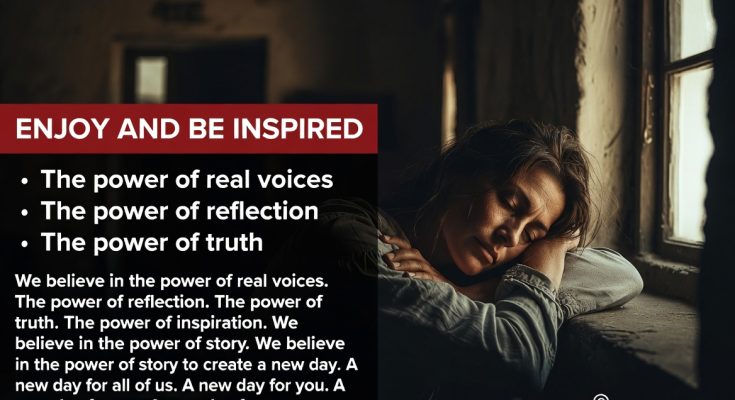
She tried to compromise my future the night before my medical boards interview, entirely misjudging my resilience.

The night before my medical school interview, my sister poured bleach on my only blazer, and my parents told me to stop making a scene. I wore the ruined jacket anyway, walked into the interview, and watched the dean’s face change the moment he saw my last name.

The night before my medical school interview, my sister poured bleach on my only blazer.

I found it hanging over the bathtub at 11:42 p.m., dripping into the drain like something wounded. The black wool had turned a copper-orange color across the left shoulder and down the front pocket. The smell reached me first—sharp, chemical, unmistakable.

Behind me, my sister, Vanessa, leaned against the bathroom doorframe in her silk robe, twisting a strand of blond hair around one finger.

“Oh,” she said, without blinking. “Was that yours?”

I stared at her. “You knew it was mine.”

She smiled. “You always act like everything is so dramatic.”

My interview at Adler Medical School was at eight the next morning. Adler was my first choice. My only real chance. I had spent two years working nights as a patient care technician, taking extra shifts, retaking the MCAT, and writing my application essays during lunch breaks in the hospital basement.

Vanessa had spent those same two years telling relatives that I was “trying out healthcare” while she prepared for her wedding to a finance manager named Brent.

I took the blazer off the hanger with shaking hands. “Mom!”

My mother appeared first, tightening the belt of her robe. My father came behind her, irritated and half-asleep.

Vanessa lifted both palms. “I was cleaning the tub. I didn’t see it.”

“It was hanging on the door,” I said. “There’s no way you didn’t see it.”

My father rubbed his forehead. “Julia, lower your voice.”

“My interview is tomorrow.”

“You can still wear something else,” my mother said.

“I don’t have something else.”

Vanessa scoffed. “Then maybe you should’ve planned better.”

I turned to my parents, waiting for them to say something. Anything.

My mother only sighed. “Stop making a scene. Vanessa said it was an accident.”

That sentence settled in my chest like a stone.

At 6:15 the next morning, I stood in front of the mirror wearing the ruined blazer. I had pinned the lapel closed to cover the worst stain, but the bleach scar still spread across my shoulder like a map of damage. My blouse was clean. My hair was neat. My resume was inside a folder I had bought from a dollar store.

Vanessa watched from the kitchen as I left.

“Good luck,” she said, smiling into her coffee.

At Adler, the waiting room was full of polished applicants in navy suits and expensive shoes. I felt every glance at my jacket.

When my name was called, I walked into the interview room with my back straight.

Dean Howard Whitaker sat at the head of the table. He was known for being unreadable. He looked at my file, then at my bleached blazer.

Then he looked back at the file.

His eyes stopped on my last name.

Garrett.

His expression changed.

“Wait,” he said slowly. “You’re her?”

Part 2

For one breath, I thought I had heard him wrong.

The room was silent except for the faint hum of the overhead lights. Two faculty members sat on either side of Dean Whitaker, both watching me now with a different kind of attention. Not pity. Not judgment. Recognition, maybe.

I tightened my fingers around the folder in my lap. “I’m sorry?”

Dean Whitaker leaned back, studying my face. “Julia Garrett?”

“Yes.”

“Daughter of Martin Garrett?”

My stomach dropped.

That name had followed me all my life, but never in a good way. My father was charming in public, generous at church, always ready with a firm handshake. At home, he was a man who could silence an entire room by setting down his fork too hard.

I swallowed. “Yes.”

The dean’s mouth tightened, but not with anger toward me. “And your mother is Elaine Garrett?”

“Yes.”

He turned a page in my file. “I knew your grandmother.”

That, I had not expected.

“My grandmother?” I asked.

“Dr. Rosalind Mercer,” he said. “Your mother’s mother.”

The name landed in the room like a key turning in a lock.

I had seen my grandmother only in old photographs. A tall Black woman with silver-streaked hair, serious eyes, and a white coat buttoned to the throat. My mother rarely mentioned her except to say she was “difficult,” “cold,” and “obsessed with work.” She had died when I was nine.

Dean Whitaker’s voice changed. It became quieter, more personal.

“She was the first physician who treated me like I belonged in a hospital,” he said. “I was a scholarship student with no connections. She sponsored my research application when no one else would even read it.”

One of the faculty members, Dr. Patel, glanced at me. “Rosalind Mercer was your grandmother?”

I nodded slowly. “Yes.”

Dean Whitaker looked again at my blazer. This time, his gaze was not on the stain itself, but on what it suggested.

“Julia,” he said, “did something happen this morning?”

My practiced answer rose automatically. I almost said, No, everything is fine. I almost protected the family that had not protected me.

Then I remembered my mother’s voice.

Stop making a scene.

I looked Dean Whitaker in the eye.

“My sister damaged my blazer last night,” I said. “I don’t believe it was an accident. My parents told me to wear it or stay home.”

The room went still.

Dr. Patel’s pen stopped moving.

Dean Whitaker closed my file with care. “And you came anyway.”

“Yes.”

“Why?”

Because I had no other choice. Because I had spent too many years shrinking. Because every patient whose hand I had held through fear deserved more from me than surrender.

I said, “Because becoming a doctor matters more to me than being humiliated.”

Dean Whitaker did not smile. But something in his face softened.

He opened my file again. “Then let’s begin.”

PART 3

The interview lasted forty-seven minutes.

I know because I checked the clock when I stepped out, expecting relief and instead feeling like my entire life had been pulled apart and arranged neatly across a conference table.

They asked me about my night shifts at St. Agnes Medical Center. They asked why my grades dropped during sophomore year. They asked about the free clinic where I translated discharge instructions for elderly patients who spoke only Spanish, even though I was not officially assigned there.

I answered everything.

Not perfectly. Not like the applicants who had probably rehearsed with admissions consultants and physicians who were family friends. But honestly.

When Dr. Patel asked why medicine, I did not give the polished version from my essay.

I told them about Mr. Holloway, a retired bus driver who used to press the call button every twenty minutes because he was afraid to die alone. I told them I learned that care was not always dramatic. Sometimes it was bringing ice chips. Sometimes it was remembering that a patient liked the blinds open at sunrise. Sometimes it was standing beside someone when their family could not get there in time.

Dean Whitaker listened without interrupting.

At the end, he folded his hands over my file.

“Julia,” he said, “your application shows endurance. Your interview confirms it.”

I did not know what to say.

He continued, “But I want to be clear about something. No school worth attending wants students who have never struggled. We want students who know what struggle costs and still choose responsibility.”

My throat tightened.

“Thank you,” I said.

Before I left, Dean Whitaker handed me a card. “My assistant will arrange for you to speak with Financial Aid directly. Today, not later.”

I stared at the card.

He added, “That is not special treatment. That is making sure a qualified applicant gets accurate information without being blocked by circumstances.”

I nodded, afraid that if I spoke too quickly, my voice would break.

When I returned home, Vanessa was in the living room with Brent, scrolling through bridal venues on her laptop. My parents were at the kitchen table. The house smelled like coffee and cinnamon toast, painfully normal.

My mother looked up first. “Well?”

I set my folder on the counter. “It went well.”

Vanessa’s eyes flicked to the blazer. “Even with that?”

“Yes,” I said.

A small silence followed.

My father lowered his newspaper. “Did they ask about it?”

I looked at him. “Yes.”

My mother stiffened. “And what did you tell them?”

“The truth.”

Vanessa laughed once, sharp and nervous. “What truth?”

“That you poured bleach on it.”

Her face changed instantly. “I told you, I was cleaning.”

“No, you weren’t,” I said. “There was no cleaner in the bathroom except the bleach bottle from the laundry room. The tub was dry. The stopper was up. You poured it on the shoulder and pocket, exactly where it would show.”

My father stood. “That’s enough.”

For most of my life, those two words had worked on me.

That day, they did not.

“No,” I said. “It isn’t.”

His eyes narrowed.

My mother whispered, “Julia, don’t start.”

“I didn’t start this,” I said. “But I’m finished pretending it isn’t happening.”

Vanessa slammed her laptop shut. “You’re insane. You always need attention.”

I turned to her. “You got it backward. I learned how to disappear so you could have all of it.”

Brent shifted uncomfortably on the couch. He had never seen this version of us. The Garrett family he knew was polished Christmas cards, matching sweaters, charity dinners, and Elaine’s careful captions about “my beautiful girls.”

Vanessa stood. “You’re jealous because I have a life.”

“I have a life,” I said. “You just wanted me too embarrassed to walk into mine.”

The room froze.

My father pointed toward the hallway. “Go to your room.”

I almost laughed. I was twenty-six years old, paying rent to sleep in the smallest bedroom of a house where my achievements were treated like inconveniences.

“No,” I said. “I’m going to pack.”

My mother blinked. “Pack for what?”

“To leave.”

That got their attention.

Vanessa crossed her arms. “With what money?”

“With the money I saved from night shifts. The money you all thought I was using for application fees.”

My father’s face darkened. “You don’t get to make threats in my house.”

“I’m not threatening you. I’m informing you.”

I walked past them to my room. My hands shook while I dragged two suitcases from the closet, but I kept moving. Scrubs. Jeans. Three sweaters. My grandmother’s old photograph from the back of my drawer. A shoebox of pay stubs. My passport. My social security card.

My mother appeared in the doorway.

Her anger was gone. In its place was something worse: panic pretending to be tenderness.

“Julia,” she said softly, “you’re upset. Don’t make a permanent decision over one argument.”

I folded a pair of black pants. “This isn’t one argument.”

“Vanessa made a mistake.”

I looked at her. “She made a choice. You made one too.”

My mother’s lips parted, but no words came.

For a second, I saw not the elegant woman who hosted neighborhood dinners, but a daughter who had spent years resenting her own mother’s strength and then punishing me for resembling it.

“You never told me Grandma helped build Adler’s residency pipeline,” I said.

Her face went pale.

“You knew?”

“Dean Whitaker knew her.”

My mother looked away.

That told me enough.

“She wasn’t cold, was she?” I asked.

My mother’s jaw tightened. “She was never home.”

“She was working.”

“She chose that hospital over her family.”

I zipped the suitcase. “Or maybe you decided that because it was easier than admitting she wanted more than this house.”

My mother flinched as if I had slapped her.

I did not apologize.

Two weeks later, I received the call.

I was in the break room at St. Agnes eating vending machine crackers before a twelve-hour shift. My phone buzzed with an unknown number, and I almost ignored it. Then I saw the area code.

“Hello, this is Julia Garrett.”

“Ms. Garrett,” said a woman’s voice. “This is Marlene Brooks from Adler Medical School admissions. I’m calling with an update regarding your application.”

The crackers turned to dust in my mouth.

I gripped the edge of the table.

“We are pleased to offer you admission to the incoming class.”

For a moment, all sound vanished.

Then the break room returned around me: the refrigerator humming, someone laughing down the hall, the squeak of shoes on polished floor.

I pressed my palm over my mouth.

Marlene continued, “You will also receive a financial aid package that includes the Mercer Community Medicine Scholarship.”

I closed my eyes.

Mercer.

My grandmother’s name.

“It is awarded to students with demonstrated commitment to underserved clinical care,” she said. “Your official letter will arrive by email today.”

I thanked her three times. Maybe four. I do not remember.

When the call ended, I sat there crying silently into my hands until Nurse Caroline Ortiz walked in, saw my face, and dropped her lunch bag.

“Who died?” she asked.

“No one,” I said, laughing through tears. “I got in.”

She screamed so loudly that two respiratory therapists ran in.

By evening, half the floor knew. Mr. Holloway’s daughter hugged me. Dr. Brenner from emergency medicine shook my hand. Someone taped a handwritten sign to my locker: FUTURE DR. GARRETT.

I took a picture of it and sent it to no one.

My parents found out from the official email because I was still logged into my account on the family desktop.

My father called seven times.

My mother texted first.

“Come home so we can discuss this properly.”

Then:

“We are proud of you.”

Then:

“Your father is very hurt that you didn’t tell us first.”

Vanessa sent nothing.

Three days later, I came back to collect the rest of my things while they were at church. Or so I thought.

Vanessa was there, sitting at the kitchen island in workout clothes, staring at her phone. Her engagement ring flashed under the pendant light.

She looked up when I entered.

“You got in,” she said.

“Yes.”

Her mouth twisted. “Congratulations.”

“Thank you.”

I went to the hallway closet and pulled out a storage bin.

Behind me, she said, “Brent called off the wedding.”

I stopped.

“He said he needed time to think,” she continued. “Apparently, he doesn’t like how I ‘handle conflict.’”

I turned around slowly.

Vanessa’s eyes were red, but her voice was still sharp. “You must be thrilled.”

“I’m not.”

“Liar.”

“I’m not thrilled,” I said. “I’m tired.”

She laughed bitterly. “Of course. Saint Julia.”

“No,” I said. “Not saint. Just done.”

For the first time, she did not have a quick answer.

I carried the bin to the front door. Inside were old textbooks, my winter coat, and a framed certificate from my community college anatomy program that my mother had once taken off the wall because it “clashed with the hallway.”

Vanessa followed me.

At the door, she said, “Why do you always get people on your side?”

I looked at her then, really looked.

She was twenty-nine years old and still seemed like a child guarding a toy box. But behind the anger was fear. Fear that without comparison, without winning, without our parents clapping for every performance, she did not know who she was.

“I don’t get people on my side,” I said. “I just stopped lying to protect yours.”

Her face crumpled for half a second before she turned away.

I left without slamming the door.

That fall, I started at Adler.

On the first day, I wore a navy blazer I bought secondhand and had tailored with my first scholarship stipend. Inside the left cuff, I had sewn a small strip of fabric from the damaged black blazer. The bleach stain was hidden there, reduced to a private reminder.

Not of humiliation.

Of evidence.

Dean Whitaker gave the welcome address in the main lecture hall. He spoke about service, discipline, and the difference between ambition and purpose. At the end, his eyes passed over the rows of students and paused briefly on me.

He did not smile in a sentimental way.

He simply nodded.

I nodded back.

Months later, during our white coat ceremony, my parents came.

I had not invited them. My mother found the public announcement online. They arrived dressed like they were attending a donor gala. Vanessa did not come.

After the ceremony, my mother approached me while my classmates took pictures with flowers and balloons.

“You looked beautiful,” she said.

“Thank you.”

My father cleared his throat. “We’re proud.”

I looked at him for a long moment. I had imagined that sentence for years. I used to think it would fix something.

It did not.

But it also did not hurt the way I expected.

“Thank you,” I said again.

My mother reached for my sleeve, then stopped herself. “Can we take a picture?”

I let them stand beside me for one photograph.

In it, my white coat is bright. My smile is small but real. My parents look proud, or maybe relieved, or maybe aware that the story had moved forward without them controlling the ending.

I kept the photo, but I did not frame it.

The picture I framed was different.

It was the old photograph of Dr. Rosalind Mercer, standing outside Adler’s original clinic entrance in 1978, arms crossed, gaze steady, white coat sharp against the brick wall.

Beside it, I placed my own white coat ceremony photo.

Two women from the same bloodline.

One erased at home.

One nearly stopped at the door.

Both still standing.

Years later, when I interviewed applicants as a fourth-year student representative, a young man came in with a tie that had clearly been repaired by hand. One sleeve of his shirt was slightly discolored, like it had been washed too many times or borrowed from someone else.

He kept trying to hide it under the table.

I remembered how it felt to sit in a room believing everyone could see your damage before they could see you.

So when it was my turn to ask a question, I closed his file gently and said, “Tell me what it took for you to get here.”

His shoulders lowered.

And he told us.

Not the polished version.

The real one.

That was the lesson my sister accidentally taught me with a bottle of bleach: some people will try to ruin what you wear because they cannot touch what you carry.

And sometimes the stain they meant to shame you with becomes the first thing that makes the right person look closer.

She tried to compromise my future the night before my medical boards interview, entirely misjudging my resilience. Read More

The ultimate academic payback: how my family’s attempt to undermine my big day completely ruined their own plans.

The night before my medical school interview, my sister poured bleach on my only blazer, and my parents told me to stop making a scene. I wore the ruined jacket anyway, walked into the interview, and watched the dean’s face change the moment he saw my last name.

The night before my medical school interview, my sister poured bleach on my only blazer.

I found it hanging over the bathtub at 11:42 p.m., dripping into the drain like something wounded. The black wool had turned a copper-orange color across the left shoulder and down the front pocket. The smell reached me first—sharp, chemical, unmistakable.

Behind me, my sister, Vanessa, leaned against the bathroom doorframe in her silk robe, twisting a strand of blond hair around one finger.

“Oh,” she said, without blinking. “Was that yours?”

I stared at her. “You knew it was mine.”

She smiled. “You always act like everything is so dramatic.”

My interview at Adler Medical School was at eight the next morning. Adler was my first choice. My only real chance. I had spent two years working nights as a patient care technician, taking extra shifts, retaking the MCAT, and writing my application essays during lunch breaks in the hospital basement.

Vanessa had spent those same two years telling relatives that I was “trying out healthcare” while she prepared for her wedding to a finance manager named Brent.

I took the blazer off the hanger with shaking hands. “Mom!”

My mother appeared first, tightening the belt of her robe. My father came behind her, irritated and half-asleep.

Vanessa lifted both palms. “I was cleaning the tub. I didn’t see it.”

“It was hanging on the door,” I said. “There’s no way you didn’t see it.”

My father rubbed his forehead. “Julia, lower your voice.”

“My interview is tomorrow.”

“You can still wear something else,” my mother said.

“I don’t have something else.”

Vanessa scoffed. “Then maybe you should’ve planned better.”

I turned to my parents, waiting for them to say something. Anything.

My mother only sighed. “Stop making a scene. Vanessa said it was an accident.”

That sentence settled in my chest like a stone.

At 6:15 the next morning, I stood in front of the mirror wearing the ruined blazer. I had pinned the lapel closed to cover the worst stain, but the bleach scar still spread across my shoulder like a map of damage. My blouse was clean. My hair was neat. My resume was inside a folder I had bought from a dollar store.

Vanessa watched from the kitchen as I left.

“Good luck,” she said, smiling into her coffee.

At Adler, the waiting room was full of polished applicants in navy suits and expensive shoes. I felt every glance at my jacket.

When my name was called, I walked into the interview room with my back straight.

Dean Howard Whitaker sat at the head of the table. He was known for being unreadable. He looked at my file, then at my bleached blazer.

Then he looked back at the file.

His eyes stopped on my last name.

Garrett.

His expression changed.

“Wait,” he said slowly. “You’re her?”

Part 2

For one breath, I thought I had heard him wrong.

The room was silent except for the faint hum of the overhead lights. Two faculty members sat on either side of Dean Whitaker, both watching me now with a different kind of attention. Not pity. Not judgment. Recognition, maybe.

I tightened my fingers around the folder in my lap. “I’m sorry?”

Dean Whitaker leaned back, studying my face. “Julia Garrett?”

“Yes.”

“Daughter of Martin Garrett?”

My stomach dropped.

That name had followed me all my life, but never in a good way. My father was charming in public, generous at church, always ready with a firm handshake. At home, he was a man who could silence an entire room by setting down his fork too hard.

I swallowed. “Yes.”

The dean’s mouth tightened, but not with anger toward me. “And your mother is Elaine Garrett?”

“Yes.”

He turned a page in my file. “I knew your grandmother.”

That, I had not expected.

“My grandmother?” I asked.

“Dr. Rosalind Mercer,” he said. “Your mother’s mother.”

The name landed in the room like a key turning in a lock.

I had seen my grandmother only in old photographs. A tall Black woman with silver-streaked hair, serious eyes, and a white coat buttoned to the throat. My mother rarely mentioned her except to say she was “difficult,” “cold,” and “obsessed with work.” She had died when I was nine.

Dean Whitaker’s voice changed. It became quieter, more personal.

“She was the first physician who treated me like I belonged in a hospital,” he said. “I was a scholarship student with no connections. She sponsored my research application when no one else would even read it.”

One of the faculty members, Dr. Patel, glanced at me. “Rosalind Mercer was your grandmother?”

I nodded slowly. “Yes.”

Dean Whitaker looked again at my blazer. This time, his gaze was not on the stain itself, but on what it suggested.

“Julia,” he said, “did something happen this morning?”

My practiced answer rose automatically. I almost said, No, everything is fine. I almost protected the family that had not protected me.

Then I remembered my mother’s voice.

Stop making a scene.

I looked Dean Whitaker in the eye.

“My sister damaged my blazer last night,” I said. “I don’t believe it was an accident. My parents told me to wear it or stay home.”

The room went still.

Dr. Patel’s pen stopped moving.

Dean Whitaker closed my file with care. “And you came anyway.”

“Yes.”

“Why?”

Because I had no other choice. Because I had spent too many years shrinking. Because every patient whose hand I had held through fear deserved more from me than surrender.

I said, “Because becoming a doctor matters more to me than being humiliated.”

Dean Whitaker did not smile. But something in his face softened.

He opened my file again. “Then let’s begin.”

PART 3

The interview lasted forty-seven minutes.

I know because I checked the clock when I stepped out, expecting relief and instead feeling like my entire life had been pulled apart and arranged neatly across a conference table.

They asked me about my night shifts at St. Agnes Medical Center. They asked why my grades dropped during sophomore year. They asked about the free clinic where I translated discharge instructions for elderly patients who spoke only Spanish, even though I was not officially assigned there.

I answered everything.

Not perfectly. Not like the applicants who had probably rehearsed with admissions consultants and physicians who were family friends. But honestly.

When Dr. Patel asked why medicine, I did not give the polished version from my essay.

I told them about Mr. Holloway, a retired bus driver who used to press the call button every twenty minutes because he was afraid to die alone. I told them I learned that care was not always dramatic. Sometimes it was bringing ice chips. Sometimes it was remembering that a patient liked the blinds open at sunrise. Sometimes it was standing beside someone when their family could not get there in time.

Dean Whitaker listened without interrupting.

At the end, he folded his hands over my file.

“Julia,” he said, “your application shows endurance. Your interview confirms it.”

I did not know what to say.

He continued, “But I want to be clear about something. No school worth attending wants students who have never struggled. We want students who know what struggle costs and still choose responsibility.”

My throat tightened.

“Thank you,” I said.

Before I left, Dean Whitaker handed me a card. “My assistant will arrange for you to speak with Financial Aid directly. Today, not later.”

I stared at the card.

He added, “That is not special treatment. That is making sure a qualified applicant gets accurate information without being blocked by circumstances.”

I nodded, afraid that if I spoke too quickly, my voice would break.

When I returned home, Vanessa was in the living room with Brent, scrolling through bridal venues on her laptop. My parents were at the kitchen table. The house smelled like coffee and cinnamon toast, painfully normal.

My mother looked up first. “Well?”

I set my folder on the counter. “It went well.”

Vanessa’s eyes flicked to the blazer. “Even with that?”

“Yes,” I said.

A small silence followed.

My father lowered his newspaper. “Did they ask about it?”

I looked at him. “Yes.”

My mother stiffened. “And what did you tell them?”

“The truth.”

Vanessa laughed once, sharp and nervous. “What truth?”

“That you poured bleach on it.”

Her face changed instantly. “I told you, I was cleaning.”

“No, you weren’t,” I said. “There was no cleaner in the bathroom except the bleach bottle from the laundry room. The tub was dry. The stopper was up. You poured it on the shoulder and pocket, exactly where it would show.”

My father stood. “That’s enough.”

For most of my life, those two words had worked on me.

That day, they did not.

“No,” I said. “It isn’t.”

His eyes narrowed.

My mother whispered, “Julia, don’t start.”

“I didn’t start this,” I said. “But I’m finished pretending it isn’t happening.”

Vanessa slammed her laptop shut. “You’re insane. You always need attention.”

I turned to her. “You got it backward. I learned how to disappear so you could have all of it.”

Brent shifted uncomfortably on the couch. He had never seen this version of us. The Garrett family he knew was polished Christmas cards, matching sweaters, charity dinners, and Elaine’s careful captions about “my beautiful girls.”

Vanessa stood. “You’re jealous because I have a life.”

“I have a life,” I said. “You just wanted me too embarrassed to walk into mine.”

The room froze.

My father pointed toward the hallway. “Go to your room.”

I almost laughed. I was twenty-six years old, paying rent to sleep in the smallest bedroom of a house where my achievements were treated like inconveniences.

“No,” I said. “I’m going to pack.”

My mother blinked. “Pack for what?”

“To leave.”

That got their attention.

Vanessa crossed her arms. “With what money?”

“With the money I saved from night shifts. The money you all thought I was using for application fees.”

My father’s face darkened. “You don’t get to make threats in my house.”

“I’m not threatening you. I’m informing you.”

I walked past them to my room. My hands shook while I dragged two suitcases from the closet, but I kept moving. Scrubs. Jeans. Three sweaters. My grandmother’s old photograph from the back of my drawer. A shoebox of pay stubs. My passport. My social security card.

My mother appeared in the doorway.

Her anger was gone. In its place was something worse: panic pretending to be tenderness.

“Julia,” she said softly, “you’re upset. Don’t make a permanent decision over one argument.”

I folded a pair of black pants. “This isn’t one argument.”

“Vanessa made a mistake.”

I looked at her. “She made a choice. You made one too.”

My mother’s lips parted, but no words came.

For a second, I saw not the elegant woman who hosted neighborhood dinners, but a daughter who had spent years resenting her own mother’s strength and then punishing me for resembling it.

“You never told me Grandma helped build Adler’s residency pipeline,” I said.

Her face went pale.

“You knew?”

“Dean Whitaker knew her.”

My mother looked away.

That told me enough.

“She wasn’t cold, was she?” I asked.

My mother’s jaw tightened. “She was never home.”

“She was working.”

“She chose that hospital over her family.”

I zipped the suitcase. “Or maybe you decided that because it was easier than admitting she wanted more than this house.”

My mother flinched as if I had slapped her.

I did not apologize.

Two weeks later, I received the call.

I was in the break room at St. Agnes eating vending machine crackers before a twelve-hour shift. My phone buzzed with an unknown number, and I almost ignored it. Then I saw the area code.

“Hello, this is Julia Garrett.”

“Ms. Garrett,” said a woman’s voice. “This is Marlene Brooks from Adler Medical School admissions. I’m calling with an update regarding your application.”

The crackers turned to dust in my mouth.

I gripped the edge of the table.

“We are pleased to offer you admission to the incoming class.”

For a moment, all sound vanished.

Then the break room returned around me: the refrigerator humming, someone laughing down the hall, the squeak of shoes on polished floor.

I pressed my palm over my mouth.

Marlene continued, “You will also receive a financial aid package that includes the Mercer Community Medicine Scholarship.”

I closed my eyes.

Mercer.

My grandmother’s name.

“It is awarded to students with demonstrated commitment to underserved clinical care,” she said. “Your official letter will arrive by email today.”

I thanked her three times. Maybe four. I do not remember.

When the call ended, I sat there crying silently into my hands until Nurse Caroline Ortiz walked in, saw my face, and dropped her lunch bag.

“Who died?” she asked.

“No one,” I said, laughing through tears. “I got in.”

She screamed so loudly that two respiratory therapists ran in.

By evening, half the floor knew. Mr. Holloway’s daughter hugged me. Dr. Brenner from emergency medicine shook my hand. Someone taped a handwritten sign to my locker: FUTURE DR. GARRETT.

I took a picture of it and sent it to no one.

My parents found out from the official email because I was still logged into my account on the family desktop.

My father called seven times.

My mother texted first.

“Come home so we can discuss this properly.”

Then:

“We are proud of you.”

Then:

“Your father is very hurt that you didn’t tell us first.”

Vanessa sent nothing.

Three days later, I came back to collect the rest of my things while they were at church. Or so I thought.

Vanessa was there, sitting at the kitchen island in workout clothes, staring at her phone. Her engagement ring flashed under the pendant light.

She looked up when I entered.

“You got in,” she said.

“Yes.”

Her mouth twisted. “Congratulations.”

“Thank you.”

I went to the hallway closet and pulled out a storage bin.

Behind me, she said, “Brent called off the wedding.”

I stopped.

“He said he needed time to think,” she continued. “Apparently, he doesn’t like how I ‘handle conflict.’”

I turned around slowly.

Vanessa’s eyes were red, but her voice was still sharp. “You must be thrilled.”

“I’m not.”

“Liar.”

“I’m not thrilled,” I said. “I’m tired.”

She laughed bitterly. “Of course. Saint Julia.”

“No,” I said. “Not saint. Just done.”

For the first time, she did not have a quick answer.

I carried the bin to the front door. Inside were old textbooks, my winter coat, and a framed certificate from my community college anatomy program that my mother had once taken off the wall because it “clashed with the hallway.”

Vanessa followed me.

At the door, she said, “Why do you always get people on your side?”

I looked at her then, really looked.

She was twenty-nine years old and still seemed like a child guarding a toy box. But behind the anger was fear. Fear that without comparison, without winning, without our parents clapping for every performance, she did not know who she was.

“I don’t get people on my side,” I said. “I just stopped lying to protect yours.”

Her face crumpled for half a second before she turned away.

I left without slamming the door.

That fall, I started at Adler.

On the first day, I wore a navy blazer I bought secondhand and had tailored with my first scholarship stipend. Inside the left cuff, I had sewn a small strip of fabric from the damaged black blazer. The bleach stain was hidden there, reduced to a private reminder.

Not of humiliation.

Of evidence.

Dean Whitaker gave the welcome address in the main lecture hall. He spoke about service, discipline, and the difference between ambition and purpose. At the end, his eyes passed over the rows of students and paused briefly on me.

He did not smile in a sentimental way.

He simply nodded.

I nodded back.

Months later, during our white coat ceremony, my parents came.

I had not invited them. My mother found the public announcement online. They arrived dressed like they were attending a donor gala. Vanessa did not come.

After the ceremony, my mother approached me while my classmates took pictures with flowers and balloons.

“You looked beautiful,” she said.

“Thank you.”

My father cleared his throat. “We’re proud.”

I looked at him for a long moment. I had imagined that sentence for years. I used to think it would fix something.

It did not.

But it also did not hurt the way I expected.

“Thank you,” I said again.

My mother reached for my sleeve, then stopped herself. “Can we take a picture?”

I let them stand beside me for one photograph.

In it, my white coat is bright. My smile is small but real. My parents look proud, or maybe relieved, or maybe aware that the story had moved forward without them controlling the ending.

I kept the photo, but I did not frame it.

The picture I framed was different.

It was the old photograph of Dr. Rosalind Mercer, standing outside Adler’s original clinic entrance in 1978, arms crossed, gaze steady, white coat sharp against the brick wall.

Beside it, I placed my own white coat ceremony photo.

Two women from the same bloodline.

One erased at home.

One nearly stopped at the door.

Both still standing.

Years later, when I interviewed applicants as a fourth-year student representative, a young man came in with a tie that had clearly been repaired by hand. One sleeve of his shirt was slightly discolored, like it had been washed too many times or borrowed from someone else.

He kept trying to hide it under the table.

I remembered how it felt to sit in a room believing everyone could see your damage before they could see you.

So when it was my turn to ask a question, I closed his file gently and said, “Tell me what it took for you to get here.”

His shoulders lowered.

And he told us.

Not the polished version.

The real one.

That was the lesson my sister accidentally taught me with a bottle of bleach: some people will try to ruin what you wear because they cannot touch what you carry.

And sometimes the stain they meant to shame you with becomes the first thing that makes the right person look closer.

The ultimate academic payback: how my family’s attempt to undermine my big day completely ruined their own plans. Read More

My parents told me to ignore my sister’s malicious behavior right before my high-stakes interview.

The night before my medical school interview, my sister poured bleach on my only blazer, and my parents told me to stop making a scene. I wore the ruined jacket anyway, walked into the interview, and watched the dean’s face change the moment he saw my last name.

The night before my medical school interview, my sister poured bleach on my only blazer.

I found it hanging over the bathtub at 11:42 p.m., dripping into the drain like something wounded. The black wool had turned a copper-orange color across the left shoulder and down the front pocket. The smell reached me first—sharp, chemical, unmistakable.

Behind me, my sister, Vanessa, leaned against the bathroom doorframe in her silk robe, twisting a strand of blond hair around one finger.

“Oh,” she said, without blinking. “Was that yours?”

I stared at her. “You knew it was mine.”

She smiled. “You always act like everything is so dramatic.”

My interview at Adler Medical School was at eight the next morning. Adler was my first choice. My only real chance. I had spent two years working nights as a patient care technician, taking extra shifts, retaking the MCAT, and writing my application essays during lunch breaks in the hospital basement.

Vanessa had spent those same two years telling relatives that I was “trying out healthcare” while she prepared for her wedding to a finance manager named Brent.

I took the blazer off the hanger with shaking hands. “Mom!”

My mother appeared first, tightening the belt of her robe. My father came behind her, irritated and half-asleep.

Vanessa lifted both palms. “I was cleaning the tub. I didn’t see it.”

“It was hanging on the door,” I said. “There’s no way you didn’t see it.”

My father rubbed his forehead. “Julia, lower your voice.”

“My interview is tomorrow.”

“You can still wear something else,” my mother said.

“I don’t have something else.”

Vanessa scoffed. “Then maybe you should’ve planned better.”

I turned to my parents, waiting for them to say something. Anything.

My mother only sighed. “Stop making a scene. Vanessa said it was an accident.”

That sentence settled in my chest like a stone.

At 6:15 the next morning, I stood in front of the mirror wearing the ruined blazer. I had pinned the lapel closed to cover the worst stain, but the bleach scar still spread across my shoulder like a map of damage. My blouse was clean. My hair was neat. My resume was inside a folder I had bought from a dollar store.

Vanessa watched from the kitchen as I left.

“Good luck,” she said, smiling into her coffee.

At Adler, the waiting room was full of polished applicants in navy suits and expensive shoes. I felt every glance at my jacket.

When my name was called, I walked into the interview room with my back straight.

Dean Howard Whitaker sat at the head of the table. He was known for being unreadable. He looked at my file, then at my bleached blazer.

Then he looked back at the file.

His eyes stopped on my last name.

Garrett.

His expression changed.

“Wait,” he said slowly. “You’re her?”

Part 2

For one breath, I thought I had heard him wrong.

The room was silent except for the faint hum of the overhead lights. Two faculty members sat on either side of Dean Whitaker, both watching me now with a different kind of attention. Not pity. Not judgment. Recognition, maybe.

I tightened my fingers around the folder in my lap. “I’m sorry?”

Dean Whitaker leaned back, studying my face. “Julia Garrett?”

“Yes.”

“Daughter of Martin Garrett?”

My stomach dropped.

That name had followed me all my life, but never in a good way. My father was charming in public, generous at church, always ready with a firm handshake. At home, he was a man who could silence an entire room by setting down his fork too hard.

I swallowed. “Yes.”

The dean’s mouth tightened, but not with anger toward me. “And your mother is Elaine Garrett?”

“Yes.”

He turned a page in my file. “I knew your grandmother.”

That, I had not expected.

“My grandmother?” I asked.

“Dr. Rosalind Mercer,” he said. “Your mother’s mother.”

The name landed in the room like a key turning in a lock.

I had seen my grandmother only in old photographs. A tall Black woman with silver-streaked hair, serious eyes, and a white coat buttoned to the throat. My mother rarely mentioned her except to say she was “difficult,” “cold,” and “obsessed with work.” She had died when I was nine.

Dean Whitaker’s voice changed. It became quieter, more personal.

“She was the first physician who treated me like I belonged in a hospital,” he said. “I was a scholarship student with no connections. She sponsored my research application when no one else would even read it.”

One of the faculty members, Dr. Patel, glanced at me. “Rosalind Mercer was your grandmother?”

I nodded slowly. “Yes.”

Dean Whitaker looked again at my blazer. This time, his gaze was not on the stain itself, but on what it suggested.

“Julia,” he said, “did something happen this morning?”

My practiced answer rose automatically. I almost said, No, everything is fine. I almost protected the family that had not protected me.

Then I remembered my mother’s voice.

Stop making a scene.

I looked Dean Whitaker in the eye.

“My sister damaged my blazer last night,” I said. “I don’t believe it was an accident. My parents told me to wear it or stay home.”

The room went still.

Dr. Patel’s pen stopped moving.

Dean Whitaker closed my file with care. “And you came anyway.”

“Yes.”

“Why?”

Because I had no other choice. Because I had spent too many years shrinking. Because every patient whose hand I had held through fear deserved more from me than surrender.

I said, “Because becoming a doctor matters more to me than being humiliated.”

Dean Whitaker did not smile. But something in his face softened.

He opened my file again. “Then let’s begin.”

PART 3

The interview lasted forty-seven minutes.

I know because I checked the clock when I stepped out, expecting relief and instead feeling like my entire life had been pulled apart and arranged neatly across a conference table.

They asked me about my night shifts at St. Agnes Medical Center. They asked why my grades dropped during sophomore year. They asked about the free clinic where I translated discharge instructions for elderly patients who spoke only Spanish, even though I was not officially assigned there.

I answered everything.

Not perfectly. Not like the applicants who had probably rehearsed with admissions consultants and physicians who were family friends. But honestly.

When Dr. Patel asked why medicine, I did not give the polished version from my essay.

I told them about Mr. Holloway, a retired bus driver who used to press the call button every twenty minutes because he was afraid to die alone. I told them I learned that care was not always dramatic. Sometimes it was bringing ice chips. Sometimes it was remembering that a patient liked the blinds open at sunrise. Sometimes it was standing beside someone when their family could not get there in time.

Dean Whitaker listened without interrupting.

At the end, he folded his hands over my file.

“Julia,” he said, “your application shows endurance. Your interview confirms it.”

I did not know what to say.

He continued, “But I want to be clear about something. No school worth attending wants students who have never struggled. We want students who know what struggle costs and still choose responsibility.”

My throat tightened.

“Thank you,” I said.

Before I left, Dean Whitaker handed me a card. “My assistant will arrange for you to speak with Financial Aid directly. Today, not later.”

I stared at the card.

He added, “That is not special treatment. That is making sure a qualified applicant gets accurate information without being blocked by circumstances.”

I nodded, afraid that if I spoke too quickly, my voice would break.

When I returned home, Vanessa was in the living room with Brent, scrolling through bridal venues on her laptop. My parents were at the kitchen table. The house smelled like coffee and cinnamon toast, painfully normal.

My mother looked up first. “Well?”

I set my folder on the counter. “It went well.”

Vanessa’s eyes flicked to the blazer. “Even with that?”

“Yes,” I said.

A small silence followed.

My father lowered his newspaper. “Did they ask about it?”

I looked at him. “Yes.”

My mother stiffened. “And what did you tell them?”

“The truth.”

Vanessa laughed once, sharp and nervous. “What truth?”

“That you poured bleach on it.”

Her face changed instantly. “I told you, I was cleaning.”

“No, you weren’t,” I said. “There was no cleaner in the bathroom except the bleach bottle from the laundry room. The tub was dry. The stopper was up. You poured it on the shoulder and pocket, exactly where it would show.”

My father stood. “That’s enough.”

For most of my life, those two words had worked on me.

That day, they did not.

“No,” I said. “It isn’t.”

His eyes narrowed.

My mother whispered, “Julia, don’t start.”

“I didn’t start this,” I said. “But I’m finished pretending it isn’t happening.”

Vanessa slammed her laptop shut. “You’re insane. You always need attention.”

I turned to her. “You got it backward. I learned how to disappear so you could have all of it.”

Brent shifted uncomfortably on the couch. He had never seen this version of us. The Garrett family he knew was polished Christmas cards, matching sweaters, charity dinners, and Elaine’s careful captions about “my beautiful girls.”

Vanessa stood. “You’re jealous because I have a life.”

“I have a life,” I said. “You just wanted me too embarrassed to walk into mine.”

The room froze.

My father pointed toward the hallway. “Go to your room.”

I almost laughed. I was twenty-six years old, paying rent to sleep in the smallest bedroom of a house where my achievements were treated like inconveniences.

“No,” I said. “I’m going to pack.”

My mother blinked. “Pack for what?”

“To leave.”

That got their attention.

Vanessa crossed her arms. “With what money?”

“With the money I saved from night shifts. The money you all thought I was using for application fees.”

My father’s face darkened. “You don’t get to make threats in my house.”

“I’m not threatening you. I’m informing you.”

I walked past them to my room. My hands shook while I dragged two suitcases from the closet, but I kept moving. Scrubs. Jeans. Three sweaters. My grandmother’s old photograph from the back of my drawer. A shoebox of pay stubs. My passport. My social security card.

My mother appeared in the doorway.

Her anger was gone. In its place was something worse: panic pretending to be tenderness.

“Julia,” she said softly, “you’re upset. Don’t make a permanent decision over one argument.”

I folded a pair of black pants. “This isn’t one argument.”

“Vanessa made a mistake.”

I looked at her. “She made a choice. You made one too.”

My mother’s lips parted, but no words came.

For a second, I saw not the elegant woman who hosted neighborhood dinners, but a daughter who had spent years resenting her own mother’s strength and then punishing me for resembling it.

“You never told me Grandma helped build Adler’s residency pipeline,” I said.

Her face went pale.

“You knew?”

“Dean Whitaker knew her.”

My mother looked away.

That told me enough.

“She wasn’t cold, was she?” I asked.

My mother’s jaw tightened. “She was never home.”

“She was working.”

“She chose that hospital over her family.”

I zipped the suitcase. “Or maybe you decided that because it was easier than admitting she wanted more than this house.”

My mother flinched as if I had slapped her.

I did not apologize.

Two weeks later, I received the call.

I was in the break room at St. Agnes eating vending machine crackers before a twelve-hour shift. My phone buzzed with an unknown number, and I almost ignored it. Then I saw the area code.

“Hello, this is Julia Garrett.”

“Ms. Garrett,” said a woman’s voice. “This is Marlene Brooks from Adler Medical School admissions. I’m calling with an update regarding your application.”

The crackers turned to dust in my mouth.

I gripped the edge of the table.

“We are pleased to offer you admission to the incoming class.”

For a moment, all sound vanished.

Then the break room returned around me: the refrigerator humming, someone laughing down the hall, the squeak of shoes on polished floor.

I pressed my palm over my mouth.

Marlene continued, “You will also receive a financial aid package that includes the Mercer Community Medicine Scholarship.”

I closed my eyes.

Mercer.

My grandmother’s name.

“It is awarded to students with demonstrated commitment to underserved clinical care,” she said. “Your official letter will arrive by email today.”

I thanked her three times. Maybe four. I do not remember.

When the call ended, I sat there crying silently into my hands until Nurse Caroline Ortiz walked in, saw my face, and dropped her lunch bag.

“Who died?” she asked.

“No one,” I said, laughing through tears. “I got in.”

She screamed so loudly that two respiratory therapists ran in.

By evening, half the floor knew. Mr. Holloway’s daughter hugged me. Dr. Brenner from emergency medicine shook my hand. Someone taped a handwritten sign to my locker: FUTURE DR. GARRETT.

I took a picture of it and sent it to no one.

My parents found out from the official email because I was still logged into my account on the family desktop.

My father called seven times.

My mother texted first.

“Come home so we can discuss this properly.”

Then:

“We are proud of you.”

Then:

“Your father is very hurt that you didn’t tell us first.”

Vanessa sent nothing.

Three days later, I came back to collect the rest of my things while they were at church. Or so I thought.

Vanessa was there, sitting at the kitchen island in workout clothes, staring at her phone. Her engagement ring flashed under the pendant light.

She looked up when I entered.

“You got in,” she said.

“Yes.”

Her mouth twisted. “Congratulations.”

“Thank you.”

I went to the hallway closet and pulled out a storage bin.

Behind me, she said, “Brent called off the wedding.”

I stopped.

“He said he needed time to think,” she continued. “Apparently, he doesn’t like how I ‘handle conflict.’”

I turned around slowly.

Vanessa’s eyes were red, but her voice was still sharp. “You must be thrilled.”

“I’m not.”

“Liar.”

“I’m not thrilled,” I said. “I’m tired.”

She laughed bitterly. “Of course. Saint Julia.”

“No,” I said. “Not saint. Just done.”

For the first time, she did not have a quick answer.

I carried the bin to the front door. Inside were old textbooks, my winter coat, and a framed certificate from my community college anatomy program that my mother had once taken off the wall because it “clashed with the hallway.”

Vanessa followed me.

At the door, she said, “Why do you always get people on your side?”

I looked at her then, really looked.

She was twenty-nine years old and still seemed like a child guarding a toy box. But behind the anger was fear. Fear that without comparison, without winning, without our parents clapping for every performance, she did not know who she was.

“I don’t get people on my side,” I said. “I just stopped lying to protect yours.”

Her face crumpled for half a second before she turned away.

I left without slamming the door.

That fall, I started at Adler.

On the first day, I wore a navy blazer I bought secondhand and had tailored with my first scholarship stipend. Inside the left cuff, I had sewn a small strip of fabric from the damaged black blazer. The bleach stain was hidden there, reduced to a private reminder.

Not of humiliation.

Of evidence.

Dean Whitaker gave the welcome address in the main lecture hall. He spoke about service, discipline, and the difference between ambition and purpose. At the end, his eyes passed over the rows of students and paused briefly on me.

He did not smile in a sentimental way.

He simply nodded.

I nodded back.

Months later, during our white coat ceremony, my parents came.

I had not invited them. My mother found the public announcement online. They arrived dressed like they were attending a donor gala. Vanessa did not come.

After the ceremony, my mother approached me while my classmates took pictures with flowers and balloons.

“You looked beautiful,” she said.

“Thank you.”

My father cleared his throat. “We’re proud.”

I looked at him for a long moment. I had imagined that sentence for years. I used to think it would fix something.

It did not.

But it also did not hurt the way I expected.

“Thank you,” I said again.

My mother reached for my sleeve, then stopped herself. “Can we take a picture?”

I let them stand beside me for one photograph.

In it, my white coat is bright. My smile is small but real. My parents look proud, or maybe relieved, or maybe aware that the story had moved forward without them controlling the ending.

I kept the photo, but I did not frame it.

The picture I framed was different.

It was the old photograph of Dr. Rosalind Mercer, standing outside Adler’s original clinic entrance in 1978, arms crossed, gaze steady, white coat sharp against the brick wall.

Beside it, I placed my own white coat ceremony photo.

Two women from the same bloodline.

One erased at home.

One nearly stopped at the door.

Both still standing.

Years later, when I interviewed applicants as a fourth-year student representative, a young man came in with a tie that had clearly been repaired by hand. One sleeve of his shirt was slightly discolored, like it had been washed too many times or borrowed from someone else.

He kept trying to hide it under the table.

I remembered how it felt to sit in a room believing everyone could see your damage before they could see you.

So when it was my turn to ask a question, I closed his file gently and said, “Tell me what it took for you to get here.”

His shoulders lowered.

And he told us.

Not the polished version.

The real one.

That was the lesson my sister accidentally taught me with a bottle of bleach: some people will try to ruin what you wear because they cannot touch what you carry.

And sometimes the stain they meant to shame you with becomes the first thing that makes the right person look closer.

My parents told me to ignore my sister’s malicious behavior right before my high-stakes interview. Read More

My sister thought ruining my interview attire would stop me, but her plan backfired entirely.

The night before my medical school interview, my sister poured bleach on my only blazer, and my parents told me to stop making a scene. I wore the ruined jacket anyway, walked into the interview, and watched the dean’s face change the moment he saw my last name.

The night before my medical school interview, my sister poured bleach on my only blazer.

I found it hanging over the bathtub at 11:42 p.m., dripping into the drain like something wounded. The black wool had turned a copper-orange color across the left shoulder and down the front pocket. The smell reached me first—sharp, chemical, unmistakable.

Behind me, my sister, Vanessa, leaned against the bathroom doorframe in her silk robe, twisting a strand of blond hair around one finger.

“Oh,” she said, without blinking. “Was that yours?”

I stared at her. “You knew it was mine.”

She smiled. “You always act like everything is so dramatic.”

My interview at Adler Medical School was at eight the next morning. Adler was my first choice. My only real chance. I had spent two years working nights as a patient care technician, taking extra shifts, retaking the MCAT, and writing my application essays during lunch breaks in the hospital basement.

Vanessa had spent those same two years telling relatives that I was “trying out healthcare” while she prepared for her wedding to a finance manager named Brent.

I took the blazer off the hanger with shaking hands. “Mom!”

My mother appeared first, tightening the belt of her robe. My father came behind her, irritated and half-asleep.

Vanessa lifted both palms. “I was cleaning the tub. I didn’t see it.”

“It was hanging on the door,” I said. “There’s no way you didn’t see it.”

My father rubbed his forehead. “Julia, lower your voice.”

“My interview is tomorrow.”

“You can still wear something else,” my mother said.

“I don’t have something else.”

Vanessa scoffed. “Then maybe you should’ve planned better.”

I turned to my parents, waiting for them to say something. Anything.

My mother only sighed. “Stop making a scene. Vanessa said it was an accident.”

That sentence settled in my chest like a stone.

At 6:15 the next morning, I stood in front of the mirror wearing the ruined blazer. I had pinned the lapel closed to cover the worst stain, but the bleach scar still spread across my shoulder like a map of damage. My blouse was clean. My hair was neat. My resume was inside a folder I had bought from a dollar store.

Vanessa watched from the kitchen as I left.

“Good luck,” she said, smiling into her coffee.

At Adler, the waiting room was full of polished applicants in navy suits and expensive shoes. I felt every glance at my jacket.

When my name was called, I walked into the interview room with my back straight.

Dean Howard Whitaker sat at the head of the table. He was known for being unreadable. He looked at my file, then at my bleached blazer.

Then he looked back at the file.

His eyes stopped on my last name.

Garrett.

His expression changed.

“Wait,” he said slowly. “You’re her?”

Part 2

For one breath, I thought I had heard him wrong.

The room was silent except for the faint hum of the overhead lights. Two faculty members sat on either side of Dean Whitaker, both watching me now with a different kind of attention. Not pity. Not judgment. Recognition, maybe.

I tightened my fingers around the folder in my lap. “I’m sorry?”

Dean Whitaker leaned back, studying my face. “Julia Garrett?”

“Yes.”

“Daughter of Martin Garrett?”

My stomach dropped.

That name had followed me all my life, but never in a good way. My father was charming in public, generous at church, always ready with a firm handshake. At home, he was a man who could silence an entire room by setting down his fork too hard.

I swallowed. “Yes.”

The dean’s mouth tightened, but not with anger toward me. “And your mother is Elaine Garrett?”

“Yes.”

He turned a page in my file. “I knew your grandmother.”

That, I had not expected.

“My grandmother?” I asked.

“Dr. Rosalind Mercer,” he said. “Your mother’s mother.”

The name landed in the room like a key turning in a lock.

I had seen my grandmother only in old photographs. A tall Black woman with silver-streaked hair, serious eyes, and a white coat buttoned to the throat. My mother rarely mentioned her except to say she was “difficult,” “cold,” and “obsessed with work.” She had died when I was nine.

Dean Whitaker’s voice changed. It became quieter, more personal.

“She was the first physician who treated me like I belonged in a hospital,” he said. “I was a scholarship student with no connections. She sponsored my research application when no one else would even read it.”

One of the faculty members, Dr. Patel, glanced at me. “Rosalind Mercer was your grandmother?”

I nodded slowly. “Yes.”

Dean Whitaker looked again at my blazer. This time, his gaze was not on the stain itself, but on what it suggested.

“Julia,” he said, “did something happen this morning?”

My practiced answer rose automatically. I almost said, No, everything is fine. I almost protected the family that had not protected me.

Then I remembered my mother’s voice.

Stop making a scene.

I looked Dean Whitaker in the eye.

“My sister damaged my blazer last night,” I said. “I don’t believe it was an accident. My parents told me to wear it or stay home.”

The room went still.

Dr. Patel’s pen stopped moving.

Dean Whitaker closed my file with care. “And you came anyway.”

“Yes.”

“Why?”

Because I had no other choice. Because I had spent too many years shrinking. Because every patient whose hand I had held through fear deserved more from me than surrender.

I said, “Because becoming a doctor matters more to me than being humiliated.”

Dean Whitaker did not smile. But something in his face softened.

He opened my file again. “Then let’s begin.”

PART 3

The interview lasted forty-seven minutes.

I know because I checked the clock when I stepped out, expecting relief and instead feeling like my entire life had been pulled apart and arranged neatly across a conference table.

They asked me about my night shifts at St. Agnes Medical Center. They asked why my grades dropped during sophomore year. They asked about the free clinic where I translated discharge instructions for elderly patients who spoke only Spanish, even though I was not officially assigned there.

I answered everything.

Not perfectly. Not like the applicants who had probably rehearsed with admissions consultants and physicians who were family friends. But honestly.

When Dr. Patel asked why medicine, I did not give the polished version from my essay.

I told them about Mr. Holloway, a retired bus driver who used to press the call button every twenty minutes because he was afraid to die alone. I told them I learned that care was not always dramatic. Sometimes it was bringing ice chips. Sometimes it was remembering that a patient liked the blinds open at sunrise. Sometimes it was standing beside someone when their family could not get there in time.

Dean Whitaker listened without interrupting.

At the end, he folded his hands over my file.

“Julia,” he said, “your application shows endurance. Your interview confirms it.”

I did not know what to say.

He continued, “But I want to be clear about something. No school worth attending wants students who have never struggled. We want students who know what struggle costs and still choose responsibility.”

My throat tightened.

“Thank you,” I said.

Before I left, Dean Whitaker handed me a card. “My assistant will arrange for you to speak with Financial Aid directly. Today, not later.”

I stared at the card.

He added, “That is not special treatment. That is making sure a qualified applicant gets accurate information without being blocked by circumstances.”

I nodded, afraid that if I spoke too quickly, my voice would break.

When I returned home, Vanessa was in the living room with Brent, scrolling through bridal venues on her laptop. My parents were at the kitchen table. The house smelled like coffee and cinnamon toast, painfully normal.

My mother looked up first. “Well?”

I set my folder on the counter. “It went well.”

Vanessa’s eyes flicked to the blazer. “Even with that?”

“Yes,” I said.

A small silence followed.

My father lowered his newspaper. “Did they ask about it?”

I looked at him. “Yes.”

My mother stiffened. “And what did you tell them?”

“The truth.”

Vanessa laughed once, sharp and nervous. “What truth?”

“That you poured bleach on it.”

Her face changed instantly. “I told you, I was cleaning.”

“No, you weren’t,” I said. “There was no cleaner in the bathroom except the bleach bottle from the laundry room. The tub was dry. The stopper was up. You poured it on the shoulder and pocket, exactly where it would show.”

My father stood. “That’s enough.”

For most of my life, those two words had worked on me.

That day, they did not.

“No,” I said. “It isn’t.”

His eyes narrowed.

My mother whispered, “Julia, don’t start.”

“I didn’t start this,” I said. “But I’m finished pretending it isn’t happening.”

Vanessa slammed her laptop shut. “You’re insane. You always need attention.”

I turned to her. “You got it backward. I learned how to disappear so you could have all of it.”

Brent shifted uncomfortably on the couch. He had never seen this version of us. The Garrett family he knew was polished Christmas cards, matching sweaters, charity dinners, and Elaine’s careful captions about “my beautiful girls.”

Vanessa stood. “You’re jealous because I have a life.”

“I have a life,” I said. “You just wanted me too embarrassed to walk into mine.”

The room froze.

My father pointed toward the hallway. “Go to your room.”

I almost laughed. I was twenty-six years old, paying rent to sleep in the smallest bedroom of a house where my achievements were treated like inconveniences.

“No,” I said. “I’m going to pack.”

My mother blinked. “Pack for what?”

“To leave.”

That got their attention.

Vanessa crossed her arms. “With what money?”

“With the money I saved from night shifts. The money you all thought I was using for application fees.”

My father’s face darkened. “You don’t get to make threats in my house.”

“I’m not threatening you. I’m informing you.”

I walked past them to my room. My hands shook while I dragged two suitcases from the closet, but I kept moving. Scrubs. Jeans. Three sweaters. My grandmother’s old photograph from the back of my drawer. A shoebox of pay stubs. My passport. My social security card.

My mother appeared in the doorway.

Her anger was gone. In its place was something worse: panic pretending to be tenderness.

“Julia,” she said softly, “you’re upset. Don’t make a permanent decision over one argument.”

I folded a pair of black pants. “This isn’t one argument.”

“Vanessa made a mistake.”

I looked at her. “She made a choice. You made one too.”

My mother’s lips parted, but no words came.

For a second, I saw not the elegant woman who hosted neighborhood dinners, but a daughter who had spent years resenting her own mother’s strength and then punishing me for resembling it.

“You never told me Grandma helped build Adler’s residency pipeline,” I said.

Her face went pale.

“You knew?”

“Dean Whitaker knew her.”

My mother looked away.

That told me enough.

“She wasn’t cold, was she?” I asked.

My mother’s jaw tightened. “She was never home.”

“She was working.”

“She chose that hospital over her family.”

I zipped the suitcase. “Or maybe you decided that because it was easier than admitting she wanted more than this house.”

My mother flinched as if I had slapped her.

I did not apologize.

Two weeks later, I received the call.

I was in the break room at St. Agnes eating vending machine crackers before a twelve-hour shift. My phone buzzed with an unknown number, and I almost ignored it. Then I saw the area code.

“Hello, this is Julia Garrett.”

“Ms. Garrett,” said a woman’s voice. “This is Marlene Brooks from Adler Medical School admissions. I’m calling with an update regarding your application.”

The crackers turned to dust in my mouth.

I gripped the edge of the table.

“We are pleased to offer you admission to the incoming class.”

For a moment, all sound vanished.

Then the break room returned around me: the refrigerator humming, someone laughing down the hall, the squeak of shoes on polished floor.

I pressed my palm over my mouth.

Marlene continued, “You will also receive a financial aid package that includes the Mercer Community Medicine Scholarship.”

I closed my eyes.

Mercer.

My grandmother’s name.

“It is awarded to students with demonstrated commitment to underserved clinical care,” she said. “Your official letter will arrive by email today.”

I thanked her three times. Maybe four. I do not remember.

When the call ended, I sat there crying silently into my hands until Nurse Caroline Ortiz walked in, saw my face, and dropped her lunch bag.

“Who died?” she asked.

“No one,” I said, laughing through tears. “I got in.”

She screamed so loudly that two respiratory therapists ran in.

By evening, half the floor knew. Mr. Holloway’s daughter hugged me. Dr. Brenner from emergency medicine shook my hand. Someone taped a handwritten sign to my locker: FUTURE DR. GARRETT.

I took a picture of it and sent it to no one.

My parents found out from the official email because I was still logged into my account on the family desktop.

My father called seven times.

My mother texted first.

“Come home so we can discuss this properly.”

Then:

“We are proud of you.”

Then:

“Your father is very hurt that you didn’t tell us first.”

Vanessa sent nothing.

Three days later, I came back to collect the rest of my things while they were at church. Or so I thought.

Vanessa was there, sitting at the kitchen island in workout clothes, staring at her phone. Her engagement ring flashed under the pendant light.

She looked up when I entered.

“You got in,” she said.

“Yes.”

Her mouth twisted. “Congratulations.”

“Thank you.”

I went to the hallway closet and pulled out a storage bin.

Behind me, she said, “Brent called off the wedding.”

I stopped.

“He said he needed time to think,” she continued. “Apparently, he doesn’t like how I ‘handle conflict.’”

I turned around slowly.

Vanessa’s eyes were red, but her voice was still sharp. “You must be thrilled.”

“I’m not.”

“Liar.”

“I’m not thrilled,” I said. “I’m tired.”

She laughed bitterly. “Of course. Saint Julia.”

“No,” I said. “Not saint. Just done.”

For the first time, she did not have a quick answer.

I carried the bin to the front door. Inside were old textbooks, my winter coat, and a framed certificate from my community college anatomy program that my mother had once taken off the wall because it “clashed with the hallway.”

Vanessa followed me.

At the door, she said, “Why do you always get people on your side?”

I looked at her then, really looked.

She was twenty-nine years old and still seemed like a child guarding a toy box. But behind the anger was fear. Fear that without comparison, without winning, without our parents clapping for every performance, she did not know who she was.

“I don’t get people on my side,” I said. “I just stopped lying to protect yours.”

Her face crumpled for half a second before she turned away.

I left without slamming the door.

That fall, I started at Adler.

On the first day, I wore a navy blazer I bought secondhand and had tailored with my first scholarship stipend. Inside the left cuff, I had sewn a small strip of fabric from the damaged black blazer. The bleach stain was hidden there, reduced to a private reminder.

Not of humiliation.

Of evidence.

Dean Whitaker gave the welcome address in the main lecture hall. He spoke about service, discipline, and the difference between ambition and purpose. At the end, his eyes passed over the rows of students and paused briefly on me.

He did not smile in a sentimental way.

He simply nodded.

I nodded back.

Months later, during our white coat ceremony, my parents came.

I had not invited them. My mother found the public announcement online. They arrived dressed like they were attending a donor gala. Vanessa did not come.

After the ceremony, my mother approached me while my classmates took pictures with flowers and balloons.

“You looked beautiful,” she said.

“Thank you.”

My father cleared his throat. “We’re proud.”

I looked at him for a long moment. I had imagined that sentence for years. I used to think it would fix something.

It did not.

But it also did not hurt the way I expected.

“Thank you,” I said again.

My mother reached for my sleeve, then stopped herself. “Can we take a picture?”

I let them stand beside me for one photograph.

In it, my white coat is bright. My smile is small but real. My parents look proud, or maybe relieved, or maybe aware that the story had moved forward without them controlling the ending.

I kept the photo, but I did not frame it.

The picture I framed was different.

It was the old photograph of Dr. Rosalind Mercer, standing outside Adler’s original clinic entrance in 1978, arms crossed, gaze steady, white coat sharp against the brick wall.

Beside it, I placed my own white coat ceremony photo.

Two women from the same bloodline.

One erased at home.

One nearly stopped at the door.

Both still standing.

Years later, when I interviewed applicants as a fourth-year student representative, a young man came in with a tie that had clearly been repaired by hand. One sleeve of his shirt was slightly discolored, like it had been washed too many times or borrowed from someone else.

He kept trying to hide it under the table.

I remembered how it felt to sit in a room believing everyone could see your damage before they could see you.

So when it was my turn to ask a question, I closed his file gently and said, “Tell me what it took for you to get here.”

His shoulders lowered.

And he told us.

Not the polished version.

The real one.

That was the lesson my sister accidentally taught me with a bottle of bleach: some people will try to ruin what you wear because they cannot touch what you carry.

And sometimes the stain they meant to shame you with becomes the first thing that makes the right person look closer.

My sister thought ruining my interview attire would stop me, but her plan backfired entirely. Read More

My family tried to downplay my sister’s blatant sabotage on the biggest night of my academic career.

The night before my medical school interview, my sister poured bleach on my only blazer, and my parents told me to stop making a scene. I wore the ruined jacket anyway, walked into the interview, and watched the dean’s face change the moment he saw my last name.

The night before my medical school interview, my sister poured bleach on my only blazer.

I found it hanging over the bathtub at 11:42 p.m., dripping into the drain like something wounded. The black wool had turned a copper-orange color across the left shoulder and down the front pocket. The smell reached me first—sharp, chemical, unmistakable.

Behind me, my sister, Vanessa, leaned against the bathroom doorframe in her silk robe, twisting a strand of blond hair around one finger.

“Oh,” she said, without blinking. “Was that yours?”

I stared at her. “You knew it was mine.”

She smiled. “You always act like everything is so dramatic.”

My interview at Adler Medical School was at eight the next morning. Adler was my first choice. My only real chance. I had spent two years working nights as a patient care technician, taking extra shifts, retaking the MCAT, and writing my application essays during lunch breaks in the hospital basement.

Vanessa had spent those same two years telling relatives that I was “trying out healthcare” while she prepared for her wedding to a finance manager named Brent.

I took the blazer off the hanger with shaking hands. “Mom!”

My mother appeared first, tightening the belt of her robe. My father came behind her, irritated and half-asleep.

Vanessa lifted both palms. “I was cleaning the tub. I didn’t see it.”

“It was hanging on the door,” I said. “There’s no way you didn’t see it.”

My father rubbed his forehead. “Julia, lower your voice.”

“My interview is tomorrow.”

“You can still wear something else,” my mother said.

“I don’t have something else.”

Vanessa scoffed. “Then maybe you should’ve planned better.”

I turned to my parents, waiting for them to say something. Anything.

My mother only sighed. “Stop making a scene. Vanessa said it was an accident.”

That sentence settled in my chest like a stone.

At 6:15 the next morning, I stood in front of the mirror wearing the ruined blazer. I had pinned the lapel closed to cover the worst stain, but the bleach scar still spread across my shoulder like a map of damage. My blouse was clean. My hair was neat. My resume was inside a folder I had bought from a dollar store.

Vanessa watched from the kitchen as I left.

“Good luck,” she said, smiling into her coffee.

At Adler, the waiting room was full of polished applicants in navy suits and expensive shoes. I felt every glance at my jacket.

When my name was called, I walked into the interview room with my back straight.

Dean Howard Whitaker sat at the head of the table. He was known for being unreadable. He looked at my file, then at my bleached blazer.

Then he looked back at the file.

His eyes stopped on my last name.

Garrett.

His expression changed.

“Wait,” he said slowly. “You’re her?”

Part 2

For one breath, I thought I had heard him wrong.

The room was silent except for the faint hum of the overhead lights. Two faculty members sat on either side of Dean Whitaker, both watching me now with a different kind of attention. Not pity. Not judgment. Recognition, maybe.

I tightened my fingers around the folder in my lap. “I’m sorry?”

Dean Whitaker leaned back, studying my face. “Julia Garrett?”

“Yes.”

“Daughter of Martin Garrett?”

My stomach dropped.

That name had followed me all my life, but never in a good way. My father was charming in public, generous at church, always ready with a firm handshake. At home, he was a man who could silence an entire room by setting down his fork too hard.

I swallowed. “Yes.”

The dean’s mouth tightened, but not with anger toward me. “And your mother is Elaine Garrett?”

“Yes.”

He turned a page in my file. “I knew your grandmother.”

That, I had not expected.

“My grandmother?” I asked.

“Dr. Rosalind Mercer,” he said. “Your mother’s mother.”

The name landed in the room like a key turning in a lock.

I had seen my grandmother only in old photographs. A tall Black woman with silver-streaked hair, serious eyes, and a white coat buttoned to the throat. My mother rarely mentioned her except to say she was “difficult,” “cold,” and “obsessed with work.” She had died when I was nine.

Dean Whitaker’s voice changed. It became quieter, more personal.

“She was the first physician who treated me like I belonged in a hospital,” he said. “I was a scholarship student with no connections. She sponsored my research application when no one else would even read it.”

One of the faculty members, Dr. Patel, glanced at me. “Rosalind Mercer was your grandmother?”

I nodded slowly. “Yes.”

Dean Whitaker looked again at my blazer. This time, his gaze was not on the stain itself, but on what it suggested.

“Julia,” he said, “did something happen this morning?”

My practiced answer rose automatically. I almost said, No, everything is fine. I almost protected the family that had not protected me.

Then I remembered my mother’s voice.

Stop making a scene.

I looked Dean Whitaker in the eye.

“My sister damaged my blazer last night,” I said. “I don’t believe it was an accident. My parents told me to wear it or stay home.”

The room went still.

Dr. Patel’s pen stopped moving.

Dean Whitaker closed my file with care. “And you came anyway.”

“Yes.”

“Why?”

Because I had no other choice. Because I had spent too many years shrinking. Because every patient whose hand I had held through fear deserved more from me than surrender.

I said, “Because becoming a doctor matters more to me than being humiliated.”

Dean Whitaker did not smile. But something in his face softened.

He opened my file again. “Then let’s begin.”

PART 3

The interview lasted forty-seven minutes.

I know because I checked the clock when I stepped out, expecting relief and instead feeling like my entire life had been pulled apart and arranged neatly across a conference table.

They asked me about my night shifts at St. Agnes Medical Center. They asked why my grades dropped during sophomore year. They asked about the free clinic where I translated discharge instructions for elderly patients who spoke only Spanish, even though I was not officially assigned there.

I answered everything.

Not perfectly. Not like the applicants who had probably rehearsed with admissions consultants and physicians who were family friends. But honestly.

When Dr. Patel asked why medicine, I did not give the polished version from my essay.

I told them about Mr. Holloway, a retired bus driver who used to press the call button every twenty minutes because he was afraid to die alone. I told them I learned that care was not always dramatic. Sometimes it was bringing ice chips. Sometimes it was remembering that a patient liked the blinds open at sunrise. Sometimes it was standing beside someone when their family could not get there in time.

Dean Whitaker listened without interrupting.

At the end, he folded his hands over my file.

“Julia,” he said, “your application shows endurance. Your interview confirms it.”

I did not know what to say.

He continued, “But I want to be clear about something. No school worth attending wants students who have never struggled. We want students who know what struggle costs and still choose responsibility.”

My throat tightened.

“Thank you,” I said.

Before I left, Dean Whitaker handed me a card. “My assistant will arrange for you to speak with Financial Aid directly. Today, not later.”

I stared at the card.

He added, “That is not special treatment. That is making sure a qualified applicant gets accurate information without being blocked by circumstances.”

I nodded, afraid that if I spoke too quickly, my voice would break.

When I returned home, Vanessa was in the living room with Brent, scrolling through bridal venues on her laptop. My parents were at the kitchen table. The house smelled like coffee and cinnamon toast, painfully normal.

My mother looked up first. “Well?”

I set my folder on the counter. “It went well.”

Vanessa’s eyes flicked to the blazer. “Even with that?”

“Yes,” I said.

A small silence followed.

My father lowered his newspaper. “Did they ask about it?”

I looked at him. “Yes.”

My mother stiffened. “And what did you tell them?”

“The truth.”

Vanessa laughed once, sharp and nervous. “What truth?”

“That you poured bleach on it.”

Her face changed instantly. “I told you, I was cleaning.”

“No, you weren’t,” I said. “There was no cleaner in the bathroom except the bleach bottle from the laundry room. The tub was dry. The stopper was up. You poured it on the shoulder and pocket, exactly where it would show.”

My father stood. “That’s enough.”

For most of my life, those two words had worked on me.

That day, they did not.

“No,” I said. “It isn’t.”

His eyes narrowed.

My mother whispered, “Julia, don’t start.”

“I didn’t start this,” I said. “But I’m finished pretending it isn’t happening.”

Vanessa slammed her laptop shut. “You’re insane. You always need attention.”

I turned to her. “You got it backward. I learned how to disappear so you could have all of it.”

Brent shifted uncomfortably on the couch. He had never seen this version of us. The Garrett family he knew was polished Christmas cards, matching sweaters, charity dinners, and Elaine’s careful captions about “my beautiful girls.”

Vanessa stood. “You’re jealous because I have a life.”

“I have a life,” I said. “You just wanted me too embarrassed to walk into mine.”

The room froze.

My father pointed toward the hallway. “Go to your room.”

I almost laughed. I was twenty-six years old, paying rent to sleep in the smallest bedroom of a house where my achievements were treated like inconveniences.

“No,” I said. “I’m going to pack.”

My mother blinked. “Pack for what?”

“To leave.”

That got their attention.

Vanessa crossed her arms. “With what money?”

“With the money I saved from night shifts. The money you all thought I was using for application fees.”

My father’s face darkened. “You don’t get to make threats in my house.”

“I’m not threatening you. I’m informing you.”

I walked past them to my room. My hands shook while I dragged two suitcases from the closet, but I kept moving. Scrubs. Jeans. Three sweaters. My grandmother’s old photograph from the back of my drawer. A shoebox of pay stubs. My passport. My social security card.

My mother appeared in the doorway.

Her anger was gone. In its place was something worse: panic pretending to be tenderness.

“Julia,” she said softly, “you’re upset. Don’t make a permanent decision over one argument.”

I folded a pair of black pants. “This isn’t one argument.”

“Vanessa made a mistake.”

I looked at her. “She made a choice. You made one too.”

My mother’s lips parted, but no words came.

For a second, I saw not the elegant woman who hosted neighborhood dinners, but a daughter who had spent years resenting her own mother’s strength and then punishing me for resembling it.

“You never told me Grandma helped build Adler’s residency pipeline,” I said.

Her face went pale.

“You knew?”

“Dean Whitaker knew her.”

My mother looked away.

That told me enough.

“She wasn’t cold, was she?” I asked.

My mother’s jaw tightened. “She was never home.”

“She was working.”

“She chose that hospital over her family.”

I zipped the suitcase. “Or maybe you decided that because it was easier than admitting she wanted more than this house.”

My mother flinched as if I had slapped her.

I did not apologize.

Two weeks later, I received the call.

I was in the break room at St. Agnes eating vending machine crackers before a twelve-hour shift. My phone buzzed with an unknown number, and I almost ignored it. Then I saw the area code.

“Hello, this is Julia Garrett.”

“Ms. Garrett,” said a woman’s voice. “This is Marlene Brooks from Adler Medical School admissions. I’m calling with an update regarding your application.”

The crackers turned to dust in my mouth.

I gripped the edge of the table.

“We are pleased to offer you admission to the incoming class.”

For a moment, all sound vanished.

Then the break room returned around me: the refrigerator humming, someone laughing down the hall, the squeak of shoes on polished floor.

I pressed my palm over my mouth.

Marlene continued, “You will also receive a financial aid package that includes the Mercer Community Medicine Scholarship.”

I closed my eyes.

Mercer.

My grandmother’s name.

“It is awarded to students with demonstrated commitment to underserved clinical care,” she said. “Your official letter will arrive by email today.”

I thanked her three times. Maybe four. I do not remember.

When the call ended, I sat there crying silently into my hands until Nurse Caroline Ortiz walked in, saw my face, and dropped her lunch bag.

“Who died?” she asked.

“No one,” I said, laughing through tears. “I got in.”

She screamed so loudly that two respiratory therapists ran in.

By evening, half the floor knew. Mr. Holloway’s daughter hugged me. Dr. Brenner from emergency medicine shook my hand. Someone taped a handwritten sign to my locker: FUTURE DR. GARRETT.

I took a picture of it and sent it to no one.

My parents found out from the official email because I was still logged into my account on the family desktop.

My father called seven times.

My mother texted first.

“Come home so we can discuss this properly.”

Then:

“We are proud of you.”

Then:

“Your father is very hurt that you didn’t tell us first.”

Vanessa sent nothing.

Three days later, I came back to collect the rest of my things while they were at church. Or so I thought.

Vanessa was there, sitting at the kitchen island in workout clothes, staring at her phone. Her engagement ring flashed under the pendant light.

She looked up when I entered.

“You got in,” she said.

“Yes.”

Her mouth twisted. “Congratulations.”

“Thank you.”

I went to the hallway closet and pulled out a storage bin.

Behind me, she said, “Brent called off the wedding.”

I stopped.

“He said he needed time to think,” she continued. “Apparently, he doesn’t like how I ‘handle conflict.’”

I turned around slowly.

Vanessa’s eyes were red, but her voice was still sharp. “You must be thrilled.”

“I’m not.”

“Liar.”

“I’m not thrilled,” I said. “I’m tired.”

She laughed bitterly. “Of course. Saint Julia.”

“No,” I said. “Not saint. Just done.”

For the first time, she did not have a quick answer.

I carried the bin to the front door. Inside were old textbooks, my winter coat, and a framed certificate from my community college anatomy program that my mother had once taken off the wall because it “clashed with the hallway.”

Vanessa followed me.

At the door, she said, “Why do you always get people on your side?”

I looked at her then, really looked.

She was twenty-nine years old and still seemed like a child guarding a toy box. But behind the anger was fear. Fear that without comparison, without winning, without our parents clapping for every performance, she did not know who she was.

“I don’t get people on my side,” I said. “I just stopped lying to protect yours.”

Her face crumpled for half a second before she turned away.

I left without slamming the door.

That fall, I started at Adler.

On the first day, I wore a navy blazer I bought secondhand and had tailored with my first scholarship stipend. Inside the left cuff, I had sewn a small strip of fabric from the damaged black blazer. The bleach stain was hidden there, reduced to a private reminder.

Not of humiliation.

Of evidence.

Dean Whitaker gave the welcome address in the main lecture hall. He spoke about service, discipline, and the difference between ambition and purpose. At the end, his eyes passed over the rows of students and paused briefly on me.

He did not smile in a sentimental way.

He simply nodded.

I nodded back.

Months later, during our white coat ceremony, my parents came.

I had not invited them. My mother found the public announcement online. They arrived dressed like they were attending a donor gala. Vanessa did not come.

After the ceremony, my mother approached me while my classmates took pictures with flowers and balloons.

“You looked beautiful,” she said.

“Thank you.”

My father cleared his throat. “We’re proud.”

I looked at him for a long moment. I had imagined that sentence for years. I used to think it would fix something.

It did not.

But it also did not hurt the way I expected.

“Thank you,” I said again.

My mother reached for my sleeve, then stopped herself. “Can we take a picture?”

I let them stand beside me for one photograph.

In it, my white coat is bright. My smile is small but real. My parents look proud, or maybe relieved, or maybe aware that the story had moved forward without them controlling the ending.

I kept the photo, but I did not frame it.

The picture I framed was different.

It was the old photograph of Dr. Rosalind Mercer, standing outside Adler’s original clinic entrance in 1978, arms crossed, gaze steady, white coat sharp against the brick wall.

Beside it, I placed my own white coat ceremony photo.

Two women from the same bloodline.

One erased at home.

One nearly stopped at the door.

Both still standing.

Years later, when I interviewed applicants as a fourth-year student representative, a young man came in with a tie that had clearly been repaired by hand. One sleeve of his shirt was slightly discolored, like it had been washed too many times or borrowed from someone else.

He kept trying to hide it under the table.

I remembered how it felt to sit in a room believing everyone could see your damage before they could see you.

So when it was my turn to ask a question, I closed his file gently and said, “Tell me what it took for you to get here.”

His shoulders lowered.

And he told us.

Not the polished version.

The real one.

That was the lesson my sister accidentally taught me with a bottle of bleach: some people will try to ruin what you wear because they cannot touch what you carry.

And sometimes the stain they meant to shame you with becomes the first thing that makes the right person look closer.

My family tried to downplay my sister’s blatant sabotage on the biggest night of my academic career. Read More

She destroyed my only interview outfit while my parents dismissed it, forcing me to take a permanent stand.

The night before my medical school interview, my sister poured bleach on my only blazer, and my parents told me to stop making a scene. I wore the ruined jacket anyway, walked into the interview, and watched the dean’s face change the moment he saw my last name.

The night before my medical school interview, my sister poured bleach on my only blazer.

I found it hanging over the bathtub at 11:42 p.m., dripping into the drain like something wounded. The black wool had turned a copper-orange color across the left shoulder and down the front pocket. The smell reached me first—sharp, chemical, unmistakable.

Behind me, my sister, Vanessa, leaned against the bathroom doorframe in her silk robe, twisting a strand of blond hair around one finger.

“Oh,” she said, without blinking. “Was that yours?”

I stared at her. “You knew it was mine.”

She smiled. “You always act like everything is so dramatic.”

My interview at Adler Medical School was at eight the next morning. Adler was my first choice. My only real chance. I had spent two years working nights as a patient care technician, taking extra shifts, retaking the MCAT, and writing my application essays during lunch breaks in the hospital basement.

Vanessa had spent those same two years telling relatives that I was “trying out healthcare” while she prepared for her wedding to a finance manager named Brent.

I took the blazer off the hanger with shaking hands. “Mom!”

My mother appeared first, tightening the belt of her robe. My father came behind her, irritated and half-asleep.

Vanessa lifted both palms. “I was cleaning the tub. I didn’t see it.”

“It was hanging on the door,” I said. “There’s no way you didn’t see it.”

My father rubbed his forehead. “Julia, lower your voice.”

“My interview is tomorrow.”

“You can still wear something else,” my mother said.

“I don’t have something else.”

Vanessa scoffed. “Then maybe you should’ve planned better.”

I turned to my parents, waiting for them to say something. Anything.

My mother only sighed. “Stop making a scene. Vanessa said it was an accident.”

That sentence settled in my chest like a stone.

At 6:15 the next morning, I stood in front of the mirror wearing the ruined blazer. I had pinned the lapel closed to cover the worst stain, but the bleach scar still spread across my shoulder like a map of damage. My blouse was clean. My hair was neat. My resume was inside a folder I had bought from a dollar store.

Vanessa watched from the kitchen as I left.

“Good luck,” she said, smiling into her coffee.

At Adler, the waiting room was full of polished applicants in navy suits and expensive shoes. I felt every glance at my jacket.

When my name was called, I walked into the interview room with my back straight.

Dean Howard Whitaker sat at the head of the table. He was known for being unreadable. He looked at my file, then at my bleached blazer.

Then he looked back at the file.

His eyes stopped on my last name.

Garrett.

His expression changed.

“Wait,” he said slowly. “You’re her?”

Part 2

For one breath, I thought I had heard him wrong.

The room was silent except for the faint hum of the overhead lights. Two faculty members sat on either side of Dean Whitaker, both watching me now with a different kind of attention. Not pity. Not judgment. Recognition, maybe.

I tightened my fingers around the folder in my lap. “I’m sorry?”

Dean Whitaker leaned back, studying my face. “Julia Garrett?”

“Yes.”

“Daughter of Martin Garrett?”

My stomach dropped.

That name had followed me all my life, but never in a good way. My father was charming in public, generous at church, always ready with a firm handshake. At home, he was a man who could silence an entire room by setting down his fork too hard.

I swallowed. “Yes.”

The dean’s mouth tightened, but not with anger toward me. “And your mother is Elaine Garrett?”

“Yes.”

He turned a page in my file. “I knew your grandmother.”

That, I had not expected.

“My grandmother?” I asked.

“Dr. Rosalind Mercer,” he said. “Your mother’s mother.”

The name landed in the room like a key turning in a lock.

I had seen my grandmother only in old photographs. A tall Black woman with silver-streaked hair, serious eyes, and a white coat buttoned to the throat. My mother rarely mentioned her except to say she was “difficult,” “cold,” and “obsessed with work.” She had died when I was nine.

Dean Whitaker’s voice changed. It became quieter, more personal.

“She was the first physician who treated me like I belonged in a hospital,” he said. “I was a scholarship student with no connections. She sponsored my research application when no one else would even read it.”

One of the faculty members, Dr. Patel, glanced at me. “Rosalind Mercer was your grandmother?”

I nodded slowly. “Yes.”

Dean Whitaker looked again at my blazer. This time, his gaze was not on the stain itself, but on what it suggested.

“Julia,” he said, “did something happen this morning?”

My practiced answer rose automatically. I almost said, No, everything is fine. I almost protected the family that had not protected me.

Then I remembered my mother’s voice.

Stop making a scene.

I looked Dean Whitaker in the eye.

“My sister damaged my blazer last night,” I said. “I don’t believe it was an accident. My parents told me to wear it or stay home.”

The room went still.

Dr. Patel’s pen stopped moving.

Dean Whitaker closed my file with care. “And you came anyway.”

“Yes.”

“Why?”

Because I had no other choice. Because I had spent too many years shrinking. Because every patient whose hand I had held through fear deserved more from me than surrender.

I said, “Because becoming a doctor matters more to me than being humiliated.”

Dean Whitaker did not smile. But something in his face softened.

He opened my file again. “Then let’s begin.”

PART 3

The interview lasted forty-seven minutes.

I know because I checked the clock when I stepped out, expecting relief and instead feeling like my entire life had been pulled apart and arranged neatly across a conference table.

They asked me about my night shifts at St. Agnes Medical Center. They asked why my grades dropped during sophomore year. They asked about the free clinic where I translated discharge instructions for elderly patients who spoke only Spanish, even though I was not officially assigned there.

I answered everything.

Not perfectly. Not like the applicants who had probably rehearsed with admissions consultants and physicians who were family friends. But honestly.

When Dr. Patel asked why medicine, I did not give the polished version from my essay.

I told them about Mr. Holloway, a retired bus driver who used to press the call button every twenty minutes because he was afraid to die alone. I told them I learned that care was not always dramatic. Sometimes it was bringing ice chips. Sometimes it was remembering that a patient liked the blinds open at sunrise. Sometimes it was standing beside someone when their family could not get there in time.

Dean Whitaker listened without interrupting.

At the end, he folded his hands over my file.

“Julia,” he said, “your application shows endurance. Your interview confirms it.”

I did not know what to say.

He continued, “But I want to be clear about something. No school worth attending wants students who have never struggled. We want students who know what struggle costs and still choose responsibility.”

My throat tightened.

“Thank you,” I said.

Before I left, Dean Whitaker handed me a card. “My assistant will arrange for you to speak with Financial Aid directly. Today, not later.”

I stared at the card.

He added, “That is not special treatment. That is making sure a qualified applicant gets accurate information without being blocked by circumstances.”

I nodded, afraid that if I spoke too quickly, my voice would break.

When I returned home, Vanessa was in the living room with Brent, scrolling through bridal venues on her laptop. My parents were at the kitchen table. The house smelled like coffee and cinnamon toast, painfully normal.

My mother looked up first. “Well?”

I set my folder on the counter. “It went well.”

Vanessa’s eyes flicked to the blazer. “Even with that?”

“Yes,” I said.

A small silence followed.

My father lowered his newspaper. “Did they ask about it?”

I looked at him. “Yes.”

My mother stiffened. “And what did you tell them?”

“The truth.”

Vanessa laughed once, sharp and nervous. “What truth?”

“That you poured bleach on it.”

Her face changed instantly. “I told you, I was cleaning.”

“No, you weren’t,” I said. “There was no cleaner in the bathroom except the bleach bottle from the laundry room. The tub was dry. The stopper was up. You poured it on the shoulder and pocket, exactly where it would show.”

My father stood. “That’s enough.”

For most of my life, those two words had worked on me.

That day, they did not.

“No,” I said. “It isn’t.”

His eyes narrowed.

My mother whispered, “Julia, don’t start.”

“I didn’t start this,” I said. “But I’m finished pretending it isn’t happening.”

Vanessa slammed her laptop shut. “You’re insane. You always need attention.”

I turned to her. “You got it backward. I learned how to disappear so you could have all of it.”

Brent shifted uncomfortably on the couch. He had never seen this version of us. The Garrett family he knew was polished Christmas cards, matching sweaters, charity dinners, and Elaine’s careful captions about “my beautiful girls.”

Vanessa stood. “You’re jealous because I have a life.”

“I have a life,” I said. “You just wanted me too embarrassed to walk into mine.”

The room froze.

My father pointed toward the hallway. “Go to your room.”

I almost laughed. I was twenty-six years old, paying rent to sleep in the smallest bedroom of a house where my achievements were treated like inconveniences.

“No,” I said. “I’m going to pack.”

My mother blinked. “Pack for what?”

“To leave.”

That got their attention.

Vanessa crossed her arms. “With what money?”

“With the money I saved from night shifts. The money you all thought I was using for application fees.”

My father’s face darkened. “You don’t get to make threats in my house.”

“I’m not threatening you. I’m informing you.”

I walked past them to my room. My hands shook while I dragged two suitcases from the closet, but I kept moving. Scrubs. Jeans. Three sweaters. My grandmother’s old photograph from the back of my drawer. A shoebox of pay stubs. My passport. My social security card.

My mother appeared in the doorway.

Her anger was gone. In its place was something worse: panic pretending to be tenderness.

“Julia,” she said softly, “you’re upset. Don’t make a permanent decision over one argument.”

I folded a pair of black pants. “This isn’t one argument.”

“Vanessa made a mistake.”

I looked at her. “She made a choice. You made one too.”

My mother’s lips parted, but no words came.

For a second, I saw not the elegant woman who hosted neighborhood dinners, but a daughter who had spent years resenting her own mother’s strength and then punishing me for resembling it.

“You never told me Grandma helped build Adler’s residency pipeline,” I said.

Her face went pale.

“You knew?”

“Dean Whitaker knew her.”

My mother looked away.

That told me enough.

“She wasn’t cold, was she?” I asked.

My mother’s jaw tightened. “She was never home.”

“She was working.”

“She chose that hospital over her family.”

I zipped the suitcase. “Or maybe you decided that because it was easier than admitting she wanted more than this house.”

My mother flinched as if I had slapped her.

I did not apologize.

Two weeks later, I received the call.

I was in the break room at St. Agnes eating vending machine crackers before a twelve-hour shift. My phone buzzed with an unknown number, and I almost ignored it. Then I saw the area code.

“Hello, this is Julia Garrett.”

“Ms. Garrett,” said a woman’s voice. “This is Marlene Brooks from Adler Medical School admissions. I’m calling with an update regarding your application.”

The crackers turned to dust in my mouth.

I gripped the edge of the table.

“We are pleased to offer you admission to the incoming class.”

For a moment, all sound vanished.

Then the break room returned around me: the refrigerator humming, someone laughing down the hall, the squeak of shoes on polished floor.

I pressed my palm over my mouth.

Marlene continued, “You will also receive a financial aid package that includes the Mercer Community Medicine Scholarship.”

I closed my eyes.

Mercer.

My grandmother’s name.

“It is awarded to students with demonstrated commitment to underserved clinical care,” she said. “Your official letter will arrive by email today.”

I thanked her three times. Maybe four. I do not remember.

When the call ended, I sat there crying silently into my hands until Nurse Caroline Ortiz walked in, saw my face, and dropped her lunch bag.

“Who died?” she asked.

“No one,” I said, laughing through tears. “I got in.”

She screamed so loudly that two respiratory therapists ran in.

By evening, half the floor knew. Mr. Holloway’s daughter hugged me. Dr. Brenner from emergency medicine shook my hand. Someone taped a handwritten sign to my locker: FUTURE DR. GARRETT.

I took a picture of it and sent it to no one.

My parents found out from the official email because I was still logged into my account on the family desktop.

My father called seven times.

My mother texted first.

“Come home so we can discuss this properly.”

Then:

“We are proud of you.”

Then:

“Your father is very hurt that you didn’t tell us first.”

Vanessa sent nothing.

Three days later, I came back to collect the rest of my things while they were at church. Or so I thought.

Vanessa was there, sitting at the kitchen island in workout clothes, staring at her phone. Her engagement ring flashed under the pendant light.

She looked up when I entered.

“You got in,” she said.

“Yes.”

Her mouth twisted. “Congratulations.”

“Thank you.”

I went to the hallway closet and pulled out a storage bin.

Behind me, she said, “Brent called off the wedding.”

I stopped.

“He said he needed time to think,” she continued. “Apparently, he doesn’t like how I ‘handle conflict.’”

I turned around slowly.

Vanessa’s eyes were red, but her voice was still sharp. “You must be thrilled.”

“I’m not.”

“Liar.”

“I’m not thrilled,” I said. “I’m tired.”

She laughed bitterly. “Of course. Saint Julia.”

“No,” I said. “Not saint. Just done.”

For the first time, she did not have a quick answer.

I carried the bin to the front door. Inside were old textbooks, my winter coat, and a framed certificate from my community college anatomy program that my mother had once taken off the wall because it “clashed with the hallway.”

Vanessa followed me.

At the door, she said, “Why do you always get people on your side?”

I looked at her then, really looked.

She was twenty-nine years old and still seemed like a child guarding a toy box. But behind the anger was fear. Fear that without comparison, without winning, without our parents clapping for every performance, she did not know who she was.

“I don’t get people on my side,” I said. “I just stopped lying to protect yours.”

Her face crumpled for half a second before she turned away.

I left without slamming the door.

That fall, I started at Adler.

On the first day, I wore a navy blazer I bought secondhand and had tailored with my first scholarship stipend. Inside the left cuff, I had sewn a small strip of fabric from the damaged black blazer. The bleach stain was hidden there, reduced to a private reminder.

Not of humiliation.

Of evidence.

Dean Whitaker gave the welcome address in the main lecture hall. He spoke about service, discipline, and the difference between ambition and purpose. At the end, his eyes passed over the rows of students and paused briefly on me.

He did not smile in a sentimental way.

He simply nodded.

I nodded back.

Months later, during our white coat ceremony, my parents came.

I had not invited them. My mother found the public announcement online. They arrived dressed like they were attending a donor gala. Vanessa did not come.

After the ceremony, my mother approached me while my classmates took pictures with flowers and balloons.

“You looked beautiful,” she said.

“Thank you.”

My father cleared his throat. “We’re proud.”

I looked at him for a long moment. I had imagined that sentence for years. I used to think it would fix something.

It did not.

But it also did not hurt the way I expected.

“Thank you,” I said again.

My mother reached for my sleeve, then stopped herself. “Can we take a picture?”

I let them stand beside me for one photograph.

In it, my white coat is bright. My smile is small but real. My parents look proud, or maybe relieved, or maybe aware that the story had moved forward without them controlling the ending.

I kept the photo, but I did not frame it.

The picture I framed was different.

It was the old photograph of Dr. Rosalind Mercer, standing outside Adler’s original clinic entrance in 1978, arms crossed, gaze steady, white coat sharp against the brick wall.

Beside it, I placed my own white coat ceremony photo.

Two women from the same bloodline.

One erased at home.

One nearly stopped at the door.

Both still standing.

Years later, when I interviewed applicants as a fourth-year student representative, a young man came in with a tie that had clearly been repaired by hand. One sleeve of his shirt was slightly discolored, like it had been washed too many times or borrowed from someone else.

He kept trying to hide it under the table.

I remembered how it felt to sit in a room believing everyone could see your damage before they could see you.

So when it was my turn to ask a question, I closed his file gently and said, “Tell me what it took for you to get here.”

His shoulders lowered.

And he told us.

Not the polished version.

The real one.

That was the lesson my sister accidentally taught me with a bottle of bleach: some people will try to ruin what you wear because they cannot touch what you carry.

And sometimes the stain they meant to shame you with becomes the first thing that makes the right person look closer.

She destroyed my only interview outfit while my parents dismissed it, forcing me to take a permanent stand. Read More

My sister tried to ruin my medical school interview the night before, completely unaware of how I’d walk into that room.

The night before my medical school interview, my sister poured bleach on my only blazer, and my parents told me to stop making a scene. I wore the ruined jacket anyway, walked into the interview, and watched the dean’s face change the moment he saw my last name.

The night before my medical school interview, my sister poured bleach on my only blazer.

I found it hanging over the bathtub at 11:42 p.m., dripping into the drain like something wounded. The black wool had turned a copper-orange color across the left shoulder and down the front pocket. The smell reached me first—sharp, chemical, unmistakable.

Behind me, my sister, Vanessa, leaned against the bathroom doorframe in her silk robe, twisting a strand of blond hair around one finger.

“Oh,” she said, without blinking. “Was that yours?”

I stared at her. “You knew it was mine.”

She smiled. “You always act like everything is so dramatic.”

My interview at Adler Medical School was at eight the next morning. Adler was my first choice. My only real chance. I had spent two years working nights as a patient care technician, taking extra shifts, retaking the MCAT, and writing my application essays during lunch breaks in the hospital basement.

Vanessa had spent those same two years telling relatives that I was “trying out healthcare” while she prepared for her wedding to a finance manager named Brent.

I took the blazer off the hanger with shaking hands. “Mom!”

My mother appeared first, tightening the belt of her robe. My father came behind her, irritated and half-asleep.

Vanessa lifted both palms. “I was cleaning the tub. I didn’t see it.”

“It was hanging on the door,” I said. “There’s no way you didn’t see it.”

My father rubbed his forehead. “Julia, lower your voice.”

“My interview is tomorrow.”

“You can still wear something else,” my mother said.

“I don’t have something else.”

Vanessa scoffed. “Then maybe you should’ve planned better.”

I turned to my parents, waiting for them to say something. Anything.

My mother only sighed. “Stop making a scene. Vanessa said it was an accident.”

That sentence settled in my chest like a stone.

At 6:15 the next morning, I stood in front of the mirror wearing the ruined blazer. I had pinned the lapel closed to cover the worst stain, but the bleach scar still spread across my shoulder like a map of damage. My blouse was clean. My hair was neat. My resume was inside a folder I had bought from a dollar store.

Vanessa watched from the kitchen as I left.

“Good luck,” she said, smiling into her coffee.

At Adler, the waiting room was full of polished applicants in navy suits and expensive shoes. I felt every glance at my jacket.

When my name was called, I walked into the interview room with my back straight.

Dean Howard Whitaker sat at the head of the table. He was known for being unreadable. He looked at my file, then at my bleached blazer.

Then he looked back at the file.

His eyes stopped on my last name.

Garrett.

His expression changed.

“Wait,” he said slowly. “You’re her?”

Part 2

For one breath, I thought I had heard him wrong.

The room was silent except for the faint hum of the overhead lights. Two faculty members sat on either side of Dean Whitaker, both watching me now with a different kind of attention. Not pity. Not judgment. Recognition, maybe.

I tightened my fingers around the folder in my lap. “I’m sorry?”

Dean Whitaker leaned back, studying my face. “Julia Garrett?”

“Yes.”

“Daughter of Martin Garrett?”

My stomach dropped.

That name had followed me all my life, but never in a good way. My father was charming in public, generous at church, always ready with a firm handshake. At home, he was a man who could silence an entire room by setting down his fork too hard.

I swallowed. “Yes.”

The dean’s mouth tightened, but not with anger toward me. “And your mother is Elaine Garrett?”

“Yes.”

He turned a page in my file. “I knew your grandmother.”

That, I had not expected.

“My grandmother?” I asked.

“Dr. Rosalind Mercer,” he said. “Your mother’s mother.”

The name landed in the room like a key turning in a lock.

I had seen my grandmother only in old photographs. A tall Black woman with silver-streaked hair, serious eyes, and a white coat buttoned to the throat. My mother rarely mentioned her except to say she was “difficult,” “cold,” and “obsessed with work.” She had died when I was nine.

Dean Whitaker’s voice changed. It became quieter, more personal.

“She was the first physician who treated me like I belonged in a hospital,” he said. “I was a scholarship student with no connections. She sponsored my research application when no one else would even read it.”

One of the faculty members, Dr. Patel, glanced at me. “Rosalind Mercer was your grandmother?”

I nodded slowly. “Yes.”

Dean Whitaker looked again at my blazer. This time, his gaze was not on the stain itself, but on what it suggested.

“Julia,” he said, “did something happen this morning?”

My practiced answer rose automatically. I almost said, No, everything is fine. I almost protected the family that had not protected me.

Then I remembered my mother’s voice.

Stop making a scene.

I looked Dean Whitaker in the eye.

“My sister damaged my blazer last night,” I said. “I don’t believe it was an accident. My parents told me to wear it or stay home.”

The room went still.

Dr. Patel’s pen stopped moving.

Dean Whitaker closed my file with care. “And you came anyway.”

“Yes.”

“Why?”

Because I had no other choice. Because I had spent too many years shrinking. Because every patient whose hand I had held through fear deserved more from me than surrender.

I said, “Because becoming a doctor matters more to me than being humiliated.”

Dean Whitaker did not smile. But something in his face softened.

He opened my file again. “Then let’s begin.”

PART 3

The interview lasted forty-seven minutes.

I know because I checked the clock when I stepped out, expecting relief and instead feeling like my entire life had been pulled apart and arranged neatly across a conference table.

They asked me about my night shifts at St. Agnes Medical Center. They asked why my grades dropped during sophomore year. They asked about the free clinic where I translated discharge instructions for elderly patients who spoke only Spanish, even though I was not officially assigned there.

I answered everything.

Not perfectly. Not like the applicants who had probably rehearsed with admissions consultants and physicians who were family friends. But honestly.

When Dr. Patel asked why medicine, I did not give the polished version from my essay.

I told them about Mr. Holloway, a retired bus driver who used to press the call button every twenty minutes because he was afraid to die alone. I told them I learned that care was not always dramatic. Sometimes it was bringing ice chips. Sometimes it was remembering that a patient liked the blinds open at sunrise. Sometimes it was standing beside someone when their family could not get there in time.

Dean Whitaker listened without interrupting.

At the end, he folded his hands over my file.

“Julia,” he said, “your application shows endurance. Your interview confirms it.”

I did not know what to say.

He continued, “But I want to be clear about something. No school worth attending wants students who have never struggled. We want students who know what struggle costs and still choose responsibility.”

My throat tightened.

“Thank you,” I said.

Before I left, Dean Whitaker handed me a card. “My assistant will arrange for you to speak with Financial Aid directly. Today, not later.”

I stared at the card.

He added, “That is not special treatment. That is making sure a qualified applicant gets accurate information without being blocked by circumstances.”

I nodded, afraid that if I spoke too quickly, my voice would break.

When I returned home, Vanessa was in the living room with Brent, scrolling through bridal venues on her laptop. My parents were at the kitchen table. The house smelled like coffee and cinnamon toast, painfully normal.

My mother looked up first. “Well?”

I set my folder on the counter. “It went well.”

Vanessa’s eyes flicked to the blazer. “Even with that?”

“Yes,” I said.

A small silence followed.

My father lowered his newspaper. “Did they ask about it?”

I looked at him. “Yes.”

My mother stiffened. “And what did you tell them?”

“The truth.”

Vanessa laughed once, sharp and nervous. “What truth?”

“That you poured bleach on it.”

Her face changed instantly. “I told you, I was cleaning.”

“No, you weren’t,” I said. “There was no cleaner in the bathroom except the bleach bottle from the laundry room. The tub was dry. The stopper was up. You poured it on the shoulder and pocket, exactly where it would show.”

My father stood. “That’s enough.”

For most of my life, those two words had worked on me.

That day, they did not.

“No,” I said. “It isn’t.”

His eyes narrowed.

My mother whispered, “Julia, don’t start.”

“I didn’t start this,” I said. “But I’m finished pretending it isn’t happening.”

Vanessa slammed her laptop shut. “You’re insane. You always need attention.”

I turned to her. “You got it backward. I learned how to disappear so you could have all of it.”

Brent shifted uncomfortably on the couch. He had never seen this version of us. The Garrett family he knew was polished Christmas cards, matching sweaters, charity dinners, and Elaine’s careful captions about “my beautiful girls.”

Vanessa stood. “You’re jealous because I have a life.”

“I have a life,” I said. “You just wanted me too embarrassed to walk into mine.”

The room froze.

My father pointed toward the hallway. “Go to your room.”

I almost laughed. I was twenty-six years old, paying rent to sleep in the smallest bedroom of a house where my achievements were treated like inconveniences.

“No,” I said. “I’m going to pack.”

My mother blinked. “Pack for what?”

“To leave.”

That got their attention.

Vanessa crossed her arms. “With what money?”

“With the money I saved from night shifts. The money you all thought I was using for application fees.”

My father’s face darkened. “You don’t get to make threats in my house.”

“I’m not threatening you. I’m informing you.”

I walked past them to my room. My hands shook while I dragged two suitcases from the closet, but I kept moving. Scrubs. Jeans. Three sweaters. My grandmother’s old photograph from the back of my drawer. A shoebox of pay stubs. My passport. My social security card.

My mother appeared in the doorway.

Her anger was gone. In its place was something worse: panic pretending to be tenderness.

“Julia,” she said softly, “you’re upset. Don’t make a permanent decision over one argument.”

I folded a pair of black pants. “This isn’t one argument.”

“Vanessa made a mistake.”

I looked at her. “She made a choice. You made one too.”

My mother’s lips parted, but no words came.

For a second, I saw not the elegant woman who hosted neighborhood dinners, but a daughter who had spent years resenting her own mother’s strength and then punishing me for resembling it.

“You never told me Grandma helped build Adler’s residency pipeline,” I said.

Her face went pale.

“You knew?”

“Dean Whitaker knew her.”

My mother looked away.

That told me enough.

“She wasn’t cold, was she?” I asked.

My mother’s jaw tightened. “She was never home.”

“She was working.”

“She chose that hospital over her family.”

I zipped the suitcase. “Or maybe you decided that because it was easier than admitting she wanted more than this house.”

My mother flinched as if I had slapped her.

I did not apologize.

Two weeks later, I received the call.

I was in the break room at St. Agnes eating vending machine crackers before a twelve-hour shift. My phone buzzed with an unknown number, and I almost ignored it. Then I saw the area code.

“Hello, this is Julia Garrett.”

“Ms. Garrett,” said a woman’s voice. “This is Marlene Brooks from Adler Medical School admissions. I’m calling with an update regarding your application.”

The crackers turned to dust in my mouth.

I gripped the edge of the table.

“We are pleased to offer you admission to the incoming class.”

For a moment, all sound vanished.

Then the break room returned around me: the refrigerator humming, someone laughing down the hall, the squeak of shoes on polished floor.

I pressed my palm over my mouth.

Marlene continued, “You will also receive a financial aid package that includes the Mercer Community Medicine Scholarship.”

I closed my eyes.

Mercer.

My grandmother’s name.

“It is awarded to students with demonstrated commitment to underserved clinical care,” she said. “Your official letter will arrive by email today.”

I thanked her three times. Maybe four. I do not remember.

When the call ended, I sat there crying silently into my hands until Nurse Caroline Ortiz walked in, saw my face, and dropped her lunch bag.

“Who died?” she asked.

“No one,” I said, laughing through tears. “I got in.”

She screamed so loudly that two respiratory therapists ran in.

By evening, half the floor knew. Mr. Holloway’s daughter hugged me. Dr. Brenner from emergency medicine shook my hand. Someone taped a handwritten sign to my locker: FUTURE DR. GARRETT.

I took a picture of it and sent it to no one.

My parents found out from the official email because I was still logged into my account on the family desktop.

My father called seven times.

My mother texted first.

“Come home so we can discuss this properly.”

Then:

“We are proud of you.”

Then:

“Your father is very hurt that you didn’t tell us first.”

Vanessa sent nothing.

Three days later, I came back to collect the rest of my things while they were at church. Or so I thought.

Vanessa was there, sitting at the kitchen island in workout clothes, staring at her phone. Her engagement ring flashed under the pendant light.

She looked up when I entered.

“You got in,” she said.

“Yes.”

Her mouth twisted. “Congratulations.”

“Thank you.”

I went to the hallway closet and pulled out a storage bin.

Behind me, she said, “Brent called off the wedding.”

I stopped.

“He said he needed time to think,” she continued. “Apparently, he doesn’t like how I ‘handle conflict.’”

I turned around slowly.

Vanessa’s eyes were red, but her voice was still sharp. “You must be thrilled.”

“I’m not.”

“Liar.”

“I’m not thrilled,” I said. “I’m tired.”

She laughed bitterly. “Of course. Saint Julia.”

“No,” I said. “Not saint. Just done.”

For the first time, she did not have a quick answer.

I carried the bin to the front door. Inside were old textbooks, my winter coat, and a framed certificate from my community college anatomy program that my mother had once taken off the wall because it “clashed with the hallway.”

Vanessa followed me.

At the door, she said, “Why do you always get people on your side?”

I looked at her then, really looked.

She was twenty-nine years old and still seemed like a child guarding a toy box. But behind the anger was fear. Fear that without comparison, without winning, without our parents clapping for every performance, she did not know who she was.

“I don’t get people on my side,” I said. “I just stopped lying to protect yours.”

Her face crumpled for half a second before she turned away.

I left without slamming the door.

That fall, I started at Adler.

On the first day, I wore a navy blazer I bought secondhand and had tailored with my first scholarship stipend. Inside the left cuff, I had sewn a small strip of fabric from the damaged black blazer. The bleach stain was hidden there, reduced to a private reminder.

Not of humiliation.

Of evidence.

Dean Whitaker gave the welcome address in the main lecture hall. He spoke about service, discipline, and the difference between ambition and purpose. At the end, his eyes passed over the rows of students and paused briefly on me.

He did not smile in a sentimental way.

He simply nodded.

I nodded back.

Months later, during our white coat ceremony, my parents came.

I had not invited them. My mother found the public announcement online. They arrived dressed like they were attending a donor gala. Vanessa did not come.

After the ceremony, my mother approached me while my classmates took pictures with flowers and balloons.

“You looked beautiful,” she said.

“Thank you.”

My father cleared his throat. “We’re proud.”

I looked at him for a long moment. I had imagined that sentence for years. I used to think it would fix something.

It did not.

But it also did not hurt the way I expected.

“Thank you,” I said again.

My mother reached for my sleeve, then stopped herself. “Can we take a picture?”

I let them stand beside me for one photograph.

In it, my white coat is bright. My smile is small but real. My parents look proud, or maybe relieved, or maybe aware that the story had moved forward without them controlling the ending.

I kept the photo, but I did not frame it.

The picture I framed was different.

It was the old photograph of Dr. Rosalind Mercer, standing outside Adler’s original clinic entrance in 1978, arms crossed, gaze steady, white coat sharp against the brick wall.

Beside it, I placed my own white coat ceremony photo.

Two women from the same bloodline.

One erased at home.

One nearly stopped at the door.

Both still standing.

Years later, when I interviewed applicants as a fourth-year student representative, a young man came in with a tie that had clearly been repaired by hand. One sleeve of his shirt was slightly discolored, like it had been washed too many times or borrowed from someone else.

He kept trying to hide it under the table.

I remembered how it felt to sit in a room believing everyone could see your damage before they could see you.

So when it was my turn to ask a question, I closed his file gently and said, “Tell me what it took for you to get here.”

His shoulders lowered.

And he told us.

Not the polished version.

The real one.

That was the lesson my sister accidentally taught me with a bottle of bleach: some people will try to ruin what you wear because they cannot touch what you carry.

And sometimes the stain they meant to shame you with becomes the first thing that makes the right person look closer.

My sister tried to ruin my medical school interview the night before, completely unaware of how I’d walk into that room. Read More

They mistook my composure for weakness during a family dinner, oblivious to the reality check waiting for them.

Part 1:

“Get down from the table. If you want to eat, eat on the floor.”

My sister Madison said it loudly enough for every guest in the dining room to hear. Before I could even process the insult, her perfectly manicured hand hit my shoulder.

My chair rocked backward.

A second later, I was on the hardwood floor.

My hip struck first, then my elbow, then whatever was left of my dignity. Twenty-three relatives and family friends sat around the table in pearls, watches, designer dresses, and polished shoes, all staring at me as if I were the evening’s entertainment.

For one heartbeat, no one made a sound.

Then someone laughed.

My cousin Tyler tried to hide it behind his hand, but I saw his smile. Aunt Denise gasped as if she were offended, but she did not rise from her chair. Madison’s husband lowered his face toward his wineglass, smirking. My father stared down at his plate. My mother pressed her lips into a thin line, not because she was angry at Madison, but because she was warning me.

Do not react.

Do not embarrass the family.

I sat on the floor beside the dining table in the house I owned.

Madison stood above me in a cream silk dress, her blonde hair pinned neatly at the back of her neck. Her smile was polished, cruel, and sharp.

“Don’t act surprised, Claire,” she said. “You’ve been taking from this family for years. Stop pretending you deserve a seat with the adults.”

More laughter moved through the room.

My hands curled against the floor.

For years, they had called me quiet, cold, difficult, ungrateful. I was the daughter who had somehow “gotten lucky” in business, even though I had worked myself nearly sick to build everything I had. When my father’s investments failed, I paid my parents’ mortgage. When Madison’s wedding became too expensive, I covered the bill. When Tyler nearly lost his house, I saved him.

I bought that beautiful home through my company’s holding firm, then let my parents host Sunday dinners there because my mother said it helped her feel respectable again.

And somehow, over time, they all started behaving as though the house belonged to Madison.

She leaned closer and whispered, “You may have the money, Claire, but I have the family. Don’t forget that.”

That was when I looked up at her.

And smiled.

Not brightly. Not dramatically. Just enough to make uncertainty cross her face.

“Enjoy tonight,” I said softly. “It’s the last dinner you’ll ever take from me.”

Her expression stiffened. “What is that supposed to mean?”

I stood up slowly, brushed off my black trousers, and took my phone from my pocket.

No shouting.

No crying.

No public breakdown.

Just one tap.

The first email went out.

Then the second.

Then the legal notices I had scheduled in advance began sending.

Madison laughed too loudly. “Oh no. Claire sent a scary little message.”

I looked around the table one final time.

“For everyone who thought my silence meant permission,” I said, “check your inbox.”

My mother’s face lost its color first.

My father grabbed his phone.

Madison’s husband stopped smiling.

By morning, I had seventy-three missed calls.

The first one came at 11:47 that night.

Mom.

Then Dad.

Then Madison.

Then Dad again.

After that came Aunt Denise, Tyler, my mother’s church friend Elaine, and even Madison’s real estate agent.

I answered none of them.

I sat barefoot in my downtown apartment, drinking tea while my phone buzzed across the counter like a frightened insect. Rain slid down the windows, and Chicago glowed beneath a cold November night. Cars passed below, their headlights blurring across the wet streets.

I had not returned to the dinner.

I had driven straight to the city, parked beneath my building, taken the elevator upstairs, and ignored the swelling bruise on my elbow.

At midnight, the replies began.

NOTICE OF OCCUPANCY TERMINATION.

DEMAND FOR REPAYMENT.

BUSINESS ACCOUNT ACCESS REVOKED.

LEGAL COUNSEL COPIED.

I had not destroyed them in a moment of rage.

That was what they would never understand.

I had prepared everything because preparation was the only thing my family ever respected.

Three weeks earlier, Madison had stood at a charity luncheon and told donors that I was “financially unstable” and “emotionally dependent on family support.” She said it sweetly, one hand resting on my arm, while wearing earrings I had paid for. People believed her because Madison always looked like a woman sharing painful truths with reluctance.

That same afternoon, my CFO called me.

“Claire,” Jonah said carefully, “did you approve Madison’s request for a personal withdrawal from the foundation account?”

I had approved nothing.

Madison had used my mother’s old email login, attached a fake authorization, and attempted to transfer $180,000 from the family foundation I funded into a so-called temporary events account controlled by her husband.

That was the moment my guilt died.

Her shoving me at dinner was not the beginning.

It was only the final signature on a confession she had been writing for years.

At 2:13 a.m., my father left his first voicemail.

“Claire, answer the phone. Your mother is crying. I don’t know what you think you’re doing, but you need to fix this.”

I listened once.

Then I deleted it.

At 3:02, Madison called eleven times.

At 3:09, she texted.

You psycho. You can’t throw Mom and Dad out.

I replied with one sentence.

They have thirty days, exactly as stated in the agreement they signed.

Three dots appeared. Vanished. Appeared again.

That house belongs to the family.

No, I typed back. It belongs to Westbridge Holdings LLC.

She called immediately.

I let it ring.

By sunrise, I had showered, dressed in a navy suit, wrapped my bruised elbow, and gone to my office on Wacker Drive. My assistant, Priya, looked up the moment I entered.

“You’ve had calls,” she said.

“I know.”

“Your sister came to security at 7:20. They didn’t let her upstairs.”

“Good.”

Part 2:

Priya hesitated. “Your mother is in the lobby now.”

For the first time that morning, my stomach tightened.

Not because I was afraid of my mother.

Because a small, foolish part of me still hoped she had come to choose me.

I stared through the glass wall of my office at the gray river below.

“Send her up,” I said.

Five minutes later, Evelyn Mercer walked into my office wearing the same pearl necklace she had worn at dinner. Her eyes were red, but her makeup remained perfect.

She did not ask about my elbow.

She did not apologize.

She looked at me as if I had committed a crime against the family name.

“Claire,” she whispered, “how could you do this to us?”

I stood behind my desk.

The old version of me would have explained. She would have softened her tone. She would have apologized for making consequences uncomfortable.

Instead, I opened the folder in front of me and slid one document across the desk.

“How could you watch your daughter get shoved onto the floor,” I asked, “inside a house your daughter pays for?”

My mother stared at the paper.

Then she looked at me.

For once, she had no answer.

She sat down without being invited.

That was when I knew she was scared.

Evelyn Mercer never sat unless she controlled the room. At restaurants, she chose the chair with the best view of the door. At family events, she placed herself at the head of the table, even when the table was not hers.

But in my office, she lowered herself into the gray leather chair and clutched the document like it was dangerous.

“This is cruel,” she said.

“No,” I answered. “It’s documented.”

Her eyes moved down the page.

The document listed every major payment I had made on behalf of my family over seven years: mortgage arrears, taxes, medical premiums, credit card settlements, failed investments, home renovations, Madison’s wedding deposit, Madison’s second wedding dress, and emergency loans that were never repaid.

The total was $1,284,611.43.

I had not counted birthdays, vacations, or gifts.

Only rescues.

My mother’s hands trembled.

“You made a list?” she asked.

“I kept records.”

“Family doesn’t keep records.”

“People who are used do.”

She flinched.

For a moment, I saw the woman beneath the image: tired, aging, frightened, still proud but no longer untouchable.

Then her chin lifted, and the familiar mask returned.

“Madison should not have pushed you,” she said stiffly. “But you know how she gets when she’s under pressure.”

I almost laughed.

Under pressure.

Madison had used that excuse her entire life. When she forgot birthdays, she was under pressure. When she insulted waiters, she was under pressure. When she spent money she did not have, she was under pressure. Somehow, Madison’s pressure always became my burden.

“She tried to steal from my foundation,” I said.

My mother froze.

I watched her face closely.

Not surprise.

Fear.

That told me enough.

“You knew,” I said.

“I didn’t know everything.”

“That isn’t an answer.”

“She said it was temporary. She said you wouldn’t understand because you are too strict about money.”

“She forged authorization using your old email.”

“She said she had access.”

“Because you gave it to her?”

My mother looked away.

Rain tapped faintly against the office window. My phone lit up again.

Madison.

I turned it face down.

“Claire,” Mom said, her voice quieter now, “your sister’s husband is in serious trouble.”

“I know.”

Blake Harrington had always carried himself like a man waiting for applause. Italian shoes. Leased cars. Big words at family barbecues. He called himself a consultant, though no one ever knew what he actually consulted on.

My investigator found the truth in two days.

Blake owed money to private lenders, former business partners, and at least one person whose civil complaint my attorney described as “very unpleasant.” Madison had been trying to plug the holes with my money while still posting champagne brunch photos online.

“How much does he owe?” I asked.

Mom pressed her lips together.

“How much, Mom?”

“I don’t know.”

“You knew enough to stay silent.”

Her eyes sharpened. “Madison has children.”

“So do plenty of people who don’t commit fraud.”

“Do not talk about your sister like she is a criminal.”

I leaned forward. “Then she should stop acting like one.”

Silence filled the room.

When I was twelve, Madison broke my violin bow before a school recital because Dad had praised me at dinner. Mom said accidents happened.

When I was seventeen, Madison told everyone I cheated on the SAT because I scored higher than she did. Mom said I should avoid bragging.

When I was twenty-four, Madison cried during my promotion dinner because her engagement was not getting enough attention. Mom asked me to reschedule my celebration.

By thirty-five, I had confused exhaustion with loyalty.

Finally, my mother asked, “What do you want?”

That question hurt more than the shove.

Because no one in my family ever asked me what I wanted unless they were preparing to explain why I could not have it.

“I want you and Dad out of my house within thirty days,” I said. “I want Madison removed from every account, board, property, and committee connected to my name or my money. I want Blake banned from my company events. I want the foundation reimbursed for every legal expense caused by Madison’s attempted transfer.”

My mother stared at me.

“And I want a public correction,” I added.

Her face tightened. “Public?”

“Yes. Madison told people I was unstable and dependent on family support. She will correct that statement in writing to everyone who heard it.”

“She will never agree.”

“Then I file the fraud package.”

My mother’s breath caught.

I opened the second folder and turned it toward her.

Copies of emails.

Login records.

The forged authorization.

Bank details.

A statement from Jonah.

Screenshots of Madison’s messages to Blake saying, Claire never audits family stuff.

My mother covered her mouth.

“She has children,” she whispered.

“And they deserve at least one adult who understands consequences.”

Before she could respond, the office door opened.

Priya stepped in, calm but tense.

“Claire, I’m sorry. Security says your sister is downstairs again. She refuses to leave.”

I looked at my mother.

For the first time in my life, she looked back at me like I was the person with power.

“Let her up,” I said.

Mom stood quickly. “Claire, don’t do this here.”

“She came here.”

“She’s emotional.”

“She’s thirty-eight.”

“Please.”

That word almost reached me.

Almost.

Then I remembered Madison’s heel beside my hand while I lay on the dining room floor.

A few minutes later, Madison stormed into my office wearing oversized sunglasses and yesterday’s silk dress under a camel coat. Her perfect bun was gone. Her hair fell messily around her face, and panic had stripped the polish from her features.

She pulled off the sunglasses and pointed at me.

“You vindictive bitch.”

Priya stiffened near the door.

“It’s fine,” I said. “Close the door, please.”

The door shut.

Madison turned to our mother. “You were supposed to fix this.”

Mom said nothing.

That scared Madison more than anything I could have done.

“What did you tell her?” Madison snapped.

“The truth would be a good start,” I said.

She turned on me. “You think you can destroy everyone because your feelings got hurt?”

“My elbow is bruised,” I replied. “Not my feelings.”

She laughed, but it broke halfway through. “You’ve been waiting for this. You always hated that people loved me more.”

There it was.

No apology.

No denial.

Just entitlement.

I folded my hands on my desk. “Madison, you tried to move $180,000 from a foundation account using forged authorization.”

Her face went pale.

Mom whispered, “Maddie.”

Madison ignored her. “It was going back.”

“When?”

“When Blake’s deal closed.”

“There is no deal.”

Her mouth opened, then shut.

“There is debt,” I said. “There are lenders. There are lawsuits. There are lies.”

Her eyes flickered.

That was when I realized Blake had not told her everything. Madison knew enough to steal, but not enough to understand the size of the disaster.

For half a second, I almost pitied her.

Then she said, “You don’t even need the money.”

And the pity disappeared.

“That sentence,” I said, “is exactly why we are here.”

Madison’s face twisted. “You always acted better than everyone because you built some boring company and wear cheap black pants like you’re above us.”

“They were expensive black pants,” I said. “And you shoved them onto the floor.”

Mom closed her eyes.

Madison slammed both hands on my desk. “You will cancel the eviction. You will restore access to the accounts. You will tell everyone this was a misunderstanding.”

“No.”

“You don’t get to say no.”

“I just did.”

“You owe us!”

I stood.

Madison stopped.

“I owe you nothing,” I said. “But I will give you one choice. Sign a written admission that what you said about me at the luncheon was false. Repay the foundation’s legal expenses within ninety days. You and Blake resign from every committee funded by me. You stay away from my office, my home, and my staff. In exchange, I do not file the fraud report today.”

Madison stared at me as if I had spoken another language.

Then she laughed, thin and ugly.

“You won’t do it. You’re bluffing.”

I picked up my phone.

Mom reached toward me. “Claire—”

Madison lifted her chin. “Do it.”

So I did.

Part 3:

I called my attorney, Mara Voss, on speaker.

Mara answered quickly. “Claire?”

“File the package with the bank’s fraud division,” I said. “Send the civil complaint draft to Madison Harrington’s counsel. Notify the foundation board that Madison is permanently barred from involvement.”

Madison’s mouth fell open.

Mara asked, “Do you want to proceed with the police report today as well?”

I looked at my sister.

All the confidence drained from her face.

“Not today,” I said. “Hold that for now.”

“I’ll document that instruction,” Mara replied. “Confirmation will follow by email.”

I ended the call.

Madison whispered, “You can’t.”

“I can.”

“My life will be ruined.”

“No,” I said. “Your life will be audited.”

She stepped back as if the word itself had struck her.

Mom sank into the chair again.

For several seconds, no one spoke.

Then Madison started crying.

Years ago, that sound would have pulled everyone toward her. Madison crying was a family emergency. People rushed in. People adjusted. People surrendered.

But now I watched the tears slide down her face and felt only distance.

“You think this makes you strong?” she asked.

“No,” I said. “It makes me finished.”

She wiped her face, smearing mascara. “The kids will hate you.”

“Maybe,” I said. “Or maybe one day they’ll ask why their mother tried to steal from their aunt.”

“Don’t you dare speak to them.”

“I won’t. I don’t use children as shields.”

Mom lowered her head.

That was when Madison realized she had lost the room.

Not because our mother had chosen me. Evelyn Mercer rarely chose anyone except herself. But she had measured the danger and realized Madison was no longer the safest person to protect.

Madison grabbed her sunglasses.

“You’ll regret this,” she said.

I believed she would try to make that true.

“Security will walk you out,” I said.

She stared at me with hatred.

Then she left.

My mother stayed.

Outside, the rain faded into mist. Morning light turned the windows silver. Across the river, office workers moved behind glass like small shadows.

When Mom finally looked at me, she seemed older.

“I failed you,” she said.

I did not comfort her.

That was new.

“Yes,” I answered.

Her eyes filled again. “I don’t know how to fix it.”

“You can start by not asking me to pay the price for everyone else.”

She nodded once.

I could tell she hated the answer.

Thirty days later, my parents moved out.

Not peacefully.

Dad left furious voicemails about betrayal, family legacy, and how I had forgotten where I came from. Mom sent photos of half-packed boxes until I blocked her for a week. Madison posted vague quotes online about jealousy and spiritual warfare, then deleted them after Mara sent a warning letter.

The public correction arrived on day forty-two.

It was stiff and ugly, every sentence clearly dragged out of Madison by force.

She admitted that her statements about me had been false. She wrote that I had never received financial support from the family. She acknowledged that I had provided significant financial assistance to several relatives, including her.

I read it once.

Then I forwarded it to Mara.

Six months later, Blake filed for bankruptcy. Madison sold her jewelry, then her car, then the lake house she had always called “ours,” though I had paid for it through a trust I later dissolved. She moved into a rented townhouse in Naperville and told people she was choosing a simpler life.

My parents moved into a condo in Oak Park. It was smaller, but clean, safe, and within their actual budget. For the first time in twenty years, Dad took a part-time consulting job. Mom joined a gardening club where no one knew enough about her old life to admire it.

I stopped attending Sunday dinners.

Eventually, there were no Sunday dinners left.

One year after the night Madison pushed me, I returned to the house alone.

It had been empty for two months while contractors repaired what my family had called normal wear and tear. There were wine stains hidden beneath rugs, cracks in the marble counter, holes behind framed portraits, and a basement filled with boxes labeled with my name even though nothing inside belonged to me.

I walked through the dining room last.

The table was gone.

I had sold it.

In its place was open floor, sunlight, and silence.

For a while, I stood exactly where I had fallen.

I expected victory.

Instead, I felt light.

There is a difference.

Victory needs witnesses.

Lightness only needs absence.

My phone buzzed.

An unknown number.

Madison.

I nearly deleted the message unread, but curiosity stopped me.

She wrote that she was not asking for money. She said she had heard I sold the house. She admitted she used to think I kept it just to hold power over everyone. Then she said maybe I had kept it because I believed they might become better people inside it.

She wrote that she was still angry.

But she also wrote that she knew she had lied about me. She knew she had taken things. She knew she had pushed me because she believed I would never push back.

There was no real apology.

But there was truth.

From Madison, that was rare.

I did not reply.

Some doors do not need to be slammed.

They simply remain closed until the person outside stops knocking.

Six months later, I sold the house to a young couple with twin boys and a golden retriever that slid across the polished floor during the showing. The wife cried in the kitchen because she could already imagine Christmas there. Her husband apologized for her tears.

I told him not to.

A house should belong to people who love it without turning it into a throne.

At closing, I signed the final papers and felt no grief.

That night, I took myself to dinner at a small restaurant near the river. I sat at a corner table, ordered steak, and ate slowly. No one told me where to sit. No one watched my plate. No one laughed when I reached for my glass.

Halfway through dessert, my phone rang.

Mom.

I let it ring twice before answering.

“Hello.”

A pause.

“Claire,” she said carefully. “I heard the closing went through.”

“It did.”

“I’m glad.”

I waited.

“I’m not calling to ask for anything,” she said.

“That’s new.”

A faint, sad laugh came through the phone. “I suppose I earned that.”

I said nothing.

“I’ve been seeing a counselor,” she continued. “Your father too, though he pretends it’s only for his blood pressure.”

“That’s good.”

“I told her about the dinner.”

My hand tightened around the spoon.

“All of it?” I asked.

Another pause.

“Yes,” she said. “All of it.”

Outside, the river caught the city lights in broken gold lines.

Mom’s voice became smaller.

“She asked me why I didn’t stand up when you fell.”

I closed my eyes.

“And what did you say?”

“I said I didn’t want to make things worse.”

“That was always your answer.”

“I know.” Her breath shook. “Then she asked me who things got worse for.”

For the first time that night, my throat tightened.

Mom whispered, “I’m sorry, Claire.”

The apology did not repair the past.

But it arrived without asking me to pay for it.

That mattered.

“Thank you,” I said.

She cried quietly on the other end. I did not rescue her from the silence. I let her sit inside it, because sometimes silence is where truth finally has room to stand.

When the call ended, my dessert had melted at the edges.

I ate it anyway.

A week later, I bought a new dining table for my apartment.

Small.

Round.

Walnut.

Four chairs.

No head seat.

Priya came over first with flowers and cheap champagne. Jonah arrived next with Thai food. Mara came late, still in her court heels, complaining that my building’s parking garage must have been designed by a sadist.

We crowded around the table, laughing over noodles, contracts, and office gossip.

At one point, Priya dropped a dumpling on the floor.

Everyone froze for half a second.

Then she gasped dramatically. “Well, I guess I’ll eat on the floor.”

The room went silent.

Then I laughed.

Not politely.

Not carefully.

Really laughed.

The others joined in, relieved and warm and human.

Priya reached over and squeezed my hand.

I looked around my small table at people who did not need my money to respect me, people who did not confuse kindness with debt, people who did not mistake silence for permission.

For years, my family had taught me that love meant staying seated no matter how many times someone pushed you down.

They were wrong.

Love is not the table.

Love is the person who reaches for you when you fall.

And if no one reaches?

You stand.

You brush yourself off.

You make one tap.

Then you build a room where no one will ever tell you to eat from the floor again.

They mistook my composure for weakness during a family dinner, oblivious to the reality check waiting for them. Read More

My sister thought she won a public power struggle at dinner, until she woke up to 73 missed calls.

Part 1:

“Get down from the table. If you want to eat, eat on the floor.”

My sister Madison said it loudly enough for every guest in the dining room to hear. Before I could even process the insult, her perfectly manicured hand hit my shoulder.

My chair rocked backward.

A second later, I was on the hardwood floor.

My hip struck first, then my elbow, then whatever was left of my dignity. Twenty-three relatives and family friends sat around the table in pearls, watches, designer dresses, and polished shoes, all staring at me as if I were the evening’s entertainment.

For one heartbeat, no one made a sound.

Then someone laughed.

My cousin Tyler tried to hide it behind his hand, but I saw his smile. Aunt Denise gasped as if she were offended, but she did not rise from her chair. Madison’s husband lowered his face toward his wineglass, smirking. My father stared down at his plate. My mother pressed her lips into a thin line, not because she was angry at Madison, but because she was warning me.

Do not react.

Do not embarrass the family.

I sat on the floor beside the dining table in the house I owned.

Madison stood above me in a cream silk dress, her blonde hair pinned neatly at the back of her neck. Her smile was polished, cruel, and sharp.

“Don’t act surprised, Claire,” she said. “You’ve been taking from this family for years. Stop pretending you deserve a seat with the adults.”

More laughter moved through the room.

My hands curled against the floor.

For years, they had called me quiet, cold, difficult, ungrateful. I was the daughter who had somehow “gotten lucky” in business, even though I had worked myself nearly sick to build everything I had. When my father’s investments failed, I paid my parents’ mortgage. When Madison’s wedding became too expensive, I covered the bill. When Tyler nearly lost his house, I saved him.

I bought that beautiful home through my company’s holding firm, then let my parents host Sunday dinners there because my mother said it helped her feel respectable again.

And somehow, over time, they all started behaving as though the house belonged to Madison.

She leaned closer and whispered, “You may have the money, Claire, but I have the family. Don’t forget that.”

That was when I looked up at her.

And smiled.

Not brightly. Not dramatically. Just enough to make uncertainty cross her face.

“Enjoy tonight,” I said softly. “It’s the last dinner you’ll ever take from me.”

Her expression stiffened. “What is that supposed to mean?”

I stood up slowly, brushed off my black trousers, and took my phone from my pocket.

No shouting.

No crying.

No public breakdown.

Just one tap.

The first email went out.

Then the second.

Then the legal notices I had scheduled in advance began sending.

Madison laughed too loudly. “Oh no. Claire sent a scary little message.”

I looked around the table one final time.

“For everyone who thought my silence meant permission,” I said, “check your inbox.”

My mother’s face lost its color first.

My father grabbed his phone.

Madison’s husband stopped smiling.

By morning, I had seventy-three missed calls.

The first one came at 11:47 that night.

Mom.

Then Dad.

Then Madison.

Then Dad again.

After that came Aunt Denise, Tyler, my mother’s church friend Elaine, and even Madison’s real estate agent.

I answered none of them.

I sat barefoot in my downtown apartment, drinking tea while my phone buzzed across the counter like a frightened insect. Rain slid down the windows, and Chicago glowed beneath a cold November night. Cars passed below, their headlights blurring across the wet streets.

I had not returned to the dinner.

I had driven straight to the city, parked beneath my building, taken the elevator upstairs, and ignored the swelling bruise on my elbow.

At midnight, the replies began.

NOTICE OF OCCUPANCY TERMINATION.

DEMAND FOR REPAYMENT.

BUSINESS ACCOUNT ACCESS REVOKED.

LEGAL COUNSEL COPIED.

I had not destroyed them in a moment of rage.

That was what they would never understand.

I had prepared everything because preparation was the only thing my family ever respected.

Three weeks earlier, Madison had stood at a charity luncheon and told donors that I was “financially unstable” and “emotionally dependent on family support.” She said it sweetly, one hand resting on my arm, while wearing earrings I had paid for. People believed her because Madison always looked like a woman sharing painful truths with reluctance.

That same afternoon, my CFO called me.

“Claire,” Jonah said carefully, “did you approve Madison’s request for a personal withdrawal from the foundation account?”

I had approved nothing.

Madison had used my mother’s old email login, attached a fake authorization, and attempted to transfer $180,000 from the family foundation I funded into a so-called temporary events account controlled by her husband.

That was the moment my guilt died.

Her shoving me at dinner was not the beginning.

It was only the final signature on a confession she had been writing for years.

At 2:13 a.m., my father left his first voicemail.

“Claire, answer the phone. Your mother is crying. I don’t know what you think you’re doing, but you need to fix this.”

I listened once.

Then I deleted it.

At 3:02, Madison called eleven times.

At 3:09, she texted.

You psycho. You can’t throw Mom and Dad out.

I replied with one sentence.

They have thirty days, exactly as stated in the agreement they signed.

Three dots appeared. Vanished. Appeared again.

That house belongs to the family.

No, I typed back. It belongs to Westbridge Holdings LLC.

She called immediately.

I let it ring.

By sunrise, I had showered, dressed in a navy suit, wrapped my bruised elbow, and gone to my office on Wacker Drive. My assistant, Priya, looked up the moment I entered.

“You’ve had calls,” she said.

“I know.”

“Your sister came to security at 7:20. They didn’t let her upstairs.”

“Good.”

Part 2:

Priya hesitated. “Your mother is in the lobby now.”

For the first time that morning, my stomach tightened.

Not because I was afraid of my mother.

Because a small, foolish part of me still hoped she had come to choose me.

I stared through the glass wall of my office at the gray river below.

“Send her up,” I said.

Five minutes later, Evelyn Mercer walked into my office wearing the same pearl necklace she had worn at dinner. Her eyes were red, but her makeup remained perfect.

She did not ask about my elbow.

She did not apologize.

She looked at me as if I had committed a crime against the family name.

“Claire,” she whispered, “how could you do this to us?”

I stood behind my desk.

The old version of me would have explained. She would have softened her tone. She would have apologized for making consequences uncomfortable.

Instead, I opened the folder in front of me and slid one document across the desk.

“How could you watch your daughter get shoved onto the floor,” I asked, “inside a house your daughter pays for?”

My mother stared at the paper.

Then she looked at me.

For once, she had no answer.

She sat down without being invited.

That was when I knew she was scared.

Evelyn Mercer never sat unless she controlled the room. At restaurants, she chose the chair with the best view of the door. At family events, she placed herself at the head of the table, even when the table was not hers.

But in my office, she lowered herself into the gray leather chair and clutched the document like it was dangerous.

“This is cruel,” she said.

“No,” I answered. “It’s documented.”

Her eyes moved down the page.

The document listed every major payment I had made on behalf of my family over seven years: mortgage arrears, taxes, medical premiums, credit card settlements, failed investments, home renovations, Madison’s wedding deposit, Madison’s second wedding dress, and emergency loans that were never repaid.

The total was $1,284,611.43.

I had not counted birthdays, vacations, or gifts.

Only rescues.

My mother’s hands trembled.

“You made a list?” she asked.

“I kept records.”

“Family doesn’t keep records.”

“People who are used do.”

She flinched.

For a moment, I saw the woman beneath the image: tired, aging, frightened, still proud but no longer untouchable.

Then her chin lifted, and the familiar mask returned.

“Madison should not have pushed you,” she said stiffly. “But you know how she gets when she’s under pressure.”

I almost laughed.

Under pressure.

Madison had used that excuse her entire life. When she forgot birthdays, she was under pressure. When she insulted waiters, she was under pressure. When she spent money she did not have, she was under pressure. Somehow, Madison’s pressure always became my burden.

“She tried to steal from my foundation,” I said.

My mother froze.

I watched her face closely.

Not surprise.

Fear.

That told me enough.

“You knew,” I said.

“I didn’t know everything.”

“That isn’t an answer.”

“She said it was temporary. She said you wouldn’t understand because you are too strict about money.”

“She forged authorization using your old email.”

“She said she had access.”

“Because you gave it to her?”

My mother looked away.

Rain tapped faintly against the office window. My phone lit up again.

Madison.

I turned it face down.

“Claire,” Mom said, her voice quieter now, “your sister’s husband is in serious trouble.”

“I know.”

Blake Harrington had always carried himself like a man waiting for applause. Italian shoes. Leased cars. Big words at family barbecues. He called himself a consultant, though no one ever knew what he actually consulted on.

My investigator found the truth in two days.

Blake owed money to private lenders, former business partners, and at least one person whose civil complaint my attorney described as “very unpleasant.” Madison had been trying to plug the holes with my money while still posting champagne brunch photos online.

“How much does he owe?” I asked.

Mom pressed her lips together.

“How much, Mom?”

“I don’t know.”

“You knew enough to stay silent.”

Her eyes sharpened. “Madison has children.”

“So do plenty of people who don’t commit fraud.”

“Do not talk about your sister like she is a criminal.”

I leaned forward. “Then she should stop acting like one.”

Silence filled the room.

When I was twelve, Madison broke my violin bow before a school recital because Dad had praised me at dinner. Mom said accidents happened.

When I was seventeen, Madison told everyone I cheated on the SAT because I scored higher than she did. Mom said I should avoid bragging.

When I was twenty-four, Madison cried during my promotion dinner because her engagement was not getting enough attention. Mom asked me to reschedule my celebration.

By thirty-five, I had confused exhaustion with loyalty.

Finally, my mother asked, “What do you want?”

That question hurt more than the shove.

Because no one in my family ever asked me what I wanted unless they were preparing to explain why I could not have it.

“I want you and Dad out of my house within thirty days,” I said. “I want Madison removed from every account, board, property, and committee connected to my name or my money. I want Blake banned from my company events. I want the foundation reimbursed for every legal expense caused by Madison’s attempted transfer.”

My mother stared at me.

“And I want a public correction,” I added.

Her face tightened. “Public?”

“Yes. Madison told people I was unstable and dependent on family support. She will correct that statement in writing to everyone who heard it.”

“She will never agree.”

“Then I file the fraud package.”

My mother’s breath caught.

I opened the second folder and turned it toward her.

Copies of emails.

Login records.

The forged authorization.

Bank details.

A statement from Jonah.

Screenshots of Madison’s messages to Blake saying, Claire never audits family stuff.

My mother covered her mouth.

“She has children,” she whispered.

“And they deserve at least one adult who understands consequences.”

Before she could respond, the office door opened.

Priya stepped in, calm but tense.

“Claire, I’m sorry. Security says your sister is downstairs again. She refuses to leave.”

I looked at my mother.

For the first time in my life, she looked back at me like I was the person with power.

“Let her up,” I said.

Mom stood quickly. “Claire, don’t do this here.”

“She came here.”

“She’s emotional.”

“She’s thirty-eight.”

“Please.”

That word almost reached me.

Almost.

Then I remembered Madison’s heel beside my hand while I lay on the dining room floor.

A few minutes later, Madison stormed into my office wearing oversized sunglasses and yesterday’s silk dress under a camel coat. Her perfect bun was gone. Her hair fell messily around her face, and panic had stripped the polish from her features.

She pulled off the sunglasses and pointed at me.

“You vindictive bitch.”

Priya stiffened near the door.

“It’s fine,” I said. “Close the door, please.”

The door shut.

Madison turned to our mother. “You were supposed to fix this.”

Mom said nothing.

That scared Madison more than anything I could have done.

“What did you tell her?” Madison snapped.

“The truth would be a good start,” I said.

She turned on me. “You think you can destroy everyone because your feelings got hurt?”

“My elbow is bruised,” I replied. “Not my feelings.”

She laughed, but it broke halfway through. “You’ve been waiting for this. You always hated that people loved me more.”

There it was.

No apology.

No denial.

Just entitlement.

I folded my hands on my desk. “Madison, you tried to move $180,000 from a foundation account using forged authorization.”

Her face went pale.

Mom whispered, “Maddie.”

Madison ignored her. “It was going back.”

“When?”

“When Blake’s deal closed.”

“There is no deal.”

Her mouth opened, then shut.

“There is debt,” I said. “There are lenders. There are lawsuits. There are lies.”

Her eyes flickered.

That was when I realized Blake had not told her everything. Madison knew enough to steal, but not enough to understand the size of the disaster.

For half a second, I almost pitied her.

Then she said, “You don’t even need the money.”

And the pity disappeared.

“That sentence,” I said, “is exactly why we are here.”

Madison’s face twisted. “You always acted better than everyone because you built some boring company and wear cheap black pants like you’re above us.”

“They were expensive black pants,” I said. “And you shoved them onto the floor.”

Mom closed her eyes.

Madison slammed both hands on my desk. “You will cancel the eviction. You will restore access to the accounts. You will tell everyone this was a misunderstanding.”

“No.”

“You don’t get to say no.”

“I just did.”

“You owe us!”

I stood.

Madison stopped.

“I owe you nothing,” I said. “But I will give you one choice. Sign a written admission that what you said about me at the luncheon was false. Repay the foundation’s legal expenses within ninety days. You and Blake resign from every committee funded by me. You stay away from my office, my home, and my staff. In exchange, I do not file the fraud report today.”

Madison stared at me as if I had spoken another language.

Then she laughed, thin and ugly.

“You won’t do it. You’re bluffing.”

I picked up my phone.

Mom reached toward me. “Claire—”

Madison lifted her chin. “Do it.”

So I did.

Part 3:

I called my attorney, Mara Voss, on speaker.

Mara answered quickly. “Claire?”

“File the package with the bank’s fraud division,” I said. “Send the civil complaint draft to Madison Harrington’s counsel. Notify the foundation board that Madison is permanently barred from involvement.”

Madison’s mouth fell open.

Mara asked, “Do you want to proceed with the police report today as well?”

I looked at my sister.

All the confidence drained from her face.

“Not today,” I said. “Hold that for now.”

“I’ll document that instruction,” Mara replied. “Confirmation will follow by email.”

I ended the call.

Madison whispered, “You can’t.”

“I can.”

“My life will be ruined.”

“No,” I said. “Your life will be audited.”

She stepped back as if the word itself had struck her.

Mom sank into the chair again.

For several seconds, no one spoke.

Then Madison started crying.

Years ago, that sound would have pulled everyone toward her. Madison crying was a family emergency. People rushed in. People adjusted. People surrendered.

But now I watched the tears slide down her face and felt only distance.

“You think this makes you strong?” she asked.

“No,” I said. “It makes me finished.”

She wiped her face, smearing mascara. “The kids will hate you.”

“Maybe,” I said. “Or maybe one day they’ll ask why their mother tried to steal from their aunt.”

“Don’t you dare speak to them.”

“I won’t. I don’t use children as shields.”

Mom lowered her head.

That was when Madison realized she had lost the room.

Not because our mother had chosen me. Evelyn Mercer rarely chose anyone except herself. But she had measured the danger and realized Madison was no longer the safest person to protect.

Madison grabbed her sunglasses.

“You’ll regret this,” she said.

I believed she would try to make that true.

“Security will walk you out,” I said.

She stared at me with hatred.

Then she left.

My mother stayed.

Outside, the rain faded into mist. Morning light turned the windows silver. Across the river, office workers moved behind glass like small shadows.

When Mom finally looked at me, she seemed older.

“I failed you,” she said.

I did not comfort her.

That was new.

“Yes,” I answered.

Her eyes filled again. “I don’t know how to fix it.”

“You can start by not asking me to pay the price for everyone else.”

She nodded once.

I could tell she hated the answer.

Thirty days later, my parents moved out.

Not peacefully.

Dad left furious voicemails about betrayal, family legacy, and how I had forgotten where I came from. Mom sent photos of half-packed boxes until I blocked her for a week. Madison posted vague quotes online about jealousy and spiritual warfare, then deleted them after Mara sent a warning letter.

The public correction arrived on day forty-two.

It was stiff and ugly, every sentence clearly dragged out of Madison by force.

She admitted that her statements about me had been false. She wrote that I had never received financial support from the family. She acknowledged that I had provided significant financial assistance to several relatives, including her.

I read it once.

Then I forwarded it to Mara.

Six months later, Blake filed for bankruptcy. Madison sold her jewelry, then her car, then the lake house she had always called “ours,” though I had paid for it through a trust I later dissolved. She moved into a rented townhouse in Naperville and told people she was choosing a simpler life.

My parents moved into a condo in Oak Park. It was smaller, but clean, safe, and within their actual budget. For the first time in twenty years, Dad took a part-time consulting job. Mom joined a gardening club where no one knew enough about her old life to admire it.

I stopped attending Sunday dinners.

Eventually, there were no Sunday dinners left.

One year after the night Madison pushed me, I returned to the house alone.

It had been empty for two months while contractors repaired what my family had called normal wear and tear. There were wine stains hidden beneath rugs, cracks in the marble counter, holes behind framed portraits, and a basement filled with boxes labeled with my name even though nothing inside belonged to me.

I walked through the dining room last.

The table was gone.

I had sold it.

In its place was open floor, sunlight, and silence.

For a while, I stood exactly where I had fallen.

I expected victory.

Instead, I felt light.

There is a difference.

Victory needs witnesses.

Lightness only needs absence.

My phone buzzed.

An unknown number.

Madison.

I nearly deleted the message unread, but curiosity stopped me.

She wrote that she was not asking for money. She said she had heard I sold the house. She admitted she used to think I kept it just to hold power over everyone. Then she said maybe I had kept it because I believed they might become better people inside it.

She wrote that she was still angry.

But she also wrote that she knew she had lied about me. She knew she had taken things. She knew she had pushed me because she believed I would never push back.

There was no real apology.

But there was truth.

From Madison, that was rare.

I did not reply.

Some doors do not need to be slammed.

They simply remain closed until the person outside stops knocking.

Six months later, I sold the house to a young couple with twin boys and a golden retriever that slid across the polished floor during the showing. The wife cried in the kitchen because she could already imagine Christmas there. Her husband apologized for her tears.

I told him not to.

A house should belong to people who love it without turning it into a throne.

At closing, I signed the final papers and felt no grief.

That night, I took myself to dinner at a small restaurant near the river. I sat at a corner table, ordered steak, and ate slowly. No one told me where to sit. No one watched my plate. No one laughed when I reached for my glass.

Halfway through dessert, my phone rang.

Mom.

I let it ring twice before answering.

“Hello.”

A pause.

“Claire,” she said carefully. “I heard the closing went through.”

“It did.”

“I’m glad.”

I waited.

“I’m not calling to ask for anything,” she said.

“That’s new.”

A faint, sad laugh came through the phone. “I suppose I earned that.”

I said nothing.

“I’ve been seeing a counselor,” she continued. “Your father too, though he pretends it’s only for his blood pressure.”

“That’s good.”

“I told her about the dinner.”

My hand tightened around the spoon.

“All of it?” I asked.

Another pause.

“Yes,” she said. “All of it.”

Outside, the river caught the city lights in broken gold lines.

Mom’s voice became smaller.

“She asked me why I didn’t stand up when you fell.”

I closed my eyes.

“And what did you say?”

“I said I didn’t want to make things worse.”

“That was always your answer.”

“I know.” Her breath shook. “Then she asked me who things got worse for.”

For the first time that night, my throat tightened.

Mom whispered, “I’m sorry, Claire.”

The apology did not repair the past.

But it arrived without asking me to pay for it.

That mattered.

“Thank you,” I said.

She cried quietly on the other end. I did not rescue her from the silence. I let her sit inside it, because sometimes silence is where truth finally has room to stand.

When the call ended, my dessert had melted at the edges.

I ate it anyway.

A week later, I bought a new dining table for my apartment.

Small.

Round.

Walnut.

Four chairs.

No head seat.

Priya came over first with flowers and cheap champagne. Jonah arrived next with Thai food. Mara came late, still in her court heels, complaining that my building’s parking garage must have been designed by a sadist.

We crowded around the table, laughing over noodles, contracts, and office gossip.

At one point, Priya dropped a dumpling on the floor.

Everyone froze for half a second.

Then she gasped dramatically. “Well, I guess I’ll eat on the floor.”

The room went silent.

Then I laughed.

Not politely.

Not carefully.

Really laughed.

The others joined in, relieved and warm and human.

Priya reached over and squeezed my hand.

I looked around my small table at people who did not need my money to respect me, people who did not confuse kindness with debt, people who did not mistake silence for permission.

For years, my family had taught me that love meant staying seated no matter how many times someone pushed you down.

They were wrong.

Love is not the table.

Love is the person who reaches for you when you fall.

And if no one reaches?

You stand.

You brush yourself off.

You make one tap.

Then you build a room where no one will ever tell you to eat from the floor again.

My sister thought she won a public power struggle at dinner, until she woke up to 73 missed calls. Read More

The ultimate dinner table turnaround: how one quiet decision left my family frantically calling me by morning.

Part 1:

“Get down from the table. If you want to eat, eat on the floor.”

My sister Madison said it loudly enough for every guest in the dining room to hear. Before I could even process the insult, her perfectly manicured hand hit my shoulder.

My chair rocked backward.

A second later, I was on the hardwood floor.

My hip struck first, then my elbow, then whatever was left of my dignity. Twenty-three relatives and family friends sat around the table in pearls, watches, designer dresses, and polished shoes, all staring at me as if I were the evening’s entertainment.

For one heartbeat, no one made a sound.

Then someone laughed.

My cousin Tyler tried to hide it behind his hand, but I saw his smile. Aunt Denise gasped as if she were offended, but she did not rise from her chair. Madison’s husband lowered his face toward his wineglass, smirking. My father stared down at his plate. My mother pressed her lips into a thin line, not because she was angry at Madison, but because she was warning me.

Do not react.

Do not embarrass the family.

I sat on the floor beside the dining table in the house I owned.

Madison stood above me in a cream silk dress, her blonde hair pinned neatly at the back of her neck. Her smile was polished, cruel, and sharp.

“Don’t act surprised, Claire,” she said. “You’ve been taking from this family for years. Stop pretending you deserve a seat with the adults.”

More laughter moved through the room.

My hands curled against the floor.

For years, they had called me quiet, cold, difficult, ungrateful. I was the daughter who had somehow “gotten lucky” in business, even though I had worked myself nearly sick to build everything I had. When my father’s investments failed, I paid my parents’ mortgage. When Madison’s wedding became too expensive, I covered the bill. When Tyler nearly lost his house, I saved him.

I bought that beautiful home through my company’s holding firm, then let my parents host Sunday dinners there because my mother said it helped her feel respectable again.

And somehow, over time, they all started behaving as though the house belonged to Madison.

She leaned closer and whispered, “You may have the money, Claire, but I have the family. Don’t forget that.”

That was when I looked up at her.

And smiled.

Not brightly. Not dramatically. Just enough to make uncertainty cross her face.

“Enjoy tonight,” I said softly. “It’s the last dinner you’ll ever take from me.”

Her expression stiffened. “What is that supposed to mean?”

I stood up slowly, brushed off my black trousers, and took my phone from my pocket.

No shouting.

No crying.

No public breakdown.

Just one tap.

The first email went out.

Then the second.

Then the legal notices I had scheduled in advance began sending.

Madison laughed too loudly. “Oh no. Claire sent a scary little message.”

I looked around the table one final time.

“For everyone who thought my silence meant permission,” I said, “check your inbox.”

My mother’s face lost its color first.

My father grabbed his phone.

Madison’s husband stopped smiling.

By morning, I had seventy-three missed calls.

The first one came at 11:47 that night.

Mom.

Then Dad.

Then Madison.

Then Dad again.

After that came Aunt Denise, Tyler, my mother’s church friend Elaine, and even Madison’s real estate agent.

I answered none of them.

I sat barefoot in my downtown apartment, drinking tea while my phone buzzed across the counter like a frightened insect. Rain slid down the windows, and Chicago glowed beneath a cold November night. Cars passed below, their headlights blurring across the wet streets.

I had not returned to the dinner.

I had driven straight to the city, parked beneath my building, taken the elevator upstairs, and ignored the swelling bruise on my elbow.

At midnight, the replies began.

NOTICE OF OCCUPANCY TERMINATION.

DEMAND FOR REPAYMENT.

BUSINESS ACCOUNT ACCESS REVOKED.

LEGAL COUNSEL COPIED.

I had not destroyed them in a moment of rage.

That was what they would never understand.

I had prepared everything because preparation was the only thing my family ever respected.

Three weeks earlier, Madison had stood at a charity luncheon and told donors that I was “financially unstable” and “emotionally dependent on family support.” She said it sweetly, one hand resting on my arm, while wearing earrings I had paid for. People believed her because Madison always looked like a woman sharing painful truths with reluctance.

That same afternoon, my CFO called me.

“Claire,” Jonah said carefully, “did you approve Madison’s request for a personal withdrawal from the foundation account?”

I had approved nothing.

Madison had used my mother’s old email login, attached a fake authorization, and attempted to transfer $180,000 from the family foundation I funded into a so-called temporary events account controlled by her husband.

That was the moment my guilt died.

Her shoving me at dinner was not the beginning.

It was only the final signature on a confession she had been writing for years.

At 2:13 a.m., my father left his first voicemail.

“Claire, answer the phone. Your mother is crying. I don’t know what you think you’re doing, but you need to fix this.”

I listened once.

Then I deleted it.

At 3:02, Madison called eleven times.

At 3:09, she texted.

You psycho. You can’t throw Mom and Dad out.

I replied with one sentence.

They have thirty days, exactly as stated in the agreement they signed.

Three dots appeared. Vanished. Appeared again.

That house belongs to the family.

No, I typed back. It belongs to Westbridge Holdings LLC.

She called immediately.

I let it ring.

By sunrise, I had showered, dressed in a navy suit, wrapped my bruised elbow, and gone to my office on Wacker Drive. My assistant, Priya, looked up the moment I entered.

“You’ve had calls,” she said.

“I know.”

“Your sister came to security at 7:20. They didn’t let her upstairs.”

“Good.”

Part 2:

Priya hesitated. “Your mother is in the lobby now.”

For the first time that morning, my stomach tightened.

Not because I was afraid of my mother.

Because a small, foolish part of me still hoped she had come to choose me.

I stared through the glass wall of my office at the gray river below.

“Send her up,” I said.

Five minutes later, Evelyn Mercer walked into my office wearing the same pearl necklace she had worn at dinner. Her eyes were red, but her makeup remained perfect.

She did not ask about my elbow.

She did not apologize.

She looked at me as if I had committed a crime against the family name.

“Claire,” she whispered, “how could you do this to us?”

I stood behind my desk.

The old version of me would have explained. She would have softened her tone. She would have apologized for making consequences uncomfortable.

Instead, I opened the folder in front of me and slid one document across the desk.

“How could you watch your daughter get shoved onto the floor,” I asked, “inside a house your daughter pays for?”

My mother stared at the paper.

Then she looked at me.

For once, she had no answer.

She sat down without being invited.

That was when I knew she was scared.

Evelyn Mercer never sat unless she controlled the room. At restaurants, she chose the chair with the best view of the door. At family events, she placed herself at the head of the table, even when the table was not hers.

But in my office, she lowered herself into the gray leather chair and clutched the document like it was dangerous.

“This is cruel,” she said.

“No,” I answered. “It’s documented.”

Her eyes moved down the page.

The document listed every major payment I had made on behalf of my family over seven years: mortgage arrears, taxes, medical premiums, credit card settlements, failed investments, home renovations, Madison’s wedding deposit, Madison’s second wedding dress, and emergency loans that were never repaid.

The total was $1,284,611.43.

I had not counted birthdays, vacations, or gifts.

Only rescues.

My mother’s hands trembled.

“You made a list?” she asked.

“I kept records.”

“Family doesn’t keep records.”

“People who are used do.”

She flinched.

For a moment, I saw the woman beneath the image: tired, aging, frightened, still proud but no longer untouchable.

Then her chin lifted, and the familiar mask returned.

“Madison should not have pushed you,” she said stiffly. “But you know how she gets when she’s under pressure.”

I almost laughed.

Under pressure.

Madison had used that excuse her entire life. When she forgot birthdays, she was under pressure. When she insulted waiters, she was under pressure. When she spent money she did not have, she was under pressure. Somehow, Madison’s pressure always became my burden.

“She tried to steal from my foundation,” I said.

My mother froze.

I watched her face closely.

Not surprise.

Fear.

That told me enough.

“You knew,” I said.

“I didn’t know everything.”

“That isn’t an answer.”

“She said it was temporary. She said you wouldn’t understand because you are too strict about money.”

“She forged authorization using your old email.”

“She said she had access.”

“Because you gave it to her?”

My mother looked away.

Rain tapped faintly against the office window. My phone lit up again.

Madison.

I turned it face down.

“Claire,” Mom said, her voice quieter now, “your sister’s husband is in serious trouble.”

“I know.”

Blake Harrington had always carried himself like a man waiting for applause. Italian shoes. Leased cars. Big words at family barbecues. He called himself a consultant, though no one ever knew what he actually consulted on.

My investigator found the truth in two days.

Blake owed money to private lenders, former business partners, and at least one person whose civil complaint my attorney described as “very unpleasant.” Madison had been trying to plug the holes with my money while still posting champagne brunch photos online.

“How much does he owe?” I asked.

Mom pressed her lips together.

“How much, Mom?”

“I don’t know.”

“You knew enough to stay silent.”

Her eyes sharpened. “Madison has children.”

“So do plenty of people who don’t commit fraud.”

“Do not talk about your sister like she is a criminal.”

I leaned forward. “Then she should stop acting like one.”

Silence filled the room.

When I was twelve, Madison broke my violin bow before a school recital because Dad had praised me at dinner. Mom said accidents happened.

When I was seventeen, Madison told everyone I cheated on the SAT because I scored higher than she did. Mom said I should avoid bragging.

When I was twenty-four, Madison cried during my promotion dinner because her engagement was not getting enough attention. Mom asked me to reschedule my celebration.

By thirty-five, I had confused exhaustion with loyalty.

Finally, my mother asked, “What do you want?”

That question hurt more than the shove.

Because no one in my family ever asked me what I wanted unless they were preparing to explain why I could not have it.

“I want you and Dad out of my house within thirty days,” I said. “I want Madison removed from every account, board, property, and committee connected to my name or my money. I want Blake banned from my company events. I want the foundation reimbursed for every legal expense caused by Madison’s attempted transfer.”

My mother stared at me.

“And I want a public correction,” I added.

Her face tightened. “Public?”

“Yes. Madison told people I was unstable and dependent on family support. She will correct that statement in writing to everyone who heard it.”

“She will never agree.”

“Then I file the fraud package.”

My mother’s breath caught.

I opened the second folder and turned it toward her.

Copies of emails.

Login records.

The forged authorization.

Bank details.

A statement from Jonah.

Screenshots of Madison’s messages to Blake saying, Claire never audits family stuff.

My mother covered her mouth.

“She has children,” she whispered.

“And they deserve at least one adult who understands consequences.”

Before she could respond, the office door opened.

Priya stepped in, calm but tense.

“Claire, I’m sorry. Security says your sister is downstairs again. She refuses to leave.”

I looked at my mother.

For the first time in my life, she looked back at me like I was the person with power.

“Let her up,” I said.

Mom stood quickly. “Claire, don’t do this here.”

“She came here.”

“She’s emotional.”

“She’s thirty-eight.”

“Please.”

That word almost reached me.

Almost.

Then I remembered Madison’s heel beside my hand while I lay on the dining room floor.

A few minutes later, Madison stormed into my office wearing oversized sunglasses and yesterday’s silk dress under a camel coat. Her perfect bun was gone. Her hair fell messily around her face, and panic had stripped the polish from her features.

She pulled off the sunglasses and pointed at me.

“You vindictive bitch.”

Priya stiffened near the door.

“It’s fine,” I said. “Close the door, please.”

The door shut.

Madison turned to our mother. “You were supposed to fix this.”

Mom said nothing.

That scared Madison more than anything I could have done.

“What did you tell her?” Madison snapped.

“The truth would be a good start,” I said.

She turned on me. “You think you can destroy everyone because your feelings got hurt?”

“My elbow is bruised,” I replied. “Not my feelings.”

She laughed, but it broke halfway through. “You’ve been waiting for this. You always hated that people loved me more.”

There it was.

No apology.

No denial.

Just entitlement.

I folded my hands on my desk. “Madison, you tried to move $180,000 from a foundation account using forged authorization.”

Her face went pale.

Mom whispered, “Maddie.”

Madison ignored her. “It was going back.”

“When?”

“When Blake’s deal closed.”

“There is no deal.”

Her mouth opened, then shut.

“There is debt,” I said. “There are lenders. There are lawsuits. There are lies.”

Her eyes flickered.

That was when I realized Blake had not told her everything. Madison knew enough to steal, but not enough to understand the size of the disaster.

For half a second, I almost pitied her.

Then she said, “You don’t even need the money.”

And the pity disappeared.

“That sentence,” I said, “is exactly why we are here.”

Madison’s face twisted. “You always acted better than everyone because you built some boring company and wear cheap black pants like you’re above us.”

“They were expensive black pants,” I said. “And you shoved them onto the floor.”

Mom closed her eyes.

Madison slammed both hands on my desk. “You will cancel the eviction. You will restore access to the accounts. You will tell everyone this was a misunderstanding.”

“No.”

“You don’t get to say no.”

“I just did.”

“You owe us!”

I stood.

Madison stopped.

“I owe you nothing,” I said. “But I will give you one choice. Sign a written admission that what you said about me at the luncheon was false. Repay the foundation’s legal expenses within ninety days. You and Blake resign from every committee funded by me. You stay away from my office, my home, and my staff. In exchange, I do not file the fraud report today.”

Madison stared at me as if I had spoken another language.

Then she laughed, thin and ugly.

“You won’t do it. You’re bluffing.”

I picked up my phone.

Mom reached toward me. “Claire—”

Madison lifted her chin. “Do it.”

So I did.

Part 3:

I called my attorney, Mara Voss, on speaker.

Mara answered quickly. “Claire?”

“File the package with the bank’s fraud division,” I said. “Send the civil complaint draft to Madison Harrington’s counsel. Notify the foundation board that Madison is permanently barred from involvement.”

Madison’s mouth fell open.

Mara asked, “Do you want to proceed with the police report today as well?”

I looked at my sister.

All the confidence drained from her face.

“Not today,” I said. “Hold that for now.”

“I’ll document that instruction,” Mara replied. “Confirmation will follow by email.”

I ended the call.

Madison whispered, “You can’t.”

“I can.”

“My life will be ruined.”

“No,” I said. “Your life will be audited.”

She stepped back as if the word itself had struck her.

Mom sank into the chair again.

For several seconds, no one spoke.

Then Madison started crying.

Years ago, that sound would have pulled everyone toward her. Madison crying was a family emergency. People rushed in. People adjusted. People surrendered.

But now I watched the tears slide down her face and felt only distance.

“You think this makes you strong?” she asked.

“No,” I said. “It makes me finished.”

She wiped her face, smearing mascara. “The kids will hate you.”

“Maybe,” I said. “Or maybe one day they’ll ask why their mother tried to steal from their aunt.”

“Don’t you dare speak to them.”

“I won’t. I don’t use children as shields.”

Mom lowered her head.

That was when Madison realized she had lost the room.

Not because our mother had chosen me. Evelyn Mercer rarely chose anyone except herself. But she had measured the danger and realized Madison was no longer the safest person to protect.

Madison grabbed her sunglasses.

“You’ll regret this,” she said.

I believed she would try to make that true.

“Security will walk you out,” I said.

She stared at me with hatred.

Then she left.

My mother stayed.

Outside, the rain faded into mist. Morning light turned the windows silver. Across the river, office workers moved behind glass like small shadows.

When Mom finally looked at me, she seemed older.

“I failed you,” she said.

I did not comfort her.

That was new.

“Yes,” I answered.

Her eyes filled again. “I don’t know how to fix it.”

“You can start by not asking me to pay the price for everyone else.”

She nodded once.

I could tell she hated the answer.

Thirty days later, my parents moved out.

Not peacefully.

Dad left furious voicemails about betrayal, family legacy, and how I had forgotten where I came from. Mom sent photos of half-packed boxes until I blocked her for a week. Madison posted vague quotes online about jealousy and spiritual warfare, then deleted them after Mara sent a warning letter.

The public correction arrived on day forty-two.

It was stiff and ugly, every sentence clearly dragged out of Madison by force.

She admitted that her statements about me had been false. She wrote that I had never received financial support from the family. She acknowledged that I had provided significant financial assistance to several relatives, including her.

I read it once.

Then I forwarded it to Mara.

Six months later, Blake filed for bankruptcy. Madison sold her jewelry, then her car, then the lake house she had always called “ours,” though I had paid for it through a trust I later dissolved. She moved into a rented townhouse in Naperville and told people she was choosing a simpler life.

My parents moved into a condo in Oak Park. It was smaller, but clean, safe, and within their actual budget. For the first time in twenty years, Dad took a part-time consulting job. Mom joined a gardening club where no one knew enough about her old life to admire it.

I stopped attending Sunday dinners.

Eventually, there were no Sunday dinners left.

One year after the night Madison pushed me, I returned to the house alone.

It had been empty for two months while contractors repaired what my family had called normal wear and tear. There were wine stains hidden beneath rugs, cracks in the marble counter, holes behind framed portraits, and a basement filled with boxes labeled with my name even though nothing inside belonged to me.

I walked through the dining room last.

The table was gone.

I had sold it.

In its place was open floor, sunlight, and silence.

For a while, I stood exactly where I had fallen.

I expected victory.

Instead, I felt light.

There is a difference.

Victory needs witnesses.

Lightness only needs absence.

My phone buzzed.

An unknown number.

Madison.

I nearly deleted the message unread, but curiosity stopped me.

She wrote that she was not asking for money. She said she had heard I sold the house. She admitted she used to think I kept it just to hold power over everyone. Then she said maybe I had kept it because I believed they might become better people inside it.

She wrote that she was still angry.

But she also wrote that she knew she had lied about me. She knew she had taken things. She knew she had pushed me because she believed I would never push back.

There was no real apology.

But there was truth.

From Madison, that was rare.

I did not reply.

Some doors do not need to be slammed.

They simply remain closed until the person outside stops knocking.

Six months later, I sold the house to a young couple with twin boys and a golden retriever that slid across the polished floor during the showing. The wife cried in the kitchen because she could already imagine Christmas there. Her husband apologized for her tears.

I told him not to.

A house should belong to people who love it without turning it into a throne.

At closing, I signed the final papers and felt no grief.

That night, I took myself to dinner at a small restaurant near the river. I sat at a corner table, ordered steak, and ate slowly. No one told me where to sit. No one watched my plate. No one laughed when I reached for my glass.

Halfway through dessert, my phone rang.

Mom.

I let it ring twice before answering.

“Hello.”

A pause.

“Claire,” she said carefully. “I heard the closing went through.”

“It did.”

“I’m glad.”

I waited.

“I’m not calling to ask for anything,” she said.

“That’s new.”

A faint, sad laugh came through the phone. “I suppose I earned that.”

I said nothing.

“I’ve been seeing a counselor,” she continued. “Your father too, though he pretends it’s only for his blood pressure.”

“That’s good.”

“I told her about the dinner.”

My hand tightened around the spoon.

“All of it?” I asked.

Another pause.

“Yes,” she said. “All of it.”

Outside, the river caught the city lights in broken gold lines.

Mom’s voice became smaller.

“She asked me why I didn’t stand up when you fell.”

I closed my eyes.

“And what did you say?”

“I said I didn’t want to make things worse.”

“That was always your answer.”

“I know.” Her breath shook. “Then she asked me who things got worse for.”

For the first time that night, my throat tightened.

Mom whispered, “I’m sorry, Claire.”

The apology did not repair the past.

But it arrived without asking me to pay for it.

That mattered.

“Thank you,” I said.

She cried quietly on the other end. I did not rescue her from the silence. I let her sit inside it, because sometimes silence is where truth finally has room to stand.

When the call ended, my dessert had melted at the edges.

I ate it anyway.

A week later, I bought a new dining table for my apartment.

Small.

Round.

Walnut.

Four chairs.

No head seat.

Priya came over first with flowers and cheap champagne. Jonah arrived next with Thai food. Mara came late, still in her court heels, complaining that my building’s parking garage must have been designed by a sadist.

We crowded around the table, laughing over noodles, contracts, and office gossip.

At one point, Priya dropped a dumpling on the floor.

Everyone froze for half a second.

Then she gasped dramatically. “Well, I guess I’ll eat on the floor.”

The room went silent.

Then I laughed.

Not politely.

Not carefully.

Really laughed.

The others joined in, relieved and warm and human.

Priya reached over and squeezed my hand.

I looked around my small table at people who did not need my money to respect me, people who did not confuse kindness with debt, people who did not mistake silence for permission.

For years, my family had taught me that love meant staying seated no matter how many times someone pushed you down.

They were wrong.

Love is not the table.

Love is the person who reaches for you when you fall.

And if no one reaches?

You stand.

You brush yourself off.

You make one tap.

Then you build a room where no one will ever tell you to eat from the floor again.

The ultimate dinner table turnaround: how one quiet decision left my family frantically calling me by morning. Read More