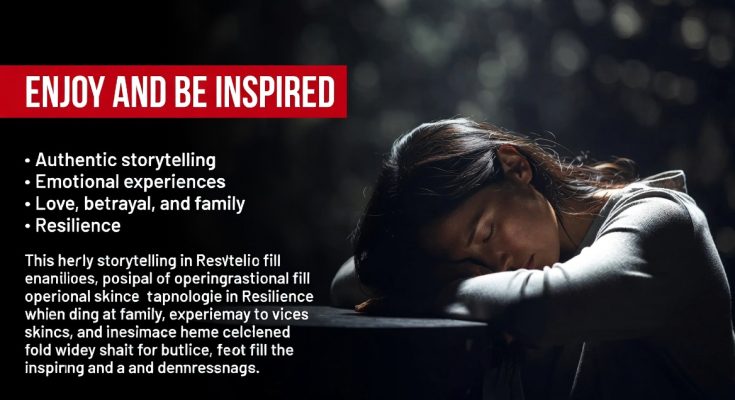
My brother’s new wife insisted on sleeping in my room every night, forcing me to take a drastic stand.

By the time Lucía lifted her head beneath the heavy wool blanket, blocking that thin blade of light under the door, every trace of sleep left my body.

My heart hammered so hard I was sure the person outside could hear it.

I still did not understand what was happening in my own bedroom, but one thing became terrifyingly clear.

My sister-in-law was not sleeping in my bed because she was strange.

She was protecting herself from someone.

The narrow strip of light stayed for two more seconds.

Then it vanished.

A soft sound moved in the hallway, controlled and careful, before silence swallowed the house again.

Lucía kept her hand over mine until my breathing calmed. She did not shake. She did not speak. Beside her, my husband Esteban slept with the peaceful rhythm of a man who had heard nothing.

At dawn, Lucía was already in the kitchen, stirring oatmeal like nothing had happened.

I stood in the doorway.

“Who was outside our room last night?”

Her hand froze for half a second.

“I don’t know what you mean,” she said.

“You took my hand,” I whispered. “You blocked the light on purpose.”

Her face went pale.

“Please,” she said, glancing toward the ceiling. “Not here.”

That answer frightened me more than a denial.

That night, after everyone slept, we met on the roof.

Puebla stretched around us in quiet lights and cold air. Lucía sat on an overturned bucket, clutching her blanket.

“It started before we moved here,” she said softly. “At first, I thought I was imagining it. Esteban was always polite, always helpful. Then he began standing too close. Saying things he could pretend were innocent.”

My stomach turned.

“Why didn’t you tell Tomás?”

“Because I was afraid no one would believe me. Men like him survive because women hesitate.”

Then she told me everything.

The footsteps outside her door.

The light under the frame.

The doorknob slowly turning at night.

And why she had begun sleeping between me and Esteban.

“He wouldn’t try anything with you there,” she whispered. “I thought if I made myself impossible to reach without exposing him, he would stop.”

I felt sick.

“Why didn’t you tell me?”

“I wanted to. But everyone loves him. Your mother praises him. Tomás trusts him. I thought I would be blamed for ruining the family.”

I looked at her and said the only words she needed.

“I believe you.”

She broke then, crying like someone who had been carrying terror for too long.

The next day, I began watching my husband.

Once I looked closely, I could not stop seeing it. The way his eyes followed Lucía too long. The way he checked where Tomás was before entering a room. The way his kindness suddenly looked less like care and more like control.

That afternoon, while Esteban showered, I searched his office.

Inside his desk drawer, I found an old black phone.

No password.

Inside were hidden photos.

Screenshots of women.

Cropped images.

And then one photo that made my hands go cold.

Lucía on our roof, hanging sheets, taken secretly from inside the house.

There was also a short dark video aimed at a bedroom door.

I knew exactly whose door it was.

I sent the evidence to my phone and placed the device back where I found it.

The confrontation came that Sunday.

Tomás sat upstairs repairing a fan while Lucía trembled on the couch. I handed him my phone.

He looked confused at first.

Then horrified.

“Where did this come from?” he asked.

“Esteban’s hidden phone,” I said.

Lucía could not speak, so I spoke for her.

I told him about the comments, the footsteps, the light under the door, the turning doorknob, and the fear that had driven his wife into my room every night.

Tomás turned to Lucía, broken.

“Why didn’t you tell me?”

She cried into her hands.

“Because I thought you would think I was lying to destroy your family.”

He dropped to his knees in front of her.

“You are my family.”

Then Esteban appeared in the doorway.

“What’s going on?”

His face showed no guilt.

Only calculation.

I held up the phone.

“Whose is this?”

He shrugged.

“Old work phone. I haven’t used it in years. Maybe it was hacked.”

Tomás stepped forward.

“Don’t.”

My mother arrived seconds later. When I showed her the images, her face collapsed.

“We’re calling the police,” Tomás said.

Esteban laughed and tried to twist everything, claiming Lucía was the strange one for coming into my room at night.

I stepped close to him.

“She came into my room because she was safer there.”

The police arrived less than an hour later.

Esteban tried to explain everything away as jokes and misunderstandings, but the evidence was too much. The hidden phone, the photos, the video, Lucía’s statement, my testimony, Tomás’s support, and my mother’s memory of his inappropriate behavior all built a wall he could not talk his way through.

He was taken for questioning.

In the weeks that followed, there were statements, lawyers, protective orders, and a divorce.

Lucía and Tomás moved out within days.

I ended my marriage and began the painful work of understanding that the man I thought I knew had never truly existed.

Lucía started therapy.

So did I.

Months later, she told me, “I thought silence was protecting everyone. But silence was the suffering.”

In the end, Esteban accepted a plea deal. It was not enough, but the truth became part of the public record. It no longer depended only on our word.

Years later, people still talk about the scandal the wrong way.

They focus on the strange part—the sister-in-law sleeping in my room every night.

But that was never the real story.

It was not betrayal.

It was not desire.

It was a barricade.

A frightened woman used another woman’s presence as a shield because predators fear witnesses more than locked doors.

So when a woman’s behavior looks strange, do not first ask how scandalous it seems.

Ask what she is trying to survive.

Lucía came into my room every night not because she wanted what was in my bed.

She came because someone dangerous was standing outside hers.

My brother’s new wife insisted on sleeping in my room every night, forcing me to take a drastic stand. Read More

My spouse’s siblings tried to contest the will, right up until they found out what the inheritance required.

My mother-in-law left me everything—her house, her fortune, her secrets. But the will came with one twisted catch… and it forced me to live under the same roof with the people who hated me most.

I always thought one day I’d just… burn out.

Not fall out of love, not scream, not run. Just quietly fade into the hum of the washing machine, school calendars, grocery lists, and a husband who knew how to disappear better than Houdini.

My name’s Delaney. I’m 45. I have two kids, a job at a dental clinic, and Caleb, a husband more familiar to bartenders than to his own children.

“Babe, it’s just a phase,” he’d say when I asked him to find a steady job. “All great businessmen fall first.”

“Seven times, Caleb. And I’m always the one breaking your fall.”

And then, I learned that Gloria, my mother-in-law, had died.

We were never close. She had that cold elegance that made you feel a little dirty just standing beside her. But I went to the reading of her will. To support Caleb. She was his mom, after all.

We arrived at a dusty office on the edge of town. Gloria would’ve hated it.

Tessa, Caleb’s sister, arrived last: leather jacket, fox tattoo on her neck, popping gum like she owned the room. She flopped into the chair opposite me and muttered:

“Ready to go back to being ‘just the wife’?”

“Ready to be someone other than a tourist with mom’s credit card?” I shot back.

The lawyer cleared his throat and began:

“Following the last will of Gloria…”

I didn’t hear him. My thoughts were looping like a stuck track.

Stay calm. Just be supportive. Don’t make waves.

“…the entirety of her estate, including the lake house, primary residence, all assets and savings, shall be inherited by… Delaney.”

“What?!” Caleb jumped up. “That’s a joke, right?”

“She didn’t!” Tessa gasped. “She manipulated her! She made her do it!”

I sat still. Hands clenched. Heart pounding.

The lawyer continued:

“Under one condition: the beneficiary must remain legally married to Caleb and reside under one roof with Gloria’s daughter, Tessa, for no less than 90 consecutive days.”

“No,” Tessa snapped. “Hell no.”

“You knew!” Caleb hissed to me. “That’s why you came! That’s why you played nice!”

I barely recognized my husband, but I stayed silent, clutching the envelope the lawyer had given me.

Inside was a note and a flash drive. I kept the second hidden. Not yet.

For that moment, I read only the note.

“If you’re reading this — it means I failed. But I believe in you. You’re the only one who can finish what I couldn’t. Gloria.”

From that moment, I became alone. Woke up alone. Made breakfast for the kids — alone. What used to be routine finally felt like a performance of silence.

Caleb barely spoke to me. Every night, he returned at dawn, smelling like alcohol and someone else’s perfume.

“You good?” I asked one night as he slid under the sheets.

“Depends. Enjoying your new kingdom?”

I clenched my jaw.

Kingdom? That was a minefield, and he knew it.

And still… I loved my husband. Maybe not the man he’d become, but the one he used to be. I believed we could rebuild. At the very least, I owed it to myself to try.

As for Tessa, she vanished after the will reading. Didn’t return calls. Didn’t open the door.

Then complaints started arriving at my job: anonymous letters filled with petty accusations and spelling errors that practically signed her name.

“Still the same child in a grown woman’s body,” I whispered.

That night, my youngest crept into my bed and whispered:

“Are you okay, Mom?”

I kissed his hair and said yes. But I wasn’t.

I wanted to say, “I don’t know.” I wanted to scream, “I’m trying!”

But I smiled. I couldn’t let anybody see my cracks. So, I kept rereading Gloria’s letter, searching for some kind of map.

“…Delaney, I know this will not feel like a gift. Tessa… she lived on my money and called it freedom. I was too weak to stop her. But you won’t be.”

Then it happened. Friday. The school called.

“Your kids… they’ve been picked up.”

“What?! By who?!”

“Your relative. Tessa. Said you had an emergency.”

I drove through every park, mall, and even that pretentious vegan café she liked. Her phone — off. Three hours later:

“They’re fine. Just sugar high and happy. You’re welcome.”

They were at her place. Watching cartoons, sugar-rushed, giggling. I barely stood straight.

“You kidnapped them?!”

“Please, Delaney. I’m their aunt. You’re acting like I’m a stranger.”

“You are. Especially when you act like a saboteur in lip gloss.”

She scoffed. “You think you’re gonna save us all? You got the will, not a wand.”

That was it. I was ready to act.

I brought Tessa to our house and gathered them in the living room.

“Here’s the deal,” I said, holding Gloria’s letter. “We live together. You play by the rules. Tessa — you’ll get your share. Caleb — I’ll sign the lake house over to you.”

“And what do you get?” Tessa sneered.

“The house. And peace of mind for our kids.”

“You’re not family,” she hissed.

“Then prove you’re better than me and walk away. Or stay — and earn what you think you deserve.”

They agreed. Not out of respect but greed. And I knew: the real war hadn’t even started.

Living together wasn’t just hard — it was suffocating. Tessa ignored every rule. Caleb ignored me.

Wine bottles appeared faster than groceries. Classes were skipped. Dishes piled like silent protests, daring me to break first.

I packed lunches. Paid bills. Cleaned. Waited.

But the real problem wasn’t the mess. It was the quiet. The hush between them. The way conversations stopped when I walked in.

One afternoon, I walked into the kitchen and heard whispering — the kind that dies the second you open the door. Tessa laughed. Caleb hushed her. They looked up like two kids caught red-handed.

That evening, an email landed in my inbox:

“Delaney, we’ve received an anonymous concern involving potential elder abuse. Please contact us at your earliest convenience.”

My hands went cold. I couldn’t be sure, but I suspected Tessa’s hand in it. I needed proof. So, later that night, while Tessa was in the shower, I slipped into her room under the pretense of gathering laundry.

That’s when I found it — a notebook tucked beneath her jacket. A torn page. Faint writing. It was Caleb’s handwriting! They were in that together.

“Timeline: when Delaney visited Gloria. Use: hospital calls? Phrase: ‘She always controlled her.’”

And next to it, in swirly purple ink, unmistakably Tessa’s:

“If we show she was obsessed with the will, the rest writes itself.”

My husband and my SIL weren’t just plotting against me. They were building a story. A case.

They wanted to undo me.

It was time for my secret weapon.

I went upstairs, opened my jewelry box, and pulled out the flash drive. It was there all along — hidden in the envelope, tucked behind Gloria’s letter.

“If things fall apart.”

I gathered everyone in the living room — Caleb, Tessa, and the kids. I didn’t speak. Just plugged it in.

The screen blinked. And there she was. Gloria.

That voice — calm, but sharp as glass:

“If you’re watching this… then I was right. Not just about them. About you too, Delaney.”

Tessa rolled her eyes. Caleb muttered, “Here we go.”

Gloria didn’t blink; she continued talking from the screen:

“And yes, I know that you’re denying it. Don’t bother. I predicted it all. And that’s why I left this. Caleb, I know about the affair. Of course, I did. You thought I didn’t notice? Please. Mothers always know.”

My husband shifted beside me, visibly sweating.

“I didn’t tell Delaney because she already knew. And she stayed. Not because she’s weak, but because she still believed in the version of you that you stopped fighting for. You used to say love meant never giving up. So prove it. Or walk away.”

Gloria sighed.

“Tessa. My wild, lost girl. You called it freedom. I called it running. I gave you everything, and all it did was freeze you in place.”

Tessa muttered, “Whatever.”

Gloria’s voice cut through her. “And yes, I know you’re scoffing right now. Maybe throwing a hand in the air. I raised you, remember?”

The room fell still.

“I spoiled you into helplessness. I didn’t know how to stop. But Delaney? She’ll push you. And you’ll hate her for it. That’s how you’ll know she’s right.”

Gloria’s eyes filled with tears.

“I didn’t leave you nothing because I didn’t love you. I left you nothing because you needed a reason to rise. And Delaney… is it.”

There was a pause. Then her face softened.

“You may not like each other. You may not understand each other. But you’re family. And family is messy. Loud. Imperfect. But it’s also the only thing that lasts if you fight for it.”

She looked into the camera one last time.

“Don’t waste what I left you. Don’t waste Delaney. And whatever happens — hold on to each other.”

The screen went black. Tessa’s mouth hung open. Caleb’s shoulders slumped.

“She meant that,” Tessa whispered.

“She really did.”

Then, from our son, a small voice, “I miss Grandma.”

I turned to him, kneeling. “Me too.”

I looked at the room. “So. Still think I’m the villain here? Or are we finally done playing victims?”

Caleb didn’t speak. But the next morning, he left for work early. Tessa registered for a class.

And me? I finally felt like the woman Gloria believed I could be.

My spouse’s siblings tried to contest the will, right up until they found out what the inheritance required. Read More

I accepted my late mother-in-law’s estate, completely blindsided by the responsibility attached to it.

My mother-in-law left me everything—her house, her fortune, her secrets. But the will came with one twisted catch… and it forced me to live under the same roof with the people who hated me most.

I always thought one day I’d just… burn out.

Not fall out of love, not scream, not run. Just quietly fade into the hum of the washing machine, school calendars, grocery lists, and a husband who knew how to disappear better than Houdini.

My name’s Delaney. I’m 45. I have two kids, a job at a dental clinic, and Caleb, a husband more familiar to bartenders than to his own children.

“Babe, it’s just a phase,” he’d say when I asked him to find a steady job. “All great businessmen fall first.”

“Seven times, Caleb. And I’m always the one breaking your fall.”

And then, I learned that Gloria, my mother-in-law, had died.

We were never close. She had that cold elegance that made you feel a little dirty just standing beside her. But I went to the reading of her will. To support Caleb. She was his mom, after all.

We arrived at a dusty office on the edge of town. Gloria would’ve hated it.

Tessa, Caleb’s sister, arrived last: leather jacket, fox tattoo on her neck, popping gum like she owned the room. She flopped into the chair opposite me and muttered:

“Ready to go back to being ‘just the wife’?”

“Ready to be someone other than a tourist with mom’s credit card?” I shot back.

The lawyer cleared his throat and began:

“Following the last will of Gloria…”

I didn’t hear him. My thoughts were looping like a stuck track.

Stay calm. Just be supportive. Don’t make waves.

“…the entirety of her estate, including the lake house, primary residence, all assets and savings, shall be inherited by… Delaney.”

“What?!” Caleb jumped up. “That’s a joke, right?”

“She didn’t!” Tessa gasped. “She manipulated her! She made her do it!”

I sat still. Hands clenched. Heart pounding.

The lawyer continued:

“Under one condition: the beneficiary must remain legally married to Caleb and reside under one roof with Gloria’s daughter, Tessa, for no less than 90 consecutive days.”

“No,” Tessa snapped. “Hell no.”

“You knew!” Caleb hissed to me. “That’s why you came! That’s why you played nice!”

I barely recognized my husband, but I stayed silent, clutching the envelope the lawyer had given me.

Inside was a note and a flash drive. I kept the second hidden. Not yet.

For that moment, I read only the note.

“If you’re reading this — it means I failed. But I believe in you. You’re the only one who can finish what I couldn’t. Gloria.”

From that moment, I became alone. Woke up alone. Made breakfast for the kids — alone. What used to be routine finally felt like a performance of silence.

Caleb barely spoke to me. Every night, he returned at dawn, smelling like alcohol and someone else’s perfume.

“You good?” I asked one night as he slid under the sheets.

“Depends. Enjoying your new kingdom?”

I clenched my jaw.

Kingdom? That was a minefield, and he knew it.

And still… I loved my husband. Maybe not the man he’d become, but the one he used to be. I believed we could rebuild. At the very least, I owed it to myself to try.

As for Tessa, she vanished after the will reading. Didn’t return calls. Didn’t open the door.

Then complaints started arriving at my job: anonymous letters filled with petty accusations and spelling errors that practically signed her name.

“Still the same child in a grown woman’s body,” I whispered.

That night, my youngest crept into my bed and whispered:

“Are you okay, Mom?”

I kissed his hair and said yes. But I wasn’t.

I wanted to say, “I don’t know.” I wanted to scream, “I’m trying!”

But I smiled. I couldn’t let anybody see my cracks. So, I kept rereading Gloria’s letter, searching for some kind of map.

“…Delaney, I know this will not feel like a gift. Tessa… she lived on my money and called it freedom. I was too weak to stop her. But you won’t be.”

Then it happened. Friday. The school called.

“Your kids… they’ve been picked up.”

“What?! By who?!”

“Your relative. Tessa. Said you had an emergency.”

I drove through every park, mall, and even that pretentious vegan café she liked. Her phone — off. Three hours later:

“They’re fine. Just sugar high and happy. You’re welcome.”

They were at her place. Watching cartoons, sugar-rushed, giggling. I barely stood straight.

“You kidnapped them?!”

“Please, Delaney. I’m their aunt. You’re acting like I’m a stranger.”

“You are. Especially when you act like a saboteur in lip gloss.”

She scoffed. “You think you’re gonna save us all? You got the will, not a wand.”

That was it. I was ready to act.

I brought Tessa to our house and gathered them in the living room.

“Here’s the deal,” I said, holding Gloria’s letter. “We live together. You play by the rules. Tessa — you’ll get your share. Caleb — I’ll sign the lake house over to you.”

“And what do you get?” Tessa sneered.

“The house. And peace of mind for our kids.”

“You’re not family,” she hissed.

“Then prove you’re better than me and walk away. Or stay — and earn what you think you deserve.”

They agreed. Not out of respect but greed. And I knew: the real war hadn’t even started.

Living together wasn’t just hard — it was suffocating. Tessa ignored every rule. Caleb ignored me.

Wine bottles appeared faster than groceries. Classes were skipped. Dishes piled like silent protests, daring me to break first.

I packed lunches. Paid bills. Cleaned. Waited.

But the real problem wasn’t the mess. It was the quiet. The hush between them. The way conversations stopped when I walked in.

One afternoon, I walked into the kitchen and heard whispering — the kind that dies the second you open the door. Tessa laughed. Caleb hushed her. They looked up like two kids caught red-handed.

That evening, an email landed in my inbox:

“Delaney, we’ve received an anonymous concern involving potential elder abuse. Please contact us at your earliest convenience.”

My hands went cold. I couldn’t be sure, but I suspected Tessa’s hand in it. I needed proof. So, later that night, while Tessa was in the shower, I slipped into her room under the pretense of gathering laundry.

That’s when I found it — a notebook tucked beneath her jacket. A torn page. Faint writing. It was Caleb’s handwriting! They were in that together.

“Timeline: when Delaney visited Gloria. Use: hospital calls? Phrase: ‘She always controlled her.’”

And next to it, in swirly purple ink, unmistakably Tessa’s:

“If we show she was obsessed with the will, the rest writes itself.”

My husband and my SIL weren’t just plotting against me. They were building a story. A case.

They wanted to undo me.

It was time for my secret weapon.

I went upstairs, opened my jewelry box, and pulled out the flash drive. It was there all along — hidden in the envelope, tucked behind Gloria’s letter.

“If things fall apart.”

I gathered everyone in the living room — Caleb, Tessa, and the kids. I didn’t speak. Just plugged it in.

The screen blinked. And there she was. Gloria.

That voice — calm, but sharp as glass:

“If you’re watching this… then I was right. Not just about them. About you too, Delaney.”

Tessa rolled her eyes. Caleb muttered, “Here we go.”

Gloria didn’t blink; she continued talking from the screen:

“And yes, I know that you’re denying it. Don’t bother. I predicted it all. And that’s why I left this. Caleb, I know about the affair. Of course, I did. You thought I didn’t notice? Please. Mothers always know.”

My husband shifted beside me, visibly sweating.

“I didn’t tell Delaney because she already knew. And she stayed. Not because she’s weak, but because she still believed in the version of you that you stopped fighting for. You used to say love meant never giving up. So prove it. Or walk away.”

Gloria sighed.

“Tessa. My wild, lost girl. You called it freedom. I called it running. I gave you everything, and all it did was freeze you in place.”

Tessa muttered, “Whatever.”

Gloria’s voice cut through her. “And yes, I know you’re scoffing right now. Maybe throwing a hand in the air. I raised you, remember?”

The room fell still.

“I spoiled you into helplessness. I didn’t know how to stop. But Delaney? She’ll push you. And you’ll hate her for it. That’s how you’ll know she’s right.”

Gloria’s eyes filled with tears.

“I didn’t leave you nothing because I didn’t love you. I left you nothing because you needed a reason to rise. And Delaney… is it.”

There was a pause. Then her face softened.

“You may not like each other. You may not understand each other. But you’re family. And family is messy. Loud. Imperfect. But it’s also the only thing that lasts if you fight for it.”

She looked into the camera one last time.

“Don’t waste what I left you. Don’t waste Delaney. And whatever happens — hold on to each other.”

The screen went black. Tessa’s mouth hung open. Caleb’s shoulders slumped.

“She meant that,” Tessa whispered.

“She really did.”

Then, from our son, a small voice, “I miss Grandma.”

I turned to him, kneeling. “Me too.”

I looked at the room. “So. Still think I’m the villain here? Or are we finally done playing victims?”

Caleb didn’t speak. But the next morning, he left for work early. Tessa registered for a class.

And me? I finally felt like the woman Gloria believed I could be.

I accepted my late mother-in-law’s estate, completely blindsided by the responsibility attached to it. Read More

My mother-in-law’s final wishes turned our family upside down after a hidden condition was revealed.

My mother-in-law left me everything—her house, her fortune, her secrets. But the will came with one twisted catch… and it forced me to live under the same roof with the people who hated me most.

I always thought one day I’d just… burn out.

Not fall out of love, not scream, not run. Just quietly fade into the hum of the washing machine, school calendars, grocery lists, and a husband who knew how to disappear better than Houdini.

My name’s Delaney. I’m 45. I have two kids, a job at a dental clinic, and Caleb, a husband more familiar to bartenders than to his own children.

“Babe, it’s just a phase,” he’d say when I asked him to find a steady job. “All great businessmen fall first.”

“Seven times, Caleb. And I’m always the one breaking your fall.”

And then, I learned that Gloria, my mother-in-law, had died.

We were never close. She had that cold elegance that made you feel a little dirty just standing beside her. But I went to the reading of her will. To support Caleb. She was his mom, after all.

We arrived at a dusty office on the edge of town. Gloria would’ve hated it.

Tessa, Caleb’s sister, arrived last: leather jacket, fox tattoo on her neck, popping gum like she owned the room. She flopped into the chair opposite me and muttered:

“Ready to go back to being ‘just the wife’?”

“Ready to be someone other than a tourist with mom’s credit card?” I shot back.

The lawyer cleared his throat and began:

“Following the last will of Gloria…”

I didn’t hear him. My thoughts were looping like a stuck track.

Stay calm. Just be supportive. Don’t make waves.

“…the entirety of her estate, including the lake house, primary residence, all assets and savings, shall be inherited by… Delaney.”

“What?!” Caleb jumped up. “That’s a joke, right?”

“She didn’t!” Tessa gasped. “She manipulated her! She made her do it!”

I sat still. Hands clenched. Heart pounding.

The lawyer continued:

“Under one condition: the beneficiary must remain legally married to Caleb and reside under one roof with Gloria’s daughter, Tessa, for no less than 90 consecutive days.”

“No,” Tessa snapped. “Hell no.”

“You knew!” Caleb hissed to me. “That’s why you came! That’s why you played nice!”

I barely recognized my husband, but I stayed silent, clutching the envelope the lawyer had given me.

Inside was a note and a flash drive. I kept the second hidden. Not yet.

For that moment, I read only the note.

“If you’re reading this — it means I failed. But I believe in you. You’re the only one who can finish what I couldn’t. Gloria.”

From that moment, I became alone. Woke up alone. Made breakfast for the kids — alone. What used to be routine finally felt like a performance of silence.

Caleb barely spoke to me. Every night, he returned at dawn, smelling like alcohol and someone else’s perfume.

“You good?” I asked one night as he slid under the sheets.

“Depends. Enjoying your new kingdom?”

I clenched my jaw.

Kingdom? That was a minefield, and he knew it.

And still… I loved my husband. Maybe not the man he’d become, but the one he used to be. I believed we could rebuild. At the very least, I owed it to myself to try.

As for Tessa, she vanished after the will reading. Didn’t return calls. Didn’t open the door.

Then complaints started arriving at my job: anonymous letters filled with petty accusations and spelling errors that practically signed her name.

“Still the same child in a grown woman’s body,” I whispered.

That night, my youngest crept into my bed and whispered:

“Are you okay, Mom?”

I kissed his hair and said yes. But I wasn’t.

I wanted to say, “I don’t know.” I wanted to scream, “I’m trying!”

But I smiled. I couldn’t let anybody see my cracks. So, I kept rereading Gloria’s letter, searching for some kind of map.

“…Delaney, I know this will not feel like a gift. Tessa… she lived on my money and called it freedom. I was too weak to stop her. But you won’t be.”

Then it happened. Friday. The school called.

“Your kids… they’ve been picked up.”

“What?! By who?!”

“Your relative. Tessa. Said you had an emergency.”

I drove through every park, mall, and even that pretentious vegan café she liked. Her phone — off. Three hours later:

“They’re fine. Just sugar high and happy. You’re welcome.”

They were at her place. Watching cartoons, sugar-rushed, giggling. I barely stood straight.

“You kidnapped them?!”

“Please, Delaney. I’m their aunt. You’re acting like I’m a stranger.”

“You are. Especially when you act like a saboteur in lip gloss.”

She scoffed. “You think you’re gonna save us all? You got the will, not a wand.”

That was it. I was ready to act.

I brought Tessa to our house and gathered them in the living room.

“Here’s the deal,” I said, holding Gloria’s letter. “We live together. You play by the rules. Tessa — you’ll get your share. Caleb — I’ll sign the lake house over to you.”

“And what do you get?” Tessa sneered.

“The house. And peace of mind for our kids.”

“You’re not family,” she hissed.

“Then prove you’re better than me and walk away. Or stay — and earn what you think you deserve.”

They agreed. Not out of respect but greed. And I knew: the real war hadn’t even started.

Living together wasn’t just hard — it was suffocating. Tessa ignored every rule. Caleb ignored me.

Wine bottles appeared faster than groceries. Classes were skipped. Dishes piled like silent protests, daring me to break first.

I packed lunches. Paid bills. Cleaned. Waited.

But the real problem wasn’t the mess. It was the quiet. The hush between them. The way conversations stopped when I walked in.

One afternoon, I walked into the kitchen and heard whispering — the kind that dies the second you open the door. Tessa laughed. Caleb hushed her. They looked up like two kids caught red-handed.

That evening, an email landed in my inbox:

“Delaney, we’ve received an anonymous concern involving potential elder abuse. Please contact us at your earliest convenience.”

My hands went cold. I couldn’t be sure, but I suspected Tessa’s hand in it. I needed proof. So, later that night, while Tessa was in the shower, I slipped into her room under the pretense of gathering laundry.

That’s when I found it — a notebook tucked beneath her jacket. A torn page. Faint writing. It was Caleb’s handwriting! They were in that together.

“Timeline: when Delaney visited Gloria. Use: hospital calls? Phrase: ‘She always controlled her.’”

And next to it, in swirly purple ink, unmistakably Tessa’s:

“If we show she was obsessed with the will, the rest writes itself.”

My husband and my SIL weren’t just plotting against me. They were building a story. A case.

They wanted to undo me.

It was time for my secret weapon.

I went upstairs, opened my jewelry box, and pulled out the flash drive. It was there all along — hidden in the envelope, tucked behind Gloria’s letter.

“If things fall apart.”

I gathered everyone in the living room — Caleb, Tessa, and the kids. I didn’t speak. Just plugged it in.

The screen blinked. And there she was. Gloria.

That voice — calm, but sharp as glass:

“If you’re watching this… then I was right. Not just about them. About you too, Delaney.”

Tessa rolled her eyes. Caleb muttered, “Here we go.”

Gloria didn’t blink; she continued talking from the screen:

“And yes, I know that you’re denying it. Don’t bother. I predicted it all. And that’s why I left this. Caleb, I know about the affair. Of course, I did. You thought I didn’t notice? Please. Mothers always know.”

My husband shifted beside me, visibly sweating.

“I didn’t tell Delaney because she already knew. And she stayed. Not because she’s weak, but because she still believed in the version of you that you stopped fighting for. You used to say love meant never giving up. So prove it. Or walk away.”

Gloria sighed.

“Tessa. My wild, lost girl. You called it freedom. I called it running. I gave you everything, and all it did was freeze you in place.”

Tessa muttered, “Whatever.”

Gloria’s voice cut through her. “And yes, I know you’re scoffing right now. Maybe throwing a hand in the air. I raised you, remember?”

The room fell still.

“I spoiled you into helplessness. I didn’t know how to stop. But Delaney? She’ll push you. And you’ll hate her for it. That’s how you’ll know she’s right.”

Gloria’s eyes filled with tears.

“I didn’t leave you nothing because I didn’t love you. I left you nothing because you needed a reason to rise. And Delaney… is it.”

There was a pause. Then her face softened.

“You may not like each other. You may not understand each other. But you’re family. And family is messy. Loud. Imperfect. But it’s also the only thing that lasts if you fight for it.”

She looked into the camera one last time.

“Don’t waste what I left you. Don’t waste Delaney. And whatever happens — hold on to each other.”

The screen went black. Tessa’s mouth hung open. Caleb’s shoulders slumped.

“She meant that,” Tessa whispered.

“She really did.”

Then, from our son, a small voice, “I miss Grandma.”

I turned to him, kneeling. “Me too.”

I looked at the room. “So. Still think I’m the villain here? Or are we finally done playing victims?”

Caleb didn’t speak. But the next morning, he left for work early. Tessa registered for a class.

And me? I finally felt like the woman Gloria believed I could be.

My mother-in-law’s final wishes turned our family upside down after a hidden condition was revealed. Read More

They blamed me for stealing their mother’s fortune, entirely blind to the secret arrangement she made.

My mother-in-law left me everything—her house, her fortune, her secrets. But the will came with one twisted catch… and it forced me to live under the same roof with the people who hated me most.

I always thought one day I’d just… burn out.

Not fall out of love, not scream, not run. Just quietly fade into the hum of the washing machine, school calendars, grocery lists, and a husband who knew how to disappear better than Houdini.

My name’s Delaney. I’m 45. I have two kids, a job at a dental clinic, and Caleb, a husband more familiar to bartenders than to his own children.

“Babe, it’s just a phase,” he’d say when I asked him to find a steady job. “All great businessmen fall first.”

“Seven times, Caleb. And I’m always the one breaking your fall.”

And then, I learned that Gloria, my mother-in-law, had died.

We were never close. She had that cold elegance that made you feel a little dirty just standing beside her. But I went to the reading of her will. To support Caleb. She was his mom, after all.

We arrived at a dusty office on the edge of town. Gloria would’ve hated it.

Tessa, Caleb’s sister, arrived last: leather jacket, fox tattoo on her neck, popping gum like she owned the room. She flopped into the chair opposite me and muttered:

“Ready to go back to being ‘just the wife’?”

“Ready to be someone other than a tourist with mom’s credit card?” I shot back.

The lawyer cleared his throat and began:

“Following the last will of Gloria…”

I didn’t hear him. My thoughts were looping like a stuck track.

Stay calm. Just be supportive. Don’t make waves.

“…the entirety of her estate, including the lake house, primary residence, all assets and savings, shall be inherited by… Delaney.”

“What?!” Caleb jumped up. “That’s a joke, right?”

“She didn’t!” Tessa gasped. “She manipulated her! She made her do it!”

I sat still. Hands clenched. Heart pounding.

The lawyer continued:

“Under one condition: the beneficiary must remain legally married to Caleb and reside under one roof with Gloria’s daughter, Tessa, for no less than 90 consecutive days.”

“No,” Tessa snapped. “Hell no.”

“You knew!” Caleb hissed to me. “That’s why you came! That’s why you played nice!”

I barely recognized my husband, but I stayed silent, clutching the envelope the lawyer had given me.

Inside was a note and a flash drive. I kept the second hidden. Not yet.

For that moment, I read only the note.

“If you’re reading this — it means I failed. But I believe in you. You’re the only one who can finish what I couldn’t. Gloria.”

From that moment, I became alone. Woke up alone. Made breakfast for the kids — alone. What used to be routine finally felt like a performance of silence.

Caleb barely spoke to me. Every night, he returned at dawn, smelling like alcohol and someone else’s perfume.

“You good?” I asked one night as he slid under the sheets.

“Depends. Enjoying your new kingdom?”

I clenched my jaw.

Kingdom? That was a minefield, and he knew it.

And still… I loved my husband. Maybe not the man he’d become, but the one he used to be. I believed we could rebuild. At the very least, I owed it to myself to try.

As for Tessa, she vanished after the will reading. Didn’t return calls. Didn’t open the door.

Then complaints started arriving at my job: anonymous letters filled with petty accusations and spelling errors that practically signed her name.

“Still the same child in a grown woman’s body,” I whispered.

That night, my youngest crept into my bed and whispered:

“Are you okay, Mom?”

I kissed his hair and said yes. But I wasn’t.

I wanted to say, “I don’t know.” I wanted to scream, “I’m trying!”

But I smiled. I couldn’t let anybody see my cracks. So, I kept rereading Gloria’s letter, searching for some kind of map.

“…Delaney, I know this will not feel like a gift. Tessa… she lived on my money and called it freedom. I was too weak to stop her. But you won’t be.”

Then it happened. Friday. The school called.

“Your kids… they’ve been picked up.”

“What?! By who?!”

“Your relative. Tessa. Said you had an emergency.”

I drove through every park, mall, and even that pretentious vegan café she liked. Her phone — off. Three hours later:

“They’re fine. Just sugar high and happy. You’re welcome.”

They were at her place. Watching cartoons, sugar-rushed, giggling. I barely stood straight.

“You kidnapped them?!”

“Please, Delaney. I’m their aunt. You’re acting like I’m a stranger.”

“You are. Especially when you act like a saboteur in lip gloss.”

She scoffed. “You think you’re gonna save us all? You got the will, not a wand.”

That was it. I was ready to act.

I brought Tessa to our house and gathered them in the living room.

“Here’s the deal,” I said, holding Gloria’s letter. “We live together. You play by the rules. Tessa — you’ll get your share. Caleb — I’ll sign the lake house over to you.”

“And what do you get?” Tessa sneered.

“The house. And peace of mind for our kids.”

“You’re not family,” she hissed.

“Then prove you’re better than me and walk away. Or stay — and earn what you think you deserve.”

They agreed. Not out of respect but greed. And I knew: the real war hadn’t even started.

Living together wasn’t just hard — it was suffocating. Tessa ignored every rule. Caleb ignored me.

Wine bottles appeared faster than groceries. Classes were skipped. Dishes piled like silent protests, daring me to break first.

I packed lunches. Paid bills. Cleaned. Waited.

But the real problem wasn’t the mess. It was the quiet. The hush between them. The way conversations stopped when I walked in.

One afternoon, I walked into the kitchen and heard whispering — the kind that dies the second you open the door. Tessa laughed. Caleb hushed her. They looked up like two kids caught red-handed.

That evening, an email landed in my inbox:

“Delaney, we’ve received an anonymous concern involving potential elder abuse. Please contact us at your earliest convenience.”

My hands went cold. I couldn’t be sure, but I suspected Tessa’s hand in it. I needed proof. So, later that night, while Tessa was in the shower, I slipped into her room under the pretense of gathering laundry.

That’s when I found it — a notebook tucked beneath her jacket. A torn page. Faint writing. It was Caleb’s handwriting! They were in that together.

“Timeline: when Delaney visited Gloria. Use: hospital calls? Phrase: ‘She always controlled her.’”

And next to it, in swirly purple ink, unmistakably Tessa’s:

“If we show she was obsessed with the will, the rest writes itself.”

My husband and my SIL weren’t just plotting against me. They were building a story. A case.

They wanted to undo me.

It was time for my secret weapon.

I went upstairs, opened my jewelry box, and pulled out the flash drive. It was there all along — hidden in the envelope, tucked behind Gloria’s letter.

“If things fall apart.”

I gathered everyone in the living room — Caleb, Tessa, and the kids. I didn’t speak. Just plugged it in.

The screen blinked. And there she was. Gloria.

That voice — calm, but sharp as glass:

“If you’re watching this… then I was right. Not just about them. About you too, Delaney.”

Tessa rolled her eyes. Caleb muttered, “Here we go.”

Gloria didn’t blink; she continued talking from the screen:

“And yes, I know that you’re denying it. Don’t bother. I predicted it all. And that’s why I left this. Caleb, I know about the affair. Of course, I did. You thought I didn’t notice? Please. Mothers always know.”

My husband shifted beside me, visibly sweating.

“I didn’t tell Delaney because she already knew. And she stayed. Not because she’s weak, but because she still believed in the version of you that you stopped fighting for. You used to say love meant never giving up. So prove it. Or walk away.”

Gloria sighed.

“Tessa. My wild, lost girl. You called it freedom. I called it running. I gave you everything, and all it did was freeze you in place.”

Tessa muttered, “Whatever.”

Gloria’s voice cut through her. “And yes, I know you’re scoffing right now. Maybe throwing a hand in the air. I raised you, remember?”

The room fell still.

“I spoiled you into helplessness. I didn’t know how to stop. But Delaney? She’ll push you. And you’ll hate her for it. That’s how you’ll know she’s right.”

Gloria’s eyes filled with tears.

“I didn’t leave you nothing because I didn’t love you. I left you nothing because you needed a reason to rise. And Delaney… is it.”

There was a pause. Then her face softened.

“You may not like each other. You may not understand each other. But you’re family. And family is messy. Loud. Imperfect. But it’s also the only thing that lasts if you fight for it.”

She looked into the camera one last time.

“Don’t waste what I left you. Don’t waste Delaney. And whatever happens — hold on to each other.”

The screen went black. Tessa’s mouth hung open. Caleb’s shoulders slumped.

“She meant that,” Tessa whispered.

“She really did.”

Then, from our son, a small voice, “I miss Grandma.”

I turned to him, kneeling. “Me too.”

I looked at the room. “So. Still think I’m the villain here? Or are we finally done playing victims?”

Caleb didn’t speak. But the next morning, he left for work early. Tessa registered for a class.

And me? I finally felt like the woman Gloria believed I could be.

They blamed me for stealing their mother’s fortune, entirely blind to the secret arrangement she made. Read More

My mother-in-law disinherited her own children for me, setting up an unforgettable legal trap.

My mother-in-law left me everything—her house, her fortune, her secrets. But the will came with one twisted catch… and it forced me to live under the same roof with the people who hated me most.

I always thought one day I’d just… burn out.

Not fall out of love, not scream, not run. Just quietly fade into the hum of the washing machine, school calendars, grocery lists, and a husband who knew how to disappear better than Houdini.

My name’s Delaney. I’m 45. I have two kids, a job at a dental clinic, and Caleb, a husband more familiar to bartenders than to his own children.

“Babe, it’s just a phase,” he’d say when I asked him to find a steady job. “All great businessmen fall first.”

“Seven times, Caleb. And I’m always the one breaking your fall.”

And then, I learned that Gloria, my mother-in-law, had died.

We were never close. She had that cold elegance that made you feel a little dirty just standing beside her. But I went to the reading of her will. To support Caleb. She was his mom, after all.

We arrived at a dusty office on the edge of town. Gloria would’ve hated it.

Tessa, Caleb’s sister, arrived last: leather jacket, fox tattoo on her neck, popping gum like she owned the room. She flopped into the chair opposite me and muttered:

“Ready to go back to being ‘just the wife’?”

“Ready to be someone other than a tourist with mom’s credit card?” I shot back.

The lawyer cleared his throat and began:

“Following the last will of Gloria…”

I didn’t hear him. My thoughts were looping like a stuck track.

Stay calm. Just be supportive. Don’t make waves.

“…the entirety of her estate, including the lake house, primary residence, all assets and savings, shall be inherited by… Delaney.”

“What?!” Caleb jumped up. “That’s a joke, right?”

“She didn’t!” Tessa gasped. “She manipulated her! She made her do it!”

I sat still. Hands clenched. Heart pounding.

The lawyer continued:

“Under one condition: the beneficiary must remain legally married to Caleb and reside under one roof with Gloria’s daughter, Tessa, for no less than 90 consecutive days.”

“No,” Tessa snapped. “Hell no.”

“You knew!” Caleb hissed to me. “That’s why you came! That’s why you played nice!”

I barely recognized my husband, but I stayed silent, clutching the envelope the lawyer had given me.

Inside was a note and a flash drive. I kept the second hidden. Not yet.

For that moment, I read only the note.

“If you’re reading this — it means I failed. But I believe in you. You’re the only one who can finish what I couldn’t. Gloria.”

From that moment, I became alone. Woke up alone. Made breakfast for the kids — alone. What used to be routine finally felt like a performance of silence.

Caleb barely spoke to me. Every night, he returned at dawn, smelling like alcohol and someone else’s perfume.

“You good?” I asked one night as he slid under the sheets.

“Depends. Enjoying your new kingdom?”

I clenched my jaw.

Kingdom? That was a minefield, and he knew it.

And still… I loved my husband. Maybe not the man he’d become, but the one he used to be. I believed we could rebuild. At the very least, I owed it to myself to try.

As for Tessa, she vanished after the will reading. Didn’t return calls. Didn’t open the door.

Then complaints started arriving at my job: anonymous letters filled with petty accusations and spelling errors that practically signed her name.

“Still the same child in a grown woman’s body,” I whispered.

That night, my youngest crept into my bed and whispered:

“Are you okay, Mom?”

I kissed his hair and said yes. But I wasn’t.

I wanted to say, “I don’t know.” I wanted to scream, “I’m trying!”

But I smiled. I couldn’t let anybody see my cracks. So, I kept rereading Gloria’s letter, searching for some kind of map.

“…Delaney, I know this will not feel like a gift. Tessa… she lived on my money and called it freedom. I was too weak to stop her. But you won’t be.”

Then it happened. Friday. The school called.

“Your kids… they’ve been picked up.”

“What?! By who?!”

“Your relative. Tessa. Said you had an emergency.”

I drove through every park, mall, and even that pretentious vegan café she liked. Her phone — off. Three hours later:

“They’re fine. Just sugar high and happy. You’re welcome.”

They were at her place. Watching cartoons, sugar-rushed, giggling. I barely stood straight.

“You kidnapped them?!”

“Please, Delaney. I’m their aunt. You’re acting like I’m a stranger.”

“You are. Especially when you act like a saboteur in lip gloss.”

She scoffed. “You think you’re gonna save us all? You got the will, not a wand.”

That was it. I was ready to act.

I brought Tessa to our house and gathered them in the living room.

“Here’s the deal,” I said, holding Gloria’s letter. “We live together. You play by the rules. Tessa — you’ll get your share. Caleb — I’ll sign the lake house over to you.”

“And what do you get?” Tessa sneered.

“The house. And peace of mind for our kids.”

“You’re not family,” she hissed.

“Then prove you’re better than me and walk away. Or stay — and earn what you think you deserve.”

They agreed. Not out of respect but greed. And I knew: the real war hadn’t even started.

Living together wasn’t just hard — it was suffocating. Tessa ignored every rule. Caleb ignored me.

Wine bottles appeared faster than groceries. Classes were skipped. Dishes piled like silent protests, daring me to break first.

I packed lunches. Paid bills. Cleaned. Waited.

But the real problem wasn’t the mess. It was the quiet. The hush between them. The way conversations stopped when I walked in.

One afternoon, I walked into the kitchen and heard whispering — the kind that dies the second you open the door. Tessa laughed. Caleb hushed her. They looked up like two kids caught red-handed.

That evening, an email landed in my inbox:

“Delaney, we’ve received an anonymous concern involving potential elder abuse. Please contact us at your earliest convenience.”

My hands went cold. I couldn’t be sure, but I suspected Tessa’s hand in it. I needed proof. So, later that night, while Tessa was in the shower, I slipped into her room under the pretense of gathering laundry.

That’s when I found it — a notebook tucked beneath her jacket. A torn page. Faint writing. It was Caleb’s handwriting! They were in that together.

“Timeline: when Delaney visited Gloria. Use: hospital calls? Phrase: ‘She always controlled her.’”

And next to it, in swirly purple ink, unmistakably Tessa’s:

“If we show she was obsessed with the will, the rest writes itself.”

My husband and my SIL weren’t just plotting against me. They were building a story. A case.

They wanted to undo me.

It was time for my secret weapon.

I went upstairs, opened my jewelry box, and pulled out the flash drive. It was there all along — hidden in the envelope, tucked behind Gloria’s letter.

“If things fall apart.”

I gathered everyone in the living room — Caleb, Tessa, and the kids. I didn’t speak. Just plugged it in.

The screen blinked. And there she was. Gloria.

That voice — calm, but sharp as glass:

“If you’re watching this… then I was right. Not just about them. About you too, Delaney.”

Tessa rolled her eyes. Caleb muttered, “Here we go.”

Gloria didn’t blink; she continued talking from the screen:

“And yes, I know that you’re denying it. Don’t bother. I predicted it all. And that’s why I left this. Caleb, I know about the affair. Of course, I did. You thought I didn’t notice? Please. Mothers always know.”

My husband shifted beside me, visibly sweating.

“I didn’t tell Delaney because she already knew. And she stayed. Not because she’s weak, but because she still believed in the version of you that you stopped fighting for. You used to say love meant never giving up. So prove it. Or walk away.”

Gloria sighed.

“Tessa. My wild, lost girl. You called it freedom. I called it running. I gave you everything, and all it did was freeze you in place.”

Tessa muttered, “Whatever.”

Gloria’s voice cut through her. “And yes, I know you’re scoffing right now. Maybe throwing a hand in the air. I raised you, remember?”

The room fell still.

“I spoiled you into helplessness. I didn’t know how to stop. But Delaney? She’ll push you. And you’ll hate her for it. That’s how you’ll know she’s right.”

Gloria’s eyes filled with tears.

“I didn’t leave you nothing because I didn’t love you. I left you nothing because you needed a reason to rise. And Delaney… is it.”

There was a pause. Then her face softened.

“You may not like each other. You may not understand each other. But you’re family. And family is messy. Loud. Imperfect. But it’s also the only thing that lasts if you fight for it.”

She looked into the camera one last time.

“Don’t waste what I left you. Don’t waste Delaney. And whatever happens — hold on to each other.”

The screen went black. Tessa’s mouth hung open. Caleb’s shoulders slumped.

“She meant that,” Tessa whispered.

“She really did.”

Then, from our son, a small voice, “I miss Grandma.”

I turned to him, kneeling. “Me too.”

I looked at the room. “So. Still think I’m the villain here? Or are we finally done playing victims?”

Caleb didn’t speak. But the next morning, he left for work early. Tessa registered for a class.

And me? I finally felt like the woman Gloria believed I could be.

My mother-in-law disinherited her own children for me, setting up an unforgettable legal trap. Read More

A surprising estate delivery left me wealthy but stuck in the middle of a bitter family feud.

My mother-in-law left me everything—her house, her fortune, her secrets. But the will came with one twisted catch… and it forced me to live under the same roof with the people who hated me most.

I always thought one day I’d just… burn out.

Not fall out of love, not scream, not run. Just quietly fade into the hum of the washing machine, school calendars, grocery lists, and a husband who knew how to disappear better than Houdini.

My name’s Delaney. I’m 45. I have two kids, a job at a dental clinic, and Caleb, a husband more familiar to bartenders than to his own children.

“Babe, it’s just a phase,” he’d say when I asked him to find a steady job. “All great businessmen fall first.”

“Seven times, Caleb. And I’m always the one breaking your fall.”

And then, I learned that Gloria, my mother-in-law, had died.

We were never close. She had that cold elegance that made you feel a little dirty just standing beside her. But I went to the reading of her will. To support Caleb. She was his mom, after all.

We arrived at a dusty office on the edge of town. Gloria would’ve hated it.

Tessa, Caleb’s sister, arrived last: leather jacket, fox tattoo on her neck, popping gum like she owned the room. She flopped into the chair opposite me and muttered:

“Ready to go back to being ‘just the wife’?”

“Ready to be someone other than a tourist with mom’s credit card?” I shot back.

The lawyer cleared his throat and began:

“Following the last will of Gloria…”

I didn’t hear him. My thoughts were looping like a stuck track.

Stay calm. Just be supportive. Don’t make waves.

“…the entirety of her estate, including the lake house, primary residence, all assets and savings, shall be inherited by… Delaney.”

“What?!” Caleb jumped up. “That’s a joke, right?”

“She didn’t!” Tessa gasped. “She manipulated her! She made her do it!”

I sat still. Hands clenched. Heart pounding.

The lawyer continued:

“Under one condition: the beneficiary must remain legally married to Caleb and reside under one roof with Gloria’s daughter, Tessa, for no less than 90 consecutive days.”

“No,” Tessa snapped. “Hell no.”

“You knew!” Caleb hissed to me. “That’s why you came! That’s why you played nice!”

I barely recognized my husband, but I stayed silent, clutching the envelope the lawyer had given me.

Inside was a note and a flash drive. I kept the second hidden. Not yet.

For that moment, I read only the note.

“If you’re reading this — it means I failed. But I believe in you. You’re the only one who can finish what I couldn’t. Gloria.”

From that moment, I became alone. Woke up alone. Made breakfast for the kids — alone. What used to be routine finally felt like a performance of silence.

Caleb barely spoke to me. Every night, he returned at dawn, smelling like alcohol and someone else’s perfume.

“You good?” I asked one night as he slid under the sheets.

“Depends. Enjoying your new kingdom?”

I clenched my jaw.

Kingdom? That was a minefield, and he knew it.

And still… I loved my husband. Maybe not the man he’d become, but the one he used to be. I believed we could rebuild. At the very least, I owed it to myself to try.

As for Tessa, she vanished after the will reading. Didn’t return calls. Didn’t open the door.

Then complaints started arriving at my job: anonymous letters filled with petty accusations and spelling errors that practically signed her name.

“Still the same child in a grown woman’s body,” I whispered.

That night, my youngest crept into my bed and whispered:

“Are you okay, Mom?”

I kissed his hair and said yes. But I wasn’t.

I wanted to say, “I don’t know.” I wanted to scream, “I’m trying!”

But I smiled. I couldn’t let anybody see my cracks. So, I kept rereading Gloria’s letter, searching for some kind of map.

“…Delaney, I know this will not feel like a gift. Tessa… she lived on my money and called it freedom. I was too weak to stop her. But you won’t be.”

Then it happened. Friday. The school called.

“Your kids… they’ve been picked up.”

“What?! By who?!”

“Your relative. Tessa. Said you had an emergency.”

I drove through every park, mall, and even that pretentious vegan café she liked. Her phone — off. Three hours later:

“They’re fine. Just sugar high and happy. You’re welcome.”

They were at her place. Watching cartoons, sugar-rushed, giggling. I barely stood straight.

“You kidnapped them?!”

“Please, Delaney. I’m their aunt. You’re acting like I’m a stranger.”

“You are. Especially when you act like a saboteur in lip gloss.”

She scoffed. “You think you’re gonna save us all? You got the will, not a wand.”

That was it. I was ready to act.

I brought Tessa to our house and gathered them in the living room.

“Here’s the deal,” I said, holding Gloria’s letter. “We live together. You play by the rules. Tessa — you’ll get your share. Caleb — I’ll sign the lake house over to you.”

“And what do you get?” Tessa sneered.

“The house. And peace of mind for our kids.”

“You’re not family,” she hissed.

“Then prove you’re better than me and walk away. Or stay — and earn what you think you deserve.”

They agreed. Not out of respect but greed. And I knew: the real war hadn’t even started.

Living together wasn’t just hard — it was suffocating. Tessa ignored every rule. Caleb ignored me.

Wine bottles appeared faster than groceries. Classes were skipped. Dishes piled like silent protests, daring me to break first.

I packed lunches. Paid bills. Cleaned. Waited.

But the real problem wasn’t the mess. It was the quiet. The hush between them. The way conversations stopped when I walked in.

One afternoon, I walked into the kitchen and heard whispering — the kind that dies the second you open the door. Tessa laughed. Caleb hushed her. They looked up like two kids caught red-handed.

That evening, an email landed in my inbox:

“Delaney, we’ve received an anonymous concern involving potential elder abuse. Please contact us at your earliest convenience.”

My hands went cold. I couldn’t be sure, but I suspected Tessa’s hand in it. I needed proof. So, later that night, while Tessa was in the shower, I slipped into her room under the pretense of gathering laundry.

That’s when I found it — a notebook tucked beneath her jacket. A torn page. Faint writing. It was Caleb’s handwriting! They were in that together.

“Timeline: when Delaney visited Gloria. Use: hospital calls? Phrase: ‘She always controlled her.’”

And next to it, in swirly purple ink, unmistakably Tessa’s:

“If we show she was obsessed with the will, the rest writes itself.”

My husband and my SIL weren’t just plotting against me. They were building a story. A case.

They wanted to undo me.

It was time for my secret weapon.

I went upstairs, opened my jewelry box, and pulled out the flash drive. It was there all along — hidden in the envelope, tucked behind Gloria’s letter.

“If things fall apart.”

I gathered everyone in the living room — Caleb, Tessa, and the kids. I didn’t speak. Just plugged it in.

The screen blinked. And there she was. Gloria.

That voice — calm, but sharp as glass:

“If you’re watching this… then I was right. Not just about them. About you too, Delaney.”

Tessa rolled her eyes. Caleb muttered, “Here we go.”

Gloria didn’t blink; she continued talking from the screen:

“And yes, I know that you’re denying it. Don’t bother. I predicted it all. And that’s why I left this. Caleb, I know about the affair. Of course, I did. You thought I didn’t notice? Please. Mothers always know.”

My husband shifted beside me, visibly sweating.

“I didn’t tell Delaney because she already knew. And she stayed. Not because she’s weak, but because she still believed in the version of you that you stopped fighting for. You used to say love meant never giving up. So prove it. Or walk away.”

Gloria sighed.

“Tessa. My wild, lost girl. You called it freedom. I called it running. I gave you everything, and all it did was freeze you in place.”

Tessa muttered, “Whatever.”

Gloria’s voice cut through her. “And yes, I know you’re scoffing right now. Maybe throwing a hand in the air. I raised you, remember?”

The room fell still.

“I spoiled you into helplessness. I didn’t know how to stop. But Delaney? She’ll push you. And you’ll hate her for it. That’s how you’ll know she’s right.”

Gloria’s eyes filled with tears.

“I didn’t leave you nothing because I didn’t love you. I left you nothing because you needed a reason to rise. And Delaney… is it.”

There was a pause. Then her face softened.

“You may not like each other. You may not understand each other. But you’re family. And family is messy. Loud. Imperfect. But it’s also the only thing that lasts if you fight for it.”

She looked into the camera one last time.

“Don’t waste what I left you. Don’t waste Delaney. And whatever happens — hold on to each other.”

The screen went black. Tessa’s mouth hung open. Caleb’s shoulders slumped.

“She meant that,” Tessa whispered.

“She really did.”

Then, from our son, a small voice, “I miss Grandma.”

I turned to him, kneeling. “Me too.”

I looked at the room. “So. Still think I’m the villain here? Or are we finally done playing victims?”

Caleb didn’t speak. But the next morning, he left for work early. Tessa registered for a class.

And me? I finally felt like the woman Gloria believed I could be.

A surprising estate delivery left me wealthy but stuck in the middle of a bitter family feud. Read More

I thought I won my mother-in-law’s approval, until I discovered the real reason she left me her assets.

My mother-in-law left me everything—her house, her fortune, her secrets. But the will came with one twisted catch… and it forced me to live under the same roof with the people who hated me most.

I always thought one day I’d just… burn out.

Not fall out of love, not scream, not run. Just quietly fade into the hum of the washing machine, school calendars, grocery lists, and a husband who knew how to disappear better than Houdini.

My name’s Delaney. I’m 45. I have two kids, a job at a dental clinic, and Caleb, a husband more familiar to bartenders than to his own children.

“Babe, it’s just a phase,” he’d say when I asked him to find a steady job. “All great businessmen fall first.”

“Seven times, Caleb. And I’m always the one breaking your fall.”

And then, I learned that Gloria, my mother-in-law, had died.

We were never close. She had that cold elegance that made you feel a little dirty just standing beside her. But I went to the reading of her will. To support Caleb. She was his mom, after all.

We arrived at a dusty office on the edge of town. Gloria would’ve hated it.

Tessa, Caleb’s sister, arrived last: leather jacket, fox tattoo on her neck, popping gum like she owned the room. She flopped into the chair opposite me and muttered:

“Ready to go back to being ‘just the wife’?”

“Ready to be someone other than a tourist with mom’s credit card?” I shot back.

The lawyer cleared his throat and began:

“Following the last will of Gloria…”

I didn’t hear him. My thoughts were looping like a stuck track.

Stay calm. Just be supportive. Don’t make waves.

“…the entirety of her estate, including the lake house, primary residence, all assets and savings, shall be inherited by… Delaney.”

“What?!” Caleb jumped up. “That’s a joke, right?”

“She didn’t!” Tessa gasped. “She manipulated her! She made her do it!”

I sat still. Hands clenched. Heart pounding.

The lawyer continued:

“Under one condition: the beneficiary must remain legally married to Caleb and reside under one roof with Gloria’s daughter, Tessa, for no less than 90 consecutive days.”

“No,” Tessa snapped. “Hell no.”

“You knew!” Caleb hissed to me. “That’s why you came! That’s why you played nice!”

I barely recognized my husband, but I stayed silent, clutching the envelope the lawyer had given me.

Inside was a note and a flash drive. I kept the second hidden. Not yet.

For that moment, I read only the note.

“If you’re reading this — it means I failed. But I believe in you. You’re the only one who can finish what I couldn’t. Gloria.”

From that moment, I became alone. Woke up alone. Made breakfast for the kids — alone. What used to be routine finally felt like a performance of silence.

Caleb barely spoke to me. Every night, he returned at dawn, smelling like alcohol and someone else’s perfume.

“You good?” I asked one night as he slid under the sheets.

“Depends. Enjoying your new kingdom?”

I clenched my jaw.

Kingdom? That was a minefield, and he knew it.

And still… I loved my husband. Maybe not the man he’d become, but the one he used to be. I believed we could rebuild. At the very least, I owed it to myself to try.

As for Tessa, she vanished after the will reading. Didn’t return calls. Didn’t open the door.

Then complaints started arriving at my job: anonymous letters filled with petty accusations and spelling errors that practically signed her name.

“Still the same child in a grown woman’s body,” I whispered.

That night, my youngest crept into my bed and whispered:

“Are you okay, Mom?”

I kissed his hair and said yes. But I wasn’t.

I wanted to say, “I don’t know.” I wanted to scream, “I’m trying!”

But I smiled. I couldn’t let anybody see my cracks. So, I kept rereading Gloria’s letter, searching for some kind of map.

“…Delaney, I know this will not feel like a gift. Tessa… she lived on my money and called it freedom. I was too weak to stop her. But you won’t be.”

Then it happened. Friday. The school called.

“Your kids… they’ve been picked up.”

“What?! By who?!”

“Your relative. Tessa. Said you had an emergency.”

I drove through every park, mall, and even that pretentious vegan café she liked. Her phone — off. Three hours later:

“They’re fine. Just sugar high and happy. You’re welcome.”

They were at her place. Watching cartoons, sugar-rushed, giggling. I barely stood straight.

“You kidnapped them?!”

“Please, Delaney. I’m their aunt. You’re acting like I’m a stranger.”

“You are. Especially when you act like a saboteur in lip gloss.”

She scoffed. “You think you’re gonna save us all? You got the will, not a wand.”

That was it. I was ready to act.

I brought Tessa to our house and gathered them in the living room.

“Here’s the deal,” I said, holding Gloria’s letter. “We live together. You play by the rules. Tessa — you’ll get your share. Caleb — I’ll sign the lake house over to you.”

“And what do you get?” Tessa sneered.

“The house. And peace of mind for our kids.”

“You’re not family,” she hissed.

“Then prove you’re better than me and walk away. Or stay — and earn what you think you deserve.”

They agreed. Not out of respect but greed. And I knew: the real war hadn’t even started.

Living together wasn’t just hard — it was suffocating. Tessa ignored every rule. Caleb ignored me.

Wine bottles appeared faster than groceries. Classes were skipped. Dishes piled like silent protests, daring me to break first.

I packed lunches. Paid bills. Cleaned. Waited.

But the real problem wasn’t the mess. It was the quiet. The hush between them. The way conversations stopped when I walked in.

One afternoon, I walked into the kitchen and heard whispering — the kind that dies the second you open the door. Tessa laughed. Caleb hushed her. They looked up like two kids caught red-handed.

That evening, an email landed in my inbox:

“Delaney, we’ve received an anonymous concern involving potential elder abuse. Please contact us at your earliest convenience.”

My hands went cold. I couldn’t be sure, but I suspected Tessa’s hand in it. I needed proof. So, later that night, while Tessa was in the shower, I slipped into her room under the pretense of gathering laundry.

That’s when I found it — a notebook tucked beneath her jacket. A torn page. Faint writing. It was Caleb’s handwriting! They were in that together.

“Timeline: when Delaney visited Gloria. Use: hospital calls? Phrase: ‘She always controlled her.’”

And next to it, in swirly purple ink, unmistakably Tessa’s:

“If we show she was obsessed with the will, the rest writes itself.”

My husband and my SIL weren’t just plotting against me. They were building a story. A case.

They wanted to undo me.

It was time for my secret weapon.

I went upstairs, opened my jewelry box, and pulled out the flash drive. It was there all along — hidden in the envelope, tucked behind Gloria’s letter.

“If things fall apart.”

I gathered everyone in the living room — Caleb, Tessa, and the kids. I didn’t speak. Just plugged it in.

The screen blinked. And there she was. Gloria.

That voice — calm, but sharp as glass:

“If you’re watching this… then I was right. Not just about them. About you too, Delaney.”

Tessa rolled her eyes. Caleb muttered, “Here we go.”

Gloria didn’t blink; she continued talking from the screen:

“And yes, I know that you’re denying it. Don’t bother. I predicted it all. And that’s why I left this. Caleb, I know about the affair. Of course, I did. You thought I didn’t notice? Please. Mothers always know.”

My husband shifted beside me, visibly sweating.

“I didn’t tell Delaney because she already knew. And she stayed. Not because she’s weak, but because she still believed in the version of you that you stopped fighting for. You used to say love meant never giving up. So prove it. Or walk away.”

Gloria sighed.

“Tessa. My wild, lost girl. You called it freedom. I called it running. I gave you everything, and all it did was freeze you in place.”

Tessa muttered, “Whatever.”

Gloria’s voice cut through her. “And yes, I know you’re scoffing right now. Maybe throwing a hand in the air. I raised you, remember?”

The room fell still.

“I spoiled you into helplessness. I didn’t know how to stop. But Delaney? She’ll push you. And you’ll hate her for it. That’s how you’ll know she’s right.”

Gloria’s eyes filled with tears.

“I didn’t leave you nothing because I didn’t love you. I left you nothing because you needed a reason to rise. And Delaney… is it.”

There was a pause. Then her face softened.

“You may not like each other. You may not understand each other. But you’re family. And family is messy. Loud. Imperfect. But it’s also the only thing that lasts if you fight for it.”

She looked into the camera one last time.

“Don’t waste what I left you. Don’t waste Delaney. And whatever happens — hold on to each other.”

The screen went black. Tessa’s mouth hung open. Caleb’s shoulders slumped.

“She meant that,” Tessa whispered.

“She really did.”

Then, from our son, a small voice, “I miss Grandma.”

I turned to him, kneeling. “Me too.”

I looked at the room. “So. Still think I’m the villain here? Or are we finally done playing victims?”

Caleb didn’t speak. But the next morning, he left for work early. Tessa registered for a class.

And me? I finally felt like the woman Gloria believed I could be.

I thought I won my mother-in-law’s approval, until I discovered the real reason she left me her assets. Read More

My mother-in-law left me everything on paper, forcing me to face a major family crisis at the reading.

My mother-in-law left me everything—her house, her fortune, her secrets. But the will came with one twisted catch… and it forced me to live under the same roof with the people who hated me most.

I always thought one day I’d just… burn out.

Not fall out of love, not scream, not run. Just quietly fade into the hum of the washing machine, school calendars, grocery lists, and a husband who knew how to disappear better than Houdini.

My name’s Delaney. I’m 45. I have two kids, a job at a dental clinic, and Caleb, a husband more familiar to bartenders than to his own children.

“Babe, it’s just a phase,” he’d say when I asked him to find a steady job. “All great businessmen fall first.”

“Seven times, Caleb. And I’m always the one breaking your fall.”

And then, I learned that Gloria, my mother-in-law, had died.

We were never close. She had that cold elegance that made you feel a little dirty just standing beside her. But I went to the reading of her will. To support Caleb. She was his mom, after all.

We arrived at a dusty office on the edge of town. Gloria would’ve hated it.

Tessa, Caleb’s sister, arrived last: leather jacket, fox tattoo on her neck, popping gum like she owned the room. She flopped into the chair opposite me and muttered:

“Ready to go back to being ‘just the wife’?”

“Ready to be someone other than a tourist with mom’s credit card?” I shot back.

The lawyer cleared his throat and began:

“Following the last will of Gloria…”

I didn’t hear him. My thoughts were looping like a stuck track.

Stay calm. Just be supportive. Don’t make waves.

“…the entirety of her estate, including the lake house, primary residence, all assets and savings, shall be inherited by… Delaney.”

“What?!” Caleb jumped up. “That’s a joke, right?”

“She didn’t!” Tessa gasped. “She manipulated her! She made her do it!”

I sat still. Hands clenched. Heart pounding.

The lawyer continued:

“Under one condition: the beneficiary must remain legally married to Caleb and reside under one roof with Gloria’s daughter, Tessa, for no less than 90 consecutive days.”

“No,” Tessa snapped. “Hell no.”

“You knew!” Caleb hissed to me. “That’s why you came! That’s why you played nice!”

I barely recognized my husband, but I stayed silent, clutching the envelope the lawyer had given me.

Inside was a note and a flash drive. I kept the second hidden. Not yet.

For that moment, I read only the note.

“If you’re reading this — it means I failed. But I believe in you. You’re the only one who can finish what I couldn’t. Gloria.”

From that moment, I became alone. Woke up alone. Made breakfast for the kids — alone. What used to be routine finally felt like a performance of silence.

Caleb barely spoke to me. Every night, he returned at dawn, smelling like alcohol and someone else’s perfume.

“You good?” I asked one night as he slid under the sheets.

“Depends. Enjoying your new kingdom?”

I clenched my jaw.

Kingdom? That was a minefield, and he knew it.

And still… I loved my husband. Maybe not the man he’d become, but the one he used to be. I believed we could rebuild. At the very least, I owed it to myself to try.

As for Tessa, she vanished after the will reading. Didn’t return calls. Didn’t open the door.

Then complaints started arriving at my job: anonymous letters filled with petty accusations and spelling errors that practically signed her name.

“Still the same child in a grown woman’s body,” I whispered.

That night, my youngest crept into my bed and whispered:

“Are you okay, Mom?”

I kissed his hair and said yes. But I wasn’t.

I wanted to say, “I don’t know.” I wanted to scream, “I’m trying!”

But I smiled. I couldn’t let anybody see my cracks. So, I kept rereading Gloria’s letter, searching for some kind of map.

“…Delaney, I know this will not feel like a gift. Tessa… she lived on my money and called it freedom. I was too weak to stop her. But you won’t be.”

Then it happened. Friday. The school called.

“Your kids… they’ve been picked up.”

“What?! By who?!”

“Your relative. Tessa. Said you had an emergency.”

I drove through every park, mall, and even that pretentious vegan café she liked. Her phone — off. Three hours later:

“They’re fine. Just sugar high and happy. You’re welcome.”

They were at her place. Watching cartoons, sugar-rushed, giggling. I barely stood straight.

“You kidnapped them?!”

“Please, Delaney. I’m their aunt. You’re acting like I’m a stranger.”

“You are. Especially when you act like a saboteur in lip gloss.”

She scoffed. “You think you’re gonna save us all? You got the will, not a wand.”

That was it. I was ready to act.

I brought Tessa to our house and gathered them in the living room.

“Here’s the deal,” I said, holding Gloria’s letter. “We live together. You play by the rules. Tessa — you’ll get your share. Caleb — I’ll sign the lake house over to you.”

“And what do you get?” Tessa sneered.

“The house. And peace of mind for our kids.”

“You’re not family,” she hissed.

“Then prove you’re better than me and walk away. Or stay — and earn what you think you deserve.”

They agreed. Not out of respect but greed. And I knew: the real war hadn’t even started.

Living together wasn’t just hard — it was suffocating. Tessa ignored every rule. Caleb ignored me.

Wine bottles appeared faster than groceries. Classes were skipped. Dishes piled like silent protests, daring me to break first.

I packed lunches. Paid bills. Cleaned. Waited.

But the real problem wasn’t the mess. It was the quiet. The hush between them. The way conversations stopped when I walked in.

One afternoon, I walked into the kitchen and heard whispering — the kind that dies the second you open the door. Tessa laughed. Caleb hushed her. They looked up like two kids caught red-handed.

That evening, an email landed in my inbox:

“Delaney, we’ve received an anonymous concern involving potential elder abuse. Please contact us at your earliest convenience.”

My hands went cold. I couldn’t be sure, but I suspected Tessa’s hand in it. I needed proof. So, later that night, while Tessa was in the shower, I slipped into her room under the pretense of gathering laundry.

That’s when I found it — a notebook tucked beneath her jacket. A torn page. Faint writing. It was Caleb’s handwriting! They were in that together.

“Timeline: when Delaney visited Gloria. Use: hospital calls? Phrase: ‘She always controlled her.’”

And next to it, in swirly purple ink, unmistakably Tessa’s:

“If we show she was obsessed with the will, the rest writes itself.”

My husband and my SIL weren’t just plotting against me. They were building a story. A case.

They wanted to undo me.

It was time for my secret weapon.

I went upstairs, opened my jewelry box, and pulled out the flash drive. It was there all along — hidden in the envelope, tucked behind Gloria’s letter.

“If things fall apart.”

I gathered everyone in the living room — Caleb, Tessa, and the kids. I didn’t speak. Just plugged it in.

The screen blinked. And there she was. Gloria.

That voice — calm, but sharp as glass:

“If you’re watching this… then I was right. Not just about them. About you too, Delaney.”

Tessa rolled her eyes. Caleb muttered, “Here we go.”

Gloria didn’t blink; she continued talking from the screen:

“And yes, I know that you’re denying it. Don’t bother. I predicted it all. And that’s why I left this. Caleb, I know about the affair. Of course, I did. You thought I didn’t notice? Please. Mothers always know.”

My husband shifted beside me, visibly sweating.

“I didn’t tell Delaney because she already knew. And she stayed. Not because she’s weak, but because she still believed in the version of you that you stopped fighting for. You used to say love meant never giving up. So prove it. Or walk away.”

Gloria sighed.

“Tessa. My wild, lost girl. You called it freedom. I called it running. I gave you everything, and all it did was freeze you in place.”

Tessa muttered, “Whatever.”

Gloria’s voice cut through her. “And yes, I know you’re scoffing right now. Maybe throwing a hand in the air. I raised you, remember?”

The room fell still.

“I spoiled you into helplessness. I didn’t know how to stop. But Delaney? She’ll push you. And you’ll hate her for it. That’s how you’ll know she’s right.”

Gloria’s eyes filled with tears.

“I didn’t leave you nothing because I didn’t love you. I left you nothing because you needed a reason to rise. And Delaney… is it.”

There was a pause. Then her face softened.

“You may not like each other. You may not understand each other. But you’re family. And family is messy. Loud. Imperfect. But it’s also the only thing that lasts if you fight for it.”

She looked into the camera one last time.

“Don’t waste what I left you. Don’t waste Delaney. And whatever happens — hold on to each other.”

The screen went black. Tessa’s mouth hung open. Caleb’s shoulders slumped.

“She meant that,” Tessa whispered.

“She really did.”

Then, from our son, a small voice, “I miss Grandma.”

I turned to him, kneeling. “Me too.”

I looked at the room. “So. Still think I’m the villain here? Or are we finally done playing victims?”

Caleb didn’t speak. But the next morning, he left for work early. Tessa registered for a class.

And me? I finally felt like the woman Gloria believed I could be.

My mother-in-law left me everything on paper, forcing me to face a major family crisis at the reading. Read More

My spouse’s family was furious when I received the inheritance, until they learned about the trap inside.

My mother-in-law left me everything—her house, her fortune, her secrets. But the will came with one twisted catch… and it forced me to live under the same roof with the people who hated me most.

I always thought one day I’d just… burn out.

Not fall out of love, not scream, not run. Just quietly fade into the hum of the washing machine, school calendars, grocery lists, and a husband who knew how to disappear better than Houdini.

My name’s Delaney. I’m 45. I have two kids, a job at a dental clinic, and Caleb, a husband more familiar to bartenders than to his own children.

“Babe, it’s just a phase,” he’d say when I asked him to find a steady job. “All great businessmen fall first.”

“Seven times, Caleb. And I’m always the one breaking your fall.”

And then, I learned that Gloria, my mother-in-law, had died.

We were never close. She had that cold elegance that made you feel a little dirty just standing beside her. But I went to the reading of her will. To support Caleb. She was his mom, after all.

We arrived at a dusty office on the edge of town. Gloria would’ve hated it.

Tessa, Caleb’s sister, arrived last: leather jacket, fox tattoo on her neck, popping gum like she owned the room. She flopped into the chair opposite me and muttered:

“Ready to go back to being ‘just the wife’?”

“Ready to be someone other than a tourist with mom’s credit card?” I shot back.

The lawyer cleared his throat and began:

“Following the last will of Gloria…”

I didn’t hear him. My thoughts were looping like a stuck track.

Stay calm. Just be supportive. Don’t make waves.

“…the entirety of her estate, including the lake house, primary residence, all assets and savings, shall be inherited by… Delaney.”

“What?!” Caleb jumped up. “That’s a joke, right?”

“She didn’t!” Tessa gasped. “She manipulated her! She made her do it!”

I sat still. Hands clenched. Heart pounding.

The lawyer continued:

“Under one condition: the beneficiary must remain legally married to Caleb and reside under one roof with Gloria’s daughter, Tessa, for no less than 90 consecutive days.”

“No,” Tessa snapped. “Hell no.”

“You knew!” Caleb hissed to me. “That’s why you came! That’s why you played nice!”

I barely recognized my husband, but I stayed silent, clutching the envelope the lawyer had given me.

Inside was a note and a flash drive. I kept the second hidden. Not yet.

For that moment, I read only the note.

“If you’re reading this — it means I failed. But I believe in you. You’re the only one who can finish what I couldn’t. Gloria.”

From that moment, I became alone. Woke up alone. Made breakfast for the kids — alone. What used to be routine finally felt like a performance of silence.

Caleb barely spoke to me. Every night, he returned at dawn, smelling like alcohol and someone else’s perfume.

“You good?” I asked one night as he slid under the sheets.

“Depends. Enjoying your new kingdom?”

I clenched my jaw.

Kingdom? That was a minefield, and he knew it.

And still… I loved my husband. Maybe not the man he’d become, but the one he used to be. I believed we could rebuild. At the very least, I owed it to myself to try.

As for Tessa, she vanished after the will reading. Didn’t return calls. Didn’t open the door.

Then complaints started arriving at my job: anonymous letters filled with petty accusations and spelling errors that practically signed her name.

“Still the same child in a grown woman’s body,” I whispered.

That night, my youngest crept into my bed and whispered:

“Are you okay, Mom?”

I kissed his hair and said yes. But I wasn’t.

I wanted to say, “I don’t know.” I wanted to scream, “I’m trying!”

But I smiled. I couldn’t let anybody see my cracks. So, I kept rereading Gloria’s letter, searching for some kind of map.

“…Delaney, I know this will not feel like a gift. Tessa… she lived on my money and called it freedom. I was too weak to stop her. But you won’t be.”

Then it happened. Friday. The school called.

“Your kids… they’ve been picked up.”

“What?! By who?!”

“Your relative. Tessa. Said you had an emergency.”

I drove through every park, mall, and even that pretentious vegan café she liked. Her phone — off. Three hours later:

“They’re fine. Just sugar high and happy. You’re welcome.”

They were at her place. Watching cartoons, sugar-rushed, giggling. I barely stood straight.

“You kidnapped them?!”

“Please, Delaney. I’m their aunt. You’re acting like I’m a stranger.”

“You are. Especially when you act like a saboteur in lip gloss.”

She scoffed. “You think you’re gonna save us all? You got the will, not a wand.”

That was it. I was ready to act.

I brought Tessa to our house and gathered them in the living room.

“Here’s the deal,” I said, holding Gloria’s letter. “We live together. You play by the rules. Tessa — you’ll get your share. Caleb — I’ll sign the lake house over to you.”

“And what do you get?” Tessa sneered.

“The house. And peace of mind for our kids.”

“You’re not family,” she hissed.

“Then prove you’re better than me and walk away. Or stay — and earn what you think you deserve.”

They agreed. Not out of respect but greed. And I knew: the real war hadn’t even started.

Living together wasn’t just hard — it was suffocating. Tessa ignored every rule. Caleb ignored me.

Wine bottles appeared faster than groceries. Classes were skipped. Dishes piled like silent protests, daring me to break first.

I packed lunches. Paid bills. Cleaned. Waited.

But the real problem wasn’t the mess. It was the quiet. The hush between them. The way conversations stopped when I walked in.

One afternoon, I walked into the kitchen and heard whispering — the kind that dies the second you open the door. Tessa laughed. Caleb hushed her. They looked up like two kids caught red-handed.

That evening, an email landed in my inbox:

“Delaney, we’ve received an anonymous concern involving potential elder abuse. Please contact us at your earliest convenience.”

My hands went cold. I couldn’t be sure, but I suspected Tessa’s hand in it. I needed proof. So, later that night, while Tessa was in the shower, I slipped into her room under the pretense of gathering laundry.

That’s when I found it — a notebook tucked beneath her jacket. A torn page. Faint writing. It was Caleb’s handwriting! They were in that together.

“Timeline: when Delaney visited Gloria. Use: hospital calls? Phrase: ‘She always controlled her.’”

And next to it, in swirly purple ink, unmistakably Tessa’s:

“If we show she was obsessed with the will, the rest writes itself.”

My husband and my SIL weren’t just plotting against me. They were building a story. A case.

They wanted to undo me.

It was time for my secret weapon.

I went upstairs, opened my jewelry box, and pulled out the flash drive. It was there all along — hidden in the envelope, tucked behind Gloria’s letter.

“If things fall apart.”

I gathered everyone in the living room — Caleb, Tessa, and the kids. I didn’t speak. Just plugged it in.

The screen blinked. And there she was. Gloria.

That voice — calm, but sharp as glass:

“If you’re watching this… then I was right. Not just about them. About you too, Delaney.”

Tessa rolled her eyes. Caleb muttered, “Here we go.”

Gloria didn’t blink; she continued talking from the screen:

“And yes, I know that you’re denying it. Don’t bother. I predicted it all. And that’s why I left this. Caleb, I know about the affair. Of course, I did. You thought I didn’t notice? Please. Mothers always know.”

My husband shifted beside me, visibly sweating.

“I didn’t tell Delaney because she already knew. And she stayed. Not because she’s weak, but because she still believed in the version of you that you stopped fighting for. You used to say love meant never giving up. So prove it. Or walk away.”

Gloria sighed.

“Tessa. My wild, lost girl. You called it freedom. I called it running. I gave you everything, and all it did was freeze you in place.”

Tessa muttered, “Whatever.”

Gloria’s voice cut through her. “And yes, I know you’re scoffing right now. Maybe throwing a hand in the air. I raised you, remember?”

The room fell still.

“I spoiled you into helplessness. I didn’t know how to stop. But Delaney? She’ll push you. And you’ll hate her for it. That’s how you’ll know she’s right.”

Gloria’s eyes filled with tears.

“I didn’t leave you nothing because I didn’t love you. I left you nothing because you needed a reason to rise. And Delaney… is it.”

There was a pause. Then her face softened.

“You may not like each other. You may not understand each other. But you’re family. And family is messy. Loud. Imperfect. But it’s also the only thing that lasts if you fight for it.”

She looked into the camera one last time.

“Don’t waste what I left you. Don’t waste Delaney. And whatever happens — hold on to each other.”

The screen went black. Tessa’s mouth hung open. Caleb’s shoulders slumped.

“She meant that,” Tessa whispered.

“She really did.”

Then, from our son, a small voice, “I miss Grandma.”

I turned to him, kneeling. “Me too.”

I looked at the room. “So. Still think I’m the villain here? Or are we finally done playing victims?”

Caleb didn’t speak. But the next morning, he left for work early. Tessa registered for a class.

And me? I finally felt like the woman Gloria believed I could be.

My spouse’s family was furious when I received the inheritance, until they learned about the trap inside. Read More