When he demanded I hide the marks on my face for lunch, who was waiting in the living room brought his control to a sudden halt.

Part 1: Cover the Bruises and Smile

The makeup bag landed beside my injured face before the blood on my lip had fully dried.

“Mom is coming for lunch,” my husband, Derek, said through clenched teeth. “Cover the bruises and smile.”

He stood over me in our bedroom, dressed for work in a pressed shirt and polished cuff links. His face was so controlled that the violence from the night before almost felt unreal.

But the pain in my ribs was real.

The dark marks beneath my jaw were real.

And all of it had happened because I said no.

His mother, Vivian, had decided we should sell my townhouse and move into her large colonial home “to save money.” But I knew the truth. She wanted my salary paying her mortgage, my hands cooking and cleaning, and my silence protecting the son she believed could do no wrong.

“I’m not moving into your mother’s house,” I had told Derek.

That was when he hurt me.

Now, the next morning, he pointed to the cosmetics like nothing had happened.

“Use the green concealer,” he said. “It covers purple.”

Something inside me became cold.

Derek mistook my silence for surrender. He leaned close, smelling of coffee and certainty.

“At noon, you will serve lunch,” he said. “You’ll tell Mom you slipped in the bathroom. Then the three of us will discuss putting this place on the market.”

“This house belongs to me,” I said quietly.

His smile vanished.

“Not for much longer.”

At exactly 7:42 a.m., the front door slammed behind him.

One minute later, I reached under the mattress and pulled out the second phone he never knew existed.

I had bought it three months earlier, after the first time he put his hands on me.

I was a senior forensic accountant for a federal contractor. My job had trained me to preserve evidence, trace hidden fraud, and uncover transactions people believed no one would ever find.

Fear had delayed me.

But my training had not disappeared.

I photographed every injury beside that morning’s newspaper so the date could not be questioned. I saved the bedroom audio from our cloud security system—the same system Derek thought he had disabled weeks earlier.

Then I opened an encrypted folder labeled Tax Receipts.

Inside were recordings of his threats, audio of Vivian pressuring me to transfer my townhouse, bank records proving Derek had taken loans using my identity, and messages between mother and son planning to call me unstable if I refused.

For months, I had copied every forged document, suspicious transfer, and late-night conversation.

I had preserved everything.

I just had not known when I would be brave enough to use it.

That morning, staying afraid finally felt more dangerous than leaving.

I called a number I had not dialed in five years.

“Lena?” my father answered.

My throat tightened.

“Dad… I need you.”

There was a brief silence.

Then I heard the one voice Derek feared more than any courtroom.

“Tell me where you are.”

Part 2: The Father I Had Been Taught to Fear

My father arrived at 9:18 a.m. with a family-law attorney and a private security officer.

Retired Judge Martin Hale had spent thirty years sending dangerous men to prison. He had not attended my wedding because Derek had convinced me he was controlling and overprotective.

I had believed Derek because abuse often begins by making you distrust the people who actually love you.

When Dad saw my face, he stopped walking.

He did not shout.

His silence was worse.

“Did he do this to you?” he asked.

“Yes,” I whispered.

“Has he hurt you before?”

I nodded, and the tears finally came.

My father closed his eyes for several painful seconds. When he opened them, his voice was steady.

“I am deeply sorry I let my pride keep us apart,” he said. “But I am here now.”

The attorney, Nora Bell, photographed every room and reviewed the evidence I had gathered. She confirmed Derek’s secret loans were identity theft and that the forged deed draft carried serious legal consequences. Vivian’s messages clearly showed they were working together.

But the most damaging evidence came from the dining room camera.

Three nights earlier, Derek and Vivian had sat at my table drinking wine.

“Once she signs the house over, you can file for divorce,” Vivian said on the recording. “We’ll tell everyone she had a breakdown. Unstable women lose everything.”

Derek laughed.

“She won’t fight us. Lena freezes when she’s scared.”

As we watched the video, my father’s face became hard.

“He targeted the wrong woman,” Nora said quietly.

I shook my head.

“No. He targeted the woman he spent years making afraid. He just forgot who I was before him.”

By 10:30 a.m., Nora had secured an emergency protective order and sent evidence to the district attorney. A process server was arranged outside the house.

I left the makeup bag untouched on the bed.

At 11:57 a.m., my father sat in Derek’s favorite armchair. Nora and the security officer waited in the study. I sat in my father’s car across the street, watching through the security camera app.

At noon, Derek’s car pulled into the driveway.

Vivian stepped out wearing pearls and carrying champagne.

“They’re celebrating,” Dad murmured through my earpiece.

Derek unlocked the front door.

“Where is our happy little hostess?” Vivian called.

Then they saw my father sitting in the dark living room.

Derek stopped so suddenly Vivian bumped into him.

My father rose slowly.

“Hello, Derek.”

The champagne slipped from Vivian’s hand and shattered on the floor.

Derek went pale.

“Judge Hale.”

“I’m retired,” Dad said. “But I still know how to handle men who hurt women and forge signatures.”

Derek glanced toward the stairs.

“Where is Lena?”

“Somewhere you can never touch her again.”

Vivian stepped forward.

“This is a family misunderstanding.”

Dad looked at the makeup bag on the stairs.

“No,” he said. “This is criminal evidence.”

Part 3: The Trap Closed

Derek tried to run toward the back door.

The security officer blocked him while Nora stepped out of the study holding a large envelope.

“You’ve been officially served,” she said.

The papers included the protective order, divorce petition, and asset freeze.

Derek read them and shouted, “Lena owns nothing without me.”

Nora smiled coldly.

“The townhouse belonged to Lena before the marriage. Your forged deed was never legally recorded.”

Vivian pointed at my father.

“You poisoned her against us.”

“Your son harmed her,” Dad replied.

For the first time, real fear appeared in Derek’s eyes.

“That was an accident,” he lied.

That was when I opened the front door and walked inside.

I wore a dark blue suit and no makeup. The bruises were visible under the bright lights.

Derek stared at me.

“Lena, tell them the truth.”

“Tell them what?”

“Tell them you fell.”

I held up my phone and played the morning recording.

“Cover the bruises and smile,” Derek’s voice filled the room.

Then I played the dining room recording.

“Once she signs the house over, you can file for divorce,” Vivian’s voice said clearly.

Derek lunged for the phone, but the security officer pinned him back. Seconds later, hard knocks sounded at the door.

Two detectives entered with an arrest warrant.

Derek’s arrogance collapsed.

“Lena, please. My mother pushed me into this.”

Vivian screamed, “Don’t blame me for your choices!”

They turned on each other immediately, giving the detectives even more proof of the conspiracy.

I stood beside my father and watched the marriage I had feared leaving destroy itself in minutes.

Derek was charged with assault, identity theft, and forgery. Vivian was charged with conspiracy to commit fraud.

The legal battle lasted seven months.

Derek eventually pleaded guilty and received prison time. Vivian received probation and was ordered to pay heavy restitution. She had to sell her expensive estate to cover her legal costs.

I kept my townhouse.

More importantly, I kept my name, my career, and myself.


Part 4: The House That Was Mine Again

One year later, sunlight poured into my remodeled kitchen.

My father sat at the table while I handed him a mug of coffee. Near the door hung a framed copy of the protective order.

I did not keep it there out of fear.

I kept it there to remember the day I stopped being afraid.

My phone vibrated with a notification saying Derek’s parole request had been denied.

I deleted it without reading the details.

Dad raised his mug.

“To fresh starts.”

I touched mine to his.

“And to leaving the makeup untouched.”

Outside, flowers bloomed in the garden.

For the first time in years, my home felt safe.

And entirely mine.

When he demanded I hide the marks on my face for lunch, who was waiting in the living room brought his control to a sudden halt. Read More

My husband told me to cover my bruises before his mother arrived, setting off a confrontation he never saw coming.

Part 1: Cover the Bruises and Smile

The makeup bag landed beside my injured face before the blood on my lip had fully dried.

“Mom is coming for lunch,” my husband, Derek, said through clenched teeth. “Cover the bruises and smile.”

He stood over me in our bedroom, dressed for work in a pressed shirt and polished cuff links. His face was so controlled that the violence from the night before almost felt unreal.

But the pain in my ribs was real.

The dark marks beneath my jaw were real.

And all of it had happened because I said no.

His mother, Vivian, had decided we should sell my townhouse and move into her large colonial home “to save money.” But I knew the truth. She wanted my salary paying her mortgage, my hands cooking and cleaning, and my silence protecting the son she believed could do no wrong.

“I’m not moving into your mother’s house,” I had told Derek.

That was when he hurt me.

Now, the next morning, he pointed to the cosmetics like nothing had happened.

“Use the green concealer,” he said. “It covers purple.”

Something inside me became cold.

Derek mistook my silence for surrender. He leaned close, smelling of coffee and certainty.

“At noon, you will serve lunch,” he said. “You’ll tell Mom you slipped in the bathroom. Then the three of us will discuss putting this place on the market.”

“This house belongs to me,” I said quietly.

His smile vanished.

“Not for much longer.”

At exactly 7:42 a.m., the front door slammed behind him.

One minute later, I reached under the mattress and pulled out the second phone he never knew existed.

I had bought it three months earlier, after the first time he put his hands on me.

I was a senior forensic accountant for a federal contractor. My job had trained me to preserve evidence, trace hidden fraud, and uncover transactions people believed no one would ever find.

Fear had delayed me.

But my training had not disappeared.

I photographed every injury beside that morning’s newspaper so the date could not be questioned. I saved the bedroom audio from our cloud security system—the same system Derek thought he had disabled weeks earlier.

Then I opened an encrypted folder labeled Tax Receipts.

Inside were recordings of his threats, audio of Vivian pressuring me to transfer my townhouse, bank records proving Derek had taken loans using my identity, and messages between mother and son planning to call me unstable if I refused.

For months, I had copied every forged document, suspicious transfer, and late-night conversation.

I had preserved everything.

I just had not known when I would be brave enough to use it.

That morning, staying afraid finally felt more dangerous than leaving.

I called a number I had not dialed in five years.

“Lena?” my father answered.

My throat tightened.

“Dad… I need you.”

There was a brief silence.

Then I heard the one voice Derek feared more than any courtroom.

“Tell me where you are.”

Part 2: The Father I Had Been Taught to Fear

My father arrived at 9:18 a.m. with a family-law attorney and a private security officer.

Retired Judge Martin Hale had spent thirty years sending dangerous men to prison. He had not attended my wedding because Derek had convinced me he was controlling and overprotective.

I had believed Derek because abuse often begins by making you distrust the people who actually love you.

When Dad saw my face, he stopped walking.

He did not shout.

His silence was worse.

“Did he do this to you?” he asked.

“Yes,” I whispered.

“Has he hurt you before?”

I nodded, and the tears finally came.

My father closed his eyes for several painful seconds. When he opened them, his voice was steady.

“I am deeply sorry I let my pride keep us apart,” he said. “But I am here now.”

The attorney, Nora Bell, photographed every room and reviewed the evidence I had gathered. She confirmed Derek’s secret loans were identity theft and that the forged deed draft carried serious legal consequences. Vivian’s messages clearly showed they were working together.

But the most damaging evidence came from the dining room camera.

Three nights earlier, Derek and Vivian had sat at my table drinking wine.

“Once she signs the house over, you can file for divorce,” Vivian said on the recording. “We’ll tell everyone she had a breakdown. Unstable women lose everything.”

Derek laughed.

“She won’t fight us. Lena freezes when she’s scared.”

As we watched the video, my father’s face became hard.

“He targeted the wrong woman,” Nora said quietly.

I shook my head.

“No. He targeted the woman he spent years making afraid. He just forgot who I was before him.”

By 10:30 a.m., Nora had secured an emergency protective order and sent evidence to the district attorney. A process server was arranged outside the house.

I left the makeup bag untouched on the bed.

At 11:57 a.m., my father sat in Derek’s favorite armchair. Nora and the security officer waited in the study. I sat in my father’s car across the street, watching through the security camera app.

At noon, Derek’s car pulled into the driveway.

Vivian stepped out wearing pearls and carrying champagne.

“They’re celebrating,” Dad murmured through my earpiece.

Derek unlocked the front door.

“Where is our happy little hostess?” Vivian called.

Then they saw my father sitting in the dark living room.

Derek stopped so suddenly Vivian bumped into him.

My father rose slowly.

“Hello, Derek.”

The champagne slipped from Vivian’s hand and shattered on the floor.

Derek went pale.

“Judge Hale.”

“I’m retired,” Dad said. “But I still know how to handle men who hurt women and forge signatures.”

Derek glanced toward the stairs.

“Where is Lena?”

“Somewhere you can never touch her again.”

Vivian stepped forward.

“This is a family misunderstanding.”

Dad looked at the makeup bag on the stairs.

“No,” he said. “This is criminal evidence.”

Part 3: The Trap Closed

Derek tried to run toward the back door.

The security officer blocked him while Nora stepped out of the study holding a large envelope.

“You’ve been officially served,” she said.

The papers included the protective order, divorce petition, and asset freeze.

Derek read them and shouted, “Lena owns nothing without me.”

Nora smiled coldly.

“The townhouse belonged to Lena before the marriage. Your forged deed was never legally recorded.”

Vivian pointed at my father.

“You poisoned her against us.”

“Your son harmed her,” Dad replied.

For the first time, real fear appeared in Derek’s eyes.

“That was an accident,” he lied.

That was when I opened the front door and walked inside.

I wore a dark blue suit and no makeup. The bruises were visible under the bright lights.

Derek stared at me.

“Lena, tell them the truth.”

“Tell them what?”

“Tell them you fell.”

I held up my phone and played the morning recording.

“Cover the bruises and smile,” Derek’s voice filled the room.

Then I played the dining room recording.

“Once she signs the house over, you can file for divorce,” Vivian’s voice said clearly.

Derek lunged for the phone, but the security officer pinned him back. Seconds later, hard knocks sounded at the door.

Two detectives entered with an arrest warrant.

Derek’s arrogance collapsed.

“Lena, please. My mother pushed me into this.”

Vivian screamed, “Don’t blame me for your choices!”

They turned on each other immediately, giving the detectives even more proof of the conspiracy.

I stood beside my father and watched the marriage I had feared leaving destroy itself in minutes.

Derek was charged with assault, identity theft, and forgery. Vivian was charged with conspiracy to commit fraud.

The legal battle lasted seven months.

Derek eventually pleaded guilty and received prison time. Vivian received probation and was ordered to pay heavy restitution. She had to sell her expensive estate to cover her legal costs.

I kept my townhouse.

More importantly, I kept my name, my career, and myself.


Part 4: The House That Was Mine Again

One year later, sunlight poured into my remodeled kitchen.

My father sat at the table while I handed him a mug of coffee. Near the door hung a framed copy of the protective order.

I did not keep it there out of fear.

I kept it there to remember the day I stopped being afraid.

My phone vibrated with a notification saying Derek’s parole request had been denied.

I deleted it without reading the details.

Dad raised his mug.

“To fresh starts.”

I touched mine to his.

“And to leaving the makeup untouched.”

Outside, flowers bloomed in the garden.

For the first time in years, my home felt safe.

And entirely mine.

My husband told me to cover my bruises before his mother arrived, setting off a confrontation he never saw coming. Read More

An Elderly Woman In The ICU Warned Me To Go Home—Unaware Of What I Caught My Husband Doing

Part 1: The W3rning in Room 412

“If you are still able to leave, go home tonight. Your husband expects you to remain here.”

The warning came from Eleanor Miller, an elderly patient sitting in a wheelchair outside room 412.

My father, Victor Vance, was in the intensive care unit after suffering a severe stroke. For almost forty hours, I had remained near the observation window, waiting for any sign that his condition might improve.

My husband, Adrian Sterling, had taken control of everything. He spoke with the doctors, reviewed medical information, handled payments, and decided when I should eat or sleep.

For five years, I had mistaken that control for devotion.

Eleanor handed me a small voice recorder. She explained that she had overheard Adrian speaking on the hospital balcony.

“He said your father needed to be disconnected before the weekend,” she whispered. “Then he said the daughter would no longer be a problem.”

Minutes later, Adrian appeared in his usual tailored suit. He kissed my forehead, handed me a dry salad, and asked whether I had drunk enough water.

He never asked how I felt.

When he left for coffee, I returned to Eleanor.

“Check the lining of your purse,” she said.

Adrian had given me the expensive leather handbag for our anniversary. Inside a hospital bathroom, I opened part of its inner seam and discovered a tracking device hidden beneath the fabric.

Suddenly, years of strange coincidences made sense. Adrian always seemed to know when I met a friend, visited a bookstore, or considered taking a job.

He had not been intuitive.

He had been monitoring me.

I carefully returned the tracker to its hiding place. If Adrian discovered that I knew, he would change his plans.

Before sunrise, I visited my father’s room and held his hand. His fingers tightened around mine once.

It was deliberate.

He was conscious.

I texted Adrian that I was going home to shower. At the hospital entrance, I paid a courier to carry my purse across the city so the tracker would show me traveling north.

Then I took a taxi directly to our house.

Inside Adrian’s office, I discovered a hidden phone taped beneath a desk drawer. The passcode was my birthday.

The oldest message had been sent six years earlier.

“The girl is insecure. Her father has a fortune. Isolating her will be easy.”

Another recent conversation was with Celine Rivers, the nurse assigned to my father.

“I increased the medication. Nobody suspects anything.”

Behind a framed mirror, I found a safe containing a forged will. According to the document, my father’s company, properties, and private accounts—worth more than twenty million dollars—would pass directly to Adrian.

One of the witnesses was my uncle Arthur.

Then the hidden phone received a new message.

The sender claimed that my SUV had been deliberately sabotaged.

I looked outside at the vehicle in our driveway.

Adrian had not only planned to take my father’s fortune.

He had planned to remove both of us.

Part 2: The Trap at the Hospital

I left through the back door and contacted Lauren Davis, my former college friend and an attorney specializing in estate fraud.

Adrian had isolated me from Lauren three years earlier. I believed she had stopped caring about our friendship.

The truth was very different.

“He answered your phone,” Lauren explained. “He told me you never wanted to see me again.”

She also revealed that Adrian had previously visited her law firm, asking questions about challenging wills and declaring elderly relatives mentally incapable.

Lauren arranged a meeting with Detective Robert Hayes from the Chicago Police Department’s Financial Crimes Unit.

Hayes was already investigating Uncle Arthur for suspicious financial transfers involving older clients. He then told me something even more disturbing.

Eight days before his stroke, my father had contacted him.

Victor had discovered that Adrian had stolen more than a million dollars from his logistics company through fake overseas vendors. He had also realized Adrian was tracking me.

My father had experienced warning signs before his stroke, but instead of immediately entering the hospital, he spent days collecting documents and recording evidence. He feared that confronting Adrian too early would put me in danger.

I had believed I was protecting my father.

In reality, he had been trying to protect me.

I handed the hidden phone to Detective Hayes. Investigators began preparing search and arrest warrants, but they still needed the original forged papers from Adrian’s safe.

Until those documents could be legally recovered, I had to return to the hospital and behave as if I knew nothing.

“You have played the obedient wife for five years,” Lauren told me. “You only need to continue for a few more hours.”

Back at the ICU, Adrian questioned why I had taken so long. I blamed traffic, lowered my eyes, and gave him the tired smile he expected.

Throughout the day, I watched him exchange silent looks with Nurse Celine.

That evening, Helen, my father’s longtime secretary, sent me a recording of a private meeting between Adrian and Uncle Arthur.

Adrian confirmed that the false will was ready. He planned to divide the estate with Arthur after my father was gone.

Then he discussed arranging a supposed car accident for me.

The recording was sent directly to the police.

The following morning, Dr. Harrison deliberately told Adrian that my father might not survive another two days and that any legal matters should be completed immediately.

Adrian left the hospital and returned carrying a black briefcase.

Inside my father’s room, he arranged several documents on the tray table: a power of attorney, a property transfer, and changes to insurance beneficiaries.

All were falsely dated before the stroke.

Adrian placed a pen in my father’s hand.

“We need your signature before it is too late,” he whispered.

I kept my voice calm.

“You always know what is best for us.”

Adrian smiled, believing I was still under his control.

Then my father’s eyelid moved three times.

The signal we had been waiting for.

Part 3: Finding My Voice Again

As Adrian guided the pen toward the paper, my father suddenly opened his eyes.

His gaze was clear and focused.

With enormous effort, he released the pen and whispered:

“I will not sign.”

Adrian stumbled backward.

My father looked directly at him.

“Thief.”

The hospital door opened.

Detective Hayes entered with police officers, Lauren, and Dr. Harrison. Adrian was arrested while investigators photographed the fraudulent documents and collected the pen as evidence.

For the first time in five years, his polished mask disappeared.

He shouted that everything he had done was for our family. Then he ordered me to look at him, as he had done whenever he wanted to regain control.

I met his eyes.

“I did that for far too long.”

Nurse Celine was arrested at the nurses’ station. Investigators found unauthorized medication and messages connecting her to Adrian.

At the same time, police searched Uncle Arthur’s home. They recovered forged contracts, practice copies of my father’s signature, shell-company records, and information linking Arthur to the person who tampered with my SUV.

Each conspirator tried to blame someone else.

But the evidence showed that all of them had participated willingly.

My father remained hospitalized for three weeks. His condition slowly improved, although he needed months of rehabilitation.

During our first private conversation, he apologized for not warning me sooner.

“I saw Adrian separating you from everyone,” he said. “I thought respecting your marriage meant remaining silent.”

I told him that he had been trying to protect me.

“So were others,” he replied. “You survived because people finally decided to speak.”

Before leaving the hospital, I visited Eleanor.

When I told her about the arrests, she nodded.

“Then you can finally go home.”

“You saved my life,” I said.

“No. I spoke up. You chose to listen.”

Eleanor revealed that her own daughter had once lived with a controlling husband. Eleanor had noticed the warning signs but had remained silent because she believed another person’s marriage was not her concern.

Her daughter never escaped.

“I recognized the way you became tense whenever Adrian entered the room,” she said. “My daughter used to do the same thing.”

The criminal trial lasted fourteen months.

Digital evidence revealed Adrian’s tracking records, financial searches, false wills, stolen company funds, and plans to disguise his crimes as ordinary tragedies.

Celine accepted a plea agreement. Arthur received a lengthy sentence. Adrian was sentenced to decades in prison.

As he was taken away, he told me I was nothing without him.

My father, sitting beside me with a cane, answered:

“Without you, she can finally become herself.”

I reclaimed my maiden name, Clara Vance, and finalized the divorce.

My father’s company was restored, stolen money was recovered, and more than one hundred employees kept their jobs.

I returned to teaching finance at a university. Adrian had spent years convincing me I was incapable, but after my first lecture, a student thanked me for making the subject easy to understand.

I cried privately—not from fear, but from relief.

I sold the house where I had been controlled and rented a bright apartment in Lincoln Park. For the first time, no one tracked my movements or demanded explanations for my choices.

A year later, I founded the Speak Up Initiative, offering free legal and financial assistance to people facing economic abuse, family fraud, and exploitation.

Lauren directed our legal team. My father became an adviser.

In the lobby, we displayed Eleanor’s final message:

“Sometimes the person who saves your life is someone who does not even know your name yet.”

The justice system punished the people who tried to destroy us.

But my greatest victory was not their punishment.

It was finding my voice—and using it whenever someone else whispered that something was wrong.

An Elderly Woman In The ICU Warned Me To Go Home—Unaware Of What I Caught My Husband Doing Read More
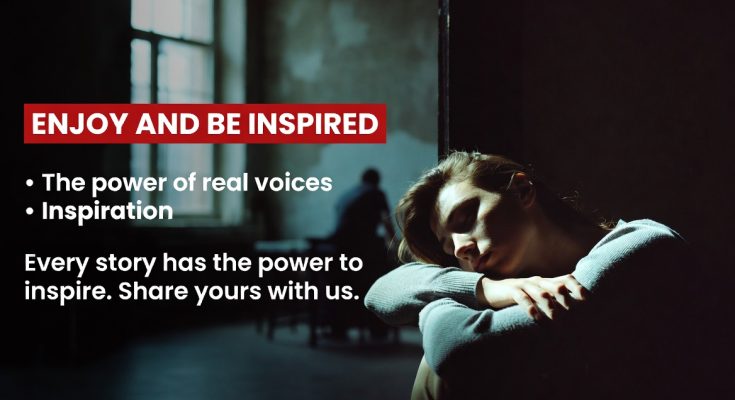

My husband thought I was glued to the ICU room all night, unaware of the truth I uncovered in our own home.

Part 1: The W3rning in Room 412

“If you are still able to leave, go home tonight. Your husband expects you to remain here.”

The warning came from Eleanor Miller, an elderly patient sitting in a wheelchair outside room 412.

My father, Victor Vance, was in the intensive care unit after suffering a severe stroke. For almost forty hours, I had remained near the observation window, waiting for any sign that his condition might improve.

My husband, Adrian Sterling, had taken control of everything. He spoke with the doctors, reviewed medical information, handled payments, and decided when I should eat or sleep.

For five years, I had mistaken that control for devotion.

Eleanor handed me a small voice recorder. She explained that she had overheard Adrian speaking on the hospital balcony.

“He said your father needed to be disconnected before the weekend,” she whispered. “Then he said the daughter would no longer be a problem.”

Minutes later, Adrian appeared in his usual tailored suit. He kissed my forehead, handed me a dry salad, and asked whether I had drunk enough water.

He never asked how I felt.

When he left for coffee, I returned to Eleanor.

“Check the lining of your purse,” she said.

Adrian had given me the expensive leather handbag for our anniversary. Inside a hospital bathroom, I opened part of its inner seam and discovered a tracking device hidden beneath the fabric.

Suddenly, years of strange coincidences made sense. Adrian always seemed to know when I met a friend, visited a bookstore, or considered taking a job.

He had not been intuitive.

He had been monitoring me.

I carefully returned the tracker to its hiding place. If Adrian discovered that I knew, he would change his plans.

Before sunrise, I visited my father’s room and held his hand. His fingers tightened around mine once.

It was deliberate.

He was conscious.

I texted Adrian that I was going home to shower. At the hospital entrance, I paid a courier to carry my purse across the city so the tracker would show me traveling north.

Then I took a taxi directly to our house.

Inside Adrian’s office, I discovered a hidden phone taped beneath a desk drawer. The passcode was my birthday.

The oldest message had been sent six years earlier.

“The girl is insecure. Her father has a fortune. Isolating her will be easy.”

Another recent conversation was with Celine Rivers, the nurse assigned to my father.

“I increased the medication. Nobody suspects anything.”

Behind a framed mirror, I found a safe containing a forged will. According to the document, my father’s company, properties, and private accounts—worth more than twenty million dollars—would pass directly to Adrian.

One of the witnesses was my uncle Arthur.

Then the hidden phone received a new message.

The sender claimed that my SUV had been deliberately sabotaged.

I looked outside at the vehicle in our driveway.

Adrian had not only planned to take my father’s fortune.

He had planned to remove both of us.

Part 2: The Trap at the Hospital

I left through the back door and contacted Lauren Davis, my former college friend and an attorney specializing in estate fraud.

Adrian had isolated me from Lauren three years earlier. I believed she had stopped caring about our friendship.

The truth was very different.

“He answered your phone,” Lauren explained. “He told me you never wanted to see me again.”

She also revealed that Adrian had previously visited her law firm, asking questions about challenging wills and declaring elderly relatives mentally incapable.

Lauren arranged a meeting with Detective Robert Hayes from the Chicago Police Department’s Financial Crimes Unit.

Hayes was already investigating Uncle Arthur for suspicious financial transfers involving older clients. He then told me something even more disturbing.

Eight days before his stroke, my father had contacted him.

Victor had discovered that Adrian had stolen more than a million dollars from his logistics company through fake overseas vendors. He had also realized Adrian was tracking me.

My father had experienced warning signs before his stroke, but instead of immediately entering the hospital, he spent days collecting documents and recording evidence. He feared that confronting Adrian too early would put me in danger.

I had believed I was protecting my father.

In reality, he had been trying to protect me.

I handed the hidden phone to Detective Hayes. Investigators began preparing search and arrest warrants, but they still needed the original forged papers from Adrian’s safe.

Until those documents could be legally recovered, I had to return to the hospital and behave as if I knew nothing.

“You have played the obedient wife for five years,” Lauren told me. “You only need to continue for a few more hours.”

Back at the ICU, Adrian questioned why I had taken so long. I blamed traffic, lowered my eyes, and gave him the tired smile he expected.

Throughout the day, I watched him exchange silent looks with Nurse Celine.

That evening, Helen, my father’s longtime secretary, sent me a recording of a private meeting between Adrian and Uncle Arthur.

Adrian confirmed that the false will was ready. He planned to divide the estate with Arthur after my father was gone.

Then he discussed arranging a supposed car accident for me.

The recording was sent directly to the police.

The following morning, Dr. Harrison deliberately told Adrian that my father might not survive another two days and that any legal matters should be completed immediately.

Adrian left the hospital and returned carrying a black briefcase.

Inside my father’s room, he arranged several documents on the tray table: a power of attorney, a property transfer, and changes to insurance beneficiaries.

All were falsely dated before the stroke.

Adrian placed a pen in my father’s hand.

“We need your signature before it is too late,” he whispered.

I kept my voice calm.

“You always know what is best for us.”

Adrian smiled, believing I was still under his control.

Then my father’s eyelid moved three times.

The signal we had been waiting for.

Part 3: Finding My Voice Again

As Adrian guided the pen toward the paper, my father suddenly opened his eyes.

His gaze was clear and focused.

With enormous effort, he released the pen and whispered:

“I will not sign.”

Adrian stumbled backward.

My father looked directly at him.

“Thief.”

The hospital door opened.

Detective Hayes entered with police officers, Lauren, and Dr. Harrison. Adrian was arrested while investigators photographed the fraudulent documents and collected the pen as evidence.

For the first time in five years, his polished mask disappeared.

He shouted that everything he had done was for our family. Then he ordered me to look at him, as he had done whenever he wanted to regain control.

I met his eyes.

“I did that for far too long.”

Nurse Celine was arrested at the nurses’ station. Investigators found unauthorized medication and messages connecting her to Adrian.

At the same time, police searched Uncle Arthur’s home. They recovered forged contracts, practice copies of my father’s signature, shell-company records, and information linking Arthur to the person who tampered with my SUV.

Each conspirator tried to blame someone else.

But the evidence showed that all of them had participated willingly.

My father remained hospitalized for three weeks. His condition slowly improved, although he needed months of rehabilitation.

During our first private conversation, he apologized for not warning me sooner.

“I saw Adrian separating you from everyone,” he said. “I thought respecting your marriage meant remaining silent.”

I told him that he had been trying to protect me.

“So were others,” he replied. “You survived because people finally decided to speak.”

Before leaving the hospital, I visited Eleanor.

When I told her about the arrests, she nodded.

“Then you can finally go home.”

“You saved my life,” I said.

“No. I spoke up. You chose to listen.”

Eleanor revealed that her own daughter had once lived with a controlling husband. Eleanor had noticed the warning signs but had remained silent because she believed another person’s marriage was not her concern.

Her daughter never escaped.

“I recognized the way you became tense whenever Adrian entered the room,” she said. “My daughter used to do the same thing.”

The criminal trial lasted fourteen months.

Digital evidence revealed Adrian’s tracking records, financial searches, false wills, stolen company funds, and plans to disguise his crimes as ordinary tragedies.

Celine accepted a plea agreement. Arthur received a lengthy sentence. Adrian was sentenced to decades in prison.

As he was taken away, he told me I was nothing without him.

My father, sitting beside me with a cane, answered:

“Without you, she can finally become herself.”

I reclaimed my maiden name, Clara Vance, and finalized the divorce.

My father’s company was restored, stolen money was recovered, and more than one hundred employees kept their jobs.

I returned to teaching finance at a university. Adrian had spent years convincing me I was incapable, but after my first lecture, a student thanked me for making the subject easy to understand.

I cried privately—not from fear, but from relief.

I sold the house where I had been controlled and rented a bright apartment in Lincoln Park. For the first time, no one tracked my movements or demanded explanations for my choices.

A year later, I founded the Speak Up Initiative, offering free legal and financial assistance to people facing economic abuse, family fraud, and exploitation.

Lauren directed our legal team. My father became an adviser.

In the lobby, we displayed Eleanor’s final message:

“Sometimes the person who saves your life is someone who does not even know your name yet.”

The justice system punished the people who tried to destroy us.

But my greatest victory was not their punishment.

It was finding my voice—and using it whenever someone else whispered that something was wrong.

My husband thought I was glued to the ICU room all night, unaware of the truth I uncovered in our own home. Read More

He smirked while sending me comforting texts from home, unaware of the headlights pulling into the driveway.

Part 1: The W3rning in Room 412

“If you are still able to leave, go home tonight. Your husband expects you to remain here.”

The warning came from Eleanor Miller, an elderly patient sitting in a wheelchair outside room 412.

My father, Victor Vance, was in the intensive care unit after suffering a severe stroke. For almost forty hours, I had remained near the observation window, waiting for any sign that his condition might improve.

My husband, Adrian Sterling, had taken control of everything. He spoke with the doctors, reviewed medical information, handled payments, and decided when I should eat or sleep.

For five years, I had mistaken that control for devotion.

Eleanor handed me a small voice recorder. She explained that she had overheard Adrian speaking on the hospital balcony.

“He said your father needed to be disconnected before the weekend,” she whispered. “Then he said the daughter would no longer be a problem.”

Minutes later, Adrian appeared in his usual tailored suit. He kissed my forehead, handed me a dry salad, and asked whether I had drunk enough water.

He never asked how I felt.

When he left for coffee, I returned to Eleanor.

“Check the lining of your purse,” she said.

Adrian had given me the expensive leather handbag for our anniversary. Inside a hospital bathroom, I opened part of its inner seam and discovered a tracking device hidden beneath the fabric.

Suddenly, years of strange coincidences made sense. Adrian always seemed to know when I met a friend, visited a bookstore, or considered taking a job.

He had not been intuitive.

He had been monitoring me.

I carefully returned the tracker to its hiding place. If Adrian discovered that I knew, he would change his plans.

Before sunrise, I visited my father’s room and held his hand. His fingers tightened around mine once.

It was deliberate.

He was conscious.

I texted Adrian that I was going home to shower. At the hospital entrance, I paid a courier to carry my purse across the city so the tracker would show me traveling north.

Then I took a taxi directly to our house.

Inside Adrian’s office, I discovered a hidden phone taped beneath a desk drawer. The passcode was my birthday.

The oldest message had been sent six years earlier.

“The girl is insecure. Her father has a fortune. Isolating her will be easy.”

Another recent conversation was with Celine Rivers, the nurse assigned to my father.

“I increased the medication. Nobody suspects anything.”

Behind a framed mirror, I found a safe containing a forged will. According to the document, my father’s company, properties, and private accounts—worth more than twenty million dollars—would pass directly to Adrian.

One of the witnesses was my uncle Arthur.

Then the hidden phone received a new message.

The sender claimed that my SUV had been deliberately sabotaged.

I looked outside at the vehicle in our driveway.

Adrian had not only planned to take my father’s fortune.

He had planned to remove both of us.

Part 2: The Trap at the Hospital

I left through the back door and contacted Lauren Davis, my former college friend and an attorney specializing in estate fraud.

Adrian had isolated me from Lauren three years earlier. I believed she had stopped caring about our friendship.

The truth was very different.

“He answered your phone,” Lauren explained. “He told me you never wanted to see me again.”

She also revealed that Adrian had previously visited her law firm, asking questions about challenging wills and declaring elderly relatives mentally incapable.

Lauren arranged a meeting with Detective Robert Hayes from the Chicago Police Department’s Financial Crimes Unit.

Hayes was already investigating Uncle Arthur for suspicious financial transfers involving older clients. He then told me something even more disturbing.

Eight days before his stroke, my father had contacted him.

Victor had discovered that Adrian had stolen more than a million dollars from his logistics company through fake overseas vendors. He had also realized Adrian was tracking me.

My father had experienced warning signs before his stroke, but instead of immediately entering the hospital, he spent days collecting documents and recording evidence. He feared that confronting Adrian too early would put me in danger.

I had believed I was protecting my father.

In reality, he had been trying to protect me.

I handed the hidden phone to Detective Hayes. Investigators began preparing search and arrest warrants, but they still needed the original forged papers from Adrian’s safe.

Until those documents could be legally recovered, I had to return to the hospital and behave as if I knew nothing.

“You have played the obedient wife for five years,” Lauren told me. “You only need to continue for a few more hours.”

Back at the ICU, Adrian questioned why I had taken so long. I blamed traffic, lowered my eyes, and gave him the tired smile he expected.

Throughout the day, I watched him exchange silent looks with Nurse Celine.

That evening, Helen, my father’s longtime secretary, sent me a recording of a private meeting between Adrian and Uncle Arthur.

Adrian confirmed that the false will was ready. He planned to divide the estate with Arthur after my father was gone.

Then he discussed arranging a supposed car accident for me.

The recording was sent directly to the police.

The following morning, Dr. Harrison deliberately told Adrian that my father might not survive another two days and that any legal matters should be completed immediately.

Adrian left the hospital and returned carrying a black briefcase.

Inside my father’s room, he arranged several documents on the tray table: a power of attorney, a property transfer, and changes to insurance beneficiaries.

All were falsely dated before the stroke.

Adrian placed a pen in my father’s hand.

“We need your signature before it is too late,” he whispered.

I kept my voice calm.

“You always know what is best for us.”

Adrian smiled, believing I was still under his control.

Then my father’s eyelid moved three times.

The signal we had been waiting for.

Part 3: Finding My Voice Again

As Adrian guided the pen toward the paper, my father suddenly opened his eyes.

His gaze was clear and focused.

With enormous effort, he released the pen and whispered:

“I will not sign.”

Adrian stumbled backward.

My father looked directly at him.

“Thief.”

The hospital door opened.

Detective Hayes entered with police officers, Lauren, and Dr. Harrison. Adrian was arrested while investigators photographed the fraudulent documents and collected the pen as evidence.

For the first time in five years, his polished mask disappeared.

He shouted that everything he had done was for our family. Then he ordered me to look at him, as he had done whenever he wanted to regain control.

I met his eyes.

“I did that for far too long.”

Nurse Celine was arrested at the nurses’ station. Investigators found unauthorized medication and messages connecting her to Adrian.

At the same time, police searched Uncle Arthur’s home. They recovered forged contracts, practice copies of my father’s signature, shell-company records, and information linking Arthur to the person who tampered with my SUV.

Each conspirator tried to blame someone else.

But the evidence showed that all of them had participated willingly.

My father remained hospitalized for three weeks. His condition slowly improved, although he needed months of rehabilitation.

During our first private conversation, he apologized for not warning me sooner.

“I saw Adrian separating you from everyone,” he said. “I thought respecting your marriage meant remaining silent.”

I told him that he had been trying to protect me.

“So were others,” he replied. “You survived because people finally decided to speak.”

Before leaving the hospital, I visited Eleanor.

When I told her about the arrests, she nodded.

“Then you can finally go home.”

“You saved my life,” I said.

“No. I spoke up. You chose to listen.”

Eleanor revealed that her own daughter had once lived with a controlling husband. Eleanor had noticed the warning signs but had remained silent because she believed another person’s marriage was not her concern.

Her daughter never escaped.

“I recognized the way you became tense whenever Adrian entered the room,” she said. “My daughter used to do the same thing.”

The criminal trial lasted fourteen months.

Digital evidence revealed Adrian’s tracking records, financial searches, false wills, stolen company funds, and plans to disguise his crimes as ordinary tragedies.

Celine accepted a plea agreement. Arthur received a lengthy sentence. Adrian was sentenced to decades in prison.

As he was taken away, he told me I was nothing without him.

My father, sitting beside me with a cane, answered:

“Without you, she can finally become herself.”

I reclaimed my maiden name, Clara Vance, and finalized the divorce.

My father’s company was restored, stolen money was recovered, and more than one hundred employees kept their jobs.

I returned to teaching finance at a university. Adrian had spent years convincing me I was incapable, but after my first lecture, a student thanked me for making the subject easy to understand.

I cried privately—not from fear, but from relief.

I sold the house where I had been controlled and rented a bright apartment in Lincoln Park. For the first time, no one tracked my movements or demanded explanations for my choices.

A year later, I founded the Speak Up Initiative, offering free legal and financial assistance to people facing economic abuse, family fraud, and exploitation.

Lauren directed our legal team. My father became an adviser.

In the lobby, we displayed Eleanor’s final message:

“Sometimes the person who saves your life is someone who does not even know your name yet.”

The justice system punished the people who tried to destroy us.

But my greatest victory was not their punishment.

It was finding my voice—and using it whenever someone else whispered that something was wrong.

He smirked while sending me comforting texts from home, unaware of the headlights pulling into the driveway. Read More

A stranger told me to leave the hospital secretly, setting off a swift confrontation that ruined my husband.

Part 1: The W3rning in Room 412

“If you are still able to leave, go home tonight. Your husband expects you to remain here.”

The warning came from Eleanor Miller, an elderly patient sitting in a wheelchair outside room 412.

My father, Victor Vance, was in the intensive care unit after suffering a severe stroke. For almost forty hours, I had remained near the observation window, waiting for any sign that his condition might improve.

My husband, Adrian Sterling, had taken control of everything. He spoke with the doctors, reviewed medical information, handled payments, and decided when I should eat or sleep.

For five years, I had mistaken that control for devotion.

Eleanor handed me a small voice recorder. She explained that she had overheard Adrian speaking on the hospital balcony.

“He said your father needed to be disconnected before the weekend,” she whispered. “Then he said the daughter would no longer be a problem.”

Minutes later, Adrian appeared in his usual tailored suit. He kissed my forehead, handed me a dry salad, and asked whether I had drunk enough water.

He never asked how I felt.

When he left for coffee, I returned to Eleanor.

“Check the lining of your purse,” she said.

Adrian had given me the expensive leather handbag for our anniversary. Inside a hospital bathroom, I opened part of its inner seam and discovered a tracking device hidden beneath the fabric.

Suddenly, years of strange coincidences made sense. Adrian always seemed to know when I met a friend, visited a bookstore, or considered taking a job.

He had not been intuitive.

He had been monitoring me.

I carefully returned the tracker to its hiding place. If Adrian discovered that I knew, he would change his plans.

Before sunrise, I visited my father’s room and held his hand. His fingers tightened around mine once.

It was deliberate.

He was conscious.

I texted Adrian that I was going home to shower. At the hospital entrance, I paid a courier to carry my purse across the city so the tracker would show me traveling north.

Then I took a taxi directly to our house.

Inside Adrian’s office, I discovered a hidden phone taped beneath a desk drawer. The passcode was my birthday.

The oldest message had been sent six years earlier.

“The girl is insecure. Her father has a fortune. Isolating her will be easy.”

Another recent conversation was with Celine Rivers, the nurse assigned to my father.

“I increased the medication. Nobody suspects anything.”

Behind a framed mirror, I found a safe containing a forged will. According to the document, my father’s company, properties, and private accounts—worth more than twenty million dollars—would pass directly to Adrian.

One of the witnesses was my uncle Arthur.

Then the hidden phone received a new message.

The sender claimed that my SUV had been deliberately sabotaged.

I looked outside at the vehicle in our driveway.

Adrian had not only planned to take my father’s fortune.

He had planned to remove both of us.

Part 2: The Trap at the Hospital

I left through the back door and contacted Lauren Davis, my former college friend and an attorney specializing in estate fraud.

Adrian had isolated me from Lauren three years earlier. I believed she had stopped caring about our friendship.

The truth was very different.

“He answered your phone,” Lauren explained. “He told me you never wanted to see me again.”

She also revealed that Adrian had previously visited her law firm, asking questions about challenging wills and declaring elderly relatives mentally incapable.

Lauren arranged a meeting with Detective Robert Hayes from the Chicago Police Department’s Financial Crimes Unit.

Hayes was already investigating Uncle Arthur for suspicious financial transfers involving older clients. He then told me something even more disturbing.

Eight days before his stroke, my father had contacted him.

Victor had discovered that Adrian had stolen more than a million dollars from his logistics company through fake overseas vendors. He had also realized Adrian was tracking me.

My father had experienced warning signs before his stroke, but instead of immediately entering the hospital, he spent days collecting documents and recording evidence. He feared that confronting Adrian too early would put me in danger.

I had believed I was protecting my father.

In reality, he had been trying to protect me.

I handed the hidden phone to Detective Hayes. Investigators began preparing search and arrest warrants, but they still needed the original forged papers from Adrian’s safe.

Until those documents could be legally recovered, I had to return to the hospital and behave as if I knew nothing.

“You have played the obedient wife for five years,” Lauren told me. “You only need to continue for a few more hours.”

Back at the ICU, Adrian questioned why I had taken so long. I blamed traffic, lowered my eyes, and gave him the tired smile he expected.

Throughout the day, I watched him exchange silent looks with Nurse Celine.

That evening, Helen, my father’s longtime secretary, sent me a recording of a private meeting between Adrian and Uncle Arthur.

Adrian confirmed that the false will was ready. He planned to divide the estate with Arthur after my father was gone.

Then he discussed arranging a supposed car accident for me.

The recording was sent directly to the police.

The following morning, Dr. Harrison deliberately told Adrian that my father might not survive another two days and that any legal matters should be completed immediately.

Adrian left the hospital and returned carrying a black briefcase.

Inside my father’s room, he arranged several documents on the tray table: a power of attorney, a property transfer, and changes to insurance beneficiaries.

All were falsely dated before the stroke.

Adrian placed a pen in my father’s hand.

“We need your signature before it is too late,” he whispered.

I kept my voice calm.

“You always know what is best for us.”

Adrian smiled, believing I was still under his control.

Then my father’s eyelid moved three times.

The signal we had been waiting for.

Part 3: Finding My Voice Again

As Adrian guided the pen toward the paper, my father suddenly opened his eyes.

His gaze was clear and focused.

With enormous effort, he released the pen and whispered:

“I will not sign.”

Adrian stumbled backward.

My father looked directly at him.

“Thief.”

The hospital door opened.

Detective Hayes entered with police officers, Lauren, and Dr. Harrison. Adrian was arrested while investigators photographed the fraudulent documents and collected the pen as evidence.

For the first time in five years, his polished mask disappeared.

He shouted that everything he had done was for our family. Then he ordered me to look at him, as he had done whenever he wanted to regain control.

I met his eyes.

“I did that for far too long.”

Nurse Celine was arrested at the nurses’ station. Investigators found unauthorized medication and messages connecting her to Adrian.

At the same time, police searched Uncle Arthur’s home. They recovered forged contracts, practice copies of my father’s signature, shell-company records, and information linking Arthur to the person who tampered with my SUV.

Each conspirator tried to blame someone else.

But the evidence showed that all of them had participated willingly.

My father remained hospitalized for three weeks. His condition slowly improved, although he needed months of rehabilitation.

During our first private conversation, he apologized for not warning me sooner.

“I saw Adrian separating you from everyone,” he said. “I thought respecting your marriage meant remaining silent.”

I told him that he had been trying to protect me.

“So were others,” he replied. “You survived because people finally decided to speak.”

Before leaving the hospital, I visited Eleanor.

When I told her about the arrests, she nodded.

“Then you can finally go home.”

“You saved my life,” I said.

“No. I spoke up. You chose to listen.”

Eleanor revealed that her own daughter had once lived with a controlling husband. Eleanor had noticed the warning signs but had remained silent because she believed another person’s marriage was not her concern.

Her daughter never escaped.

“I recognized the way you became tense whenever Adrian entered the room,” she said. “My daughter used to do the same thing.”

The criminal trial lasted fourteen months.

Digital evidence revealed Adrian’s tracking records, financial searches, false wills, stolen company funds, and plans to disguise his crimes as ordinary tragedies.

Celine accepted a plea agreement. Arthur received a lengthy sentence. Adrian was sentenced to decades in prison.

As he was taken away, he told me I was nothing without him.

My father, sitting beside me with a cane, answered:

“Without you, she can finally become herself.”

I reclaimed my maiden name, Clara Vance, and finalized the divorce.

My father’s company was restored, stolen money was recovered, and more than one hundred employees kept their jobs.

I returned to teaching finance at a university. Adrian had spent years convincing me I was incapable, but after my first lecture, a student thanked me for making the subject easy to understand.

I cried privately—not from fear, but from relief.

I sold the house where I had been controlled and rented a bright apartment in Lincoln Park. For the first time, no one tracked my movements or demanded explanations for my choices.

A year later, I founded the Speak Up Initiative, offering free legal and financial assistance to people facing economic abuse, family fraud, and exploitation.

Lauren directed our legal team. My father became an adviser.

In the lobby, we displayed Eleanor’s final message:

“Sometimes the person who saves your life is someone who does not even know your name yet.”

The justice system punished the people who tried to destroy us.

But my greatest victory was not their punishment.

It was finding my voice—and using it whenever someone else whispered that something was wrong.

A stranger told me to leave the hospital secretly, setting off a swift confrontation that ruined my husband. Read More

He thought using my crisis to betray me had zero risks, bringing his entire double life to a total collapse.

Part 1: The W3rning in Room 412

“If you are still able to leave, go home tonight. Your husband expects you to remain here.”

The warning came from Eleanor Miller, an elderly patient sitting in a wheelchair outside room 412.

My father, Victor Vance, was in the intensive care unit after suffering a severe stroke. For almost forty hours, I had remained near the observation window, waiting for any sign that his condition might improve.

My husband, Adrian Sterling, had taken control of everything. He spoke with the doctors, reviewed medical information, handled payments, and decided when I should eat or sleep.

For five years, I had mistaken that control for devotion.

Eleanor handed me a small voice recorder. She explained that she had overheard Adrian speaking on the hospital balcony.

“He said your father needed to be disconnected before the weekend,” she whispered. “Then he said the daughter would no longer be a problem.”

Minutes later, Adrian appeared in his usual tailored suit. He kissed my forehead, handed me a dry salad, and asked whether I had drunk enough water.

He never asked how I felt.

When he left for coffee, I returned to Eleanor.

“Check the lining of your purse,” she said.

Adrian had given me the expensive leather handbag for our anniversary. Inside a hospital bathroom, I opened part of its inner seam and discovered a tracking device hidden beneath the fabric.

Suddenly, years of strange coincidences made sense. Adrian always seemed to know when I met a friend, visited a bookstore, or considered taking a job.

He had not been intuitive.

He had been monitoring me.

I carefully returned the tracker to its hiding place. If Adrian discovered that I knew, he would change his plans.

Before sunrise, I visited my father’s room and held his hand. His fingers tightened around mine once.

It was deliberate.

He was conscious.

I texted Adrian that I was going home to shower. At the hospital entrance, I paid a courier to carry my purse across the city so the tracker would show me traveling north.

Then I took a taxi directly to our house.

Inside Adrian’s office, I discovered a hidden phone taped beneath a desk drawer. The passcode was my birthday.

The oldest message had been sent six years earlier.

“The girl is insecure. Her father has a fortune. Isolating her will be easy.”

Another recent conversation was with Celine Rivers, the nurse assigned to my father.

“I increased the medication. Nobody suspects anything.”

Behind a framed mirror, I found a safe containing a forged will. According to the document, my father’s company, properties, and private accounts—worth more than twenty million dollars—would pass directly to Adrian.

One of the witnesses was my uncle Arthur.

Then the hidden phone received a new message.

The sender claimed that my SUV had been deliberately sabotaged.

I looked outside at the vehicle in our driveway.

Adrian had not only planned to take my father’s fortune.

He had planned to remove both of us.

Part 2: The Trap at the Hospital

I left through the back door and contacted Lauren Davis, my former college friend and an attorney specializing in estate fraud.

Adrian had isolated me from Lauren three years earlier. I believed she had stopped caring about our friendship.

The truth was very different.

“He answered your phone,” Lauren explained. “He told me you never wanted to see me again.”

She also revealed that Adrian had previously visited her law firm, asking questions about challenging wills and declaring elderly relatives mentally incapable.

Lauren arranged a meeting with Detective Robert Hayes from the Chicago Police Department’s Financial Crimes Unit.

Hayes was already investigating Uncle Arthur for suspicious financial transfers involving older clients. He then told me something even more disturbing.

Eight days before his stroke, my father had contacted him.

Victor had discovered that Adrian had stolen more than a million dollars from his logistics company through fake overseas vendors. He had also realized Adrian was tracking me.

My father had experienced warning signs before his stroke, but instead of immediately entering the hospital, he spent days collecting documents and recording evidence. He feared that confronting Adrian too early would put me in danger.

I had believed I was protecting my father.

In reality, he had been trying to protect me.

I handed the hidden phone to Detective Hayes. Investigators began preparing search and arrest warrants, but they still needed the original forged papers from Adrian’s safe.

Until those documents could be legally recovered, I had to return to the hospital and behave as if I knew nothing.

“You have played the obedient wife for five years,” Lauren told me. “You only need to continue for a few more hours.”

Back at the ICU, Adrian questioned why I had taken so long. I blamed traffic, lowered my eyes, and gave him the tired smile he expected.

Throughout the day, I watched him exchange silent looks with Nurse Celine.

That evening, Helen, my father’s longtime secretary, sent me a recording of a private meeting between Adrian and Uncle Arthur.

Adrian confirmed that the false will was ready. He planned to divide the estate with Arthur after my father was gone.

Then he discussed arranging a supposed car accident for me.

The recording was sent directly to the police.

The following morning, Dr. Harrison deliberately told Adrian that my father might not survive another two days and that any legal matters should be completed immediately.

Adrian left the hospital and returned carrying a black briefcase.

Inside my father’s room, he arranged several documents on the tray table: a power of attorney, a property transfer, and changes to insurance beneficiaries.

All were falsely dated before the stroke.

Adrian placed a pen in my father’s hand.

“We need your signature before it is too late,” he whispered.

I kept my voice calm.

“You always know what is best for us.”

Adrian smiled, believing I was still under his control.

Then my father’s eyelid moved three times.

The signal we had been waiting for.

Part 3: Finding My Voice Again

As Adrian guided the pen toward the paper, my father suddenly opened his eyes.

His gaze was clear and focused.

With enormous effort, he released the pen and whispered:

“I will not sign.”

Adrian stumbled backward.

My father looked directly at him.

“Thief.”

The hospital door opened.

Detective Hayes entered with police officers, Lauren, and Dr. Harrison. Adrian was arrested while investigators photographed the fraudulent documents and collected the pen as evidence.

For the first time in five years, his polished mask disappeared.

He shouted that everything he had done was for our family. Then he ordered me to look at him, as he had done whenever he wanted to regain control.

I met his eyes.

“I did that for far too long.”

Nurse Celine was arrested at the nurses’ station. Investigators found unauthorized medication and messages connecting her to Adrian.

At the same time, police searched Uncle Arthur’s home. They recovered forged contracts, practice copies of my father’s signature, shell-company records, and information linking Arthur to the person who tampered with my SUV.

Each conspirator tried to blame someone else.

But the evidence showed that all of them had participated willingly.

My father remained hospitalized for three weeks. His condition slowly improved, although he needed months of rehabilitation.

During our first private conversation, he apologized for not warning me sooner.

“I saw Adrian separating you from everyone,” he said. “I thought respecting your marriage meant remaining silent.”

I told him that he had been trying to protect me.

“So were others,” he replied. “You survived because people finally decided to speak.”

Before leaving the hospital, I visited Eleanor.

When I told her about the arrests, she nodded.

“Then you can finally go home.”

“You saved my life,” I said.

“No. I spoke up. You chose to listen.”

Eleanor revealed that her own daughter had once lived with a controlling husband. Eleanor had noticed the warning signs but had remained silent because she believed another person’s marriage was not her concern.

Her daughter never escaped.

“I recognized the way you became tense whenever Adrian entered the room,” she said. “My daughter used to do the same thing.”

The criminal trial lasted fourteen months.

Digital evidence revealed Adrian’s tracking records, financial searches, false wills, stolen company funds, and plans to disguise his crimes as ordinary tragedies.

Celine accepted a plea agreement. Arthur received a lengthy sentence. Adrian was sentenced to decades in prison.

As he was taken away, he told me I was nothing without him.

My father, sitting beside me with a cane, answered:

“Without you, she can finally become herself.”

I reclaimed my maiden name, Clara Vance, and finalized the divorce.

My father’s company was restored, stolen money was recovered, and more than one hundred employees kept their jobs.

I returned to teaching finance at a university. Adrian had spent years convincing me I was incapable, but after my first lecture, a student thanked me for making the subject easy to understand.

I cried privately—not from fear, but from relief.

I sold the house where I had been controlled and rented a bright apartment in Lincoln Park. For the first time, no one tracked my movements or demanded explanations for my choices.

A year later, I founded the Speak Up Initiative, offering free legal and financial assistance to people facing economic abuse, family fraud, and exploitation.

Lauren directed our legal team. My father became an adviser.

In the lobby, we displayed Eleanor’s final message:

“Sometimes the person who saves your life is someone who does not even know your name yet.”

The justice system punished the people who tried to destroy us.

But my greatest victory was not their punishment.

It was finding my voice—and using it whenever someone else whispered that something was wrong.

He thought using my crisis to betray me had zero risks, bringing his entire double life to a total collapse. Read More

When he turned around and saw me standing in the hallway, my husband realized his massive mistake too late.

Part 1: The W3rning in Room 412

“If you are still able to leave, go home tonight. Your husband expects you to remain here.”

The warning came from Eleanor Miller, an elderly patient sitting in a wheelchair outside room 412.

My father, Victor Vance, was in the intensive care unit after suffering a severe stroke. For almost forty hours, I had remained near the observation window, waiting for any sign that his condition might improve.

My husband, Adrian Sterling, had taken control of everything. He spoke with the doctors, reviewed medical information, handled payments, and decided when I should eat or sleep.

For five years, I had mistaken that control for devotion.

Eleanor handed me a small voice recorder. She explained that she had overheard Adrian speaking on the hospital balcony.

“He said your father needed to be disconnected before the weekend,” she whispered. “Then he said the daughter would no longer be a problem.”

Minutes later, Adrian appeared in his usual tailored suit. He kissed my forehead, handed me a dry salad, and asked whether I had drunk enough water.

He never asked how I felt.

When he left for coffee, I returned to Eleanor.

“Check the lining of your purse,” she said.

Adrian had given me the expensive leather handbag for our anniversary. Inside a hospital bathroom, I opened part of its inner seam and discovered a tracking device hidden beneath the fabric.

Suddenly, years of strange coincidences made sense. Adrian always seemed to know when I met a friend, visited a bookstore, or considered taking a job.

He had not been intuitive.

He had been monitoring me.

I carefully returned the tracker to its hiding place. If Adrian discovered that I knew, he would change his plans.

Before sunrise, I visited my father’s room and held his hand. His fingers tightened around mine once.

It was deliberate.

He was conscious.

I texted Adrian that I was going home to shower. At the hospital entrance, I paid a courier to carry my purse across the city so the tracker would show me traveling north.

Then I took a taxi directly to our house.

Inside Adrian’s office, I discovered a hidden phone taped beneath a desk drawer. The passcode was my birthday.

The oldest message had been sent six years earlier.

“The girl is insecure. Her father has a fortune. Isolating her will be easy.”

Another recent conversation was with Celine Rivers, the nurse assigned to my father.

“I increased the medication. Nobody suspects anything.”

Behind a framed mirror, I found a safe containing a forged will. According to the document, my father’s company, properties, and private accounts—worth more than twenty million dollars—would pass directly to Adrian.

One of the witnesses was my uncle Arthur.

Then the hidden phone received a new message.

The sender claimed that my SUV had been deliberately sabotaged.

I looked outside at the vehicle in our driveway.

Adrian had not only planned to take my father’s fortune.

He had planned to remove both of us.

Part 2: The Trap at the Hospital

I left through the back door and contacted Lauren Davis, my former college friend and an attorney specializing in estate fraud.

Adrian had isolated me from Lauren three years earlier. I believed she had stopped caring about our friendship.

The truth was very different.

“He answered your phone,” Lauren explained. “He told me you never wanted to see me again.”

She also revealed that Adrian had previously visited her law firm, asking questions about challenging wills and declaring elderly relatives mentally incapable.

Lauren arranged a meeting with Detective Robert Hayes from the Chicago Police Department’s Financial Crimes Unit.

Hayes was already investigating Uncle Arthur for suspicious financial transfers involving older clients. He then told me something even more disturbing.

Eight days before his stroke, my father had contacted him.

Victor had discovered that Adrian had stolen more than a million dollars from his logistics company through fake overseas vendors. He had also realized Adrian was tracking me.

My father had experienced warning signs before his stroke, but instead of immediately entering the hospital, he spent days collecting documents and recording evidence. He feared that confronting Adrian too early would put me in danger.

I had believed I was protecting my father.

In reality, he had been trying to protect me.

I handed the hidden phone to Detective Hayes. Investigators began preparing search and arrest warrants, but they still needed the original forged papers from Adrian’s safe.

Until those documents could be legally recovered, I had to return to the hospital and behave as if I knew nothing.

“You have played the obedient wife for five years,” Lauren told me. “You only need to continue for a few more hours.”

Back at the ICU, Adrian questioned why I had taken so long. I blamed traffic, lowered my eyes, and gave him the tired smile he expected.

Throughout the day, I watched him exchange silent looks with Nurse Celine.

That evening, Helen, my father’s longtime secretary, sent me a recording of a private meeting between Adrian and Uncle Arthur.

Adrian confirmed that the false will was ready. He planned to divide the estate with Arthur after my father was gone.

Then he discussed arranging a supposed car accident for me.

The recording was sent directly to the police.

The following morning, Dr. Harrison deliberately told Adrian that my father might not survive another two days and that any legal matters should be completed immediately.

Adrian left the hospital and returned carrying a black briefcase.

Inside my father’s room, he arranged several documents on the tray table: a power of attorney, a property transfer, and changes to insurance beneficiaries.

All were falsely dated before the stroke.

Adrian placed a pen in my father’s hand.

“We need your signature before it is too late,” he whispered.

I kept my voice calm.

“You always know what is best for us.”

Adrian smiled, believing I was still under his control.

Then my father’s eyelid moved three times.

The signal we had been waiting for.

Part 3: Finding My Voice Again

As Adrian guided the pen toward the paper, my father suddenly opened his eyes.

His gaze was clear and focused.

With enormous effort, he released the pen and whispered:

“I will not sign.”

Adrian stumbled backward.

My father looked directly at him.

“Thief.”

The hospital door opened.

Detective Hayes entered with police officers, Lauren, and Dr. Harrison. Adrian was arrested while investigators photographed the fraudulent documents and collected the pen as evidence.

For the first time in five years, his polished mask disappeared.

He shouted that everything he had done was for our family. Then he ordered me to look at him, as he had done whenever he wanted to regain control.

I met his eyes.

“I did that for far too long.”

Nurse Celine was arrested at the nurses’ station. Investigators found unauthorized medication and messages connecting her to Adrian.

At the same time, police searched Uncle Arthur’s home. They recovered forged contracts, practice copies of my father’s signature, shell-company records, and information linking Arthur to the person who tampered with my SUV.

Each conspirator tried to blame someone else.

But the evidence showed that all of them had participated willingly.

My father remained hospitalized for three weeks. His condition slowly improved, although he needed months of rehabilitation.

During our first private conversation, he apologized for not warning me sooner.

“I saw Adrian separating you from everyone,” he said. “I thought respecting your marriage meant remaining silent.”

I told him that he had been trying to protect me.

“So were others,” he replied. “You survived because people finally decided to speak.”

Before leaving the hospital, I visited Eleanor.

When I told her about the arrests, she nodded.

“Then you can finally go home.”

“You saved my life,” I said.

“No. I spoke up. You chose to listen.”

Eleanor revealed that her own daughter had once lived with a controlling husband. Eleanor had noticed the warning signs but had remained silent because she believed another person’s marriage was not her concern.

Her daughter never escaped.

“I recognized the way you became tense whenever Adrian entered the room,” she said. “My daughter used to do the same thing.”

The criminal trial lasted fourteen months.

Digital evidence revealed Adrian’s tracking records, financial searches, false wills, stolen company funds, and plans to disguise his crimes as ordinary tragedies.

Celine accepted a plea agreement. Arthur received a lengthy sentence. Adrian was sentenced to decades in prison.

As he was taken away, he told me I was nothing without him.

My father, sitting beside me with a cane, answered:

“Without you, she can finally become herself.”

I reclaimed my maiden name, Clara Vance, and finalized the divorce.

My father’s company was restored, stolen money was recovered, and more than one hundred employees kept their jobs.

I returned to teaching finance at a university. Adrian had spent years convincing me I was incapable, but after my first lecture, a student thanked me for making the subject easy to understand.

I cried privately—not from fear, but from relief.

I sold the house where I had been controlled and rented a bright apartment in Lincoln Park. For the first time, no one tracked my movements or demanded explanations for my choices.

A year later, I founded the Speak Up Initiative, offering free legal and financial assistance to people facing economic abuse, family fraud, and exploitation.

Lauren directed our legal team. My father became an adviser.

In the lobby, we displayed Eleanor’s final message:

“Sometimes the person who saves your life is someone who does not even know your name yet.”

The justice system punished the people who tried to destroy us.

But my greatest victory was not their punishment.

It was finding my voice—and using it whenever someone else whispered that something was wrong.

When he turned around and saw me standing in the hallway, my husband realized his massive mistake too late. Read More

My husband treated my father’s emergency as an opportunity, bringing his comfortable deception to a sudden end.

Part 1: The W3rning in Room 412

“If you are still able to leave, go home tonight. Your husband expects you to remain here.”

The warning came from Eleanor Miller, an elderly patient sitting in a wheelchair outside room 412.

My father, Victor Vance, was in the intensive care unit after suffering a severe stroke. For almost forty hours, I had remained near the observation window, waiting for any sign that his condition might improve.

My husband, Adrian Sterling, had taken control of everything. He spoke with the doctors, reviewed medical information, handled payments, and decided when I should eat or sleep.

For five years, I had mistaken that control for devotion.

Eleanor handed me a small voice recorder. She explained that she had overheard Adrian speaking on the hospital balcony.

“He said your father needed to be disconnected before the weekend,” she whispered. “Then he said the daughter would no longer be a problem.”

Minutes later, Adrian appeared in his usual tailored suit. He kissed my forehead, handed me a dry salad, and asked whether I had drunk enough water.

He never asked how I felt.

When he left for coffee, I returned to Eleanor.

“Check the lining of your purse,” she said.

Adrian had given me the expensive leather handbag for our anniversary. Inside a hospital bathroom, I opened part of its inner seam and discovered a tracking device hidden beneath the fabric.

Suddenly, years of strange coincidences made sense. Adrian always seemed to know when I met a friend, visited a bookstore, or considered taking a job.

He had not been intuitive.

He had been monitoring me.

I carefully returned the tracker to its hiding place. If Adrian discovered that I knew, he would change his plans.

Before sunrise, I visited my father’s room and held his hand. His fingers tightened around mine once.

It was deliberate.

He was conscious.

I texted Adrian that I was going home to shower. At the hospital entrance, I paid a courier to carry my purse across the city so the tracker would show me traveling north.

Then I took a taxi directly to our house.

Inside Adrian’s office, I discovered a hidden phone taped beneath a desk drawer. The passcode was my birthday.

The oldest message had been sent six years earlier.

“The girl is insecure. Her father has a fortune. Isolating her will be easy.”

Another recent conversation was with Celine Rivers, the nurse assigned to my father.

“I increased the medication. Nobody suspects anything.”

Behind a framed mirror, I found a safe containing a forged will. According to the document, my father’s company, properties, and private accounts—worth more than twenty million dollars—would pass directly to Adrian.

One of the witnesses was my uncle Arthur.

Then the hidden phone received a new message.

The sender claimed that my SUV had been deliberately sabotaged.

I looked outside at the vehicle in our driveway.

Adrian had not only planned to take my father’s fortune.

He had planned to remove both of us.

Part 2: The Trap at the Hospital

I left through the back door and contacted Lauren Davis, my former college friend and an attorney specializing in estate fraud.

Adrian had isolated me from Lauren three years earlier. I believed she had stopped caring about our friendship.

The truth was very different.

“He answered your phone,” Lauren explained. “He told me you never wanted to see me again.”

She also revealed that Adrian had previously visited her law firm, asking questions about challenging wills and declaring elderly relatives mentally incapable.

Lauren arranged a meeting with Detective Robert Hayes from the Chicago Police Department’s Financial Crimes Unit.

Hayes was already investigating Uncle Arthur for suspicious financial transfers involving older clients. He then told me something even more disturbing.

Eight days before his stroke, my father had contacted him.

Victor had discovered that Adrian had stolen more than a million dollars from his logistics company through fake overseas vendors. He had also realized Adrian was tracking me.

My father had experienced warning signs before his stroke, but instead of immediately entering the hospital, he spent days collecting documents and recording evidence. He feared that confronting Adrian too early would put me in danger.

I had believed I was protecting my father.

In reality, he had been trying to protect me.

I handed the hidden phone to Detective Hayes. Investigators began preparing search and arrest warrants, but they still needed the original forged papers from Adrian’s safe.

Until those documents could be legally recovered, I had to return to the hospital and behave as if I knew nothing.

“You have played the obedient wife for five years,” Lauren told me. “You only need to continue for a few more hours.”

Back at the ICU, Adrian questioned why I had taken so long. I blamed traffic, lowered my eyes, and gave him the tired smile he expected.

Throughout the day, I watched him exchange silent looks with Nurse Celine.

That evening, Helen, my father’s longtime secretary, sent me a recording of a private meeting between Adrian and Uncle Arthur.

Adrian confirmed that the false will was ready. He planned to divide the estate with Arthur after my father was gone.

Then he discussed arranging a supposed car accident for me.

The recording was sent directly to the police.

The following morning, Dr. Harrison deliberately told Adrian that my father might not survive another two days and that any legal matters should be completed immediately.

Adrian left the hospital and returned carrying a black briefcase.

Inside my father’s room, he arranged several documents on the tray table: a power of attorney, a property transfer, and changes to insurance beneficiaries.

All were falsely dated before the stroke.

Adrian placed a pen in my father’s hand.

“We need your signature before it is too late,” he whispered.

I kept my voice calm.

“You always know what is best for us.”

Adrian smiled, believing I was still under his control.

Then my father’s eyelid moved three times.

The signal we had been waiting for.

Part 3: Finding My Voice Again

As Adrian guided the pen toward the paper, my father suddenly opened his eyes.

His gaze was clear and focused.

With enormous effort, he released the pen and whispered:

“I will not sign.”

Adrian stumbled backward.

My father looked directly at him.

“Thief.”

The hospital door opened.

Detective Hayes entered with police officers, Lauren, and Dr. Harrison. Adrian was arrested while investigators photographed the fraudulent documents and collected the pen as evidence.

For the first time in five years, his polished mask disappeared.

He shouted that everything he had done was for our family. Then he ordered me to look at him, as he had done whenever he wanted to regain control.

I met his eyes.

“I did that for far too long.”

Nurse Celine was arrested at the nurses’ station. Investigators found unauthorized medication and messages connecting her to Adrian.

At the same time, police searched Uncle Arthur’s home. They recovered forged contracts, practice copies of my father’s signature, shell-company records, and information linking Arthur to the person who tampered with my SUV.

Each conspirator tried to blame someone else.

But the evidence showed that all of them had participated willingly.

My father remained hospitalized for three weeks. His condition slowly improved, although he needed months of rehabilitation.

During our first private conversation, he apologized for not warning me sooner.

“I saw Adrian separating you from everyone,” he said. “I thought respecting your marriage meant remaining silent.”

I told him that he had been trying to protect me.

“So were others,” he replied. “You survived because people finally decided to speak.”

Before leaving the hospital, I visited Eleanor.

When I told her about the arrests, she nodded.

“Then you can finally go home.”

“You saved my life,” I said.

“No. I spoke up. You chose to listen.”

Eleanor revealed that her own daughter had once lived with a controlling husband. Eleanor had noticed the warning signs but had remained silent because she believed another person’s marriage was not her concern.

Her daughter never escaped.

“I recognized the way you became tense whenever Adrian entered the room,” she said. “My daughter used to do the same thing.”

The criminal trial lasted fourteen months.

Digital evidence revealed Adrian’s tracking records, financial searches, false wills, stolen company funds, and plans to disguise his crimes as ordinary tragedies.

Celine accepted a plea agreement. Arthur received a lengthy sentence. Adrian was sentenced to decades in prison.

As he was taken away, he told me I was nothing without him.

My father, sitting beside me with a cane, answered:

“Without you, she can finally become herself.”

I reclaimed my maiden name, Clara Vance, and finalized the divorce.

My father’s company was restored, stolen money was recovered, and more than one hundred employees kept their jobs.

I returned to teaching finance at a university. Adrian had spent years convincing me I was incapable, but after my first lecture, a student thanked me for making the subject easy to understand.

I cried privately—not from fear, but from relief.

I sold the house where I had been controlled and rented a bright apartment in Lincoln Park. For the first time, no one tracked my movements or demanded explanations for my choices.

A year later, I founded the Speak Up Initiative, offering free legal and financial assistance to people facing economic abuse, family fraud, and exploitation.

Lauren directed our legal team. My father became an adviser.

In the lobby, we displayed Eleanor’s final message:

“Sometimes the person who saves your life is someone who does not even know your name yet.”

The justice system punished the people who tried to destroy us.

But my greatest victory was not their punishment.

It was finding my voice—and using it whenever someone else whispered that something was wrong.

My husband treated my father’s emergency as an opportunity, bringing his comfortable deception to a sudden end. Read More

An elderly woman in the ICU gave me a mysterious warning, setting off a sequence of events that left my husband frantic.

Part 1: The W3rning in Room 412

“If you are still able to leave, go home tonight. Your husband expects you to remain here.”

The warning came from Eleanor Miller, an elderly patient sitting in a wheelchair outside room 412.

My father, Victor Vance, was in the intensive care unit after suffering a severe stroke. For almost forty hours, I had remained near the observation window, waiting for any sign that his condition might improve.

My husband, Adrian Sterling, had taken control of everything. He spoke with the doctors, reviewed medical information, handled payments, and decided when I should eat or sleep.

For five years, I had mistaken that control for devotion.

Eleanor handed me a small voice recorder. She explained that she had overheard Adrian speaking on the hospital balcony.

“He said your father needed to be disconnected before the weekend,” she whispered. “Then he said the daughter would no longer be a problem.”

Minutes later, Adrian appeared in his usual tailored suit. He kissed my forehead, handed me a dry salad, and asked whether I had drunk enough water.

He never asked how I felt.

When he left for coffee, I returned to Eleanor.

“Check the lining of your purse,” she said.

Adrian had given me the expensive leather handbag for our anniversary. Inside a hospital bathroom, I opened part of its inner seam and discovered a tracking device hidden beneath the fabric.

Suddenly, years of strange coincidences made sense. Adrian always seemed to know when I met a friend, visited a bookstore, or considered taking a job.

He had not been intuitive.

He had been monitoring me.

I carefully returned the tracker to its hiding place. If Adrian discovered that I knew, he would change his plans.

Before sunrise, I visited my father’s room and held his hand. His fingers tightened around mine once.

It was deliberate.

He was conscious.

I texted Adrian that I was going home to shower. At the hospital entrance, I paid a courier to carry my purse across the city so the tracker would show me traveling north.

Then I took a taxi directly to our house.

Inside Adrian’s office, I discovered a hidden phone taped beneath a desk drawer. The passcode was my birthday.

The oldest message had been sent six years earlier.

“The girl is insecure. Her father has a fortune. Isolating her will be easy.”

Another recent conversation was with Celine Rivers, the nurse assigned to my father.

“I increased the medication. Nobody suspects anything.”

Behind a framed mirror, I found a safe containing a forged will. According to the document, my father’s company, properties, and private accounts—worth more than twenty million dollars—would pass directly to Adrian.

One of the witnesses was my uncle Arthur.

Then the hidden phone received a new message.

The sender claimed that my SUV had been deliberately sabotaged.

I looked outside at the vehicle in our driveway.

Adrian had not only planned to take my father’s fortune.

He had planned to remove both of us.

Part 2: The Trap at the Hospital

I left through the back door and contacted Lauren Davis, my former college friend and an attorney specializing in estate fraud.

Adrian had isolated me from Lauren three years earlier. I believed she had stopped caring about our friendship.

The truth was very different.

“He answered your phone,” Lauren explained. “He told me you never wanted to see me again.”

She also revealed that Adrian had previously visited her law firm, asking questions about challenging wills and declaring elderly relatives mentally incapable.

Lauren arranged a meeting with Detective Robert Hayes from the Chicago Police Department’s Financial Crimes Unit.

Hayes was already investigating Uncle Arthur for suspicious financial transfers involving older clients. He then told me something even more disturbing.

Eight days before his stroke, my father had contacted him.

Victor had discovered that Adrian had stolen more than a million dollars from his logistics company through fake overseas vendors. He had also realized Adrian was tracking me.

My father had experienced warning signs before his stroke, but instead of immediately entering the hospital, he spent days collecting documents and recording evidence. He feared that confronting Adrian too early would put me in danger.

I had believed I was protecting my father.

In reality, he had been trying to protect me.

I handed the hidden phone to Detective Hayes. Investigators began preparing search and arrest warrants, but they still needed the original forged papers from Adrian’s safe.

Until those documents could be legally recovered, I had to return to the hospital and behave as if I knew nothing.

“You have played the obedient wife for five years,” Lauren told me. “You only need to continue for a few more hours.”

Back at the ICU, Adrian questioned why I had taken so long. I blamed traffic, lowered my eyes, and gave him the tired smile he expected.

Throughout the day, I watched him exchange silent looks with Nurse Celine.

That evening, Helen, my father’s longtime secretary, sent me a recording of a private meeting between Adrian and Uncle Arthur.

Adrian confirmed that the false will was ready. He planned to divide the estate with Arthur after my father was gone.

Then he discussed arranging a supposed car accident for me.

The recording was sent directly to the police.

The following morning, Dr. Harrison deliberately told Adrian that my father might not survive another two days and that any legal matters should be completed immediately.

Adrian left the hospital and returned carrying a black briefcase.

Inside my father’s room, he arranged several documents on the tray table: a power of attorney, a property transfer, and changes to insurance beneficiaries.

All were falsely dated before the stroke.

Adrian placed a pen in my father’s hand.

“We need your signature before it is too late,” he whispered.

I kept my voice calm.

“You always know what is best for us.”

Adrian smiled, believing I was still under his control.

Then my father’s eyelid moved three times.

The signal we had been waiting for.

Part 3: Finding My Voice Again

As Adrian guided the pen toward the paper, my father suddenly opened his eyes.

His gaze was clear and focused.

With enormous effort, he released the pen and whispered:

“I will not sign.”

Adrian stumbled backward.

My father looked directly at him.

“Thief.”

The hospital door opened.

Detective Hayes entered with police officers, Lauren, and Dr. Harrison. Adrian was arrested while investigators photographed the fraudulent documents and collected the pen as evidence.

For the first time in five years, his polished mask disappeared.

He shouted that everything he had done was for our family. Then he ordered me to look at him, as he had done whenever he wanted to regain control.

I met his eyes.

“I did that for far too long.”

Nurse Celine was arrested at the nurses’ station. Investigators found unauthorized medication and messages connecting her to Adrian.

At the same time, police searched Uncle Arthur’s home. They recovered forged contracts, practice copies of my father’s signature, shell-company records, and information linking Arthur to the person who tampered with my SUV.

Each conspirator tried to blame someone else.

But the evidence showed that all of them had participated willingly.

My father remained hospitalized for three weeks. His condition slowly improved, although he needed months of rehabilitation.

During our first private conversation, he apologized for not warning me sooner.

“I saw Adrian separating you from everyone,” he said. “I thought respecting your marriage meant remaining silent.”

I told him that he had been trying to protect me.

“So were others,” he replied. “You survived because people finally decided to speak.”

Before leaving the hospital, I visited Eleanor.

When I told her about the arrests, she nodded.

“Then you can finally go home.”

“You saved my life,” I said.

“No. I spoke up. You chose to listen.”

Eleanor revealed that her own daughter had once lived with a controlling husband. Eleanor had noticed the warning signs but had remained silent because she believed another person’s marriage was not her concern.

Her daughter never escaped.

“I recognized the way you became tense whenever Adrian entered the room,” she said. “My daughter used to do the same thing.”

The criminal trial lasted fourteen months.

Digital evidence revealed Adrian’s tracking records, financial searches, false wills, stolen company funds, and plans to disguise his crimes as ordinary tragedies.

Celine accepted a plea agreement. Arthur received a lengthy sentence. Adrian was sentenced to decades in prison.

As he was taken away, he told me I was nothing without him.

My father, sitting beside me with a cane, answered:

“Without you, she can finally become herself.”

I reclaimed my maiden name, Clara Vance, and finalized the divorce.

My father’s company was restored, stolen money was recovered, and more than one hundred employees kept their jobs.

I returned to teaching finance at a university. Adrian had spent years convincing me I was incapable, but after my first lecture, a student thanked me for making the subject easy to understand.

I cried privately—not from fear, but from relief.

I sold the house where I had been controlled and rented a bright apartment in Lincoln Park. For the first time, no one tracked my movements or demanded explanations for my choices.

A year later, I founded the Speak Up Initiative, offering free legal and financial assistance to people facing economic abuse, family fraud, and exploitation.

Lauren directed our legal team. My father became an adviser.

In the lobby, we displayed Eleanor’s final message:

“Sometimes the person who saves your life is someone who does not even know your name yet.”

The justice system punished the people who tried to destroy us.

But my greatest victory was not their punishment.

It was finding my voice—and using it whenever someone else whispered that something was wrong.

An elderly woman in the ICU gave me a mysterious warning, setting off a sequence of events that left my husband frantic. Read More