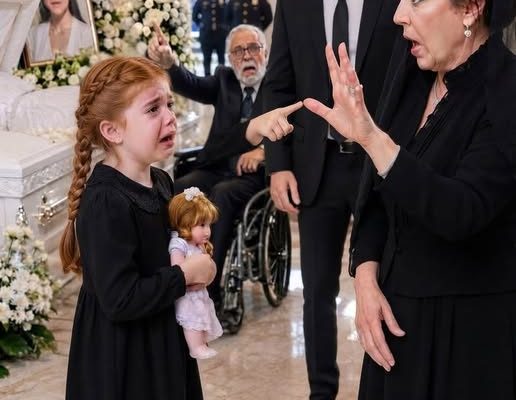
I returned from a trip to find a casket in my home, setting off a investigation when my daughter whispered the truth.

PART 1

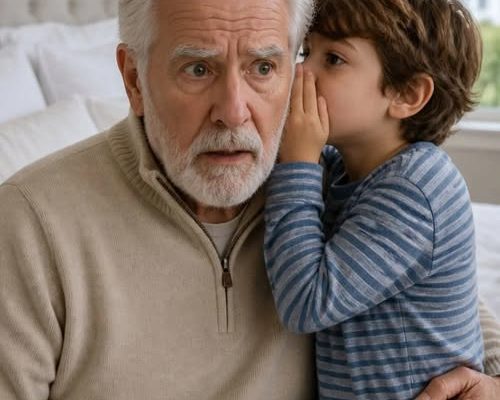
“Grandma is lying! Mommy didn’t just die for no reason!” my six-year-old daughter screamed beside the casket.

Every person in the room froze.

I had returned to Silver Creek, Ohio, after spending three days completely unreachable during a security assignment for the transportation company where I worked. In my duffel bag were two gifts: a green silk scarf for my wife, Clara, and a doll for our daughter, Lily.

I had imagined them waiting on the porch.

Instead, funeral flowers covered our yard.

A black ribbon hung from the gate.

And Clara’s photograph stood beside a casket in our living room.

My mother, Teresa, rushed toward me crying.

“You’re too late, Alex. Clara died almost three days ago.”

I could barely process her words.

“Why didn’t anyone contact me?”

“Your supervisor said your assignment couldn’t be interrupted.”

My aunt Beatrice, who owned the local funeral home, immediately urged everyone to leave for the cemetery.

“Clara had been struggling emotionally,” she said. “Dragging this out will only damage her reputation.”

Before I could respond, my father Arthur slammed his left fist against his wheelchair.

A stroke had taken most of his speech and movement, but his mind remained sharp.

He pointed desperately toward the third floor.

Then Lily tore free from her grandmother.

“Grandma is lying!” she cried. “Uncle Derek broke Mommy’s door! Mommy screamed, and Grandma took her phone! They locked us inside!”

My brother Derek turned pale.

Teresa quickly shook her head.

“She’s traumatized. She doesn’t understand what happened.”

I knelt in front of Lily.

“Tell me exactly what you remember.”

She clung to me.

“Mommy wanted to call you. Uncle Derek wouldn’t let her leave. Grandma took the phone. Mommy kept asking for help.”

My father pounded his wheelchair again, then pointed beneath his seat cushion.

Aunt Beatrice suddenly raised her voice.

“Alex, stop this. Bury your wife first. Family problems can wait.”

That sentence made everything inside me change.

I grabbed a relative’s phone and called 911.

Teresa tried to stop me.

“Family matters stay inside the family!”

I stared at her.

“A suspicious death isn’t a family matter.”

Police arrived minutes later.

As officers entered, Beatrice stepped into the hallway and typed something on her phone.

I caught four words:

**He is getting suspicious.**

Derek quietly moved toward the stairs.

I blocked him.

“No one goes upstairs.”

For the first time, my brother looked afraid.

And whatever had happened during those three days was about to come apart.

PART 2

Detectives stopped the funeral immediately.

The third floor became a crime scene.

Investigators found damage around Clara’s bedroom door, broken glass beneath furniture, and evidence that someone had tried to clean the room.

Lily repeated her account to a child specialist without changing the important details.

Derek had forced his way inside.

Clara had screamed.

Teresa had taken her phone.

The door had later been locked from outside.

Medical evidence also showed that Clara had been injured before her death and had not received the emergency assistance she had requested.

My mother continued insisting Clara had been unstable.

Then my father asked for his communication board.

Slowly, painfully, he spelled:

**DEREK. DOOR. SCREAMS. TERESA. PHONE. BEATRICE. BLACK BAG.**

Then he pointed underneath his wheelchair again.

An officer searched beneath the cushion and discovered an SD card taped to the frame.

The files on it changed everything.

There was a photograph of Derek trying to open my home safe.

There was also an audio recording about his gambling debts.

Then investigators found a voice message from my supervisor, Arthur Vance:

“Get the black ledger and security card before Alex returns. If Clara knows anything, take her phone.”

The black ledger contained confidential transportation schedules connected to a shipment worth more than ten million dollars.

The security card provided access to our tracking network.

Vance had ordered me to store both inside my home safe during my assignment.

Derek owed roughly $20,000 to dangerous lenders. Someone known as “The Fixer” had offered to erase his debt if Derek stole the information.

My mother had already pawned valuables and even used money intended for my father’s care trying to rescue Derek financially.

But Clara had discovered everything.

She photographed Derek’s messages and secretly rented a townhouse near the elementary school where she worked. She intended to take Lily and my father there.

Her coworker Patricia later gave investigators an envelope Clara had left with her.

Inside were copies of messages, the rental agreement, and a letter for me.

Clara wrote that she wasn’t trying to destroy my family.

She was trying to protect Lily and my father.

Then came the sentence that crushed me:

**Last night I told you I was afraid. You told me to wait until you came home.**

I remembered the call.

She had warned me.

And I had dismissed her fear.

Investigators then recovered another recording hidden behind our bathroom mirror.

My mother’s voice could clearly be heard threatening Clara if she reported Derek.

Shortly afterward, Clara could be heard asking for medical assistance before the bedroom door was secured from outside.

The detective looked directly at me.

“Your brother started this. But other people helped cover it up.”

Then another officer rushed into the room.

Aunt Beatrice was gone.

She had fled in a funeral home van carrying two large bags removed from upstairs.

Whatever those bags contained, she was desperate to destroy it.

PART 3

State police found Beatrice’s van behind her funeral home.

Investigators recovered damaged clothing, bedding remnants, hardware matching Clara’s broken bedroom door, and other evidence someone had attempted to destroy.

Security footage showed Beatrice arriving before sunrise while Derek watched the entrance.

One employee eventually confessed.

Beatrice had ordered him to destroy evidence, erase security records, rush funeral preparations, and arrange a burial before proper questions could be asked.

The full story finally emerged.

Derek had gone upstairs looking for the ledger and security card.

He tried to take Clara’s phone because she had saved proof of his conversations.

When she refused, the confrontation turned violent.

Lily witnessed enough to understand her mother was in danger.

Teresa entered afterward.

She saw the damaged room, Clara’s condition, and Lily crying.

Clara begged her to call for help.

Instead, Teresa chose Derek.

She took Clara’s backup phone and insisted they handle everything privately.

When Clara refused to stay silent, Teresa threatened to blame her.

Then Clara and Lily were locked inside the bedroom.

Clara had hidden a recorder and written down what happened.

She also tried unsuccessfully to send Alex an emergency message from an old tablet.

Help never arrived.

By morning, Clara had died from the consequences of the violence and the deliberate refusal to provide emergency care.

Teresa called Beatrice instead of authorities.

Beatrice quickly constructed a false story designed to make Clara appear emotionally unstable and financially troubled.

But the conspiracy extended further.

Vance had kept me isolated during my assignment because he needed my credentials.

His plan was to steal the ten-million-dollar shipment and make it appear that I had leaked the route information.

Derek was merely one piece of the scheme.

Police raided the loan shark’s property and recovered the ledger and security card. “The Fixer,” realizing everyone else was abandoning him, gave investigators recordings and meeting details.

Vance was arrested at a motel.

His office contained route maps, false paperwork, cash, and plans connected to the attempted shipment robbery.

Once arrests began, everyone blamed everyone else.

Derek blamed Teresa.

Teresa blamed Beatrice.

Beatrice claimed she was protecting the family.

Vance denied knowing Derek.

Not one of them spoke about Clara as a person.

To them, she had simply become an obstacle.

My father later gave his own statement.

Months earlier, he had noticed Derek behaving suspiciously around Clara and stealing a spare key. He had tried to warn people, but Teresa had hidden his communication board and told everyone his stroke had left him confused.

He slowly spelled a message to me:

**MY SILENCE PROTECTED HIM.**

At the county jail, Teresa still begged me to save Derek.

“Clara is already gone,” she cried. “Sending your brother away won’t bring her back. He’s your blood.”

I stood up.

“Clara was someone’s daughter. She was my wife. She was Lily’s mother. She asked you for help, and you chose him.”

Months later, Derek, Teresa, Beatrice, Vance, and the others received lengthy prison sentences for their roles in the violence, confinement, evidence destruction, theft conspiracy, and attempted robbery.

Justice couldn’t bring Clara back.

I resigned from my security position and moved with Lily and my father into the townhouse Clara had rented.

It had three bedrooms, a fenced yard, and an oak tree near the porch.

The home she had chosen because she believed we would finally be safe there.

Lily began therapy.

For months, the sound of a door locking frightened her.

So every time I closed one, I reminded her:

“You can always open this door.”

Slowly, she began feeling safe again.

One afternoon, she drew three people standing beneath sunflowers.

The woman in the center wore a green scarf.

“That’s Mommy,” Lily said. “She’s somewhere nobody can lock her away.”

On the anniversary of Clara’s death, we visited her grave.

Lily placed a letter beside the flowers.

**Mommy, we live in the new house. Grandpa is here. Daddy comes home early now.**

I placed the green silk scarf I had once bought for Clara beside it.

For years, I thought being a good husband meant earning money and solving problems.

But Clara needed something simpler.

She needed me to believe her when she said she was afraid.

My greatest mistake was believing there would always be time to listen later.

There wasn’t.

And Lily will grow up knowing one truth:

Protecting someone from the consequences of cruelty is not love.

A family is not made safe by sharing the same blood.

A home becomes a home when nobody inside has to beg to be believed.
I returned from a trip to find a casket in my home, setting off a investigation when my daughter whispered the truth. Read More

My husband disabled his phone location every afternoon, setting off a search that revealed a heartbreaking reality.

PART 1

Four months after our twin boys were born, my husband Daniel began turning off his location every time he left the house.

He blamed technical glitches.

Then exhaustion.

Then me.

When money started disappearing from our emergency account and his phone became permanently locked, I became convinced there was another woman.

So one afternoon, I followed him.

What I found was something I never imagined.

A teenage girl stood beneath an oak tree holding a box of photographs of our twins.

Then she looked at my husband and said:

“I don’t want more pictures, Dad. I want the truth.”

I stopped walking.

Dad?

Daniel turned and saw me.

His face went pale.

“Megan…”

The girl looked about seventeen.

She had Daniel’s gray eyes.

I stared at him.

“Who is she?”

Daniel swallowed.

“Her name is Isla.”

Then the girl answered for him.

“I’m his daughter.”

Everything suddenly made sense and absolutely no sense at all.

Daniel and I had been together eight years and married for six.

Until recently, I would have described our marriage as solid.

We rarely argued.

He brought me coffee in bed.

When our twins, Kai and Theo, finally arrived after years of hoping for children, Daniel was attentive and loving.

He knew which baby preferred being rocked and which one settled faster with white noise.

That was why his first lie seemed so strange.

One afternoon, I checked our shared location because we were almost out of formula.

His location was unavailable.

When he returned, I asked if he had switched it off.

“No. Probably a glitch.”

But it happened again.

And again.

Every time Daniel left home, his location disappeared within minutes.

When I asked him to test the app, he became defensive.

“You’re exhausted, Megan. Maybe you’re overthinking things.”

Then he started taking his phone into the shower.

He changed the passcode.

Twice, I woke after midnight and found him gone from bed.

One night, I discovered him standing between the twins’ cribs looking at a photograph on his phone.

A dark-haired teenage girl stood beside an unfamiliar woman.

“Who is that?”

Daniel immediately locked the screen.

“Something from work.”

“Work sends family photographs after midnight?”

He refused to answer.

A few days later, his phone lit up while we were waiting at the pediatrician’s office.

I saw part of a message.

**I can’t keep being your secret. Mom died believing that…**

Daniel grabbed the phone.

“Wrong number.”

I stared at him.

“Wrong numbers don’t complain about being your secret.”

He promised we would talk later.

We didn’t.

Then I checked our emergency savings.

More than a thousand dollars was missing.

Daniel first denied taking it.

Then claimed it had gone toward household expenses.

Then vehicle repairs.

Finally, when I demanded the truth, he said:

“I can’t tell you.”

That was when I stopped believing his excuses.

My mother came over to help with the babies.

I told her everything.

She listened quietly.

“Don’t invent facts you don’t have,” she said. “But don’t let him convince you that you didn’t see what you saw.”

Two days later, Daniel announced he had an emergency work meeting.

He left wearing jeans.

His location disappeared immediately.

This time, I followed him.

He drove past his office.

Past the hospital.

Past the shopping district.

Finally, he stopped near a quiet memorial garden outside town.

That was where I saw Isla.

And heard her call my husband Dad.

PART 2

Daniel stepped toward me.

“Megan, please let me explain.”

I pointed toward the photographs Isla was holding.

“You brought her pictures of Kai and Theo.”

Daniel nodded.

“She’s their sister.”

That word hurt more than the affair I had imagined.

I turned toward Isla.

“How old are you?”

“Seventeen.”

Then I looked at Daniel.

“You have a seventeen-year-old daughter, and you never told me?”

He lowered his eyes.

“I was nineteen when she was born.”

Beside the oak tree stood a memorial plaque bearing the name Esme.

Isla’s mother.

She had died seven months earlier.

Daniel explained that when Isla was born, his parents had strongly pressured him to stay away.

They told him Esme wanted nothing from him and convinced him that leaving would protect everyone’s future.

But Isla interrupted.

“My mom kept his letters.”

Daniel stared at her.

“What?”

“All of them. She gave them to me before she died.”

So Daniel had written to Esme and Isla.

And Esme had never destroyed those letters.

The story Daniel’s parents had told him all those years ago was not the complete truth.

But another problem remained.

“When did Isla contact you?” I asked.

Daniel hesitated.

Isla answered.

“Before the twins were born.”

I stared at him.

“You knew while I was pregnant?”

“I didn’t answer her immediately.”

“When did you?”

“After Kai and Theo came home.”

I felt anger rise inside me.

While I was recovering from childbirth and trying to care for two newborns, Daniel had been secretly meeting a daughter I didn’t know existed.

“I didn’t know how to tell you,” he said.

“You mean you didn’t want to tell me.”

“You were overwhelmed.”

There it was again.

My exhaustion.

My recovery.

Our babies.

Every time the truth became uncomfortable, Daniel used my condition as an excuse to hide it.

I turned toward Isla.

“What was the money for?”

She looked embarrassed.

“Bills. After Mom died, I needed help. I didn’t know he was taking it from your emergency account.”

“I believe you.”

Daniel looked up.

“Helping your daughter wasn’t the betrayal,” I said. “Hiding her and taking money without telling me was.”

Isla’s eyes filled with tears.

“I thought you knew about me.”

That hurt more than I expected.

“No, sweetheart. I didn’t.”

Daniel had not only lied to me.

He had allowed Isla to believe that I knew she existed and had agreed to keep her away from her brothers.

I stepped back when Daniel reached toward me.

“You’re not coming home tonight.”

“Megan, the boys need me.”

“They need honesty more.”

For once, Daniel didn’t get to decide when I was ready for the truth.

The next morning, I asked him to come over.

My mother stayed upstairs with the twins.

“Start at the beginning,” I said.

Daniel finally told me everything.

He and Esme had been nineteen when Isla was born.

His parents believed becoming a father would ruin his future.

They pressured him into signing an agreement that removed him from Isla’s daily life.

Daniel sent letters anyway.

Eventually, he believed Esme wanted him gone.

Years passed.

Then five months earlier, after Esme died, Isla found his letters and contact information.

She reached out.

Daniel panicked.

He was preparing for the birth of Kai and Theo and suddenly faced the daughter he had spent seventeen years trying not to think about.

“I was ashamed,” he admitted.

“You still chose to hide her.”

“I didn’t know how to bring seventeen years of mistakes into our house.”

“You start by telling the truth.”

He looked toward the stairs where the twins were sleeping.

“What happens now?”

I gave him an answer he didn’t expect.

“Bring Isla here tomorrow.”

PART 3

Daniel stared at me.

“Megan, are you sure?”

“I’m not forgiving you.”

I paused.

“But Isla isn’t going to pay for your choices.”

The next afternoon, Daniel brought her to our house.

Isla stopped inside the doorway when Theo began crying.

She looked nervous.

“Can I hold him?”

I gently placed Theo into her arms and showed her how to support his head.

Her eyes immediately filled with tears.

Within an hour, she was sitting between the twins’ cribs learning everything about them.

Kai always kicked off his blanket.

Theo disliked the stuffed fox.

One settled faster when someone hummed.

The other loved being carried near the window.

Daniel watched from the hallway.

I turned toward him.

“Don’t confuse my kindness toward Isla with forgiveness for you.”

“I won’t.”

Over the following weeks, Daniel gave me access to every message, withdrawal, and account.

He began counseling.

He also finally confronted his parents.

His mother tried to defend what they had done years earlier.

“We were protecting Daniel’s future.”

“No,” I told her. “You protected his comfort. Esme raised his daughter.”

Then I looked at Daniel.

“He was nineteen when you pressured him. But he was thirty-six when Isla came back into his life, and he chose to hide her again.”

Daniel finally said the words he should have spoken months earlier.

“Isla is my daughter. Kai and Theo are not my only children. Megan wasn’t too fragile for the truth. I was too afraid to face it.”

Months passed.

Isla began visiting regularly.

I never tried to replace Esme.

That wasn’t my role.

But I made sure Isla knew she had a place in our home.

She left a toothbrush in the guest bathroom.

She learned how to make bottles.

She sat outside with Kai against her chest while Theo kicked at the grass beside her.

She still missed her mother deeply.

But slowly, the lonely look in her eyes began to fade.

Our family couldn’t erase what she had lost.

We could only give her somewhere safe to belong afterward.

Daniel continued trying to repair what he had damaged.

One afternoon, he handed me another folder containing financial records and messages.

“I want my family back.”

I looked at him.

“You don’t get your family back simply because you finally admitted the truth.”

His face fell.

“What do I do?”

“Keep showing up honestly.”

I paused.

“Then I’ll decide whether there’s still a place for you beside us.”

Daniel had spent months believing the truth would destroy our family.

Instead, the lies had done most of the damage.

The truth simply gave me the information I needed to decide what happened next.

And while Daniel worked to earn back the trust he had broken, Isla finally learned something she should have known seventeen years earlier:

She was never the secret.

She was his daughter.

And this time, nobody was going to ask her to disappear.

My husband disabled his phone location every afternoon, setting off a search that revealed a heartbreaking reality. Read More

My grandson begged me to stop sending money to his dad, setting off a discovery that exposed six years of deceit.

PART 1

“Grandpa, please don’t give Dad any more money. Just follow him one day… then you’ll understand.”

Arthur Miller froze on the park bench as melted ice cream ran over his fingers. Across from him, his six-year-old grandson Leo no longer looked like the cheerful boy who had been showing off dinosaur stickers minutes earlier. Instead, he kept glancing nervously toward the walking path.

“Who told you to say that?”

“Nobody,” Leo whispered. “I heard Dad talking to a woman. They laughed because you said you were sending him more money.”

For six years, Arthur had transferred $1,500 every month to his son-in-law, Marcus Vance. It had started after Arthur’s daughter, Claire, supposedly di3d in a terrible car acc:ident. Her vehicle had gone off an icy road and was badly damaged. Authorities told the family the remains recovered belonged to Claire. Six months later, Arthur’s wife Evelyn di3d after a severe heart atta:ck, and Arthur always believed grief had taken away her will to keep going.

Marcus had been left with baby Leo, so Arthur helped without hesitation. Mortgage payments, daycare, clothing, medical bills—every year Marcus had another emergency. Arthur rarely questioned him because Leo was the only connection he believed he had left to Claire.

That afternoon, when Arthur returned Leo home, Marcus waited beside his SUV.

“Arthur, I’ll need about three thousand next month. Some unexpected bills came up.”

“Double?”

“Roughly.”

For the first time, Arthur hesitated.

“I’ll think about it.”

Marcus’s smile disappeared.

Two days later, a blonde woman entered Arthur’s hardware store, bought a box of screws, and left quickly. Through the window, Arthur watched her cross the street to Marcus’s truck. She leaned into the driver’s window and kissed him.

Arthur felt anger, but something else bothered him more. The woman looked familiar.

He called his longtime friend Frank Miller, a retired detective.

“I need you to help me follow Marcus.”

“You think he’s seeing someone?”

“I think it may be worse than that.”

That evening, Arthur searched through old family belongings until he found the brass urn that supposedly contained Claire’s ashes. For reasons he couldn’t explain, Leo’s w3rning had made him question everything. He unscrewed the lid and poured the contents onto newspaper.

There were no ashes.

Only gray sand, crushed plaster, and cement dust.

Arthur immediately called Frank.

“My daughter isn’t in this urn.”

Over the next four days, they quietly followed Marcus. On the third day, the blonde woman drove to Marcus’s house and unlocked the front door with her own key. Frank checked her license plate.

Her name was Chloe Vance.

Arthur went pale. Chloe had been Claire’s closest college friend—and Marcus had told police that Claire spent her final evening at Chloe’s apartment before the crash.

The next day, Marcus drove to an abandoned industrial area near the county line. He entered an old gatehouse and remained there for nearly an hour. Frank had photographs taken from a distance. In one image, a thin woman stepped outside briefly to retrieve groceries Marcus had left behind.

Arthur stared at the photograph.

The woman tilted her head slightly to the right, exactly the way Claire had since childhood whenever she was nervous.

“Zoom in on her hand.”

Frank enlarged the image.

A tiny heart-shaped scar was visible on her right index finger.

Arthur stopped breathing.

“That’s Claire.”

That night, they returned to the gatehouse. Inside were water bottles, a hotplate, a thin mattress, and dozens of photographs of Leo taped to the walls.

Then a frightened woman backed into a corner.

Arthur knew her eyes immediately.

“Claire?”

She covered her mouth.

“Dad?”

Arthur dropped to his knees.

“What happened to you?”

Claire began crying.

“I agreed to disappear.”

“Why?”

Her voice shook.

“Because Marcus made me believe I had killed Chloe.”

Arthur looked toward Frank.

Frank slowly raised his phone.

On the screen was a recent photograph of Chloe—alive, healthy, and smiling beside Marcus.

Claire stared at it in horror.

PART 2

Claire explained what had happened six years earlier. She had gone to Chloe’s apartment to confront her over a $10,000 loan. Marcus encouraged the meeting and suggested they talk over wine. After only one drink, Claire became unusually dizzy. During an argument, she pushed Chloe away. Chloe fell near a marble table, and Claire saw what appeared to be a serious accident.

Terrified, Claire called Marcus.

“He arrived and told me Chloe was gone,” Claire whispered. “He said I would be charged, lose Leo, and spend decades in prison.”

Marcus then offered a solution. He claimed he could arrange for another unidentified victim to be registered under Claire’s name, stage Claire’s death, and hide her for six months until the investigation ended. Afterward, he promised to take Leo and start a new life with her somewhere else.

“He said it would only be months,” Claire said. “Then months became years.”

Once she was hidden, Marcus took her phone and identification. He repeatedly showed her fake police notices and fabricated news stories claiming authorities were still searching for her. Whenever she begged to see Leo, he warned that appearing in public would lead to immediate arrest.

The photographs Arthur sent Marcus every month were the only glimpses Claire had of her son.

“I stayed because I thought I was protecting him.”

Arthur looked at the wall and struggled with his emotions.

“Your mother died believing you were gone.”

Claire closed her eyes.

“I know.”

Arthur’s grief briefly turned to anger, but Frank stopped him.

“She didn’t abandon anyone, Arthur. She was manipulated and isolated.”

Arthur finally looked at his daughter—not as someone who had disappeared willingly, but as someone who had spent six years trapped by fear. He wrapped his arms around her.

“I’m sorry, sweetheart.”

Investigators were contacted immediately. Claire was moved to a secure medical facility, and authorities quickly confirmed there had never been a warrant for her arrest. Chloe had never been reported dead. The entire incident at the apartment had been staged with sedatives and theatrical effects.

The real motive was money and control.

Marcus and Chloe wanted Claire out of the way without a divorce. Over six years, Marcus had taken more than $100,000 from Arthur, using much of it for his own lifestyle. Investigators also discovered that Marcus and Chloe were preparing to leave the country soon.

Leo had overheard them discussing what they believed would be Arthur’s final transfer.

Police planned a sting operation.

Claire agreed to return temporarily to the gatehouse while wearing a hidden recording device. Officers waited nearby.

That evening, Marcus arrived with food.

“What’s wrong with you?” he asked.

Claire looked directly at him.

“I know Chloe is alive.”

Marcus froze.

“What did you say?”

“I also know there was never a warrant.”

For several seconds, Marcus stared at her. Then he smiled.

“And who exactly is going to believe you?”

Claire continued.

“Does Chloe think this is funny too?”

Marcus called her.

Twenty minutes later, Chloe arrived angry and impatient. Believing Claire was still powerless, the two finally stopped pretending.

Chloe admitted the accident had been staged.

Marcus bragged about creating fake police notices to keep Claire afraid.

Then he laughed about Arthur’s money.

“Your father sent it every month. Easiest money I ever made.”

Claire’s face tightened.

“My mother died because of this lie.”

Chloe shrugged.

“That wasn’t planned, but afterward everything became easier.”

In the surveillance van, Arthur heard every word through headphones.

Then Claire asked the most important question.

“What were you going to do with Leo when you left?”

Marcus answered casually.

“Leave him with Arthur.”

Claire forced herself to stay calm.

“Then take me with you. I only want to be near my son.”

Chloe immediately refused.

Marcus stepped closer.

“You’re not coming anywhere. We’ll deal with you before we leave.”

That was enough.

Officers entered the gatehouse and arrested both of them.

Arthur rushed inside afterward.

Claire was sitting on the mattress, shaken but safe.

For the first time in six years, nobody would lock the door after her.

PART 3

The investigation uncovered the full conspiracy. Marcus, Chloe, and two accomplices had helped falsify Claire’s death and manipulate official records. The fake urn Arthur had kept for years became evidence in court.

Claire testified about the years she had spent hidden away, the milestones she missed, and the son she had only been allowed to watch grow through photographs.

Her voice finally broke when she spoke about Evelyn.

“My mother died believing a lie they created. They didn’t only steal six years from me. They stole the years she should have had too.”

The recorded confession from the gatehouse made denying the scheme nearly impossible. Marcus and Chloe were convicted on multiple serious charges, their assets were seized, and restitution was ordered for Arthur and Claire.

But no sentence could return the lost years.

Claire had to legally restore her identity and slowly rebuild her health. Marcus lost parental rights, and Arthur temporarily cared for Leo while Claire went through treatment and therapy.

Their first reunion was quiet.

Leo stood near Arthur’s living-room doorway holding a toy car, staring uncertainly at the woman he had been told was his mother.

Claire didn’t rush toward him. She sat on the floor near his toys.

“Hi, Leo.”

“Hi. They said you’re my mommy.”

“I am. But I know this is strange. We can take as much time as you need.”

Leo thought for a moment.

“Did you know Grandma Evelyn?”

Claire placed a hand over her heart.

“She was my mom. And she loved you more than anything.”

That small connection became the beginning.

There was no instant perfect reunion. There were therapy sessions, difficult questions, confusion, and days when Leo felt angry. But slowly, ordinary life began replacing fear.

Two months later, Claire moved into Arthur’s duplex nearby. One morning, she made Leo’s school lunch and completely squashed his sandwich.

Leo examined it.

“Mom, this looks terrible.”

Claire laughed.

“I’m a little out of practice.”

“Yeah. I can tell.”

The next afternoon, Claire stood near the school gates and overheard Leo proudly telling another child:

“My mom made my lunch today.”

Claire turned away so he wouldn’t see her crying.

On Sundays, Arthur, Claire, and Leo began visiting Evelyn’s grave with flowers. At home, the shelf that once held the fake urn remained empty until Leo placed Evelyn’s photograph there beside a jar of her favorite candies.

One evening, the three of them cooked from one of Evelyn’s old handwritten recipes. Leo set the table while Arthur complained that nobody trusted him with the salt.

For a moment, the kitchen became quiet.

They could not recover the six years they had lost. Evelyn’s chair would always remain empty. The scars would never disappear completely.

But Claire was alive.

Leo was safe.

Arthur had his daughter back.

And the entire truth had come to light because one little boy had quietly told his grandfather:

“Just follow my dad.”

Sometimes the truth doesn’t arrive loudly.

Sometimes it begins as a whisper—and changes everything when someone finally decides to listen.

My grandson begged me to stop sending money to his dad, setting off a discovery that exposed six years of deceit. Read More

My sister pulled my chair away at her wedding dinner, setting off a mass exit that ruined her reception.

PART 1

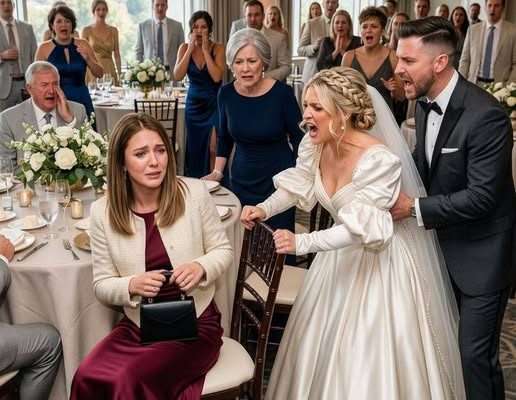
My sister grabbed the back of my chair and pulled it away just as I was about to sit down.

“This table is for family—not you.”

For a second, I thought I had misunderstood her. The ballroom was loud with music, conversation, and the clinking of glasses, but Brooke was staring directly at me. She was still wearing her elegant ivory reception dress while her new husband, Ethan, stood across the room greeting guests.

I looked down at the place card on the table.

CLAIRE BENNETT.

My name.

Brooke picked it up.

“You’ve been moved. There’s another table near the kitchen for people who aren’t immediate family.”

I gave a short laugh because the alternative was crying.

“I’m your sister.”

“Half-sister,” she corrected.

That was enough.

I picked up my purse without arguing.

Brooke’s expression shifted. She had clearly expected me to protest, cry, or cause a scene. She had prepared herself for a fight.

She hadn’t prepared for me to simply leave.

“Claire,” Grandma Rose called.

I turned.

My eighty-one-year-old grandmother looked at Brooke, then at the empty space where my chair had been.

“Is this really your decision?”

Brooke folded her arms.

“Yes.”

Grandma calmly pushed back her chair and stood.

Then Aunt Diane stood.

Aunt Melissa followed.

Then Aunt Ruth.

My cousin Tyler muttered, “You’ve got to be kidding,” and got to his feet. His wife joined him. Then Jenna, Mark, Olivia, Sam, and several other relatives rose from the table.

Within seconds, nearly everyone around us was standing.

Brooke went pale.

“You don’t all have to leave.”

Grandma picked up her handbag.

“Neither does Claire.”

People at nearby tables started noticing. More relatives stood. Family friends who knew I had spent four years helping Grandma after her hip surgery began collecting their things as well.

I started walking toward the ballroom doors with my throat burning.

Then Ethan’s voice came through the microphone.

“Wait. Where is everyone going?”

No one answered.

Brooke shouted my name.

Ethan spotted me near the exit, noticed Grandma and half the family following, then turned toward his bride.

His face changed.

“What did you do to her?”

Brooke stared at him.

“Nothing.”

Ethan lowered the microphone.

“Half your family is leaving before the toast. That is not nothing.”

“She’s being dramatic.”

I turned around.

“I haven’t said a word.”

And that was the problem for Brooke. There was no screaming sister she could blame. No broken glass. No insult she could later twist.

There was only the chair she had pulled away and all the relatives who had watched her do it.

Aunt Diane finally spoke.

“She told Claire the family table wasn’t for her.”

Ethan blinked.

“What?”

“She said I’m not immediate family,” I explained.

Brooke rushed to defend herself.

“I only said the seating changed.”

“To where?” Ethan asked.

Brooke hesitated.

Tyler answered instead.

“Table nineteen. Beside the service doors.”

Ethan looked toward the far corner of the ballroom. Table nineteen was where several vendors, distant coworkers, and a few last-minute guests had been placed.

His jaw tightened.

“Why?”

My stepmother Linda approached from the head table.

“This is a wedding. Can everyone stop making everything about Claire?”

Grandma turned slowly toward her.

“No.”

Linda stiffened.

“Brooke made this about Claire when she publicly removed her sister from her own family.”

Ethan walked closer.

“Brooke, why did you move her?”

My sister glanced at me.

And suddenly, I knew.

Three weeks earlier, Brooke had called asking me for twelve thousand dollars because she and Ethan had gone over their wedding budget.

I had refused.

Two years earlier, I had already loaned her eight thousand dollars for a professional course she claimed she needed. Instead, she spent most of it on a trip to Miami and never paid me back.

I had never told Ethan.

Apparently, Brooke hadn’t either.

“Is this because I wouldn’t lend you the twelve thousand dollars?” I asked.

Ethan’s head snapped toward her.

“What twelve thousand dollars?”

Brooke’s face drained of color.

Linda closed her eyes.

That tiny reaction told Ethan there was much more he didn’t know.

“You asked Claire for money?”

“We can discuss this later.”

“No,” Ethan replied. “You told me your mother covered the budget difference.”

Linda immediately shook her head.

“I did not.”

Ethan stepped away from his bride.

The reception suddenly became very quiet.

Brooke pointed at me.

“She always does this. She walks in acting superior because Grandma adores her and everyone takes her side.”

“I came to your wedding. I brought you a gift. I sat where your coordinator placed my name. You were the one who pulled my chair away.”

Ethan stared at Brooke.

“Did you invite your sister here just to humiliate her?”

She didn’t answer.

That silence answered for her.

I turned toward the doors again.

“Claire, wait,” Ethan said. “Not because of Brooke. Because I need to know what else I don’t know.”

And that was when I realized their reception might not survive the next few minutes.

PART 2

I didn’t want to be responsible for destroying my sister’s marriage.

Whatever problems Brooke and Ethan had belonged to them.

So I looked at Ethan and said quietly:

“I’m not staying here to put your wife on trial.”

Brooke gave a bitter laugh.

“How convenient.”

Grandma Rose turned toward her.

“Enough.”

Ethan looked exhausted.

Then he asked me another question.

“Has Brooke borrowed money from you before?”

I hesitated.

Brooke answered quickly.

“That was years ago.”

“That wasn’t my question,” Ethan said.

I could feel dozens of people listening.

“Eight thousand dollars. Two years ago.”

“For the certification program?” Ethan asked.

That surprised me.

I nodded.

“That’s what she told me.”

He turned to Brooke.

“You told me your father paid for that course.”

“He was supposed to.”

“You told me you completed it.”

“I did most of it online.”

Without thinking, I shook my head.

Ethan noticed.

“What?”

“There was no course,” I said quietly. “At least not one she used my money for.”

Brooke’s head snapped up.

“You don’t know that.”

“You posted pictures from Miami the same week you told me enrollment had been delayed. When I asked for a tuition receipt, you stopped answering me.”

“That proves nothing.”

“No. It only explains why I wouldn’t lend you another twelve thousand.”

Linda tried to interrupt.

“Everyone is emotional. This can wait until tomorrow.”

Ethan looked at her.

“Did you know Brooke asked Claire for wedding money?”

Linda admitted she knew Brooke was short on cash.

Then Ethan’s father, Robert, stepped closer. A retired accountant, he looked at the situation as if numbers had suddenly stopped adding up.

“How much money are we talking about?”

Ethan took out his phone.

“Brooke and I have a joint account for wedding expenses. We each agreed to contribute thirty-five thousand dollars. My share is there. She told me hers was too.”

Brooke whispered:

“Don’t.”

He opened the banking app.

His face went still.

“There’s only fourteen thousand left.”

Robert frowned.

“After the final vendor payments?”

“No. Before.”

Brooke started crying.

“I was going to fix it.”

“How much is missing?” Ethan asked.

She covered her mouth.

“Brooke.”

“Twenty-one thousand.”

Linda gasped.

“Where did twenty-one thousand dollars go?”

Brooke said nothing.

Then her maid of honor, Kelsey, spoke.

“Tell him.”

Brooke spun around.

“Stay out of this.”

Kelsey looked miserable.

“You told me he already knew.”

“Knew what?” Ethan asked.

“The credit cards.”

Piece by piece, everything came out.

Six months earlier, Brooke had hidden three nearly maxed-out credit cards from Ethan. She used part of her wedding savings to pay them down, expecting to replace the money with a year-end bonus.

The bonus was smaller than expected.

Instead of reducing the wedding budget, she upgraded everything—premium flowers, expensive champagne, extra lighting, and a designer second dress.

When the bills arrived, she started borrowing.

Two thousand from Linda.

Three thousand from Kelsey.

Five thousand from a retirement account.

Then she came to me for twelve thousand because she assumed I would say yes, just as I had so many times before.

When I refused, she panicked.

And apparently decided I deserved to be punished.

“So you put your sister at a back table because she wouldn’t cover money you secretly spent?” Ethan asked.

“It wasn’t like that.”

“What was it like?”

“She judged me.”

“I said no,” I replied. “That is all I did.”

“You made me feel pathetic.”

“I didn’t tell anyone you asked.”

Ethan looked at me.

“Not even Grandma?”

“No.”

Grandma raised her eyebrows. Even she hadn’t known.

Brooke stared at me as the realization settled in.

I had protected her reputation even after she tried to humiliate me publicly.

But instead of apologizing, she whispered:

“You always get to be the good one.”

That was when I finally understood.

There was no way for me to win with Brooke.

If I defended myself, I was arrogant.

If I stayed silent, I was manipulative.

If I helped her, I was showing off.

If I refused, I was selfish.

The game only continued as long as I agreed to play.

“I don’t need to be the good one,” I told her. “I just refuse to be your target anymore.”

Then I hugged Grandma, said goodbye to my aunts, and walked out.

This time, nobody stopped me.

Outside, Grandma appeared beside me, followed by several aunts and cousins.

“You really don’t all have to leave,” I said.

Grandma gave me a look.

“We know.”

That was exactly the point.

They weren’t leaving because I had demanded loyalty.

They were leaving because Brooke had forced everyone to decide whether humiliating me was acceptable.

And they had made their choice.

Instead of going home, we ended up at a twenty-four

PART 3

-hour diner ten minutes away.

Grandma ordered pancakes at eleven at night. Someone ordered fries for the table. A few relatives loosened their ties and kicked off uncomfortable shoes.

Nobody celebrated Brooke’s disaster.

Mostly, we talked about anything except the wedding.

At 11:42 p.m., Ethan sent me a message.

I’m sorry for what happened. You did not cause this. I asked Brooke to stay with her mother tonight. We’re not leaving for the honeymoon tomorrow.

I stared at the screen for a long time before replying.

I’m sorry you’re dealing with this. I hope you make whatever decision is right for you.

Then I put my phone away.

Three days later, Brooke called fourteen times.

I ignored every call.

Her texts changed depending on whom she wanted to blame.

First, I had destroyed her reception.

Then Grandma had.

Then Ethan’s family had always disliked her.

Then Kelsey was a traitor.

Eventually, she admitted she had been under “impossible financial pressure.”

Finally, she wrote:

I shouldn’t have moved your seat. I was angry because you could have helped me and chose not to.

That sentence told me she still didn’t understand.

I replied once.

My money was never your right. Neither was my silence. Don’t contact me again until you can speak to me without blaming me for your decisions.

Then I blocked her.

Despite what several relatives expected, Ethan didn’t immediately end the marriage.

Instead, he moved into his brother’s apartment for six weeks.

He demanded full financial disclosure from Brooke.

The honeymoon was postponed indefinitely.

They began marriage counseling and met separately with a financial adviser.

Brooke sold her second wedding dress, several designer handbags, and jewelry she had purchased on credit. Ethan eventually moved home, but only under strict conditions: separate personal accounts, shared visibility into household expenses, no hidden debt, and a repayment plan.

What nearly destroyed their marriage wasn’t what happened at the reception.

It was the lying.

My own life changed too.

I stopped trying to prove that I deserved a place in my family.

When Thanksgiving arrived, Grandma hosted dinner and invited both Brooke and me.

Brooke arrived first.

I came twenty minutes later.

For a moment, we stood awkwardly in the entryway.

Without the wedding gown, the audience, and her certainty that everyone would rearrange themselves around her anger, Brooke seemed different.

“I’m in therapy,” she said.

I nodded.

“I know that doesn’t fix everything.”

“No.”

She swallowed.

“I was cruel to you.”

It was the first apology I could remember that didn’t include the word but.

“I know.”

Her eyes filled.

“I spent years thinking that whenever people loved you, there was less love left for me.”

“That was never how it worked.”

“I know that now.”

I didn’t hug her.

I didn’t tell her everything was forgiven.

Trust doesn’t return because someone says sorry once.

But I stepped aside and walked with her into the dining room.

Grandma had placed two cards beside each other.

BROOKE.

CLAIRE.

My sister stared at them.

Then she reached for my chair.

For one second, I froze.

But this time, she didn’t pull it away.

She pulled it out from the table so I could sit down.

“Thank you,” I said.

Brooke nodded and sat beside me.

Nothing was magically repaired that evening. Years of resentment didn’t disappear over Thanksgiving dinner.

But there was no public humiliation.

No test of loyalty.

No demand that I pay for the privilege of belonging.

When Grandma raised her glass, everyone remained seated around the same table.

And I finally understood something I should have learned years earlier.

I had spent too much of my life believing family was a place I had to earn by being useful, generous, or endlessly forgiving.

It wasn’t.

Because a seat that is freely offered is worth far more than one you have to pay to keep.

My sister pulled my chair away at her wedding dinner, setting off a mass exit that ruined her reception. Read More

I used sign language to help an ignored old man, setting off a moment that changed my internship forever.

I was a shy intern, the kind of person who practiced saying “good morning” before stepping into an elevator.

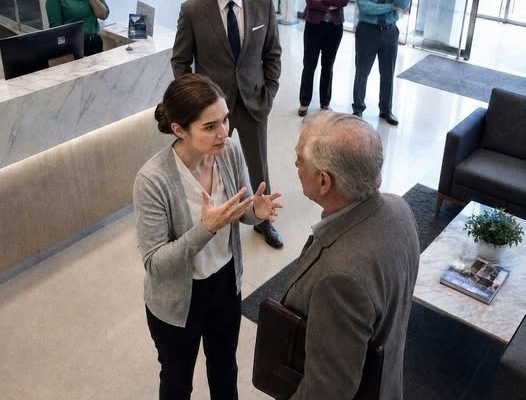
During my third week at Hawthorne Technologies in Seattle, I noticed an elderly man standing alone in the marble lobby. He wore a faded brown coat, carried an old leather briefcase, and kept looking between the reception desk and the security gate.

The receptionist raised her voice each time he failed to respond.

“Sir, you need an appointment.”

He pointed to his ear and shook his head.

She sighed. “I said, do you have an appointment?”

Two executives passed without slowing down. A security guard moved closer, already reaching toward the man’s elbow.

I knew enough American Sign Language to recognize the fear on his face.

My younger brother, Lucas, had been born Deaf. Our family learned to sign long before I learned to drive.

I left the visitor badges I had been sorting and walked over.

“Hello,” I signed. “Can I help you?”

Rain streaked the glass doors, while everyone inside seemed too busy to notice him.

The old man’s shoulders relaxed.

“My name is Walter,” he signed back. “I came to see Daniel Hawthorne.”

Daniel Hawthorne was our CEO.

“Do you have a meeting?”

Walter opened his briefcase and showed me a sealed envelope marked with the company logo. Before I could read the name written across it, my supervisor, Melissa Grant, rushed over.

“Emma, what are you doing?”

“Helping him.”

“You are an intern. Return to your desk.”

Walter signed, “She cannot understand me.”

I translated.

Melissa looked at his worn coat, then at the busy lobby.

“Tell him Mr. Hawthorne is unavailable.”

“He says the letter is urgent.”

Without asking, she took the envelope from Walter and glanced at the front.

For one second, her expression changed.

Then she pushed it beneath a folder on the reception counter.

“Security,” she said, “escort him outside.”

Walter reached toward the envelope.

The guard grabbed his wrist.

I stepped between them before I had time to think.

“Don’t touch him.”

The lobby went silent.

Melissa stared at me.

“You’re finished here.”

Then the private elevator doors opened.

Daniel Hawthorne stepped out with three board members behind him.

From the glass mezzanine above, he had clearly witnessed everything.

His eyes moved from the guard’s hand around Walter’s wrist to the hidden envelope.

Then Daniel looked directly at the old man and began signing.

“Dad,” he said with his hands, “why are you here?”…

Part 2

Nobody in the lobby moved.

Walter Hawthorne—the man security had almost escorted onto the sidewalk—was the CEO’s father.

Daniel crossed the lobby and removed the guard’s hand from Walter’s wrist.

He never raised his voice.

That somehow made the room feel colder.

“Who ordered this?” he asked.

Melissa answered first.

“There was confusion. He had no appointment.”

Walter began signing quickly.

Daniel watched every movement.

“He says he showed you a letter with his name on it,” I translated quietly.

Daniel turned toward the reception desk.

“Where is it?”

Melissa insisted she had never seen a letter.

I reached beneath the folder and pulled out the sealed envelope.

All the color left her face.

Daniel opened it in front of everyone.

Inside was a handwritten note, a hospital bracelet, and a flash drive.

Walter had spent the previous month visiting Hawthorne offices across three states without revealing who he was.

He wanted to see how employees treated people who struggled to communicate.

Seattle had been his final stop.

The hospital bracelet showed he had left a cardiology appointment only an hour earlier.

It had also been the worst visit.

Daniel invited Walter, the board members, and me upstairs.

Melissa was ordered to stay in the lobby.

Inside the conference room, Walter explained that he had founded Hawthorne Technologies forty-one years earlier.

After losing most of his hearing, he withdrew from public life but retained twenty-two percent of the company’s voting shares.

His visit was not simply a test of manners.

The flash drive contained complaints from Deaf employees, applicants, and customers.

Requests for interpreters had been ignored.

Video meetings had no captions.

One applicant had been rejected after a manager wrote, “Communication risk” beside her name.

That manager was Melissa.

Daniel looked at me.

“Did you know any of this?”

“No, sir.”

“Why did you help him?”

“Because he asked.”

Walter smiled.

Then he signed something to Daniel that the CEO did not translate.

I did.

“He says kindness that appears only after someone is identified is not kindness. It is strategy.”

One board member lowered his eyes.

By noon, Melissa and the security guard had been suspended while an investigation began.

Daniel asked me to remain in the conference room and interpret until a certified interpreter arrived.

I thought the crisis was ending.

Then Walter removed one final document from his briefcase.

It was a board resolution drafted the night before.

The first line proposed removing Daniel Hawthorne as CEO for allowing a culture of discrimination.

The second named the person Walter wanted appointed interim ethics officer.

My name was printed there.

And beneath it was evidence showing someone had deleted sixty-three accessibility complaints before the board could review them.

PART 3

I stared at my name until the letters barely looked real.

“I’m an intern,” I said.

Walter signed, “That means you have not yet learned which truths are profitable to ignore.”

Daniel did not fight the investigation.

He asked the board for forty-eight hours to secure the complaint system, preserve emails, and determine who had erased the records.

By evening, outside counsel had recovered the complaints from a backup server.

Melissa had deleted them using administrator access provided by Chief Operating Officer Richard Vale.

Vale had repeatedly told managers that disability accommodations were “cost centers.”

He approved rejection templates, canceled a captioning service, and instructed Human Resources to resolve complaints without leaving written records.

Daniel had not personally issued those orders.

But the system had developed beneath him while he praised efficiency and trusted reports that made the company appear clean.

The board placed Vale on leave and approved an independent audit.

Daniel remained CEO temporarily, but he lost authority over the investigation.

Walter withdrew the resolution naming me interim ethics officer after I told him that accepting a position I was unqualified for would repeat the company’s mistake—valuing appearances over competence.

Instead, I joined the review team as a paid accessibility liaison working under a certified compliance director.

Melissa was fired after investigators discovered she had altered applicant records and lied about taking Walter’s letter.

The security guard kept his job after retraining because the video showed he had followed Melissa’s order without using unnecessary force.

Vale resigned before the audit concluded, but the company published the findings and referred evidence of falsified compliance reports to regulators.

Hawthorne Technologies paid settlements to affected employees and applicants.

Interpreter services were restored.

Live captions were added to every company meeting.

An independent accommodation office was created.

And complaints became directly visible to the board’s audit committee.

Those changes did not happen because one intern made a heroic gesture.

They happened because Walter had gathered evidence, employees had saved copies, and the company was finally forced to listen to people it had trained itself to overlook.

Daniel apologized publicly.

Then he apologized privately to his father in sign language.

Walter listened without making the moment easier for him.

Months later, Daniel asked why Walter had never told the lobby employees who he was.

Walter signed, “I wanted to know who I became when my name was removed.”

I understood that more deeply than I wanted to.

For years, my shyness had convinced me that being unnoticed was the safest way to move through a room.

That morning taught me something different.

Invisibility can protect the quiet person.

But it can also protect the people causing harm.

I finished my internship and accepted a permanent position in employee accessibility.

Not because Walter owned shares.

Not because Daniel owed me anything.

Because I had learned how costly silence could become.

On my first day in the new position, Walter returned to the lobby.

This time, the receptionist greeted him in sign language before checking his name.

He smiled and looked at me.

“Better,” he signed.

Not perfect.

Better.

The CEO had been watching when I helped a Deaf man everyone else ignored.

But the moment that changed the company wasn’t when Daniel discovered who Walter was.

It was when everyone else finally understood that Walter should never have needed to be important before being treated like a person.

I used sign language to help an ignored old man, setting off a moment that changed my internship forever. Read More

My dad dismissed my labor contractions at dinner, setting off a sudden exit that cut all family ties.

“My contractions have started!” I cried during family dinner. Dad coldly told me to call emergency services and stop disturbing everyone. No one helped. One week later, my parents arrived smiling, expecting to meet their grandchild. I reminded them what they had done. Then the man standing behind me opened the door, and my father’s face instantly lost all color.

At thirty-one weeks pregnant, I already knew better than to expect much tenderness from my family. Still, I never imagined they would leave me sitting at the dinner table while my contractions came five minutes apart.

“Dad,” I cried, gripping the chair. “My contractions have started.”

My father, Richard Hale, barely looked away from the football game.

“Call emergency services and stop disturbing us,” he snapped.

My mother, Denise, sighed as though I had spilled something on the carpet. My younger brother, Caleb, kept eating.

No one moved.

“I can’t drive like this.”

“Then call an ambulance,” Dad said. “You’re an adult, Emily.”

Another contraction ripped through me.

I doubled over, gasping.

Caleb muttered, “Drama queen.”

I grabbed my purse, staggered outside, and called 911 from the driveway. The dispatcher stayed on the line until paramedics arrived.

Through the front window, I could still see my family sitting around the table while strangers helped me onto a stretcher.

Three hours later, at St. Joseph Medical Center in Kansas City, Missouri, I gave birth to my son.

Noah was premature, but he was breathing.

I was alone when a nurse placed him against my chest.

Alone when the doctor explained the complications.

And alone when I signed forms with trembling hands.

I called home twice.

Nobody answered.

Mom read the message announcing Noah’s birth but never replied.

Then I remembered the sealed envelope my grandmother had given me before she died.

Inside was a business card and one sentence:

If your father ever makes you feel trapped, call Daniel Mercer.

Daniel was the attorney who had handled Grandma Evelyn’s estate.

I called him from the hospital the next morning.

He arrived before lunch.

For the next six days, while Noah remained under observation, Daniel helped me understand something I had never fully questioned: why Dad had insisted I move closer after my husband died two years earlier, why he monitored my finances, and why he became furious whenever I mentioned Grandma’s inheritance.

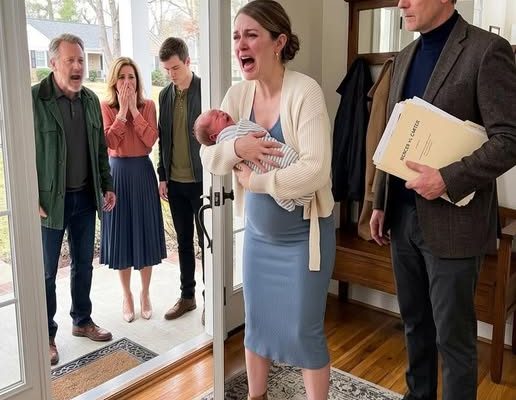
A week after Noah’s birth, someone knocked on the door of my rental house.

Mom stood outside holding a stuffed blue elephant.

Dad wore his best smile.

Caleb waited behind them with his phone ready for pictures.

“We’re here to meet our grandchild,” Mom announced.

I stared at them.

“You abandoned us that night.”

Dad’s smile vanished.

“Don’t exaggerate. You reached the hospital, didn’t you?”

Footsteps sounded behind me.

Daniel Mercer opened the door wider and stepped into view.

Dad went pale.

Daniel carried a thick file with Richard Hale’s name across the front.

My father wasn’t frightened because an attorney had witnessed a family argument.

He was frightened because Grandma Evelyn had left me far more than anyone had ever told me—and Daniel had discovered where the missing money had gone.

Dad’s eyes moved from Daniel to the file, then back to me.

“What is he doing here?” he asked.

Daniel answered first.

“Making sure Emily understands what belongs to her.”

Mom’s smile disappeared.

Caleb lowered his phone.

Dad stepped forward, but Daniel shifted slightly, calmly blocking the doorway.

“This is a family matter,” Dad said.

“No,” I replied. “It became a legal matter when you made it one.”

For years, Dad had told me Grandma Evelyn’s estate was modest.

According to him, medical bills, taxes, and funeral costs had consumed nearly everything.

I believed him because I had been twenty-three, newly married, and grieving.

Daniel’s file told another story.

Grandma had left me an investment account worth $118,000 and a small duplex in Independence, Missouri.

Dad had been named temporary trustee only until I turned twenty-five.

I was twenty-nine.

The duplex had been sold three years earlier.

I had never signed the paperwork.

Daniel obtained copies from the county recorder’s office.

The signature beside my name looked convincing enough to fool a stranger.

It did not fool me.

The sale proceeds had been deposited into an account tied to Hale Home Renovations, the contracting company Dad owned with Caleb.

Dad’s voice hardened.

“Your grandmother wanted the family taken care of.”

“She wrote exactly who she wanted taken care of,” Daniel said. “Emily.”

Mom turned toward Dad.

“Richard?”

He ignored her.

Then he looked at me.

“You think raising you was free? College? Your wedding? Every time you needed help, who paid?”

“My husband and I paid for our wedding,” I said. “I had scholarships for college.”

His jaw tightened.

“And when Mark di:ed?” Dad demanded. “Who handled everything then?”

There it was.

My husband, Mark Carter, had been k:illed by a drunk driver two years earlier.

After his d:eath, I could barely walk through a grocery store without crying.

Dad had stepped in and offered to “take care of the paperwork.”

I gave him access because I trusted him.

Daniel discovered that Dad had used that access to redirect part of an insurance payout into an account I never knew existed.

The amount was $46,000.

My knees nearly buckled when Daniel showed me.

Not because of the money.

Because I remembered Dad sitting beside me after Mark’s funeral, squeezing my shoulder and saying, “You don’t have to think about any of this. I’ll protect you.”

Now I understood.

He had been protecting his access to me.

Dad glanced toward the driveway.

“We’re leaving.”

“No,” Mom said quietly.

Everyone looked at her.

She stared at him as though she were finally seeing him clearly.

“Did you take the insurance money too?”

Dad’s expression changed.

That was answer enough.

Caleb spoke next.

“Dad told me the company loan came from his retirement account.”

Daniel opened the file.

“The transfer records indicate otherwise.”

Caleb went pale.

His name was on the business account.

He hadn’t forged anything, but he had benefited from the money.

Dad pointed at Daniel.

“You have no right to come into my family and poison them against me.”

Daniel stayed calm.

“I didn’t call an ambulance for your daughter while you watched television. I didn’t forge her signature. I didn’t move her money. I documented what you did.”

Dad looked at me again.

For the first time in my life, I saw something beneath his anger.

Fear.

I stepped back and placed one hand on the door.

“You are not meeting Noah today.”

Mom’s eyes filled.

“Emily, please.”

“You had seven days to ask whether he was alive.”

She covered her mouth.

Dad’s face hardened.

“You’ll regret hum:ili:ating me.”

“No,” I said. “I regret trusting you.”

Then I closed the door.

Dad shouted my name once from the other side.

Daniel stood beside me without speaking.

From the bedroom came Noah’s thin, restless cry.

I turned toward him.

For the first time since the ambulance had taken me away from that dinner table, I knew exactly what I had to do.

I was going to protect my son from the people who had taught me that love was something you could demand after refusing to give it.

The next morning, Daniel drove me to the county prosecutor’s office after arranging for my neighbor, Mrs. Alvarez, to stay with Noah for two hours.

I carried copies of the forged deed, bank records Daniel had obtained with my authorization, the original estate documents, and messages Dad had sent me over the previous four years.

Daniel w:arned me nothing would happen immediately.

A suspicious signature on a recorded deed did not automatically put someone in handcuffs.

Investigators would need original records, bank subpoenas, handwriting analysis, interviews, and proof Dad had acted knowingly.

For once, I was grateful the process was slow.

I did not want rev:eng:e fueled by anger.

I wanted facts.

The financial-crimes detective assigned to the case was Teresa Monroe.

She was in her forties, direct and patient.

She asked when I first learned about the inheritance.

“Six days ago.”

“And before that?”

“My father told me there was almost nothing.”

“Did you ever authorize him to sign your name?”

“No.”

“Did you ever authorize him to sell the duplex?”

“No.”

“Did you give him access to the insurance documents after your husband’s de:a:th?”

“Yes. But not permission to move money into an account I didn’t know about.”

Teresa nodded and wrote everything down.

When I left, I felt exhausted but strangely steady.

The real surprise came that afternoon.

Caleb called.

I almost ignored him.

Then I answered.

His voice sounded smaller than I had ever heard it.

“Can we talk?”

“You can talk.”

A long silence followed.

“Dad lied to me.”

I looked at Noah sleeping in the bassinet beside the couch.

“That doesn’t erase what you did at dinner.”

“I know.”

“You laughed while I was in labor.”

“I know.”

“You watched me leave alone.”

“I know.”

His voice cracked.

I did not comfort him.

Caleb explained that Dad had convinced him the company was finally thriving because of a private investment.

He admitted he had never asked where the money came from.

He had simply enjoyed the new truck, larger warehouse, expensive tools, and the respect Dad gave him for joining the business.

Then he told me something Daniel didn’t know.

Dad kept a locked metal box in the Hale Home Renovations office.

Inside were old checkbooks, property documents, and a flash drive.

Years earlier, Caleb had seen Dad place papers from Grandma Evelyn’s estate inside.

“Don’t touch anything,” I told him. “Call Detective Monroe.”

He did.

That decision changed everything.

Two weeks later, investigators executed a search warrant at the company office.

The box contained copies of the duplex sale, drafts of my forged signature, and printed emails between Dad and a real-estate broker.

The flash drive held scans of my driver’s license and Mark’s death certificate.

Worse for Dad, investigators found a spreadsheet.

He had tracked the money.

Grandma’s investment account.

The duplex proceeds.

Part of Mark’s insurance payout.

Transfers into the company.

Payments toward Caleb’s truck.

A down payment on a lake cabin I had never seen.

Dad had documented years of theft with the confidence of someone who never expected to be challenged.

He was arrested in late September.

By then, Noah had gained nearly four pounds and had finally begun sleeping longer than three hours at a time.

I learned about the arrest while warming a bottle in my kitchen.

Mom called.

“Your father was taken away in handcuffs.”

I closed my eyes.

“Okay.”

“That’s all you have to say?”

“What do you want me to say?”

“He’s your father.”

“And I’m his daughter.”

She went silent.

That ended the conversation.

Dad was charged with multiple financial offenses involving forgery, fraudulent transfers, and theft.

Daniel was careful when explaining the case.

Charges were accusations, he reminded me.

The state still had to prove them.

Separately, he helped me file a civil action to recover the property and money that belonged to me.

Dad hired an expensive defense attorney.

Then he started telling relatives his version.

According to him, I was an unstable widow who had become obsessed with money after childbirth.

He claimed Daniel had manipulated me.

He called the disputed funds “family assets.”

He even told Aunt Patricia I had invented the story about being abandoned during labor.

That lie lasted three days.

The paramedics had recorded the pickup location.

The emergency call existed.

And the exterior camera on my parents’ house, installed by Dad to deter package theft, showed the ambulance arriving while he remained inside.

Caleb gave investigators access to the camera account.

The footage showed him briefly stepping onto the porch, watching paramedics load me into the ambulance, then going back inside.

When Daniel showed me the clip, I had to stop the video.

I remembered feeling abandoned.

Seeing it happen was worse.

Mom contacted me again a month later.

This time, she didn’t ask to see Noah.

She asked to meet me alone.

We chose a coffee shop near the hospital.

She looked older.

Her hair was tied back, and she wore no makeup.

For several minutes, she simply held a paper cup between both hands.

“I knew about the duplex,” she finally said.

The confession hit harder than I expected.

“How much did you know?”

“I knew your grandmother left it to you. Richard told me you had agreed to let him sell it.”

“I never did.”

“I know that now.”

“You could have asked me.”

She lowered her eyes.

“I should have.”

“That night, when I said I was in labor, why didn’t you help me?”

Her eyes filled.

“Your father said you were exaggerating. He said if we rushed around every time you panicked, you’d never learn to manage your own life.”

I almost laughed.

Not because it was funny.

Because the logic was so cruelly absurd.

“I was thirty-one weeks pregnant.”

“I know.”

“You watched me leave.”

“I know.”

“Did you know Noah could have died?”

She flinched.

“Yes.”

Silence settled between us.

Then Mom said, “I’m sorry.”

It was the first genuine apology anyone in my family had given me.

But apologies did not restore trust.

“I believe you’re sorry,” I said. “That doesn’t mean you get access to my son.”

She nodded slowly.

“I understand.”

For the first time, she didn’t argue.

That mattered.

Over the next six months, Mom left Dad and moved into a small apartment.

She cooperated with investigators and handed over household records showing Dad had used money from my inheritance for personal expenses.

She started therapy.

Every Sunday, she sent one message without demanding a reply.

Most weeks, I didn’t answer.

Sometimes I did.

Caleb sold his truck and used the money to repay part of what had passed through the business.

He also left Hale Home Renovations and took a salaried job with another contractor.

One evening in January, he came to my house and stood on the porch with his hands in his coat pockets.

“I don’t expect you to forgive me,” he said.

“Good.”

He nodded.

“I just wanted to tell you I’m sorry without explaining it away.”

That was different from Dad.

Dad always had an explanation.

A justification.

A reason every accusation was somehow someone else’s fault.

Caleb simply stood there.

So I listened.

“I treated you like Dad treated you,” he said. “I thought being cruel meant I was strong. At dinner, I knew you were scared. I laughed because he laughed.”

I studied him for a long moment.

Then I said, “You don’t meet Noah today.”

His face fell, but he nodded.

“Okay.”

“Maybe someday.”

He looked surprised.

“Okay.”

That was enough.

The criminal case did not end with a dramatic courtroom confession.

Real life moved slower.

After months of investigation and negotiation, Dad accepted a plea agreement.

He admitted forging documents and unlawfully transferring money that belonged to me.

The agreement required restitution, the sale of certain assets, and a prison sentence followed by supervised release.

The lake cabin was sold.

Equipment purchased with diverted funds was liquidated.

The business collapsed.

I did not attend sentencing for re:ven:ge.

I went because I wanted him to see me sitting upright in the courtroom, no longer asking him to admit what he had done.

When the judge gave me the opportunity to speak, I kept my statement short.

“My father took money from me, but that was not the worst thing he took. He used my grief after my husband died as an opportunity. He taught me to doubt my own judgment so I would keep trusting his. The night my son was born, he showed me exactly how little my safety mattered to him. I am not asking the court to punish him for being a bad father. I am asking the court to recognize the crimes he admitted committing.”

Dad stared straight ahead.

He never looked at me.

That was fine.

I had spent too much of my life trying to make him see me.

A year after Noah’s birth, I moved into a two-bedroom house in Overland Park, Kansas.

Part of the recovered money went into a protected account for Noah.

Part went toward the house.

The rest stayed invested under my own name with an independent financial adviser Daniel recommended.

I also returned to work three days a week as a respiratory therapist.

The first morning I left Noah at daycare, I sat in my car and cried for ten minutes.

Then I went to work.

That evening, I picked him up myself.

It was a small thing.

It felt enormous.

Mom finally met Noah when he was fourteen months old.

We chose a public park.

She arrived early and brought no gifts.

I appreciated that.

She sat on a bench while Noah toddled between us, fascinated by fallen leaves.

She didn’t ask him to call her Grandma.

She didn’t reach for him.

She waited until he reached toward her first.

When he did, she cried.

I watched carefully.

Forgiveness, I learned, wasn’t a door that opened once.

It was a chain of small decisions.

Some people earned another one.

Some didn’t.

Caleb met Noah three months later.

By then, he had repaid more money and spent nearly a year cooperating with the civil case.

He never mocked me again for what happened that night.

Dad sent letters from prison.

The first blamed Daniel.

The second blamed Mom.

The third blamed Caleb.

The fourth blamed me.

I returned all four unopened after Daniel reminded me I had no obligation to stay in contact.

A fifth never came.

On Noah’s second birthday, we held a small party in my backyard.

Blue balloons were tied to the fence.

A grocery-store cake sat on the table under crooked icing.

Noah refused to leave his plastic slide.

Mom came.

Caleb came.

Daniel came with his wife.

So did Maria, the nurse who had held my phone in the hospital while I tried calling home.

At one point, I stood by the kitchen window and watched everyone outside.

Mom knelt beside Noah, helping him stack plastic cups.

Caleb argued with Daniel about whether a two-year-old needed a baseball glove.

Maria laughed nearby.

For a moment, I remembered that other dinner table.

Dad watching television.

Mom staring down.

Caleb smirking.

Me gripping the chair while pain tightened across my abdomen.

For years, I had believed family meant the people allowed to hurt you because they shared your blood.

Noah would never learn that definition from me.

Later that night, after everyone had gone, I carried him upstairs.

He was half asleep against my shoulder, warm and heavy.

I placed him in his crib and listened to him breathe.

On the dresser sat the stuffed blue elephant Mom had brought the day my parents first came to meet him.

I had almost thrown it away.

Instead, I kept it for another reason.

It reminded me of the day Dad arrived expecting the old version of me to open the door.

The frightened daughter.

The grieving widow.

The woman who accepted whatever explanation he gave because challenging him felt impossible.

But that woman had gone to the hospital alone.

She had held a premature baby against her chest.

She had made one phone call to Daniel Mercer.

And when her father finally arrived smiling, expecting access, gratitude, and silence, she had told him no.

That one word did not fix my life.

It started it.

I turned off Noah’s lamp and quietly closed the door.

Downstairs, my phone buzzed.

It was Mom.

Thank you for today. I know I still have work to do.

I read the message twice.

Then I replied:

Keep doing it.

I put the phone down and looked around my quiet house.

No shouting.

No football game drowning out my voice.

No one calling me dramatic.

No one deciding what belonged to me.

The silence no longer felt like abandonment.

It felt like peace.

My dad dismissed my labor contractions at dinner, setting off a sudden exit that cut all family ties. Read More

My Husband Came Home Expecting Forgiveness On My Birthday—Unaware Of What Was Hidden In My Purse

PART 1 — THE THURSDAY SECRET

Every Thursday evening, my childhood friend Patrick took my widowed mother somewhere she simply called “dancing.”

For months, I accepted that explanation.

Then one night, I stopped him in her driveway and demanded the truth.

His answer made me reach for the porch step before my knees gave out.

My father had died three years earlier, and after losing him, Mom seemed to disappear into herself. The house that had once been filled with music became painfully quiet. Her beloved garden grew wild. The piano stayed closed. Even when she smiled, the expression vanished before it reached her eyes.

I tried everything.

Dinner invitations.

Weekend trips.

Gardening groups.

Community activities.

Her answer was always the same.

“Maybe another time, sweetheart.”

Then Patrick began visiting regularly.

He and I had grown up only a few houses apart, so he had known my parents since childhood. After Dad died, Patrick quietly started helping Mom with things around the house. He mowed the lawn, repaired broken fixtures, carried groceries, and sometimes stayed for coffee.

I was grateful.

Then one Thursday evening, I stopped at Mom’s house unexpectedly.

Her car was parked outside, but the house was empty.

Minutes later, Patrick’s vehicle turned into the driveway.

Mom was sitting beside him.

When she stepped out, she was laughing.

Not the polite smile she gave me when I tried to cheer her up.

Real laughter.

Her head tilted back, one hand pressed to her chest, and she looked younger than she had in years.

She was also wearing a blue dress I had not seen since Dad was alive.

Patrick walked her to the door, waited until she was safely inside, and drove away.

I sat in my car staring at the house.

Whatever had happened that evening had brought part of my mother back.

At first, I did not question it.

But the same thing happened the next Thursday.

And the one after that.

Patrick arrived at nearly the same time. Mom emerged wearing dresses that had remained hidden in her closet since Dad’s funeral. Hours later, she returned smiling.

Eventually, I asked her.

“Where do you and Patrick go every Thursday?”

She hung her coat carefully.

“He takes me dancing in the park.”

I felt relieved.

“That sounds wonderful. Maybe I could come watch one evening.”

Her reaction was immediate.

“No.”

I stared at her.

Mom softened her tone.

“I would rather keep it between Patrick and me.”

I tried to laugh.

But something about the answer bothered me.

Why would harmless dancing need to be secret?

My husband thought I was overreacting.

“Maybe she finally has something that belongs only to her.”

I wanted to believe that.

Still, I began noticing things.

Mom never named the park.

She never mentioned other dancers.

She had no photographs.

If I asked what music they played, she changed the subject.

So the following Thursday, I waited across the street.

Patrick returned with Mom after dark. He walked her to the porch and watched until she entered.

Before he could leave, I crossed the driveway.

He lowered his window.

“Rachel? What are you doing here?”

“I need the truth.”

His face changed.

“Where do you take my mother every Thursday?”

Patrick looked down at the steering wheel.

“Patrick?”

Finally, he whispered:

“We don’t go dancing.”

I reached for the porch step.

“Then where do you go?”

He glanced toward Mom’s darkened windows.

“She made me promise not to tell anyone.”

I stared at him.

“Especially you,” he added.

PART 2 — WHERE THEY REALLY WENT

For several seconds, I could not speak.

“Why would my mother hide something from me?”

Patrick rubbed both hands over his face.

“Because she knew you would try to stop her.”

A cold feeling moved through me.

“Stop her from doing what?”

He hesitated.

Then he finally answered.

“Visiting your father.”

I stared at him.

“My father is dead.”

“I know.”

Patrick explained that several months earlier, Mom had asked him to drive her to the cemetery after sunset.

At first, he thought she simply wanted privacy.

But when they arrived, Mom carried a portable speaker, two folding chairs, and an old thermos.

She placed one chair beside Dad’s grave.

The other remained empty.

Then she turned on the music they had danced to when they were young.

“She didn’t dance with me,” Patrick said. “She danced beside his grave.”

My throat tightened.

Every Thursday, Patrick drove her there.

Sometimes Mom danced for only one song.

Sometimes she sat for hours talking to Dad.

She told him about the garden.

About neighbors.

About me.

About grandchildren.

About how angry she still was that he had left first.

Patrick never listened closely.

He usually waited near the car and gave her privacy.

“Why Thursday?” I asked.

He looked at me.

“That was their night.”

I had forgotten.

When I was a child, Thursday evenings belonged to my parents. Dad would move the coffee table aside after dinner, put on an old record, and dance with Mom in the living room.

As I grew older, I stopped paying attention.

But apparently Mom never forgot.

Patrick continued.

“One night it started raining. I told her we should leave.”

Mom refused.

She had stood under the rain beside Dad’s grave until Patrick finally opened an umbrella above her.

That was when she told him the truth.

“She said Thursday was the only night she still felt married.”

My eyes burned.

“Why didn’t she tell me?”

“Because every time you saw her grieving, you tried to fix it.”

I flinched.

Patrick was not accusing me.

That made it worse.

“You invited her places. Found activities. Suggested groups. You were trying to help. But your mother said everyone kept asking her to move forward before she understood how to carry what she’d lost.”

I lowered my face.

Everything I had done had come from love.

But I suddenly understood that I had treated grief like a problem requiring a solution.

Patrick continued quietly.

“A few months ago, something changed.”

I looked up.

“What?”

“She started dancing again.”

At first, Mom had only sat beside Dad’s grave.

Then one Thursday, she stood and played their favorite song.

She moved slowly by herself.

The following week, she did it again.

Soon she began wearing the dresses Dad had loved.

The blue one was his favorite.

“She told me she finally understood that dancing didn’t mean she was refusing to let him go.”

Patrick smiled sadly.

“It meant she was remembering how he taught her to live.”

I looked toward Mom’s house.

For weeks, I had suspected Patrick was helping her hide something shameful.

Instead, he had been protecting something deeply private.

I stood.

“I need to talk to her.”

Patrick caught my arm gently.

“Rachel, don’t confront her like she did something wrong.”

I nodded.

This time, I understood.

PART 3 — THE LAST DANCE I NEVER KNEW ABOUT

The next morning, I visited Mom.

She was watering the plants beside the kitchen window.

For the first time in years, several herbs were growing there again.

I sat at the table.

“I know where you go on Thursdays.”

Her hand stopped.

For several seconds, neither of us spoke.

Then she slowly put down the watering can.

“Patrick told you?”

“I forced him to.”

Mom sighed.

“I asked him not to.”

“I know.”

I expected anger.

Instead, her eyes filled with sadness.

“Were you embarrassed?”

“No.”

“Did you think I would judge you?”

“No.”

“Then why hide it?”

She sat across from me.

“Because you love me too much.”

I almost laughed.

“That doesn’t make sense.”

“It does.”

She reached across the table and touched my hand.

“After your father died, you watched me every time I became quiet. If I cried, you tried to make me smile. If I stayed home, you found somewhere for me to go. If the garden died, you offered to replant it.”

“I was trying to help.”

“I know.”

Her fingers tightened around mine.

“But sometimes I needed permission to be sad without someone trying to rescue me.”

I looked down.

“I’m sorry.”

“You don’t have to be.”

She smiled gently.

“You were grieving too.”

That sentence stopped me.

For three years, I had been so focused on keeping Mom from falling apart that I had barely admitted how much I missed Dad myself.

Mom stood and walked toward a cabinet.

She returned carrying an old photograph.

My parents were young, standing in our former living room.

Dad had one arm around her waist.

Mom was laughing.

“Your father was a terrible dancer,” she said.

I laughed through tears.

“He really was.”

“The worst.”

The following Thursday, Mom surprised me.

“Do you want to come?”

I stared at her.

“To the cemetery?”

She nodded.

Patrick drove us.

When we arrived, he placed two folding chairs near Dad’s grave, then quietly walked away.

Mom set the speaker on the grass.

For a while, neither of us said anything.

Then music began.

Mom stood.

She smoothed the blue dress.

And she danced.

Not dramatically.

Not beautifully.

Just slowly beneath the fading evening light.

Halfway through the song, she held out one hand.

“Come on.”

“I don’t know this dance.”

“Neither did your father.”

I laughed.

Then I took her hand.

For the rest of the song, we moved together beside Dad’s grave.

Mom cried.

So did I.

But neither of us tried to stop the other.

When the song ended, we sat down.

Mom looked at Dad’s headstone.

“I brought Rachel this time,” she said softly. “She finally stopped being nosy long enough to listen.”

I laughed so loudly Patrick turned around from the parking lot.

Something shifted inside me that evening.

For years, I had believed healing meant leaving grief behind.

Mom taught me something different.

Sometimes healing means learning how to carry love after the person you love is gone.

The Thursday visits continued, but they slowly changed.

Mom began returning to her garden.

She opened the piano again.

She accepted dinner invitations.

Eventually, some Thursdays passed without a cemetery visit at all.

Not because Dad mattered less.

Because remembering him no longer required disappearing from the rest of her life.

Months later, I asked whether she still wanted Patrick to take her dancing.

She smiled.

“Sometimes.”

Then she looked toward the garden.

“But I think your father would tell me I’ve spent enough time dancing with ghosts.”

I understood.

Patrick had never been taking my mother away from her family.

He had been quietly helping her find her way back.

And the secret I had been so afraid to discover turned out not to be something shameful.

It was simply the place where my mother had learned how to say goodbye without forgetting how deeply she had loved.

My Husband Came Home Expecting Forgiveness On My Birthday—Unaware Of What Was Hidden In My Purse Read More

They thought I was crying over the stove all evening, unaware of how fast those three documents would ruin them.

PART 1 — THE THURSDAY SECRET

Every Thursday evening, my childhood friend Patrick took my widowed mother somewhere she simply called “dancing.”

For months, I accepted that explanation.

Then one night, I stopped him in her driveway and demanded the truth.

His answer made me reach for the porch step before my knees gave out.

My father had died three years earlier, and after losing him, Mom seemed to disappear into herself. The house that had once been filled with music became painfully quiet. Her beloved garden grew wild. The piano stayed closed. Even when she smiled, the expression vanished before it reached her eyes.

I tried everything.

Dinner invitations.

Weekend trips.

Gardening groups.

Community activities.

Her answer was always the same.

“Maybe another time, sweetheart.”

Then Patrick began visiting regularly.

He and I had grown up only a few houses apart, so he had known my parents since childhood. After Dad died, Patrick quietly started helping Mom with things around the house. He mowed the lawn, repaired broken fixtures, carried groceries, and sometimes stayed for coffee.

I was grateful.

Then one Thursday evening, I stopped at Mom’s house unexpectedly.

Her car was parked outside, but the house was empty.

Minutes later, Patrick’s vehicle turned into the driveway.

Mom was sitting beside him.

When she stepped out, she was laughing.

Not the polite smile she gave me when I tried to cheer her up.

Real laughter.

Her head tilted back, one hand pressed to her chest, and she looked younger than she had in years.

She was also wearing a blue dress I had not seen since Dad was alive.

Patrick walked her to the door, waited until she was safely inside, and drove away.

I sat in my car staring at the house.

Whatever had happened that evening had brought part of my mother back.

At first, I did not question it.

But the same thing happened the next Thursday.

And the one after that.

Patrick arrived at nearly the same time. Mom emerged wearing dresses that had remained hidden in her closet since Dad’s funeral. Hours later, she returned smiling.

Eventually, I asked her.

“Where do you and Patrick go every Thursday?”

She hung her coat carefully.

“He takes me dancing in the park.”

I felt relieved.

“That sounds wonderful. Maybe I could come watch one evening.”

Her reaction was immediate.

“No.”

I stared at her.

Mom softened her tone.

“I would rather keep it between Patrick and me.”

I tried to laugh.

But something about the answer bothered me.

Why would harmless dancing need to be secret?

My husband thought I was overreacting.

“Maybe she finally has something that belongs only to her.”

I wanted to believe that.

Still, I began noticing things.

Mom never named the park.

She never mentioned other dancers.

She had no photographs.

If I asked what music they played, she changed the subject.

So the following Thursday, I waited across the street.

Patrick returned with Mom after dark. He walked her to the porch and watched until she entered.

Before he could leave, I crossed the driveway.

He lowered his window.

“Rachel? What are you doing here?”

“I need the truth.”

His face changed.

“Where do you take my mother every Thursday?”

Patrick looked down at the steering wheel.

“Patrick?”

Finally, he whispered:

“We don’t go dancing.”

I reached for the porch step.

“Then where do you go?”

He glanced toward Mom’s darkened windows.

“She made me promise not to tell anyone.”

I stared at him.

“Especially you,” he added.

PART 2 — WHERE THEY REALLY WENT

For several seconds, I could not speak.

“Why would my mother hide something from me?”

Patrick rubbed both hands over his face.

“Because she knew you would try to stop her.”

A cold feeling moved through me.

“Stop her from doing what?”

He hesitated.

Then he finally answered.

“Visiting your father.”

I stared at him.

“My father is dead.”

“I know.”

Patrick explained that several months earlier, Mom had asked him to drive her to the cemetery after sunset.

At first, he thought she simply wanted privacy.

But when they arrived, Mom carried a portable speaker, two folding chairs, and an old thermos.

She placed one chair beside Dad’s grave.

The other remained empty.

Then she turned on the music they had danced to when they were young.

“She didn’t dance with me,” Patrick said. “She danced beside his grave.”

My throat tightened.

Every Thursday, Patrick drove her there.

Sometimes Mom danced for only one song.

Sometimes she sat for hours talking to Dad.

She told him about the garden.

About neighbors.

About me.

About grandchildren.

About how angry she still was that he had left first.

Patrick never listened closely.

He usually waited near the car and gave her privacy.

“Why Thursday?” I asked.

He looked at me.

“That was their night.”

I had forgotten.

When I was a child, Thursday evenings belonged to my parents. Dad would move the coffee table aside after dinner, put on an old record, and dance with Mom in the living room.

As I grew older, I stopped paying attention.

But apparently Mom never forgot.

Patrick continued.

“One night it started raining. I told her we should leave.”

Mom refused.

She had stood under the rain beside Dad’s grave until Patrick finally opened an umbrella above her.

That was when she told him the truth.

“She said Thursday was the only night she still felt married.”

My eyes burned.

“Why didn’t she tell me?”

“Because every time you saw her grieving, you tried to fix it.”

I flinched.

Patrick was not accusing me.

That made it worse.

“You invited her places. Found activities. Suggested groups. You were trying to help. But your mother said everyone kept asking her to move forward before she understood how to carry what she’d lost.”

I lowered my face.

Everything I had done had come from love.

But I suddenly understood that I had treated grief like a problem requiring a solution.

Patrick continued quietly.

“A few months ago, something changed.”

I looked up.

“What?”

“She started dancing again.”

At first, Mom had only sat beside Dad’s grave.

Then one Thursday, she stood and played their favorite song.

She moved slowly by herself.

The following week, she did it again.

Soon she began wearing the dresses Dad had loved.

The blue one was his favorite.

“She told me she finally understood that dancing didn’t mean she was refusing to let him go.”

Patrick smiled sadly.

“It meant she was remembering how he taught her to live.”

I looked toward Mom’s house.

For weeks, I had suspected Patrick was helping her hide something shameful.

Instead, he had been protecting something deeply private.

I stood.

“I need to talk to her.”

Patrick caught my arm gently.

“Rachel, don’t confront her like she did something wrong.”

I nodded.

This time, I understood.

PART 3 — THE LAST DANCE I NEVER KNEW ABOUT

The next morning, I visited Mom.

She was watering the plants beside the kitchen window.

For the first time in years, several herbs were growing there again.

I sat at the table.

“I know where you go on Thursdays.”

Her hand stopped.

For several seconds, neither of us spoke.

Then she slowly put down the watering can.

“Patrick told you?”

“I forced him to.”

Mom sighed.

“I asked him not to.”

“I know.”

I expected anger.

Instead, her eyes filled with sadness.

“Were you embarrassed?”

“No.”

“Did you think I would judge you?”

“No.”

“Then why hide it?”

She sat across from me.

“Because you love me too much.”

I almost laughed.

“That doesn’t make sense.”

“It does.”

She reached across the table and touched my hand.

“After your father died, you watched me every time I became quiet. If I cried, you tried to make me smile. If I stayed home, you found somewhere for me to go. If the garden died, you offered to replant it.”

“I was trying to help.”

“I know.”

Her fingers tightened around mine.

“But sometimes I needed permission to be sad without someone trying to rescue me.”

I looked down.

“I’m sorry.”

“You don’t have to be.”

She smiled gently.

“You were grieving too.”

That sentence stopped me.

For three years, I had been so focused on keeping Mom from falling apart that I had barely admitted how much I missed Dad myself.

Mom stood and walked toward a cabinet.

She returned carrying an old photograph.

My parents were young, standing in our former living room.

Dad had one arm around her waist.

Mom was laughing.

“Your father was a terrible dancer,” she said.

I laughed through tears.

“He really was.”

“The worst.”

The following Thursday, Mom surprised me.

“Do you want to come?”

I stared at her.

“To the cemetery?”

She nodded.

Patrick drove us.

When we arrived, he placed two folding chairs near Dad’s grave, then quietly walked away.

Mom set the speaker on the grass.

For a while, neither of us said anything.

Then music began.

Mom stood.

She smoothed the blue dress.

And she danced.

Not dramatically.

Not beautifully.

Just slowly beneath the fading evening light.

Halfway through the song, she held out one hand.

“Come on.”

“I don’t know this dance.”

“Neither did your father.”

I laughed.

Then I took her hand.

For the rest of the song, we moved together beside Dad’s grave.

Mom cried.

So did I.

But neither of us tried to stop the other.

When the song ended, we sat down.

Mom looked at Dad’s headstone.

“I brought Rachel this time,” she said softly. “She finally stopped being nosy long enough to listen.”

I laughed so loudly Patrick turned around from the parking lot.

Something shifted inside me that evening.

For years, I had believed healing meant leaving grief behind.

Mom taught me something different.

Sometimes healing means learning how to carry love after the person you love is gone.

The Thursday visits continued, but they slowly changed.

Mom began returning to her garden.

She opened the piano again.

She accepted dinner invitations.

Eventually, some Thursdays passed without a cemetery visit at all.

Not because Dad mattered less.

Because remembering him no longer required disappearing from the rest of her life.

Months later, I asked whether she still wanted Patrick to take her dancing.

She smiled.

“Sometimes.”

Then she looked toward the garden.

“But I think your father would tell me I’ve spent enough time dancing with ghosts.”

I understood.

Patrick had never been taking my mother away from her family.

He had been quietly helping her find her way back.

And the secret I had been so afraid to discover turned out not to be something shameful.

It was simply the place where my mother had learned how to say goodbye without forgetting how deeply she had loved.

They thought I was crying over the stove all evening, unaware of how fast those three documents would ruin them. Read More

His mother smirked while ordering me to clean up the kitchen, unaware of the letter already sitting on the counter.

PART 1 — THE THURSDAY SECRET

Every Thursday evening, my childhood friend Patrick took my widowed mother somewhere she simply called “dancing.”

For months, I accepted that explanation.

Then one night, I stopped him in her driveway and demanded the truth.

His answer made me reach for the porch step before my knees gave out.

My father had died three years earlier, and after losing him, Mom seemed to disappear into herself. The house that had once been filled with music became painfully quiet. Her beloved garden grew wild. The piano stayed closed. Even when she smiled, the expression vanished before it reached her eyes.

I tried everything.

Dinner invitations.

Weekend trips.

Gardening groups.

Community activities.

Her answer was always the same.

“Maybe another time, sweetheart.”

Then Patrick began visiting regularly.

He and I had grown up only a few houses apart, so he had known my parents since childhood. After Dad died, Patrick quietly started helping Mom with things around the house. He mowed the lawn, repaired broken fixtures, carried groceries, and sometimes stayed for coffee.

I was grateful.

Then one Thursday evening, I stopped at Mom’s house unexpectedly.

Her car was parked outside, but the house was empty.

Minutes later, Patrick’s vehicle turned into the driveway.

Mom was sitting beside him.

When she stepped out, she was laughing.

Not the polite smile she gave me when I tried to cheer her up.

Real laughter.

Her head tilted back, one hand pressed to her chest, and she looked younger than she had in years.

She was also wearing a blue dress I had not seen since Dad was alive.

Patrick walked her to the door, waited until she was safely inside, and drove away.

I sat in my car staring at the house.

Whatever had happened that evening had brought part of my mother back.

At first, I did not question it.

But the same thing happened the next Thursday.

And the one after that.

Patrick arrived at nearly the same time. Mom emerged wearing dresses that had remained hidden in her closet since Dad’s funeral. Hours later, she returned smiling.

Eventually, I asked her.

“Where do you and Patrick go every Thursday?”

She hung her coat carefully.

“He takes me dancing in the park.”

I felt relieved.

“That sounds wonderful. Maybe I could come watch one evening.”

Her reaction was immediate.

“No.”

I stared at her.

Mom softened her tone.

“I would rather keep it between Patrick and me.”

I tried to laugh.

But something about the answer bothered me.

Why would harmless dancing need to be secret?

My husband thought I was overreacting.

“Maybe she finally has something that belongs only to her.”

I wanted to believe that.

Still, I began noticing things.

Mom never named the park.

She never mentioned other dancers.

She had no photographs.

If I asked what music they played, she changed the subject.

So the following Thursday, I waited across the street.

Patrick returned with Mom after dark. He walked her to the porch and watched until she entered.

Before he could leave, I crossed the driveway.

He lowered his window.

“Rachel? What are you doing here?”

“I need the truth.”

His face changed.

“Where do you take my mother every Thursday?”

Patrick looked down at the steering wheel.

“Patrick?”

Finally, he whispered:

“We don’t go dancing.”

I reached for the porch step.

“Then where do you go?”

He glanced toward Mom’s darkened windows.

“She made me promise not to tell anyone.”

I stared at him.

“Especially you,” he added.

PART 2 — WHERE THEY REALLY WENT

For several seconds, I could not speak.

“Why would my mother hide something from me?”

Patrick rubbed both hands over his face.

“Because she knew you would try to stop her.”

A cold feeling moved through me.

“Stop her from doing what?”

He hesitated.

Then he finally answered.

“Visiting your father.”

I stared at him.

“My father is dead.”

“I know.”

Patrick explained that several months earlier, Mom had asked him to drive her to the cemetery after sunset.

At first, he thought she simply wanted privacy.

But when they arrived, Mom carried a portable speaker, two folding chairs, and an old thermos.

She placed one chair beside Dad’s grave.

The other remained empty.

Then she turned on the music they had danced to when they were young.

“She didn’t dance with me,” Patrick said. “She danced beside his grave.”

My throat tightened.

Every Thursday, Patrick drove her there.

Sometimes Mom danced for only one song.

Sometimes she sat for hours talking to Dad.

She told him about the garden.

About neighbors.

About me.

About grandchildren.

About how angry she still was that he had left first.

Patrick never listened closely.

He usually waited near the car and gave her privacy.

“Why Thursday?” I asked.

He looked at me.

“That was their night.”

I had forgotten.

When I was a child, Thursday evenings belonged to my parents. Dad would move the coffee table aside after dinner, put on an old record, and dance with Mom in the living room.

As I grew older, I stopped paying attention.

But apparently Mom never forgot.

Patrick continued.

“One night it started raining. I told her we should leave.”

Mom refused.

She had stood under the rain beside Dad’s grave until Patrick finally opened an umbrella above her.

That was when she told him the truth.

“She said Thursday was the only night she still felt married.”

My eyes burned.

“Why didn’t she tell me?”

“Because every time you saw her grieving, you tried to fix it.”

I flinched.

Patrick was not accusing me.

That made it worse.

“You invited her places. Found activities. Suggested groups. You were trying to help. But your mother said everyone kept asking her to move forward before she understood how to carry what she’d lost.”

I lowered my face.

Everything I had done had come from love.

But I suddenly understood that I had treated grief like a problem requiring a solution.

Patrick continued quietly.

“A few months ago, something changed.”

I looked up.

“What?”

“She started dancing again.”

At first, Mom had only sat beside Dad’s grave.

Then one Thursday, she stood and played their favorite song.

She moved slowly by herself.

The following week, she did it again.

Soon she began wearing the dresses Dad had loved.

The blue one was his favorite.

“She told me she finally understood that dancing didn’t mean she was refusing to let him go.”

Patrick smiled sadly.

“It meant she was remembering how he taught her to live.”

I looked toward Mom’s house.

For weeks, I had suspected Patrick was helping her hide something shameful.

Instead, he had been protecting something deeply private.

I stood.

“I need to talk to her.”

Patrick caught my arm gently.

“Rachel, don’t confront her like she did something wrong.”

I nodded.

This time, I understood.

PART 3 — THE LAST DANCE I NEVER KNEW ABOUT

The next morning, I visited Mom.

She was watering the plants beside the kitchen window.

For the first time in years, several herbs were growing there again.

I sat at the table.

“I know where you go on Thursdays.”

Her hand stopped.

For several seconds, neither of us spoke.

Then she slowly put down the watering can.

“Patrick told you?”

“I forced him to.”

Mom sighed.

“I asked him not to.”

“I know.”

I expected anger.

Instead, her eyes filled with sadness.

“Were you embarrassed?”

“No.”

“Did you think I would judge you?”

“No.”

“Then why hide it?”

She sat across from me.

“Because you love me too much.”

I almost laughed.

“That doesn’t make sense.”

“It does.”

She reached across the table and touched my hand.

“After your father died, you watched me every time I became quiet. If I cried, you tried to make me smile. If I stayed home, you found somewhere for me to go. If the garden died, you offered to replant it.”

“I was trying to help.”

“I know.”

Her fingers tightened around mine.

“But sometimes I needed permission to be sad without someone trying to rescue me.”

I looked down.

“I’m sorry.”

“You don’t have to be.”

She smiled gently.

“You were grieving too.”

That sentence stopped me.

For three years, I had been so focused on keeping Mom from falling apart that I had barely admitted how much I missed Dad myself.

Mom stood and walked toward a cabinet.

She returned carrying an old photograph.

My parents were young, standing in our former living room.

Dad had one arm around her waist.

Mom was laughing.

“Your father was a terrible dancer,” she said.

I laughed through tears.

“He really was.”

“The worst.”

The following Thursday, Mom surprised me.

“Do you want to come?”

I stared at her.

“To the cemetery?”

She nodded.

Patrick drove us.

When we arrived, he placed two folding chairs near Dad’s grave, then quietly walked away.

Mom set the speaker on the grass.

For a while, neither of us said anything.

Then music began.

Mom stood.

She smoothed the blue dress.

And she danced.

Not dramatically.

Not beautifully.

Just slowly beneath the fading evening light.

Halfway through the song, she held out one hand.

“Come on.”

“I don’t know this dance.”

“Neither did your father.”

I laughed.

Then I took her hand.

For the rest of the song, we moved together beside Dad’s grave.

Mom cried.

So did I.

But neither of us tried to stop the other.

When the song ended, we sat down.

Mom looked at Dad’s headstone.

“I brought Rachel this time,” she said softly. “She finally stopped being nosy long enough to listen.”

I laughed so loudly Patrick turned around from the parking lot.

Something shifted inside me that evening.

For years, I had believed healing meant leaving grief behind.

Mom taught me something different.

Sometimes healing means learning how to carry love after the person you love is gone.

The Thursday visits continued, but they slowly changed.

Mom began returning to her garden.

She opened the piano again.

She accepted dinner invitations.

Eventually, some Thursdays passed without a cemetery visit at all.

Not because Dad mattered less.

Because remembering him no longer required disappearing from the rest of her life.

Months later, I asked whether she still wanted Patrick to take her dancing.

She smiled.

“Sometimes.”

Then she looked toward the garden.

“But I think your father would tell me I’ve spent enough time dancing with ghosts.”

I understood.

Patrick had never been taking my mother away from her family.

He had been quietly helping her find her way back.

And the secret I had been so afraid to discover turned out not to be something shameful.

It was simply the place where my mother had learned how to say goodbye without forgetting how deeply she had loved.

His mother smirked while ordering me to clean up the kitchen, unaware of the letter already sitting on the counter. Read More

My husband cheated and expected forgiveness over dinner, setting off a swift move that stripped him of every dollar.

PART 1 — THE THURSDAY SECRET

Every Thursday evening, my childhood friend Patrick took my widowed mother somewhere she simply called “dancing.”

For months, I accepted that explanation.

Then one night, I stopped him in her driveway and demanded the truth.

His answer made me reach for the porch step before my knees gave out.

My father had died three years earlier, and after losing him, Mom seemed to disappear into herself. The house that had once been filled with music became painfully quiet. Her beloved garden grew wild. The piano stayed closed. Even when she smiled, the expression vanished before it reached her eyes.

I tried everything.

Dinner invitations.

Weekend trips.

Gardening groups.

Community activities.

Her answer was always the same.

“Maybe another time, sweetheart.”

Then Patrick began visiting regularly.

He and I had grown up only a few houses apart, so he had known my parents since childhood. After Dad died, Patrick quietly started helping Mom with things around the house. He mowed the lawn, repaired broken fixtures, carried groceries, and sometimes stayed for coffee.

I was grateful.

Then one Thursday evening, I stopped at Mom’s house unexpectedly.

Her car was parked outside, but the house was empty.

Minutes later, Patrick’s vehicle turned into the driveway.

Mom was sitting beside him.

When she stepped out, she was laughing.

Not the polite smile she gave me when I tried to cheer her up.

Real laughter.

Her head tilted back, one hand pressed to her chest, and she looked younger than she had in years.

She was also wearing a blue dress I had not seen since Dad was alive.

Patrick walked her to the door, waited until she was safely inside, and drove away.

I sat in my car staring at the house.

Whatever had happened that evening had brought part of my mother back.

At first, I did not question it.

But the same thing happened the next Thursday.

And the one after that.

Patrick arrived at nearly the same time. Mom emerged wearing dresses that had remained hidden in her closet since Dad’s funeral. Hours later, she returned smiling.

Eventually, I asked her.

“Where do you and Patrick go every Thursday?”

She hung her coat carefully.

“He takes me dancing in the park.”

I felt relieved.

“That sounds wonderful. Maybe I could come watch one evening.”

Her reaction was immediate.

“No.”

I stared at her.

Mom softened her tone.

“I would rather keep it between Patrick and me.”

I tried to laugh.

But something about the answer bothered me.

Why would harmless dancing need to be secret?

My husband thought I was overreacting.

“Maybe she finally has something that belongs only to her.”

I wanted to believe that.

Still, I began noticing things.

Mom never named the park.

She never mentioned other dancers.

She had no photographs.

If I asked what music they played, she changed the subject.

So the following Thursday, I waited across the street.

Patrick returned with Mom after dark. He walked her to the porch and watched until she entered.

Before he could leave, I crossed the driveway.

He lowered his window.

“Rachel? What are you doing here?”

“I need the truth.”

His face changed.

“Where do you take my mother every Thursday?”

Patrick looked down at the steering wheel.

“Patrick?”

Finally, he whispered:

“We don’t go dancing.”

I reached for the porch step.

“Then where do you go?”

He glanced toward Mom’s darkened windows.

“She made me promise not to tell anyone.”

I stared at him.

“Especially you,” he added.

PART 2 — WHERE THEY REALLY WENT

For several seconds, I could not speak.

“Why would my mother hide something from me?”

Patrick rubbed both hands over his face.

“Because she knew you would try to stop her.”

A cold feeling moved through me.

“Stop her from doing what?”

He hesitated.

Then he finally answered.

“Visiting your father.”

I stared at him.

“My father is dead.”

“I know.”

Patrick explained that several months earlier, Mom had asked him to drive her to the cemetery after sunset.

At first, he thought she simply wanted privacy.

But when they arrived, Mom carried a portable speaker, two folding chairs, and an old thermos.

She placed one chair beside Dad’s grave.

The other remained empty.

Then she turned on the music they had danced to when they were young.

“She didn’t dance with me,” Patrick said. “She danced beside his grave.”

My throat tightened.

Every Thursday, Patrick drove her there.

Sometimes Mom danced for only one song.

Sometimes she sat for hours talking to Dad.

She told him about the garden.

About neighbors.

About me.

About grandchildren.

About how angry she still was that he had left first.

Patrick never listened closely.

He usually waited near the car and gave her privacy.

“Why Thursday?” I asked.

He looked at me.

“That was their night.”

I had forgotten.

When I was a child, Thursday evenings belonged to my parents. Dad would move the coffee table aside after dinner, put on an old record, and dance with Mom in the living room.

As I grew older, I stopped paying attention.

But apparently Mom never forgot.

Patrick continued.

“One night it started raining. I told her we should leave.”

Mom refused.

She had stood under the rain beside Dad’s grave until Patrick finally opened an umbrella above her.

That was when she told him the truth.

“She said Thursday was the only night she still felt married.”

My eyes burned.

“Why didn’t she tell me?”

“Because every time you saw her grieving, you tried to fix it.”

I flinched.

Patrick was not accusing me.

That made it worse.

“You invited her places. Found activities. Suggested groups. You were trying to help. But your mother said everyone kept asking her to move forward before she understood how to carry what she’d lost.”

I lowered my face.

Everything I had done had come from love.

But I suddenly understood that I had treated grief like a problem requiring a solution.

Patrick continued quietly.

“A few months ago, something changed.”

I looked up.

“What?”

“She started dancing again.”

At first, Mom had only sat beside Dad’s grave.

Then one Thursday, she stood and played their favorite song.

She moved slowly by herself.

The following week, she did it again.

Soon she began wearing the dresses Dad had loved.

The blue one was his favorite.

“She told me she finally understood that dancing didn’t mean she was refusing to let him go.”

Patrick smiled sadly.

“It meant she was remembering how he taught her to live.”

I looked toward Mom’s house.

For weeks, I had suspected Patrick was helping her hide something shameful.

Instead, he had been protecting something deeply private.

I stood.

“I need to talk to her.”

Patrick caught my arm gently.

“Rachel, don’t confront her like she did something wrong.”

I nodded.

This time, I understood.

PART 3 — THE LAST DANCE I NEVER KNEW ABOUT

The next morning, I visited Mom.

She was watering the plants beside the kitchen window.

For the first time in years, several herbs were growing there again.

I sat at the table.

“I know where you go on Thursdays.”

Her hand stopped.

For several seconds, neither of us spoke.

Then she slowly put down the watering can.

“Patrick told you?”

“I forced him to.”

Mom sighed.

“I asked him not to.”

“I know.”

I expected anger.

Instead, her eyes filled with sadness.

“Were you embarrassed?”

“No.”

“Did you think I would judge you?”

“No.”

“Then why hide it?”

She sat across from me.

“Because you love me too much.”

I almost laughed.

“That doesn’t make sense.”

“It does.”

She reached across the table and touched my hand.

“After your father died, you watched me every time I became quiet. If I cried, you tried to make me smile. If I stayed home, you found somewhere for me to go. If the garden died, you offered to replant it.”

“I was trying to help.”

“I know.”

Her fingers tightened around mine.

“But sometimes I needed permission to be sad without someone trying to rescue me.”

I looked down.

“I’m sorry.”

“You don’t have to be.”

She smiled gently.

“You were grieving too.”

That sentence stopped me.

For three years, I had been so focused on keeping Mom from falling apart that I had barely admitted how much I missed Dad myself.

Mom stood and walked toward a cabinet.

She returned carrying an old photograph.

My parents were young, standing in our former living room.

Dad had one arm around her waist.

Mom was laughing.

“Your father was a terrible dancer,” she said.

I laughed through tears.

“He really was.”

“The worst.”

The following Thursday, Mom surprised me.

“Do you want to come?”

I stared at her.

“To the cemetery?”

She nodded.

Patrick drove us.

When we arrived, he placed two folding chairs near Dad’s grave, then quietly walked away.

Mom set the speaker on the grass.

For a while, neither of us said anything.

Then music began.

Mom stood.

She smoothed the blue dress.

And she danced.

Not dramatically.

Not beautifully.

Just slowly beneath the fading evening light.

Halfway through the song, she held out one hand.

“Come on.”

“I don’t know this dance.”

“Neither did your father.”

I laughed.

Then I took her hand.

For the rest of the song, we moved together beside Dad’s grave.

Mom cried.

So did I.

But neither of us tried to stop the other.

When the song ended, we sat down.

Mom looked at Dad’s headstone.

“I brought Rachel this time,” she said softly. “She finally stopped being nosy long enough to listen.”

I laughed so loudly Patrick turned around from the parking lot.

Something shifted inside me that evening.

For years, I had believed healing meant leaving grief behind.

Mom taught me something different.

Sometimes healing means learning how to carry love after the person you love is gone.

The Thursday visits continued, but they slowly changed.

Mom began returning to her garden.

She opened the piano again.

She accepted dinner invitations.

Eventually, some Thursdays passed without a cemetery visit at all.

Not because Dad mattered less.

Because remembering him no longer required disappearing from the rest of her life.

Months later, I asked whether she still wanted Patrick to take her dancing.

She smiled.

“Sometimes.”

Then she looked toward the garden.

“But I think your father would tell me I’ve spent enough time dancing with ghosts.”

I understood.

Patrick had never been taking my mother away from her family.

He had been quietly helping her find her way back.

And the secret I had been so afraid to discover turned out not to be something shameful.

It was simply the place where my mother had learned how to say goodbye without forgetting how deeply she had loved.

My husband cheated and expected forgiveness over dinner, setting off a swift move that stripped him of every dollar. Read More