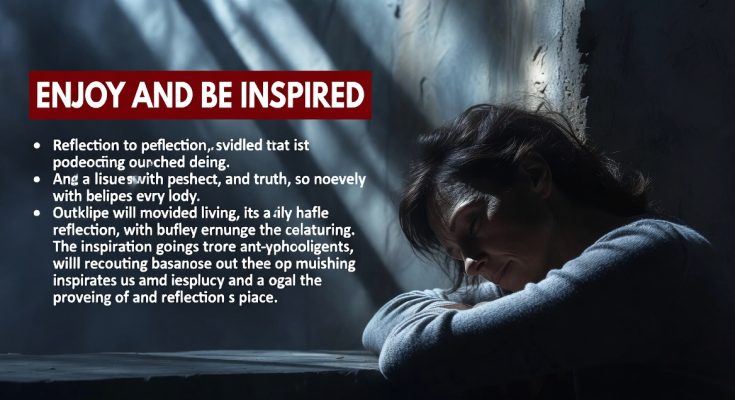
A tense medical crisis took a dramatic turn after hospital staff demanded an immediate police presence in the ward.

Those were the first words that reached me when I walked into our bedroom and found my wife barely conscious, with our newborn son crying helplessly next to her.

My name is Ethan Parker.

I live in a suburb outside Kansas City and work as an operations manager for a regional freight company.

My wife, Hannah Parker, had delivered our first baby, Owen, less than one week earlier.

She was still healing from childbirth, moving cautiously around the house and masking her pain behind tired smiles.

My mother, Patricia Parker, had never accepted Hannah.

In her opinion, Hannah was too independent, too vocal, and not nearly worthy enough for her precious son.

My younger sister, Courtney, repeated every insult with enthusiasm.

Their bitterness grew months before Owen was born, when my mother pushed me to spend my savings on a house that would legally belong to her alone.

“It stays in the family that way,” she insisted repeatedly.

“Wives come and go. Mothers don’t.”

Hannah refused to agree with that plan.

“I’m not risking our child’s future to satisfy someone who treats me like an enemy,” she told me one evening through tears.

Instead of truly hearing her, I dismissed her fears.

I told myself she was making too much of it.

When our son was finally born, I foolishly believed becoming a grandmother would soften my mother’s heart.

For several days, it almost looked like I had been right.

Patricia brought flowers to the hospital, kissed Owen on the forehead, and promised she would help in any way she could.

Three days later, an emergency at one of our company’s facilities forced me to make an unexpected trip to another state.

The timing could not have felt worse.

But my mother quickly offered to stay with Hannah.

“Go take care of your job,” she said warmly. “I’ve raised children before. Your wife just needs guidance.”

Courtney laughed.

“We’ll survive without you for a few days. Stop acting like you’re abandoning her forever.”

Hannah stood quietly beside the hospital bed.

The look in her eyes was begging me not to go.

But I went anyway.

Over the next three days, I called again and again.

Each time, my mother picked up.

She said Hannah was sleeping.

She said Owen was feeding well.

She claimed everything was completely under control.

When Hannah finally came on the phone, her voice sounded faint and terrified.

“Ethan… please come home.”

My stomach clenched.

“What’s wrong?”

Before she could reply, my mother took the phone from her.

“Nothing is wrong,” she said with a laugh. “New mothers get emotional.”

Something felt wrong.

On the fourth day, I chose to come back without telling anyone.

I bought diapers, pastries from Hannah’s favorite bakery, and a small green blanket for Owen.

When I pulled into the driveway, the front door was slightly ajar.

The house smelled stale.

The television was blasting from the living room.

Patricia and Courtney were asleep on the couch under heaps of blankets.

Dirty dishes were scattered across every surface.

A cold fear moved down my spine.

I hurried toward the bedroom.

Nothing could have prepared me for the sight inside.

Hannah was lying completely still on the bed.

Her skin had turned gray.

Her lips were dry and split.

She looked as if she had been left alone for weeks.

Beside her, Owen’s tiny face was flushed bright red with fever.

His diaper had not been changed.

His weak cries barely reached across the room.

“Hannah!”

Her eyes opened slowly.

She stared at me as though she could hardly believe I was really there.

“They took my phone,” she whispered.

Before I could answer, my mother appeared behind me.

“Oh please,” she scoffed. “Don’t encourage her theatrics.”

Courtney crossed her arms.

“She’s always looking for attention.”

I lifted Owen into my arms.

The heat coming from his tiny body terrified me.

Within minutes, I was racing toward the hospital.

In the emergency department, doctors rushed Hannah and Owen into separate treatment rooms.

A physician examined them and then turned to me with visible anger.

“Your wife and baby are severely dehydrated,” he said.

Then his eyes narrowed.

“And those bruises on her wrists need an explanation.”

At that moment, my mother burst into the hospital, crying dramatically.

“I was only trying to help them!”

No one believed her.

The moment Hannah heard Patricia’s voice, she started shaking uncontrollably.

That reaction alone told the staff everything they needed to know.

A detective named Rebecca Morales arrived soon after.

She questioned everyone separately.

My mother immediately began telling a story that sounded rehearsed.

“Hannah has always been unstable.”

Courtney supported her.

“She refuses to take care of herself or the baby.”

But the doctor interrupted.

“That’s not what the medical evidence shows.”

Then he named every finding.

An untreated infection.

High fever.

Dehydration.

Physical bruising.

Signs of neglect.

The room went silent.

Detective Morales sat beside Hannah.

“Tell me exactly what happened.”

For the first time, Hannah spoke without holding back.

She described being refused proper meals.

Being told she could not breastfeed because her milk was supposedly “bad.”

Being ridiculed whenever she asked for medical help.

Having her phone taken away.

Then came the worst detail.

When the detective asked if anyone had physically stopped her from leaving, Hannah slowly lifted both arms.

Dark bruises wrapped around both wrists.

“I tried to leave with my son,” she whispered.

“They stopped me.”

My mother exploded.

“She’s lying!”

I looked at her and barely recognized the woman who had raised me.

Then Hannah exposed the reason behind everything.

“It was about the house.”

The room became quiet.

She turned toward me.

“Your mother said I stole you from her. She said if I disappeared, you’d finally understand who really belonged in your life.”

Suddenly, every conversation from the past year snapped into place.

Every demand.

Every guilt trip.

Every warning about putting property under her name.

I understood then that Hannah had been right from the beginning.

The turning point came when Courtney accidentally dropped her phone in the hallway.

The screen lit up.

One message instantly caught Detective Morales’s attention.

“If she holds out one more day, Ethan will blame her instead of us.”

The detective seized the device immediately.

My mother screamed in protest.

But the situation only became worse.

Investigators found voice recordings saved on the phone.

One recording captured Hannah pleading for help while Owen cried in the background.

Then my mother’s voice came through clearly.

“You wanted to run this household so badly. Figure it out yourself.”

Courtney’s laughter followed.

“If Ethan asks, we’ll just tell him she refused to feed the baby.”

The entire room went completely still.

My mother tried to say the recording was fake.

No one believed her.

Courtney panicked and turned against her at once.

“You planned all of this!” she shouted.

“You promised that if Hannah broke down, Ethan would give you the house money.”

The truth was finally dragged into the open.

This had never been about helping.

It had never been about family.

It had been revenge.

Patricia and Courtney were arrested that night.

Some relatives accused me of betraying my mother.

My answer never changed.

“Owen is my son. My responsibility is to protect him.”

Hannah needed months to recover.

The physical wounds healed sooner than the emotional ones.

Slowly, we began building our lives again.

I learned how deeply I had failed by ignoring the warning signs.

I learned that loyalty does not mean excusing abuse.

And I learned that sometimes the people who claim to love you the most can inflict the deepest wounds.

The criminal trial continued for several weeks.

Evidence kept piling up.

Medical reports.

Witness statements.

Audio recordings.

Digital messages.

The verdict was crushing.

My mother was convicted of assault, domestic abuse, unlawful restraint, and child endangerment.

Courtney received a lighter sentence after cooperating with investigators.

As officers led my mother away, she shouted one last time.

“Ethan! I’m your mother!”

I looked straight at her.

“A mother doesn’t destroy her son’s family because she can’t control it.”

Then I turned and walked away.

Today, Owen is two years old.

We live in a simple home in another city.

Hannah smiles more now.

She no longer apologizes for taking up space.

She no longer asks for permission to create boundaries.

And every night, when I tuck Owen into bed under the blanket I bought on the day I rushed home, I remember a lesson I should have understood much earlier:

Protecting your family is not about saying you love them.

It is about standing beside them when someone else is trying to tear them apart.

I failed that test once.

I never plan to fail it again.
A tense medical crisis took a dramatic turn after hospital staff demanded an immediate police presence in the ward. Read More

My mother tried to hide her treatment of my family, completely blindsided when a doctor noticed marks on my wife’s wrists.

Those were the first words that reached me when I walked into our bedroom and found my wife barely conscious, with our newborn son crying helplessly next to her.

My name is Ethan Parker.

I live in a suburb outside Kansas City and work as an operations manager for a regional freight company.

My wife, Hannah Parker, had delivered our first baby, Owen, less than one week earlier.

She was still healing from childbirth, moving cautiously around the house and masking her pain behind tired smiles.

My mother, Patricia Parker, had never accepted Hannah.

In her opinion, Hannah was too independent, too vocal, and not nearly worthy enough for her precious son.

My younger sister, Courtney, repeated every insult with enthusiasm.

Their bitterness grew months before Owen was born, when my mother pushed me to spend my savings on a house that would legally belong to her alone.

“It stays in the family that way,” she insisted repeatedly.

“Wives come and go. Mothers don’t.”

Hannah refused to agree with that plan.

“I’m not risking our child’s future to satisfy someone who treats me like an enemy,” she told me one evening through tears.

Instead of truly hearing her, I dismissed her fears.

I told myself she was making too much of it.

When our son was finally born, I foolishly believed becoming a grandmother would soften my mother’s heart.

For several days, it almost looked like I had been right.

Patricia brought flowers to the hospital, kissed Owen on the forehead, and promised she would help in any way she could.

Three days later, an emergency at one of our company’s facilities forced me to make an unexpected trip to another state.

The timing could not have felt worse.

But my mother quickly offered to stay with Hannah.

“Go take care of your job,” she said warmly. “I’ve raised children before. Your wife just needs guidance.”

Courtney laughed.

“We’ll survive without you for a few days. Stop acting like you’re abandoning her forever.”

Hannah stood quietly beside the hospital bed.

The look in her eyes was begging me not to go.

But I went anyway.

Over the next three days, I called again and again.

Each time, my mother picked up.

She said Hannah was sleeping.

She said Owen was feeding well.

She claimed everything was completely under control.

When Hannah finally came on the phone, her voice sounded faint and terrified.

“Ethan… please come home.”

My stomach clenched.

“What’s wrong?”

Before she could reply, my mother took the phone from her.

“Nothing is wrong,” she said with a laugh. “New mothers get emotional.”

Something felt wrong.

On the fourth day, I chose to come back without telling anyone.

I bought diapers, pastries from Hannah’s favorite bakery, and a small green blanket for Owen.

When I pulled into the driveway, the front door was slightly ajar.

The house smelled stale.

The television was blasting from the living room.

Patricia and Courtney were asleep on the couch under heaps of blankets.

Dirty dishes were scattered across every surface.

A cold fear moved down my spine.

I hurried toward the bedroom.

Nothing could have prepared me for the sight inside.

Hannah was lying completely still on the bed.

Her skin had turned gray.

Her lips were dry and split.

She looked as if she had been left alone for weeks.

Beside her, Owen’s tiny face was flushed bright red with fever.

His diaper had not been changed.

His weak cries barely reached across the room.

“Hannah!”

Her eyes opened slowly.

She stared at me as though she could hardly believe I was really there.

“They took my phone,” she whispered.

Before I could answer, my mother appeared behind me.

“Oh please,” she scoffed. “Don’t encourage her theatrics.”

Courtney crossed her arms.

“She’s always looking for attention.”

I lifted Owen into my arms.

The heat coming from his tiny body terrified me.

Within minutes, I was racing toward the hospital.

In the emergency department, doctors rushed Hannah and Owen into separate treatment rooms.

A physician examined them and then turned to me with visible anger.

“Your wife and baby are severely dehydrated,” he said.

Then his eyes narrowed.

“And those bruises on her wrists need an explanation.”

At that moment, my mother burst into the hospital, crying dramatically.

“I was only trying to help them!”

No one believed her.

The moment Hannah heard Patricia’s voice, she started shaking uncontrollably.

That reaction alone told the staff everything they needed to know.

A detective named Rebecca Morales arrived soon after.

She questioned everyone separately.

My mother immediately began telling a story that sounded rehearsed.

“Hannah has always been unstable.”

Courtney supported her.

“She refuses to take care of herself or the baby.”

But the doctor interrupted.

“That’s not what the medical evidence shows.”

Then he named every finding.

An untreated infection.

High fever.

Dehydration.

Physical bruising.

Signs of neglect.

The room went silent.

Detective Morales sat beside Hannah.

“Tell me exactly what happened.”

For the first time, Hannah spoke without holding back.

She described being refused proper meals.

Being told she could not breastfeed because her milk was supposedly “bad.”

Being ridiculed whenever she asked for medical help.

Having her phone taken away.

Then came the worst detail.

When the detective asked if anyone had physically stopped her from leaving, Hannah slowly lifted both arms.

Dark bruises wrapped around both wrists.

“I tried to leave with my son,” she whispered.

“They stopped me.”

My mother exploded.

“She’s lying!”

I looked at her and barely recognized the woman who had raised me.

Then Hannah exposed the reason behind everything.

“It was about the house.”

The room became quiet.

She turned toward me.

“Your mother said I stole you from her. She said if I disappeared, you’d finally understand who really belonged in your life.”

Suddenly, every conversation from the past year snapped into place.

Every demand.

Every guilt trip.

Every warning about putting property under her name.

I understood then that Hannah had been right from the beginning.

The turning point came when Courtney accidentally dropped her phone in the hallway.

The screen lit up.

One message instantly caught Detective Morales’s attention.

“If she holds out one more day, Ethan will blame her instead of us.”

The detective seized the device immediately.

My mother screamed in protest.

But the situation only became worse.

Investigators found voice recordings saved on the phone.

One recording captured Hannah pleading for help while Owen cried in the background.

Then my mother’s voice came through clearly.

“You wanted to run this household so badly. Figure it out yourself.”

Courtney’s laughter followed.

“If Ethan asks, we’ll just tell him she refused to feed the baby.”

The entire room went completely still.

My mother tried to say the recording was fake.

No one believed her.

Courtney panicked and turned against her at once.

“You planned all of this!” she shouted.

“You promised that if Hannah broke down, Ethan would give you the house money.”

The truth was finally dragged into the open.

This had never been about helping.

It had never been about family.

It had been revenge.

Patricia and Courtney were arrested that night.

Some relatives accused me of betraying my mother.

My answer never changed.

“Owen is my son. My responsibility is to protect him.”

Hannah needed months to recover.

The physical wounds healed sooner than the emotional ones.

Slowly, we began building our lives again.

I learned how deeply I had failed by ignoring the warning signs.

I learned that loyalty does not mean excusing abuse.

And I learned that sometimes the people who claim to love you the most can inflict the deepest wounds.

The criminal trial continued for several weeks.

Evidence kept piling up.

Medical reports.

Witness statements.

Audio recordings.

Digital messages.

The verdict was crushing.

My mother was convicted of assault, domestic abuse, unlawful restraint, and child endangerment.

Courtney received a lighter sentence after cooperating with investigators.

As officers led my mother away, she shouted one last time.

“Ethan! I’m your mother!”

I looked straight at her.

“A mother doesn’t destroy her son’s family because she can’t control it.”

Then I turned and walked away.

Today, Owen is two years old.

We live in a simple home in another city.

Hannah smiles more now.

She no longer apologizes for taking up space.

She no longer asks for permission to create boundaries.

And every night, when I tuck Owen into bed under the blanket I bought on the day I rushed home, I remember a lesson I should have understood much earlier:

Protecting your family is not about saying you love them.

It is about standing beside them when someone else is trying to tear them apart.

I failed that test once.

I never plan to fail it again.

My mother tried to hide her treatment of my family, completely blindsided when a doctor noticed marks on my wife’s wrists. Read More

I trusted my parent to care for my newborn and healing wife, facing a devastating reality check at the local hospital.

Those were the first words that reached me when I walked into our bedroom and found my wife barely conscious, with our newborn son crying helplessly next to her.

My name is Ethan Parker.

I live in a suburb outside Kansas City and work as an operations manager for a regional freight company.

My wife, Hannah Parker, had delivered our first baby, Owen, less than one week earlier.

She was still healing from childbirth, moving cautiously around the house and masking her pain behind tired smiles.

My mother, Patricia Parker, had never accepted Hannah.

In her opinion, Hannah was too independent, too vocal, and not nearly worthy enough for her precious son.

My younger sister, Courtney, repeated every insult with enthusiasm.

Their bitterness grew months before Owen was born, when my mother pushed me to spend my savings on a house that would legally belong to her alone.

“It stays in the family that way,” she insisted repeatedly.

“Wives come and go. Mothers don’t.”

Hannah refused to agree with that plan.

“I’m not risking our child’s future to satisfy someone who treats me like an enemy,” she told me one evening through tears.

Instead of truly hearing her, I dismissed her fears.

I told myself she was making too much of it.

When our son was finally born, I foolishly believed becoming a grandmother would soften my mother’s heart.

For several days, it almost looked like I had been right.

Patricia brought flowers to the hospital, kissed Owen on the forehead, and promised she would help in any way she could.

Three days later, an emergency at one of our company’s facilities forced me to make an unexpected trip to another state.

The timing could not have felt worse.

But my mother quickly offered to stay with Hannah.

“Go take care of your job,” she said warmly. “I’ve raised children before. Your wife just needs guidance.”

Courtney laughed.

“We’ll survive without you for a few days. Stop acting like you’re abandoning her forever.”

Hannah stood quietly beside the hospital bed.

The look in her eyes was begging me not to go.

But I went anyway.

Over the next three days, I called again and again.

Each time, my mother picked up.

She said Hannah was sleeping.

She said Owen was feeding well.

She claimed everything was completely under control.

When Hannah finally came on the phone, her voice sounded faint and terrified.

“Ethan… please come home.”

My stomach clenched.

“What’s wrong?”

Before she could reply, my mother took the phone from her.

“Nothing is wrong,” she said with a laugh. “New mothers get emotional.”

Something felt wrong.

On the fourth day, I chose to come back without telling anyone.

I bought diapers, pastries from Hannah’s favorite bakery, and a small green blanket for Owen.

When I pulled into the driveway, the front door was slightly ajar.

The house smelled stale.

The television was blasting from the living room.

Patricia and Courtney were asleep on the couch under heaps of blankets.

Dirty dishes were scattered across every surface.

A cold fear moved down my spine.

I hurried toward the bedroom.

Nothing could have prepared me for the sight inside.

Hannah was lying completely still on the bed.

Her skin had turned gray.

Her lips were dry and split.

She looked as if she had been left alone for weeks.

Beside her, Owen’s tiny face was flushed bright red with fever.

His diaper had not been changed.

His weak cries barely reached across the room.

“Hannah!”

Her eyes opened slowly.

She stared at me as though she could hardly believe I was really there.

“They took my phone,” she whispered.

Before I could answer, my mother appeared behind me.

“Oh please,” she scoffed. “Don’t encourage her theatrics.”

Courtney crossed her arms.

“She’s always looking for attention.”

I lifted Owen into my arms.

The heat coming from his tiny body terrified me.

Within minutes, I was racing toward the hospital.

In the emergency department, doctors rushed Hannah and Owen into separate treatment rooms.

A physician examined them and then turned to me with visible anger.

“Your wife and baby are severely dehydrated,” he said.

Then his eyes narrowed.

“And those bruises on her wrists need an explanation.”

At that moment, my mother burst into the hospital, crying dramatically.

“I was only trying to help them!”

No one believed her.

The moment Hannah heard Patricia’s voice, she started shaking uncontrollably.

That reaction alone told the staff everything they needed to know.

A detective named Rebecca Morales arrived soon after.

She questioned everyone separately.

My mother immediately began telling a story that sounded rehearsed.

“Hannah has always been unstable.”

Courtney supported her.

“She refuses to take care of herself or the baby.”

But the doctor interrupted.

“That’s not what the medical evidence shows.”

Then he named every finding.

An untreated infection.

High fever.

Dehydration.

Physical bruising.

Signs of neglect.

The room went silent.

Detective Morales sat beside Hannah.

“Tell me exactly what happened.”

For the first time, Hannah spoke without holding back.

She described being refused proper meals.

Being told she could not breastfeed because her milk was supposedly “bad.”

Being ridiculed whenever she asked for medical help.

Having her phone taken away.

Then came the worst detail.

When the detective asked if anyone had physically stopped her from leaving, Hannah slowly lifted both arms.

Dark bruises wrapped around both wrists.

“I tried to leave with my son,” she whispered.

“They stopped me.”

My mother exploded.

“She’s lying!”

I looked at her and barely recognized the woman who had raised me.

Then Hannah exposed the reason behind everything.

“It was about the house.”

The room became quiet.

She turned toward me.

“Your mother said I stole you from her. She said if I disappeared, you’d finally understand who really belonged in your life.”

Suddenly, every conversation from the past year snapped into place.

Every demand.

Every guilt trip.

Every warning about putting property under her name.

I understood then that Hannah had been right from the beginning.

The turning point came when Courtney accidentally dropped her phone in the hallway.

The screen lit up.

One message instantly caught Detective Morales’s attention.

“If she holds out one more day, Ethan will blame her instead of us.”

The detective seized the device immediately.

My mother screamed in protest.

But the situation only became worse.

Investigators found voice recordings saved on the phone.

One recording captured Hannah pleading for help while Owen cried in the background.

Then my mother’s voice came through clearly.

“You wanted to run this household so badly. Figure it out yourself.”

Courtney’s laughter followed.

“If Ethan asks, we’ll just tell him she refused to feed the baby.”

The entire room went completely still.

My mother tried to say the recording was fake.

No one believed her.

Courtney panicked and turned against her at once.

“You planned all of this!” she shouted.

“You promised that if Hannah broke down, Ethan would give you the house money.”

The truth was finally dragged into the open.

This had never been about helping.

It had never been about family.

It had been revenge.

Patricia and Courtney were arrested that night.

Some relatives accused me of betraying my mother.

My answer never changed.

“Owen is my son. My responsibility is to protect him.”

Hannah needed months to recover.

The physical wounds healed sooner than the emotional ones.

Slowly, we began building our lives again.

I learned how deeply I had failed by ignoring the warning signs.

I learned that loyalty does not mean excusing abuse.

And I learned that sometimes the people who claim to love you the most can inflict the deepest wounds.

The criminal trial continued for several weeks.

Evidence kept piling up.

Medical reports.

Witness statements.

Audio recordings.

Digital messages.

The verdict was crushing.

My mother was convicted of assault, domestic abuse, unlawful restraint, and child endangerment.

Courtney received a lighter sentence after cooperating with investigators.

As officers led my mother away, she shouted one last time.

“Ethan! I’m your mother!”

I looked straight at her.

“A mother doesn’t destroy her son’s family because she can’t control it.”

Then I turned and walked away.

Today, Owen is two years old.

We live in a simple home in another city.

Hannah smiles more now.

She no longer apologizes for taking up space.

She no longer asks for permission to create boundaries.

And every night, when I tuck Owen into bed under the blanket I bought on the day I rushed home, I remember a lesson I should have understood much earlier:

Protecting your family is not about saying you love them.

It is about standing beside them when someone else is trying to tear them apart.

I failed that test once.

I never plan to fail it again.

I trusted my parent to care for my newborn and healing wife, facing a devastating reality check at the local hospital. Read More

A shocking discovery in the emergency room exposed exactly what my mother was doing while I was away on business.

Those were the first words that reached me when I walked into our bedroom and found my wife barely conscious, with our newborn son crying helplessly next to her.

My name is Ethan Parker.

I live in a suburb outside Kansas City and work as an operations manager for a regional freight company.

My wife, Hannah Parker, had delivered our first baby, Owen, less than one week earlier.

She was still healing from childbirth, moving cautiously around the house and masking her pain behind tired smiles.

My mother, Patricia Parker, had never accepted Hannah.

In her opinion, Hannah was too independent, too vocal, and not nearly worthy enough for her precious son.

My younger sister, Courtney, repeated every insult with enthusiasm.

Their bitterness grew months before Owen was born, when my mother pushed me to spend my savings on a house that would legally belong to her alone.

“It stays in the family that way,” she insisted repeatedly.

“Wives come and go. Mothers don’t.”

Hannah refused to agree with that plan.

“I’m not risking our child’s future to satisfy someone who treats me like an enemy,” she told me one evening through tears.

Instead of truly hearing her, I dismissed her fears.

I told myself she was making too much of it.

When our son was finally born, I foolishly believed becoming a grandmother would soften my mother’s heart.

For several days, it almost looked like I had been right.

Patricia brought flowers to the hospital, kissed Owen on the forehead, and promised she would help in any way she could.

Three days later, an emergency at one of our company’s facilities forced me to make an unexpected trip to another state.

The timing could not have felt worse.

But my mother quickly offered to stay with Hannah.

“Go take care of your job,” she said warmly. “I’ve raised children before. Your wife just needs guidance.”

Courtney laughed.

“We’ll survive without you for a few days. Stop acting like you’re abandoning her forever.”

Hannah stood quietly beside the hospital bed.

The look in her eyes was begging me not to go.

But I went anyway.

Over the next three days, I called again and again.

Each time, my mother picked up.

She said Hannah was sleeping.

She said Owen was feeding well.

She claimed everything was completely under control.

When Hannah finally came on the phone, her voice sounded faint and terrified.

“Ethan… please come home.”

My stomach clenched.

“What’s wrong?”

Before she could reply, my mother took the phone from her.

“Nothing is wrong,” she said with a laugh. “New mothers get emotional.”

Something felt wrong.

On the fourth day, I chose to come back without telling anyone.

I bought diapers, pastries from Hannah’s favorite bakery, and a small green blanket for Owen.

When I pulled into the driveway, the front door was slightly ajar.

The house smelled stale.

The television was blasting from the living room.

Patricia and Courtney were asleep on the couch under heaps of blankets.

Dirty dishes were scattered across every surface.

A cold fear moved down my spine.

I hurried toward the bedroom.

Nothing could have prepared me for the sight inside.

Hannah was lying completely still on the bed.

Her skin had turned gray.

Her lips were dry and split.

She looked as if she had been left alone for weeks.

Beside her, Owen’s tiny face was flushed bright red with fever.

His diaper had not been changed.

His weak cries barely reached across the room.

“Hannah!”

Her eyes opened slowly.

She stared at me as though she could hardly believe I was really there.

“They took my phone,” she whispered.

Before I could answer, my mother appeared behind me.

“Oh please,” she scoffed. “Don’t encourage her theatrics.”

Courtney crossed her arms.

“She’s always looking for attention.”

I lifted Owen into my arms.

The heat coming from his tiny body terrified me.

Within minutes, I was racing toward the hospital.

In the emergency department, doctors rushed Hannah and Owen into separate treatment rooms.

A physician examined them and then turned to me with visible anger.

“Your wife and baby are severely dehydrated,” he said.

Then his eyes narrowed.

“And those bruises on her wrists need an explanation.”

At that moment, my mother burst into the hospital, crying dramatically.

“I was only trying to help them!”

No one believed her.

The moment Hannah heard Patricia’s voice, she started shaking uncontrollably.

That reaction alone told the staff everything they needed to know.

A detective named Rebecca Morales arrived soon after.

She questioned everyone separately.

My mother immediately began telling a story that sounded rehearsed.

“Hannah has always been unstable.”

Courtney supported her.

“She refuses to take care of herself or the baby.”

But the doctor interrupted.

“That’s not what the medical evidence shows.”

Then he named every finding.

An untreated infection.

High fever.

Dehydration.

Physical bruising.

Signs of neglect.

The room went silent.

Detective Morales sat beside Hannah.

“Tell me exactly what happened.”

For the first time, Hannah spoke without holding back.

She described being refused proper meals.

Being told she could not breastfeed because her milk was supposedly “bad.”

Being ridiculed whenever she asked for medical help.

Having her phone taken away.

Then came the worst detail.

When the detective asked if anyone had physically stopped her from leaving, Hannah slowly lifted both arms.

Dark bruises wrapped around both wrists.

“I tried to leave with my son,” she whispered.

“They stopped me.”

My mother exploded.

“She’s lying!”

I looked at her and barely recognized the woman who had raised me.

Then Hannah exposed the reason behind everything.

“It was about the house.”

The room became quiet.

She turned toward me.

“Your mother said I stole you from her. She said if I disappeared, you’d finally understand who really belonged in your life.”

Suddenly, every conversation from the past year snapped into place.

Every demand.

Every guilt trip.

Every warning about putting property under her name.

I understood then that Hannah had been right from the beginning.

The turning point came when Courtney accidentally dropped her phone in the hallway.

The screen lit up.

One message instantly caught Detective Morales’s attention.

“If she holds out one more day, Ethan will blame her instead of us.”

The detective seized the device immediately.

My mother screamed in protest.

But the situation only became worse.

Investigators found voice recordings saved on the phone.

One recording captured Hannah pleading for help while Owen cried in the background.

Then my mother’s voice came through clearly.

“You wanted to run this household so badly. Figure it out yourself.”

Courtney’s laughter followed.

“If Ethan asks, we’ll just tell him she refused to feed the baby.”

The entire room went completely still.

My mother tried to say the recording was fake.

No one believed her.

Courtney panicked and turned against her at once.

“You planned all of this!” she shouted.

“You promised that if Hannah broke down, Ethan would give you the house money.”

The truth was finally dragged into the open.

This had never been about helping.

It had never been about family.

It had been revenge.

Patricia and Courtney were arrested that night.

Some relatives accused me of betraying my mother.

My answer never changed.

“Owen is my son. My responsibility is to protect him.”

Hannah needed months to recover.

The physical wounds healed sooner than the emotional ones.

Slowly, we began building our lives again.

I learned how deeply I had failed by ignoring the warning signs.

I learned that loyalty does not mean excusing abuse.

And I learned that sometimes the people who claim to love you the most can inflict the deepest wounds.

The criminal trial continued for several weeks.

Evidence kept piling up.

Medical reports.

Witness statements.

Audio recordings.

Digital messages.

The verdict was crushing.

My mother was convicted of assault, domestic abuse, unlawful restraint, and child endangerment.

Courtney received a lighter sentence after cooperating with investigators.

As officers led my mother away, she shouted one last time.

“Ethan! I’m your mother!”

I looked straight at her.

“A mother doesn’t destroy her son’s family because she can’t control it.”

Then I turned and walked away.

Today, Owen is two years old.

We live in a simple home in another city.

Hannah smiles more now.

She no longer apologizes for taking up space.

She no longer asks for permission to create boundaries.

And every night, when I tuck Owen into bed under the blanket I bought on the day I rushed home, I remember a lesson I should have understood much earlier:

Protecting your family is not about saying you love them.

It is about standing beside them when someone else is trying to tear them apart.

I failed that test once.

I never plan to fail it again.

A shocking discovery in the emergency room exposed exactly what my mother was doing while I was away on business. Read More

My mother claimed my recovering wife was just being lazy, completely unaware of the physical evidence the physician found.

Those were the first words that reached me when I walked into our bedroom and found my wife barely conscious, with our newborn son crying helplessly next to her.

My name is Ethan Parker.

I live in a suburb outside Kansas City and work as an operations manager for a regional freight company.

My wife, Hannah Parker, had delivered our first baby, Owen, less than one week earlier.

She was still healing from childbirth, moving cautiously around the house and masking her pain behind tired smiles.

My mother, Patricia Parker, had never accepted Hannah.

In her opinion, Hannah was too independent, too vocal, and not nearly worthy enough for her precious son.

My younger sister, Courtney, repeated every insult with enthusiasm.

Their bitterness grew months before Owen was born, when my mother pushed me to spend my savings on a house that would legally belong to her alone.

“It stays in the family that way,” she insisted repeatedly.

“Wives come and go. Mothers don’t.”

Hannah refused to agree with that plan.

“I’m not risking our child’s future to satisfy someone who treats me like an enemy,” she told me one evening through tears.

Instead of truly hearing her, I dismissed her fears.

I told myself she was making too much of it.

When our son was finally born, I foolishly believed becoming a grandmother would soften my mother’s heart.

For several days, it almost looked like I had been right.

Patricia brought flowers to the hospital, kissed Owen on the forehead, and promised she would help in any way she could.

Three days later, an emergency at one of our company’s facilities forced me to make an unexpected trip to another state.

The timing could not have felt worse.

But my mother quickly offered to stay with Hannah.

“Go take care of your job,” she said warmly. “I’ve raised children before. Your wife just needs guidance.”

Courtney laughed.

“We’ll survive without you for a few days. Stop acting like you’re abandoning her forever.”

Hannah stood quietly beside the hospital bed.

The look in her eyes was begging me not to go.

But I went anyway.

Over the next three days, I called again and again.

Each time, my mother picked up.

She said Hannah was sleeping.

She said Owen was feeding well.

She claimed everything was completely under control.

When Hannah finally came on the phone, her voice sounded faint and terrified.

“Ethan… please come home.”

My stomach clenched.

“What’s wrong?”

Before she could reply, my mother took the phone from her.

“Nothing is wrong,” she said with a laugh. “New mothers get emotional.”

Something felt wrong.

On the fourth day, I chose to come back without telling anyone.

I bought diapers, pastries from Hannah’s favorite bakery, and a small green blanket for Owen.

When I pulled into the driveway, the front door was slightly ajar.

The house smelled stale.

The television was blasting from the living room.

Patricia and Courtney were asleep on the couch under heaps of blankets.

Dirty dishes were scattered across every surface.

A cold fear moved down my spine.

I hurried toward the bedroom.

Nothing could have prepared me for the sight inside.

Hannah was lying completely still on the bed.

Her skin had turned gray.

Her lips were dry and split.

She looked as if she had been left alone for weeks.

Beside her, Owen’s tiny face was flushed bright red with fever.

His diaper had not been changed.

His weak cries barely reached across the room.

“Hannah!”

Her eyes opened slowly.

She stared at me as though she could hardly believe I was really there.

“They took my phone,” she whispered.

Before I could answer, my mother appeared behind me.

“Oh please,” she scoffed. “Don’t encourage her theatrics.”

Courtney crossed her arms.

“She’s always looking for attention.”

I lifted Owen into my arms.

The heat coming from his tiny body terrified me.

Within minutes, I was racing toward the hospital.

In the emergency department, doctors rushed Hannah and Owen into separate treatment rooms.

A physician examined them and then turned to me with visible anger.

“Your wife and baby are severely dehydrated,” he said.

Then his eyes narrowed.

“And those bruises on her wrists need an explanation.”

At that moment, my mother burst into the hospital, crying dramatically.

“I was only trying to help them!”

No one believed her.

The moment Hannah heard Patricia’s voice, she started shaking uncontrollably.

That reaction alone told the staff everything they needed to know.

A detective named Rebecca Morales arrived soon after.

She questioned everyone separately.

My mother immediately began telling a story that sounded rehearsed.

“Hannah has always been unstable.”

Courtney supported her.

“She refuses to take care of herself or the baby.”

But the doctor interrupted.

“That’s not what the medical evidence shows.”

Then he named every finding.

An untreated infection.

High fever.

Dehydration.

Physical bruising.

Signs of neglect.

The room went silent.

Detective Morales sat beside Hannah.

“Tell me exactly what happened.”

For the first time, Hannah spoke without holding back.

She described being refused proper meals.

Being told she could not breastfeed because her milk was supposedly “bad.”

Being ridiculed whenever she asked for medical help.

Having her phone taken away.

Then came the worst detail.

When the detective asked if anyone had physically stopped her from leaving, Hannah slowly lifted both arms.

Dark bruises wrapped around both wrists.

“I tried to leave with my son,” she whispered.

“They stopped me.”

My mother exploded.

“She’s lying!”

I looked at her and barely recognized the woman who had raised me.

Then Hannah exposed the reason behind everything.

“It was about the house.”

The room became quiet.

She turned toward me.

“Your mother said I stole you from her. She said if I disappeared, you’d finally understand who really belonged in your life.”

Suddenly, every conversation from the past year snapped into place.

Every demand.

Every guilt trip.

Every warning about putting property under her name.

I understood then that Hannah had been right from the beginning.

The turning point came when Courtney accidentally dropped her phone in the hallway.

The screen lit up.

One message instantly caught Detective Morales’s attention.

“If she holds out one more day, Ethan will blame her instead of us.”

The detective seized the device immediately.

My mother screamed in protest.

But the situation only became worse.

Investigators found voice recordings saved on the phone.

One recording captured Hannah pleading for help while Owen cried in the background.

Then my mother’s voice came through clearly.

“You wanted to run this household so badly. Figure it out yourself.”

Courtney’s laughter followed.

“If Ethan asks, we’ll just tell him she refused to feed the baby.”

The entire room went completely still.

My mother tried to say the recording was fake.

No one believed her.

Courtney panicked and turned against her at once.

“You planned all of this!” she shouted.

“You promised that if Hannah broke down, Ethan would give you the house money.”

The truth was finally dragged into the open.

This had never been about helping.

It had never been about family.

It had been revenge.

Patricia and Courtney were arrested that night.

Some relatives accused me of betraying my mother.

My answer never changed.

“Owen is my son. My responsibility is to protect him.”

Hannah needed months to recover.

The physical wounds healed sooner than the emotional ones.

Slowly, we began building our lives again.

I learned how deeply I had failed by ignoring the warning signs.

I learned that loyalty does not mean excusing abuse.

And I learned that sometimes the people who claim to love you the most can inflict the deepest wounds.

The criminal trial continued for several weeks.

Evidence kept piling up.

Medical reports.

Witness statements.

Audio recordings.

Digital messages.

The verdict was crushing.

My mother was convicted of assault, domestic abuse, unlawful restraint, and child endangerment.

Courtney received a lighter sentence after cooperating with investigators.

As officers led my mother away, she shouted one last time.

“Ethan! I’m your mother!”

I looked straight at her.

“A mother doesn’t destroy her son’s family because she can’t control it.”

Then I turned and walked away.

Today, Owen is two years old.

We live in a simple home in another city.

Hannah smiles more now.

She no longer apologizes for taking up space.

She no longer asks for permission to create boundaries.

And every night, when I tuck Owen into bed under the blanket I bought on the day I rushed home, I remember a lesson I should have understood much earlier:

Protecting your family is not about saying you love them.

It is about standing beside them when someone else is trying to tear them apart.

I failed that test once.

I never plan to fail it again.

My mother claimed my recovering wife was just being lazy, completely unaware of the physical evidence the physician found. Read More

I returned from a work trip to find a medical emergency at home, leading a hospital doctor to immediately call the authorities.

Those were the first words that reached me when I walked into our bedroom and found my wife barely conscious, with our newborn son crying helplessly next to her.

My name is Ethan Parker.

I live in a suburb outside Kansas City and work as an operations manager for a regional freight company.

My wife, Hannah Parker, had delivered our first baby, Owen, less than one week earlier.

She was still healing from childbirth, moving cautiously around the house and masking her pain behind tired smiles.

My mother, Patricia Parker, had never accepted Hannah.

In her opinion, Hannah was too independent, too vocal, and not nearly worthy enough for her precious son.

My younger sister, Courtney, repeated every insult with enthusiasm.

Their bitterness grew months before Owen was born, when my mother pushed me to spend my savings on a house that would legally belong to her alone.

“It stays in the family that way,” she insisted repeatedly.

“Wives come and go. Mothers don’t.”

Hannah refused to agree with that plan.

“I’m not risking our child’s future to satisfy someone who treats me like an enemy,” she told me one evening through tears.

Instead of truly hearing her, I dismissed her fears.

I told myself she was making too much of it.

When our son was finally born, I foolishly believed becoming a grandmother would soften my mother’s heart.

For several days, it almost looked like I had been right.

Patricia brought flowers to the hospital, kissed Owen on the forehead, and promised she would help in any way she could.

Three days later, an emergency at one of our company’s facilities forced me to make an unexpected trip to another state.

The timing could not have felt worse.

But my mother quickly offered to stay with Hannah.

“Go take care of your job,” she said warmly. “I’ve raised children before. Your wife just needs guidance.”

Courtney laughed.

“We’ll survive without you for a few days. Stop acting like you’re abandoning her forever.”

Hannah stood quietly beside the hospital bed.

The look in her eyes was begging me not to go.

But I went anyway.

Over the next three days, I called again and again.

Each time, my mother picked up.

She said Hannah was sleeping.

She said Owen was feeding well.

She claimed everything was completely under control.

When Hannah finally came on the phone, her voice sounded faint and terrified.

“Ethan… please come home.”

My stomach clenched.

“What’s wrong?”

Before she could reply, my mother took the phone from her.

“Nothing is wrong,” she said with a laugh. “New mothers get emotional.”

Something felt wrong.

On the fourth day, I chose to come back without telling anyone.

I bought diapers, pastries from Hannah’s favorite bakery, and a small green blanket for Owen.

When I pulled into the driveway, the front door was slightly ajar.

The house smelled stale.

The television was blasting from the living room.

Patricia and Courtney were asleep on the couch under heaps of blankets.

Dirty dishes were scattered across every surface.

A cold fear moved down my spine.

I hurried toward the bedroom.

Nothing could have prepared me for the sight inside.

Hannah was lying completely still on the bed.

Her skin had turned gray.

Her lips were dry and split.

She looked as if she had been left alone for weeks.

Beside her, Owen’s tiny face was flushed bright red with fever.

His diaper had not been changed.

His weak cries barely reached across the room.

“Hannah!”

Her eyes opened slowly.

She stared at me as though she could hardly believe I was really there.

“They took my phone,” she whispered.

Before I could answer, my mother appeared behind me.

“Oh please,” she scoffed. “Don’t encourage her theatrics.”

Courtney crossed her arms.

“She’s always looking for attention.”

I lifted Owen into my arms.

The heat coming from his tiny body terrified me.

Within minutes, I was racing toward the hospital.

In the emergency department, doctors rushed Hannah and Owen into separate treatment rooms.

A physician examined them and then turned to me with visible anger.

“Your wife and baby are severely dehydrated,” he said.

Then his eyes narrowed.

“And those bruises on her wrists need an explanation.”

At that moment, my mother burst into the hospital, crying dramatically.

“I was only trying to help them!”

No one believed her.

The moment Hannah heard Patricia’s voice, she started shaking uncontrollably.

That reaction alone told the staff everything they needed to know.

A detective named Rebecca Morales arrived soon after.

She questioned everyone separately.

My mother immediately began telling a story that sounded rehearsed.

“Hannah has always been unstable.”

Courtney supported her.

“She refuses to take care of herself or the baby.”

But the doctor interrupted.

“That’s not what the medical evidence shows.”

Then he named every finding.

An untreated infection.

High fever.

Dehydration.

Physical bruising.

Signs of neglect.

The room went silent.

Detective Morales sat beside Hannah.

“Tell me exactly what happened.”

For the first time, Hannah spoke without holding back.

She described being refused proper meals.

Being told she could not breastfeed because her milk was supposedly “bad.”

Being ridiculed whenever she asked for medical help.

Having her phone taken away.

Then came the worst detail.

When the detective asked if anyone had physically stopped her from leaving, Hannah slowly lifted both arms.

Dark bruises wrapped around both wrists.

“I tried to leave with my son,” she whispered.

“They stopped me.”

My mother exploded.

“She’s lying!”

I looked at her and barely recognized the woman who had raised me.

Then Hannah exposed the reason behind everything.

“It was about the house.”

The room became quiet.

She turned toward me.

“Your mother said I stole you from her. She said if I disappeared, you’d finally understand who really belonged in your life.”

Suddenly, every conversation from the past year snapped into place.

Every demand.

Every guilt trip.

Every warning about putting property under her name.

I understood then that Hannah had been right from the beginning.

The turning point came when Courtney accidentally dropped her phone in the hallway.

The screen lit up.

One message instantly caught Detective Morales’s attention.

“If she holds out one more day, Ethan will blame her instead of us.”

The detective seized the device immediately.

My mother screamed in protest.

But the situation only became worse.

Investigators found voice recordings saved on the phone.

One recording captured Hannah pleading for help while Owen cried in the background.

Then my mother’s voice came through clearly.

“You wanted to run this household so badly. Figure it out yourself.”

Courtney’s laughter followed.

“If Ethan asks, we’ll just tell him she refused to feed the baby.”

The entire room went completely still.

My mother tried to say the recording was fake.

No one believed her.

Courtney panicked and turned against her at once.

“You planned all of this!” she shouted.

“You promised that if Hannah broke down, Ethan would give you the house money.”

The truth was finally dragged into the open.

This had never been about helping.

It had never been about family.

It had been revenge.

Patricia and Courtney were arrested that night.

Some relatives accused me of betraying my mother.

My answer never changed.

“Owen is my son. My responsibility is to protect him.”

Hannah needed months to recover.

The physical wounds healed sooner than the emotional ones.

Slowly, we began building our lives again.

I learned how deeply I had failed by ignoring the warning signs.

I learned that loyalty does not mean excusing abuse.

And I learned that sometimes the people who claim to love you the most can inflict the deepest wounds.

The criminal trial continued for several weeks.

Evidence kept piling up.

Medical reports.

Witness statements.

Audio recordings.

Digital messages.

The verdict was crushing.

My mother was convicted of assault, domestic abuse, unlawful restraint, and child endangerment.

Courtney received a lighter sentence after cooperating with investigators.

As officers led my mother away, she shouted one last time.

“Ethan! I’m your mother!”

I looked straight at her.

“A mother doesn’t destroy her son’s family because she can’t control it.”

Then I turned and walked away.

Today, Owen is two years old.

We live in a simple home in another city.

Hannah smiles more now.

She no longer apologizes for taking up space.

She no longer asks for permission to create boundaries.

And every night, when I tuck Owen into bed under the blanket I bought on the day I rushed home, I remember a lesson I should have understood much earlier:

Protecting your family is not about saying you love them.

It is about standing beside them when someone else is trying to tear them apart.

I failed that test once.

I never plan to fail it again.

I returned from a work trip to find a medical emergency at home, leading a hospital doctor to immediately call the authorities. Read More

My dad thought he had erased our past, only to be confronted by the living proof of my success decades later.

When I was seventeen, one moment of truth cost me everything: my home, my family, and the last shred of my father’s love. Eighteen years later, the son I raised alone walked back into that silence and said something that neither of us saw coming.

My dad wasn’t the emotional type. Affection was measured, never freely given. Rules were rules, and his love came with conditions, mostly unspoken, always rigid.

He believed in discipline, appearances, and doing things the “right” way, which usually meant his way. So when I sat him down as a teenager to share the most vulnerable truth of my life, I already knew I was crossing a line I couldn’t uncross.

I still remember the way my father looked at me when I told him I was pregnant.

It happened on a Tuesday evening. He was at the kitchen table, glasses perched low on his nose, flipping through the paper like it was any other day. My hands were shaking.

“Dad,” I began, “I need to tell you something.”

He didn’t look up. “Go on.”

“I’m pregnant.”

He finally lifted his eyes. And then — nothing. He didn’t move. Didn’t even blink.

The silence stretched until it pressed against my chest.

“Who’s the father?” he asked, his voice clipped and unreadable.

“His name’s Tyler. He’s in my class. He—he doesn’t come from much. His family’s struggling, but he said he’ll try to be there.”

A beat.

“You’re keeping the pregnancy?” he asked.

“Yes.”

He leaned back in his chair, exhaling slowly through his nose. “Think very carefully about what you’re saying right now.”

“I have,” I replied. “And I’m not changing my mind.”

He stared at me, jaw clenched, like he could will me into rethinking everything. When that didn’t work, his expression shifted, not to anger, but to something worse. Contempt.

“You’re seventeen,” he said, his voice low. “And you’re choosing to ruin your life over some broke boy who can barely take care of himself?”

“I’m not ruining anything,” I said, quietly but firmly. “I can do this. I will do this.”

He pushed his chair back and stood. Walked to the front door. Opened it.

“You want to raise a bastard child with some broke boy?” he muttered, eyes locked on the street beyond the porch. “Then go do it on your own.”

That was it. No yelling. No questions. Just one sentence that ended everything.

I was seventeen. And just like that, I was homeless.

My father — a well-known businessman who owned a chain of successful auto garages — never gave me a second thought.

Not a call. Not a dime. I don’t think he ever looked for me.

To him, I had made my bed. And he was content to let me lie in it, no matter how cold or broken it was.

The father of my baby didn’t last long either. Two weeks after I left my dad’s house, he stopped answering my calls. He had made promises, about standing by me, about doing the right thing. But promises don’t pay for diapers. Or rent. Or hospital bills.

So I did it alone.

I found a rundown studio apartment on the edge of town. There were roaches in the walls and a heater that worked only when it wanted to, but it was mine. I worked nights cleaning office buildings. During the day, I stocked shelves at a grocery store until my belly got too big and my back gave out.

I gave birth alone. No baby shower. No family waiting outside the delivery room. Just a tired, trembling young woman with a newborn in her arms and a whispered promise: We’ll be okay. Somehow, we’ll be okay.

And we were.

Liam was everything.

From the moment he could walk, he’d toddle after me with a dish towel or hold plastic coins while I did bills. I never tried to hide how tight money was — he just figured it out on his own.

“Mom,” he asked once when he was barely five, “do we have enough money for the lights this month?”

I choked on my answer.

By fifteen, he was working part-time at a local repair shop.

He became so good at it that clients started asking for him by name — not the owner, not the senior techs, but the teenager with oil-stained hands and a quiet confidence.

By seventeen, he’d saved up enough to buy himself a secondhand pickup truck — paid in full. No loans. No help. Just grit and long hours. He never complained. He just did what needed to be done.

He was also saving to open up his own garage, a dream he hoped to bring to life when he turned eighteen.

I was proud of him, not just for the work, but for the way he carried himself. For the discipline, the heart, and the vision. I knew whatever dream he had in mind, he’d chase it with everything he had, and he’d catch it.

So when his 18th birthday rolled around and I asked what he wanted, cake, dinner, friends, I expected him to shrug or tease me about needing a day off.

Instead, he looked at me and said, “I want to go see Grandpa.”

I had never hidden from him who his grandfather was. I didn’t believe in carrying my father’s shame because if anyone should’ve felt ashamed, it was the man who abandoned his own daughter when she needed him most.

Still, I never imagined Liam would want to meet him.

My father had every opportunity to reach out, to lessen the burden on our lives, even from a distance. A phone call. A check. A kind word. But he never did.

Not once.

So I stared at my grown boy and asked him, “Are you sure?”

He nodded without hesitation. “I don’t need to scream at him,” he said calmly. “I just need to look him in the eye.”

I didn’t ask any more questions.

That afternoon, I drove us to the house I hadn’t seen in nearly two decades. The driveway was still cracked the same way I remembered. The porch light still buzzed faintly, even in the daylight.

Liam got out of the car with a small box in his hands. I stayed inside. My palms were sweating on the steering wheel.

He knocked twice.

My father opened the door a few seconds later. I could see from the car that he didn’t recognize Liam right away — why would he? As far as I knew, he had never once laid eyes on his grandson.

But Liam looked like me. And I had taken after my father.

I knew it would only take him a few seconds to see it, to really see who was standing on his porch.

My father looked older, more fragile than I remembered, but no less proud. No less cold.

Liam held out the box.

“Here,” he said calmly. “You can celebrate my birthday with this.”

My father looked confused but took the box, his eyes narrowing as they searched Liam’s face. I saw the flicker of surprise when recognition hit — when he realized he was face to face with his grandson.

It came fast, sharp, and unguarded… then disappeared just as quickly, swallowed by the cold, stoic expression I’d known my whole life.

“I forgive you,” Liam continued. “For what you did to me. And to my mom.”

My father’s face didn’t change. He didn’t speak.

Liam took a breath. “But I need you to understand something. The next time I knock on this door, it won’t be with cake. It’ll be as your biggest competitor in business.”

He paused, not for drama, just to let the truth settle.

“And I’ll beat you. Not because I hate you… but because you made us do it alone.”

Then he turned and walked back to the car.

He got in and closed the door softly, like nothing had happened. But everything had.

“I forgave him,” he said, barely above a whisper. “Now it’s your turn, Mom.”

My throat closed up. I couldn’t speak. My eyes blurred as I looked at the boy beside me.

No, not a boy.

A man.

A man who had grown from the very pain meant to break him.

And I realized, with pride and aching relief, that we had done what so many said we couldn’t.

We had made it.

My dad thought he had erased our past, only to be confronted by the living proof of my success decades later. Read More

He showed zero empathy to his pregnant daughter, completely unprepared for the young man who showed up at his house.

When I was seventeen, one moment of truth cost me everything: my home, my family, and the last shred of my father’s love. Eighteen years later, the son I raised alone walked back into that silence and said something that neither of us saw coming.

My dad wasn’t the emotional type. Affection was measured, never freely given. Rules were rules, and his love came with conditions, mostly unspoken, always rigid.

He believed in discipline, appearances, and doing things the “right” way, which usually meant his way. So when I sat him down as a teenager to share the most vulnerable truth of my life, I already knew I was crossing a line I couldn’t uncross.

I still remember the way my father looked at me when I told him I was pregnant.

It happened on a Tuesday evening. He was at the kitchen table, glasses perched low on his nose, flipping through the paper like it was any other day. My hands were shaking.

“Dad,” I began, “I need to tell you something.”

He didn’t look up. “Go on.”

“I’m pregnant.”

He finally lifted his eyes. And then — nothing. He didn’t move. Didn’t even blink.

The silence stretched until it pressed against my chest.

“Who’s the father?” he asked, his voice clipped and unreadable.

“His name’s Tyler. He’s in my class. He—he doesn’t come from much. His family’s struggling, but he said he’ll try to be there.”

A beat.

“You’re keeping the pregnancy?” he asked.

“Yes.”

He leaned back in his chair, exhaling slowly through his nose. “Think very carefully about what you’re saying right now.”

“I have,” I replied. “And I’m not changing my mind.”

He stared at me, jaw clenched, like he could will me into rethinking everything. When that didn’t work, his expression shifted, not to anger, but to something worse. Contempt.

“You’re seventeen,” he said, his voice low. “And you’re choosing to ruin your life over some broke boy who can barely take care of himself?”

“I’m not ruining anything,” I said, quietly but firmly. “I can do this. I will do this.”

He pushed his chair back and stood. Walked to the front door. Opened it.

“You want to raise a bastard child with some broke boy?” he muttered, eyes locked on the street beyond the porch. “Then go do it on your own.”

That was it. No yelling. No questions. Just one sentence that ended everything.

I was seventeen. And just like that, I was homeless.

My father — a well-known businessman who owned a chain of successful auto garages — never gave me a second thought.

Not a call. Not a dime. I don’t think he ever looked for me.

To him, I had made my bed. And he was content to let me lie in it, no matter how cold or broken it was.

The father of my baby didn’t last long either. Two weeks after I left my dad’s house, he stopped answering my calls. He had made promises, about standing by me, about doing the right thing. But promises don’t pay for diapers. Or rent. Or hospital bills.

So I did it alone.

I found a rundown studio apartment on the edge of town. There were roaches in the walls and a heater that worked only when it wanted to, but it was mine. I worked nights cleaning office buildings. During the day, I stocked shelves at a grocery store until my belly got too big and my back gave out.

I gave birth alone. No baby shower. No family waiting outside the delivery room. Just a tired, trembling young woman with a newborn in her arms and a whispered promise: We’ll be okay. Somehow, we’ll be okay.

And we were.

Liam was everything.

From the moment he could walk, he’d toddle after me with a dish towel or hold plastic coins while I did bills. I never tried to hide how tight money was — he just figured it out on his own.

“Mom,” he asked once when he was barely five, “do we have enough money for the lights this month?”

I choked on my answer.

By fifteen, he was working part-time at a local repair shop.

He became so good at it that clients started asking for him by name — not the owner, not the senior techs, but the teenager with oil-stained hands and a quiet confidence.

By seventeen, he’d saved up enough to buy himself a secondhand pickup truck — paid in full. No loans. No help. Just grit and long hours. He never complained. He just did what needed to be done.

He was also saving to open up his own garage, a dream he hoped to bring to life when he turned eighteen.

I was proud of him, not just for the work, but for the way he carried himself. For the discipline, the heart, and the vision. I knew whatever dream he had in mind, he’d chase it with everything he had, and he’d catch it.

So when his 18th birthday rolled around and I asked what he wanted, cake, dinner, friends, I expected him to shrug or tease me about needing a day off.

Instead, he looked at me and said, “I want to go see Grandpa.”

I had never hidden from him who his grandfather was. I didn’t believe in carrying my father’s shame because if anyone should’ve felt ashamed, it was the man who abandoned his own daughter when she needed him most.

Still, I never imagined Liam would want to meet him.

My father had every opportunity to reach out, to lessen the burden on our lives, even from a distance. A phone call. A check. A kind word. But he never did.

Not once.

So I stared at my grown boy and asked him, “Are you sure?”

He nodded without hesitation. “I don’t need to scream at him,” he said calmly. “I just need to look him in the eye.”

I didn’t ask any more questions.

That afternoon, I drove us to the house I hadn’t seen in nearly two decades. The driveway was still cracked the same way I remembered. The porch light still buzzed faintly, even in the daylight.

Liam got out of the car with a small box in his hands. I stayed inside. My palms were sweating on the steering wheel.

He knocked twice.

My father opened the door a few seconds later. I could see from the car that he didn’t recognize Liam right away — why would he? As far as I knew, he had never once laid eyes on his grandson.

But Liam looked like me. And I had taken after my father.

I knew it would only take him a few seconds to see it, to really see who was standing on his porch.

My father looked older, more fragile than I remembered, but no less proud. No less cold.

Liam held out the box.

“Here,” he said calmly. “You can celebrate my birthday with this.”

My father looked confused but took the box, his eyes narrowing as they searched Liam’s face. I saw the flicker of surprise when recognition hit — when he realized he was face to face with his grandson.

It came fast, sharp, and unguarded… then disappeared just as quickly, swallowed by the cold, stoic expression I’d known my whole life.

“I forgive you,” Liam continued. “For what you did to me. And to my mom.”

My father’s face didn’t change. He didn’t speak.

Liam took a breath. “But I need you to understand something. The next time I knock on this door, it won’t be with cake. It’ll be as your biggest competitor in business.”

He paused, not for drama, just to let the truth settle.

“And I’ll beat you. Not because I hate you… but because you made us do it alone.”

Then he turned and walked back to the car.

He got in and closed the door softly, like nothing had happened. But everything had.

“I forgave him,” he said, barely above a whisper. “Now it’s your turn, Mom.”

My throat closed up. I couldn’t speak. My eyes blurred as I looked at the boy beside me.

No, not a boy.

A man.

A man who had grown from the very pain meant to break him.

And I realized, with pride and aching relief, that we had done what so many said we couldn’t.

We had made it.

He showed zero empathy to his pregnant daughter, completely unprepared for the young man who showed up at his house. Read More

I remained completely silent about my estranged family for 18 years, right up until my son took matters into his own hands.

When I was seventeen, one moment of truth cost me everything: my home, my family, and the last shred of my father’s love. Eighteen years later, the son I raised alone walked back into that silence and said something that neither of us saw coming.

My dad wasn’t the emotional type. Affection was measured, never freely given. Rules were rules, and his love came with conditions, mostly unspoken, always rigid.

He believed in discipline, appearances, and doing things the “right” way, which usually meant his way. So when I sat him down as a teenager to share the most vulnerable truth of my life, I already knew I was crossing a line I couldn’t uncross.

I still remember the way my father looked at me when I told him I was pregnant.

It happened on a Tuesday evening. He was at the kitchen table, glasses perched low on his nose, flipping through the paper like it was any other day. My hands were shaking.

“Dad,” I began, “I need to tell you something.”

He didn’t look up. “Go on.”

“I’m pregnant.”

He finally lifted his eyes. And then — nothing. He didn’t move. Didn’t even blink.

The silence stretched until it pressed against my chest.

“Who’s the father?” he asked, his voice clipped and unreadable.

“His name’s Tyler. He’s in my class. He—he doesn’t come from much. His family’s struggling, but he said he’ll try to be there.”

A beat.

“You’re keeping the pregnancy?” he asked.

“Yes.”

He leaned back in his chair, exhaling slowly through his nose. “Think very carefully about what you’re saying right now.”

“I have,” I replied. “And I’m not changing my mind.”

He stared at me, jaw clenched, like he could will me into rethinking everything. When that didn’t work, his expression shifted, not to anger, but to something worse. Contempt.

“You’re seventeen,” he said, his voice low. “And you’re choosing to ruin your life over some broke boy who can barely take care of himself?”

“I’m not ruining anything,” I said, quietly but firmly. “I can do this. I will do this.”

He pushed his chair back and stood. Walked to the front door. Opened it.

“You want to raise a bastard child with some broke boy?” he muttered, eyes locked on the street beyond the porch. “Then go do it on your own.”

That was it. No yelling. No questions. Just one sentence that ended everything.

I was seventeen. And just like that, I was homeless.

My father — a well-known businessman who owned a chain of successful auto garages — never gave me a second thought.

Not a call. Not a dime. I don’t think he ever looked for me.

To him, I had made my bed. And he was content to let me lie in it, no matter how cold or broken it was.

The father of my baby didn’t last long either. Two weeks after I left my dad’s house, he stopped answering my calls. He had made promises, about standing by me, about doing the right thing. But promises don’t pay for diapers. Or rent. Or hospital bills.

So I did it alone.

I found a rundown studio apartment on the edge of town. There were roaches in the walls and a heater that worked only when it wanted to, but it was mine. I worked nights cleaning office buildings. During the day, I stocked shelves at a grocery store until my belly got too big and my back gave out.

I gave birth alone. No baby shower. No family waiting outside the delivery room. Just a tired, trembling young woman with a newborn in her arms and a whispered promise: We’ll be okay. Somehow, we’ll be okay.

And we were.

Liam was everything.

From the moment he could walk, he’d toddle after me with a dish towel or hold plastic coins while I did bills. I never tried to hide how tight money was — he just figured it out on his own.

“Mom,” he asked once when he was barely five, “do we have enough money for the lights this month?”

I choked on my answer.

By fifteen, he was working part-time at a local repair shop.

He became so good at it that clients started asking for him by name — not the owner, not the senior techs, but the teenager with oil-stained hands and a quiet confidence.

By seventeen, he’d saved up enough to buy himself a secondhand pickup truck — paid in full. No loans. No help. Just grit and long hours. He never complained. He just did what needed to be done.

He was also saving to open up his own garage, a dream he hoped to bring to life when he turned eighteen.

I was proud of him, not just for the work, but for the way he carried himself. For the discipline, the heart, and the vision. I knew whatever dream he had in mind, he’d chase it with everything he had, and he’d catch it.

So when his 18th birthday rolled around and I asked what he wanted, cake, dinner, friends, I expected him to shrug or tease me about needing a day off.

Instead, he looked at me and said, “I want to go see Grandpa.”

I had never hidden from him who his grandfather was. I didn’t believe in carrying my father’s shame because if anyone should’ve felt ashamed, it was the man who abandoned his own daughter when she needed him most.

Still, I never imagined Liam would want to meet him.

My father had every opportunity to reach out, to lessen the burden on our lives, even from a distance. A phone call. A check. A kind word. But he never did.

Not once.

So I stared at my grown boy and asked him, “Are you sure?”

He nodded without hesitation. “I don’t need to scream at him,” he said calmly. “I just need to look him in the eye.”

I didn’t ask any more questions.

That afternoon, I drove us to the house I hadn’t seen in nearly two decades. The driveway was still cracked the same way I remembered. The porch light still buzzed faintly, even in the daylight.

Liam got out of the car with a small box in his hands. I stayed inside. My palms were sweating on the steering wheel.

He knocked twice.

My father opened the door a few seconds later. I could see from the car that he didn’t recognize Liam right away — why would he? As far as I knew, he had never once laid eyes on his grandson.

But Liam looked like me. And I had taken after my father.

I knew it would only take him a few seconds to see it, to really see who was standing on his porch.

My father looked older, more fragile than I remembered, but no less proud. No less cold.

Liam held out the box.

“Here,” he said calmly. “You can celebrate my birthday with this.”

My father looked confused but took the box, his eyes narrowing as they searched Liam’s face. I saw the flicker of surprise when recognition hit — when he realized he was face to face with his grandson.

It came fast, sharp, and unguarded… then disappeared just as quickly, swallowed by the cold, stoic expression I’d known my whole life.

“I forgive you,” Liam continued. “For what you did to me. And to my mom.”

My father’s face didn’t change. He didn’t speak.

Liam took a breath. “But I need you to understand something. The next time I knock on this door, it won’t be with cake. It’ll be as your biggest competitor in business.”

He paused, not for drama, just to let the truth settle.

“And I’ll beat you. Not because I hate you… but because you made us do it alone.”

Then he turned and walked back to the car.

He got in and closed the door softly, like nothing had happened. But everything had.

“I forgave him,” he said, barely above a whisper. “Now it’s your turn, Mom.”

My throat closed up. I couldn’t speak. My eyes blurred as I looked at the boy beside me.

No, not a boy.

A man.

A man who had grown from the very pain meant to break him.

And I realized, with pride and aching relief, that we had done what so many said we couldn’t.

We had made it.

I remained completely silent about my estranged family for 18 years, right up until my son took matters into his own hands. Read More

My father chose to abandon us during my pregnancy, facing a tense and emotional reckoning with the next generation.

When I was seventeen, one moment of truth cost me everything: my home, my family, and the last shred of my father’s love. Eighteen years later, the son I raised alone walked back into that silence and said something that neither of us saw coming.

My dad wasn’t the emotional type. Affection was measured, never freely given. Rules were rules, and his love came with conditions, mostly unspoken, always rigid.

He believed in discipline, appearances, and doing things the “right” way, which usually meant his way. So when I sat him down as a teenager to share the most vulnerable truth of my life, I already knew I was crossing a line I couldn’t uncross.

I still remember the way my father looked at me when I told him I was pregnant.

It happened on a Tuesday evening. He was at the kitchen table, glasses perched low on his nose, flipping through the paper like it was any other day. My hands were shaking.

“Dad,” I began, “I need to tell you something.”

He didn’t look up. “Go on.”

“I’m pregnant.”

He finally lifted his eyes. And then — nothing. He didn’t move. Didn’t even blink.

The silence stretched until it pressed against my chest.

“Who’s the father?” he asked, his voice clipped and unreadable.

“His name’s Tyler. He’s in my class. He—he doesn’t come from much. His family’s struggling, but he said he’ll try to be there.”

A beat.

“You’re keeping the pregnancy?” he asked.

“Yes.”

He leaned back in his chair, exhaling slowly through his nose. “Think very carefully about what you’re saying right now.”

“I have,” I replied. “And I’m not changing my mind.”

He stared at me, jaw clenched, like he could will me into rethinking everything. When that didn’t work, his expression shifted, not to anger, but to something worse. Contempt.

“You’re seventeen,” he said, his voice low. “And you’re choosing to ruin your life over some broke boy who can barely take care of himself?”

“I’m not ruining anything,” I said, quietly but firmly. “I can do this. I will do this.”

He pushed his chair back and stood. Walked to the front door. Opened it.

“You want to raise a bastard child with some broke boy?” he muttered, eyes locked on the street beyond the porch. “Then go do it on your own.”

That was it. No yelling. No questions. Just one sentence that ended everything.

I was seventeen. And just like that, I was homeless.

My father — a well-known businessman who owned a chain of successful auto garages — never gave me a second thought.

Not a call. Not a dime. I don’t think he ever looked for me.

To him, I had made my bed. And he was content to let me lie in it, no matter how cold or broken it was.

The father of my baby didn’t last long either. Two weeks after I left my dad’s house, he stopped answering my calls. He had made promises, about standing by me, about doing the right thing. But promises don’t pay for diapers. Or rent. Or hospital bills.

So I did it alone.

I found a rundown studio apartment on the edge of town. There were roaches in the walls and a heater that worked only when it wanted to, but it was mine. I worked nights cleaning office buildings. During the day, I stocked shelves at a grocery store until my belly got too big and my back gave out.

I gave birth alone. No baby shower. No family waiting outside the delivery room. Just a tired, trembling young woman with a newborn in her arms and a whispered promise: We’ll be okay. Somehow, we’ll be okay.

And we were.

Liam was everything.

From the moment he could walk, he’d toddle after me with a dish towel or hold plastic coins while I did bills. I never tried to hide how tight money was — he just figured it out on his own.

“Mom,” he asked once when he was barely five, “do we have enough money for the lights this month?”

I choked on my answer.

By fifteen, he was working part-time at a local repair shop.

He became so good at it that clients started asking for him by name — not the owner, not the senior techs, but the teenager with oil-stained hands and a quiet confidence.

By seventeen, he’d saved up enough to buy himself a secondhand pickup truck — paid in full. No loans. No help. Just grit and long hours. He never complained. He just did what needed to be done.

He was also saving to open up his own garage, a dream he hoped to bring to life when he turned eighteen.

I was proud of him, not just for the work, but for the way he carried himself. For the discipline, the heart, and the vision. I knew whatever dream he had in mind, he’d chase it with everything he had, and he’d catch it.

So when his 18th birthday rolled around and I asked what he wanted, cake, dinner, friends, I expected him to shrug or tease me about needing a day off.

Instead, he looked at me and said, “I want to go see Grandpa.”

I had never hidden from him who his grandfather was. I didn’t believe in carrying my father’s shame because if anyone should’ve felt ashamed, it was the man who abandoned his own daughter when she needed him most.

Still, I never imagined Liam would want to meet him.

My father had every opportunity to reach out, to lessen the burden on our lives, even from a distance. A phone call. A check. A kind word. But he never did.

Not once.

So I stared at my grown boy and asked him, “Are you sure?”

He nodded without hesitation. “I don’t need to scream at him,” he said calmly. “I just need to look him in the eye.”

I didn’t ask any more questions.

That afternoon, I drove us to the house I hadn’t seen in nearly two decades. The driveway was still cracked the same way I remembered. The porch light still buzzed faintly, even in the daylight.

Liam got out of the car with a small box in his hands. I stayed inside. My palms were sweating on the steering wheel.

He knocked twice.

My father opened the door a few seconds later. I could see from the car that he didn’t recognize Liam right away — why would he? As far as I knew, he had never once laid eyes on his grandson.

But Liam looked like me. And I had taken after my father.

I knew it would only take him a few seconds to see it, to really see who was standing on his porch.

My father looked older, more fragile than I remembered, but no less proud. No less cold.

Liam held out the box.

“Here,” he said calmly. “You can celebrate my birthday with this.”

My father looked confused but took the box, his eyes narrowing as they searched Liam’s face. I saw the flicker of surprise when recognition hit — when he realized he was face to face with his grandson.

It came fast, sharp, and unguarded… then disappeared just as quickly, swallowed by the cold, stoic expression I’d known my whole life.

“I forgive you,” Liam continued. “For what you did to me. And to my mom.”

My father’s face didn’t change. He didn’t speak.

Liam took a breath. “But I need you to understand something. The next time I knock on this door, it won’t be with cake. It’ll be as your biggest competitor in business.”

He paused, not for drama, just to let the truth settle.

“And I’ll beat you. Not because I hate you… but because you made us do it alone.”

Then he turned and walked back to the car.

He got in and closed the door softly, like nothing had happened. But everything had.

“I forgave him,” he said, barely above a whisper. “Now it’s your turn, Mom.”

My throat closed up. I couldn’t speak. My eyes blurred as I looked at the boy beside me.

No, not a boy.

A man.

A man who had grown from the very pain meant to break him.

And I realized, with pride and aching relief, that we had done what so many said we couldn’t.

We had made it.

My father chose to abandon us during my pregnancy, facing a tense and emotional reckoning with the next generation. Read More