
At my daughter’s funeral, my son-in-law announced he was sending my three granddaughters away so he could “start over,” never knowing the girls had hidden the notebook, recordings, and secrets that would destroy him on his wedding day.

After My Daughter’s Funeral, My Son-in-Law Said He Wanted to Get Rid of His Own Daughters — But He Had No Idea What My Grandchildren Were About to Reveal

PART 1

“If nobody wants to take responsibility for those girls, I’ll leave them with social services on Monday. I’m not wasting my life raising children from a dead woman.”

That was what my son-in-law said beside my daughter’s grave.

Not privately. Not quietly. Not even with the dignity of a grieving husband.

He said it out loud in the middle of the cemetery in Puebla, while the dirt covering Rosa’s coffin was still fresh and the cheap lilies around her grave still carried their bitter scent. My daughter had just been buried at thirty-five years old, and Arturo was already talking about abandoning his daughters as if they were old belongings he no longer wanted.

I felt something crack inside my chest.

My three granddaughters stood beside me.

Twelve-year-old Lucía held her mother’s photograph tightly against her chest.

Nine-year-old Renata stared into the distance without blinking.

Six-year-old Abril hid behind my black coat, trembling silently.

Arturo looked perfectly composed. Gray suit. Expensive watch. Polished shoes. Not a wrinkle on his face. Not a trace of sorrow in his eyes.

He checked a message on his phone and smirked slightly, like somebody somewhere was waiting to celebrate with him.

“What did you just say?” I asked.

He sighed impatiently, like I was the inconvenience.

“Don Julián, don’t make this harder than it already is. Rosa is gone. I deserve to move on.”

“And your daughters?”

He pointed toward the girls carelessly.

“My new partner isn’t going to raise three girls who barely listen to me anyway. You’re their grandfather. If you care about them so much, take them.”

Several relatives lowered their eyes in shame. My godmother covered her mouth. Even the priest suddenly became very interested in adjusting his robe so he wouldn’t have to witness the scene.

For one second, I wanted to hit Arturo right there in front of everyone.

But Abril squeezed my hand tightly, and I stopped myself.

Lucía didn’t cry.

That frightened me more than anything else.

She looked calmly at her father, then at her sisters. The three girls exchanged a silent understanding that felt far too mature for children their age.

That was when I realized they already knew something.

Something I didn’t.

“From now on, you’re coming home with me,” I told them.

Arturo laughed under his breath.

“Perfect. That’s one less burden for me.”

He didn’t hug his daughters goodbye.

He didn’t kiss their foreheads.

He didn’t ask if they needed clothes, medicine, or anything at all.

He simply turned around and walked toward a white van parked outside the cemetery. Inside, a young woman wearing dark sunglasses waited for him.

That night, I brought my granddaughters home.

I made soup. Heated tortillas. Prepared the room where Rosa used to sleep when she was little.

Renata fell asleep wearing one of her mother’s blouses.

Abril refused to let go of my hand.

Lucía sat silently beside the window for hours.

At three in the morning, she walked quietly into the kitchen.

“Grandpa,” she whispered, “Mom didn’t die just because she was sick.”

My entire body went cold.

“What are you saying?”

Lucía placed a small purple cloth bag on the table.

Inside was an old cellphone, a notebook, and a USB drive.

“Mom told us that if something ever happened to her, we had to give these to someone who still loved her.”

And in that moment, I realized my daughter had left behind much more than memories.

She had left behind the truth.

PART 2

My hands shook as I opened Rosa’s notebook.

Her handwriting appeared neat and delicate at first, exactly the way I remembered it. Grocery lists. Medical appointments. School reminders. Notes about bills and medications.

Then the writing changed.

The letters became tighter. Messier. Nervous.

Like someone writing while afraid of being discovered.

“Arturo says the girls ruined his life.”

“Today he hid my car keys so I couldn’t go to the doctor.”

“They changed my work schedule again. Human Resources said it came from management.”

“Arturo works in Human Resources.”

A chill crawled down my spine.

Rosa and Arturo worked at the same company. She handled administration. He worked in Human Resources, meaning he had control over schedules, leave requests, and internal reports.

I always believed he took care of her.

She often told me she felt exhausted. That her chest hurt. That she couldn’t sleep anymore.

I begged her to stay with me for a while, but she always answered:

“I don’t want my daughters growing up without their father.”

I kept reading.

“They denied my medical leave again.”

“Arturo said if I died, he’d finally feel free.”

“Mariela doesn’t want girls around. Arturo said he would solve that problem.”

I slowly looked up.

“Who’s Mariela?”

Renata answered quietly.

“The woman from the white van.”

Abril started crying.

“Dad called her ‘my love’ even when Mom was nearby.”

Lucía connected the USB drive to my computer.

The folder contained screenshots, emails, audio recordings, and photos of documents.

In one recording, Arturo’s voice cut through the speakers coldly:

“Stop acting dramatic, Rosa. If you’re so miserable, then maybe stop making everyone else miserable too.”

Another recording captured a woman laughing.

“But without the girls, Arturo. I’m not becoming somebody’s stepmother.”

Arturo answered calmly:

“Relax. First I’ll get rid of Rosa. Then I’ll figure out where to dump the little brats.”

Renata covered her ears.

I had to walk outside before I lost control completely.

The dawn smelled of wet dirt and fresh tortillas from a nearby house already preparing breakfast.

I imagined my daughter carrying all that pain alone.

Her tired eyes.

Her trembling hands.

Her final phone call to me.

“Dad… I’m so tired. But I don’t want you to worry.”

The next morning, I brought everything to a lawyer recommended by an old friend.

Her name was Beatriz Salgado.

She reviewed every document carefully without interrupting. When she finally closed the notebook, her expression had changed completely.

“Don Julián,” she said softly, “this changes everything. Custody. Criminal charges. Workplace misconduct. But first, we protect the girls.”

“And Arturo?”

“He must not realize how much evidence we have.”

For weeks, we stayed quiet.

Social services intervened — but not the way Arturo expected.

My granddaughters remained under my care.

The company launched an internal investigation.

The prosecutor’s office accepted the complaint.

And little by little, the truth began moving forward.

Meanwhile, Arturo kept pretending his life was perfect.

He posted romantic dinners online with Mariela. Shared fake grieving messages for sympathy. Two months later, he announced their wedding at an elegant hacienda in Cholula.

“After every storm, God gives us another chance,” he wrote online.

Lucía stared at the post silently.

Then she walked to the wooden cabinet, picked up her mother’s purple notebook, and said:

“Then let’s show God the real story.”

And that was the moment I realized Arturo’s wedding would never happen peacefully.

Because none of us imagined what my granddaughter was about to reveal in front of the altar.

PART 3

The hacienda looked like something from a fairy tale.

White roses everywhere.

Soft violin music floating through the garden.

Guests smiling beneath golden lights as if suffering could simply disappear with enough money and flowers.

Arturo stood proudly at the altar in a navy-blue suit.

Mariela walked down the aisle wearing a long white veil and a triumphant smile.

It looked like the perfect social media wedding.

Then we arrived.

I held Abril’s hand tightly.

Renata carried a framed photo of Rosa.

And Lucía walked ahead of us holding the purple notebook against her chest.

The whispers began immediately.

Arturo spotted us and instantly lost his smile.

“What are you doing here?” he hissed while rushing toward us. “Leave before I call security.”

“We didn’t come to fight,” Lucía answered calmly. “We came to give our mother the goodbye she deserved.”

“Your mother is already dead,” Arturo snapped.

Lucía lifted her chin.

“But the truth isn’t.”

At that exact moment, two investigators entered the hacienda alongside Beatriz, a social worker, and one of Arturo’s company executives.

The violin music stopped.

Mariela froze halfway down the aisle.

One of the officers approached Arturo.

“Arturo Medina, you need to come with us regarding an active investigation.”

He laughed nervously.

“You can’t be serious. This is my wedding.”

“The investigation includes evidence of emotional abuse, workplace manipulation, medical neglect, and coercion against Rosa Herrera,” Beatriz said firmly.

Mariela turned pale.

“What evidence?”

Lucía stepped forward.

Her voice trembled slightly, but she never broke.

“My mom documented everything. Every medical leave denied. Every insult. Every time my father forced her to work while sick. Every time he said we were burdens.”

Arturo exploded.

“Shut up! You’re just a child!”

Renata lifted Rosa’s old cellphone.

“There are recordings too.”

The lawyer connected the device to a portable speaker.

Arturo’s voice echoed across the garden.

“When Rosa dies, I’ll finally be free. And I’ll send those girls somewhere they can’t ruin my life.”

Nobody moved.

Nobody breathed.

Mariela slowly stepped backward like she was staring at a stranger.

“You actually said that?”

Arturo looked around desperately.

“They manipulated the recordings—”

Then little Abril spoke softly.

“I heard you tell Mommy nobody would miss her.”

The silence afterward felt heavier than any scream.

Slowly, Mariela removed her veil.

“I’m not marrying a man who talks about his daughters that way.”

Arturo tried grabbing her arm, but one of the officers stopped him immediately.

Guests pulled out their phones.

Some cried.

Others looked away in shame.

As the officers escorted him out, Arturo glanced toward Lucía.

“I’m still your father.”

Tears filled her eyes, but her voice stayed steady.

“Mom was our home. You were just the noise destroying it.”

For the first time in his life, Arturo had no response.

The legal process took months.

There were hearings. Medical reports. Witness testimonies. Former coworkers finally admitted what they had seen for years.

Arturo lost everything.

His job.

His reputation.

Custody of his daughters.

And the future he proudly believed he deserved.

Mariela disappeared from social media within days.

But the most important victory didn’t happen inside a courtroom.

It happened inside my home.

Abril finally slept peacefully again.

Renata started singing while doing homework.

And Lucía carefully placed the purple notebook inside a wooden box beside her mother’s photograph.

“She just wanted someone to hear her,” she whispered.

I hugged her tightly.

“And you became her voice.”

Now my house is loud again.

Backpacks scattered everywhere.

Arguments about cartoons.

Soup boiling in the kitchen.

Laughter filling the backyard.

Rosa may be gone, but her daughters survived.

Arturo believed he could bury my daughter and erase those girls from his life.

He was wrong.

Because some truths never stay buried.

And when three brave little girls finally stop being afraid, even a wedding altar covered in flowers can become the place where a cruel man’s entire world collapses.
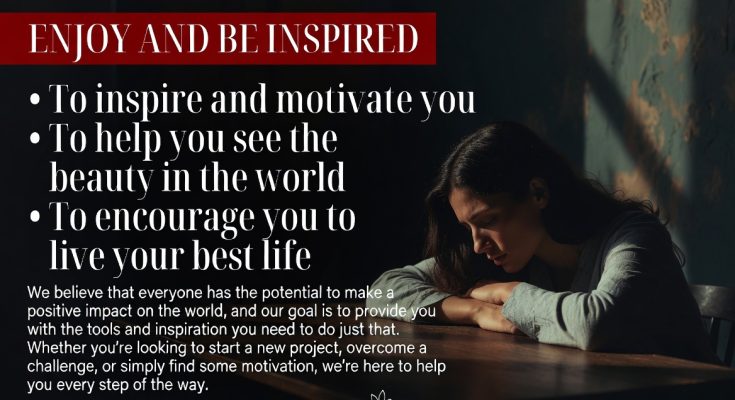
At my daughter’s funeral, my son-in-law announced he was sending my three granddaughters away so he could “start over,” never knowing the girls had hidden the notebook, recordings, and secrets that would destroy him on his wedding day. Read More

My Grandfather Thought He Sent Me $582,000 A Month—Until He Saw My Newborn In Worn Clothes And Learned The Truth

The first time my grandfather met my son, his eyes lingered on the worn blanket wrapped around the baby before he even looked at his face.

His expression tightened, as if I had brought disgrace into his polished, marble home.

Rain streamed down the glass walls of Holloway House, blurring the city behind him into streaks of silver. I stood near the entrance in a faded coat, my newborn pressed close to my chest, his tiny fingers gripping a loose thread on my sleeve.

My grandfather, Victor Holloway—a billionaire and the unquestioned head of the family—looked me over with cold precision.

“Wasn’t $582,000 a month enough?” he asked.

The room fell silent.

My aunt Patricia froze. My cousin Celeste lowered her glass. My mother-in-law Elaine forced a quick, uneasy smile.

I met my grandfather’s gaze calmly.

“I never received a single dollar.”

His expression didn’t explode—just cracked slightly, like stone under pressure.

“What did you say?”

“I said I never received anything.”

Behind him, Patricia and Elaine exchanged a glance. Celeste’s grip tightened. My husband Adrian stepped forward, wearing that same charming but poisonous smile.

“Lena is exhausted,” he said smoothly. “Postpartum confusion can be overwhelming.”

I almost laughed.

Three weeks earlier, I had delivered my baby in a public clinic after a hospital payment failed. Two weeks earlier, I’d received an eviction notice. One week earlier, Adrian had told me I should have been “more grateful.”

Now they stood under a chandelier worth more than everything I owned, pretending concern.

Grandfather turned to Adrian. “I sent support every month.”

Adrian nodded. “Of course. Through the family trust. My mother handled it.”

Elaine touched her necklace. “Victor, this isn’t the moment.”

I kissed my baby’s forehead.

“It is exactly the moment,” I said quietly.

Adrian’s eyes sharpened. He had always hated that tone—calm, controlled, and impossible to dismiss.

For years, they had labeled me the quiet one. The scholarship girl. The charity wife. The outsider lucky enough to marry into wealth.

They never knew I had spent years auditing financial crimes.

They never knew I had kept copies of everything.

They never realized the woman they ignored had been building her case in silence.

My grandfather picked up his phone.

“Call Mercer, Vale, and Roth,” he instructed. “Now.”

Patricia whispered nervously, but he raised his hand.

“No one leaves.”

The lawyers arrived within forty minutes, their coats damp from the rain. During that time, Adrian played his part—pacing, sighing, pretending concern.

“Lena,” he said softly for the room to hear, “whatever you think happened, we can discuss this privately.”

“There’s nothing private anymore.”

For a split second, his mask slipped.

Elaine snapped, “You ungrateful girl. We gave you everything.”

“You gave me bills,” I replied.

Celeste scoffed. “You couldn’t even dress properly at your own baby shower.”

I glanced at her expensive shoes. “And yours were paid for with my son’s money.”

Her face went pale.

The lawyers heard everything.

One of them opened his case. “Do you have proof?”

Adrian laughed. “Proof? She has emotions and screenshots.”

I shifted my baby and placed a small black drive on the table.

“No,” I said. “I have bank records, forged authorizations, shell accounts, fake payments, and messages discussing how long I could survive before breaking.”

The room went cold.

Adrian stared at the drive as if it might explode.

My grandfather’s voice dropped. “Explain.”

So I did.

Every month, over half a million dollars had been sent from the family trust under my name—for housing, medical care, and support.

None of it ever reached me.

The money passed through Elaine’s account, then split into three paths:

Adrian’s failing investment fund.

Patricia’s struggling gallery.

Celeste’s luxury brand, disguised as “wellness services.”

“They told you I refused help,” I said to my grandfather. “They told doctors my bills were paid. They told me you cut me off because I embarrassed the family.”

Adrian slammed his hand on the table. “You’re twisting everything.”

My baby cried, the sound sharp and clear.

I rocked him gently. “No, Adrian. I’m repeating your own words.”

The lawyer connected the drive. Emails appeared on the screen.

Messages about keeping me dependent.

About hiding accounts.

About controlling my future.

My grandfather didn’t move—but something in his gaze darkened.

Adrian lunged forward, but security stopped him.

“This is illegal,” he snapped.

“No,” I said calmly. “It’s evidence.”

He laughed bitterly. “You think you’re clever? You married me without a prenup.”

For the first time, I smiled.

“And you married me without knowing what I owned before you.”

He froze.

I turned to the lawyer. “Show them Crown Ledger Analytics.”

Another file appeared. Adrian’s confidence collapsed.

Before I met him, I had built a financial investigation firm under my mother’s name. Quietly. Successfully.

And that firm had already been hired to investigate suspicious activity linked to this very family.

“You…” Adrian whispered.

“You chose the wrong person to underestimate,” I said.

By midnight, the dining room felt like a courtroom. Rain pounded the windows.

My grandfather sat at the head of the table, holding my sleeping son. His hands trembled slightly.

“I failed you,” he said quietly.

“You were misled,” I answered.

“I still failed.”

Across the room, the others had fallen silent—no more performances, no more excuses.

The lawyer placed the final documents on the table.

“Everything is ready—asset freezes, legal action, and custody protection.”

Adrian stood abruptly. “You can’t do this.”

My grandfather didn’t even look at him.

“You deprived my great-grandson.”

Elaine tried to intervene, but his voice cut through hers.

“You stole from a child.”

One by one, their defenses collapsed.

Patricia’s false business.

Celeste’s fabricated brand.

Adrian’s manipulation and plans.

All exposed.

When the final evidence appeared—messages, recordings, proof of deception—the room went completely silent.

Then my grandfather spoke into his phone.

“Proceed with everything.”

Adrian shouted, protested, insulted—but security escorted him out.

The rest followed, their composure gone.

I remained calm the entire time.

Three months later, everything had changed.

I moved into the east wing of Holloway House—not as someone pitied, but as the one now overseeing the family trust.

My company gained recognition after the case became public.

My son had a bright nursery, warm blankets, and a grandfather who visited him every morning.

Adrian lost everything—his access, his reputation, and eventually his freedom.

The others faced their own consequences.

On my son’s first birthday, my grandfather handed me an envelope.

Inside was the updated trust document.

All future decisions required my approval.

He looked at my dress, then at the baby laughing in my arms.

“Was it enough?” he asked softly.

I kissed my son’s cheek.

“This time,” I said, “it finally went to the right place.”

My Grandfather Thought He Sent Me $582,000 A Month—Until He Saw My Newborn In Worn Clothes And Learned The Truth Read More

“I never received a single dollar,” I told my grandfather as I held my newborn. He froze, realizing the truth, and dialed his attorneys right away.

The first time my grandfather met my son, his eyes lingered on the worn blanket wrapped around the baby before he even looked at his face.

His expression tightened, as if I had brought disgrace into his polished, marble home.

Rain streamed down the glass walls of Holloway House, blurring the city behind him into streaks of silver. I stood near the entrance in a faded coat, my newborn pressed close to my chest, his tiny fingers gripping a loose thread on my sleeve.

My grandfather, Victor Holloway—a billionaire and the unquestioned head of the family—looked me over with cold precision.

“Wasn’t $582,000 a month enough?” he asked.

The room fell silent.

My aunt Patricia froze. My cousin Celeste lowered her glass. My mother-in-law Elaine forced a quick, uneasy smile.

I met my grandfather’s gaze calmly.

“I never received a single dollar.”

His expression didn’t explode—just cracked slightly, like stone under pressure.

“What did you say?”

“I said I never received anything.”

Behind him, Patricia and Elaine exchanged a glance. Celeste’s grip tightened. My husband Adrian stepped forward, wearing that same charming but poisonous smile.

“Lena is exhausted,” he said smoothly. “Postpartum confusion can be overwhelming.”

I almost laughed.

Three weeks earlier, I had delivered my baby in a public clinic after a hospital payment failed. Two weeks earlier, I’d received an eviction notice. One week earlier, Adrian had told me I should have been “more grateful.”

Now they stood under a chandelier worth more than everything I owned, pretending concern.

Grandfather turned to Adrian. “I sent support every month.”

Adrian nodded. “Of course. Through the family trust. My mother handled it.”

Elaine touched her necklace. “Victor, this isn’t the moment.”

I kissed my baby’s forehead.

“It is exactly the moment,” I said quietly.

Adrian’s eyes sharpened. He had always hated that tone—calm, controlled, and impossible to dismiss.

For years, they had labeled me the quiet one. The scholarship girl. The charity wife. The outsider lucky enough to marry into wealth.

They never knew I had spent years auditing financial crimes.

They never knew I had kept copies of everything.

They never realized the woman they ignored had been building her case in silence.

My grandfather picked up his phone.

“Call Mercer, Vale, and Roth,” he instructed. “Now.”

Patricia whispered nervously, but he raised his hand.

“No one leaves.”

The lawyers arrived within forty minutes, their coats damp from the rain. During that time, Adrian played his part—pacing, sighing, pretending concern.

“Lena,” he said softly for the room to hear, “whatever you think happened, we can discuss this privately.”

“There’s nothing private anymore.”

For a split second, his mask slipped.

Elaine snapped, “You ungrateful girl. We gave you everything.”

“You gave me bills,” I replied.

Celeste scoffed. “You couldn’t even dress properly at your own baby shower.”

I glanced at her expensive shoes. “And yours were paid for with my son’s money.”

Her face went pale.

The lawyers heard everything.

One of them opened his case. “Do you have proof?”

Adrian laughed. “Proof? She has emotions and screenshots.”

I shifted my baby and placed a small black drive on the table.

“No,” I said. “I have bank records, forged authorizations, shell accounts, fake payments, and messages discussing how long I could survive before breaking.”

The room went cold.

Adrian stared at the drive as if it might explode.

My grandfather’s voice dropped. “Explain.”

So I did.

Every month, over half a million dollars had been sent from the family trust under my name—for housing, medical care, and support.

None of it ever reached me.

The money passed through Elaine’s account, then split into three paths:

Adrian’s failing investment fund.

Patricia’s struggling gallery.

Celeste’s luxury brand, disguised as “wellness services.”

“They told you I refused help,” I said to my grandfather. “They told doctors my bills were paid. They told me you cut me off because I embarrassed the family.”

Adrian slammed his hand on the table. “You’re twisting everything.”

My baby cried, the sound sharp and clear.

I rocked him gently. “No, Adrian. I’m repeating your own words.”

The lawyer connected the drive. Emails appeared on the screen.

Messages about keeping me dependent.

About hiding accounts.

About controlling my future.

My grandfather didn’t move—but something in his gaze darkened.

Adrian lunged forward, but security stopped him.

“This is illegal,” he snapped.

“No,” I said calmly. “It’s evidence.”

He laughed bitterly. “You think you’re clever? You married me without a prenup.”

For the first time, I smiled.

“And you married me without knowing what I owned before you.”

He froze.

I turned to the lawyer. “Show them Crown Ledger Analytics.”

Another file appeared. Adrian’s confidence collapsed.

Before I met him, I had built a financial investigation firm under my mother’s name. Quietly. Successfully.

And that firm had already been hired to investigate suspicious activity linked to this very family.

“You…” Adrian whispered.

“You chose the wrong person to underestimate,” I said.

By midnight, the dining room felt like a courtroom. Rain pounded the windows.

My grandfather sat at the head of the table, holding my sleeping son. His hands trembled slightly.

“I failed you,” he said quietly.

“You were misled,” I answered.

“I still failed.”

Across the room, the others had fallen silent—no more performances, no more excuses.

The lawyer placed the final documents on the table.

“Everything is ready—asset freezes, legal action, and custody protection.”

Adrian stood abruptly. “You can’t do this.”

My grandfather didn’t even look at him.

“You deprived my great-grandson.”

Elaine tried to intervene, but his voice cut through hers.

“You stole from a child.”

One by one, their defenses collapsed.

Patricia’s false business.

Celeste’s fabricated brand.

Adrian’s manipulation and plans.

All exposed.

When the final evidence appeared—messages, recordings, proof of deception—the room went completely silent.

Then my grandfather spoke into his phone.

“Proceed with everything.”

Adrian shouted, protested, insulted—but security escorted him out.

The rest followed, their composure gone.

I remained calm the entire time.

Three months later, everything had changed.

I moved into the east wing of Holloway House—not as someone pitied, but as the one now overseeing the family trust.

My company gained recognition after the case became public.

My son had a bright nursery, warm blankets, and a grandfather who visited him every morning.

Adrian lost everything—his access, his reputation, and eventually his freedom.

The others faced their own consequences.

On my son’s first birthday, my grandfather handed me an envelope.

Inside was the updated trust document.

All future decisions required my approval.

He looked at my dress, then at the baby laughing in my arms.

“Was it enough?” he asked softly.

I kissed my son’s cheek.

“This time,” I said, “it finally went to the right place.”

“I never received a single dollar,” I told my grandfather as I held my newborn. He froze, realizing the truth, and dialed his attorneys right away. Read More

Seeing my newborn in worn-out clothes, my grandfather realized his $582,000 monthly transfers never reached me—and immediately called his lawyers.

The first time my grandfather met my son, his eyes lingered on the worn blanket wrapped around the baby before he even looked at his face.

His expression tightened, as if I had brought disgrace into his polished, marble home.

Rain streamed down the glass walls of Holloway House, blurring the city behind him into streaks of silver. I stood near the entrance in a faded coat, my newborn pressed close to my chest, his tiny fingers gripping a loose thread on my sleeve.

My grandfather, Victor Holloway—a billionaire and the unquestioned head of the family—looked me over with cold precision.

“Wasn’t $582,000 a month enough?” he asked.

The room fell silent.

My aunt Patricia froze. My cousin Celeste lowered her glass. My mother-in-law Elaine forced a quick, uneasy smile.

I met my grandfather’s gaze calmly.

“I never received a single dollar.”

His expression didn’t explode—just cracked slightly, like stone under pressure.

“What did you say?”

“I said I never received anything.”

Behind him, Patricia and Elaine exchanged a glance. Celeste’s grip tightened. My husband Adrian stepped forward, wearing that same charming but poisonous smile.

“Lena is exhausted,” he said smoothly. “Postpartum confusion can be overwhelming.”

I almost laughed.

Three weeks earlier, I had delivered my baby in a public clinic after a hospital payment failed. Two weeks earlier, I’d received an eviction notice. One week earlier, Adrian had told me I should have been “more grateful.”

Now they stood under a chandelier worth more than everything I owned, pretending concern.

Grandfather turned to Adrian. “I sent support every month.”

Adrian nodded. “Of course. Through the family trust. My mother handled it.”

Elaine touched her necklace. “Victor, this isn’t the moment.”

I kissed my baby’s forehead.

“It is exactly the moment,” I said quietly.

Adrian’s eyes sharpened. He had always hated that tone—calm, controlled, and impossible to dismiss.

For years, they had labeled me the quiet one. The scholarship girl. The charity wife. The outsider lucky enough to marry into wealth.

They never knew I had spent years auditing financial crimes.

They never knew I had kept copies of everything.

They never realized the woman they ignored had been building her case in silence.

My grandfather picked up his phone.

“Call Mercer, Vale, and Roth,” he instructed. “Now.”

Patricia whispered nervously, but he raised his hand.

“No one leaves.”

The lawyers arrived within forty minutes, their coats damp from the rain. During that time, Adrian played his part—pacing, sighing, pretending concern.

“Lena,” he said softly for the room to hear, “whatever you think happened, we can discuss this privately.”

“There’s nothing private anymore.”

For a split second, his mask slipped.

Elaine snapped, “You ungrateful girl. We gave you everything.”

“You gave me bills,” I replied.

Celeste scoffed. “You couldn’t even dress properly at your own baby shower.”

I glanced at her expensive shoes. “And yours were paid for with my son’s money.”

Her face went pale.

The lawyers heard everything.

One of them opened his case. “Do you have proof?”

Adrian laughed. “Proof? She has emotions and screenshots.”

I shifted my baby and placed a small black drive on the table.

“No,” I said. “I have bank records, forged authorizations, shell accounts, fake payments, and messages discussing how long I could survive before breaking.”

The room went cold.

Adrian stared at the drive as if it might explode.

My grandfather’s voice dropped. “Explain.”

So I did.

Every month, over half a million dollars had been sent from the family trust under my name—for housing, medical care, and support.

None of it ever reached me.

The money passed through Elaine’s account, then split into three paths:

Adrian’s failing investment fund.

Patricia’s struggling gallery.

Celeste’s luxury brand, disguised as “wellness services.”

“They told you I refused help,” I said to my grandfather. “They told doctors my bills were paid. They told me you cut me off because I embarrassed the family.”

Adrian slammed his hand on the table. “You’re twisting everything.”

My baby cried, the sound sharp and clear.

I rocked him gently. “No, Adrian. I’m repeating your own words.”

The lawyer connected the drive. Emails appeared on the screen.

Messages about keeping me dependent.

About hiding accounts.

About controlling my future.

My grandfather didn’t move—but something in his gaze darkened.

Adrian lunged forward, but security stopped him.

“This is illegal,” he snapped.

“No,” I said calmly. “It’s evidence.”

He laughed bitterly. “You think you’re clever? You married me without a prenup.”

For the first time, I smiled.

“And you married me without knowing what I owned before you.”

He froze.

I turned to the lawyer. “Show them Crown Ledger Analytics.”

Another file appeared. Adrian’s confidence collapsed.

Before I met him, I had built a financial investigation firm under my mother’s name. Quietly. Successfully.

And that firm had already been hired to investigate suspicious activity linked to this very family.

“You…” Adrian whispered.

“You chose the wrong person to underestimate,” I said.

By midnight, the dining room felt like a courtroom. Rain pounded the windows.

My grandfather sat at the head of the table, holding my sleeping son. His hands trembled slightly.

“I failed you,” he said quietly.

“You were misled,” I answered.

“I still failed.”

Across the room, the others had fallen silent—no more performances, no more excuses.

The lawyer placed the final documents on the table.

“Everything is ready—asset freezes, legal action, and custody protection.”

Adrian stood abruptly. “You can’t do this.”

My grandfather didn’t even look at him.

“You deprived my great-grandson.”

Elaine tried to intervene, but his voice cut through hers.

“You stole from a child.”

One by one, their defenses collapsed.

Patricia’s false business.

Celeste’s fabricated brand.

Adrian’s manipulation and plans.

All exposed.

When the final evidence appeared—messages, recordings, proof of deception—the room went completely silent.

Then my grandfather spoke into his phone.

“Proceed with everything.”

Adrian shouted, protested, insulted—but security escorted him out.

The rest followed, their composure gone.

I remained calm the entire time.

Three months later, everything had changed.

I moved into the east wing of Holloway House—not as someone pitied, but as the one now overseeing the family trust.

My company gained recognition after the case became public.

My son had a bright nursery, warm blankets, and a grandfather who visited him every morning.

Adrian lost everything—his access, his reputation, and eventually his freedom.

The others faced their own consequences.

On my son’s first birthday, my grandfather handed me an envelope.

Inside was the updated trust document.

All future decisions required my approval.

He looked at my dress, then at the baby laughing in my arms.

“Was it enough?” he asked softly.

I kissed my son’s cheek.

“This time,” I said, “it finally went to the right place.”

Seeing my newborn in worn-out clothes, my grandfather realized his $582,000 monthly transfers never reached me—and immediately called his lawyers. Read More

My grandfather thought he was providing $582,000 a month for my newborn. Finding out I was penniless made him call his legal team immediately.

The first time my grandfather met my son, his eyes lingered on the worn blanket wrapped around the baby before he even looked at his face.

His expression tightened, as if I had brought disgrace into his polished, marble home.

Rain streamed down the glass walls of Holloway House, blurring the city behind him into streaks of silver. I stood near the entrance in a faded coat, my newborn pressed close to my chest, his tiny fingers gripping a loose thread on my sleeve.

My grandfather, Victor Holloway—a billionaire and the unquestioned head of the family—looked me over with cold precision.

“Wasn’t $582,000 a month enough?” he asked.

The room fell silent.

My aunt Patricia froze. My cousin Celeste lowered her glass. My mother-in-law Elaine forced a quick, uneasy smile.

I met my grandfather’s gaze calmly.

“I never received a single dollar.”

His expression didn’t explode—just cracked slightly, like stone under pressure.

“What did you say?”

“I said I never received anything.”

Behind him, Patricia and Elaine exchanged a glance. Celeste’s grip tightened. My husband Adrian stepped forward, wearing that same charming but poisonous smile.

“Lena is exhausted,” he said smoothly. “Postpartum confusion can be overwhelming.”

I almost laughed.

Three weeks earlier, I had delivered my baby in a public clinic after a hospital payment failed. Two weeks earlier, I’d received an eviction notice. One week earlier, Adrian had told me I should have been “more grateful.”

Now they stood under a chandelier worth more than everything I owned, pretending concern.

Grandfather turned to Adrian. “I sent support every month.”

Adrian nodded. “Of course. Through the family trust. My mother handled it.”

Elaine touched her necklace. “Victor, this isn’t the moment.”

I kissed my baby’s forehead.

“It is exactly the moment,” I said quietly.

Adrian’s eyes sharpened. He had always hated that tone—calm, controlled, and impossible to dismiss.

For years, they had labeled me the quiet one. The scholarship girl. The charity wife. The outsider lucky enough to marry into wealth.

They never knew I had spent years auditing financial crimes.

They never knew I had kept copies of everything.

They never realized the woman they ignored had been building her case in silence.

My grandfather picked up his phone.

“Call Mercer, Vale, and Roth,” he instructed. “Now.”

Patricia whispered nervously, but he raised his hand.

“No one leaves.”

The lawyers arrived within forty minutes, their coats damp from the rain. During that time, Adrian played his part—pacing, sighing, pretending concern.

“Lena,” he said softly for the room to hear, “whatever you think happened, we can discuss this privately.”

“There’s nothing private anymore.”

For a split second, his mask slipped.

Elaine snapped, “You ungrateful girl. We gave you everything.”

“You gave me bills,” I replied.

Celeste scoffed. “You couldn’t even dress properly at your own baby shower.”

I glanced at her expensive shoes. “And yours were paid for with my son’s money.”

Her face went pale.

The lawyers heard everything.

One of them opened his case. “Do you have proof?”

Adrian laughed. “Proof? She has emotions and screenshots.”

I shifted my baby and placed a small black drive on the table.

“No,” I said. “I have bank records, forged authorizations, shell accounts, fake payments, and messages discussing how long I could survive before breaking.”

The room went cold.

Adrian stared at the drive as if it might explode.

My grandfather’s voice dropped. “Explain.”

So I did.

Every month, over half a million dollars had been sent from the family trust under my name—for housing, medical care, and support.

None of it ever reached me.

The money passed through Elaine’s account, then split into three paths:

Adrian’s failing investment fund.

Patricia’s struggling gallery.

Celeste’s luxury brand, disguised as “wellness services.”

“They told you I refused help,” I said to my grandfather. “They told doctors my bills were paid. They told me you cut me off because I embarrassed the family.”

Adrian slammed his hand on the table. “You’re twisting everything.”

My baby cried, the sound sharp and clear.

I rocked him gently. “No, Adrian. I’m repeating your own words.”

The lawyer connected the drive. Emails appeared on the screen.

Messages about keeping me dependent.

About hiding accounts.

About controlling my future.

My grandfather didn’t move—but something in his gaze darkened.

Adrian lunged forward, but security stopped him.

“This is illegal,” he snapped.

“No,” I said calmly. “It’s evidence.”

He laughed bitterly. “You think you’re clever? You married me without a prenup.”

For the first time, I smiled.

“And you married me without knowing what I owned before you.”

He froze.

I turned to the lawyer. “Show them Crown Ledger Analytics.”

Another file appeared. Adrian’s confidence collapsed.

Before I met him, I had built a financial investigation firm under my mother’s name. Quietly. Successfully.

And that firm had already been hired to investigate suspicious activity linked to this very family.

“You…” Adrian whispered.

“You chose the wrong person to underestimate,” I said.

By midnight, the dining room felt like a courtroom. Rain pounded the windows.

My grandfather sat at the head of the table, holding my sleeping son. His hands trembled slightly.

“I failed you,” he said quietly.

“You were misled,” I answered.

“I still failed.”

Across the room, the others had fallen silent—no more performances, no more excuses.

The lawyer placed the final documents on the table.

“Everything is ready—asset freezes, legal action, and custody protection.”

Adrian stood abruptly. “You can’t do this.”

My grandfather didn’t even look at him.

“You deprived my great-grandson.”

Elaine tried to intervene, but his voice cut through hers.

“You stole from a child.”

One by one, their defenses collapsed.

Patricia’s false business.

Celeste’s fabricated brand.

Adrian’s manipulation and plans.

All exposed.

When the final evidence appeared—messages, recordings, proof of deception—the room went completely silent.

Then my grandfather spoke into his phone.

“Proceed with everything.”

Adrian shouted, protested, insulted—but security escorted him out.

The rest followed, their composure gone.

I remained calm the entire time.

Three months later, everything had changed.

I moved into the east wing of Holloway House—not as someone pitied, but as the one now overseeing the family trust.

My company gained recognition after the case became public.

My son had a bright nursery, warm blankets, and a grandfather who visited him every morning.

Adrian lost everything—his access, his reputation, and eventually his freedom.

The others faced their own consequences.

On my son’s first birthday, my grandfather handed me an envelope.

Inside was the updated trust document.

All future decisions required my approval.

He looked at my dress, then at the baby laughing in my arms.

“Was it enough?” he asked softly.

I kissed my son’s cheek.

“This time,” I said, “it finally went to the right place.”

My grandfather thought he was providing $582,000 a month for my newborn. Finding out I was penniless made him call his legal team immediately. Read More

I held my newborn in worn clothes while my grandfather asked where the $582,000 monthly allowance went. When I said “never received it,” he called his lawyers.

The first time my grandfather met my son, his eyes lingered on the worn blanket wrapped around the baby before he even looked at his face.

His expression tightened, as if I had brought disgrace into his polished, marble home.

Rain streamed down the glass walls of Holloway House, blurring the city behind him into streaks of silver. I stood near the entrance in a faded coat, my newborn pressed close to my chest, his tiny fingers gripping a loose thread on my sleeve.

My grandfather, Victor Holloway—a billionaire and the unquestioned head of the family—looked me over with cold precision.

“Wasn’t $582,000 a month enough?” he asked.

The room fell silent.

My aunt Patricia froze. My cousin Celeste lowered her glass. My mother-in-law Elaine forced a quick, uneasy smile.

I met my grandfather’s gaze calmly.

“I never received a single dollar.”

His expression didn’t explode—just cracked slightly, like stone under pressure.

“What did you say?”

“I said I never received anything.”

Behind him, Patricia and Elaine exchanged a glance. Celeste’s grip tightened. My husband Adrian stepped forward, wearing that same charming but poisonous smile.

“Lena is exhausted,” he said smoothly. “Postpartum confusion can be overwhelming.”

I almost laughed.

Three weeks earlier, I had delivered my baby in a public clinic after a hospital payment failed. Two weeks earlier, I’d received an eviction notice. One week earlier, Adrian had told me I should have been “more grateful.”

Now they stood under a chandelier worth more than everything I owned, pretending concern.

Grandfather turned to Adrian. “I sent support every month.”

Adrian nodded. “Of course. Through the family trust. My mother handled it.”

Elaine touched her necklace. “Victor, this isn’t the moment.”

I kissed my baby’s forehead.

“It is exactly the moment,” I said quietly.

Adrian’s eyes sharpened. He had always hated that tone—calm, controlled, and impossible to dismiss.

For years, they had labeled me the quiet one. The scholarship girl. The charity wife. The outsider lucky enough to marry into wealth.

They never knew I had spent years auditing financial crimes.

They never knew I had kept copies of everything.

They never realized the woman they ignored had been building her case in silence.

My grandfather picked up his phone.

“Call Mercer, Vale, and Roth,” he instructed. “Now.”

Patricia whispered nervously, but he raised his hand.

“No one leaves.”

The lawyers arrived within forty minutes, their coats damp from the rain. During that time, Adrian played his part—pacing, sighing, pretending concern.

“Lena,” he said softly for the room to hear, “whatever you think happened, we can discuss this privately.”

“There’s nothing private anymore.”

For a split second, his mask slipped.

Elaine snapped, “You ungrateful girl. We gave you everything.”

“You gave me bills,” I replied.

Celeste scoffed. “You couldn’t even dress properly at your own baby shower.”

I glanced at her expensive shoes. “And yours were paid for with my son’s money.”

Her face went pale.

The lawyers heard everything.

One of them opened his case. “Do you have proof?”

Adrian laughed. “Proof? She has emotions and screenshots.”

I shifted my baby and placed a small black drive on the table.

“No,” I said. “I have bank records, forged authorizations, shell accounts, fake payments, and messages discussing how long I could survive before breaking.”

The room went cold.

Adrian stared at the drive as if it might explode.

My grandfather’s voice dropped. “Explain.”

So I did.

Every month, over half a million dollars had been sent from the family trust under my name—for housing, medical care, and support.

None of it ever reached me.

The money passed through Elaine’s account, then split into three paths:

Adrian’s failing investment fund.

Patricia’s struggling gallery.

Celeste’s luxury brand, disguised as “wellness services.”

“They told you I refused help,” I said to my grandfather. “They told doctors my bills were paid. They told me you cut me off because I embarrassed the family.”

Adrian slammed his hand on the table. “You’re twisting everything.”

My baby cried, the sound sharp and clear.

I rocked him gently. “No, Adrian. I’m repeating your own words.”

The lawyer connected the drive. Emails appeared on the screen.

Messages about keeping me dependent.

About hiding accounts.

About controlling my future.

My grandfather didn’t move—but something in his gaze darkened.

Adrian lunged forward, but security stopped him.

“This is illegal,” he snapped.

“No,” I said calmly. “It’s evidence.”

He laughed bitterly. “You think you’re clever? You married me without a prenup.”

For the first time, I smiled.

“And you married me without knowing what I owned before you.”

He froze.

I turned to the lawyer. “Show them Crown Ledger Analytics.”

Another file appeared. Adrian’s confidence collapsed.

Before I met him, I had built a financial investigation firm under my mother’s name. Quietly. Successfully.

And that firm had already been hired to investigate suspicious activity linked to this very family.

“You…” Adrian whispered.

“You chose the wrong person to underestimate,” I said.

By midnight, the dining room felt like a courtroom. Rain pounded the windows.

My grandfather sat at the head of the table, holding my sleeping son. His hands trembled slightly.

“I failed you,” he said quietly.

“You were misled,” I answered.

“I still failed.”

Across the room, the others had fallen silent—no more performances, no more excuses.

The lawyer placed the final documents on the table.

“Everything is ready—asset freezes, legal action, and custody protection.”

Adrian stood abruptly. “You can’t do this.”

My grandfather didn’t even look at him.

“You deprived my great-grandson.”

Elaine tried to intervene, but his voice cut through hers.

“You stole from a child.”

One by one, their defenses collapsed.

Patricia’s false business.

Celeste’s fabricated brand.

Adrian’s manipulation and plans.

All exposed.

When the final evidence appeared—messages, recordings, proof of deception—the room went completely silent.

Then my grandfather spoke into his phone.

“Proceed with everything.”

Adrian shouted, protested, insulted—but security escorted him out.

The rest followed, their composure gone.

I remained calm the entire time.

Three months later, everything had changed.

I moved into the east wing of Holloway House—not as someone pitied, but as the one now overseeing the family trust.

My company gained recognition after the case became public.

My son had a bright nursery, warm blankets, and a grandfather who visited him every morning.

Adrian lost everything—his access, his reputation, and eventually his freedom.

The others faced their own consequences.

On my son’s first birthday, my grandfather handed me an envelope.

Inside was the updated trust document.

All future decisions required my approval.

He looked at my dress, then at the baby laughing in my arms.

“Was it enough?” he asked softly.

I kissed my son’s cheek.

“This time,” I said, “it finally went to the right place.”

I held my newborn in worn clothes while my grandfather asked where the $582,000 monthly allowance went. When I said “never received it,” he called his lawyers. Read More

Looking at my newborn in old clothes, my grandfather asked about the $582,000 monthly funds. My calm answer exposed a massive betrayal.

The first time my grandfather met my son, his eyes lingered on the worn blanket wrapped around the baby before he even looked at his face.

His expression tightened, as if I had brought disgrace into his polished, marble home.

Rain streamed down the glass walls of Holloway House, blurring the city behind him into streaks of silver. I stood near the entrance in a faded coat, my newborn pressed close to my chest, his tiny fingers gripping a loose thread on my sleeve.

My grandfather, Victor Holloway—a billionaire and the unquestioned head of the family—looked me over with cold precision.

“Wasn’t $582,000 a month enough?” he asked.

The room fell silent.

My aunt Patricia froze. My cousin Celeste lowered her glass. My mother-in-law Elaine forced a quick, uneasy smile.

I met my grandfather’s gaze calmly.

“I never received a single dollar.”

His expression didn’t explode—just cracked slightly, like stone under pressure.

“What did you say?”

“I said I never received anything.”

Behind him, Patricia and Elaine exchanged a glance. Celeste’s grip tightened. My husband Adrian stepped forward, wearing that same charming but poisonous smile.

“Lena is exhausted,” he said smoothly. “Postpartum confusion can be overwhelming.”

I almost laughed.

Three weeks earlier, I had delivered my baby in a public clinic after a hospital payment failed. Two weeks earlier, I’d received an eviction notice. One week earlier, Adrian had told me I should have been “more grateful.”

Now they stood under a chandelier worth more than everything I owned, pretending concern.

Grandfather turned to Adrian. “I sent support every month.”

Adrian nodded. “Of course. Through the family trust. My mother handled it.”

Elaine touched her necklace. “Victor, this isn’t the moment.”

I kissed my baby’s forehead.

“It is exactly the moment,” I said quietly.

Adrian’s eyes sharpened. He had always hated that tone—calm, controlled, and impossible to dismiss.

For years, they had labeled me the quiet one. The scholarship girl. The charity wife. The outsider lucky enough to marry into wealth.

They never knew I had spent years auditing financial crimes.

They never knew I had kept copies of everything.

They never realized the woman they ignored had been building her case in silence.

My grandfather picked up his phone.

“Call Mercer, Vale, and Roth,” he instructed. “Now.”

Patricia whispered nervously, but he raised his hand.

“No one leaves.”

The lawyers arrived within forty minutes, their coats damp from the rain. During that time, Adrian played his part—pacing, sighing, pretending concern.

“Lena,” he said softly for the room to hear, “whatever you think happened, we can discuss this privately.”

“There’s nothing private anymore.”

For a split second, his mask slipped.

Elaine snapped, “You ungrateful girl. We gave you everything.”

“You gave me bills,” I replied.

Celeste scoffed. “You couldn’t even dress properly at your own baby shower.”

I glanced at her expensive shoes. “And yours were paid for with my son’s money.”

Her face went pale.

The lawyers heard everything.

One of them opened his case. “Do you have proof?”

Adrian laughed. “Proof? She has emotions and screenshots.”

I shifted my baby and placed a small black drive on the table.

“No,” I said. “I have bank records, forged authorizations, shell accounts, fake payments, and messages discussing how long I could survive before breaking.”

The room went cold.

Adrian stared at the drive as if it might explode.

My grandfather’s voice dropped. “Explain.”

So I did.

Every month, over half a million dollars had been sent from the family trust under my name—for housing, medical care, and support.

None of it ever reached me.

The money passed through Elaine’s account, then split into three paths:

Adrian’s failing investment fund.

Patricia’s struggling gallery.

Celeste’s luxury brand, disguised as “wellness services.”

“They told you I refused help,” I said to my grandfather. “They told doctors my bills were paid. They told me you cut me off because I embarrassed the family.”

Adrian slammed his hand on the table. “You’re twisting everything.”

My baby cried, the sound sharp and clear.

I rocked him gently. “No, Adrian. I’m repeating your own words.”

The lawyer connected the drive. Emails appeared on the screen.

Messages about keeping me dependent.

About hiding accounts.

About controlling my future.

My grandfather didn’t move—but something in his gaze darkened.

Adrian lunged forward, but security stopped him.

“This is illegal,” he snapped.

“No,” I said calmly. “It’s evidence.”

He laughed bitterly. “You think you’re clever? You married me without a prenup.”

For the first time, I smiled.

“And you married me without knowing what I owned before you.”

He froze.

I turned to the lawyer. “Show them Crown Ledger Analytics.”

Another file appeared. Adrian’s confidence collapsed.

Before I met him, I had built a financial investigation firm under my mother’s name. Quietly. Successfully.

And that firm had already been hired to investigate suspicious activity linked to this very family.

“You…” Adrian whispered.

“You chose the wrong person to underestimate,” I said.

By midnight, the dining room felt like a courtroom. Rain pounded the windows.

My grandfather sat at the head of the table, holding my sleeping son. His hands trembled slightly.

“I failed you,” he said quietly.

“You were misled,” I answered.

“I still failed.”

Across the room, the others had fallen silent—no more performances, no more excuses.

The lawyer placed the final documents on the table.

“Everything is ready—asset freezes, legal action, and custody protection.”

Adrian stood abruptly. “You can’t do this.”

My grandfather didn’t even look at him.

“You deprived my great-grandson.”

Elaine tried to intervene, but his voice cut through hers.

“You stole from a child.”

One by one, their defenses collapsed.

Patricia’s false business.

Celeste’s fabricated brand.

Adrian’s manipulation and plans.

All exposed.

When the final evidence appeared—messages, recordings, proof of deception—the room went completely silent.

Then my grandfather spoke into his phone.

“Proceed with everything.”

Adrian shouted, protested, insulted—but security escorted him out.

The rest followed, their composure gone.

I remained calm the entire time.

Three months later, everything had changed.

I moved into the east wing of Holloway House—not as someone pitied, but as the one now overseeing the family trust.

My company gained recognition after the case became public.

My son had a bright nursery, warm blankets, and a grandfather who visited him every morning.

Adrian lost everything—his access, his reputation, and eventually his freedom.

The others faced their own consequences.

On my son’s first birthday, my grandfather handed me an envelope.

Inside was the updated trust document.

All future decisions required my approval.

He looked at my dress, then at the baby laughing in my arms.

“Was it enough?” he asked softly.

I kissed my son’s cheek.

“This time,” I said, “it finally went to the right place.”

Looking at my newborn in old clothes, my grandfather asked about the $582,000 monthly funds. My calm answer exposed a massive betrayal. Read More

My grandfather was stunned to see my newborn in worn-out clothes. Finding out I never got the $582,000 monthly payments, he picked up the phone to call his attorneys.

The first time my grandfather met my son, his eyes lingered on the worn blanket wrapped around the baby before he even looked at his face.

His expression tightened, as if I had brought disgrace into his polished, marble home.

Rain streamed down the glass walls of Holloway House, blurring the city behind him into streaks of silver. I stood near the entrance in a faded coat, my newborn pressed close to my chest, his tiny fingers gripping a loose thread on my sleeve.

My grandfather, Victor Holloway—a billionaire and the unquestioned head of the family—looked me over with cold precision.

“Wasn’t $582,000 a month enough?” he asked.

The room fell silent.

My aunt Patricia froze. My cousin Celeste lowered her glass. My mother-in-law Elaine forced a quick, uneasy smile.

I met my grandfather’s gaze calmly.

“I never received a single dollar.”

His expression didn’t explode—just cracked slightly, like stone under pressure.

“What did you say?”

“I said I never received anything.”

Behind him, Patricia and Elaine exchanged a glance. Celeste’s grip tightened. My husband Adrian stepped forward, wearing that same charming but poisonous smile.

“Lena is exhausted,” he said smoothly. “Postpartum confusion can be overwhelming.”

I almost laughed.

Three weeks earlier, I had delivered my baby in a public clinic after a hospital payment failed. Two weeks earlier, I’d received an eviction notice. One week earlier, Adrian had told me I should have been “more grateful.”

Now they stood under a chandelier worth more than everything I owned, pretending concern.

Grandfather turned to Adrian. “I sent support every month.”

Adrian nodded. “Of course. Through the family trust. My mother handled it.”

Elaine touched her necklace. “Victor, this isn’t the moment.”

I kissed my baby’s forehead.

“It is exactly the moment,” I said quietly.

Adrian’s eyes sharpened. He had always hated that tone—calm, controlled, and impossible to dismiss.

For years, they had labeled me the quiet one. The scholarship girl. The charity wife. The outsider lucky enough to marry into wealth.

They never knew I had spent years auditing financial crimes.

They never knew I had kept copies of everything.

They never realized the woman they ignored had been building her case in silence.

My grandfather picked up his phone.

“Call Mercer, Vale, and Roth,” he instructed. “Now.”

Patricia whispered nervously, but he raised his hand.

“No one leaves.”

The lawyers arrived within forty minutes, their coats damp from the rain. During that time, Adrian played his part—pacing, sighing, pretending concern.

“Lena,” he said softly for the room to hear, “whatever you think happened, we can discuss this privately.”

“There’s nothing private anymore.”

For a split second, his mask slipped.

Elaine snapped, “You ungrateful girl. We gave you everything.”

“You gave me bills,” I replied.

Celeste scoffed. “You couldn’t even dress properly at your own baby shower.”

I glanced at her expensive shoes. “And yours were paid for with my son’s money.”

Her face went pale.

The lawyers heard everything.

One of them opened his case. “Do you have proof?”

Adrian laughed. “Proof? She has emotions and screenshots.”

I shifted my baby and placed a small black drive on the table.

“No,” I said. “I have bank records, forged authorizations, shell accounts, fake payments, and messages discussing how long I could survive before breaking.”

The room went cold.

Adrian stared at the drive as if it might explode.

My grandfather’s voice dropped. “Explain.”

So I did.

Every month, over half a million dollars had been sent from the family trust under my name—for housing, medical care, and support.

None of it ever reached me.

The money passed through Elaine’s account, then split into three paths:

Adrian’s failing investment fund.

Patricia’s struggling gallery.

Celeste’s luxury brand, disguised as “wellness services.”

“They told you I refused help,” I said to my grandfather. “They told doctors my bills were paid. They told me you cut me off because I embarrassed the family.”

Adrian slammed his hand on the table. “You’re twisting everything.”

My baby cried, the sound sharp and clear.

I rocked him gently. “No, Adrian. I’m repeating your own words.”

The lawyer connected the drive. Emails appeared on the screen.

Messages about keeping me dependent.

About hiding accounts.

About controlling my future.

My grandfather didn’t move—but something in his gaze darkened.

Adrian lunged forward, but security stopped him.

“This is illegal,” he snapped.

“No,” I said calmly. “It’s evidence.”

He laughed bitterly. “You think you’re clever? You married me without a prenup.”

For the first time, I smiled.

“And you married me without knowing what I owned before you.”

He froze.

I turned to the lawyer. “Show them Crown Ledger Analytics.”

Another file appeared. Adrian’s confidence collapsed.

Before I met him, I had built a financial investigation firm under my mother’s name. Quietly. Successfully.

And that firm had already been hired to investigate suspicious activity linked to this very family.

“You…” Adrian whispered.

“You chose the wrong person to underestimate,” I said.

By midnight, the dining room felt like a courtroom. Rain pounded the windows.

My grandfather sat at the head of the table, holding my sleeping son. His hands trembled slightly.

“I failed you,” he said quietly.

“You were misled,” I answered.

“I still failed.”

Across the room, the others had fallen silent—no more performances, no more excuses.

The lawyer placed the final documents on the table.

“Everything is ready—asset freezes, legal action, and custody protection.”

Adrian stood abruptly. “You can’t do this.”

My grandfather didn’t even look at him.

“You deprived my great-grandson.”

Elaine tried to intervene, but his voice cut through hers.

“You stole from a child.”

One by one, their defenses collapsed.

Patricia’s false business.

Celeste’s fabricated brand.

Adrian’s manipulation and plans.

All exposed.

When the final evidence appeared—messages, recordings, proof of deception—the room went completely silent.

Then my grandfather spoke into his phone.

“Proceed with everything.”

Adrian shouted, protested, insulted—but security escorted him out.

The rest followed, their composure gone.

I remained calm the entire time.

Three months later, everything had changed.

I moved into the east wing of Holloway House—not as someone pitied, but as the one now overseeing the family trust.

My company gained recognition after the case became public.

My son had a bright nursery, warm blankets, and a grandfather who visited him every morning.

Adrian lost everything—his access, his reputation, and eventually his freedom.

The others faced their own consequences.

On my son’s first birthday, my grandfather handed me an envelope.

Inside was the updated trust document.

All future decisions required my approval.

He looked at my dress, then at the baby laughing in my arms.

“Was it enough?” he asked softly.

I kissed my son’s cheek.

“This time,” I said, “it finally went to the right place.”

My grandfather was stunned to see my newborn in worn-out clothes. Finding out I never got the $582,000 monthly payments, he picked up the phone to call his attorneys. Read More

He asked why my newborn and I were in worn-out clothes if he sent $582,000 every month. My response made him call his lawyers on the spot.

The first time my grandfather met my son, his eyes lingered on the worn blanket wrapped around the baby before he even looked at his face.

His expression tightened, as if I had brought disgrace into his polished, marble home.

Rain streamed down the glass walls of Holloway House, blurring the city behind him into streaks of silver. I stood near the entrance in a faded coat, my newborn pressed close to my chest, his tiny fingers gripping a loose thread on my sleeve.

My grandfather, Victor Holloway—a billionaire and the unquestioned head of the family—looked me over with cold precision.

“Wasn’t $582,000 a month enough?” he asked.

The room fell silent.

My aunt Patricia froze. My cousin Celeste lowered her glass. My mother-in-law Elaine forced a quick, uneasy smile.

I met my grandfather’s gaze calmly.

“I never received a single dollar.”

His expression didn’t explode—just cracked slightly, like stone under pressure.

“What did you say?”

“I said I never received anything.”

Behind him, Patricia and Elaine exchanged a glance. Celeste’s grip tightened. My husband Adrian stepped forward, wearing that same charming but poisonous smile.

“Lena is exhausted,” he said smoothly. “Postpartum confusion can be overwhelming.”

I almost laughed.

Three weeks earlier, I had delivered my baby in a public clinic after a hospital payment failed. Two weeks earlier, I’d received an eviction notice. One week earlier, Adrian had told me I should have been “more grateful.”

Now they stood under a chandelier worth more than everything I owned, pretending concern.

Grandfather turned to Adrian. “I sent support every month.”

Adrian nodded. “Of course. Through the family trust. My mother handled it.”

Elaine touched her necklace. “Victor, this isn’t the moment.”

I kissed my baby’s forehead.

“It is exactly the moment,” I said quietly.

Adrian’s eyes sharpened. He had always hated that tone—calm, controlled, and impossible to dismiss.

For years, they had labeled me the quiet one. The scholarship girl. The charity wife. The outsider lucky enough to marry into wealth.

They never knew I had spent years auditing financial crimes.

They never knew I had kept copies of everything.

They never realized the woman they ignored had been building her case in silence.

My grandfather picked up his phone.

“Call Mercer, Vale, and Roth,” he instructed. “Now.”

Patricia whispered nervously, but he raised his hand.

“No one leaves.”

The lawyers arrived within forty minutes, their coats damp from the rain. During that time, Adrian played his part—pacing, sighing, pretending concern.

“Lena,” he said softly for the room to hear, “whatever you think happened, we can discuss this privately.”

“There’s nothing private anymore.”

For a split second, his mask slipped.

Elaine snapped, “You ungrateful girl. We gave you everything.”

“You gave me bills,” I replied.

Celeste scoffed. “You couldn’t even dress properly at your own baby shower.”

I glanced at her expensive shoes. “And yours were paid for with my son’s money.”

Her face went pale.

The lawyers heard everything.

One of them opened his case. “Do you have proof?”

Adrian laughed. “Proof? She has emotions and screenshots.”

I shifted my baby and placed a small black drive on the table.

“No,” I said. “I have bank records, forged authorizations, shell accounts, fake payments, and messages discussing how long I could survive before breaking.”

The room went cold.

Adrian stared at the drive as if it might explode.

My grandfather’s voice dropped. “Explain.”

So I did.

Every month, over half a million dollars had been sent from the family trust under my name—for housing, medical care, and support.

None of it ever reached me.

The money passed through Elaine’s account, then split into three paths:

Adrian’s failing investment fund.

Patricia’s struggling gallery.

Celeste’s luxury brand, disguised as “wellness services.”

“They told you I refused help,” I said to my grandfather. “They told doctors my bills were paid. They told me you cut me off because I embarrassed the family.”

Adrian slammed his hand on the table. “You’re twisting everything.”

My baby cried, the sound sharp and clear.

I rocked him gently. “No, Adrian. I’m repeating your own words.”

The lawyer connected the drive. Emails appeared on the screen.

Messages about keeping me dependent.

About hiding accounts.

About controlling my future.

My grandfather didn’t move—but something in his gaze darkened.

Adrian lunged forward, but security stopped him.

“This is illegal,” he snapped.

“No,” I said calmly. “It’s evidence.”

He laughed bitterly. “You think you’re clever? You married me without a prenup.”

For the first time, I smiled.

“And you married me without knowing what I owned before you.”

He froze.

I turned to the lawyer. “Show them Crown Ledger Analytics.”

Another file appeared. Adrian’s confidence collapsed.

Before I met him, I had built a financial investigation firm under my mother’s name. Quietly. Successfully.

And that firm had already been hired to investigate suspicious activity linked to this very family.

“You…” Adrian whispered.

“You chose the wrong person to underestimate,” I said.

By midnight, the dining room felt like a courtroom. Rain pounded the windows.

My grandfather sat at the head of the table, holding my sleeping son. His hands trembled slightly.

“I failed you,” he said quietly.

“You were misled,” I answered.

“I still failed.”

Across the room, the others had fallen silent—no more performances, no more excuses.

The lawyer placed the final documents on the table.

“Everything is ready—asset freezes, legal action, and custody protection.”

Adrian stood abruptly. “You can’t do this.”

My grandfather didn’t even look at him.

“You deprived my great-grandson.”

Elaine tried to intervene, but his voice cut through hers.

“You stole from a child.”

One by one, their defenses collapsed.

Patricia’s false business.

Celeste’s fabricated brand.

Adrian’s manipulation and plans.

All exposed.

When the final evidence appeared—messages, recordings, proof of deception—the room went completely silent.

Then my grandfather spoke into his phone.

“Proceed with everything.”

Adrian shouted, protested, insulted—but security escorted him out.

The rest followed, their composure gone.

I remained calm the entire time.

Three months later, everything had changed.

I moved into the east wing of Holloway House—not as someone pitied, but as the one now overseeing the family trust.

My company gained recognition after the case became public.

My son had a bright nursery, warm blankets, and a grandfather who visited him every morning.

Adrian lost everything—his access, his reputation, and eventually his freedom.

The others faced their own consequences.

On my son’s first birthday, my grandfather handed me an envelope.

Inside was the updated trust document.

All future decisions required my approval.

He looked at my dress, then at the baby laughing in my arms.

“Was it enough?” he asked softly.

I kissed my son’s cheek.

“This time,” I said, “it finally went to the right place.”

He asked why my newborn and I were in worn-out clothes if he sent $582,000 every month. My response made him call his lawyers on the spot. Read More

When I told my grandfather I hadn’t received a single dollar of the $582,000 monthly allowance, he froze and immediately called his lawyers.

The first time my grandfather met my son, his eyes lingered on the worn blanket wrapped around the baby before he even looked at his face.

His expression tightened, as if I had brought disgrace into his polished, marble home.

Rain streamed down the glass walls of Holloway House, blurring the city behind him into streaks of silver. I stood near the entrance in a faded coat, my newborn pressed close to my chest, his tiny fingers gripping a loose thread on my sleeve.

My grandfather, Victor Holloway—a billionaire and the unquestioned head of the family—looked me over with cold precision.

“Wasn’t $582,000 a month enough?” he asked.

The room fell silent.

My aunt Patricia froze. My cousin Celeste lowered her glass. My mother-in-law Elaine forced a quick, uneasy smile.

I met my grandfather’s gaze calmly.

“I never received a single dollar.”

His expression didn’t explode—just cracked slightly, like stone under pressure.

“What did you say?”

“I said I never received anything.”

Behind him, Patricia and Elaine exchanged a glance. Celeste’s grip tightened. My husband Adrian stepped forward, wearing that same charming but poisonous smile.

“Lena is exhausted,” he said smoothly. “Postpartum confusion can be overwhelming.”

I almost laughed.

Three weeks earlier, I had delivered my baby in a public clinic after a hospital payment failed. Two weeks earlier, I’d received an eviction notice. One week earlier, Adrian had told me I should have been “more grateful.”

Now they stood under a chandelier worth more than everything I owned, pretending concern.

Grandfather turned to Adrian. “I sent support every month.”

Adrian nodded. “Of course. Through the family trust. My mother handled it.”

Elaine touched her necklace. “Victor, this isn’t the moment.”

I kissed my baby’s forehead.

“It is exactly the moment,” I said quietly.

Adrian’s eyes sharpened. He had always hated that tone—calm, controlled, and impossible to dismiss.

For years, they had labeled me the quiet one. The scholarship girl. The charity wife. The outsider lucky enough to marry into wealth.

They never knew I had spent years auditing financial crimes.

They never knew I had kept copies of everything.

They never realized the woman they ignored had been building her case in silence.

My grandfather picked up his phone.

“Call Mercer, Vale, and Roth,” he instructed. “Now.”

Patricia whispered nervously, but he raised his hand.

“No one leaves.”

The lawyers arrived within forty minutes, their coats damp from the rain. During that time, Adrian played his part—pacing, sighing, pretending concern.

“Lena,” he said softly for the room to hear, “whatever you think happened, we can discuss this privately.”

“There’s nothing private anymore.”

For a split second, his mask slipped.

Elaine snapped, “You ungrateful girl. We gave you everything.”

“You gave me bills,” I replied.

Celeste scoffed. “You couldn’t even dress properly at your own baby shower.”

I glanced at her expensive shoes. “And yours were paid for with my son’s money.”

Her face went pale.

The lawyers heard everything.

One of them opened his case. “Do you have proof?”

Adrian laughed. “Proof? She has emotions and screenshots.”

I shifted my baby and placed a small black drive on the table.

“No,” I said. “I have bank records, forged authorizations, shell accounts, fake payments, and messages discussing how long I could survive before breaking.”

The room went cold.

Adrian stared at the drive as if it might explode.

My grandfather’s voice dropped. “Explain.”

So I did.

Every month, over half a million dollars had been sent from the family trust under my name—for housing, medical care, and support.

None of it ever reached me.

The money passed through Elaine’s account, then split into three paths:

Adrian’s failing investment fund.

Patricia’s struggling gallery.

Celeste’s luxury brand, disguised as “wellness services.”

“They told you I refused help,” I said to my grandfather. “They told doctors my bills were paid. They told me you cut me off because I embarrassed the family.”

Adrian slammed his hand on the table. “You’re twisting everything.”

My baby cried, the sound sharp and clear.

I rocked him gently. “No, Adrian. I’m repeating your own words.”

The lawyer connected the drive. Emails appeared on the screen.

Messages about keeping me dependent.

About hiding accounts.

About controlling my future.

My grandfather didn’t move—but something in his gaze darkened.

Adrian lunged forward, but security stopped him.

“This is illegal,” he snapped.

“No,” I said calmly. “It’s evidence.”

He laughed bitterly. “You think you’re clever? You married me without a prenup.”

For the first time, I smiled.

“And you married me without knowing what I owned before you.”

He froze.

I turned to the lawyer. “Show them Crown Ledger Analytics.”

Another file appeared. Adrian’s confidence collapsed.

Before I met him, I had built a financial investigation firm under my mother’s name. Quietly. Successfully.

And that firm had already been hired to investigate suspicious activity linked to this very family.

“You…” Adrian whispered.

“You chose the wrong person to underestimate,” I said.

By midnight, the dining room felt like a courtroom. Rain pounded the windows.

My grandfather sat at the head of the table, holding my sleeping son. His hands trembled slightly.

“I failed you,” he said quietly.

“You were misled,” I answered.

“I still failed.”

Across the room, the others had fallen silent—no more performances, no more excuses.

The lawyer placed the final documents on the table.

“Everything is ready—asset freezes, legal action, and custody protection.”

Adrian stood abruptly. “You can’t do this.”

My grandfather didn’t even look at him.

“You deprived my great-grandson.”

Elaine tried to intervene, but his voice cut through hers.

“You stole from a child.”

One by one, their defenses collapsed.

Patricia’s false business.

Celeste’s fabricated brand.

Adrian’s manipulation and plans.

All exposed.

When the final evidence appeared—messages, recordings, proof of deception—the room went completely silent.

Then my grandfather spoke into his phone.

“Proceed with everything.”

Adrian shouted, protested, insulted—but security escorted him out.

The rest followed, their composure gone.

I remained calm the entire time.

Three months later, everything had changed.

I moved into the east wing of Holloway House—not as someone pitied, but as the one now overseeing the family trust.

My company gained recognition after the case became public.

My son had a bright nursery, warm blankets, and a grandfather who visited him every morning.

Adrian lost everything—his access, his reputation, and eventually his freedom.

The others faced their own consequences.

On my son’s first birthday, my grandfather handed me an envelope.

Inside was the updated trust document.

All future decisions required my approval.

He looked at my dress, then at the baby laughing in my arms.

“Was it enough?” he asked softly.

I kissed my son’s cheek.

“This time,” I said, “it finally went to the right place.”

When I told my grandfather I hadn’t received a single dollar of the $582,000 monthly allowance, he froze and immediately called his lawyers. Read More