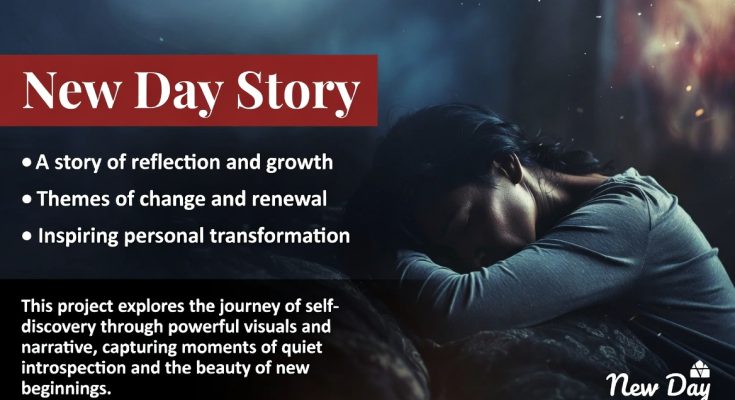
After my ex-wife’s family recorded themselves harassing my daughter, she fled straight to my tactical base. I didn’t hesitate; I gathered my corporate security trainees, distributed the coordinates of all eleven individuals, and told them to deliver a real reality check.

Part 1: At the Gate

My daughter reached Forward Operating Site Redstone just after 2 a.m., barefoot and shaking beneath the harsh white security lights.

At first, the guard thought she was drunk.

Then I saw the way she held one arm against her ribs, the swelling around one eye, and the dried blood at her lip. She was nineteen, but in that moment, Lily looked nine again, standing in my hallway after a nightmare.

“Dad,” she whispered.

I crossed the gravel before anyone else moved. Her knees gave out when she reached me, and I caught her carefully.

“Who did this?”

She tried to breathe and folded in pain.

The medic arrived with a trauma bag. I waved him in, but Lily gripped my sleeve.

“Mom’s new family,” she said. “All of them. Eleven. They filmed it.”

The words landed flat, which made them worse.

My ex-wife, Marissa, had remarried into the Hawthorne family two years earlier: old money, louder lawyers, church photos, charity dinners, polished watches, perfect smiles, and men who shook your hand too hard.

I looked down at my daughter’s face and felt something inside me become very still.

The medic said, “Sir, we need to move her.”

I nodded. “Take her to the infirmary. Full exam. Photographs. Chain of custody on every item. No one touches her phone except Singh.”

Lily’s good eye lifted to mine.

“I’m not leaving,” I said.

She relaxed enough to let them carry her.

My current class had gathered outside the barracks: twenty-four trainees from three private security contracts, halfway through an advanced protection course. That week they had studied convoy drills, counter-surveillance, emergency extraction, and evidence preservation.

Now they stood silent.

I turned to them.

“Who wants a field exercise?”

Every hand rose.

“This is not revenge,” I said. “This is discipline. We find every person involved, every device, every copy, every witness, every lie. We build a case so tight no judge can breathe around it.”

A former detective named Tessa Vale stepped forward. “Rules of engagement?”

“No mercy,” I said. “No stupidity. No assaults. No threats. No cowboy nonsense. We take their freedom, money, reputations, and sleep. We do it by the book so they never get it back.”

I handed out addresses.

Within ten days, all eleven had disappeared from their comfortable lives.

When Marissa called screaming, “I know you did this,” I answered, “Then you should know I kept the receipts.”

She went quiet.

That was when I knew she had expected rage, denial, or a threat she could record.

Instead, I gave her evidence.

“You think you’re untouchable?” she hissed.

“No,” I said. “I think evidence is.”

Then I hung up.

Part 2: Receipts

By then, the first arrest had already happened.

No battering ram. No movie-style raid. Just two county deputies and a federal agent walking into a downtown law office, where Brent Hawthorne was trying to explain that a video on his phone was “just a family argument.”

Tessa found the first copy in under eight hours.

Lily’s phone had not recorded the assault itself, but it had captured something better: a reflection in a patio door, a license plate, and a Hawthorne cousin laughing while saying, “Upload it before she cries to her daddy.”

Arjun Singh, our communications instructor, traced the chain to three phones, two laptops, and a cloud account under a fake name that still billed to Hawthorne Construction’s corporate card.

People like that believed cruelty made them powerful.

It only made them careless.

The second and third arrests happened at the airport. Graham and Lewis Hawthorne had bought tickets to Costa Rica under their middle names. They reached TSA before discovering their passports had been flagged.

The fourth turned himself in after his employer received screenshots, timestamps, and a neighbor statement.

The fifth ran.

We did not chase him.

We watched.

His girlfriend’s house. His gym. His storage unit. His mother’s church.

He lasted thirty-six hours before hunger and arrogance brought him to a gas station off Route 17, where state police arrested him beside a hot-dog roller.

By day five, the Hawthorne name had collapsed online.

By day six, the local news had Lily’s story.

By day seven, Marissa stopped posting inspirational quotes.

She had not raised a hand against Lily. That was her defense.

But the recording showed her standing in the kitchen doorway with a glass of wine, watching eleven people surround my daughter because Lily had refused to sign over money from a college fund I had built before the divorce.

Marissa watched.

Marissa smiled once.

That smile did more damage than any confession.

On day eight, her husband, Calvin Hawthorne, was arrested for unlawful restraint, assault conspiracy, witness intimidation, and evidence tampering. Deputies found him in his Mercedes with the engine running and a suitcase full of cash.

On day nine, the last two cousins were picked up in Phoenix.

On day ten, Marissa called again.

This time she was crying.

“You destroyed my life.”

I looked through the infirmary window at Lily asleep beneath a gray blanket.

“No,” I said. “I documented it.”

Then I hung up and returned to the classroom.

Twenty-four trainees looked up from their after-action reports.

Tessa stood near the whiteboard. “What now?”

I picked up a marker and wrote two words.

PROTECTIVE DETAIL.

“Now,” I said, “we make sure my daughter gets to testify.”

Part 3: The Courthouse

The Mercer County courthouse sat between a tax office and a bakery that opened at five every morning.

That bothered me more than it should have. People walked by carrying coffee and warm pastries while my daughter sat in a secure room, preparing to describe the worst night of her life to strangers in suits.

The world does not stop for pain.

It never has.

Lily wore a navy blazer over a white blouse. The swelling had faded, but a faint shadow remained beneath makeup. Every few minutes, she pressed two fingers against her side, as if reminding herself she was still there.

I stood by the door, hands folded.

“Stop doing that,” she said.

“Doing what?”

“Looking like you’re about to invade the courthouse.”

“I’m relaxed.”

“You look like a statue outside a military museum.”

Tessa smiled from the window. “She’s not wrong.”

Lily almost laughed.

The prosecutor, Dana Wells, entered with a thick red folder. She was calm, precise, and missed nothing.

“They offered another plea,” she said.

“All of them?” Lily asked.

“Seven. The other four want trial.”

“What did they offer?”

“Admission of participation, surrender of devices, restitution, prison time, and written apologies.”

Lily looked down at her hands.

“No apology letters.”

Dana paused. “You don’t have to read them.”

“I know. I don’t want them written. They’ll only say what helps them. I don’t need fake regret.”

Dana nodded. “That is your right.”

Lily looked at me. “What do you think?”

I could have told her I wanted every one of them buried under prison walls. I could have said Calvin deserved to wake up every morning to a cell door, and Marissa deserved to sit alone in the life she chose over her daughter.

But this was not mine to own.

“I think you get to choose what gives you air,” I said.

She held my gaze, then turned back to Dana.

“No private deals. No apology letters. Everything on record.”

Dana made a note. “Then we go forward.”

The first hearing lasted three hours.

Calvin entered in a charcoal suit, thinner than in old photographs. His lawyer guided him like he was fragile. Brent did not look at Lily. Neither did the cousins lined along the defense table.

Marissa did.

She sat behind them in a cream dress, twisting a tissue in her lap. Her eyes found mine first, full of accusation, as if I had planted the truth in her house.

Then she looked at Lily.

For one second, her face changed.

Not remorse.

Calculation.

I had seen that look during the divorce.

Lily saw it too.

Her shoulders went rigid.

“Breathe low,” I murmured.

The charges were read. Motions were argued. Bail conditions were tightened after Dana showed that one defendant had tried to reach a witness through a third party. By the end of the hearing, four defendants were remanded into custody.

That was the second vanishing.

The first was from their lives.

The second was from their control.

Outside, reporters waited behind a taped line. Cameras turned when Lily appeared.

“You don’t have to speak,” I said.

“I know.”

But she stepped forward anyway.

“My name is Lily Cross,” she said. “What happened to me was not a family dispute. It was not a misunderstanding. It was planned, recorded, shared, and hidden. I’m here because people like them count on silence. I’m done being silent.”

A reporter shouted, “Do you believe your mother should be charged?”

Lily turned toward Marissa.

“My mother watched,” she said. “The court can decide what that means. I already know.”

Then she walked away.

Part 4: The Trial

The clip ran all night.

By morning, Marissa had been removed from the children’s charity board she loved mentioning at parties. Calvin’s company lost two municipal contracts. Brent’s firm placed him on indefinite leave. The Hawthorne attorney released a statement about privacy, healing, and incomplete narratives.

Dana laughed when she read it.

“They always say ‘incomplete narratives’ when the complete one has video.”

Three weeks later, Marissa was charged.

Not for assault. Dana warned us that would be difficult. Marissa had not touched Lily, and the law cared about touch more than betrayal.

But Marissa had deleted messages. She had called Lily the morning after and said, “If you say anything, I’ll tell everyone you came over drunk and started it.” She had texted Calvin, “Make sure the patio camera is wiped.” She had lied to deputies during the first welfare check.

Tampering.

Intimidation.

False statements.

Not enough, in my private opinion.

Enough in the real world to put her in a defendant’s chair.

The trial began in October.

By then, Lily had moved into a small apartment near campus with two deadbolts, a security camera, and a rescue dog named Bishop, who hated men in baseball caps. She returned to classes part-time. Some days she laughed. Some days she sat on the floor with Bishop’s head in her lap and said nothing.

Recovery was not a straight road.

It was a field full of holes.

I learned not to rush her across it.

On the second day of trial, the video was played.

I will not describe it in detail.

Some things a father survives only because he has no other choice.

The courtroom changed while it played. The jury stopped shifting. Calvin stared at the table. Brent closed his eyes. Marissa looked at the screen for four seconds, then looked away.

Lily did not.

Her hands trembled, but her eyes stayed open.

When the video ended, silence felt physical.

Dana stood.

“Ms. Cross, do you recognize the people in that recording?”

Lily named them one by one.

Eleven names.

No hesitation.

“Did you consent to being recorded?”

“No.”

“Did you consent to the recording being shared?”

“No.”

“Did anyone in that room help you?”

Lily swallowed.

“No.”

The defense tried to make it about money. They suggested Lily had

After my ex-wife’s family recorded themselves harassing my daughter, she fled straight to my tactical base. I didn’t hesitate; I gathered my corporate security trainees, distributed the coordinates of all eleven individuals, and told them to deliver a real reality check. Read More

My daughter arrived at my military training grounds completely distraught, explaining how eleven people had cornered and filmed her. I immediately mobilized the tactical security group I was instructing, passed out the logistics, and gave them the green light.

Part 1: At the Gate

My daughter reached Forward Operating Site Redstone just after 2 a.m., barefoot and shaking beneath the harsh white security lights.

At first, the guard thought she was drunk.

Then I saw the way she held one arm against her ribs, the swelling around one eye, and the dried blood at her lip. She was nineteen, but in that moment, Lily looked nine again, standing in my hallway after a nightmare.

“Dad,” she whispered.

I crossed the gravel before anyone else moved. Her knees gave out when she reached me, and I caught her carefully.

“Who did this?”

She tried to breathe and folded in pain.

The medic arrived with a trauma bag. I waved him in, but Lily gripped my sleeve.

“Mom’s new family,” she said. “All of them. Eleven. They filmed it.”

The words landed flat, which made them worse.

My ex-wife, Marissa, had remarried into the Hawthorne family two years earlier: old money, louder lawyers, church photos, charity dinners, polished watches, perfect smiles, and men who shook your hand too hard.

I looked down at my daughter’s face and felt something inside me become very still.

The medic said, “Sir, we need to move her.”

I nodded. “Take her to the infirmary. Full exam. Photographs. Chain of custody on every item. No one touches her phone except Singh.”

Lily’s good eye lifted to mine.

“I’m not leaving,” I said.

She relaxed enough to let them carry her.

My current class had gathered outside the barracks: twenty-four trainees from three private security contracts, halfway through an advanced protection course. That week they had studied convoy drills, counter-surveillance, emergency extraction, and evidence preservation.

Now they stood silent.

I turned to them.

“Who wants a field exercise?”

Every hand rose.

“This is not revenge,” I said. “This is discipline. We find every person involved, every device, every copy, every witness, every lie. We build a case so tight no judge can breathe around it.”

A former detective named Tessa Vale stepped forward. “Rules of engagement?”

“No mercy,” I said. “No stupidity. No assaults. No threats. No cowboy nonsense. We take their freedom, money, reputations, and sleep. We do it by the book so they never get it back.”

I handed out addresses.

Within ten days, all eleven had disappeared from their comfortable lives.

When Marissa called screaming, “I know you did this,” I answered, “Then you should know I kept the receipts.”

She went quiet.

That was when I knew she had expected rage, denial, or a threat she could record.

Instead, I gave her evidence.

“You think you’re untouchable?” she hissed.

“No,” I said. “I think evidence is.”

Then I hung up.

Part 2: Receipts

By then, the first arrest had already happened.

No battering ram. No movie-style raid. Just two county deputies and a federal agent walking into a downtown law office, where Brent Hawthorne was trying to explain that a video on his phone was “just a family argument.”

Tessa found the first copy in under eight hours.

Lily’s phone had not recorded the assault itself, but it had captured something better: a reflection in a patio door, a license plate, and a Hawthorne cousin laughing while saying, “Upload it before she cries to her daddy.”

Arjun Singh, our communications instructor, traced the chain to three phones, two laptops, and a cloud account under a fake name that still billed to Hawthorne Construction’s corporate card.

People like that believed cruelty made them powerful.

It only made them careless.

The second and third arrests happened at the airport. Graham and Lewis Hawthorne had bought tickets to Costa Rica under their middle names. They reached TSA before discovering their passports had been flagged.

The fourth turned himself in after his employer received screenshots, timestamps, and a neighbor statement.

The fifth ran.

We did not chase him.

We watched.

His girlfriend’s house. His gym. His storage unit. His mother’s church.

He lasted thirty-six hours before hunger and arrogance brought him to a gas station off Route 17, where state police arrested him beside a hot-dog roller.

By day five, the Hawthorne name had collapsed online.

By day six, the local news had Lily’s story.

By day seven, Marissa stopped posting inspirational quotes.

She had not raised a hand against Lily. That was her defense.

But the recording showed her standing in the kitchen doorway with a glass of wine, watching eleven people surround my daughter because Lily had refused to sign over money from a college fund I had built before the divorce.

Marissa watched.

Marissa smiled once.

That smile did more damage than any confession.

On day eight, her husband, Calvin Hawthorne, was arrested for unlawful restraint, assault conspiracy, witness intimidation, and evidence tampering. Deputies found him in his Mercedes with the engine running and a suitcase full of cash.

On day nine, the last two cousins were picked up in Phoenix.

On day ten, Marissa called again.

This time she was crying.

“You destroyed my life.”

I looked through the infirmary window at Lily asleep beneath a gray blanket.

“No,” I said. “I documented it.”

Then I hung up and returned to the classroom.

Twenty-four trainees looked up from their after-action reports.

Tessa stood near the whiteboard. “What now?”

I picked up a marker and wrote two words.

PROTECTIVE DETAIL.

“Now,” I said, “we make sure my daughter gets to testify.”

Part 3: The Courthouse

The Mercer County courthouse sat between a tax office and a bakery that opened at five every morning.

That bothered me more than it should have. People walked by carrying coffee and warm pastries while my daughter sat in a secure room, preparing to describe the worst night of her life to strangers in suits.

The world does not stop for pain.

It never has.

Lily wore a navy blazer over a white blouse. The swelling had faded, but a faint shadow remained beneath makeup. Every few minutes, she pressed two fingers against her side, as if reminding herself she was still there.

I stood by the door, hands folded.

“Stop doing that,” she said.

“Doing what?”

“Looking like you’re about to invade the courthouse.”

“I’m relaxed.”

“You look like a statue outside a military museum.”

Tessa smiled from the window. “She’s not wrong.”

Lily almost laughed.

The prosecutor, Dana Wells, entered with a thick red folder. She was calm, precise, and missed nothing.

“They offered another plea,” she said.

“All of them?” Lily asked.

“Seven. The other four want trial.”

“What did they offer?”

“Admission of participation, surrender of devices, restitution, prison time, and written apologies.”

Lily looked down at her hands.

“No apology letters.”

Dana paused. “You don’t have to read them.”

“I know. I don’t want them written. They’ll only say what helps them. I don’t need fake regret.”

Dana nodded. “That is your right.”

Lily looked at me. “What do you think?”

I could have told her I wanted every one of them buried under prison walls. I could have said Calvin deserved to wake up every morning to a cell door, and Marissa deserved to sit alone in the life she chose over her daughter.

But this was not mine to own.

“I think you get to choose what gives you air,” I said.

She held my gaze, then turned back to Dana.

“No private deals. No apology letters. Everything on record.”

Dana made a note. “Then we go forward.”

The first hearing lasted three hours.

Calvin entered in a charcoal suit, thinner than in old photographs. His lawyer guided him like he was fragile. Brent did not look at Lily. Neither did the cousins lined along the defense table.

Marissa did.

She sat behind them in a cream dress, twisting a tissue in her lap. Her eyes found mine first, full of accusation, as if I had planted the truth in her house.

Then she looked at Lily.

For one second, her face changed.

Not remorse.

Calculation.

I had seen that look during the divorce.

Lily saw it too.

Her shoulders went rigid.

“Breathe low,” I murmured.

The charges were read. Motions were argued. Bail conditions were tightened after Dana showed that one defendant had tried to reach a witness through a third party. By the end of the hearing, four defendants were remanded into custody.

That was the second vanishing.

The first was from their lives.

The second was from their control.

Outside, reporters waited behind a taped line. Cameras turned when Lily appeared.

“You don’t have to speak,” I said.

“I know.”

But she stepped forward anyway.

“My name is Lily Cross,” she said. “What happened to me was not a family dispute. It was not a misunderstanding. It was planned, recorded, shared, and hidden. I’m here because people like them count on silence. I’m done being silent.”

A reporter shouted, “Do you believe your mother should be charged?”

Lily turned toward Marissa.

“My mother watched,” she said. “The court can decide what that means. I already know.”

Then she walked away.

Part 4: The Trial

The clip ran all night.

By morning, Marissa had been removed from the children’s charity board she loved mentioning at parties. Calvin’s company lost two municipal contracts. Brent’s firm placed him on indefinite leave. The Hawthorne attorney released a statement about privacy, healing, and incomplete narratives.

Dana laughed when she read it.

“They always say ‘incomplete narratives’ when the complete one has video.”

Three weeks later, Marissa was charged.

Not for assault. Dana warned us that would be difficult. Marissa had not touched Lily, and the law cared about touch more than betrayal.

But Marissa had deleted messages. She had called Lily the morning after and said, “If you say anything, I’ll tell everyone you came over drunk and started it.” She had texted Calvin, “Make sure the patio camera is wiped.” She had lied to deputies during the first welfare check.

Tampering.

Intimidation.

False statements.

Not enough, in my private opinion.

Enough in the real world to put her in a defendant’s chair.

The trial began in October.

By then, Lily had moved into a small apartment near campus with two deadbolts, a security camera, and a rescue dog named Bishop, who hated men in baseball caps. She returned to classes part-time. Some days she laughed. Some days she sat on the floor with Bishop’s head in her lap and said nothing.

Recovery was not a straight road.

It was a field full of holes.

I learned not to rush her across it.

On the second day of trial, the video was played.

I will not describe it in detail.

Some things a father survives only because he has no other choice.

The courtroom changed while it played. The jury stopped shifting. Calvin stared at the table. Brent closed his eyes. Marissa looked at the screen for four seconds, then looked away.

Lily did not.

Her hands trembled, but her eyes stayed open.

When the video ended, silence felt physical.

Dana stood.

“Ms. Cross, do you recognize the people in that recording?”

Lily named them one by one.

Eleven names.

No hesitation.

“Did you consent to being recorded?”

“No.”

“Did you consent to the recording being shared?”

“No.”

“Did anyone in that room help you?”

Lily swallowed.

“No.”

The defense tried to make it about money. They suggested Lily had

My daughter arrived at my military training grounds completely distraught, explaining how eleven people had cornered and filmed her. I immediately mobilized the tactical security group I was instructing, passed out the logistics, and gave them the green light. Read More

My ex-wife’s new family thought they were untouchable when they targeted my daughter and filmed it. They completely forgot that I train professional security teams for a living—and my top class just received their addresses with orders to balance the scales.

Part 1: At the Gate

My daughter reached Forward Operating Site Redstone just after 2 a.m., barefoot and shaking beneath the harsh white security lights.

At first, the guard thought she was drunk.

Then I saw the way she held one arm against her ribs, the swelling around one eye, and the dried blood at her lip. She was nineteen, but in that moment, Lily looked nine again, standing in my hallway after a nightmare.

“Dad,” she whispered.

I crossed the gravel before anyone else moved. Her knees gave out when she reached me, and I caught her carefully.

“Who did this?”

She tried to breathe and folded in pain.

The medic arrived with a trauma bag. I waved him in, but Lily gripped my sleeve.

“Mom’s new family,” she said. “All of them. Eleven. They filmed it.”

The words landed flat, which made them worse.

My ex-wife, Marissa, had remarried into the Hawthorne family two years earlier: old money, louder lawyers, church photos, charity dinners, polished watches, perfect smiles, and men who shook your hand too hard.

I looked down at my daughter’s face and felt something inside me become very still.

The medic said, “Sir, we need to move her.”

I nodded. “Take her to the infirmary. Full exam. Photographs. Chain of custody on every item. No one touches her phone except Singh.”

Lily’s good eye lifted to mine.

“I’m not leaving,” I said.

She relaxed enough to let them carry her.

My current class had gathered outside the barracks: twenty-four trainees from three private security contracts, halfway through an advanced protection course. That week they had studied convoy drills, counter-surveillance, emergency extraction, and evidence preservation.

Now they stood silent.

I turned to them.

“Who wants a field exercise?”

Every hand rose.

“This is not revenge,” I said. “This is discipline. We find every person involved, every device, every copy, every witness, every lie. We build a case so tight no judge can breathe around it.”

A former detective named Tessa Vale stepped forward. “Rules of engagement?”

“No mercy,” I said. “No stupidity. No assaults. No threats. No cowboy nonsense. We take their freedom, money, reputations, and sleep. We do it by the book so they never get it back.”

I handed out addresses.

Within ten days, all eleven had disappeared from their comfortable lives.

When Marissa called screaming, “I know you did this,” I answered, “Then you should know I kept the receipts.”

She went quiet.

That was when I knew she had expected rage, denial, or a threat she could record.

Instead, I gave her evidence.

“You think you’re untouchable?” she hissed.

“No,” I said. “I think evidence is.”

Then I hung up.

Part 2: Receipts

By then, the first arrest had already happened.

No battering ram. No movie-style raid. Just two county deputies and a federal agent walking into a downtown law office, where Brent Hawthorne was trying to explain that a video on his phone was “just a family argument.”

Tessa found the first copy in under eight hours.

Lily’s phone had not recorded the assault itself, but it had captured something better: a reflection in a patio door, a license plate, and a Hawthorne cousin laughing while saying, “Upload it before she cries to her daddy.”

Arjun Singh, our communications instructor, traced the chain to three phones, two laptops, and a cloud account under a fake name that still billed to Hawthorne Construction’s corporate card.

People like that believed cruelty made them powerful.

It only made them careless.

The second and third arrests happened at the airport. Graham and Lewis Hawthorne had bought tickets to Costa Rica under their middle names. They reached TSA before discovering their passports had been flagged.

The fourth turned himself in after his employer received screenshots, timestamps, and a neighbor statement.

The fifth ran.

We did not chase him.

We watched.

His girlfriend’s house. His gym. His storage unit. His mother’s church.

He lasted thirty-six hours before hunger and arrogance brought him to a gas station off Route 17, where state police arrested him beside a hot-dog roller.

By day five, the Hawthorne name had collapsed online.

By day six, the local news had Lily’s story.

By day seven, Marissa stopped posting inspirational quotes.

She had not raised a hand against Lily. That was her defense.

But the recording showed her standing in the kitchen doorway with a glass of wine, watching eleven people surround my daughter because Lily had refused to sign over money from a college fund I had built before the divorce.

Marissa watched.

Marissa smiled once.

That smile did more damage than any confession.

On day eight, her husband, Calvin Hawthorne, was arrested for unlawful restraint, assault conspiracy, witness intimidation, and evidence tampering. Deputies found him in his Mercedes with the engine running and a suitcase full of cash.

On day nine, the last two cousins were picked up in Phoenix.

On day ten, Marissa called again.

This time she was crying.

“You destroyed my life.”

I looked through the infirmary window at Lily asleep beneath a gray blanket.

“No,” I said. “I documented it.”

Then I hung up and returned to the classroom.

Twenty-four trainees looked up from their after-action reports.

Tessa stood near the whiteboard. “What now?”

I picked up a marker and wrote two words.

PROTECTIVE DETAIL.

“Now,” I said, “we make sure my daughter gets to testify.”

Part 3: The Courthouse

The Mercer County courthouse sat between a tax office and a bakery that opened at five every morning.

That bothered me more than it should have. People walked by carrying coffee and warm pastries while my daughter sat in a secure room, preparing to describe the worst night of her life to strangers in suits.

The world does not stop for pain.

It never has.

Lily wore a navy blazer over a white blouse. The swelling had faded, but a faint shadow remained beneath makeup. Every few minutes, she pressed two fingers against her side, as if reminding herself she was still there.

I stood by the door, hands folded.

“Stop doing that,” she said.

“Doing what?”

“Looking like you’re about to invade the courthouse.”

“I’m relaxed.”

“You look like a statue outside a military museum.”

Tessa smiled from the window. “She’s not wrong.”

Lily almost laughed.

The prosecutor, Dana Wells, entered with a thick red folder. She was calm, precise, and missed nothing.

“They offered another plea,” she said.

“All of them?” Lily asked.

“Seven. The other four want trial.”

“What did they offer?”

“Admission of participation, surrender of devices, restitution, prison time, and written apologies.”

Lily looked down at her hands.

“No apology letters.”

Dana paused. “You don’t have to read them.”

“I know. I don’t want them written. They’ll only say what helps them. I don’t need fake regret.”

Dana nodded. “That is your right.”

Lily looked at me. “What do you think?”

I could have told her I wanted every one of them buried under prison walls. I could have said Calvin deserved to wake up every morning to a cell door, and Marissa deserved to sit alone in the life she chose over her daughter.

But this was not mine to own.

“I think you get to choose what gives you air,” I said.

She held my gaze, then turned back to Dana.

“No private deals. No apology letters. Everything on record.”

Dana made a note. “Then we go forward.”

The first hearing lasted three hours.

Calvin entered in a charcoal suit, thinner than in old photographs. His lawyer guided him like he was fragile. Brent did not look at Lily. Neither did the cousins lined along the defense table.

Marissa did.

She sat behind them in a cream dress, twisting a tissue in her lap. Her eyes found mine first, full of accusation, as if I had planted the truth in her house.

Then she looked at Lily.

For one second, her face changed.

Not remorse.

Calculation.

I had seen that look during the divorce.

Lily saw it too.

Her shoulders went rigid.

“Breathe low,” I murmured.

The charges were read. Motions were argued. Bail conditions were tightened after Dana showed that one defendant had tried to reach a witness through a third party. By the end of the hearing, four defendants were remanded into custody.

That was the second vanishing.

The first was from their lives.

The second was from their control.

Outside, reporters waited behind a taped line. Cameras turned when Lily appeared.

“You don’t have to speak,” I said.

“I know.”

But she stepped forward anyway.

“My name is Lily Cross,” she said. “What happened to me was not a family dispute. It was not a misunderstanding. It was planned, recorded, shared, and hidden. I’m here because people like them count on silence. I’m done being silent.”

A reporter shouted, “Do you believe your mother should be charged?”

Lily turned toward Marissa.

“My mother watched,” she said. “The court can decide what that means. I already know.”

Then she walked away.

Part 4: The Trial

The clip ran all night.

By morning, Marissa had been removed from the children’s charity board she loved mentioning at parties. Calvin’s company lost two municipal contracts. Brent’s firm placed him on indefinite leave. The Hawthorne attorney released a statement about privacy, healing, and incomplete narratives.

Dana laughed when she read it.

“They always say ‘incomplete narratives’ when the complete one has video.”

Three weeks later, Marissa was charged.

Not for assault. Dana warned us that would be difficult. Marissa had not touched Lily, and the law cared about touch more than betrayal.

But Marissa had deleted messages. She had called Lily the morning after and said, “If you say anything, I’ll tell everyone you came over drunk and started it.” She had texted Calvin, “Make sure the patio camera is wiped.” She had lied to deputies during the first welfare check.

Tampering.

Intimidation.

False statements.

Not enough, in my private opinion.

Enough in the real world to put her in a defendant’s chair.

The trial began in October.

By then, Lily had moved into a small apartment near campus with two deadbolts, a security camera, and a rescue dog named Bishop, who hated men in baseball caps. She returned to classes part-time. Some days she laughed. Some days she sat on the floor with Bishop’s head in her lap and said nothing.

Recovery was not a straight road.

It was a field full of holes.

I learned not to rush her across it.

On the second day of trial, the video was played.

I will not describe it in detail.

Some things a father survives only because he has no other choice.

The courtroom changed while it played. The jury stopped shifting. Calvin stared at the table. Brent closed his eyes. Marissa looked at the screen for four seconds, then looked away.

Lily did not.

Her hands trembled, but her eyes stayed open.

When the video ended, silence felt physical.

Dana stood.

“Ms. Cross, do you recognize the people in that recording?”

Lily named them one by one.

Eleven names.

No hesitation.

“Did you consent to being recorded?”

“No.”

“Did you consent to the recording being shared?”

“No.”

“Did anyone in that room help you?”

Lily swallowed.

“No.”

The defense tried to make it about money. They suggested Lily had

My ex-wife’s new family thought they were untouchable when they targeted my daughter and filmed it. They completely forgot that I train professional security teams for a living—and my top class just received their addresses with orders to balance the scales. Read More

I was in the middle of leading a tactical team briefing when my daughter arrived, deeply distressed by my ex-wife’s new family. After learning they recorded their coordinated confrontation, I turned to my elite class, handed them the data, and said, “Fix this.”

Part 1: At the Gate

My daughter reached Forward Operating Site Redstone just after 2 a.m., barefoot and shaking beneath the harsh white security lights.

At first, the guard thought she was drunk.

Then I saw the way she held one arm against her ribs, the swelling around one eye, and the dried blood at her lip. She was nineteen, but in that moment, Lily looked nine again, standing in my hallway after a nightmare.

“Dad,” she whispered.

I crossed the gravel before anyone else moved. Her knees gave out when she reached me, and I caught her carefully.

“Who did this?”

She tried to breathe and folded in pain.

The medic arrived with a trauma bag. I waved him in, but Lily gripped my sleeve.

“Mom’s new family,” she said. “All of them. Eleven. They filmed it.”

The words landed flat, which made them worse.

My ex-wife, Marissa, had remarried into the Hawthorne family two years earlier: old money, louder lawyers, church photos, charity dinners, polished watches, perfect smiles, and men who shook your hand too hard.

I looked down at my daughter’s face and felt something inside me become very still.

The medic said, “Sir, we need to move her.”

I nodded. “Take her to the infirmary. Full exam. Photographs. Chain of custody on every item. No one touches her phone except Singh.”

Lily’s good eye lifted to mine.

“I’m not leaving,” I said.

She relaxed enough to let them carry her.

My current class had gathered outside the barracks: twenty-four trainees from three private security contracts, halfway through an advanced protection course. That week they had studied convoy drills, counter-surveillance, emergency extraction, and evidence preservation.

Now they stood silent.

I turned to them.

“Who wants a field exercise?”

Every hand rose.

“This is not revenge,” I said. “This is discipline. We find every person involved, every device, every copy, every witness, every lie. We build a case so tight no judge can breathe around it.”

A former detective named Tessa Vale stepped forward. “Rules of engagement?”

“No mercy,” I said. “No stupidity. No assaults. No threats. No cowboy nonsense. We take their freedom, money, reputations, and sleep. We do it by the book so they never get it back.”

I handed out addresses.

Within ten days, all eleven had disappeared from their comfortable lives.

When Marissa called screaming, “I know you did this,” I answered, “Then you should know I kept the receipts.”

She went quiet.

That was when I knew she had expected rage, denial, or a threat she could record.

Instead, I gave her evidence.

“You think you’re untouchable?” she hissed.

“No,” I said. “I think evidence is.”

Then I hung up.

Part 2: Receipts

By then, the first arrest had already happened.

No battering ram. No movie-style raid. Just two county deputies and a federal agent walking into a downtown law office, where Brent Hawthorne was trying to explain that a video on his phone was “just a family argument.”

Tessa found the first copy in under eight hours.

Lily’s phone had not recorded the assault itself, but it had captured something better: a reflection in a patio door, a license plate, and a Hawthorne cousin laughing while saying, “Upload it before she cries to her daddy.”

Arjun Singh, our communications instructor, traced the chain to three phones, two laptops, and a cloud account under a fake name that still billed to Hawthorne Construction’s corporate card.

People like that believed cruelty made them powerful.

It only made them careless.

The second and third arrests happened at the airport. Graham and Lewis Hawthorne had bought tickets to Costa Rica under their middle names. They reached TSA before discovering their passports had been flagged.

The fourth turned himself in after his employer received screenshots, timestamps, and a neighbor statement.

The fifth ran.

We did not chase him.

We watched.

His girlfriend’s house. His gym. His storage unit. His mother’s church.

He lasted thirty-six hours before hunger and arrogance brought him to a gas station off Route 17, where state police arrested him beside a hot-dog roller.

By day five, the Hawthorne name had collapsed online.

By day six, the local news had Lily’s story.

By day seven, Marissa stopped posting inspirational quotes.

She had not raised a hand against Lily. That was her defense.

But the recording showed her standing in the kitchen doorway with a glass of wine, watching eleven people surround my daughter because Lily had refused to sign over money from a college fund I had built before the divorce.

Marissa watched.

Marissa smiled once.

That smile did more damage than any confession.

On day eight, her husband, Calvin Hawthorne, was arrested for unlawful restraint, assault conspiracy, witness intimidation, and evidence tampering. Deputies found him in his Mercedes with the engine running and a suitcase full of cash.

On day nine, the last two cousins were picked up in Phoenix.

On day ten, Marissa called again.

This time she was crying.

“You destroyed my life.”

I looked through the infirmary window at Lily asleep beneath a gray blanket.

“No,” I said. “I documented it.”

Then I hung up and returned to the classroom.

Twenty-four trainees looked up from their after-action reports.

Tessa stood near the whiteboard. “What now?”

I picked up a marker and wrote two words.

PROTECTIVE DETAIL.

“Now,” I said, “we make sure my daughter gets to testify.”

Part 3: The Courthouse

The Mercer County courthouse sat between a tax office and a bakery that opened at five every morning.

That bothered me more than it should have. People walked by carrying coffee and warm pastries while my daughter sat in a secure room, preparing to describe the worst night of her life to strangers in suits.

The world does not stop for pain.

It never has.

Lily wore a navy blazer over a white blouse. The swelling had faded, but a faint shadow remained beneath makeup. Every few minutes, she pressed two fingers against her side, as if reminding herself she was still there.

I stood by the door, hands folded.

“Stop doing that,” she said.

“Doing what?”

“Looking like you’re about to invade the courthouse.”

“I’m relaxed.”

“You look like a statue outside a military museum.”

Tessa smiled from the window. “She’s not wrong.”

Lily almost laughed.

The prosecutor, Dana Wells, entered with a thick red folder. She was calm, precise, and missed nothing.

“They offered another plea,” she said.

“All of them?” Lily asked.

“Seven. The other four want trial.”

“What did they offer?”

“Admission of participation, surrender of devices, restitution, prison time, and written apologies.”

Lily looked down at her hands.

“No apology letters.”

Dana paused. “You don’t have to read them.”

“I know. I don’t want them written. They’ll only say what helps them. I don’t need fake regret.”

Dana nodded. “That is your right.”

Lily looked at me. “What do you think?”

I could have told her I wanted every one of them buried under prison walls. I could have said Calvin deserved to wake up every morning to a cell door, and Marissa deserved to sit alone in the life she chose over her daughter.

But this was not mine to own.

“I think you get to choose what gives you air,” I said.

She held my gaze, then turned back to Dana.

“No private deals. No apology letters. Everything on record.”

Dana made a note. “Then we go forward.”

The first hearing lasted three hours.

Calvin entered in a charcoal suit, thinner than in old photographs. His lawyer guided him like he was fragile. Brent did not look at Lily. Neither did the cousins lined along the defense table.

Marissa did.

She sat behind them in a cream dress, twisting a tissue in her lap. Her eyes found mine first, full of accusation, as if I had planted the truth in her house.

Then she looked at Lily.

For one second, her face changed.

Not remorse.

Calculation.

I had seen that look during the divorce.

Lily saw it too.

Her shoulders went rigid.

“Breathe low,” I murmured.

The charges were read. Motions were argued. Bail conditions were tightened after Dana showed that one defendant had tried to reach a witness through a third party. By the end of the hearing, four defendants were remanded into custody.

That was the second vanishing.

The first was from their lives.

The second was from their control.

Outside, reporters waited behind a taped line. Cameras turned when Lily appeared.

“You don’t have to speak,” I said.

“I know.”

But she stepped forward anyway.

“My name is Lily Cross,” she said. “What happened to me was not a family dispute. It was not a misunderstanding. It was planned, recorded, shared, and hidden. I’m here because people like them count on silence. I’m done being silent.”

A reporter shouted, “Do you believe your mother should be charged?”

Lily turned toward Marissa.

“My mother watched,” she said. “The court can decide what that means. I already know.”

Then she walked away.

Part 4: The Trial

The clip ran all night.

By morning, Marissa had been removed from the children’s charity board she loved mentioning at parties. Calvin’s company lost two municipal contracts. Brent’s firm placed him on indefinite leave. The Hawthorne attorney released a statement about privacy, healing, and incomplete narratives.

Dana laughed when she read it.

“They always say ‘incomplete narratives’ when the complete one has video.”

Three weeks later, Marissa was charged.

Not for assault. Dana warned us that would be difficult. Marissa had not touched Lily, and the law cared about touch more than betrayal.

But Marissa had deleted messages. She had called Lily the morning after and said, “If you say anything, I’ll tell everyone you came over drunk and started it.” She had texted Calvin, “Make sure the patio camera is wiped.” She had lied to deputies during the first welfare check.

Tampering.

Intimidation.

False statements.

Not enough, in my private opinion.

Enough in the real world to put her in a defendant’s chair.

The trial began in October.

By then, Lily had moved into a small apartment near campus with two deadbolts, a security camera, and a rescue dog named Bishop, who hated men in baseball caps. She returned to classes part-time. Some days she laughed. Some days she sat on the floor with Bishop’s head in her lap and said nothing.

Recovery was not a straight road.

It was a field full of holes.

I learned not to rush her across it.

On the second day of trial, the video was played.

I will not describe it in detail.

Some things a father survives only because he has no other choice.

The courtroom changed while it played. The jury stopped shifting. Calvin stared at the table. Brent closed his eyes. Marissa looked at the screen for four seconds, then looked away.

Lily did not.

Her hands trembled, but her eyes stayed open.

When the video ended, silence felt physical.

Dana stood.

“Ms. Cross, do you recognize the people in that recording?”

Lily named them one by one.

Eleven names.

No hesitation.

“Did you consent to being recorded?”

“No.”

“Did you consent to the recording being shared?”

“No.”

“Did anyone in that room help you?”

Lily swallowed.

“No.”

The defense tried to make it about money. They suggested Lily had

I was in the middle of leading a tactical team briefing when my daughter arrived, deeply distressed by my ex-wife’s new family. After learning they recorded their coordinated confrontation, I turned to my elite class, handed them the data, and said, “Fix this.” Read More

The moment my shaken daughter explained how eleven members of my ex-wife’s household had ganged up on her for a viral video, my professional instincts kicked in. I lined up my tactical security students, passed around their profiles, and ordered them to handle the situation.

Part 1: At the Gate

My daughter reached Forward Operating Site Redstone just after 2 a.m., barefoot and shaking beneath the harsh white security lights.

At first, the guard thought she was drunk.

Then I saw the way she held one arm against her ribs, the swelling around one eye, and the dried blood at her lip. She was nineteen, but in that moment, Lily looked nine again, standing in my hallway after a nightmare.

“Dad,” she whispered.

I crossed the gravel before anyone else moved. Her knees gave out when she reached me, and I caught her carefully.

“Who did this?”

She tried to breathe and folded in pain.

The medic arrived with a trauma bag. I waved him in, but Lily gripped my sleeve.

“Mom’s new family,” she said. “All of them. Eleven. They filmed it.”

The words landed flat, which made them worse.

My ex-wife, Marissa, had remarried into the Hawthorne family two years earlier: old money, louder lawyers, church photos, charity dinners, polished watches, perfect smiles, and men who shook your hand too hard.

I looked down at my daughter’s face and felt something inside me become very still.

The medic said, “Sir, we need to move her.”

I nodded. “Take her to the infirmary. Full exam. Photographs. Chain of custody on every item. No one touches her phone except Singh.”

Lily’s good eye lifted to mine.

“I’m not leaving,” I said.

She relaxed enough to let them carry her.

My current class had gathered outside the barracks: twenty-four trainees from three private security contracts, halfway through an advanced protection course. That week they had studied convoy drills, counter-surveillance, emergency extraction, and evidence preservation.

Now they stood silent.

I turned to them.

“Who wants a field exercise?”

Every hand rose.

“This is not revenge,” I said. “This is discipline. We find every person involved, every device, every copy, every witness, every lie. We build a case so tight no judge can breathe around it.”

A former detective named Tessa Vale stepped forward. “Rules of engagement?”

“No mercy,” I said. “No stupidity. No assaults. No threats. No cowboy nonsense. We take their freedom, money, reputations, and sleep. We do it by the book so they never get it back.”

I handed out addresses.

Within ten days, all eleven had disappeared from their comfortable lives.

When Marissa called screaming, “I know you did this,” I answered, “Then you should know I kept the receipts.”

She went quiet.

That was when I knew she had expected rage, denial, or a threat she could record.

Instead, I gave her evidence.

“You think you’re untouchable?” she hissed.

“No,” I said. “I think evidence is.”

Then I hung up.

Part 2: Receipts

By then, the first arrest had already happened.

No battering ram. No movie-style raid. Just two county deputies and a federal agent walking into a downtown law office, where Brent Hawthorne was trying to explain that a video on his phone was “just a family argument.”

Tessa found the first copy in under eight hours.

Lily’s phone had not recorded the assault itself, but it had captured something better: a reflection in a patio door, a license plate, and a Hawthorne cousin laughing while saying, “Upload it before she cries to her daddy.”

Arjun Singh, our communications instructor, traced the chain to three phones, two laptops, and a cloud account under a fake name that still billed to Hawthorne Construction’s corporate card.

People like that believed cruelty made them powerful.

It only made them careless.

The second and third arrests happened at the airport. Graham and Lewis Hawthorne had bought tickets to Costa Rica under their middle names. They reached TSA before discovering their passports had been flagged.

The fourth turned himself in after his employer received screenshots, timestamps, and a neighbor statement.

The fifth ran.

We did not chase him.

We watched.

His girlfriend’s house. His gym. His storage unit. His mother’s church.

He lasted thirty-six hours before hunger and arrogance brought him to a gas station off Route 17, where state police arrested him beside a hot-dog roller.

By day five, the Hawthorne name had collapsed online.

By day six, the local news had Lily’s story.

By day seven, Marissa stopped posting inspirational quotes.

She had not raised a hand against Lily. That was her defense.

But the recording showed her standing in the kitchen doorway with a glass of wine, watching eleven people surround my daughter because Lily had refused to sign over money from a college fund I had built before the divorce.

Marissa watched.

Marissa smiled once.

That smile did more damage than any confession.

On day eight, her husband, Calvin Hawthorne, was arrested for unlawful restraint, assault conspiracy, witness intimidation, and evidence tampering. Deputies found him in his Mercedes with the engine running and a suitcase full of cash.

On day nine, the last two cousins were picked up in Phoenix.

On day ten, Marissa called again.

This time she was crying.

“You destroyed my life.”

I looked through the infirmary window at Lily asleep beneath a gray blanket.

“No,” I said. “I documented it.”

Then I hung up and returned to the classroom.

Twenty-four trainees looked up from their after-action reports.

Tessa stood near the whiteboard. “What now?”

I picked up a marker and wrote two words.

PROTECTIVE DETAIL.

“Now,” I said, “we make sure my daughter gets to testify.”

Part 3: The Courthouse

The Mercer County courthouse sat between a tax office and a bakery that opened at five every morning.

That bothered me more than it should have. People walked by carrying coffee and warm pastries while my daughter sat in a secure room, preparing to describe the worst night of her life to strangers in suits.

The world does not stop for pain.

It never has.

Lily wore a navy blazer over a white blouse. The swelling had faded, but a faint shadow remained beneath makeup. Every few minutes, she pressed two fingers against her side, as if reminding herself she was still there.

I stood by the door, hands folded.

“Stop doing that,” she said.

“Doing what?”

“Looking like you’re about to invade the courthouse.”

“I’m relaxed.”

“You look like a statue outside a military museum.”

Tessa smiled from the window. “She’s not wrong.”

Lily almost laughed.

The prosecutor, Dana Wells, entered with a thick red folder. She was calm, precise, and missed nothing.

“They offered another plea,” she said.

“All of them?” Lily asked.

“Seven. The other four want trial.”

“What did they offer?”

“Admission of participation, surrender of devices, restitution, prison time, and written apologies.”

Lily looked down at her hands.

“No apology letters.”

Dana paused. “You don’t have to read them.”

“I know. I don’t want them written. They’ll only say what helps them. I don’t need fake regret.”

Dana nodded. “That is your right.”

Lily looked at me. “What do you think?”

I could have told her I wanted every one of them buried under prison walls. I could have said Calvin deserved to wake up every morning to a cell door, and Marissa deserved to sit alone in the life she chose over her daughter.

But this was not mine to own.

“I think you get to choose what gives you air,” I said.

She held my gaze, then turned back to Dana.

“No private deals. No apology letters. Everything on record.”

Dana made a note. “Then we go forward.”

The first hearing lasted three hours.

Calvin entered in a charcoal suit, thinner than in old photographs. His lawyer guided him like he was fragile. Brent did not look at Lily. Neither did the cousins lined along the defense table.

Marissa did.

She sat behind them in a cream dress, twisting a tissue in her lap. Her eyes found mine first, full of accusation, as if I had planted the truth in her house.

Then she looked at Lily.

For one second, her face changed.

Not remorse.

Calculation.

I had seen that look during the divorce.

Lily saw it too.

Her shoulders went rigid.

“Breathe low,” I murmured.

The charges were read. Motions were argued. Bail conditions were tightened after Dana showed that one defendant had tried to reach a witness through a third party. By the end of the hearing, four defendants were remanded into custody.

That was the second vanishing.

The first was from their lives.

The second was from their control.

Outside, reporters waited behind a taped line. Cameras turned when Lily appeared.

“You don’t have to speak,” I said.

“I know.”

But she stepped forward anyway.

“My name is Lily Cross,” she said. “What happened to me was not a family dispute. It was not a misunderstanding. It was planned, recorded, shared, and hidden. I’m here because people like them count on silence. I’m done being silent.”

A reporter shouted, “Do you believe your mother should be charged?”

Lily turned toward Marissa.

“My mother watched,” she said. “The court can decide what that means. I already know.”

Then she walked away.

Part 4: The Trial

The clip ran all night.

By morning, Marissa had been removed from the children’s charity board she loved mentioning at parties. Calvin’s company lost two municipal contracts. Brent’s firm placed him on indefinite leave. The Hawthorne attorney released a statement about privacy, healing, and incomplete narratives.

Dana laughed when she read it.

“They always say ‘incomplete narratives’ when the complete one has video.”

Three weeks later, Marissa was charged.

Not for assault. Dana warned us that would be difficult. Marissa had not touched Lily, and the law cared about touch more than betrayal.

But Marissa had deleted messages. She had called Lily the morning after and said, “If you say anything, I’ll tell everyone you came over drunk and started it.” She had texted Calvin, “Make sure the patio camera is wiped.” She had lied to deputies during the first welfare check.

Tampering.

Intimidation.

False statements.

Not enough, in my private opinion.

Enough in the real world to put her in a defendant’s chair.

The trial began in October.

By then, Lily had moved into a small apartment near campus with two deadbolts, a security camera, and a rescue dog named Bishop, who hated men in baseball caps. She returned to classes part-time. Some days she laughed. Some days she sat on the floor with Bishop’s head in her lap and said nothing.

Recovery was not a straight road.

It was a field full of holes.

I learned not to rush her across it.

On the second day of trial, the video was played.

I will not describe it in detail.

Some things a father survives only because he has no other choice.

The courtroom changed while it played. The jury stopped shifting. Calvin stared at the table. Brent closed his eyes. Marissa looked at the screen for four seconds, then looked away.

Lily did not.

Her hands trembled, but her eyes stayed open.

When the video ended, silence felt physical.

Dana stood.

“Ms. Cross, do you recognize the people in that recording?”

Lily named them one by one.

Eleven names.

No hesitation.

“Did you consent to being recorded?”

“No.”

“Did you consent to the recording being shared?”

“No.”

“Did anyone in that room help you?”

Lily swallowed.

“No.”

The defense tried to make it about money. They suggested Lily had

The moment my shaken daughter explained how eleven members of my ex-wife’s household had ganged up on her for a viral video, my professional instincts kicked in. I lined up my tactical security students, passed around their profiles, and ordered them to handle the situation. Read More

My daughter sought refuge at my training base after being deeply wronged and recorded by my ex’s entire eleven-member family. As a coordinator for high-level security units, I briefed my advanced class, shared the family’s addresses, and told them to ensure accountability.

Part 1: At the Gate

My daughter reached Forward Operating Site Redstone just after 2 a.m., barefoot and shaking beneath the harsh white security lights.

At first, the guard thought she was drunk.

Then I saw the way she held one arm against her ribs, the swelling around one eye, and the dried blood at her lip. She was nineteen, but in that moment, Lily looked nine again, standing in my hallway after a nightmare.

“Dad,” she whispered.

I crossed the gravel before anyone else moved. Her knees gave out when she reached me, and I caught her carefully.

“Who did this?”

She tried to breathe and folded in pain.

The medic arrived with a trauma bag. I waved him in, but Lily gripped my sleeve.

“Mom’s new family,” she said. “All of them. Eleven. They filmed it.”

The words landed flat, which made them worse.

My ex-wife, Marissa, had remarried into the Hawthorne family two years earlier: old money, louder lawyers, church photos, charity dinners, polished watches, perfect smiles, and men who shook your hand too hard.

I looked down at my daughter’s face and felt something inside me become very still.

The medic said, “Sir, we need to move her.”

I nodded. “Take her to the infirmary. Full exam. Photographs. Chain of custody on every item. No one touches her phone except Singh.”

Lily’s good eye lifted to mine.

“I’m not leaving,” I said.

She relaxed enough to let them carry her.

My current class had gathered outside the barracks: twenty-four trainees from three private security contracts, halfway through an advanced protection course. That week they had studied convoy drills, counter-surveillance, emergency extraction, and evidence preservation.

Now they stood silent.

I turned to them.

“Who wants a field exercise?”

Every hand rose.

“This is not revenge,” I said. “This is discipline. We find every person involved, every device, every copy, every witness, every lie. We build a case so tight no judge can breathe around it.”

A former detective named Tessa Vale stepped forward. “Rules of engagement?”

“No mercy,” I said. “No stupidity. No assaults. No threats. No cowboy nonsense. We take their freedom, money, reputations, and sleep. We do it by the book so they never get it back.”

I handed out addresses.

Within ten days, all eleven had disappeared from their comfortable lives.

When Marissa called screaming, “I know you did this,” I answered, “Then you should know I kept the receipts.”

She went quiet.

That was when I knew she had expected rage, denial, or a threat she could record.

Instead, I gave her evidence.

“You think you’re untouchable?” she hissed.

“No,” I said. “I think evidence is.”

Then I hung up.

Part 2: Receipts

By then, the first arrest had already happened.

No battering ram. No movie-style raid. Just two county deputies and a federal agent walking into a downtown law office, where Brent Hawthorne was trying to explain that a video on his phone was “just a family argument.”

Tessa found the first copy in under eight hours.

Lily’s phone had not recorded the assault itself, but it had captured something better: a reflection in a patio door, a license plate, and a Hawthorne cousin laughing while saying, “Upload it before she cries to her daddy.”

Arjun Singh, our communications instructor, traced the chain to three phones, two laptops, and a cloud account under a fake name that still billed to Hawthorne Construction’s corporate card.

People like that believed cruelty made them powerful.

It only made them careless.

The second and third arrests happened at the airport. Graham and Lewis Hawthorne had bought tickets to Costa Rica under their middle names. They reached TSA before discovering their passports had been flagged.

The fourth turned himself in after his employer received screenshots, timestamps, and a neighbor statement.

The fifth ran.

We did not chase him.

We watched.

His girlfriend’s house. His gym. His storage unit. His mother’s church.

He lasted thirty-six hours before hunger and arrogance brought him to a gas station off Route 17, where state police arrested him beside a hot-dog roller.

By day five, the Hawthorne name had collapsed online.

By day six, the local news had Lily’s story.

By day seven, Marissa stopped posting inspirational quotes.

She had not raised a hand against Lily. That was her defense.

But the recording showed her standing in the kitchen doorway with a glass of wine, watching eleven people surround my daughter because Lily had refused to sign over money from a college fund I had built before the divorce.

Marissa watched.

Marissa smiled once.

That smile did more damage than any confession.

On day eight, her husband, Calvin Hawthorne, was arrested for unlawful restraint, assault conspiracy, witness intimidation, and evidence tampering. Deputies found him in his Mercedes with the engine running and a suitcase full of cash.

On day nine, the last two cousins were picked up in Phoenix.

On day ten, Marissa called again.

This time she was crying.

“You destroyed my life.”

I looked through the infirmary window at Lily asleep beneath a gray blanket.

“No,” I said. “I documented it.”

Then I hung up and returned to the classroom.

Twenty-four trainees looked up from their after-action reports.

Tessa stood near the whiteboard. “What now?”

I picked up a marker and wrote two words.

PROTECTIVE DETAIL.

“Now,” I said, “we make sure my daughter gets to testify.”

Part 3: The Courthouse

The Mercer County courthouse sat between a tax office and a bakery that opened at five every morning.

That bothered me more than it should have. People walked by carrying coffee and warm pastries while my daughter sat in a secure room, preparing to describe the worst night of her life to strangers in suits.

The world does not stop for pain.

It never has.

Lily wore a navy blazer over a white blouse. The swelling had faded, but a faint shadow remained beneath makeup. Every few minutes, she pressed two fingers against her side, as if reminding herself she was still there.

I stood by the door, hands folded.

“Stop doing that,” she said.

“Doing what?”

“Looking like you’re about to invade the courthouse.”

“I’m relaxed.”

“You look like a statue outside a military museum.”

Tessa smiled from the window. “She’s not wrong.”

Lily almost laughed.

The prosecutor, Dana Wells, entered with a thick red folder. She was calm, precise, and missed nothing.

“They offered another plea,” she said.

“All of them?” Lily asked.

“Seven. The other four want trial.”

“What did they offer?”

“Admission of participation, surrender of devices, restitution, prison time, and written apologies.”

Lily looked down at her hands.

“No apology letters.”

Dana paused. “You don’t have to read them.”

“I know. I don’t want them written. They’ll only say what helps them. I don’t need fake regret.”

Dana nodded. “That is your right.”

Lily looked at me. “What do you think?”

I could have told her I wanted every one of them buried under prison walls. I could have said Calvin deserved to wake up every morning to a cell door, and Marissa deserved to sit alone in the life she chose over her daughter.

But this was not mine to own.

“I think you get to choose what gives you air,” I said.

She held my gaze, then turned back to Dana.

“No private deals. No apology letters. Everything on record.”

Dana made a note. “Then we go forward.”

The first hearing lasted three hours.

Calvin entered in a charcoal suit, thinner than in old photographs. His lawyer guided him like he was fragile. Brent did not look at Lily. Neither did the cousins lined along the defense table.

Marissa did.

She sat behind them in a cream dress, twisting a tissue in her lap. Her eyes found mine first, full of accusation, as if I had planted the truth in her house.

Then she looked at Lily.

For one second, her face changed.

Not remorse.

Calculation.

I had seen that look during the divorce.

Lily saw it too.

Her shoulders went rigid.

“Breathe low,” I murmured.

The charges were read. Motions were argued. Bail conditions were tightened after Dana showed that one defendant had tried to reach a witness through a third party. By the end of the hearing, four defendants were remanded into custody.

That was the second vanishing.

The first was from their lives.

The second was from their control.

Outside, reporters waited behind a taped line. Cameras turned when Lily appeared.

“You don’t have to speak,” I said.

“I know.”

But she stepped forward anyway.

“My name is Lily Cross,” she said. “What happened to me was not a family dispute. It was not a misunderstanding. It was planned, recorded, shared, and hidden. I’m here because people like them count on silence. I’m done being silent.”

A reporter shouted, “Do you believe your mother should be charged?”

Lily turned toward Marissa.

“My mother watched,” she said. “The court can decide what that means. I already know.”

Then she walked away.

Part 4: The Trial

The clip ran all night.

By morning, Marissa had been removed from the children’s charity board she loved mentioning at parties. Calvin’s company lost two municipal contracts. Brent’s firm placed him on indefinite leave. The Hawthorne attorney released a statement about privacy, healing, and incomplete narratives.

Dana laughed when she read it.

“They always say ‘incomplete narratives’ when the complete one has video.”

Three weeks later, Marissa was charged.

Not for assault. Dana warned us that would be difficult. Marissa had not touched Lily, and the law cared about touch more than betrayal.

But Marissa had deleted messages. She had called Lily the morning after and said, “If you say anything, I’ll tell everyone you came over drunk and started it.” She had texted Calvin, “Make sure the patio camera is wiped.” She had lied to deputies during the first welfare check.

Tampering.

Intimidation.

False statements.

Not enough, in my private opinion.

Enough in the real world to put her in a defendant’s chair.

The trial began in October.

By then, Lily had moved into a small apartment near campus with two deadbolts, a security camera, and a rescue dog named Bishop, who hated men in baseball caps. She returned to classes part-time. Some days she laughed. Some days she sat on the floor with Bishop’s head in her lap and said nothing.

Recovery was not a straight road.

It was a field full of holes.

I learned not to rush her across it.

On the second day of trial, the video was played.

I will not describe it in detail.

Some things a father survives only because he has no other choice.

The courtroom changed while it played. The jury stopped shifting. Calvin stared at the table. Brent closed his eyes. Marissa looked at the screen for four seconds, then looked away.

Lily did not.

Her hands trembled, but her eyes stayed open.

When the video ended, silence felt physical.

Dana stood.

“Ms. Cross, do you recognize the people in that recording?”

Lily named them one by one.

Eleven names.

No hesitation.

“Did you consent to being recorded?”

“No.”

“Did you consent to the recording being shared?”

“No.”

“Did anyone in that room help you?”

Lily swallowed.

“No.”

The defense tried to make it about money. They suggested Lily had

My daughter sought refuge at my training base after being deeply wronged and recorded by my ex’s entire eleven-member family. As a coordinator for high-level security units, I briefed my advanced class, shared the family’s addresses, and told them to ensure accountability. Read More

When my daughter showed up at my tactical facility in tears, revealing how my ex-wife’s new family had targeted and humiliated her on camera, I didn’t call the police. I gathered the elite security team I was training, handed out their locations, and gave one command: “Expose them.”

Part 1: At the Gate

My daughter reached Forward Operating Site Redstone just after 2 a.m., barefoot and shaking beneath the harsh white security lights.

At first, the guard thought she was drunk.

Then I saw the way she held one arm against her ribs, the swelling around one eye, and the dried blood at her lip. She was nineteen, but in that moment, Lily looked nine again, standing in my hallway after a nightmare.

“Dad,” she whispered.

I crossed the gravel before anyone else moved. Her knees gave out when she reached me, and I caught her carefully.

“Who did this?”

She tried to breathe and folded in pain.

The medic arrived with a trauma bag. I waved him in, but Lily gripped my sleeve.

“Mom’s new family,” she said. “All of them. Eleven. They filmed it.”

The words landed flat, which made them worse.

My ex-wife, Marissa, had remarried into the Hawthorne family two years earlier: old money, louder lawyers, church photos, charity dinners, polished watches, perfect smiles, and men who shook your hand too hard.

I looked down at my daughter’s face and felt something inside me become very still.

The medic said, “Sir, we need to move her.”

I nodded. “Take her to the infirmary. Full exam. Photographs. Chain of custody on every item. No one touches her phone except Singh.”

Lily’s good eye lifted to mine.

“I’m not leaving,” I said.

She relaxed enough to let them carry her.

My current class had gathered outside the barracks: twenty-four trainees from three private security contracts, halfway through an advanced protection course. That week they had studied convoy drills, counter-surveillance, emergency extraction, and evidence preservation.

Now they stood silent.

I turned to them.

“Who wants a field exercise?”

Every hand rose.

“This is not revenge,” I said. “This is discipline. We find every person involved, every device, every copy, every witness, every lie. We build a case so tight no judge can breathe around it.”

A former detective named Tessa Vale stepped forward. “Rules of engagement?”

“No mercy,” I said. “No stupidity. No assaults. No threats. No cowboy nonsense. We take their freedom, money, reputations, and sleep. We do it by the book so they never get it back.”

I handed out addresses.

Within ten days, all eleven had disappeared from their comfortable lives.

When Marissa called screaming, “I know you did this,” I answered, “Then you should know I kept the receipts.”

She went quiet.

That was when I knew she had expected rage, denial, or a threat she could record.

Instead, I gave her evidence.

“You think you’re untouchable?” she hissed.

“No,” I said. “I think evidence is.”

Then I hung up.

Part 2: Receipts

By then, the first arrest had already happened.

No battering ram. No movie-style raid. Just two county deputies and a federal agent walking into a downtown law office, where Brent Hawthorne was trying to explain that a video on his phone was “just a family argument.”

Tessa found the first copy in under eight hours.

Lily’s phone had not recorded the assault itself, but it had captured something better: a reflection in a patio door, a license plate, and a Hawthorne cousin laughing while saying, “Upload it before she cries to her daddy.”

Arjun Singh, our communications instructor, traced the chain to three phones, two laptops, and a cloud account under a fake name that still billed to Hawthorne Construction’s corporate card.

People like that believed cruelty made them powerful.

It only made them careless.

The second and third arrests happened at the airport. Graham and Lewis Hawthorne had bought tickets to Costa Rica under their middle names. They reached TSA before discovering their passports had been flagged.

The fourth turned himself in after his employer received screenshots, timestamps, and a neighbor statement.

The fifth ran.

We did not chase him.

We watched.

His girlfriend’s house. His gym. His storage unit. His mother’s church.

He lasted thirty-six hours before hunger and arrogance brought him to a gas station off Route 17, where state police arrested him beside a hot-dog roller.

By day five, the Hawthorne name had collapsed online.

By day six, the local news had Lily’s story.

By day seven, Marissa stopped posting inspirational quotes.

She had not raised a hand against Lily. That was her defense.

But the recording showed her standing in the kitchen doorway with a glass of wine, watching eleven people surround my daughter because Lily had refused to sign over money from a college fund I had built before the divorce.

Marissa watched.

Marissa smiled once.

That smile did more damage than any confession.

On day eight, her husband, Calvin Hawthorne, was arrested for unlawful restraint, assault conspiracy, witness intimidation, and evidence tampering. Deputies found him in his Mercedes with the engine running and a suitcase full of cash.

On day nine, the last two cousins were picked up in Phoenix.

On day ten, Marissa called again.

This time she was crying.

“You destroyed my life.”

I looked through the infirmary window at Lily asleep beneath a gray blanket.

“No,” I said. “I documented it.”

Then I hung up and returned to the classroom.

Twenty-four trainees looked up from their after-action reports.

Tessa stood near the whiteboard. “What now?”

I picked up a marker and wrote two words.

PROTECTIVE DETAIL.

“Now,” I said, “we make sure my daughter gets to testify.”

Part 3: The Courthouse

The Mercer County courthouse sat between a tax office and a bakery that opened at five every morning.

That bothered me more than it should have. People walked by carrying coffee and warm pastries while my daughter sat in a secure room, preparing to describe the worst night of her life to strangers in suits.

The world does not stop for pain.

It never has.

Lily wore a navy blazer over a white blouse. The swelling had faded, but a faint shadow remained beneath makeup. Every few minutes, she pressed two fingers against her side, as if reminding herself she was still there.

I stood by the door, hands folded.

“Stop doing that,” she said.

“Doing what?”

“Looking like you’re about to invade the courthouse.”

“I’m relaxed.”

“You look like a statue outside a military museum.”

Tessa smiled from the window. “She’s not wrong.”

Lily almost laughed.

The prosecutor, Dana Wells, entered with a thick red folder. She was calm, precise, and missed nothing.

“They offered another plea,” she said.

“All of them?” Lily asked.

“Seven. The other four want trial.”

“What did they offer?”

“Admission of participation, surrender of devices, restitution, prison time, and written apologies.”

Lily looked down at her hands.

“No apology letters.”

Dana paused. “You don’t have to read them.”

“I know. I don’t want them written. They’ll only say what helps them. I don’t need fake regret.”

Dana nodded. “That is your right.”

Lily looked at me. “What do you think?”

I could have told her I wanted every one of them buried under prison walls. I could have said Calvin deserved to wake up every morning to a cell door, and Marissa deserved to sit alone in the life she chose over her daughter.

But this was not mine to own.

“I think you get to choose what gives you air,” I said.

She held my gaze, then turned back to Dana.

“No private deals. No apology letters. Everything on record.”

Dana made a note. “Then we go forward.”

The first hearing lasted three hours.

Calvin entered in a charcoal suit, thinner than in old photographs. His lawyer guided him like he was fragile. Brent did not look at Lily. Neither did the cousins lined along the defense table.

Marissa did.

She sat behind them in a cream dress, twisting a tissue in her lap. Her eyes found mine first, full of accusation, as if I had planted the truth in her house.

Then she looked at Lily.

For one second, her face changed.

Not remorse.

Calculation.

I had seen that look during the divorce.

Lily saw it too.

Her shoulders went rigid.

“Breathe low,” I murmured.

The charges were read. Motions were argued. Bail conditions were tightened after Dana showed that one defendant had tried to reach a witness through a third party. By the end of the hearing, four defendants were remanded into custody.

That was the second vanishing.

The first was from their lives.

The second was from their control.

Outside, reporters waited behind a taped line. Cameras turned when Lily appeared.

“You don’t have to speak,” I said.

“I know.”

But she stepped forward anyway.

“My name is Lily Cross,” she said. “What happened to me was not a family dispute. It was not a misunderstanding. It was planned, recorded, shared, and hidden. I’m here because people like them count on silence. I’m done being silent.”

A reporter shouted, “Do you believe your mother should be charged?”

Lily turned toward Marissa.

“My mother watched,” she said. “The court can decide what that means. I already know.”

Then she walked away.

Part 4: The Trial

The clip ran all night.

By morning, Marissa had been removed from the children’s charity board she loved mentioning at parties. Calvin’s company lost two municipal contracts. Brent’s firm placed him on indefinite leave. The Hawthorne attorney released a statement about privacy, healing, and incomplete narratives.

Dana laughed when she read it.

“They always say ‘incomplete narratives’ when the complete one has video.”

Three weeks later, Marissa was charged.

Not for assault. Dana warned us that would be difficult. Marissa had not touched Lily, and the law cared about touch more than betrayal.

But Marissa had deleted messages. She had called Lily the morning after and said, “If you say anything, I’ll tell everyone you came over drunk and started it.” She had texted Calvin, “Make sure the patio camera is wiped.” She had lied to deputies during the first welfare check.

Tampering.

Intimidation.

False statements.

Not enough, in my private opinion.

Enough in the real world to put her in a defendant’s chair.

The trial began in October.

By then, Lily had moved into a small apartment near campus with two deadbolts, a security camera, and a rescue dog named Bishop, who hated men in baseball caps. She returned to classes part-time. Some days she laughed. Some days she sat on the floor with Bishop’s head in her lap and said nothing.

Recovery was not a straight road.

It was a field full of holes.

I learned not to rush her across it.

On the second day of trial, the video was played.

I will not describe it in detail.

Some things a father survives only because he has no other choice.

The courtroom changed while it played. The jury stopped shifting. Calvin stared at the table. Brent closed his eyes. Marissa looked at the screen for four seconds, then looked away.

Lily did not.

Her hands trembled, but her eyes stayed open.

When the video ended, silence felt physical.

Dana stood.

“Ms. Cross, do you recognize the people in that recording?”

Lily named them one by one.

Eleven names.

No hesitation.

“Did you consent to being recorded?”

“No.”

“Did you consent to the recording being shared?”

“No.”

“Did anyone in that room help you?”

Lily swallowed.

“No.”

The defense tried to make it about money. They suggested Lily had

When my daughter showed up at my tactical facility in tears, revealing how my ex-wife’s new family had targeted and humiliated her on camera, I didn’t call the police. I gathered the elite security team I was training, handed out their locations, and gave one command: “Expose them.” Read More

My daughter arrived at my training base badly hurt and shaken. She revealed that my ex-wife’s new family—all eleven of them—were responsible for confronting her and had even recorded the incident. As someone who trains tactical security teams, I immediately assembled my class and distributed their addresses. My only instruction to them was: “Get justice.”

Part 1: At the Gate

My daughter reached Forward Operating Site Redstone just after 2 a.m., barefoot and shaking beneath the harsh white security lights.

At first, the guard thought she was drunk.

Then I saw the way she held one arm against her ribs, the swelling around one eye, and the dried blood at her lip. She was nineteen, but in that moment, Lily looked nine again, standing in my hallway after a nightmare.

“Dad,” she whispered.

I crossed the gravel before anyone else moved. Her knees gave out when she reached me, and I caught her carefully.

“Who did this?”

She tried to breathe and folded in pain.

The medic arrived with a trauma bag. I waved him in, but Lily gripped my sleeve.

“Mom’s new family,” she said. “All of them. Eleven. They filmed it.”

The words landed flat, which made them worse.

My ex-wife, Marissa, had remarried into the Hawthorne family two years earlier: old money, louder lawyers, church photos, charity dinners, polished watches, perfect smiles, and men who shook your hand too hard.

I looked down at my daughter’s face and felt something inside me become very still.

The medic said, “Sir, we need to move her.”

I nodded. “Take her to the infirmary. Full exam. Photographs. Chain of custody on every item. No one touches her phone except Singh.”

Lily’s good eye lifted to mine.

“I’m not leaving,” I said.

She relaxed enough to let them carry her.

My current class had gathered outside the barracks: twenty-four trainees from three private security contracts, halfway through an advanced protection course. That week they had studied convoy drills, counter-surveillance, emergency extraction, and evidence preservation.

Now they stood silent.

I turned to them.

“Who wants a field exercise?”

Every hand rose.

“This is not revenge,” I said. “This is discipline. We find every person involved, every device, every copy, every witness, every lie. We build a case so tight no judge can breathe around it.”

A former detective named Tessa Vale stepped forward. “Rules of engagement?”

“No mercy,” I said. “No stupidity. No assaults. No threats. No cowboy nonsense. We take their freedom, money, reputations, and sleep. We do it by the book so they never get it back.”

I handed out addresses.

Within ten days, all eleven had disappeared from their comfortable lives.

When Marissa called screaming, “I know you did this,” I answered, “Then you should know I kept the receipts.”

She went quiet.

That was when I knew she had expected rage, denial, or a threat she could record.

Instead, I gave her evidence.

“You think you’re untouchable?” she hissed.

“No,” I said. “I think evidence is.”

Then I hung up.

Part 2: Receipts

By then, the first arrest had already happened.

No battering ram. No movie-style raid. Just two county deputies and a federal agent walking into a downtown law office, where Brent Hawthorne was trying to explain that a video on his phone was “just a family argument.”

Tessa found the first copy in under eight hours.

Lily’s phone had not recorded the assault itself, but it had captured something better: a reflection in a patio door, a license plate, and a Hawthorne cousin laughing while saying, “Upload it before she cries to her daddy.”

Arjun Singh, our communications instructor, traced the chain to three phones, two laptops, and a cloud account under a fake name that still billed to Hawthorne Construction’s corporate card.

People like that believed cruelty made them powerful.

It only made them careless.

The second and third arrests happened at the airport. Graham and Lewis Hawthorne had bought tickets to Costa Rica under their middle names. They reached TSA before discovering their passports had been flagged.

The fourth turned himself in after his employer received screenshots, timestamps, and a neighbor statement.

The fifth ran.

We did not chase him.

We watched.

His girlfriend’s house. His gym. His storage unit. His mother’s church.

He lasted thirty-six hours before hunger and arrogance brought him to a gas station off Route 17, where state police arrested him beside a hot-dog roller.

By day five, the Hawthorne name had collapsed online.

By day six, the local news had Lily’s story.

By day seven, Marissa stopped posting inspirational quotes.

She had not raised a hand against Lily. That was her defense.

But the recording showed her standing in the kitchen doorway with a glass of wine, watching eleven people surround my daughter because Lily had refused to sign over money from a college fund I had built before the divorce.

Marissa watched.

Marissa smiled once.

That smile did more damage than any confession.

On day eight, her husband, Calvin Hawthorne, was arrested for unlawful restraint, assault conspiracy, witness intimidation, and evidence tampering. Deputies found him in his Mercedes with the engine running and a suitcase full of cash.

On day nine, the last two cousins were picked up in Phoenix.

On day ten, Marissa called again.

This time she was crying.

“You destroyed my life.”

I looked through the infirmary window at Lily asleep beneath a gray blanket.

“No,” I said. “I documented it.”

Then I hung up and returned to the classroom.

Twenty-four trainees looked up from their after-action reports.

Tessa stood near the whiteboard. “What now?”

I picked up a marker and wrote two words.

PROTECTIVE DETAIL.

“Now,” I said, “we make sure my daughter gets to testify.”

Part 3: The Courthouse

The Mercer County courthouse sat between a tax office and a bakery that opened at five every morning.

That bothered me more than it should have. People walked by carrying coffee and warm pastries while my daughter sat in a secure room, preparing to describe the worst night of her life to strangers in suits.

The world does not stop for pain.

It never has.

Lily wore a navy blazer over a white blouse. The swelling had faded, but a faint shadow remained beneath makeup. Every few minutes, she pressed two fingers against her side, as if reminding herself she was still there.

I stood by the door, hands folded.

“Stop doing that,” she said.

“Doing what?”

“Looking like you’re about to invade the courthouse.”

“I’m relaxed.”

“You look like a statue outside a military museum.”

Tessa smiled from the window. “She’s not wrong.”

Lily almost laughed.

The prosecutor, Dana Wells, entered with a thick red folder. She was calm, precise, and missed nothing.

“They offered another plea,” she said.

“All of them?” Lily asked.

“Seven. The other four want trial.”

“What did they offer?”

“Admission of participation, surrender of devices, restitution, prison time, and written apologies.”

Lily looked down at her hands.

“No apology letters.”

Dana paused. “You don’t have to read them.”

“I know. I don’t want them written. They’ll only say what helps them. I don’t need fake regret.”

Dana nodded. “That is your right.”

Lily looked at me. “What do you think?”

I could have told her I wanted every one of them buried under prison walls. I could have said Calvin deserved to wake up every morning to a cell door, and Marissa deserved to sit alone in the life she chose over her daughter.

But this was not mine to own.

“I think you get to choose what gives you air,” I said.

She held my gaze, then turned back to Dana.

“No private deals. No apology letters. Everything on record.”

Dana made a note. “Then we go forward.”

The first hearing lasted three hours.

Calvin entered in a charcoal suit, thinner than in old photographs. His lawyer guided him like he was fragile. Brent did not look at Lily. Neither did the cousins lined along the defense table.

Marissa did.

She sat behind them in a cream dress, twisting a tissue in her lap. Her eyes found mine first, full of accusation, as if I had planted the truth in her house.

Then she looked at Lily.

For one second, her face changed.

Not remorse.

Calculation.

I had seen that look during the divorce.

Lily saw it too.

Her shoulders went rigid.

“Breathe low,” I murmured.

The charges were read. Motions were argued. Bail conditions were tightened after Dana showed that one defendant had tried to reach a witness through a third party. By the end of the hearing, four defendants were remanded into custody.

That was the second vanishing.

The first was from their lives.

The second was from their control.

Outside, reporters waited behind a taped line. Cameras turned when Lily appeared.

“You don’t have to speak,” I said.

“I know.”

But she stepped forward anyway.

“My name is Lily Cross,” she said. “What happened to me was not a family dispute. It was not a misunderstanding. It was planned, recorded, shared, and hidden. I’m here because people like them count on silence. I’m done being silent.”

A reporter shouted, “Do you believe your mother should be charged?”

Lily turned toward Marissa.

“My mother watched,” she said. “The court can decide what that means. I already know.”

Then she walked away.

Part 4: The Trial

The clip ran all night.

By morning, Marissa had been removed from the children’s charity board she loved mentioning at parties. Calvin’s company lost two municipal contracts. Brent’s firm placed him on indefinite leave. The Hawthorne attorney released a statement about privacy, healing, and incomplete narratives.

Dana laughed when she read it.

“They always say ‘incomplete narratives’ when the complete one has video.”

Three weeks later, Marissa was charged.

Not for assault. Dana warned us that would be difficult. Marissa had not touched Lily, and the law cared about touch more than betrayal.

But Marissa had deleted messages. She had called Lily the morning after and said, “If you say anything, I’ll tell everyone you came over drunk and started it.” She had texted Calvin, “Make sure the patio camera is wiped.” She had lied to deputies during the first welfare check.

Tampering.

Intimidation.

False statements.

Not enough, in my private opinion.

Enough in the real world to put her in a defendant’s chair.

The trial began in October.

By then, Lily had moved into a small apartment near campus with two deadbolts, a security camera, and a rescue dog named Bishop, who hated men in baseball caps. She returned to classes part-time. Some days she laughed. Some days she sat on the floor with Bishop’s head in her lap and said nothing.

Recovery was not a straight road.

It was a field full of holes.

I learned not to rush her across it.

On the second day of trial, the video was played.

I will not describe it in detail.

Some things a father survives only because he has no other choice.

The courtroom changed while it played. The jury stopped shifting. Calvin stared at the table. Brent closed his eyes. Marissa looked at the screen for four seconds, then looked away.

Lily did not.

Her hands trembled, but her eyes stayed open.

When the video ended, silence felt physical.

Dana stood.

“Ms. Cross, do you recognize the people in that recording?”

Lily named them one by one.

Eleven names.

No hesitation.

“Did you consent to being recorded?”

“No.”

“Did you consent to the recording being shared?”

“No.”

“Did anyone in that room help you?”

Lily swallowed.

“No.”

The defense tried to make it about money. They suggested Lily had

My daughter arrived at my training base badly hurt and shaken. She revealed that my ex-wife’s new family—all eleven of them—were responsible for confronting her and had even recorded the incident. As someone who trains tactical security teams, I immediately assembled my class and distributed their addresses. My only instruction to them was: “Get justice.” Read More

My husband and his mistress thought they had successfully secured my military insurance after leaving me stranded in the snow. They were completely blind to the fact that I had spent years training the best to survive the exact trap they set for me.

Part 1: The Cabin in the Blizzard

Adrian Vale told me the trip into the Montana mountains was supposed to save our marriage.

“We need time away,” he said. “No phones. No distractions. Just us.”

After months of distance, I wanted to believe him. An anniversary weekend in the wilderness felt like one last chance.

We drove for hours through mountain roads until we reached an isolated cabin deep in the forest. No houses. No neighbors. The nearest town miles away.

The moment I carried my bag inside, the cabin door slammed shut behind me.

Then came the scrape of metal.

A heavy padlock snapped into place.

“Adrian!” I shouted, throwing myself against the door. “Open this door!”

No answer.

I rushed to the frost-covered window and wiped the ice away with my sleeve.

Adrian stood outside.

He was not alone.

Beside him was Bianca, the woman whose bright red lipstick I had found weeks earlier on papers in his office. She stood wrapped in an expensive white fur coat, leaning against him as if they had planned this together.

Adrian smiled with satisfaction.

He held up my military satellite phone. My insulated backpack, winter survival jacket, and emergency gear were slung over his shoulder. He had taken everything I needed before the trip even began.

“It was never about saving our marriage,” he shouted through the wind. “It was about what happens after you’re gone.”

Then he counted it off.

“The insurance. The pension. The house.”

He laughed.

“You’re worth more dead than alive.”

Bianca slipped her arm around his waist. “We should leave. We still have a memorial service to plan.”

Adrian gave one final wave.

“The blizzard will finish the job before sunrise. Goodbye, Lieutenant.”

They climbed into the truck, and the engine faded into the storm.

For one crushing moment, the betrayal hurt more than the cold.

The man I trusted with my life had planned my death.

I closed my eyes.

One breath.

Then another.

Then a third.

When I opened them again, the terrified wife was gone.

The woman left in that frozen cabin was Lieutenant Elena Cross, an Army survival instructor who had spent years teaching Special Forces soldiers how to survive impossible conditions with almost nothing.

Adrian thought snow would kill me.

He thought isolation was stronger than training.

He thought panic would finish what betrayal had started.

He was wrong.

Survival does not begin when someone rescues you.

It begins the moment everyone else decides you are already dead.

Part 2: Surviving What He Planned

The cabin was colder than it should have been. That was my first useful thought after shock passed. Not why. Not how could he. Those questions could wait. Cold could not. I forced myself to move before grief made me slow. Snow slipped through cracks around the door. The windows rattled. I had jeans, boots, wool socks, a thermal shirt, and a fleece pullover. Useful. Not enough.

Adrian had taken my jacket, gloves, satellite phone, emergency blanket, backpack, and fire kit. He had studied my strengths and removed them one by one. The woodstove was empty. No matches. No kindling. No food beyond hardened coffee, salt, and a dented pan. The fuse box had been emptied. The cabin had been stripped. But empty did not mean useless. Curtains could become tinder. Couch stuffing could insulate. A chair leg could become a tool. A tablecloth could become bindings. A mirror could signal aircraft if morning came clear. Survive until morning. Then survive the next decision.

I studied the front door. The padlock was outside, fixed through a recently installed hasp. The screws were clean. Adrian had prepared the cabin in advance. Maybe weeks ago. Maybe before he suggested counseling. I let that hurt for one second. Then I whispered, “Not now.”

I found a dull butter knife, broke apart a chair, stripped the couch, stuffed fabric into cracks, and moved carefully enough not to sweat. Sweat froze. Panic wasted energy. Anger burned hot and left nothing. Under the sink, I found steel wool and old cleaning supplies. Behind a warped pantry board, I found dry newspaper. Adrian had removed what he understood. He had missed what patience could find. After painful work with fabric, wood shavings, a mirror shard, and stubborn focus, I made fire. The cabin did not become warm. It became survivable.

I melted snow in a pan, added salt, and drank slowly. Only then did I let myself think of the man I had married—the gentle contractor who loved old movies, remembered birthdays, and once drove hours because I missed peach pie. I had loved him. Or the version he let me see.

Near dawn, the wind shifted. The back window faced a stand of pines where the drift was lower. I wrapped my hand, broke the cracked pane, cleared the frame, and forced myself through the narrow opening into the snow. Outside, the cabin looked almost innocent. The padlock on the front door gleamed like a witness. I did not take the lock. I took evidence: hasp screws and a torn strip of metal marked with fresh tool scratches.

The storm had softened Adrian’s tire tracks, but under the trees I saw something strange. He had not driven toward town. He had taken the eastern service road. The main road west was shorter. Adrian had lied about more than the cabin. I could not follow him without gear. That was not bravery. That was waste. I needed shelter and a way to contact someone before Adrian reported me missing on his schedule. We had passed a closed ranger station about twelve miles back. It might have supplies, a radio, or an emergency cache. Twelve miles through mountain snow while injured and underdressed was not a walk. It was a negotiation.

I wrapped my hands and neck in fabric, stuffed couch foam inside my pullover, tied curtain panels around my boots, and started moving. The first mile was anger. The second was discipline. After that, every step became math: Lift. Place. Breathe. Listen. At one point, a dark SUV moved slowly along the service road. I hid behind a fallen log until it disappeared. Hope became caution. Adrian and Bianca might not be alone.

When I reached the ranger station, my body was running on stubbornness. The building was locked and closed for the season. Closed meant supplies inside. I forced the old side lock with the butter knife and found blankets, a first-aid kit, stale protein bars, and a hand-crank emergency radio. My first call was not to the sheriff. It was to Colonel Rachel Ward, my former commanding officer and mentor.

“Ward.”

“It’s Elena.”

Silence. Then, sharp and controlled, “Say again.”

“It’s Lieutenant Elena Cross. I’m alive.”

Rachel did not waste time on disbelief. “Location?”

“Closed ranger station north of Bitterroot Pass. Adrian locked me in a cabin last night and left me in the storm. He took my phone, gear, and jacket. Bianca was with him.”

“Injuries?”

“Minor cuts. Early hypothermia risk, managed. Dehydrated. Functional.”

“Stay put.”

Before local authorities arrived, I told her Adrian had likely planned this around insurance and would try to control the story first. Rachel’s voice changed. “Elena, Adrian called me two hours ago.” My stomach dropped. “He said you walked off after an argument. Claimed you were unstable, angry, and refused your jacket.”

Of course. He had already begun the performance.

“Did you believe him?”

“No,” Rachel said. “You once lectured a general for forgetting gloves in mild sleet. You would not walk into a Montana blizzard underdressed because of a marital argument.” Then she added that Adrian had said I had been struggling emotionally since leaving active duty.

There it was. Not just death. Doubt. He wanted my training to look like instability, my caution like paranoia, and my survival like proof something was wrong with me.

Less than an hour later, Rachel arrived with Sheriff Mateo Cruz, who documented everything: my clothing, injuries, broken station lock, radio call, evidence from the cabin, and makeshift wrappings.

“Your husband reported you missing at 6:40,” Cruz said. “He is currently at your home with family members.”

“My home?”

“Yes.”

I looked at Rachel. If Adrian was there, he had access to insurance papers, banking records, service files, journals—anything he could twist. Cruz immediately requested a preservation order and warrant.

“You believe me,” I said.

“I believe evidence,” he replied. “And yours is already better than his story.”

Rachel added, “And I believe Elena.”

Those four words made me sit down. Survival had been the easier part. Understanding that the person I chose had been choosing against me for months was harder.

Part 3: The Husband Who Moved Too Fast

By late afternoon, I was in a small clinic under a protected patient listing. I had mild hypothermia, bruised ribs, cuts, and exhaustion. None required hospitalization. All required rest, which I had no intention of taking yet.

Sheriff Cruz updated us.

Adrian had agreed to a voluntary interview. Bianca had been seen entering my house with a garment bag. My mother, my sister Nora, and Adrian’s parents were there, believing they were supporting a grieving husband.

No body had been found.

Still, Adrian had accepted condolences.

That detail settled in me like stone.

“He contacted a funeral home before search operations concluded,” Cruz said.

I stared at him. “He arranged a funeral?”

“A memorial consultation. He said recovery was unlikely.”

At the cabin, investigators found the front door padlocked, the back window broken from the inside, the stove recently used, my blood on the sill, and Adrian’s boot prints near the door beneath fresh snow.

They also found a small empty lockbox under the porch with a receipt from a storage unit outside Helena.

It had been rented three weeks earlier.

Three weeks ago, Adrian had brought me flowers for no reason.

Three weeks ago, I almost believed we were finding our way back.

Then Rachel gave me another piece.

My military insurance policy had been amended two months earlier. Adrian remained the primary beneficiary, but a secondary name had been added.

Bianca Mercer.

The change had been flagged because the digital signature looked inconsistent. A confirmation letter was mailed.

Adrian had been obsessively sorting the mail for weeks.

He thought the change had gone through.

That meant motive had paper beneath it.

Then Cruz received a call.

Adrian’s attorney, Julian Graves, claimed I had called him from an unknown number ten minutes earlier, threatened Adrian, and admitted I staged the cabin incident to punish him over the affair.

But I had been at the clinic with Rachel and Cruz.

Someone had used voice-masking software or a recording.

Adrian had help.

Technical help.

Legal help.

Planning help.

That evening, Cruz arranged a controlled return to my home. I was supposed to remain in an unmarked vehicle while deputies entered with a warrant.

I tried.

Then I saw my mother on the porch, shattered with grief, while Adrian reached to steady her with the same hands that had locked me away.

I stepped out.

Rachel looked at me.

“I won’t make a scene,” I said.

“That sounds like something people say right before making one.”

“I just need her to hear my voice.”

We walked up the driveway behind Cruz and two deputies.

Adrian noticed them first. His face arranged itself into confusion.

Then he saw me.

The mask slipped.

Just enough.

Bianca’s hand fell from his arm.

My mother turned slowly.

“Elena?”

I had survived the cabin without crying. I had survived the snow without crying.

But when my mother said my name like a prayer, my knees almost gave out.

“I’m here,” I said.

She crossed the porch and wrapped me in her arms. Nora followed, sobbing.

Adrian said nothing.

That silence told everyone more than any confession could.

Cruz presented the warrant. Adrian tried to call me confused and traumatized, but Rachel cut him off.

“She gave a coherent statement, preserved evidence, and survived because she was trained well. Choose your next words carefully.”

Then Bianca made the mistake.

“You said she couldn’t—”

She stopped.

Everyone heard the missing word.

Couldn’t survive?

Couldn’t return?

Couldn’t speak?

Deputies searched the house and found insurance letters hidden behind tax records, laptops, external drives, a burner phone under Adrian’s desk, and Bianca’s garment bag containing cash and two passports.

Bianca began crying.

“You said those were emergency documents,” she whispered.

Julian Graves told her to stop talking.

She did not.

“You said Elena was dangerous. You said she threatened you. You said the cabin was just to scare her until she agreed to divorce terms.”

My mother made a wounded sound.

Adrian looked at Bianca with quiet fury.

“Be careful.”

Two words.

Clear as a confession.

Cruz arrested Adrian soon after for insurance fraud, false reporting, unlawful restraint, conspiracy, and evidence tampering. More serious charges would require further investigation.

As deputies led him away, Adrian finally looked at me.

“You were supposed to let go.”

I thought of the fire, the broken window, the ranger station radio, and my mother’s arms around me.

“No,” I said. “You were supposed to know me better.”

He looked away first.

Part 4: The Note Behind the First Betrayal

After the arrests, I stood in my living room beneath our wedding photo. In it, Adrian and I laughed under white petals, unaware of how slowly a lie could move into a house and rearrange everything.

Nora took the photo down.

“Do you want me to throw it away?”

“Not yet.”

“Why?”

“Because one day I’ll need proof I survived more than one night in the snow.”

My mother stayed on the couch in my old Army sweatshirt, refusing to let me out of her sight. Rachel made tea in the kitchen. Cruz returned from the garage with a padded envelope found inside Adrian’s car.

My name was written across the front.

Not Elena.

Lieutenant Cross.

Inside were a flash drive and a note.

You were right not to trust him. But Adrian was not the one who chose the cabin. Check the training file from February 12. Then look at who signed your survival instructor evaluation.

My fingers went numb.

February 12 was the day I first met Adrian.

Rachel’s face changed.

“What is it?” I asked.

She looked at the note, then at me.

“Elena,” she said carefully, “I signed that evaluation.”

For a few seconds, the room went silent.

February 12 had always been simple in my memory: a training symposium at Fort Carson, lukewarm coffee, Adrian asking thoughtful questions about cold-weather extraction planning.

Now the note suggested that meeting had not been chance.

Cruz secured the flash drive as evidence. I insisted the contents be viewed under supervision with Rachel present.

“Do you trust Colonel Ward?” Cruz asked.

The question should have been easy.

Rachel had believed me. She had come for me. She had stood beside me.

But the note had shifted the floor.

I looked at her.

“I trust her enough to want the truth in front of both of us.”

Rachel closed her eyes briefly. Hurt crossed her face, but she did not argue.

“That is fair,” she said.

By midnight, my home was tagged and searched. Adrian’s ordinary life still lingered everywhere: his mug, boots, grocery list, handwriting.

Milk. Batteries. Apples.

That was the worst part.

A life could contain grocery lists and secret plans at the same time.

My mother whispered, “I should have known.”

“No,” I said.

“He stood in this room and cried. I believed him for two hours.”

“You were frightened.”

“I’m your mother.”

“You’re human.”

She covered her face. “If you had not come back, I would have stood beside him at a coffin. I would have thanked him for loving you.”

The room went still.

I reached for her hand.

“He fooled me too.”

That was when I understood this was not only about Adrian’s betrayal. It was about everyone his lie had tried to separate me from.

My mother.

Nora.

Rachel.

The soldiers I had trained.

The woman I was before marriage narrowed my world room by room.

Adrian had counted on isolation.

He underestimated how many hands could reach through snow.

Part 5: The Files From February 12

The next morning, the forensic review began at the county building with digital evidence specialist Tessa Park. She connected the flash drive to an isolated machine.

It contained three folders.

FEBRUARY12.

INSURANCE.

The first folder held photographs of the cabin taken before the storm: the new hasp on the door, the empty wood rack, the cleaned-out stove, my jacket placed on a chair, my satellite phone on the table, then a black-gloved hand taking it.

“That’s not Adrian’s hand,” I said.

Adrian had a scar across his left thumb. This hand did not.

A video showed Adrian outside the cabin with another man whose face was turned away.

Adrian said, “She’ll survive if she’s half as good as everyone says.”

The other man replied, “That isn’t your concern.”

Adrian sounded uneasy. “I don’t want it messy.”

“It won’t be. You’ll be miles away by then.”

Rachel went pale.

“I know that voice,” she said.

“Who?”

She swallowed.

“Julian Graves.”

Adrian’s attorney had not merely cleaned up the story afterward.

He had been there before the storm.

The February 12 folder contained my instructor evaluation, event attendance lists, personnel notes, and a symposium photograph. I stood at the front of a lecture room, drawing a survival priority pyramid on the board.

In the third row sat Adrian.

Beside him, nearly out of frame, was Julian Graves.

“I don’t remember him being there,” I said.

Rachel checked the list. Adrian’s name appeared under his defense consulting firm. Julian’s did not. But a visitor authorization at the bottom allowed an unnamed legal observer.

The signature was Rachel’s.

“I never approved unidentified observers,” Rachel said. “Ever.”

The signature looked real, or at least copied well enough to pass.

Metadata showed the file had been scanned three weeks after the event and uploaded to a private contractor portal connected to Adrian’s former company.

The accessed material included survival profiles, instructor remarks, scenario response notes, strengths, and vulnerabilities.

Then Tessa opened a page with my name.

It described my emotional control under isolation stress, improvisation skills, and resistance to panic. The last line made the room freeze:

Notable vulnerability: protective attachment patterns may override self-preservation if family or trainees are threatened.

Rachel stared at it.

“I wrote that for internal readiness planning,” she said. “I never meant—”

“I know.”

And I did.

Rachel had not betrayed me by understanding me.

Someone else had stolen that understanding and sharpened it.

The insurance folder contained policy records, beneficiary attempts, screenshots, and deleted email drafts between Adrian and Julian.

One message stood out.

Adrian: She’ll never sign anything willingly. If she survives, she’ll fight.

Julian: Then the story must be written before she gets home.

There it was.

Not just a plot against my life.

A plot against my voice.

By afternoon, Julian Graves disappeared. His office claimed he was in court, but no court had him listed. His home was empty, his suitcase gone, his laptop wiped.

Adrian changed his story. He admitted the cabin trip was staged but claimed Julian designed everything and said no real harm would come to me. The plan, according to Adrian, was only to frighten me into signing divorce terms.

It was ugly.

It was incomplete.

Rachel later told me something else.

After February 12, Adrian’s consulting firm had requested expanded access to instructor evaluation archives for a “resilience study.” Rachel denied it and reported the request. Two weeks later, she was told it had been a clerical misunderstanding.

Then, one month later, she recommended me for a classified advisory role in Virginia.

I never received the offer.

Rachel said an email from my account declined it.

“I never declined,” I said.

We sat in silence as another piece fell into place.

Adrian had not only entered my life because of February 12.

Someone had made sure I stayed close enough for him to finish what began there.

Rachel whispered, “I thought you chose him.”

“I thought I did too.”

Part 6: The Bigger Purpose

I stayed at my mother’s house because my own home had become evidence and memory. My mother made soup. Nora sorted my mail. My niece drew a picture of me beside a cabin with a huge yellow sun and the words AUNT ELENA IS THE BOSS in purple marker.

I laughed until my ribs hurt.

Then I cried because she had drawn the cabin door open.

That evening was not closure.

It was proof that life could make room around damage.

Later, I found Rachel on the back porch, watching snow slide from the roof.

“I don’t blame you,” I said.

“You might later.”

“I might have questions later. That isn’t the same.”

She lowered her shoulders.

“Someone used my signature to put you in danger,” she said.

“Someone used mine too. My email. My judgment. My marriage. That’s what they do, isn’t it? They make weapons out of ordinary trust.”

Rachel looked at me. “You are still worthy of ordinary trust, Elena.”

The sentence was awkward enough to make me smile.

“When you called from that ranger station,” she said, “I felt fear. Not because I doubted you. Because I knew someone who understood your file would know how hard you were to kill. And they tried anyway.”

Adrian had believed the storm would finish the work.

Julian had believed the story would.

But someone behind them had known more: my training, attachments, habits, and likely responses.

And they still risked leaving me alive.

Why?

The answer arrived at 9:37 that night.

Sheriff Cruz called.

“We found Julian Graves’s car abandoned at a private airfield outside Helena. There was an envelope on the driver’s seat addressed to you.”

A photo arrived on my phone.

The note was typed, except for one handwritten line at the bottom.

Lieutenant Cross,

You survived the cabin because you were meant to. Adrian wanted your money. Graves wanted your silence. Neither understood the larger purpose.

Your evaluation was not stolen by accident. It was selected.

Ask Colonel Ward what happened to the other five instructors from the February 12 program.

The handwritten line beneath it stopped my breath.

Your father asked too many questions before his accident.

My father had died eight years earlier in what everyone called a winter road accident outside Duluth.

Bad weather.

Poor visibility.

A truck that never stopped.

Rachel took the phone from my hand and read the line. All color drained from her face.

“Elena,” she whispered.

I looked at her.

“What other five instructors?”

She did not answer.

Outside, snow slid from the roof and struck the porch with a soft, final thud.

Then Sheriff Cruz said quietly through the speaker:

“Elena, one of them was your father.”

My husband and his mistress thought they had successfully secured my military insurance after leaving me stranded in the snow. They were completely blind to the fact that I had spent years training the best to survive the exact trap they set for me. Read More

They left me to the elements, confident that no one could survive that remote, freezing cabin. The smug look left my husband’s face at the memorial service when he realized a military survival expert doesn’t break that easily.

Part 1: The Cabin in the Blizzard

Adrian Vale told me the trip into the Montana mountains was supposed to save our marriage.

“We need time away,” he said. “No phones. No distractions. Just us.”

After months of distance, I wanted to believe him. An anniversary weekend in the wilderness felt like one last chance.

We drove for hours through mountain roads until we reached an isolated cabin deep in the forest. No houses. No neighbors. The nearest town miles away.

The moment I carried my bag inside, the cabin door slammed shut behind me.

Then came the scrape of metal.

A heavy padlock snapped into place.

“Adrian!” I shouted, throwing myself against the door. “Open this door!”

No answer.

I rushed to the frost-covered window and wiped the ice away with my sleeve.

Adrian stood outside.

He was not alone.

Beside him was Bianca, the woman whose bright red lipstick I had found weeks earlier on papers in his office. She stood wrapped in an expensive white fur coat, leaning against him as if they had planned this together.

Adrian smiled with satisfaction.

He held up my military satellite phone. My insulated backpack, winter survival jacket, and emergency gear were slung over his shoulder. He had taken everything I needed before the trip even began.

“It was never about saving our marriage,” he shouted through the wind. “It was about what happens after you’re gone.”

Then he counted it off.

“The insurance. The pension. The house.”

He laughed.

“You’re worth more dead than alive.”

Bianca slipped her arm around his waist. “We should leave. We still have a memorial service to plan.”

Adrian gave one final wave.

“The blizzard will finish the job before sunrise. Goodbye, Lieutenant.”

They climbed into the truck, and the engine faded into the storm.

For one crushing moment, the betrayal hurt more than the cold.

The man I trusted with my life had planned my death.

I closed my eyes.

One breath.

Then another.

Then a third.

When I opened them again, the terrified wife was gone.

The woman left in that frozen cabin was Lieutenant Elena Cross, an Army survival instructor who had spent years teaching Special Forces soldiers how to survive impossible conditions with almost nothing.

Adrian thought snow would kill me.

He thought isolation was stronger than training.

He thought panic would finish what betrayal had started.

He was wrong.

Survival does not begin when someone rescues you.

It begins the moment everyone else decides you are already dead.

Part 2: Surviving What He Planned

The cabin was colder than it should have been. That was my first useful thought after shock passed. Not why. Not how could he. Those questions could wait. Cold could not. I forced myself to move before grief made me slow. Snow slipped through cracks around the door. The windows rattled. I had jeans, boots, wool socks, a thermal shirt, and a fleece pullover. Useful. Not enough.

Adrian had taken my jacket, gloves, satellite phone, emergency blanket, backpack, and fire kit. He had studied my strengths and removed them one by one. The woodstove was empty. No matches. No kindling. No food beyond hardened coffee, salt, and a dented pan. The fuse box had been emptied. The cabin had been stripped. But empty did not mean useless. Curtains could become tinder. Couch stuffing could insulate. A chair leg could become a tool. A tablecloth could become bindings. A mirror could signal aircraft if morning came clear. Survive until morning. Then survive the next decision.

I studied the front door. The padlock was outside, fixed through a recently installed hasp. The screws were clean. Adrian had prepared the cabin in advance. Maybe weeks ago. Maybe before he suggested counseling. I let that hurt for one second. Then I whispered, “Not now.”

I found a dull butter knife, broke apart a chair, stripped the couch, stuffed fabric into cracks, and moved carefully enough not to sweat. Sweat froze. Panic wasted energy. Anger burned hot and left nothing. Under the sink, I found steel wool and old cleaning supplies. Behind a warped pantry board, I found dry newspaper. Adrian had removed what he understood. He had missed what patience could find. After painful work with fabric, wood shavings, a mirror shard, and stubborn focus, I made fire. The cabin did not become warm. It became survivable.

I melted snow in a pan, added salt, and drank slowly. Only then did I let myself think of the man I had married—the gentle contractor who loved old movies, remembered birthdays, and once drove hours because I missed peach pie. I had loved him. Or the version he let me see.

Near dawn, the wind shifted. The back window faced a stand of pines where the drift was lower. I wrapped my hand, broke the cracked pane, cleared the frame, and forced myself through the narrow opening into the snow. Outside, the cabin looked almost innocent. The padlock on the front door gleamed like a witness. I did not take the lock. I took evidence: hasp screws and a torn strip of metal marked with fresh tool scratches.

The storm had softened Adrian’s tire tracks, but under the trees I saw something strange. He had not driven toward town. He had taken the eastern service road. The main road west was shorter. Adrian had lied about more than the cabin. I could not follow him without gear. That was not bravery. That was waste. I needed shelter and a way to contact someone before Adrian reported me missing on his schedule. We had passed a closed ranger station about twelve miles back. It might have supplies, a radio, or an emergency cache. Twelve miles through mountain snow while injured and underdressed was not a walk. It was a negotiation.

I wrapped my hands and neck in fabric, stuffed couch foam inside my pullover, tied curtain panels around my boots, and started moving. The first mile was anger. The second was discipline. After that, every step became math: Lift. Place. Breathe. Listen. At one point, a dark SUV moved slowly along the service road. I hid behind a fallen log until it disappeared. Hope became caution. Adrian and Bianca might not be alone.

When I reached the ranger station, my body was running on stubbornness. The building was locked and closed for the season. Closed meant supplies inside. I forced the old side lock with the butter knife and found blankets, a first-aid kit, stale protein bars, and a hand-crank emergency radio. My first call was not to the sheriff. It was to Colonel Rachel Ward, my former commanding officer and mentor.

“Ward.”

“It’s Elena.”

Silence. Then, sharp and controlled, “Say again.”

“It’s Lieutenant Elena Cross. I’m alive.”

Rachel did not waste time on disbelief. “Location?”

“Closed ranger station north of Bitterroot Pass. Adrian locked me in a cabin last night and left me in the storm. He took my phone, gear, and jacket. Bianca was with him.”

“Injuries?”

“Minor cuts. Early hypothermia risk, managed. Dehydrated. Functional.”

“Stay put.”

Before local authorities arrived, I told her Adrian had likely planned this around insurance and would try to control the story first. Rachel’s voice changed. “Elena, Adrian called me two hours ago.” My stomach dropped. “He said you walked off after an argument. Claimed you were unstable, angry, and refused your jacket.”

Of course. He had already begun the performance.

“Did you believe him?”

“No,” Rachel said. “You once lectured a general for forgetting gloves in mild sleet. You would not walk into a Montana blizzard underdressed because of a marital argument.” Then she added that Adrian had said I had been struggling emotionally since leaving active duty.

There it was. Not just death. Doubt. He wanted my training to look like instability, my caution like paranoia, and my survival like proof something was wrong with me.

Less than an hour later, Rachel arrived with Sheriff Mateo Cruz, who documented everything: my clothing, injuries, broken station lock, radio call, evidence from the cabin, and makeshift wrappings.

“Your husband reported you missing at 6:40,” Cruz said. “He is currently at your home with family members.”

“My home?”

“Yes.”

I looked at Rachel. If Adrian was there, he had access to insurance papers, banking records, service files, journals—anything he could twist. Cruz immediately requested a preservation order and warrant.

“You believe me,” I said.

“I believe evidence,” he replied. “And yours is already better than his story.”

Rachel added, “And I believe Elena.”

Those four words made me sit down. Survival had been the easier part. Understanding that the person I chose had been choosing against me for months was harder.

Part 3: The Husband Who Moved Too Fast

By late afternoon, I was in a small clinic under a protected patient listing. I had mild hypothermia, bruised ribs, cuts, and exhaustion. None required hospitalization. All required rest, which I had no intention of taking yet.

Sheriff Cruz updated us.

Adrian had agreed to a voluntary interview. Bianca had been seen entering my house with a garment bag. My mother, my sister Nora, and Adrian’s parents were there, believing they were supporting a grieving husband.

No body had been found.

Still, Adrian had accepted condolences.

That detail settled in me like stone.

“He contacted a funeral home before search operations concluded,” Cruz said.

I stared at him. “He arranged a funeral?”

“A memorial consultation. He said recovery was unlikely.”

At the cabin, investigators found the front door padlocked, the back window broken from the inside, the stove recently used, my blood on the sill, and Adrian’s boot prints near the door beneath fresh snow.

They also found a small empty lockbox under the porch with a receipt from a storage unit outside Helena.

It had been rented three weeks earlier.

Three weeks ago, Adrian had brought me flowers for no reason.

Three weeks ago, I almost believed we were finding our way back.

Then Rachel gave me another piece.

My military insurance policy had been amended two months earlier. Adrian remained the primary beneficiary, but a secondary name had been added.

Bianca Mercer.

The change had been flagged because the digital signature looked inconsistent. A confirmation letter was mailed.

Adrian had been obsessively sorting the mail for weeks.

He thought the change had gone through.

That meant motive had paper beneath it.

Then Cruz received a call.

Adrian’s attorney, Julian Graves, claimed I had called him from an unknown number ten minutes earlier, threatened Adrian, and admitted I staged the cabin incident to punish him over the affair.

But I had been at the clinic with Rachel and Cruz.

Someone had used voice-masking software or a recording.

Adrian had help.

Technical help.

Legal help.

Planning help.

That evening, Cruz arranged a controlled return to my home. I was supposed to remain in an unmarked vehicle while deputies entered with a warrant.

I tried.

Then I saw my mother on the porch, shattered with grief, while Adrian reached to steady her with the same hands that had locked me away.

I stepped out.

Rachel looked at me.

“I won’t make a scene,” I said.

“That sounds like something people say right before making one.”

“I just need her to hear my voice.”

We walked up the driveway behind Cruz and two deputies.

Adrian noticed them first. His face arranged itself into confusion.

Then he saw me.

The mask slipped.

Just enough.

Bianca’s hand fell from his arm.

My mother turned slowly.

“Elena?”

I had survived the cabin without crying. I had survived the snow without crying.

But when my mother said my name like a prayer, my knees almost gave out.

“I’m here,” I said.

She crossed the porch and wrapped me in her arms. Nora followed, sobbing.

Adrian said nothing.

That silence told everyone more than any confession could.

Cruz presented the warrant. Adrian tried to call me confused and traumatized, but Rachel cut him off.

“She gave a coherent statement, preserved evidence, and survived because she was trained well. Choose your next words carefully.”

Then Bianca made the mistake.

“You said she couldn’t—”

She stopped.

Everyone heard the missing word.

Couldn’t survive?

Couldn’t return?

Couldn’t speak?

Deputies searched the house and found insurance letters hidden behind tax records, laptops, external drives, a burner phone under Adrian’s desk, and Bianca’s garment bag containing cash and two passports.

Bianca began crying.

“You said those were emergency documents,” she whispered.

Julian Graves told her to stop talking.

She did not.

“You said Elena was dangerous. You said she threatened you. You said the cabin was just to scare her until she agreed to divorce terms.”

My mother made a wounded sound.

Adrian looked at Bianca with quiet fury.

“Be careful.”

Two words.

Clear as a confession.

Cruz arrested Adrian soon after for insurance fraud, false reporting, unlawful restraint, conspiracy, and evidence tampering. More serious charges would require further investigation.

As deputies led him away, Adrian finally looked at me.

“You were supposed to let go.”

I thought of the fire, the broken window, the ranger station radio, and my mother’s arms around me.

“No,” I said. “You were supposed to know me better.”

He looked away first.

Part 4: The Note Behind the First Betrayal

After the arrests, I stood in my living room beneath our wedding photo. In it, Adrian and I laughed under white petals, unaware of how slowly a lie could move into a house and rearrange everything.

Nora took the photo down.

“Do you want me to throw it away?”

“Not yet.”

“Why?”

“Because one day I’ll need proof I survived more than one night in the snow.”

My mother stayed on the couch in my old Army sweatshirt, refusing to let me out of her sight. Rachel made tea in the kitchen. Cruz returned from the garage with a padded envelope found inside Adrian’s car.

My name was written across the front.

Not Elena.

Lieutenant Cross.

Inside were a flash drive and a note.

You were right not to trust him. But Adrian was not the one who chose the cabin. Check the training file from February 12. Then look at who signed your survival instructor evaluation.

My fingers went numb.

February 12 was the day I first met Adrian.

Rachel’s face changed.

“What is it?” I asked.

She looked at the note, then at me.

“Elena,” she said carefully, “I signed that evaluation.”

For a few seconds, the room went silent.

February 12 had always been simple in my memory: a training symposium at Fort Carson, lukewarm coffee, Adrian asking thoughtful questions about cold-weather extraction planning.

Now the note suggested that meeting had not been chance.

Cruz secured the flash drive as evidence. I insisted the contents be viewed under supervision with Rachel present.

“Do you trust Colonel Ward?” Cruz asked.

The question should have been easy.

Rachel had believed me. She had come for me. She had stood beside me.

But the note had shifted the floor.

I looked at her.

“I trust her enough to want the truth in front of both of us.”

Rachel closed her eyes briefly. Hurt crossed her face, but she did not argue.

“That is fair,” she said.

By midnight, my home was tagged and searched. Adrian’s ordinary life still lingered everywhere: his mug, boots, grocery list, handwriting.

Milk. Batteries. Apples.

That was the worst part.

A life could contain grocery lists and secret plans at the same time.

My mother whispered, “I should have known.”

“No,” I said.

“He stood in this room and cried. I believed him for two hours.”

“You were frightened.”

“I’m your mother.”

“You’re human.”

She covered her face. “If you had not come back, I would have stood beside him at a coffin. I would have thanked him for loving you.”

The room went still.

I reached for her hand.

“He fooled me too.”

That was when I understood this was not only about Adrian’s betrayal. It was about everyone his lie had tried to separate me from.

My mother.

Nora.

Rachel.

The soldiers I had trained.

The woman I was before marriage narrowed my world room by room.

Adrian had counted on isolation.

He underestimated how many hands could reach through snow.

Part 5: The Files From February 12

The next morning, the forensic review began at the county building with digital evidence specialist Tessa Park. She connected the flash drive to an isolated machine.

It contained three folders.

FEBRUARY12.

INSURANCE.

The first folder held photographs of the cabin taken before the storm: the new hasp on the door, the empty wood rack, the cleaned-out stove, my jacket placed on a chair, my satellite phone on the table, then a black-gloved hand taking it.

“That’s not Adrian’s hand,” I said.

Adrian had a scar across his left thumb. This hand did not.

A video showed Adrian outside the cabin with another man whose face was turned away.

Adrian said, “She’ll survive if she’s half as good as everyone says.”

The other man replied, “That isn’t your concern.”

Adrian sounded uneasy. “I don’t want it messy.”

“It won’t be. You’ll be miles away by then.”

Rachel went pale.

“I know that voice,” she said.

“Who?”

She swallowed.

“Julian Graves.”

Adrian’s attorney had not merely cleaned up the story afterward.

He had been there before the storm.

The February 12 folder contained my instructor evaluation, event attendance lists, personnel notes, and a symposium photograph. I stood at the front of a lecture room, drawing a survival priority pyramid on the board.

In the third row sat Adrian.

Beside him, nearly out of frame, was Julian Graves.

“I don’t remember him being there,” I said.

Rachel checked the list. Adrian’s name appeared under his defense consulting firm. Julian’s did not. But a visitor authorization at the bottom allowed an unnamed legal observer.

The signature was Rachel’s.

“I never approved unidentified observers,” Rachel said. “Ever.”

The signature looked real, or at least copied well enough to pass.

Metadata showed the file had been scanned three weeks after the event and uploaded to a private contractor portal connected to Adrian’s former company.

The accessed material included survival profiles, instructor remarks, scenario response notes, strengths, and vulnerabilities.

Then Tessa opened a page with my name.

It described my emotional control under isolation stress, improvisation skills, and resistance to panic. The last line made the room freeze:

Notable vulnerability: protective attachment patterns may override self-preservation if family or trainees are threatened.

Rachel stared at it.

“I wrote that for internal readiness planning,” she said. “I never meant—”

“I know.”

And I did.

Rachel had not betrayed me by understanding me.

Someone else had stolen that understanding and sharpened it.

The insurance folder contained policy records, beneficiary attempts, screenshots, and deleted email drafts between Adrian and Julian.

One message stood out.

Adrian: She’ll never sign anything willingly. If she survives, she’ll fight.

Julian: Then the story must be written before she gets home.

There it was.

Not just a plot against my life.

A plot against my voice.

By afternoon, Julian Graves disappeared. His office claimed he was in court, but no court had him listed. His home was empty, his suitcase gone, his laptop wiped.

Adrian changed his story. He admitted the cabin trip was staged but claimed Julian designed everything and said no real harm would come to me. The plan, according to Adrian, was only to frighten me into signing divorce terms.

It was ugly.

It was incomplete.

Rachel later told me something else.

After February 12, Adrian’s consulting firm had requested expanded access to instructor evaluation archives for a “resilience study.” Rachel denied it and reported the request. Two weeks later, she was told it had been a clerical misunderstanding.

Then, one month later, she recommended me for a classified advisory role in Virginia.

I never received the offer.

Rachel said an email from my account declined it.

“I never declined,” I said.

We sat in silence as another piece fell into place.

Adrian had not only entered my life because of February 12.

Someone had made sure I stayed close enough for him to finish what began there.

Rachel whispered, “I thought you chose him.”

“I thought I did too.”

Part 6: The Bigger Purpose

I stayed at my mother’s house because my own home had become evidence and memory. My mother made soup. Nora sorted my mail. My niece drew a picture of me beside a cabin with a huge yellow sun and the words AUNT ELENA IS THE BOSS in purple marker.

I laughed until my ribs hurt.

Then I cried because she had drawn the cabin door open.

That evening was not closure.

It was proof that life could make room around damage.

Later, I found Rachel on the back porch, watching snow slide from the roof.

“I don’t blame you,” I said.

“You might later.”

“I might have questions later. That isn’t the same.”

She lowered her shoulders.

“Someone used my signature to put you in danger,” she said.

“Someone used mine too. My email. My judgment. My marriage. That’s what they do, isn’t it? They make weapons out of ordinary trust.”

Rachel looked at me. “You are still worthy of ordinary trust, Elena.”

The sentence was awkward enough to make me smile.

“When you called from that ranger station,” she said, “I felt fear. Not because I doubted you. Because I knew someone who understood your file would know how hard you were to kill. And they tried anyway.”

Adrian had believed the storm would finish the work.

Julian had believed the story would.

But someone behind them had known more: my training, attachments, habits, and likely responses.

And they still risked leaving me alive.

Why?

The answer arrived at 9:37 that night.

Sheriff Cruz called.

“We found Julian Graves’s car abandoned at a private airfield outside Helena. There was an envelope on the driver’s seat addressed to you.”

A photo arrived on my phone.

The note was typed, except for one handwritten line at the bottom.

Lieutenant Cross,

You survived the cabin because you were meant to. Adrian wanted your money. Graves wanted your silence. Neither understood the larger purpose.

Your evaluation was not stolen by accident. It was selected.

Ask Colonel Ward what happened to the other five instructors from the February 12 program.

The handwritten line beneath it stopped my breath.

Your father asked too many questions before his accident.

My father had died eight years earlier in what everyone called a winter road accident outside Duluth.

Bad weather.

Poor visibility.

A truck that never stopped.

Rachel took the phone from my hand and read the line. All color drained from her face.

“Elena,” she whispered.

I looked at her.

“What other five instructors?”

She did not answer.

Outside, snow slid from the roof and struck the porch with a soft, final thud.

Then Sheriff Cruz said quietly through the speaker:

“Elena, one of them was your father.”

They left me to the elements, confident that no one could survive that remote, freezing cabin. The smug look left my husband’s face at the memorial service when he realized a military survival expert doesn’t break that easily. Read More