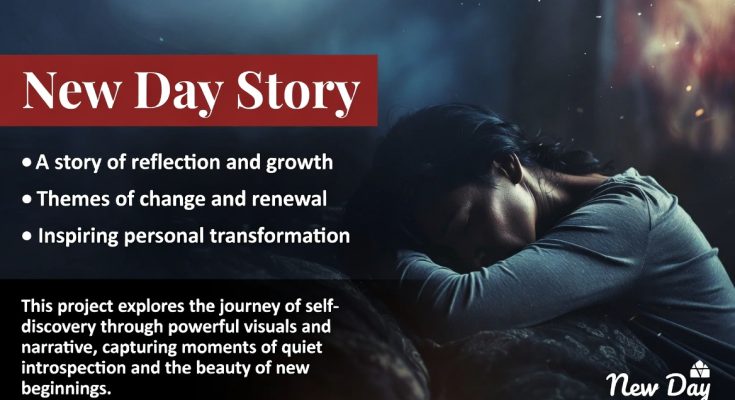
When my seven-year-old told me not to swallow the pills, my son’s whisper brought my husband’s plan to a sudden halt.

PART 1

“Mom, please don’t take those capsules. Dad said they’re supposed to make you go to sleep forever.”

For seven years, my son Mateo had never spoken a single word. Not “Mom.” Not “water.” Not even “I’m scared.” Doctors had examined him, therapists had worked with him, and specialists had repeatedly told me there was nothing physically wrong with his voice. They believed some deep emotional barrier was preventing him from speaking. So when his tiny, trembling voice suddenly echoed through the marble foyer of our Paradise Valley home, I felt as though the floor disappeared beneath me.

I was holding an unlabeled amber bottle filled with white capsules. My husband, Richard, had handed it to me only minutes earlier before leaving with his mother, Evelyn. He claimed they were flying to Aspen for a weekend business trip, supposedly to meet investors interested in expanding the construction company my late father had left to me. The company belonged to me. So did the house and most of our land holdings. Yet somehow, over nine years of marriage, Richard had gradually convinced me that I needed him to manage everything.

“You’ve been exhausted lately, sweetheart,” he had told me that morning, brushing my hair away from my face. “A doctor friend made these special vitamins for you. Take one every night.”

I turned the bottle in my hand.

“Why isn’t there a pharmacy label?”

Richard smiled, although his eyes didn’t.

“They’re custom compounded. Not everything comes from a regular pharmacy.”

Evelyn hugged me before climbing into the SUV.

“Take care of yourself, Claire. We’d hate to come home and find you looking completely worn out.”

She laughed as though she had made a harmless joke. Only later did I understand how chilling those words really were.

After the SUV disappeared through the gates, Mateo tugged my sleeve.

“Mom…”

I dropped to my knees.

“What did you say, sweetheart?”

His enormous dark eyes filled with tears as he pointed toward the bottle.

“Don’t take it. Last night I heard Dad and Grandma talking. They said when you went to sleep forever, the house would finally belong to them.”

The bottle slipped from my fingers, but before it hit the floor, someone caught it. Maria, our longtime housekeeper, stood beside us looking terrified. She had worked for my father before staying with me after I married Richard.

“Forgive me, Miss Claire. I knew Mateo could speak.”

I stared at her.

“What?”

Maria began crying.

“I taught him quietly. Letters, reading, words, everything I could. But Mr. Richard threatened him. He told Mateo that if you ever discovered he could talk, he would send him somewhere far away where you would never find him.”

Mateo pressed himself against me.

“Dad said if I talked, you would get sick because of me.”

When I pushed up his pajama sleeve, I saw faint marks around his upper arm. Suddenly seven years of guilt twisted into something else. I had spent years believing I had failed my child. I blamed my career, my responsibilities, and myself for his silence. Meanwhile, the person frightening him had been sleeping beside me every night.

Maria then pulled a small memory card from her apron.

“I found this under the passenger seat of Mr. Richard’s SUV yesterday. He was searching everywhere for it.”

“What’s on it?”

“I don’t know. But that vehicle has an interior dash camera.”

Before I could say anything else, Richard’s phone rang from the foyer table. He had forgotten it. A message appeared on the screen from a woman named Pamela.

Did you give her the capsules yet? Your mother says it cannot fail this time.

I photographed the message immediately.

I didn’t call Richard.

I didn’t confront Evelyn.

And I didn’t throw the pills away.

Instead, I called Dr. Arthur Pendelton, a forensic toxicologist who had been close friends with my father. He arrived less than thirty minutes later and examined the bottle.

“Claire, these are not vitamins. There’s no manufacturer, no lot number, and no legitimate pharmacy information. Do not swallow anything Richard gives you.”

He sealed the bottle and took it to his laboratory. My next call was to Sarah Jenkins, my closest friend from law school and one of the toughest attorneys I knew. She arrived with Julian Vance, a former state detective who now worked as a private investigator. Maria gave Julian the memory card.

“If the dash camera captured their conversations, we may have something extremely important,” Julian said. “But we need to recover the data properly.”

While they worked, my neighbor Brenda arrived carrying a covered dish and a worried expression.

“Claire, I normally wouldn’t interfere in someone else’s marriage, but my driveway camera caught something strange this morning.”

She showed us footage taken shortly after Richard’s SUV left my property. Near the secondary gate, Evelyn moved from the front seat to the back. A blonde woman carrying a yellow suitcase climbed in beside Richard. He greeted her with a warmth I hadn’t seen directed at me in years. Evelyn kissed the woman’s cheek as though welcoming someone she already knew very well.

“Do you recognize her?” Brenda asked.

I did.

Pamela.

Richard wasn’t attending an investor meeting. He had left for a luxury weekend with his mistress and his mother while leaving me behind with a bottle of mysterious capsules.

That evening, Richard called me from Aspen. I put pale makeup on my face, wrapped myself in a heavy robe, and pretended to be ill.

“I’m feeling really weak. Maybe I should go to the hospital.”

His expression immediately tightened.

“No, sweetheart. Hospitals are full of infections. Just take your vitamins. You may feel worse at first, but that means they’re working.”

Behind him, reflected in a hotel mirror, Pamela walked past wearing a white robe.

I forced myself to smile.

“All right. I’ll take one.”

Richard visibly relaxed.

“Good.”

The next morning, Dr. Pendelton returned with the test results. The capsules contained a dangerous cardiac substance capable of triggering a medical crisis that could easily be mistaken for natural heart failure.

Sarah stared at me.

“Mateo saved your life.”

Then Julian recovered the audio recordings from Richard’s memory card. Sarah warned me before pressing play.

“This is worse than taking your money.”

Richard’s voice filled the room.

“She’ll take every pill because she trusts me completely.”

Then Pamela spoke.

“What happens to the kid? I’m not raising him.”

Evelyn laughed.

Richard continued.

“Once Claire is barely conscious, we use her thumbprint on the transfer documents. Salgado already prepared everything. I take control of the construction company, and Mateo gets declared incapable of handling his affairs. We place him somewhere he can’t cause problems.”

Mateo covered his ears. I pulled him against me.

Then Pamela asked one final question.

“What if Claire survives?”

Richard answered without hesitation.

“Then we find another way.”

PART 2

For several seconds after the recording ended, nobody spoke. I could barely recognize the man whose voice I had just heard. Richard had stood beside me at our wedding, brought me flowers on anniversaries, comforted me after my father died, and spent years pretending to be devoted to our family. Now I understood that beneath all of it was someone who had been planning to take everything from me—including my child’s future.

“I want him arrested immediately.”

Julian shook his head.

“We already have strong evidence, but if we want the cleanest possible case, we should let him complete the fraud attempt. His lawyer still needs your thumbprint. If Richard believes you’re close to dying, he’ll come back with everyone involved and bring the documents himself.”

Sarah nodded.

“And when he does, we document everything.”

I looked down at my hands.

“Then we give him exactly what he expects.”

For the next four days, I played the role of a woman getting weaker. During every video call, I made my face paler and my voice softer. I pretended to struggle with the phone, complained of chest discomfort, and acted increasingly confused.

“Are you taking one capsule every night?” Richard would ask.

“Yes. Exactly like you told me.”

His expression would soften with satisfaction.

“Good. Don’t let anyone take you to a clinic. I know what’s best.”

Meanwhile, Sarah obtained emergency orders restricting suspicious movements in the company accounts. The financial investigation uncovered offshore transfers, gambling debts, questionable loans, and more than two million dollars Richard owed. His real motive became obvious. If I divorced him or audited the company, his financial misconduct would surface. If I died, however, he could seize control of my assets, liquidate property, repay his debts, and present himself as the grieving husband.

While the legal team prepared the trap, Mateo began seeing a child trauma specialist. During his first session, the boy who had supposedly been unable to speak for seven years talked for almost an hour. He described Richard frightening him whenever I left for meetings, locking him away as punishment, gripping his arms too tightly, and repeatedly telling him that speaking would somehow cause something terrible to happen to me.

That evening, I confronted Maria quietly in the kitchen.

“Why didn’t you tell me?”

Tears filled her eyes.

“Because you trusted him completely. I was afraid he would fire me and prevent me from ever seeing Mateo again. If that happened, he would have been alone with Richard.”

I wanted to be angry, but Mateo walked over and held Maria’s hand. In that moment, I understood that while I had been blind, she had stayed close because she believed leaving would make things worse.

I hugged her.

“You’re not just our housekeeper anymore. You’re family.”

On the fifth night, everything was ready. Hidden cameras had been installed in my bedroom, hallway, and study. Detectives waited nearby. Brenda agreed to stay beside my bed and insist on calling an ambulance, giving Richard an opportunity to reveal his intentions.

I called him first.

“I can’t feel my fingers,” I whispered. “I fell in the hallway.”

Richard pretended to panic.

“I’m coming home immediately!”

“What about your investors?”

“You’re more important.”

He lied effortlessly.

At 10:21 that evening, his SUV entered the driveway. Richard rushed upstairs playing the frantic husband while Evelyn quietly locked the front entrance. I lay beneath the blankets wearing pale makeup, with cold packs hidden under the sheets so my skin felt clammy.

Brenda stood beside me.

“We need to call 911!” she shouted when Richard entered. “She can barely stay awake!”

Richard grabbed the phone from her.

“No! Claire said she doesn’t want to go to a hospital!”

“She never told me that.”

Evelyn appeared behind him.

“Thank you for staying with her, Brenda. We’ll handle things now.”

“I’m not leaving her like this.”

Evelyn’s polite expression vanished.

“This is a family matter. Leave.”

Richard leaned over me and touched my forehead.

“Did you take the medicine every night?”

I barely opened my eyes.

“Every… one… just like you told me.”

Convinced the plan had worked, Richard stepped into the hallway and made a call.

“She’s ready. Come through the side entrance.”

Fifteen minutes later, attorney Esteban Salgado entered carrying a leather briefcase and an ink pad. Richard handed him an envelope filled with cash.

“Fifty thousand now. The rest after the property transfers.”

Salgado opened a stack of documents.

“These powers of attorney give you control over the accounts, company assets, and real estate. I also prepared paperwork for you to assume legal control over the boy after her death.”

Evelyn looked toward me.

“Could Mateo ever challenge it?”

Salgado shook his head.

“Not if we use the existing evaluations showing that he is non-verbal and unable to advocate for himself.”

My anger almost broke through the performance. They were planning to use the silence Richard himself had forced upon my son as evidence that Mateo had no voice in his own future.

Salgado placed the paperwork on my nightstand.

“Since she is incapacitated, we can apply her thumbprint and certify that she previously gave consent.”

“I’ll witness it,” Evelyn said.

“So will I,” Richard replied.

Brenda backed toward the wall.

“This is illegal.”

Evelyn glared at her.

“Be quiet.”

Richard took my hand and pressed my thumb into the ink pad.

Then he moved it toward the signature line.

That was when I opened my eyes.

PART 3

I tightened my fingers around Richard’s wrist before he could press my thumb onto the document.

“In a hurry, sweetheart?”

The color disappeared from his face.

I sat upright, completely alert.

“It appears your special vitamins didn’t work as expected.”

Salgado dropped his pen. Evelyn stared at me in shock while Richard staggered backward.

“Claire, wait. I can explain.”

“Save it for the judge.”

The bedroom door opened.

“Police! Nobody move!”

Officers entered immediately. Julian followed, identifying the cash, fraudulent paperwork, and hidden cameras that had recorded the entire exchange. Sarah walked in behind them carrying a legal folder.

“Nobody forced you to do anything, Richard. You brought the attorney, offered him money, produced fraudulent documents, and tried to use Claire’s thumbprint because you believed she was unable to stop you.”

Richard panicked.

“Pamela planned this! My mother pushed me into it!”

Evelyn turned on him immediately.

“You coward!”

Salgado raised both hands and began offering names, accounts, and information before officers had even finished securing the room.

Then Richard looked at me.

“Claire, please. I love you. Think about Mateo. He needs his father.”

I walked closer.

“Do not use my son’s name to save yourself. A father does not terrorize his child into silence. A father does not plan to erase his rights because they’re inconvenient. Mateo didn’t lose a father tonight. He finally escaped the person who was frightening him.”

Police escorted Richard and Evelyn away. Pamela was arrested the following morning in Aspen. Investigators recovered messages describing plans to sell my assets and send Mateo away. The person who had supplied the capsules was also investigated and charged.

The legal proceedings lasted for months. Richard was convicted on multiple serious charges involving the plot against me, financial fraud, document falsification, and his treatment of Mateo. Evelyn, Pamela, and Salgado also faced substantial legal consequences. I divorced Richard and recovered control of my family’s company and assets.

Then I sold the Paradise Valley mansion.

It was a beautiful house, but Mateo deserved a home without memories of fear in every hallway.

We moved to Sedona, into a bright house surrounded by red cliffs, gardens, and sunlight. I built Mateo a huge library. Maria came with us, not as an employee but as family.

Mateo continued therapy. At first, his voice remained quiet and uncertain. Then he began laughing more. Soon he was singing loudly in the shower. One afternoon, he argued with me about finishing his math homework, and I unexpectedly started crying at the kitchen counter.

To another parent, it might have sounded like ordinary childhood complaining.

To me, it was beautiful.

One evening at dinner, Mateo accidentally knocked a glass onto the floor. It broke loudly, and he immediately froze. His shoulders tightened as though he were waiting for punishment.

I knelt beside him and pulled him into my arms.

“In this house, nobody will hurt you for making noise.”

He looked up at me.

“Can I be loud, Mom?”

I kissed his cheek.

“As loud as you want. You can talk, sing, shout, ask questions, disagree with me, or tell me when you’re angry. Your voice belongs to you.”

Mateo smiled.

Then, from the middle of the dining room, he shouted loudly enough for Maria to hear from the kitchen.

“Mom! I love you!”

Maria started laughing.

I started crying.

For seven years, I believed my son’s silence was a mystery I had somehow failed to solve. The truth was that fear had built a cage around his voice, and the person responsible had been hiding behind the image of a loving husband and father.

I learned that danger doesn’t always arrive looking dangerous. Sometimes it lives inside your home, speaks gently, and tells you it knows what is best for you.

But Mateo taught me something stronger.

A single voice can break years of silence when someone finally chooses to listen.

My son used his first words to protect me.

And from that day forward, I promised that nobody would ever take his voice away again.

When my seven-year-old told me not to swallow the pills, my son’s whisper brought my husband’s plan to a sudden halt. Read More

My family gave me daily “vitamins” before a trip, setting off a discovery when my son whispered a warning.

PART 1

“Mom, please don’t take those capsules. Dad said they’re supposed to make you go to sleep forever.”

For seven years, my son Mateo had never spoken a single word. Not “Mom.” Not “water.” Not even “I’m scared.” Doctors had examined him, therapists had worked with him, and specialists had repeatedly told me there was nothing physically wrong with his voice. They believed some deep emotional barrier was preventing him from speaking. So when his tiny, trembling voice suddenly echoed through the marble foyer of our Paradise Valley home, I felt as though the floor disappeared beneath me.

I was holding an unlabeled amber bottle filled with white capsules. My husband, Richard, had handed it to me only minutes earlier before leaving with his mother, Evelyn. He claimed they were flying to Aspen for a weekend business trip, supposedly to meet investors interested in expanding the construction company my late father had left to me. The company belonged to me. So did the house and most of our land holdings. Yet somehow, over nine years of marriage, Richard had gradually convinced me that I needed him to manage everything.

“You’ve been exhausted lately, sweetheart,” he had told me that morning, brushing my hair away from my face. “A doctor friend made these special vitamins for you. Take one every night.”

I turned the bottle in my hand.

“Why isn’t there a pharmacy label?”

Richard smiled, although his eyes didn’t.

“They’re custom compounded. Not everything comes from a regular pharmacy.”

Evelyn hugged me before climbing into the SUV.

“Take care of yourself, Claire. We’d hate to come home and find you looking completely worn out.”

She laughed as though she had made a harmless joke. Only later did I understand how chilling those words really were.

After the SUV disappeared through the gates, Mateo tugged my sleeve.

“Mom…”

I dropped to my knees.

“What did you say, sweetheart?”

His enormous dark eyes filled with tears as he pointed toward the bottle.

“Don’t take it. Last night I heard Dad and Grandma talking. They said when you went to sleep forever, the house would finally belong to them.”

The bottle slipped from my fingers, but before it hit the floor, someone caught it. Maria, our longtime housekeeper, stood beside us looking terrified. She had worked for my father before staying with me after I married Richard.

“Forgive me, Miss Claire. I knew Mateo could speak.”

I stared at her.

“What?”

Maria began crying.

“I taught him quietly. Letters, reading, words, everything I could. But Mr. Richard threatened him. He told Mateo that if you ever discovered he could talk, he would send him somewhere far away where you would never find him.”

Mateo pressed himself against me.

“Dad said if I talked, you would get sick because of me.”

When I pushed up his pajama sleeve, I saw faint marks around his upper arm. Suddenly seven years of guilt twisted into something else. I had spent years believing I had failed my child. I blamed my career, my responsibilities, and myself for his silence. Meanwhile, the person frightening him had been sleeping beside me every night.

Maria then pulled a small memory card from her apron.

“I found this under the passenger seat of Mr. Richard’s SUV yesterday. He was searching everywhere for it.”

“What’s on it?”

“I don’t know. But that vehicle has an interior dash camera.”

Before I could say anything else, Richard’s phone rang from the foyer table. He had forgotten it. A message appeared on the screen from a woman named Pamela.

Did you give her the capsules yet? Your mother says it cannot fail this time.

I photographed the message immediately.

I didn’t call Richard.

I didn’t confront Evelyn.

And I didn’t throw the pills away.

Instead, I called Dr. Arthur Pendelton, a forensic toxicologist who had been close friends with my father. He arrived less than thirty minutes later and examined the bottle.

“Claire, these are not vitamins. There’s no manufacturer, no lot number, and no legitimate pharmacy information. Do not swallow anything Richard gives you.”

He sealed the bottle and took it to his laboratory. My next call was to Sarah Jenkins, my closest friend from law school and one of the toughest attorneys I knew. She arrived with Julian Vance, a former state detective who now worked as a private investigator. Maria gave Julian the memory card.

“If the dash camera captured their conversations, we may have something extremely important,” Julian said. “But we need to recover the data properly.”

While they worked, my neighbor Brenda arrived carrying a covered dish and a worried expression.

“Claire, I normally wouldn’t interfere in someone else’s marriage, but my driveway camera caught something strange this morning.”

She showed us footage taken shortly after Richard’s SUV left my property. Near the secondary gate, Evelyn moved from the front seat to the back. A blonde woman carrying a yellow suitcase climbed in beside Richard. He greeted her with a warmth I hadn’t seen directed at me in years. Evelyn kissed the woman’s cheek as though welcoming someone she already knew very well.

“Do you recognize her?” Brenda asked.

I did.

Pamela.

Richard wasn’t attending an investor meeting. He had left for a luxury weekend with his mistress and his mother while leaving me behind with a bottle of mysterious capsules.

That evening, Richard called me from Aspen. I put pale makeup on my face, wrapped myself in a heavy robe, and pretended to be ill.

“I’m feeling really weak. Maybe I should go to the hospital.”

His expression immediately tightened.

“No, sweetheart. Hospitals are full of infections. Just take your vitamins. You may feel worse at first, but that means they’re working.”

Behind him, reflected in a hotel mirror, Pamela walked past wearing a white robe.

I forced myself to smile.

“All right. I’ll take one.”

Richard visibly relaxed.

“Good.”

The next morning, Dr. Pendelton returned with the test results. The capsules contained a dangerous cardiac substance capable of triggering a medical crisis that could easily be mistaken for natural heart failure.

Sarah stared at me.

“Mateo saved your life.”

Then Julian recovered the audio recordings from Richard’s memory card. Sarah warned me before pressing play.

“This is worse than taking your money.”

Richard’s voice filled the room.

“She’ll take every pill because she trusts me completely.”

Then Pamela spoke.

“What happens to the kid? I’m not raising him.”

Evelyn laughed.

Richard continued.

“Once Claire is barely conscious, we use her thumbprint on the transfer documents. Salgado already prepared everything. I take control of the construction company, and Mateo gets declared incapable of handling his affairs. We place him somewhere he can’t cause problems.”

Mateo covered his ears. I pulled him against me.

Then Pamela asked one final question.

“What if Claire survives?”

Richard answered without hesitation.

“Then we find another way.”

PART 2

For several seconds after the recording ended, nobody spoke. I could barely recognize the man whose voice I had just heard. Richard had stood beside me at our wedding, brought me flowers on anniversaries, comforted me after my father died, and spent years pretending to be devoted to our family. Now I understood that beneath all of it was someone who had been planning to take everything from me—including my child’s future.

“I want him arrested immediately.”

Julian shook his head.

“We already have strong evidence, but if we want the cleanest possible case, we should let him complete the fraud attempt. His lawyer still needs your thumbprint. If Richard believes you’re close to dying, he’ll come back with everyone involved and bring the documents himself.”

Sarah nodded.

“And when he does, we document everything.”

I looked down at my hands.

“Then we give him exactly what he expects.”

For the next four days, I played the role of a woman getting weaker. During every video call, I made my face paler and my voice softer. I pretended to struggle with the phone, complained of chest discomfort, and acted increasingly confused.

“Are you taking one capsule every night?” Richard would ask.

“Yes. Exactly like you told me.”

His expression would soften with satisfaction.

“Good. Don’t let anyone take you to a clinic. I know what’s best.”

Meanwhile, Sarah obtained emergency orders restricting suspicious movements in the company accounts. The financial investigation uncovered offshore transfers, gambling debts, questionable loans, and more than two million dollars Richard owed. His real motive became obvious. If I divorced him or audited the company, his financial misconduct would surface. If I died, however, he could seize control of my assets, liquidate property, repay his debts, and present himself as the grieving husband.

While the legal team prepared the trap, Mateo began seeing a child trauma specialist. During his first session, the boy who had supposedly been unable to speak for seven years talked for almost an hour. He described Richard frightening him whenever I left for meetings, locking him away as punishment, gripping his arms too tightly, and repeatedly telling him that speaking would somehow cause something terrible to happen to me.

That evening, I confronted Maria quietly in the kitchen.

“Why didn’t you tell me?”

Tears filled her eyes.

“Because you trusted him completely. I was afraid he would fire me and prevent me from ever seeing Mateo again. If that happened, he would have been alone with Richard.”

I wanted to be angry, but Mateo walked over and held Maria’s hand. In that moment, I understood that while I had been blind, she had stayed close because she believed leaving would make things worse.

I hugged her.

“You’re not just our housekeeper anymore. You’re family.”

On the fifth night, everything was ready. Hidden cameras had been installed in my bedroom, hallway, and study. Detectives waited nearby. Brenda agreed to stay beside my bed and insist on calling an ambulance, giving Richard an opportunity to reveal his intentions.

I called him first.

“I can’t feel my fingers,” I whispered. “I fell in the hallway.”

Richard pretended to panic.

“I’m coming home immediately!”

“What about your investors?”

“You’re more important.”

He lied effortlessly.

At 10:21 that evening, his SUV entered the driveway. Richard rushed upstairs playing the frantic husband while Evelyn quietly locked the front entrance. I lay beneath the blankets wearing pale makeup, with cold packs hidden under the sheets so my skin felt clammy.

Brenda stood beside me.

“We need to call 911!” she shouted when Richard entered. “She can barely stay awake!”

Richard grabbed the phone from her.

“No! Claire said she doesn’t want to go to a hospital!”

“She never told me that.”

Evelyn appeared behind him.

“Thank you for staying with her, Brenda. We’ll handle things now.”

“I’m not leaving her like this.”

Evelyn’s polite expression vanished.

“This is a family matter. Leave.”

Richard leaned over me and touched my forehead.

“Did you take the medicine every night?”

I barely opened my eyes.

“Every… one… just like you told me.”

Convinced the plan had worked, Richard stepped into the hallway and made a call.

“She’s ready. Come through the side entrance.”

Fifteen minutes later, attorney Esteban Salgado entered carrying a leather briefcase and an ink pad. Richard handed him an envelope filled with cash.

“Fifty thousand now. The rest after the property transfers.”

Salgado opened a stack of documents.

“These powers of attorney give you control over the accounts, company assets, and real estate. I also prepared paperwork for you to assume legal control over the boy after her death.”

Evelyn looked toward me.

“Could Mateo ever challenge it?”

Salgado shook his head.

“Not if we use the existing evaluations showing that he is non-verbal and unable to advocate for himself.”

My anger almost broke through the performance. They were planning to use the silence Richard himself had forced upon my son as evidence that Mateo had no voice in his own future.

Salgado placed the paperwork on my nightstand.

“Since she is incapacitated, we can apply her thumbprint and certify that she previously gave consent.”

“I’ll witness it,” Evelyn said.

“So will I,” Richard replied.

Brenda backed toward the wall.

“This is illegal.”

Evelyn glared at her.

“Be quiet.”

Richard took my hand and pressed my thumb into the ink pad.

Then he moved it toward the signature line.

That was when I opened my eyes.

PART 3

I tightened my fingers around Richard’s wrist before he could press my thumb onto the document.

“In a hurry, sweetheart?”

The color disappeared from his face.

I sat upright, completely alert.

“It appears your special vitamins didn’t work as expected.”

Salgado dropped his pen. Evelyn stared at me in shock while Richard staggered backward.

“Claire, wait. I can explain.”

“Save it for the judge.”

The bedroom door opened.

“Police! Nobody move!”

Officers entered immediately. Julian followed, identifying the cash, fraudulent paperwork, and hidden cameras that had recorded the entire exchange. Sarah walked in behind them carrying a legal folder.

“Nobody forced you to do anything, Richard. You brought the attorney, offered him money, produced fraudulent documents, and tried to use Claire’s thumbprint because you believed she was unable to stop you.”

Richard panicked.

“Pamela planned this! My mother pushed me into it!”

Evelyn turned on him immediately.

“You coward!”

Salgado raised both hands and began offering names, accounts, and information before officers had even finished securing the room.

Then Richard looked at me.

“Claire, please. I love you. Think about Mateo. He needs his father.”

I walked closer.

“Do not use my son’s name to save yourself. A father does not terrorize his child into silence. A father does not plan to erase his rights because they’re inconvenient. Mateo didn’t lose a father tonight. He finally escaped the person who was frightening him.”

Police escorted Richard and Evelyn away. Pamela was arrested the following morning in Aspen. Investigators recovered messages describing plans to sell my assets and send Mateo away. The person who had supplied the capsules was also investigated and charged.

The legal proceedings lasted for months. Richard was convicted on multiple serious charges involving the plot against me, financial fraud, document falsification, and his treatment of Mateo. Evelyn, Pamela, and Salgado also faced substantial legal consequences. I divorced Richard and recovered control of my family’s company and assets.

Then I sold the Paradise Valley mansion.

It was a beautiful house, but Mateo deserved a home without memories of fear in every hallway.

We moved to Sedona, into a bright house surrounded by red cliffs, gardens, and sunlight. I built Mateo a huge library. Maria came with us, not as an employee but as family.

Mateo continued therapy. At first, his voice remained quiet and uncertain. Then he began laughing more. Soon he was singing loudly in the shower. One afternoon, he argued with me about finishing his math homework, and I unexpectedly started crying at the kitchen counter.

To another parent, it might have sounded like ordinary childhood complaining.

To me, it was beautiful.

One evening at dinner, Mateo accidentally knocked a glass onto the floor. It broke loudly, and he immediately froze. His shoulders tightened as though he were waiting for punishment.

I knelt beside him and pulled him into my arms.

“In this house, nobody will hurt you for making noise.”

He looked up at me.

“Can I be loud, Mom?”

I kissed his cheek.

“As loud as you want. You can talk, sing, shout, ask questions, disagree with me, or tell me when you’re angry. Your voice belongs to you.”

Mateo smiled.

Then, from the middle of the dining room, he shouted loudly enough for Maria to hear from the kitchen.

“Mom! I love you!”

Maria started laughing.

I started crying.

For seven years, I believed my son’s silence was a mystery I had somehow failed to solve. The truth was that fear had built a cage around his voice, and the person responsible had been hiding behind the image of a loving husband and father.

I learned that danger doesn’t always arrive looking dangerous. Sometimes it lives inside your home, speaks gently, and tells you it knows what is best for you.

But Mateo taught me something stronger.

A single voice can break years of silence when someone finally chooses to listen.

My son used his first words to protect me.

And from that day forward, I promised that nobody would ever take his voice away again.

My family gave me daily “vitamins” before a trip, setting off a discovery when my son whispered a warning. Read More

My Sister Called My Job Low-Class At Her Party—Unaware Of What Her Navy SEAL Fiancé Was About To Do

Part 1: The Sister They Underestimated

For three years, my family believed I spent my life behind a government desk, and I let them believe it. Whenever my mother asked what I did all day, I gave the same safe answer: “Logistics. Contracts. Mostly paperwork.” My father always nodded with quiet relief, as if he had stopped expecting anything surprising from his oldest daughter.

My younger sister, Tessa, usually looked bored before I finished speaking. That suited me. The truth was something I had learned to keep locked away so tightly that sometimes, sitting at my parents’ kitchen table, I almost believed the cover story myself.

My name is Elise Morgan. For three years, I worked with a specialized military rescue and recovery unit whose missions were rarely discussed outside secure rooms. We went where storms, terrain, and broken plans had trapped people who were not supposed to be reachable. Inside the unit, my call sign was Frostline One. At home, I was just Elise, the quiet daughter with the forgettable job.

Tessa had never been quiet about anything. She was beautiful, social, charming, and able to turn even a grocery trip into a dinner story. My parents loved that about her. Relatives asked about her career, vacations, and friends, then turned to me and said, “Still doing that government thing?”

“Still doing it,” I always answered.

The comparison became worse after Tessa got engaged to Cole Ramsey, a Navy SEAL captain. For two months, she mentioned his rank, medals, and team as if his résumé belonged to her too. Each time, she looked at me a little differently.

Her engagement party was held at my parents’ house on a warm Saturday evening. String lights glowed over the backyard, a jazz trio played near the patio, and nearly fifty guests drifted between white-clothed tables with champagne.

I arrived alone in a simple navy dress.

Tessa caught me before I reached the backyard and pulled me into the hallway.

“Cole’s commanding officers are here tonight,” she whispered. “Some of his teammates too. So please don’t make this weird.”

“How would I do that?”

“If anyone asks about your job, keep it vague. Maybe say you’re between contracts.”

“I’m not.”

“Elise,” she said sharply. “He respects people who’ve accomplished things. I don’t need you talking about warehouse schedules and making us look low-class.”

Two cousins heard her and laughed into their drinks.

I felt the sting, but I said nothing. I had kept secrets through storms, danger, and years of questions. I would not break discipline because my sister needed to feel superior.

So I walked to the far side of the room, picked up a glass of lemonade, and disappeared into the background.

At 9:03, the front door opened.

Cole arrived with three men in dress uniforms.

The moment I saw him, I recognized him.

Not from a photograph.

From a night I had spent three years trying to forget.

Part 2: The Name He Remembered

Cole looked different in formal uniform, but memory does not need a full face. Sometimes it only needs the angle of a jaw, the sound of a voice, or the way someone turns toward danger.

Three years earlier, I had heard his voice through a mountain storm.

Tessa proudly introduced me as her sister, “the one who does low-key logistics work.” Cole smiled and shook my hand.

Then his grip stopped.

His eyes moved from my hand to my face. The polite smile vanished.

“Wait,” he whispered.

Tessa laughed nervously, but Cole ignored her. One of his teammates stepped closer, then stared at me as recognition struck him too.

Cole’s champagne glass slipped from his hand and shattered on the floor.

The music stopped.

The room went silent.

Cole looked directly at me and said the name no one in my family had ever heard.

“Frostline One.”

His teammates straightened instantly.

Tessa stared at him. “What did you just call her?”

Cole explained that three years earlier, his team had been trapped during a mountain operation after weather destroyed their extraction plan. Communications failed. Men were injured. Everyone believed rescue had been called off.

Then a recovery team came.

They were never given names.

Only one call sign.

Frostline One.

I stayed silent because there were rules about what could be said. But Cole reached into his wallet and pulled out an old folded photograph.

It showed me in heavy cold-weather gear, frost across my straps, my face partly visible after the extraction.

He had carried that photo for years.

Tessa took it, stunned.

“That’s not Elise.”

“It is,” Cole said.

I finally spoke. “I do work in logistics.”

One of his teammates gave a quiet laugh. “That’s one way to describe it.”

I shot him a look, and he immediately stopped.

Old habits.

My father noticed.

So did Cole.

Part 3: The Truth in the Photograph

Cole told the room only what he was allowed to say. My team had reached six trapped men when no one else could safely enter the conditions. Two of them could not walk on their own. Visibility was almost gone.

“She led the extraction,” Cole said. “She stayed until everyone was clear.”

The relatives who had laughed at me now avoided my eyes.

Tessa looked wounded. “You never told us.”

“I couldn’t.”

“You could have said something.”

“No,” I said. “I couldn’t.”

Three hours earlier, she had told me to hide my “low-class” job. Now she wanted to be hurt that I had obeyed rules bigger than her curiosity.

Cole’s hands shook slightly as he held the photograph.

“You don’t owe me anything,” I told him.

His jaw tightened. “Yes, I do. I went home because your team came for us.”

That landed differently.

Not because of praise, but because I remembered the shelter afterward—six exhausted men counting each other, asking if everyone had made it, one holding a wedding ring in a gloved hand.

One teammate stepped forward.

“We toast Frostline One every year,” he said quietly. “Every year.”

There was no applause.

I was grateful.

Applause would have made it feel like theater. Instead, Cole and his teammates simply shook my hand and said thank you.

That meant more.

Then Tessa’s jealousy broke through.

“So what?” she said. “Now everyone is supposed to act like she’s some hero because of one mission?”

The room froze.

Cole slowly removed her hand from his sleeve.

For the first time that night, he was no longer looking at me in shock.

He was looking at my sister in disappointment.

Part 4: The Party Falls Apart

“Tessa,” Cole said, “stop.”

She flushed. “I didn’t mean it like that.”

“You called her low-class before I arrived, didn’t you?”

Tessa went still.

Someone had told him. I suspected my aunt, who had never met a secret she could not pass along.

“It was a joke,” Tessa muttered.

“No,” I said quietly. “It wasn’t.”

That angered her more. She wanted me ashamed or triumphant. Calm gave her nothing to fight.

“You let everyone think you were doing nothing for years,” she snapped.

“I let everyone think I had a private job.”

“You let Mom and Dad worry.”

“I followed the rules of my work.”

My father finally stepped in. “That’s enough.”

Cole addressed the guests without turning the moment into a briefing. He only said that six men came home because my team entered conditions others could not.

“Elise led that team.”

My mother cried. My father sat down as if his knees had weakened.

Later, my parents apologized in their own ways. My mother asked why I had never told her I was in danger. I told her she would have spent three years afraid every time I missed a Sunday call.

My father admitted he had treated my life like a problem that needed fixing.

“But I assumed,” he said.

That word hung between us.

Everyone had assumed something.

Quiet meant weak.

Secrecy meant failure.

Vague answers meant stagnation.

And I had assumed their opinions could no longer hurt me.

I had been wrong.

Near midnight, Tessa found me by the drink table and whispered, “I’m sorry.”

I believed she meant it.

Then she added, “Can you please tell Cole that?”

And I understood.

Her apology was not only about hurting me.

It was about what hurting me might cost her.

Part 5: The Boundary

“Tessa,” I asked, “are you apologizing because you hurt me, or because Cole is angry?”

“That’s not fair.”

“It is exactly fair.”

She looked toward the patio, where Cole was speaking quietly with one of his teammates.

“I love him,” she said. “This night was supposed to be about us.”

“It was.”

“Then this happened.”

There it was.

This happened.

As if the truth were a spilled drink. As if I had planned to walk into her party and ruin it.

“I didn’t reveal anything,” I said. “Cole recognized me.”

She folded her arms. “I said I’m sorry. What else do you want?”

For most of my life, I had wanted one simple thing from her: curiosity. Not admiration. Not envy. Just the willingness to believe I might contain more than the role she had assigned me.

“I want nothing from you tonight,” I said.

“That’s cold.”

“No. It’s a boundary.”

She looked stunned.

That was when I realized how often I had protected her from consequences by staying quiet. When she mocked my clothes, I laughed. When she interrupted me, I let her. When she called me boring, I smiled so everyone else could stay comfortable.

Silence had started as discipline.

Somewhere along the way, it became permission.

Cole did not end the engagement that night, and I was glad. Whatever happened between them needed to be about their relationship, not about me.

Before I left, he apologized for the scene.

“You dropped a glass,” I said.

“I’ve faced worse.”

“So have I.”

For the first time, we both smiled.

Then he said he had never forgotten that mission because surviving it changed his life. He repaired things with his father. He called his mother every Sunday.

That was why rescue mattered.

Not because people called you brave.

Because someone got another Sunday.

Part 6: What Changed

The next morning, my father came over with breakfast. He admitted he had spent years treating my life as something that needed correction.

“I can forgive ignorance,” I told him. “I have a harder time with contempt.”

He nodded.

“You mean Tessa.”

“Yes.”

He did not defend her.

That mattered.

Weeks passed. Tessa sent flowers, then an email, then a handwritten letter. In it, she admitted she had enjoyed being the successful daughter. She admitted that when Cole recognized me, her first feeling had not been pride.

It had been resentment.

That honesty was the first useful thing she had given me.

Cole later called and told me he and Tessa had postponed the wedding. He said the party exposed a pattern he had been ignoring: the way she ranked people by status, dismissed service workers, and treated kindness like weakness.

“This isn’t because you’re Frostline One,” he said. “It’s because you’re her sister.”

They tried counseling, but eventually ended the engagement. Not because of me, and not because Cole worshiped some rescue story. They simply discovered that admiration had been covering differences they could no longer ignore.

Tessa and I did not return to what we had been.

We became polite first.

Then, slowly, kind.

But not close in the old way.

That was okay.

Some relationships survive betrayal by returning to what they were. Others survive by becoming smaller, cleaner, and more honest.

A year later, I left the unit on my own terms and accepted a leadership role training rescue teams. For the first time in years, I had a life I could speak about.

My parents learned to ask without assuming.

Tessa learned to apologize without asking what she would get in return.

And I learned that silence is not always strength.

I had spent years protecting a classified identity.

But I had also hidden something else: the hope that one day, if I stayed patient enough, my family would finally decide I was worth respecting.

I no longer wait for that.

I know what I have carried.

I know who I am.

And now, that is enough.

My Sister Called My Job Low-Class At Her Party—Unaware Of What Her Navy SEAL Fiancé Was About To Do Read More

She thought I was just a quiet government employee, unaware of the classified mission I ran overseas.

Part 1: The Sister They Underestimated

For three years, my family believed I spent my life behind a government desk, and I let them believe it. Whenever my mother asked what I did all day, I gave the same safe answer: “Logistics. Contracts. Mostly paperwork.” My father always nodded with quiet relief, as if he had stopped expecting anything surprising from his oldest daughter.

My younger sister, Tessa, usually looked bored before I finished speaking. That suited me. The truth was something I had learned to keep locked away so tightly that sometimes, sitting at my parents’ kitchen table, I almost believed the cover story myself.

My name is Elise Morgan. For three years, I worked with a specialized military rescue and recovery unit whose missions were rarely discussed outside secure rooms. We went where storms, terrain, and broken plans had trapped people who were not supposed to be reachable. Inside the unit, my call sign was Frostline One. At home, I was just Elise, the quiet daughter with the forgettable job.

Tessa had never been quiet about anything. She was beautiful, social, charming, and able to turn even a grocery trip into a dinner story. My parents loved that about her. Relatives asked about her career, vacations, and friends, then turned to me and said, “Still doing that government thing?”

“Still doing it,” I always answered.

The comparison became worse after Tessa got engaged to Cole Ramsey, a Navy SEAL captain. For two months, she mentioned his rank, medals, and team as if his résumé belonged to her too. Each time, she looked at me a little differently.

Her engagement party was held at my parents’ house on a warm Saturday evening. String lights glowed over the backyard, a jazz trio played near the patio, and nearly fifty guests drifted between white-clothed tables with champagne.

I arrived alone in a simple navy dress.

Tessa caught me before I reached the backyard and pulled me into the hallway.

“Cole’s commanding officers are here tonight,” she whispered. “Some of his teammates too. So please don’t make this weird.”

“How would I do that?”

“If anyone asks about your job, keep it vague. Maybe say you’re between contracts.”

“I’m not.”

“Elise,” she said sharply. “He respects people who’ve accomplished things. I don’t need you talking about warehouse schedules and making us look low-class.”

Two cousins heard her and laughed into their drinks.

I felt the sting, but I said nothing. I had kept secrets through storms, danger, and years of questions. I would not break discipline because my sister needed to feel superior.

So I walked to the far side of the room, picked up a glass of lemonade, and disappeared into the background.

At 9:03, the front door opened.

Cole arrived with three men in dress uniforms.

The moment I saw him, I recognized him.

Not from a photograph.

From a night I had spent three years trying to forget.

Part 2: The Name He Remembered

Cole looked different in formal uniform, but memory does not need a full face. Sometimes it only needs the angle of a jaw, the sound of a voice, or the way someone turns toward danger.

Three years earlier, I had heard his voice through a mountain storm.

Tessa proudly introduced me as her sister, “the one who does low-key logistics work.” Cole smiled and shook my hand.

Then his grip stopped.

His eyes moved from my hand to my face. The polite smile vanished.

“Wait,” he whispered.

Tessa laughed nervously, but Cole ignored her. One of his teammates stepped closer, then stared at me as recognition struck him too.

Cole’s champagne glass slipped from his hand and shattered on the floor.

The music stopped.

The room went silent.

Cole looked directly at me and said the name no one in my family had ever heard.

“Frostline One.”

His teammates straightened instantly.

Tessa stared at him. “What did you just call her?”

Cole explained that three years earlier, his team had been trapped during a mountain operation after weather destroyed their extraction plan. Communications failed. Men were injured. Everyone believed rescue had been called off.

Then a recovery team came.

They were never given names.

Only one call sign.

Frostline One.

I stayed silent because there were rules about what could be said. But Cole reached into his wallet and pulled out an old folded photograph.

It showed me in heavy cold-weather gear, frost across my straps, my face partly visible after the extraction.

He had carried that photo for years.

Tessa took it, stunned.

“That’s not Elise.”

“It is,” Cole said.

I finally spoke. “I do work in logistics.”

One of his teammates gave a quiet laugh. “That’s one way to describe it.”

I shot him a look, and he immediately stopped.

Old habits.

My father noticed.

So did Cole.

Part 3: The Truth in the Photograph

Cole told the room only what he was allowed to say. My team had reached six trapped men when no one else could safely enter the conditions. Two of them could not walk on their own. Visibility was almost gone.

“She led the extraction,” Cole said. “She stayed until everyone was clear.”

The relatives who had laughed at me now avoided my eyes.

Tessa looked wounded. “You never told us.”

“I couldn’t.”

“You could have said something.”

“No,” I said. “I couldn’t.”

Three hours earlier, she had told me to hide my “low-class” job. Now she wanted to be hurt that I had obeyed rules bigger than her curiosity.

Cole’s hands shook slightly as he held the photograph.

“You don’t owe me anything,” I told him.

His jaw tightened. “Yes, I do. I went home because your team came for us.”

That landed differently.

Not because of praise, but because I remembered the shelter afterward—six exhausted men counting each other, asking if everyone had made it, one holding a wedding ring in a gloved hand.

One teammate stepped forward.

“We toast Frostline One every year,” he said quietly. “Every year.”

There was no applause.

I was grateful.

Applause would have made it feel like theater. Instead, Cole and his teammates simply shook my hand and said thank you.

That meant more.

Then Tessa’s jealousy broke through.

“So what?” she said. “Now everyone is supposed to act like she’s some hero because of one mission?”

The room froze.

Cole slowly removed her hand from his sleeve.

For the first time that night, he was no longer looking at me in shock.

He was looking at my sister in disappointment.

Part 4: The Party Falls Apart

“Tessa,” Cole said, “stop.”

She flushed. “I didn’t mean it like that.”

“You called her low-class before I arrived, didn’t you?”

Tessa went still.

Someone had told him. I suspected my aunt, who had never met a secret she could not pass along.

“It was a joke,” Tessa muttered.

“No,” I said quietly. “It wasn’t.”

That angered her more. She wanted me ashamed or triumphant. Calm gave her nothing to fight.

“You let everyone think you were doing nothing for years,” she snapped.

“I let everyone think I had a private job.”

“You let Mom and Dad worry.”

“I followed the rules of my work.”

My father finally stepped in. “That’s enough.”

Cole addressed the guests without turning the moment into a briefing. He only said that six men came home because my team entered conditions others could not.

“Elise led that team.”

My mother cried. My father sat down as if his knees had weakened.

Later, my parents apologized in their own ways. My mother asked why I had never told her I was in danger. I told her she would have spent three years afraid every time I missed a Sunday call.

My father admitted he had treated my life like a problem that needed fixing.

“But I assumed,” he said.

That word hung between us.

Everyone had assumed something.

Quiet meant weak.

Secrecy meant failure.

Vague answers meant stagnation.

And I had assumed their opinions could no longer hurt me.

I had been wrong.

Near midnight, Tessa found me by the drink table and whispered, “I’m sorry.”

I believed she meant it.

Then she added, “Can you please tell Cole that?”

And I understood.

Her apology was not only about hurting me.

It was about what hurting me might cost her.

Part 5: The Boundary

“Tessa,” I asked, “are you apologizing because you hurt me, or because Cole is angry?”

“That’s not fair.”

“It is exactly fair.”

She looked toward the patio, where Cole was speaking quietly with one of his teammates.

“I love him,” she said. “This night was supposed to be about us.”

“It was.”

“Then this happened.”

There it was.

This happened.

As if the truth were a spilled drink. As if I had planned to walk into her party and ruin it.

“I didn’t reveal anything,” I said. “Cole recognized me.”

She folded her arms. “I said I’m sorry. What else do you want?”

For most of my life, I had wanted one simple thing from her: curiosity. Not admiration. Not envy. Just the willingness to believe I might contain more than the role she had assigned me.

“I want nothing from you tonight,” I said.

“That’s cold.”

“No. It’s a boundary.”

She looked stunned.

That was when I realized how often I had protected her from consequences by staying quiet. When she mocked my clothes, I laughed. When she interrupted me, I let her. When she called me boring, I smiled so everyone else could stay comfortable.

Silence had started as discipline.

Somewhere along the way, it became permission.

Cole did not end the engagement that night, and I was glad. Whatever happened between them needed to be about their relationship, not about me.

Before I left, he apologized for the scene.

“You dropped a glass,” I said.

“I’ve faced worse.”

“So have I.”

For the first time, we both smiled.

Then he said he had never forgotten that mission because surviving it changed his life. He repaired things with his father. He called his mother every Sunday.

That was why rescue mattered.

Not because people called you brave.

Because someone got another Sunday.

Part 6: What Changed

The next morning, my father came over with breakfast. He admitted he had spent years treating my life as something that needed correction.

“I can forgive ignorance,” I told him. “I have a harder time with contempt.”

He nodded.

“You mean Tessa.”

“Yes.”

He did not defend her.

That mattered.

Weeks passed. Tessa sent flowers, then an email, then a handwritten letter. In it, she admitted she had enjoyed being the successful daughter. She admitted that when Cole recognized me, her first feeling had not been pride.

It had been resentment.

That honesty was the first useful thing she had given me.

Cole later called and told me he and Tessa had postponed the wedding. He said the party exposed a pattern he had been ignoring: the way she ranked people by status, dismissed service workers, and treated kindness like weakness.

“This isn’t because you’re Frostline One,” he said. “It’s because you’re her sister.”

They tried counseling, but eventually ended the engagement. Not because of me, and not because Cole worshiped some rescue story. They simply discovered that admiration had been covering differences they could no longer ignore.

Tessa and I did not return to what we had been.

We became polite first.

Then, slowly, kind.

But not close in the old way.

That was okay.

Some relationships survive betrayal by returning to what they were. Others survive by becoming smaller, cleaner, and more honest.

A year later, I left the unit on my own terms and accepted a leadership role training rescue teams. For the first time in years, I had a life I could speak about.

My parents learned to ask without assuming.

Tessa learned to apologize without asking what she would get in return.

And I learned that silence is not always strength.

I had spent years protecting a classified identity.

But I had also hidden something else: the hope that one day, if I stayed patient enough, my family would finally decide I was worth respecting.

I no longer wait for that.

I know what I have carried.

I know who I am.

And now, that is enough.

She thought I was just a quiet government employee, unaware of the classified mission I ran overseas. Read More

She smirked while telling me to stay out of sight, unaware of who was walking through the front door.

Part 1: The Sister They Underestimated

For three years, my family believed I spent my life behind a government desk, and I let them believe it. Whenever my mother asked what I did all day, I gave the same safe answer: “Logistics. Contracts. Mostly paperwork.” My father always nodded with quiet relief, as if he had stopped expecting anything surprising from his oldest daughter.

My younger sister, Tessa, usually looked bored before I finished speaking. That suited me. The truth was something I had learned to keep locked away so tightly that sometimes, sitting at my parents’ kitchen table, I almost believed the cover story myself.

My name is Elise Morgan. For three years, I worked with a specialized military rescue and recovery unit whose missions were rarely discussed outside secure rooms. We went where storms, terrain, and broken plans had trapped people who were not supposed to be reachable. Inside the unit, my call sign was Frostline One. At home, I was just Elise, the quiet daughter with the forgettable job.

Tessa had never been quiet about anything. She was beautiful, social, charming, and able to turn even a grocery trip into a dinner story. My parents loved that about her. Relatives asked about her career, vacations, and friends, then turned to me and said, “Still doing that government thing?”

“Still doing it,” I always answered.

The comparison became worse after Tessa got engaged to Cole Ramsey, a Navy SEAL captain. For two months, she mentioned his rank, medals, and team as if his résumé belonged to her too. Each time, she looked at me a little differently.

Her engagement party was held at my parents’ house on a warm Saturday evening. String lights glowed over the backyard, a jazz trio played near the patio, and nearly fifty guests drifted between white-clothed tables with champagne.

I arrived alone in a simple navy dress.

Tessa caught me before I reached the backyard and pulled me into the hallway.

“Cole’s commanding officers are here tonight,” she whispered. “Some of his teammates too. So please don’t make this weird.”

“How would I do that?”

“If anyone asks about your job, keep it vague. Maybe say you’re between contracts.”

“I’m not.”

“Elise,” she said sharply. “He respects people who’ve accomplished things. I don’t need you talking about warehouse schedules and making us look low-class.”

Two cousins heard her and laughed into their drinks.

I felt the sting, but I said nothing. I had kept secrets through storms, danger, and years of questions. I would not break discipline because my sister needed to feel superior.

So I walked to the far side of the room, picked up a glass of lemonade, and disappeared into the background.

At 9:03, the front door opened.

Cole arrived with three men in dress uniforms.

The moment I saw him, I recognized him.

Not from a photograph.

From a night I had spent three years trying to forget.

Part 2: The Name He Remembered

Cole looked different in formal uniform, but memory does not need a full face. Sometimes it only needs the angle of a jaw, the sound of a voice, or the way someone turns toward danger.

Three years earlier, I had heard his voice through a mountain storm.

Tessa proudly introduced me as her sister, “the one who does low-key logistics work.” Cole smiled and shook my hand.

Then his grip stopped.

His eyes moved from my hand to my face. The polite smile vanished.

“Wait,” he whispered.

Tessa laughed nervously, but Cole ignored her. One of his teammates stepped closer, then stared at me as recognition struck him too.

Cole’s champagne glass slipped from his hand and shattered on the floor.

The music stopped.

The room went silent.

Cole looked directly at me and said the name no one in my family had ever heard.

“Frostline One.”

His teammates straightened instantly.

Tessa stared at him. “What did you just call her?”

Cole explained that three years earlier, his team had been trapped during a mountain operation after weather destroyed their extraction plan. Communications failed. Men were injured. Everyone believed rescue had been called off.

Then a recovery team came.

They were never given names.

Only one call sign.

Frostline One.

I stayed silent because there were rules about what could be said. But Cole reached into his wallet and pulled out an old folded photograph.

It showed me in heavy cold-weather gear, frost across my straps, my face partly visible after the extraction.

He had carried that photo for years.

Tessa took it, stunned.

“That’s not Elise.”

“It is,” Cole said.

I finally spoke. “I do work in logistics.”

One of his teammates gave a quiet laugh. “That’s one way to describe it.”

I shot him a look, and he immediately stopped.

Old habits.

My father noticed.

So did Cole.

Part 3: The Truth in the Photograph

Cole told the room only what he was allowed to say. My team had reached six trapped men when no one else could safely enter the conditions. Two of them could not walk on their own. Visibility was almost gone.

“She led the extraction,” Cole said. “She stayed until everyone was clear.”

The relatives who had laughed at me now avoided my eyes.

Tessa looked wounded. “You never told us.”

“I couldn’t.”

“You could have said something.”

“No,” I said. “I couldn’t.”

Three hours earlier, she had told me to hide my “low-class” job. Now she wanted to be hurt that I had obeyed rules bigger than her curiosity.

Cole’s hands shook slightly as he held the photograph.

“You don’t owe me anything,” I told him.

His jaw tightened. “Yes, I do. I went home because your team came for us.”

That landed differently.

Not because of praise, but because I remembered the shelter afterward—six exhausted men counting each other, asking if everyone had made it, one holding a wedding ring in a gloved hand.

One teammate stepped forward.

“We toast Frostline One every year,” he said quietly. “Every year.”

There was no applause.

I was grateful.

Applause would have made it feel like theater. Instead, Cole and his teammates simply shook my hand and said thank you.

That meant more.

Then Tessa’s jealousy broke through.

“So what?” she said. “Now everyone is supposed to act like she’s some hero because of one mission?”

The room froze.

Cole slowly removed her hand from his sleeve.

For the first time that night, he was no longer looking at me in shock.

He was looking at my sister in disappointment.

Part 4: The Party Falls Apart

“Tessa,” Cole said, “stop.”

She flushed. “I didn’t mean it like that.”

“You called her low-class before I arrived, didn’t you?”

Tessa went still.

Someone had told him. I suspected my aunt, who had never met a secret she could not pass along.

“It was a joke,” Tessa muttered.

“No,” I said quietly. “It wasn’t.”

That angered her more. She wanted me ashamed or triumphant. Calm gave her nothing to fight.

“You let everyone think you were doing nothing for years,” she snapped.

“I let everyone think I had a private job.”

“You let Mom and Dad worry.”

“I followed the rules of my work.”

My father finally stepped in. “That’s enough.”

Cole addressed the guests without turning the moment into a briefing. He only said that six men came home because my team entered conditions others could not.

“Elise led that team.”

My mother cried. My father sat down as if his knees had weakened.

Later, my parents apologized in their own ways. My mother asked why I had never told her I was in danger. I told her she would have spent three years afraid every time I missed a Sunday call.

My father admitted he had treated my life like a problem that needed fixing.

“But I assumed,” he said.

That word hung between us.

Everyone had assumed something.

Quiet meant weak.

Secrecy meant failure.

Vague answers meant stagnation.

And I had assumed their opinions could no longer hurt me.

I had been wrong.

Near midnight, Tessa found me by the drink table and whispered, “I’m sorry.”

I believed she meant it.

Then she added, “Can you please tell Cole that?”

And I understood.

Her apology was not only about hurting me.

It was about what hurting me might cost her.

Part 5: The Boundary

“Tessa,” I asked, “are you apologizing because you hurt me, or because Cole is angry?”

“That’s not fair.”

“It is exactly fair.”

She looked toward the patio, where Cole was speaking quietly with one of his teammates.

“I love him,” she said. “This night was supposed to be about us.”

“It was.”

“Then this happened.”

There it was.

This happened.

As if the truth were a spilled drink. As if I had planned to walk into her party and ruin it.

“I didn’t reveal anything,” I said. “Cole recognized me.”

She folded her arms. “I said I’m sorry. What else do you want?”

For most of my life, I had wanted one simple thing from her: curiosity. Not admiration. Not envy. Just the willingness to believe I might contain more than the role she had assigned me.

“I want nothing from you tonight,” I said.

“That’s cold.”

“No. It’s a boundary.”

She looked stunned.

That was when I realized how often I had protected her from consequences by staying quiet. When she mocked my clothes, I laughed. When she interrupted me, I let her. When she called me boring, I smiled so everyone else could stay comfortable.

Silence had started as discipline.

Somewhere along the way, it became permission.

Cole did not end the engagement that night, and I was glad. Whatever happened between them needed to be about their relationship, not about me.

Before I left, he apologized for the scene.

“You dropped a glass,” I said.

“I’ve faced worse.”

“So have I.”

For the first time, we both smiled.

Then he said he had never forgotten that mission because surviving it changed his life. He repaired things with his father. He called his mother every Sunday.

That was why rescue mattered.

Not because people called you brave.

Because someone got another Sunday.

Part 6: What Changed

The next morning, my father came over with breakfast. He admitted he had spent years treating my life as something that needed correction.

“I can forgive ignorance,” I told him. “I have a harder time with contempt.”

He nodded.

“You mean Tessa.”

“Yes.”

He did not defend her.

That mattered.

Weeks passed. Tessa sent flowers, then an email, then a handwritten letter. In it, she admitted she had enjoyed being the successful daughter. She admitted that when Cole recognized me, her first feeling had not been pride.

It had been resentment.

That honesty was the first useful thing she had given me.

Cole later called and told me he and Tessa had postponed the wedding. He said the party exposed a pattern he had been ignoring: the way she ranked people by status, dismissed service workers, and treated kindness like weakness.

“This isn’t because you’re Frostline One,” he said. “It’s because you’re her sister.”

They tried counseling, but eventually ended the engagement. Not because of me, and not because Cole worshiped some rescue story. They simply discovered that admiration had been covering differences they could no longer ignore.

Tessa and I did not return to what we had been.

We became polite first.

Then, slowly, kind.

But not close in the old way.

That was okay.

Some relationships survive betrayal by returning to what they were. Others survive by becoming smaller, cleaner, and more honest.

A year later, I left the unit on my own terms and accepted a leadership role training rescue teams. For the first time in years, I had a life I could speak about.

My parents learned to ask without assuming.

Tessa learned to apologize without asking what she would get in return.

And I learned that silence is not always strength.

I had spent years protecting a classified identity.

But I had also hidden something else: the hope that one day, if I stayed patient enough, my family would finally decide I was worth respecting.

I no longer wait for that.

I know what I have carried.

I know who I am.

And now, that is enough.

She smirked while telling me to stay out of sight, unaware of who was walking through the front door. Read More

My sister tried to push me into the background, setting off a swift reality check that stunned the whole family.

Part 1: The Sister They Underestimated

For three years, my family believed I spent my life behind a government desk, and I let them believe it. Whenever my mother asked what I did all day, I gave the same safe answer: “Logistics. Contracts. Mostly paperwork.” My father always nodded with quiet relief, as if he had stopped expecting anything surprising from his oldest daughter.

My younger sister, Tessa, usually looked bored before I finished speaking. That suited me. The truth was something I had learned to keep locked away so tightly that sometimes, sitting at my parents’ kitchen table, I almost believed the cover story myself.

My name is Elise Morgan. For three years, I worked with a specialized military rescue and recovery unit whose missions were rarely discussed outside secure rooms. We went where storms, terrain, and broken plans had trapped people who were not supposed to be reachable. Inside the unit, my call sign was Frostline One. At home, I was just Elise, the quiet daughter with the forgettable job.

Tessa had never been quiet about anything. She was beautiful, social, charming, and able to turn even a grocery trip into a dinner story. My parents loved that about her. Relatives asked about her career, vacations, and friends, then turned to me and said, “Still doing that government thing?”

“Still doing it,” I always answered.

The comparison became worse after Tessa got engaged to Cole Ramsey, a Navy SEAL captain. For two months, she mentioned his rank, medals, and team as if his résumé belonged to her too. Each time, she looked at me a little differently.

Her engagement party was held at my parents’ house on a warm Saturday evening. String lights glowed over the backyard, a jazz trio played near the patio, and nearly fifty guests drifted between white-clothed tables with champagne.

I arrived alone in a simple navy dress.

Tessa caught me before I reached the backyard and pulled me into the hallway.

“Cole’s commanding officers are here tonight,” she whispered. “Some of his teammates too. So please don’t make this weird.”

“How would I do that?”

“If anyone asks about your job, keep it vague. Maybe say you’re between contracts.”

“I’m not.”

“Elise,” she said sharply. “He respects people who’ve accomplished things. I don’t need you talking about warehouse schedules and making us look low-class.”

Two cousins heard her and laughed into their drinks.

I felt the sting, but I said nothing. I had kept secrets through storms, danger, and years of questions. I would not break discipline because my sister needed to feel superior.

So I walked to the far side of the room, picked up a glass of lemonade, and disappeared into the background.

At 9:03, the front door opened.

Cole arrived with three men in dress uniforms.

The moment I saw him, I recognized him.

Not from a photograph.

From a night I had spent three years trying to forget.

Part 2: The Name He Remembered

Cole looked different in formal uniform, but memory does not need a full face. Sometimes it only needs the angle of a jaw, the sound of a voice, or the way someone turns toward danger.

Three years earlier, I had heard his voice through a mountain storm.

Tessa proudly introduced me as her sister, “the one who does low-key logistics work.” Cole smiled and shook my hand.

Then his grip stopped.

His eyes moved from my hand to my face. The polite smile vanished.

“Wait,” he whispered.

Tessa laughed nervously, but Cole ignored her. One of his teammates stepped closer, then stared at me as recognition struck him too.

Cole’s champagne glass slipped from his hand and shattered on the floor.

The music stopped.

The room went silent.

Cole looked directly at me and said the name no one in my family had ever heard.

“Frostline One.”

His teammates straightened instantly.

Tessa stared at him. “What did you just call her?”

Cole explained that three years earlier, his team had been trapped during a mountain operation after weather destroyed their extraction plan. Communications failed. Men were injured. Everyone believed rescue had been called off.

Then a recovery team came.

They were never given names.

Only one call sign.

Frostline One.

I stayed silent because there were rules about what could be said. But Cole reached into his wallet and pulled out an old folded photograph.

It showed me in heavy cold-weather gear, frost across my straps, my face partly visible after the extraction.

He had carried that photo for years.

Tessa took it, stunned.

“That’s not Elise.”

“It is,” Cole said.

I finally spoke. “I do work in logistics.”

One of his teammates gave a quiet laugh. “That’s one way to describe it.”

I shot him a look, and he immediately stopped.

Old habits.

My father noticed.

So did Cole.

Part 3: The Truth in the Photograph

Cole told the room only what he was allowed to say. My team had reached six trapped men when no one else could safely enter the conditions. Two of them could not walk on their own. Visibility was almost gone.

“She led the extraction,” Cole said. “She stayed until everyone was clear.”

The relatives who had laughed at me now avoided my eyes.

Tessa looked wounded. “You never told us.”

“I couldn’t.”

“You could have said something.”

“No,” I said. “I couldn’t.”

Three hours earlier, she had told me to hide my “low-class” job. Now she wanted to be hurt that I had obeyed rules bigger than her curiosity.

Cole’s hands shook slightly as he held the photograph.

“You don’t owe me anything,” I told him.

His jaw tightened. “Yes, I do. I went home because your team came for us.”

That landed differently.

Not because of praise, but because I remembered the shelter afterward—six exhausted men counting each other, asking if everyone had made it, one holding a wedding ring in a gloved hand.

One teammate stepped forward.

“We toast Frostline One every year,” he said quietly. “Every year.”

There was no applause.

I was grateful.

Applause would have made it feel like theater. Instead, Cole and his teammates simply shook my hand and said thank you.

That meant more.

Then Tessa’s jealousy broke through.

“So what?” she said. “Now everyone is supposed to act like she’s some hero because of one mission?”

The room froze.

Cole slowly removed her hand from his sleeve.

For the first time that night, he was no longer looking at me in shock.

He was looking at my sister in disappointment.

Part 4: The Party Falls Apart

“Tessa,” Cole said, “stop.”

She flushed. “I didn’t mean it like that.”

“You called her low-class before I arrived, didn’t you?”

Tessa went still.

Someone had told him. I suspected my aunt, who had never met a secret she could not pass along.

“It was a joke,” Tessa muttered.

“No,” I said quietly. “It wasn’t.”

That angered her more. She wanted me ashamed or triumphant. Calm gave her nothing to fight.

“You let everyone think you were doing nothing for years,” she snapped.

“I let everyone think I had a private job.”

“You let Mom and Dad worry.”

“I followed the rules of my work.”

My father finally stepped in. “That’s enough.”

Cole addressed the guests without turning the moment into a briefing. He only said that six men came home because my team entered conditions others could not.

“Elise led that team.”

My mother cried. My father sat down as if his knees had weakened.

Later, my parents apologized in their own ways. My mother asked why I had never told her I was in danger. I told her she would have spent three years afraid every time I missed a Sunday call.

My father admitted he had treated my life like a problem that needed fixing.

“But I assumed,” he said.

That word hung between us.

Everyone had assumed something.

Quiet meant weak.

Secrecy meant failure.

Vague answers meant stagnation.

And I had assumed their opinions could no longer hurt me.

I had been wrong.

Near midnight, Tessa found me by the drink table and whispered, “I’m sorry.”

I believed she meant it.

Then she added, “Can you please tell Cole that?”

And I understood.

Her apology was not only about hurting me.

It was about what hurting me might cost her.

Part 5: The Boundary

“Tessa,” I asked, “are you apologizing because you hurt me, or because Cole is angry?”

“That’s not fair.”

“It is exactly fair.”

She looked toward the patio, where Cole was speaking quietly with one of his teammates.

“I love him,” she said. “This night was supposed to be about us.”

“It was.”

“Then this happened.”

There it was.

This happened.

As if the truth were a spilled drink. As if I had planned to walk into her party and ruin it.

“I didn’t reveal anything,” I said. “Cole recognized me.”

She folded her arms. “I said I’m sorry. What else do you want?”

For most of my life, I had wanted one simple thing from her: curiosity. Not admiration. Not envy. Just the willingness to believe I might contain more than the role she had assigned me.

“I want nothing from you tonight,” I said.

“That’s cold.”

“No. It’s a boundary.”

She looked stunned.

That was when I realized how often I had protected her from consequences by staying quiet. When she mocked my clothes, I laughed. When she interrupted me, I let her. When she called me boring, I smiled so everyone else could stay comfortable.

Silence had started as discipline.

Somewhere along the way, it became permission.

Cole did not end the engagement that night, and I was glad. Whatever happened between them needed to be about their relationship, not about me.

Before I left, he apologized for the scene.

“You dropped a glass,” I said.

“I’ve faced worse.”

“So have I.”

For the first time, we both smiled.

Then he said he had never forgotten that mission because surviving it changed his life. He repaired things with his father. He called his mother every Sunday.

That was why rescue mattered.

Not because people called you brave.

Because someone got another Sunday.

Part 6: What Changed

The next morning, my father came over with breakfast. He admitted he had spent years treating my life as something that needed correction.

“I can forgive ignorance,” I told him. “I have a harder time with contempt.”

He nodded.

“You mean Tessa.”

“Yes.”

He did not defend her.

That mattered.

Weeks passed. Tessa sent flowers, then an email, then a handwritten letter. In it, she admitted she had enjoyed being the successful daughter. She admitted that when Cole recognized me, her first feeling had not been pride.

It had been resentment.

That honesty was the first useful thing she had given me.

Cole later called and told me he and Tessa had postponed the wedding. He said the party exposed a pattern he had been ignoring: the way she ranked people by status, dismissed service workers, and treated kindness like weakness.

“This isn’t because you’re Frostline One,” he said. “It’s because you’re her sister.”

They tried counseling, but eventually ended the engagement. Not because of me, and not because Cole worshiped some rescue story. They simply discovered that admiration had been covering differences they could no longer ignore.

Tessa and I did not return to what we had been.

We became polite first.

Then, slowly, kind.

But not close in the old way.

That was okay.

Some relationships survive betrayal by returning to what they were. Others survive by becoming smaller, cleaner, and more honest.

A year later, I left the unit on my own terms and accepted a leadership role training rescue teams. For the first time in years, I had a life I could speak about.

My parents learned to ask without assuming.

Tessa learned to apologize without asking what she would get in return.

And I learned that silence is not always strength.

I had spent years protecting a classified identity.

But I had also hidden something else: the hope that one day, if I stayed patient enough, my family would finally decide I was worth respecting.

I no longer wait for that.

I know what I have carried.

I know who I am.

And now, that is enough.

My sister tried to push me into the background, setting off a swift reality check that stunned the whole family. Read More

She thought hiding my background would keep the focus on her, bringing her entire cover-up to a total collapse.

Part 1: The Sister They Underestimated

For three years, my family believed I spent my life behind a government desk, and I let them believe it. Whenever my mother asked what I did all day, I gave the same safe answer: “Logistics. Contracts. Mostly paperwork.” My father always nodded with quiet relief, as if he had stopped expecting anything surprising from his oldest daughter.

My younger sister, Tessa, usually looked bored before I finished speaking. That suited me. The truth was something I had learned to keep locked away so tightly that sometimes, sitting at my parents’ kitchen table, I almost believed the cover story myself.

My name is Elise Morgan. For three years, I worked with a specialized military rescue and recovery unit whose missions were rarely discussed outside secure rooms. We went where storms, terrain, and broken plans had trapped people who were not supposed to be reachable. Inside the unit, my call sign was Frostline One. At home, I was just Elise, the quiet daughter with the forgettable job.

Tessa had never been quiet about anything. She was beautiful, social, charming, and able to turn even a grocery trip into a dinner story. My parents loved that about her. Relatives asked about her career, vacations, and friends, then turned to me and said, “Still doing that government thing?”

“Still doing it,” I always answered.

The comparison became worse after Tessa got engaged to Cole Ramsey, a Navy SEAL captain. For two months, she mentioned his rank, medals, and team as if his résumé belonged to her too. Each time, she looked at me a little differently.

Her engagement party was held at my parents’ house on a warm Saturday evening. String lights glowed over the backyard, a jazz trio played near the patio, and nearly fifty guests drifted between white-clothed tables with champagne.

I arrived alone in a simple navy dress.

Tessa caught me before I reached the backyard and pulled me into the hallway.

“Cole’s commanding officers are here tonight,” she whispered. “Some of his teammates too. So please don’t make this weird.”

“How would I do that?”

“If anyone asks about your job, keep it vague. Maybe say you’re between contracts.”

“I’m not.”

“Elise,” she said sharply. “He respects people who’ve accomplished things. I don’t need you talking about warehouse schedules and making us look low-class.”

Two cousins heard her and laughed into their drinks.

I felt the sting, but I said nothing. I had kept secrets through storms, danger, and years of questions. I would not break discipline because my sister needed to feel superior.

So I walked to the far side of the room, picked up a glass of lemonade, and disappeared into the background.

At 9:03, the front door opened.

Cole arrived with three men in dress uniforms.

The moment I saw him, I recognized him.

Not from a photograph.

From a night I had spent three years trying to forget.

Part 2: The Name He Remembered

Cole looked different in formal uniform, but memory does not need a full face. Sometimes it only needs the angle of a jaw, the sound of a voice, or the way someone turns toward danger.

Three years earlier, I had heard his voice through a mountain storm.

Tessa proudly introduced me as her sister, “the one who does low-key logistics work.” Cole smiled and shook my hand.

Then his grip stopped.

His eyes moved from my hand to my face. The polite smile vanished.

“Wait,” he whispered.

Tessa laughed nervously, but Cole ignored her. One of his teammates stepped closer, then stared at me as recognition struck him too.

Cole’s champagne glass slipped from his hand and shattered on the floor.

The music stopped.

The room went silent.

Cole looked directly at me and said the name no one in my family had ever heard.

“Frostline One.”

His teammates straightened instantly.

Tessa stared at him. “What did you just call her?”

Cole explained that three years earlier, his team had been trapped during a mountain operation after weather destroyed their extraction plan. Communications failed. Men were injured. Everyone believed rescue had been called off.

Then a recovery team came.

They were never given names.

Only one call sign.

Frostline One.

I stayed silent because there were rules about what could be said. But Cole reached into his wallet and pulled out an old folded photograph.

It showed me in heavy cold-weather gear, frost across my straps, my face partly visible after the extraction.

He had carried that photo for years.

Tessa took it, stunned.

“That’s not Elise.”

“It is,” Cole said.

I finally spoke. “I do work in logistics.”

One of his teammates gave a quiet laugh. “That’s one way to describe it.”

I shot him a look, and he immediately stopped.

Old habits.

My father noticed.

So did Cole.

Part 3: The Truth in the Photograph

Cole told the room only what he was allowed to say. My team had reached six trapped men when no one else could safely enter the conditions. Two of them could not walk on their own. Visibility was almost gone.

“She led the extraction,” Cole said. “She stayed until everyone was clear.”

The relatives who had laughed at me now avoided my eyes.

Tessa looked wounded. “You never told us.”

“I couldn’t.”

“You could have said something.”

“No,” I said. “I couldn’t.”

Three hours earlier, she had told me to hide my “low-class” job. Now she wanted to be hurt that I had obeyed rules bigger than her curiosity.

Cole’s hands shook slightly as he held the photograph.

“You don’t owe me anything,” I told him.

His jaw tightened. “Yes, I do. I went home because your team came for us.”

That landed differently.

Not because of praise, but because I remembered the shelter afterward—six exhausted men counting each other, asking if everyone had made it, one holding a wedding ring in a gloved hand.

One teammate stepped forward.

“We toast Frostline One every year,” he said quietly. “Every year.”

There was no applause.

I was grateful.

Applause would have made it feel like theater. Instead, Cole and his teammates simply shook my hand and said thank you.

That meant more.

Then Tessa’s jealousy broke through.

“So what?” she said. “Now everyone is supposed to act like she’s some hero because of one mission?”

The room froze.

Cole slowly removed her hand from his sleeve.

For the first time that night, he was no longer looking at me in shock.

He was looking at my sister in disappointment.

Part 4: The Party Falls Apart

“Tessa,” Cole said, “stop.”

She flushed. “I didn’t mean it like that.”

“You called her low-class before I arrived, didn’t you?”

Tessa went still.

Someone had told him. I suspected my aunt, who had never met a secret she could not pass along.

“It was a joke,” Tessa muttered.

“No,” I said quietly. “It wasn’t.”

That angered her more. She wanted me ashamed or triumphant. Calm gave her nothing to fight.

“You let everyone think you were doing nothing for years,” she snapped.

“I let everyone think I had a private job.”

“You let Mom and Dad worry.”

“I followed the rules of my work.”

My father finally stepped in. “That’s enough.”

Cole addressed the guests without turning the moment into a briefing. He only said that six men came home because my team entered conditions others could not.

“Elise led that team.”

My mother cried. My father sat down as if his knees had weakened.

Later, my parents apologized in their own ways. My mother asked why I had never told her I was in danger. I told her she would have spent three years afraid every time I missed a Sunday call.

My father admitted he had treated my life like a problem that needed fixing.

“But I assumed,” he said.

That word hung between us.

Everyone had assumed something.

Quiet meant weak.

Secrecy meant failure.

Vague answers meant stagnation.

And I had assumed their opinions could no longer hurt me.

I had been wrong.

Near midnight, Tessa found me by the drink table and whispered, “I’m sorry.”

I believed she meant it.

Then she added, “Can you please tell Cole that?”

And I understood.

Her apology was not only about hurting me.

It was about what hurting me might cost her.

Part 5: The Boundary

“Tessa,” I asked, “are you apologizing because you hurt me, or because Cole is angry?”

“That’s not fair.”

“It is exactly fair.”

She looked toward the patio, where Cole was speaking quietly with one of his teammates.

“I love him,” she said. “This night was supposed to be about us.”

“It was.”

“Then this happened.”

There it was.

This happened.

As if the truth were a spilled drink. As if I had planned to walk into her party and ruin it.

“I didn’t reveal anything,” I said. “Cole recognized me.”

She folded her arms. “I said I’m sorry. What else do you want?”

For most of my life, I had wanted one simple thing from her: curiosity. Not admiration. Not envy. Just the willingness to believe I might contain more than the role she had assigned me.

“I want nothing from you tonight,” I said.

“That’s cold.”

“No. It’s a boundary.”

She looked stunned.

That was when I realized how often I had protected her from consequences by staying quiet. When she mocked my clothes, I laughed. When she interrupted me, I let her. When she called me boring, I smiled so everyone else could stay comfortable.

Silence had started as discipline.

Somewhere along the way, it became permission.

Cole did not end the engagement that night, and I was glad. Whatever happened between them needed to be about their relationship, not about me.

Before I left, he apologized for the scene.

“You dropped a glass,” I said.

“I’ve faced worse.”

“So have I.”

For the first time, we both smiled.

Then he said he had never forgotten that mission because surviving it changed his life. He repaired things with his father. He called his mother every Sunday.

That was why rescue mattered.

Not because people called you brave.

Because someone got another Sunday.

Part 6: What Changed

The next morning, my father came over with breakfast. He admitted he had spent years treating my life as something that needed correction.

“I can forgive ignorance,” I told him. “I have a harder time with contempt.”

He nodded.

“You mean Tessa.”

“Yes.”

He did not defend her.

That mattered.

Weeks passed. Tessa sent flowers, then an email, then a handwritten letter. In it, she admitted she had enjoyed being the successful daughter. She admitted that when Cole recognized me, her first feeling had not been pride.

It had been resentment.

That honesty was the first useful thing she had given me.

Cole later called and told me he and Tessa had postponed the wedding. He said the party exposed a pattern he had been ignoring: the way she ranked people by status, dismissed service workers, and treated kindness like weakness.

“This isn’t because you’re Frostline One,” he said. “It’s because you’re her sister.”

They tried counseling, but eventually ended the engagement. Not because of me, and not because Cole worshiped some rescue story. They simply discovered that admiration had been covering differences they could no longer ignore.

Tessa and I did not return to what we had been.

We became polite first.

Then, slowly, kind.

But not close in the old way.

That was okay.

Some relationships survive betrayal by returning to what they were. Others survive by becoming smaller, cleaner, and more honest.

A year later, I left the unit on my own terms and accepted a leadership role training rescue teams. For the first time in years, I had a life I could speak about.

My parents learned to ask without assuming.

Tessa learned to apologize without asking what she would get in return.

And I learned that silence is not always strength.

I had spent years protecting a classified identity.

But I had also hidden something else: the hope that one day, if I stayed patient enough, my family would finally decide I was worth respecting.

I no longer wait for that.

I know what I have carried.

I know who I am.

And now, that is enough.

She thought hiding my background would keep the focus on her, bringing her entire cover-up to a total collapse. Read More

When her fiancé explained how I saved his life, my sister realized her massive mistake too late.

Part 1: The Sister They Underestimated

For three years, my family believed I spent my life behind a government desk, and I let them believe it. Whenever my mother asked what I did all day, I gave the same safe answer: “Logistics. Contracts. Mostly paperwork.” My father always nodded with quiet relief, as if he had stopped expecting anything surprising from his oldest daughter.

My younger sister, Tessa, usually looked bored before I finished speaking. That suited me. The truth was something I had learned to keep locked away so tightly that sometimes, sitting at my parents’ kitchen table, I almost believed the cover story myself.

My name is Elise Morgan. For three years, I worked with a specialized military rescue and recovery unit whose missions were rarely discussed outside secure rooms. We went where storms, terrain, and broken plans had trapped people who were not supposed to be reachable. Inside the unit, my call sign was Frostline One. At home, I was just Elise, the quiet daughter with the forgettable job.

Tessa had never been quiet about anything. She was beautiful, social, charming, and able to turn even a grocery trip into a dinner story. My parents loved that about her. Relatives asked about her career, vacations, and friends, then turned to me and said, “Still doing that government thing?”

“Still doing it,” I always answered.

The comparison became worse after Tessa got engaged to Cole Ramsey, a Navy SEAL captain. For two months, she mentioned his rank, medals, and team as if his résumé belonged to her too. Each time, she looked at me a little differently.

Her engagement party was held at my parents’ house on a warm Saturday evening. String lights glowed over the backyard, a jazz trio played near the patio, and nearly fifty guests drifted between white-clothed tables with champagne.

I arrived alone in a simple navy dress.

Tessa caught me before I reached the backyard and pulled me into the hallway.

“Cole’s commanding officers are here tonight,” she whispered. “Some of his teammates too. So please don’t make this weird.”

“How would I do that?”

“If anyone asks about your job, keep it vague. Maybe say you’re between contracts.”

“I’m not.”

“Elise,” she said sharply. “He respects people who’ve accomplished things. I don’t need you talking about warehouse schedules and making us look low-class.”

Two cousins heard her and laughed into their drinks.

I felt the sting, but I said nothing. I had kept secrets through storms, danger, and years of questions. I would not break discipline because my sister needed to feel superior.

So I walked to the far side of the room, picked up a glass of lemonade, and disappeared into the background.

At 9:03, the front door opened.

Cole arrived with three men in dress uniforms.

The moment I saw him, I recognized him.

Not from a photograph.

From a night I had spent three years trying to forget.

Part 2: The Name He Remembered

Cole looked different in formal uniform, but memory does not need a full face. Sometimes it only needs the angle of a jaw, the sound of a voice, or the way someone turns toward danger.

Three years earlier, I had heard his voice through a mountain storm.

Tessa proudly introduced me as her sister, “the one who does low-key logistics work.” Cole smiled and shook my hand.

Then his grip stopped.

His eyes moved from my hand to my face. The polite smile vanished.

“Wait,” he whispered.

Tessa laughed nervously, but Cole ignored her. One of his teammates stepped closer, then stared at me as recognition struck him too.

Cole’s champagne glass slipped from his hand and shattered on the floor.

The music stopped.

The room went silent.

Cole looked directly at me and said the name no one in my family had ever heard.

“Frostline One.”

His teammates straightened instantly.

Tessa stared at him. “What did you just call her?”

Cole explained that three years earlier, his team had been trapped during a mountain operation after weather destroyed their extraction plan. Communications failed. Men were injured. Everyone believed rescue had been called off.

Then a recovery team came.

They were never given names.

Only one call sign.

Frostline One.

I stayed silent because there were rules about what could be said. But Cole reached into his wallet and pulled out an old folded photograph.

It showed me in heavy cold-weather gear, frost across my straps, my face partly visible after the extraction.

He had carried that photo for years.

Tessa took it, stunned.

“That’s not Elise.”

“It is,” Cole said.

I finally spoke. “I do work in logistics.”

One of his teammates gave a quiet laugh. “That’s one way to describe it.”

I shot him a look, and he immediately stopped.

Old habits.

My father noticed.

So did Cole.

Part 3: The Truth in the Photograph

Cole told the room only what he was allowed to say. My team had reached six trapped men when no one else could safely enter the conditions. Two of them could not walk on their own. Visibility was almost gone.

“She led the extraction,” Cole said. “She stayed until everyone was clear.”

The relatives who had laughed at me now avoided my eyes.

Tessa looked wounded. “You never told us.”

“I couldn’t.”

“You could have said something.”

“No,” I said. “I couldn’t.”

Three hours earlier, she had told me to hide my “low-class” job. Now she wanted to be hurt that I had obeyed rules bigger than her curiosity.

Cole’s hands shook slightly as he held the photograph.

“You don’t owe me anything,” I told him.

His jaw tightened. “Yes, I do. I went home because your team came for us.”

That landed differently.

Not because of praise, but because I remembered the shelter afterward—six exhausted men counting each other, asking if everyone had made it, one holding a wedding ring in a gloved hand.

One teammate stepped forward.

“We toast Frostline One every year,” he said quietly. “Every year.”

There was no applause.

I was grateful.

Applause would have made it feel like theater. Instead, Cole and his teammates simply shook my hand and said thank you.

That meant more.

Then Tessa’s jealousy broke through.

“So what?” she said. “Now everyone is supposed to act like she’s some hero because of one mission?”

The room froze.

Cole slowly removed her hand from his sleeve.

For the first time that night, he was no longer looking at me in shock.

He was looking at my sister in disappointment.

Part 4: The Party Falls Apart

“Tessa,” Cole said, “stop.”

She flushed. “I didn’t mean it like that.”

“You called her low-class before I arrived, didn’t you?”

Tessa went still.

Someone had told him. I suspected my aunt, who had never met a secret she could not pass along.

“It was a joke,” Tessa muttered.

“No,” I said quietly. “It wasn’t.”

That angered her more. She wanted me ashamed or triumphant. Calm gave her nothing to fight.

“You let everyone think you were doing nothing for years,” she snapped.

“I let everyone think I had a private job.”

“You let Mom and Dad worry.”

“I followed the rules of my work.”

My father finally stepped in. “That’s enough.”

Cole addressed the guests without turning the moment into a briefing. He only said that six men came home because my team entered conditions others could not.

“Elise led that team.”

My mother cried. My father sat down as if his knees had weakened.

Later, my parents apologized in their own ways. My mother asked why I had never told her I was in danger. I told her she would have spent three years afraid every time I missed a Sunday call.

My father admitted he had treated my life like a problem that needed fixing.

“But I assumed,” he said.

That word hung between us.

Everyone had assumed something.

Quiet meant weak.

Secrecy meant failure.

Vague answers meant stagnation.

And I had assumed their opinions could no longer hurt me.

I had been wrong.

Near midnight, Tessa found me by the drink table and whispered, “I’m sorry.”

I believed she meant it.

Then she added, “Can you please tell Cole that?”

And I understood.

Her apology was not only about hurting me.

It was about what hurting me might cost her.

Part 5: The Boundary

“Tessa,” I asked, “are you apologizing because you hurt me, or because Cole is angry?”

“That’s not fair.”

“It is exactly fair.”

She looked toward the patio, where Cole was speaking quietly with one of his teammates.

“I love him,” she said. “This night was supposed to be about us.”

“It was.”

“Then this happened.”

There it was.

This happened.

As if the truth were a spilled drink. As if I had planned to walk into her party and ruin it.

“I didn’t reveal anything,” I said. “Cole recognized me.”

She folded her arms. “I said I’m sorry. What else do you want?”

For most of my life, I had wanted one simple thing from her: curiosity. Not admiration. Not envy. Just the willingness to believe I might contain more than the role she had assigned me.

“I want nothing from you tonight,” I said.

“That’s cold.”

“No. It’s a boundary.”

She looked stunned.

That was when I realized how often I had protected her from consequences by staying quiet. When she mocked my clothes, I laughed. When she interrupted me, I let her. When she called me boring, I smiled so everyone else could stay comfortable.

Silence had started as discipline.

Somewhere along the way, it became permission.

Cole did not end the engagement that night, and I was glad. Whatever happened between them needed to be about their relationship, not about me.

Before I left, he apologized for the scene.

“You dropped a glass,” I said.

“I’ve faced worse.”

“So have I.”

For the first time, we both smiled.

Then he said he had never forgotten that mission because surviving it changed his life. He repaired things with his father. He called his mother every Sunday.

That was why rescue mattered.

Not because people called you brave.

Because someone got another Sunday.

Part 6: What Changed

The next morning, my father came over with breakfast. He admitted he had spent years treating my life as something that needed correction.

“I can forgive ignorance,” I told him. “I have a harder time with contempt.”

He nodded.

“You mean Tessa.”

“Yes.”

He did not defend her.

That mattered.

Weeks passed. Tessa sent flowers, then an email, then a handwritten letter. In it, she admitted she had enjoyed being the successful daughter. She admitted that when Cole recognized me, her first feeling had not been pride.

It had been resentment.

That honesty was the first useful thing she had given me.

Cole later called and told me he and Tessa had postponed the wedding. He said the party exposed a pattern he had been ignoring: the way she ranked people by status, dismissed service workers, and treated kindness like weakness.

“This isn’t because you’re Frostline One,” he said. “It’s because you’re her sister.”

They tried counseling, but eventually ended the engagement. Not because of me, and not because Cole worshiped some rescue story. They simply discovered that admiration had been covering differences they could no longer ignore.

Tessa and I did not return to what we had been.

We became polite first.

Then, slowly, kind.

But not close in the old way.

That was okay.

Some relationships survive betrayal by returning to what they were. Others survive by becoming smaller, cleaner, and more honest.

A year later, I left the unit on my own terms and accepted a leadership role training rescue teams. For the first time in years, I had a life I could speak about.

My parents learned to ask without assuming.

Tessa learned to apologize without asking what she would get in return.

And I learned that silence is not always strength.

I had spent years protecting a classified identity.

But I had also hidden something else: the hope that one day, if I stayed patient enough, my family would finally decide I was worth respecting.

I no longer wait for that.

I know what I have carried.

I know who I am.

And now, that is enough.

When her fiancé explained how I saved his life, my sister realized her massive mistake too late. Read More

She treated my career like an embarrassment to the family, bringing her comfortable superiority to a sudden end.

Part 1: The Sister They Underestimated

For three years, my family believed I spent my life behind a government desk, and I let them believe it. Whenever my mother asked what I did all day, I gave the same safe answer: “Logistics. Contracts. Mostly paperwork.” My father always nodded with quiet relief, as if he had stopped expecting anything surprising from his oldest daughter.

My younger sister, Tessa, usually looked bored before I finished speaking. That suited me. The truth was something I had learned to keep locked away so tightly that sometimes, sitting at my parents’ kitchen table, I almost believed the cover story myself.

My name is Elise Morgan. For three years, I worked with a specialized military rescue and recovery unit whose missions were rarely discussed outside secure rooms. We went where storms, terrain, and broken plans had trapped people who were not supposed to be reachable. Inside the unit, my call sign was Frostline One. At home, I was just Elise, the quiet daughter with the forgettable job.

Tessa had never been quiet about anything. She was beautiful, social, charming, and able to turn even a grocery trip into a dinner story. My parents loved that about her. Relatives asked about her career, vacations, and friends, then turned to me and said, “Still doing that government thing?”

“Still doing it,” I always answered.

The comparison became worse after Tessa got engaged to Cole Ramsey, a Navy SEAL captain. For two months, she mentioned his rank, medals, and team as if his résumé belonged to her too. Each time, she looked at me a little differently.

Her engagement party was held at my parents’ house on a warm Saturday evening. String lights glowed over the backyard, a jazz trio played near the patio, and nearly fifty guests drifted between white-clothed tables with champagne.

I arrived alone in a simple navy dress.

Tessa caught me before I reached the backyard and pulled me into the hallway.

“Cole’s commanding officers are here tonight,” she whispered. “Some of his teammates too. So please don’t make this weird.”

“How would I do that?”

“If anyone asks about your job, keep it vague. Maybe say you’re between contracts.”

“I’m not.”

“Elise,” she said sharply. “He respects people who’ve accomplished things. I don’t need you talking about warehouse schedules and making us look low-class.”

Two cousins heard her and laughed into their drinks.

I felt the sting, but I said nothing. I had kept secrets through storms, danger, and years of questions. I would not break discipline because my sister needed to feel superior.

So I walked to the far side of the room, picked up a glass of lemonade, and disappeared into the background.

At 9:03, the front door opened.

Cole arrived with three men in dress uniforms.

The moment I saw him, I recognized him.

Not from a photograph.

From a night I had spent three years trying to forget.

Part 2: The Name He Remembered

Cole looked different in formal uniform, but memory does not need a full face. Sometimes it only needs the angle of a jaw, the sound of a voice, or the way someone turns toward danger.

Three years earlier, I had heard his voice through a mountain storm.

Tessa proudly introduced me as her sister, “the one who does low-key logistics work.” Cole smiled and shook my hand.

Then his grip stopped.

His eyes moved from my hand to my face. The polite smile vanished.

“Wait,” he whispered.

Tessa laughed nervously, but Cole ignored her. One of his teammates stepped closer, then stared at me as recognition struck him too.

Cole’s champagne glass slipped from his hand and shattered on the floor.

The music stopped.

The room went silent.

Cole looked directly at me and said the name no one in my family had ever heard.

“Frostline One.”

His teammates straightened instantly.

Tessa stared at him. “What did you just call her?”

Cole explained that three years earlier, his team had been trapped during a mountain operation after weather destroyed their extraction plan. Communications failed. Men were injured. Everyone believed rescue had been called off.

Then a recovery team came.

They were never given names.

Only one call sign.

Frostline One.

I stayed silent because there were rules about what could be said. But Cole reached into his wallet and pulled out an old folded photograph.

It showed me in heavy cold-weather gear, frost across my straps, my face partly visible after the extraction.

He had carried that photo for years.

Tessa took it, stunned.

“That’s not Elise.”

“It is,” Cole said.

I finally spoke. “I do work in logistics.”

One of his teammates gave a quiet laugh. “That’s one way to describe it.”

I shot him a look, and he immediately stopped.

Old habits.

My father noticed.

So did Cole.

Part 3: The Truth in the Photograph

Cole told the room only what he was allowed to say. My team had reached six trapped men when no one else could safely enter the conditions. Two of them could not walk on their own. Visibility was almost gone.

“She led the extraction,” Cole said. “She stayed until everyone was clear.”

The relatives who had laughed at me now avoided my eyes.

Tessa looked wounded. “You never told us.”

“I couldn’t.”

“You could have said something.”

“No,” I said. “I couldn’t.”

Three hours earlier, she had told me to hide my “low-class” job. Now she wanted to be hurt that I had obeyed rules bigger than her curiosity.

Cole’s hands shook slightly as he held the photograph.

“You don’t owe me anything,” I told him.

His jaw tightened. “Yes, I do. I went home because your team came for us.”

That landed differently.

Not because of praise, but because I remembered the shelter afterward—six exhausted men counting each other, asking if everyone had made it, one holding a wedding ring in a gloved hand.

One teammate stepped forward.

“We toast Frostline One every year,” he said quietly. “Every year.”

There was no applause.

I was grateful.

Applause would have made it feel like theater. Instead, Cole and his teammates simply shook my hand and said thank you.

That meant more.

Then Tessa’s jealousy broke through.

“So what?” she said. “Now everyone is supposed to act like she’s some hero because of one mission?”

The room froze.

Cole slowly removed her hand from his sleeve.

For the first time that night, he was no longer looking at me in shock.

He was looking at my sister in disappointment.

Part 4: The Party Falls Apart

“Tessa,” Cole said, “stop.”

She flushed. “I didn’t mean it like that.”

“You called her low-class before I arrived, didn’t you?”

Tessa went still.

Someone had told him. I suspected my aunt, who had never met a secret she could not pass along.

“It was a joke,” Tessa muttered.

“No,” I said quietly. “It wasn’t.”

That angered her more. She wanted me ashamed or triumphant. Calm gave her nothing to fight.

“You let everyone think you were doing nothing for years,” she snapped.

“I let everyone think I had a private job.”

“You let Mom and Dad worry.”

“I followed the rules of my work.”

My father finally stepped in. “That’s enough.”

Cole addressed the guests without turning the moment into a briefing. He only said that six men came home because my team entered conditions others could not.

“Elise led that team.”

My mother cried. My father sat down as if his knees had weakened.

Later, my parents apologized in their own ways. My mother asked why I had never told her I was in danger. I told her she would have spent three years afraid every time I missed a Sunday call.

My father admitted he had treated my life like a problem that needed fixing.

“But I assumed,” he said.

That word hung between us.

Everyone had assumed something.

Quiet meant weak.

Secrecy meant failure.

Vague answers meant stagnation.

And I had assumed their opinions could no longer hurt me.

I had been wrong.

Near midnight, Tessa found me by the drink table and whispered, “I’m sorry.”

I believed she meant it.

Then she added, “Can you please tell Cole that?”

And I understood.

Her apology was not only about hurting me.

It was about what hurting me might cost her.

Part 5: The Boundary

“Tessa,” I asked, “are you apologizing because you hurt me, or because Cole is angry?”

“That’s not fair.”

“It is exactly fair.”

She looked toward the patio, where Cole was speaking quietly with one of his teammates.

“I love him,” she said. “This night was supposed to be about us.”

“It was.”

“Then this happened.”

There it was.

This happened.

As if the truth were a spilled drink. As if I had planned to walk into her party and ruin it.

“I didn’t reveal anything,” I said. “Cole recognized me.”

She folded her arms. “I said I’m sorry. What else do you want?”

For most of my life, I had wanted one simple thing from her: curiosity. Not admiration. Not envy. Just the willingness to believe I might contain more than the role she had assigned me.

“I want nothing from you tonight,” I said.

“That’s cold.”

“No. It’s a boundary.”

She looked stunned.

That was when I realized how often I had protected her from consequences by staying quiet. When she mocked my clothes, I laughed. When she interrupted me, I let her. When she called me boring, I smiled so everyone else could stay comfortable.

Silence had started as discipline.

Somewhere along the way, it became permission.

Cole did not end the engagement that night, and I was glad. Whatever happened between them needed to be about their relationship, not about me.

Before I left, he apologized for the scene.

“You dropped a glass,” I said.

“I’ve faced worse.”

“So have I.”

For the first time, we both smiled.

Then he said he had never forgotten that mission because surviving it changed his life. He repaired things with his father. He called his mother every Sunday.

That was why rescue mattered.

Not because people called you brave.

Because someone got another Sunday.

Part 6: What Changed

The next morning, my father came over with breakfast. He admitted he had spent years treating my life as something that needed correction.

“I can forgive ignorance,” I told him. “I have a harder time with contempt.”

He nodded.

“You mean Tessa.”

“Yes.”

He did not defend her.

That mattered.

Weeks passed. Tessa sent flowers, then an email, then a handwritten letter. In it, she admitted she had enjoyed being the successful daughter. She admitted that when Cole recognized me, her first feeling had not been pride.

It had been resentment.

That honesty was the first useful thing she had given me.

Cole later called and told me he and Tessa had postponed the wedding. He said the party exposed a pattern he had been ignoring: the way she ranked people by status, dismissed service workers, and treated kindness like weakness.

“This isn’t because you’re Frostline One,” he said. “It’s because you’re her sister.”

They tried counseling, but eventually ended the engagement. Not because of me, and not because Cole worshiped some rescue story. They simply discovered that admiration had been covering differences they could no longer ignore.

Tessa and I did not return to what we had been.

We became polite first.

Then, slowly, kind.

But not close in the old way.

That was okay.

Some relationships survive betrayal by returning to what they were. Others survive by becoming smaller, cleaner, and more honest.

A year later, I left the unit on my own terms and accepted a leadership role training rescue teams. For the first time in years, I had a life I could speak about.

My parents learned to ask without assuming.

Tessa learned to apologize without asking what she would get in return.

And I learned that silence is not always strength.

I had spent years protecting a classified identity.

But I had also hidden something else: the hope that one day, if I stayed patient enough, my family would finally decide I was worth respecting.

I no longer wait for that.

I know what I have carried.

I know who I am.

And now, that is enough.

She treated my career like an embarrassment to the family, bringing her comfortable superiority to a sudden end. Read More

She told me to keep quiet about my job, setting off a sequence of events that exposed who actually led the rescue mission.

Part 1: The Sister They Underestimated

For three years, my family believed I spent my life behind a government desk, and I let them believe it. Whenever my mother asked what I did all day, I gave the same safe answer: “Logistics. Contracts. Mostly paperwork.” My father always nodded with quiet relief, as if he had stopped expecting anything surprising from his oldest daughter.

My younger sister, Tessa, usually looked bored before I finished speaking. That suited me. The truth was something I had learned to keep locked away so tightly that sometimes, sitting at my parents’ kitchen table, I almost believed the cover story myself.

My name is Elise Morgan. For three years, I worked with a specialized military rescue and recovery unit whose missions were rarely discussed outside secure rooms. We went where storms, terrain, and broken plans had trapped people who were not supposed to be reachable. Inside the unit, my call sign was Frostline One. At home, I was just Elise, the quiet daughter with the forgettable job.

Tessa had never been quiet about anything. She was beautiful, social, charming, and able to turn even a grocery trip into a dinner story. My parents loved that about her. Relatives asked about her career, vacations, and friends, then turned to me and said, “Still doing that government thing?”

“Still doing it,” I always answered.

The comparison became worse after Tessa got engaged to Cole Ramsey, a Navy SEAL captain. For two months, she mentioned his rank, medals, and team as if his résumé belonged to her too. Each time, she looked at me a little differently.

Her engagement party was held at my parents’ house on a warm Saturday evening. String lights glowed over the backyard, a jazz trio played near the patio, and nearly fifty guests drifted between white-clothed tables with champagne.

I arrived alone in a simple navy dress.

Tessa caught me before I reached the backyard and pulled me into the hallway.

“Cole’s commanding officers are here tonight,” she whispered. “Some of his teammates too. So please don’t make this weird.”

“How would I do that?”

“If anyone asks about your job, keep it vague. Maybe say you’re between contracts.”

“I’m not.”

“Elise,” she said sharply. “He respects people who’ve accomplished things. I don’t need you talking about warehouse schedules and making us look low-class.”

Two cousins heard her and laughed into their drinks.

I felt the sting, but I said nothing. I had kept secrets through storms, danger, and years of questions. I would not break discipline because my sister needed to feel superior.

So I walked to the far side of the room, picked up a glass of lemonade, and disappeared into the background.

At 9:03, the front door opened.

Cole arrived with three men in dress uniforms.

The moment I saw him, I recognized him.

Not from a photograph.

From a night I had spent three years trying to forget.

Part 2: The Name He Remembered

Cole looked different in formal uniform, but memory does not need a full face. Sometimes it only needs the angle of a jaw, the sound of a voice, or the way someone turns toward danger.

Three years earlier, I had heard his voice through a mountain storm.

Tessa proudly introduced me as her sister, “the one who does low-key logistics work.” Cole smiled and shook my hand.

Then his grip stopped.

His eyes moved from my hand to my face. The polite smile vanished.

“Wait,” he whispered.

Tessa laughed nervously, but Cole ignored her. One of his teammates stepped closer, then stared at me as recognition struck him too.

Cole’s champagne glass slipped from his hand and shattered on the floor.

The music stopped.

The room went silent.

Cole looked directly at me and said the name no one in my family had ever heard.

“Frostline One.”

His teammates straightened instantly.

Tessa stared at him. “What did you just call her?”

Cole explained that three years earlier, his team had been trapped during a mountain operation after weather destroyed their extraction plan. Communications failed. Men were injured. Everyone believed rescue had been called off.

Then a recovery team came.

They were never given names.

Only one call sign.

Frostline One.

I stayed silent because there were rules about what could be said. But Cole reached into his wallet and pulled out an old folded photograph.

It showed me in heavy cold-weather gear, frost across my straps, my face partly visible after the extraction.

He had carried that photo for years.

Tessa took it, stunned.

“That’s not Elise.”

“It is,” Cole said.

I finally spoke. “I do work in logistics.”

One of his teammates gave a quiet laugh. “That’s one way to describe it.”

I shot him a look, and he immediately stopped.

Old habits.

My father noticed.

So did Cole.

Part 3: The Truth in the Photograph

Cole told the room only what he was allowed to say. My team had reached six trapped men when no one else could safely enter the conditions. Two of them could not walk on their own. Visibility was almost gone.

“She led the extraction,” Cole said. “She stayed until everyone was clear.”

The relatives who had laughed at me now avoided my eyes.

Tessa looked wounded. “You never told us.”

“I couldn’t.”

“You could have said something.”

“No,” I said. “I couldn’t.”

Three hours earlier, she had told me to hide my “low-class” job. Now she wanted to be hurt that I had obeyed rules bigger than her curiosity.

Cole’s hands shook slightly as he held the photograph.

“You don’t owe me anything,” I told him.

His jaw tightened. “Yes, I do. I went home because your team came for us.”

That landed differently.

Not because of praise, but because I remembered the shelter afterward—six exhausted men counting each other, asking if everyone had made it, one holding a wedding ring in a gloved hand.

One teammate stepped forward.

“We toast Frostline One every year,” he said quietly. “Every year.”

There was no applause.

I was grateful.

Applause would have made it feel like theater. Instead, Cole and his teammates simply shook my hand and said thank you.

That meant more.

Then Tessa’s jealousy broke through.

“So what?” she said. “Now everyone is supposed to act like she’s some hero because of one mission?”

The room froze.

Cole slowly removed her hand from his sleeve.

For the first time that night, he was no longer looking at me in shock.

He was looking at my sister in disappointment.

Part 4: The Party Falls Apart

“Tessa,” Cole said, “stop.”

She flushed. “I didn’t mean it like that.”

“You called her low-class before I arrived, didn’t you?”

Tessa went still.

Someone had told him. I suspected my aunt, who had never met a secret she could not pass along.

“It was a joke,” Tessa muttered.

“No,” I said quietly. “It wasn’t.”

That angered her more. She wanted me ashamed or triumphant. Calm gave her nothing to fight.

“You let everyone think you were doing nothing for years,” she snapped.

“I let everyone think I had a private job.”

“You let Mom and Dad worry.”

“I followed the rules of my work.”

My father finally stepped in. “That’s enough.”

Cole addressed the guests without turning the moment into a briefing. He only said that six men came home because my team entered conditions others could not.

“Elise led that team.”

My mother cried. My father sat down as if his knees had weakened.

Later, my parents apologized in their own ways. My mother asked why I had never told her I was in danger. I told her she would have spent three years afraid every time I missed a Sunday call.

My father admitted he had treated my life like a problem that needed fixing.

“But I assumed,” he said.

That word hung between us.

Everyone had assumed something.

Quiet meant weak.

Secrecy meant failure.

Vague answers meant stagnation.

And I had assumed their opinions could no longer hurt me.

I had been wrong.

Near midnight, Tessa found me by the drink table and whispered, “I’m sorry.”

I believed she meant it.

Then she added, “Can you please tell Cole that?”

And I understood.

Her apology was not only about hurting me.

It was about what hurting me might cost her.

Part 5: The Boundary

“Tessa,” I asked, “are you apologizing because you hurt me, or because Cole is angry?”

“That’s not fair.”

“It is exactly fair.”

She looked toward the patio, where Cole was speaking quietly with one of his teammates.

“I love him,” she said. “This night was supposed to be about us.”

“It was.”

“Then this happened.”

There it was.

This happened.

As if the truth were a spilled drink. As if I had planned to walk into her party and ruin it.

“I didn’t reveal anything,” I said. “Cole recognized me.”

She folded her arms. “I said I’m sorry. What else do you want?”

For most of my life, I had wanted one simple thing from her: curiosity. Not admiration. Not envy. Just the willingness to believe I might contain more than the role she had assigned me.

“I want nothing from you tonight,” I said.

“That’s cold.”

“No. It’s a boundary.”

She looked stunned.

That was when I realized how often I had protected her from consequences by staying quiet. When she mocked my clothes, I laughed. When she interrupted me, I let her. When she called me boring, I smiled so everyone else could stay comfortable.

Silence had started as discipline.

Somewhere along the way, it became permission.

Cole did not end the engagement that night, and I was glad. Whatever happened between them needed to be about their relationship, not about me.

Before I left, he apologized for the scene.

“You dropped a glass,” I said.

“I’ve faced worse.”

“So have I.”

For the first time, we both smiled.

Then he said he had never forgotten that mission because surviving it changed his life. He repaired things with his father. He called his mother every Sunday.

That was why rescue mattered.

Not because people called you brave.

Because someone got another Sunday.

Part 6: What Changed

The next morning, my father came over with breakfast. He admitted he had spent years treating my life as something that needed correction.

“I can forgive ignorance,” I told him. “I have a harder time with contempt.”

He nodded.

“You mean Tessa.”

“Yes.”

He did not defend her.

That mattered.

Weeks passed. Tessa sent flowers, then an email, then a handwritten letter. In it, she admitted she had enjoyed being the successful daughter. She admitted that when Cole recognized me, her first feeling had not been pride.

It had been resentment.

That honesty was the first useful thing she had given me.

Cole later called and told me he and Tessa had postponed the wedding. He said the party exposed a pattern he had been ignoring: the way she ranked people by status, dismissed service workers, and treated kindness like weakness.

“This isn’t because you’re Frostline One,” he said. “It’s because you’re her sister.”

They tried counseling, but eventually ended the engagement. Not because of me, and not because Cole worshiped some rescue story. They simply discovered that admiration had been covering differences they could no longer ignore.

Tessa and I did not return to what we had been.

We became polite first.

Then, slowly, kind.

But not close in the old way.

That was okay.

Some relationships survive betrayal by returning to what they were. Others survive by becoming smaller, cleaner, and more honest.

A year later, I left the unit on my own terms and accepted a leadership role training rescue teams. For the first time in years, I had a life I could speak about.

My parents learned to ask without assuming.

Tessa learned to apologize without asking what she would get in return.

And I learned that silence is not always strength.

I had spent years protecting a classified identity.

But I had also hidden something else: the hope that one day, if I stayed patient enough, my family would finally decide I was worth respecting.

I no longer wait for that.

I know what I have carried.

I know who I am.

And now, that is enough.

She told me to keep quiet about my job, setting off a sequence of events that exposed who actually led the rescue mission. Read More