“Meet the family embarrassment,” my brother told his groomsmen at his wedding, “She works at a grocery store.” They all laughed, I just smiled and walked away, then the best man Recognised Who I Really Was

“Meet the family embarrassment,” my brother told his groomsmen at his wedding, “She works at a grocery store.” They all laughed. I simply smiled and walked away. Then the best man approached: “Ms. Anderson? I’m your head of security. Shall we leave?”

The truth was, I had built Anderson Global Logistics into a $4.2 billion supply chain company employing more than 85,000 people across 47 countries. We handled distribution for 30% of the Fortune 500, had transformed cold-chain logistics for pharmaceutical companies, and were three days away from closing the largest merger in our industry’s history.

But to my family, I worked at a grocery store.

It had started innocently enough.

Seven years earlier, while building my first distribution center, I worked nights at a Safeway to understand food retail from the ground up. I wanted to learn how products moved from suppliers to shelves, how inventory worked at store level, and how customer demand changed.

Most executives learned those things through spreadsheets and consultants.

I learned by scanning barcodes and stocking shelves from midnight to 6 a.m.

When my family asked about work during those early years, I told them I was in food retail or supply chain logistics.

Somehow, that became Emma works at a grocery store.

Once that story took hold, correcting them only made me sound like I was lying or exaggerating.

The first time I tried explaining Anderson Global, Uncle Richard patted my shoulder and said, “That’s great, honey. It’s good that you’re ambitious about your grocery store job.”

When I mentioned hiring my first 100 employees, Aunt Susan nodded supportively and said, “Oh, are you managing a department now? That’s wonderful progress.”

Eventually, I stopped correcting them.

It was easier to let them believe what they wanted than keep fighting their skepticism. And honestly, part of me became curious how long they could maintain their version of my life.

Apparently, indefinitely.

The rehearsal dinner the night before had been especially brutal.

Patricia’s family were genuine achievers. Her father had built a successful construction company. Her brother had recently sold his tech startup for $50 million. Her mother was a federal judge.

They were warm, accomplished people who clearly expected Marcus’ family to be equally impressive.

“So, Emma,” Patricia’s brother, Jason, had asked during cocktails. “Marcus mentioned you work in food service. Are you planning to open your own restaurant?”

Before I could respond, Marcus jumped in.

“Oh, no. Emma is not the entrepreneur type. She works at a grocery store. It’s honest work, though.”

The slight pause in conversation was painful.

Jason recovered quickly. He was too polite to show surprise, but I saw Patricia’s parents exchange a glance. They were clearly wondering how a family of doctors, lawyers, and successful business owners had produced someone whose greatest achievement appeared to be staying employed.

“Food retail is fascinating,” I’d said simply. “The logistics alone are incredibly complex.”

“I’m sure,” Patricia’s father had replied kindly, then immediately shifted the conversation to Marcus’ law practice.

Later, I overheard Patricia’s mother talking to mine near the hotel bar.

“Patricia mentioned Emma might be a godmother to their children someday,” she’d said carefully.

“Oh, Emma would love that,” Mom had replied. “She’s wonderful with kids. Of course, she’s not in a position to be much of a financial influence, but she’s very loving.”

“Financial influence?”

“Well, you know, she’s still finding her way professionally. We help her out when we can. Family takes care of family, but your grandchildren will have plenty of successful role models without needing to worry about Emma’s situation.”

I left the bar after that and spent the rest of the evening in my room reviewing acquisition reports, wondering why I had thought attending this wedding was a good idea.

The morning of the ceremony brought more humiliation.

During hair and makeup, the other bridesmaids—Patricia’s sister and two college friends—discussed their careers. One was a pediatric surgeon, another was launching her second startup, and the third was a partner at a consulting firm.

“And Emma works in grocery,” Patricia had explained when they asked about me. “She’s been doing that for years now.”

“Oh,” the surgeon had said politely. “That must be stable work.”

“Very stable,” I’d agreed, without mentioning that Anderson Global’s stability came from exclusive contracts with every major food retailer in North America.

The conversation shifted to vacations. One family had a house in the Hamptons. Another woman was planning a month in Europe.

When they asked about my travel plans, I simply said I had nothing scheduled instead of explaining that I’d be in Singapore the following week finalizing a $1.8 billion merger, followed by board meetings in London and a factory opening in Bavaria.

The wedding ceremony itself was beautiful.

Patricia looked radiant in her grandmother’s lace dress, and Marcus seemed genuinely happy. I stood at the altar holding the bridal bouquet, focusing on their joy instead of the whispered remarks from relatives about my appearance.

“Poor Emma,” I’d heard Aunt Susan tell someone behind me. “That color is so unflattering on her. Patricia should have chosen something more appropriate for her complexion.”

“The dress isn’t the problem,” someone else had whispered back. “It’s the stress. Financial pressure ages you.”

I kept smiling throughout the ceremony, even when the photographer positioned me slightly behind the other bridesmaids for the formal pictures.

“For composition,” he’d explained, though everyone understood it was meant to minimize the family member who didn’t quite fit.

The reception took place in the Fairmont’s Grand Ballroom, a beautiful space I had actually considered buying two years earlier before deciding the location didn’t suit my real estate portfolio.

Dinner was excellent, though I barely tasted it while enduring toast after toast celebrating everyone’s accomplishments except mine.

“To Patricia’s family,” Marcus had said, raising his champagne glass. “Judge Whitfield, who’s dedicated her life to justice. To Jason, who just sold his company for more money than most of us will see in a lifetime. To Mr. Whitfield, who built his construction empire from nothing.”

He turned toward our side of the room.

“To my family. Uncle Richard, who just made partner at his accounting firm after 20 years of dedication. To cousin Derek, who opened his second dental practice this year. To Dr. Patricia’s maid of honor, Sarah, who’s saving lives as a pediatric surgeon.”

His eyes found mine during the pause.

“And to family members who support us in their own special ways. My sister Emma, who flew all the way from Seattle to be here despite the expense. She works in food service, which is honest, necessary work, and we love her for her dedication to simpler values.”

The applause was polite but pointed.

Several guests looked at me with the gentle sympathy usually reserved for someone facing difficult circumstances.

The real drama began during the dancing.

I stepped onto the terrace for air and overheard a conversation that changed everything.

Patricia’s mother was speaking to Marcus near the bar, concern sharpening her voice.

“Marcus, I need to ask you something directly,” she’d said. “Is Emma financially stable? I don’t mean to pry, but Patricia mentioned she might want Emma to be godmother to your children. And given her circumstances—”

“Emma? God knows, she’s been struggling for years.”

Marcus laughed.

“She’s sweet, but she can barely take care of herself. She’s been working the same grocery store job for what, 7 years now? Never got promoted, never tried anything else. I think she’s just not built for ambition, you know.”

Mrs. Whitfield looked relieved.

“I was concerned about the influence. Not that there’s anything wrong with her work, of course, but Patricia comes from a family of achievers. Her father built his company from nothing. Her brother just made 50 million on his startup. We want our grandchildren to have the right kind of role models.”

“Don’t worry about that,” Marcus had said. “Emma’s basically the family charity case at this point. Mom sends her money for rent sometimes. We all chip in for her car payments. She means well, but she’s just not capable of more than she’s doing now.”

None of that was true.

I had never asked for or received financial help from anyone in my family. But apparently, that was the story they needed to explain my deliberately modest lifestyle.

I was about to return inside when I heard Dererick talking to some of Patricia’s relatives around the corner.

“Did you see Emma’s car in the parking lot?” he was saying. “It’s like 15 years old. I actually felt embarrassed for her when the valet had to figure out how to start it.”

“Marcus mentioned she’s been using food stamps,” another voice had replied, one of Patricia’s cousins. “I thought it’s just sad.”

Dererick continued.

“The whole family is successful except her. My mom thinks she might have some kind of learning difficulty that was never diagnosed. How else do you explain someone working the same entry-level job for 7 years?”

“At least she seems happy,” the cousin had said charitably.

“I guess ignorance is bliss,” Dererick had replied. “She has no idea how far behind she’s fallen.”

I’d heard enough.

I took out my phone and texted David, my head of security.

Ready for pickup.

His response came immediately.

E 10 minutes, helicopter fueled and ready.

I returned to the ballroom, planning to say quiet goodbyes and leave before the evening became worse.

But as I reached the main table, Marcus tapped his champagne glass for attention.

“Ladies and gentlemen,” he’d begun, “I want to take a moment to thank everyone for being here tonight. Patricia and I are so grateful to be surrounded by such successful, accomplished people. Our families represent the absolute best of what hard work and ambition can achieve.”

He gestured around the room.

“We have entrepreneurs who’ve built million-doll companies, doctors saving lives, lawyers fighting for justice, executives running major corporations, people who’ve taken risks, pushed boundaries, refused to settle for less than excellence.”

His eyes found me across the room, almost pitying.

“But we’re also grateful for family members who contribute in simpler ways. My sister Emma flew all the way from Seattle to be here tonight, even though I know the cost was probably difficult for her budget. She works in food service, which is honest, humble work. Not everyone can be a CEO or a surgeon, and that’s perfectly okay.”

The applause was polite but condescending.

Several guests looked at me with the sympathy usually reserved for someone receiving bad news.

“Emma represents something important,” Marcus had continued, warming to his theme. “In a world obsessed with achievement and status, she reminds us that there’s dignity in simple work, value in modest goals. She’s content with her life, and that’s actually quite admirable.”

Patricia’s father stood, apparently feeling generous after several glasses of wine.

“To Emma,” he’d called out, “for showing us that happiness doesn’t require success.”

Everyone raised their glasses toward me as though I were an inspirational example of overcoming limitations.

I saw pity in their faces—and relief that their own children had done better.

Then my phone buzzed.

“Miss Anderson.”

The voice belonged to a tall man in an immaculate black suit who had appeared beside me almost unnoticed.

David Martinez looked exactly like what he was: former Secret Service, trained to protect world leaders, now responsible for protecting one of Seattle’s most valuable executives.

“I’m David Martinez, your head of security,” he’d continued, his voice carrying far enough for nearby tables to hear. “I apologize for the interruption, but we have an urgent situation that requires your immediate attention.”

Conversations around us stopped.

At 6’2, David carried the kind of professional presence that commanded a room.

“Security?” Mrs. Whitfield had repeated, confused.

“The helicopter is waiting on the roof,” David had continued smoothly. “Your 900 p.m. conference call with the Singapore team cannot be delayed. The Chin Industries merger closes Monday morning, and the Tokyo markets open in 3 hours. The board is waiting for your final approval on the $1.8 $8 billion acquisition.”

Marcus’ champagne glass slipped from his hand and shattered against the marble floor.

“I’m sorry to cut this short,” I’d said, standing and smoothing the terrible mustard dress. “I tried to keep business separate from family time, but unfortunately, international markets don’t respect wedding schedules.”

“Emma, what the hell is going on?”

Marcus grabbed my arm, his voice cracking slightly.

David stepped closer—not threateningly, but with enough professional readiness to make his intentions clear.

“Sir, I’ll need you to step back from Miss Anderson.”

“Miss Anderson?” Patricia’s voice was barely a whisper.

I looked around at the people who had spent the entire evening discussing my failures and limitations as though I wasn’t there.

“I suppose I should explain,” I’d said. “My name is Emma Anderson, and I’m the founder and CEO of Anderson Global Logistics. We’re the largest privately held supply chain management company in North America, with operations in 47 countries and annual revenue of $4.2 billion.”

The room fell completely silent.

“The grocery store job Marcus mentioned, that’s how I started. I worked nights at Safeway for 3 years while building my first distribution center during the day. I wanted to understand every aspect of food, retail, customer behavior, inventory management, supply chain logistics, employee dynamics. Most executives learn this from consultants and spreadsheets. I learned it by scanning barcodes and stocking shelves.”

Derek’s face went completely white.

“We handle distribution for about 30% of the Fortune 500,” I’d continued. “Walmart, Target, Kroger, Safeway. If you’ve bought groceries in the past 5 years, there’s a good chance our systems got that food from farm to shelf. We revolutionized cold chain logistics for pharmaceutical companies, developed the algorithms that optimized delivery routes for Amazon’s grocery division, and created the inventory management systems used by most major retailers.”

Mrs. Whitfield stared at me as though I’d announced I came from another planet.

“Your co—”

“Forbes ranked me 47th on their list of richest self-made women,” I’d said. “Though I prefer to focus on the fact that Anderson Global employs over 85,000 people worldwide and has been carbon neutral for 3 years running.”

Patricia found her voice first.

“Marcus, you said she worked at a grocery store.”

“She does.”

Marcus looked unable to process what he was hearing.

“She told me she worked in food retail.”

“Food, retail, logistics,” I’d clarify gently. “I oversee supply chain operations for every major grocery chain in North America, plus expanding operations in Europe and Asia. When I said I worked in food retail, I meant I was revolutionizing how food gets from producers to consumers.”

Uncle Richard stared into his bourbon as if it might explain everything.

“The resume help I offered was very thoughtful,” I’d said. “Though my current position is working out well.”

David checked his watch.

“Ms. Anderson, we really do need to leave. The Singapore call is critical. Chin Industries won’t wait. And if we miss this window, the merger could collapse. That’s 18,000 jobs hanging in the balance.”

“Of course.”

I turned toward Marcus and Patricia.

“Congratulations again on your wedding. It was beautiful, and I wish you both every happiness.”

“Wait.”

Marcus grabbed my arm again, then immediately released it when David shifted his weight.

“Emma, I don’t understand. Why didn’t you tell us?”

“Why? Let us think. Tell you what, that I was successful? Would it have mattered?”

“Of course it would have mattered.”

“Really? Because based on what I overheard tonight, you all seemed pretty comfortable with your version of who I was. The family charity case. The one who needed financial help. The sister with a supposed learning difficulty who was too limited for real achievement.”

“We never said you had a learning difficulty,” Derek had protested weakly.

“You literally said that 20 minutes ago on the terrace,” I’d replied, “along with speculating about my food stamp usage and expressing embarrassment about my car.”

Patricia’s father still stared at me in disbelief.

“You’re really? You actually run a billion-dollar company?”

“She’s on the Forbes list,” someone whispered from the back.

I turned and saw one of the younger cousins holding up her phone.

“Emma Anderson, CEO of Anderson Global Logistics. Net worth estimated at $2.3 billion.”

A murmur swept through the room like falling dominoes.

“This doesn’t make sense,” Aunt Susan had said, almost accusingly. “If you’re so wealthy, why do you dress so modestly? Why do you drive an old car? Why live like, like a normal person?”

“Because money isn’t the most important thing in life,” I’d said. “I thought family was. I thought showing up for people you love mattered more than showing off your net worth. I thought being humble about success was a virtue.”

Marcus shook his head.

“But you let us think you were struggling.”

“I didn’t let you think anything, Marcus. You assumed. You all did. You decided that because I didn’t brag about my accomplishments at every family gathering, I must not have any. You created an entire narrative about my life, complete with financial problems I don’t have and limitations I’ve never shown, without ever asking me a single direct question about what I actually do for work.”

“But you said you worked in food retail,” Patricia had protested.

“I said I worked in food retail logistics. When I mentioned supply chain management, you nodded politely and changed the subject. When I talked about hiring employees, you assumed I meant I was managing a grocery store department. When I said I traveled for business, you figured I meant training sessions at other locations.”

The room was completely silent as everyone processed how wrong their assumptions had been.

“You know what’s funny?” I’d continued. “3 years ago, when I missed Christmas, you all decided it was because I couldn’t afford the plane ticket. The truth is, I was in Tokyo personally negotiating a contract that brought 2,000 manufacturing jobs back to the United States. Last year, when I couldn’t make Derrick’s wedding, you assumed I was working extra shifts to make rent. Actually, I was in Germany opening our newest facility that now employs 1500 people.”

Dererick looked like he might be sick.

“Miss Anderson,” David interrupted gently.

“The helicopter.” I’d nodded. “I really do have to go. Singapore doesn’t wait. And there are a lot of people depending on this deal closing successfully.”

As I headed toward the exit, the crowd parted around me like I was royalty.

The same people who’d pitied me five minutes earlier now stared with confusion and unmistakable embarrassment.

At the door, I turned around one last time.

“For what it’s worth, Marcus, I hope you and Patricia are very happy together. Marriage should be about loving someone as they are, not as you assume they should be. Maybe that’s something worth remembering.”

The elevator ride to the roof was silent except for soft jazz.

David held the door as we stepped onto the hotel helipad, where my pilot waited with the rotors already spinning.

“How was the wedding, ma’am?” David had asked as he helped me into the helicopter, raising his voice over the noise.

“Educational,” I’d replied, buckling my seat belt and putting on the headset.

As we lifted off, I saw people gathered on the hotel’s lower terraces, staring up at the helicopter in confusion.

My phone was already buzzing with calls and messages.

Marcus.

Derek.

Aunt Susan.

Numbers I didn’t recognize.

I turned it off and looked down at the city lights.

Tomorrow, I’d return to supply chains, board meetings, and the thousand small decisions required to keep a global company running.

Tonight reminded me why I had always kept those worlds separate.

But maybe it was time to stop hiding who I’d become.

Maybe the people who truly mattered would love me anyway.

And those who didn’t?

Perhaps their approval wasn’t worth having.

“Singapore, ma’am?” the pilot had asked through the headset.

“Actually,” I’d said, “let’s make a quick stop at the office first. I want to change out of this dress. It’s terrible, and I have a feeling the Singapore meeting is going to be photographed.”

David smiled.

“Yes, ma’am. I did mention that mustard yellow wasn’t your color.”

As Seattle’s skyline grew larger ahead of us, I found myself genuinely smiling.

Tomorrow’s business news would probably mention Anderson Global SO making an unexpected helicopter exit from a family wedding. My PR team would field the inevitable questions about whether there had been drama behind my departure.

But that night, for the first time in years, I felt completely free to be who I was: successful, accomplished, and no longer willing to hide it just to make others comfortable with their assumptions.

The funny thing was, I had spent so much energy trying to stay humble that I’d forgotten there was a difference between humility and invisibility.

Maybe it was time to let the world—including my family—see what I had actually built.

After all, Anderson Global Logistics hadn’t revolutionized supply chain management by staying quiet and hoping people would notice.

“Meet the family embarrassment,” my brother told his groomsmen at his wedding, “She works at a grocery store.” They all laughed, I just smiled and walked away, then the best man Recognised Who I Really Was Read More
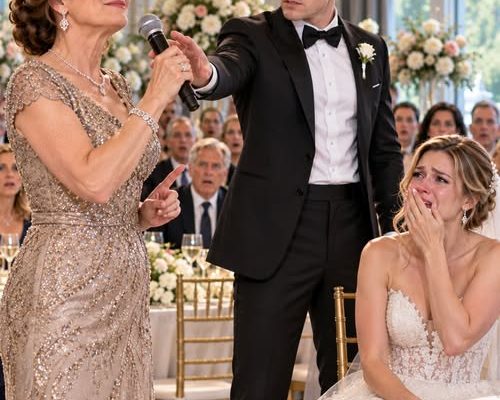


At my engagement party, my mother grabbed the microphone to publicly humiliate me, announcing that I dropped out of med school and failed my first marriage.

I came home late, drenched from the rain, expecting a warm dinner waiting for me.

Instead, my mother-in-law dumped my meal straight into the dog’s bowl and sneered, “We don’t cook for freeloaders here.”

My husband just stood there and watched.

I wiped the rain from my face and smiled.

“Good to know,” I whispered. “Because this condo is legally mine. Pack your bags, all three of you.”

What would you do if your in-laws kicked you out of your own home?”

Part 1

Rain hammered down in relentless sheets, soaking through my trench coat and leaving me chilled to the bone by the time I finally unlocked the heavy front door of my luxury downtown condo.

I had just survived a brutal fourteen-hour day at the architectural firm, and throughout the miserable commute home, I had been thinking about only three things: a hot shower, a quiet evening, and the homemade dinner I had prepared before leaving that morning.

Instead, the moment I stepped inside, I was greeted by the smell of cheap beer and greasy takeout filling the living room.

My husband, Mark, was stretched across the sofa watching a game as though he had no concern in the world.

His mother, Eleanor, and his sister, Chloe, were gathered around the kitchen island, talking loudly and laughing among themselves.

My stomach growled painfully as I crossed into the kitchen, expecting to find the plate I had carefully covered and left on the counter.

But what I saw made me stop cold.

Eleanor was scraping the last pieces of my tenderloin steak, roasted vegetables, and garlic mashed potatoes into a large ceramic bowl.

Without the slightest hesitation, she walked over to the corner where our golden retriever was sleeping, dumped the entire meal onto the floor, and watched as the dog eagerly began eating it.

For several seconds, I could only stare at her.

My jaw dropped as the reality of what she had just done sank in.

“What on earth are you doing?” I asked, my voice shaking from exhaustion and disbelief. “That was my dinner! I specifically left a note on it!”

Eleanor didn’t even flinch.

She slowly turned around, crossed her arms over her floral apron, and looked directly at me with a cold, dismissive sneer.

“Oh, please, don’t throw a fit over some leftovers,” Eleanor snapped, her voice dripping with venom. “We don’t cook for freeloaders in this house, and quite frankly, that food was too good for someone who contributes nothing to this family anyway.”

Part 2

Before I could fully process the sheer arrogance of what she had just said, Mark wandered lazily into the kitchen with a beer in his hand.

He looked completely unconcerned by his mother’s blatant disrespect.

Instead of defending his wife in the home she owned, Mark rolled his eyes and sighed as though I were the person creating an unnecessary problem.

“Come on, Sarah, stop making a big deal out of nothing,” Mark complained, shaking his head dismissively. “My mom was just feeding the dog. Can’t you just order takeout or something? Why do you always have to start an argument the second you walk through the door after a long day?”

A cold, heavy feeling of betrayal settled deep in my chest.

For two years, I had quietly endured their endless intrusions.

I had tolerated Eleanor’s cutting remarks about my career, Chloe’s entitled behavior, and the constant way they treated my home as if it belonged to them.

Eleanor had gradually turned every corner of my living space into her personal territory, rearranging things without asking and acting as though she had more authority in the condo than I did.

And through all of it, I had tried to keep the peace.

I had paid the down payment on this condo before Mark and I had even met.

I covered the mortgage myself.

When Mark’s family ran into financial problems, I had agreed to let Eleanor and Chloe move in temporarily because I thought helping family was the right thing to do.

I had opened my home to them.

I had given them stability when they needed it.

And now they were repaying me by treating me like an unwanted guest in the property I owned.

From the couch, Chloe suddenly laughed.

She barely looked up from her phone before joining in.

“Yeah, Sarah, stop being so dramatic. Mom was just trying to be helpful. Get over yourself.”

I looked at Mark.

Then Eleanor.

Then Chloe.

The three of them stood together as though they had already decided I was the outsider.

In that single moment, every ounce of patience, affection, and warmth I had once felt for Mark seemed to disappear.

The exhaustion that had weighed down my body only minutes earlier vanished too.

In its place came something colder.

Clarity.

Sharp, calm, undeniable clarity.

I didn’t raise my voice.

I didn’t cry.

I didn’t argue with them.

And I certainly didn’t give Eleanor the emotional outburst she was clearly waiting for.

Instead, a slow smile appeared on my face.

It was calm.

Detached.

And apparently unsettling enough that Eleanor’s smug expression finally began to fade.

Part 3

I slowly unbuttoned my rain-soaked trench coat and let it fall onto the floor beside me.

Then I stepped forward.

My attention remained fixed on Mark and his entitled family.

The room became strangely quiet.

For the first time that evening, they seemed to realize that my reaction wasn’t going the way they expected.

“You’re right, Mark,” I said, my voice eerily calm, smooth, and laced with an authority that made all three of them freeze in their tracks. “I shouldn’t make a fuss over a meal. Because as of right now, my obligations to any of you are officially over.”

Mark frowned.

For the first time, uncertainty crossed his face.

“What are you talking about, Sarah? Stop acting crazy.”

“I’m not acting crazy,” I replied sharply, pulling my phone from my pocket and tapping the screen to bring up the official property deed and legal documents. “You seem to forget who actually owns these four walls. This isn’t your house, Eleanor. This isn’t your house, Chloe. And Mark, your name isn’t even on the mortgage.”

The confidence disappeared from their faces almost immediately.

I stepped around them and walked toward the front door.

Then I unlocked it, pulled it wide open, and pointed firmly toward the hallway outside.

“This is my condo. I bought it long before I ever made the mistake of marrying you. I have tolerated your disrespect for the last time. All three of you, pack your bags and get out of my home right now!”

Eleanor gasped.

Her face turned a deep shade of crimson as the reality of what I had said finally registered.

Mark began stumbling over his words, suddenly understanding that the free ride he had taken for granted was about to disappear.

Chloe stopped laughing.

For the first time all evening, none of them had a clever comment ready.

They had spent so long acting as though I was the inconvenience in my own home that they had apparently forgotten one important fact.

The condo had never belonged to them.

They were there because I had allowed them to be.

And that permission had just ended.

Mark looked as though he wanted to start apologizing.

Eleanor looked furious.

Chloe looked stunned.

But by then, none of their reactions mattered.

It was far too late.

What would you have done if your in-laws and ungrateful spouse pulled a stunt like this in your own home?

Drop your thoughts in the comments below, share this story with a friend, and hit follow for more dramatic relationship tales!

At my engagement party, my mother grabbed the microphone to publicly humiliate me, announcing that I dropped out of med school and failed my first marriage. Read More

I came home late, soaked in rain, expecting a warm meal. Instead, my mother-in-law dumped my dinner into the dog’s bowl and sneered, “We don’t cook for freeloaders here.” My husband just stood by and watched.

I came home late, drenched from the rain, expecting a warm dinner waiting for me.

Instead, my mother-in-law dumped my meal straight into the dog’s bowl and sneered, “We don’t cook for freeloaders here.”

My husband just stood there and watched.

I wiped the rain from my face and smiled.

“Good to know,” I whispered. “Because this condo is legally mine. Pack your bags, all three of you.”

What would you do if your in-laws kicked you out of your own home?”

Part 1

Rain hammered down in relentless sheets, soaking through my trench coat and leaving me chilled to the bone by the time I finally unlocked the heavy front door of my luxury downtown condo.

I had just survived a brutal fourteen-hour day at the architectural firm, and throughout the miserable commute home, I had been thinking about only three things: a hot shower, a quiet evening, and the homemade dinner I had prepared before leaving that morning.

Instead, the moment I stepped inside, I was greeted by the smell of cheap beer and greasy takeout filling the living room.

My husband, Mark, was stretched across the sofa watching a game as though he had no concern in the world.

His mother, Eleanor, and his sister, Chloe, were gathered around the kitchen island, talking loudly and laughing among themselves.

My stomach growled painfully as I crossed into the kitchen, expecting to find the plate I had carefully covered and left on the counter.

But what I saw made me stop cold.

Eleanor was scraping the last pieces of my tenderloin steak, roasted vegetables, and garlic mashed potatoes into a large ceramic bowl.

Without the slightest hesitation, she walked over to the corner where our golden retriever was sleeping, dumped the entire meal onto the floor, and watched as the dog eagerly began eating it.

For several seconds, I could only stare at her.

My jaw dropped as the reality of what she had just done sank in.

“What on earth are you doing?” I asked, my voice shaking from exhaustion and disbelief. “That was my dinner! I specifically left a note on it!”

Eleanor didn’t even flinch.

She slowly turned around, crossed her arms over her floral apron, and looked directly at me with a cold, dismissive sneer.

“Oh, please, don’t throw a fit over some leftovers,” Eleanor snapped, her voice dripping with venom. “We don’t cook for freeloaders in this house, and quite frankly, that food was too good for someone who contributes nothing to this family anyway.”

Part 2

Before I could fully process the sheer arrogance of what she had just said, Mark wandered lazily into the kitchen with a beer in his hand.

He looked completely unconcerned by his mother’s blatant disrespect.

Instead of defending his wife in the home she owned, Mark rolled his eyes and sighed as though I were the person creating an unnecessary problem.

“Come on, Sarah, stop making a big deal out of nothing,” Mark complained, shaking his head dismissively. “My mom was just feeding the dog. Can’t you just order takeout or something? Why do you always have to start an argument the second you walk through the door after a long day?”

A cold, heavy feeling of betrayal settled deep in my chest.

For two years, I had quietly endured their endless intrusions.

I had tolerated Eleanor’s cutting remarks about my career, Chloe’s entitled behavior, and the constant way they treated my home as if it belonged to them.

Eleanor had gradually turned every corner of my living space into her personal territory, rearranging things without asking and acting as though she had more authority in the condo than I did.

And through all of it, I had tried to keep the peace.

I had paid the down payment on this condo before Mark and I had even met.

I covered the mortgage myself.

When Mark’s family ran into financial problems, I had agreed to let Eleanor and Chloe move in temporarily because I thought helping family was the right thing to do.

I had opened my home to them.

I had given them stability when they needed it.

And now they were repaying me by treating me like an unwanted guest in the property I owned.

From the couch, Chloe suddenly laughed.

She barely looked up from her phone before joining in.

“Yeah, Sarah, stop being so dramatic. Mom was just trying to be helpful. Get over yourself.”

I looked at Mark.

Then Eleanor.

Then Chloe.

The three of them stood together as though they had already decided I was the outsider.

In that single moment, every ounce of patience, affection, and warmth I had once felt for Mark seemed to disappear.

The exhaustion that had weighed down my body only minutes earlier vanished too.

In its place came something colder.

Clarity.

Sharp, calm, undeniable clarity.

I didn’t raise my voice.

I didn’t cry.

I didn’t argue with them.

And I certainly didn’t give Eleanor the emotional outburst she was clearly waiting for.

Instead, a slow smile appeared on my face.

It was calm.

Detached.

And apparently unsettling enough that Eleanor’s smug expression finally began to fade.

Part 3

I slowly unbuttoned my rain-soaked trench coat and let it fall onto the floor beside me.

Then I stepped forward.

My attention remained fixed on Mark and his entitled family.

The room became strangely quiet.

For the first time that evening, they seemed to realize that my reaction wasn’t going the way they expected.

“You’re right, Mark,” I said, my voice eerily calm, smooth, and laced with an authority that made all three of them freeze in their tracks. “I shouldn’t make a fuss over a meal. Because as of right now, my obligations to any of you are officially over.”

Mark frowned.

For the first time, uncertainty crossed his face.

“What are you talking about, Sarah? Stop acting crazy.”

“I’m not acting crazy,” I replied sharply, pulling my phone from my pocket and tapping the screen to bring up the official property deed and legal documents. “You seem to forget who actually owns these four walls. This isn’t your house, Eleanor. This isn’t your house, Chloe. And Mark, your name isn’t even on the mortgage.”

The confidence disappeared from their faces almost immediately.

I stepped around them and walked toward the front door.

Then I unlocked it, pulled it wide open, and pointed firmly toward the hallway outside.

“This is my condo. I bought it long before I ever made the mistake of marrying you. I have tolerated your disrespect for the last time. All three of you, pack your bags and get out of my home right now!”

Eleanor gasped.

Her face turned a deep shade of crimson as the reality of what I had said finally registered.

Mark began stumbling over his words, suddenly understanding that the free ride he had taken for granted was about to disappear.

Chloe stopped laughing.

For the first time all evening, none of them had a clever comment ready.

They had spent so long acting as though I was the inconvenience in my own home that they had apparently forgotten one important fact.

The condo had never belonged to them.

They were there because I had allowed them to be.

And that permission had just ended.

Mark looked as though he wanted to start apologizing.

Eleanor looked furious.

Chloe looked stunned.

But by then, none of their reactions mattered.

It was far too late.

What would you have done if your in-laws and ungrateful spouse pulled a stunt like this in your own home?

Drop your thoughts in the comments below, share this story with a friend, and hit follow for more dramatic relationship tales!

I came home late, soaked in rain, expecting a warm meal. Instead, my mother-in-law dumped my dinner into the dog’s bowl and sneered, “We don’t cook for freeloaders here.” My husband just stood by and watched. Read More

I woke up alone in our hotel room in Bangkok. My husband, his mother, my phone, passport, and flight home had all disappeared. On the pillow, Ethan had left one note: “Figure it out yourself.”

I woke up alone in our Bangkok hotel room. My husband, his mother, my phone, passport, and flight home were all gone. On the pillow, Ethan had left a note: “Figure it out yourself.” His mother added, “Let’s see who comes looking for you now.” I didn’t cry. I went to the hotel phone, dialed a number they never knew I had, and said, “Blue Lantern.” That was when their real trouble started.

I woke in our Bangkok hotel room to a silence so complete it felt deliberate. My husband, his mother, and his sister were gone—along with my phone, passport, wallet, and flight home.

A folded note sat on Ethan’s pillow.

Figure it out yourself.

Beneath it, in Susan’s sharp handwriting: Let’s see who comes looking for you now.

For several seconds, I couldn’t breathe.

The previous night, we’d had dinner overlooking the river. Susan spent half the meal calling me “too independent,” while Ethan complained that I embarrassed him by keeping my finances separate.

“You’re married,” he had said. “There shouldn’t be secrets.”

There weren’t. There were boundaries. Apparently, they found that distinction offensive.

I searched the room. My suitcase was still there, but the document pouch was empty. The hotel confirmed Ethan had checked out at 5:40 a.m. with two women. My return reservation had been canceled online shortly afterward.

The front-desk manager, Mali, noticed my expression and quietly asked, “Are you safe?”

“I don’t know yet.”

Her expression immediately changed. She moved me behind the desk, contacted hotel security, and offered me a landline.

Ethan expected me to panic. He expected tears, begging, maybe even a humiliating call to his mother asking for my passport.

Instead, I dialed a number I’d memorized six years earlier.

A calm voice answered. “Sterling Private Client Security.”

“My name is Claire Morgan.”

“Verification phrase?”

I looked through the glass doors at Bangkok traffic moving beneath the morning sun.

“Blue Lantern.”

The operator paused.

“Emergency protocol active. Are you under coercion?”

“Yes.”

“Are your identity documents compromised?”

“Yes.”

“Do you authorize full containment?”

“Yes.”

“Confirmed.”

What Ethan didn’t know was that Blue Lantern wasn’t simply a lost-card code. It froze my private accounts against outside transfers, suspended every secondary card, blocked trusted-device access, alerted my attorney, and triggered an enhanced review of any business exposed to my assets or guarantees.

That last part mattered.

Two years earlier, I had quietly guaranteed a $1.4 million credit facility that saved Ethan’s family import company from collapse.

Susan called it “their bank relationship.”

Ethan called it proof he was a brilliant businessman.

Neither knew I was the guarantor.

Mali returned with hotel security.

“Tourist police are coming.”

I nodded.

The fear hadn’t disappeared. But something colder had taken its place.

Ethan thought he had stranded me in Thailand.

Instead, he had stranded himself inside a financial system that had just begun asking questions.

By noon, the hotel had preserved hallway footage showing Ethan leaving with my handbag and document case. Tourist police took my statement, while the U.S. consular section explained how to replace my passport. Sterling arranged temporary funds, secure transportation, and a new phone after confirming my identity through backup records.

At 1:18 p.m., Ethan finally called.

“Having fun?”

I could hear the smirk in his voice.

“Where is my passport?”

“Safe.”

“That wasn’t the question.”

Susan grabbed the phone. “Maybe now you’ll learn gratitude. Ethan has carried you for years.”

I nearly laughed.

“Where are you?”

“None of your business.”

The call ended.

They were already at the airport.

I knew because my security team could see attempted transactions on Ethan’s supplemental card.

Duty-free purchase.

Declined.

Airport lounge.

Declined.

Restaurant.

Declined.

At 2:03 p.m., Ethan called again.

“What did you do to the cards?”

“I protected my accounts.”

“Your accounts? Those are household cards.”

“They’re supplemental cards on my credit line.”

Silence.

He had never bothered reading the paperwork.

“Claire, unlock them.”

“No.”

“We need to get home.”

“So did I.”

He swore. Susan yelled in the background, “Tell her to stop being childish!”

I ended the call.

That should have been enough.

It wasn’t.

At 3:40 p.m., my attorney, Rachel Kim, called.

“Blue Lantern triggered a linked-exposure review.”

“And?”

“Ethan’s family company breached two covenants last quarter. They moved funds to an affiliated company and failed to disclose it.”

I closed my eyes.

The loan wasn’t mine, but my guarantee had helped the bank extend favorable credit. The agreement also gave me notice rights when serious borrower violations occurred.

Rachel continued.

“There’s more. Someone attempted to reset access to your investment portal this morning from a device registered to Ethan.”

My stomach went cold.

“What did he try to access?”

“Your portfolio.”

That turned cruelty into evidence.

I authorized Sterling to preserve every login record and instructed Rachel to tell the bank my guarantee was under review because of suspected unauthorized access and borrower misconduct.

I didn’t demand repayment.

Not yet.

I wanted facts.

By evening, Ethan and his family had reached Singapore on tickets purchased by Susan.

They thought they’d escaped.

Then Ethan messaged me from a new number.

Stop overreacting. We’ll discuss this when you get home.

I forwarded it to Rachel.

Underneath, I typed:

Schedule the borrower review for Monday.

Five minutes later, she replied.

Done.

Ethan believed he had abandoned a helpless wife thousands of miles from home.

Instead, he had handed a compliance attorney, a bank, and a fraud team a perfectly documented timeline.

They had targeted the wrong woman.

And Monday morning, they were going to meet her professionally.

I returned home three days later with an emergency passport, police report, preserved hotel footage, and a new phone.

Ethan was waiting in our kitchen.

Susan sat beside him.

Neither apologized.

Ethan pointed toward a chair. “Sit down.”

I stayed standing.

“You’ve caused a financial disaster over a family disagreement,” he said.

“A family disagreement?”

Susan rolled her eyes. “We taught you a lesson.”

“You stole my passport.”

“We were going to return it.”

“You canceled my flight.”

“You’re capable,” she said. “You always say that.”

I placed the police report on the counter.

Then Rachel walked through the front door.

Ethan’s expression shifted.

“Why is she here?”

“Because this stopped being a marriage conversation when you tried accessing my investments.”

Rachel placed three folders on the island.

The first revoked Ethan’s supplemental cards and removed him from every account I controlled.

The second documented the attempted account reset.

The third contained the bank’s covenant-review notice for Morgan-Pierce Imports.

Susan grabbed it.

“What is this?”

Rachel answered calmly.

“The company’s credit facility is supported by Claire’s personal guarantee.”

Susan stared at me.

“No.”

“Yes.”

Ethan found the number.

“One point four million?”

“You told everyone the bank believed in you,” I said. “The bank believed in my balance sheet.”

His expression twisted.

“You deceived us.”

“I saved your company anonymously because you told me two hundred employees would lose their jobs.”

Rachel opened another page.

“The bank is requiring disclosure of related-party transfers and replacement collateral. Claire is also withdrawing her guarantee at the earliest contractual date.”

Ethan stepped toward me.

“You can’t do that.”

“I already did.”

His arrogance finally broke.

“If they reduce the facility, we’ll have to sell assets.”

“Then sell them.”

The later investigation uncovered improper transfers to a side company controlled by Ethan and his cousin. The bank tightened its terms and required additional collateral. To stabilize cash flow, the family sold a vacation property and part of its investment portfolio.

Ethan lost his executive position after the other shareholders discovered why the financing had come under review.

Then I filed for divorce.

The hotel footage, police report, attempted unauthorized account access, and Ethan’s messages didn’t automatically decide everything. But together, they made his actions impossible to dismiss as a misunderstanding.

Eight months later, I lived in a bright apartment with enormous windows and no one monitoring my money.

Morgan-Pierce survived under professional management.

Susan sold the lake house she once used as proof of her superiority.

Ethan took a sales job elsewhere.

One evening, Rachel asked if I regretted activating Blue Lantern.

I looked at my new passport beside a ticket to Chiang Mai.

“No.”

They had abandoned me in Thailand to prove nobody would come looking for me.

They were right about one thing.

Nobody needed to.

I knew exactly how to find myself.

I woke up alone in our hotel room in Bangkok. My husband, his mother, my phone, passport, and flight home had all disappeared. On the pillow, Ethan had left one note: “Figure it out yourself.” Read More

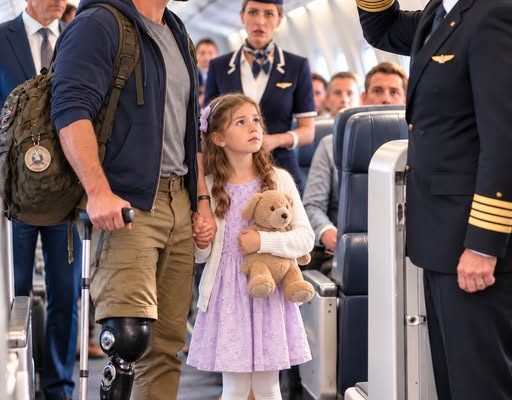
The Flight of Honor: How a Father’s Quiet Sacrifice for His Late Wife, an Unjust Flight Agent, and an Unexpected Military Encounter in the First-Class Cabin Brought Healing, Grace, and a Lifelong Family Guardian to a Young Girl’s Grieving World Beneath the Carolina Sky

My seven-year-old daughter and I were ordered to give up our first-class seats for a wealthy businessman and “move to the back,” as though that was where we belonged.

I didn’t argue.

I took my daughter’s trembling hand, lifted my bag, and started down the aisle.

Then the cockpit door opened.

The captain stepped out, looked at me, and froze.

A second later, he straightened and raised his hand in a crisp salute.

the cabin fell silent.

Part 1

“Sir, we need you and your daughter to move to the back of the aircraft,” the gate agent said.

He spoke loudly enough for nearly everyone around us to hear.

What he didn’t know was that my veteran ID sat behind my boarding pass, my old unit’s challenge coin hung from my carry-on, and my last name appeared on the passenger manifest near someone who might understand what I had once sacrificed.

My daughter Maya looked up at me.

“Daddy, I thought these were our special seats.”

That stung more than losing first class.

My name is Marcus Vance.

I’m forty-one, a widower, a single father, and a veteran who returned from my last deployment missing most of my left leg below the knee.

I rarely talk about my service.

To most people, I’m just a tired father with a cane keeping up with a seven-year-old who still asks if her mother can see her from heaven.

That morning, Maya and I flew to the Carolina coast.

It wasn’t really a vacation.

We were returning to the beach where my wife Elena and I fell in love.

Before cancer took her two years earlier, she asked me for one thing:

Someday, take Maya back there.

My carry-on held a small container I had packed before sunrise.

I was taking Elena back to the ocean.

It had taken nearly two years to afford those first-class tickets.

A coffee can sat on top of our refrigerator with “Mama’s Beach Fund” written across it in Maya’s handwriting.

Some weeks I added twenty dollars.

Other weeks, just a few.

Maya added coins from her pink purse, believing each one brought us closer to saying goodbye to her mother.

When we boarded and she saw the large seats, her face brightened.

“Daddy, are these really ours?”

“They are.”

For ten minutes, I felt I had kept my promise.

Then the gate agent appeared with a tablet.

Behind him was a man in an expensive navy suit.

The businessman had arrived late but was apparently a major corporate traveler whose company expected first-class seating.

According to the agent, he “required” our seat.

Required.

Not requested.

The agent eyed my cane, worn boots, and Maya’s old coat.

I could almost see him decide.

We looked least likely to complain.

I held up our boarding passes.

“These are our seats. I paid for them.”

The agent gave me a stiff smile.

“I understand, sir, but please don’t make this harder than it needs to be.”

Maya squeezed my hand.

I could have argued.

I could have mentioned two years of saving.

The coffee can.

Elena’s hospital room.

Her final request.

The ashes inside my bag.

But Maya was watching me.

So I looked down at her and smiled.

“Maybe the seats in the back will be fun. We’ll get to see the whole plane.”
She nodded.

But tears were forming.
That almost broke me.
I didn’t care about first class.
I had slept in places far worse than an airplane’s last row.

What hurt was seeing my daughter learn that strangers could decide her father mattered less than someone richer.

I stood.
Pain shot through my left side as I steadied myself on my cane.

I lifted the carry-on to my chest.
To everyone else, it was luggage.

To me, it held something sacred.
Then I took Maya’s hand.

The cabin quieted.
Some passengers watched.

Others looked away.
We had taken only a few steps when the cockpit door opened.
The captain stepped into the aisle.

Gray touched his temples; his uniform was immaculate.
At first, he didn’t look at the gate agent.

He looked at me.
Then he noticed my cane.
The challenge coin on my bag.

The veteran ID still visible beside my boarding pass.
His expression changed.
Recognition followed.
Not because he knew me.

Because he understood what they represented.
The captain stepped closer.

Then he squared his shoulders and raised a crisp military salute.
The aircraft fell silent.

For a moment, I nearly lost my grip on the bag.
For two years, I had been the widower limping through school pickup.
The tired father strangers passed in stores.

The man people passed because he walked too.
Now an airline captain saluted me before the whole cabin.
I stood as straight as I could.

Then I returned the salute.
Maya stared as if seeing her father differently for the first time.
The captain lowered his hand.

“Sir,” he said loudly enough for first class to hear, “it’s an honor to have you aboard my aircraft.”
Then he turned toward the gate agent.
“This man and his daughter are not moving.”

The agent went pale.
The businessman dropped his gaze.
The captain continued.

“They are exactly where they belong.”
Nobody spoke.
But then the captain glanced at the passenger manifest near the galley.

His expression shifted again.
This time it was more than respect.

It was something personal.
He looked at me.
“Vance?”
A chill went through me.

The cabin stayed silent.
Then I realized the captain hadn’t saluted me only because I was a veteran.

He knew my name for another reason.

PART 2:

The captain stared at me for seconds before stepping closer. “Marcus Vance?” he repeated, this time almost in disbelief. I nodded, wondering where I could possibly know him from. Then he whispered, “You pulled my brother out of a burning vehicle in Kandahar.”

I froze.

Maya looked between us, confused. “Daddy, do you know the captain?” she asked. I swallowed hard and shook my head. “Not personally,” I answered. But the captain’s eyes were already filling with emotion, and suddenly I remembered a night I had spent years trying to forget.

“Your brother was Lieutenant Daniel Hayes,” I said softly. The captain nodded. “He was.” His voice cracked as he continued, “You carried him nearly two hundred yards while the rest of us thought nobody had survived.”

I looked down at my cane. “There were people who needed help,” I said. “That’s all.” The captain shook his head. “No, Marcus. My brother told me about you until the day he died.”

The cabin had become so silent that Maya’s small voice sounded unusually loud. “Did my daddy save someone?” she asked. The captain crouched so he could meet her eyes. “Your daddy saved my brother’s life.”

Maya looked at me with wide eyes. For the first time, I saw something different in her expression—not confusion about why her father walked differently, but pride. She reached for my hand and held it tightly.

Behind us, the businessman cleared his throat. “Captain, there appears to have been a misunderstanding.” The captain stood and faced him. “There was,” he said calmly. “The misunderstanding was believing money entitled you to another passenger’s seat.”

The gate agent began apologizing, but I barely heard him. I was thinking about Elena, about the little container inside my bag, and about the promise that had brought Maya and me onto this airplane.

Then the captain looked at the carry-on in my hand. “Are you taking someone home to the coast?” he asked.

My heart stopped.

Because somehow, he knew there was more to this trip than a vacation.

And before I could answer, he said something that made my entire world change.

“Marcus, I think you should know why Daniel’s name is on the manifest today.”

The captain stood motionless in the narrow aisle, waiting for his words to sink in. Around us, silence held. No one in first class whispered, moved, or checked a phone.

I tightened my grip on my battered carry-on. Inside sat the carved mahogany urn with Elena’s ashes. I couldn’t understand how he had connected my destination to my loss.

“What do you mean, Captain?” I asked softly. My voice felt rough as gravel. “Daniel passed away three years ago in Walter Reed. How could his name be on your manifest?”

The captain took a measured breath, his chest rising beneath his immaculate gold-braided uniform. “My name is Captain Thomas Hayes. And my brother never stopped writing to me about the men who kept him alive.”

He touched the edge of my carry-on bag tenderly. “Daniel knew about your wife, Marcus. He kept in touch with your old commanding officer until his very last breath in that hospice ward.”

Maya gazed up at him with her large, dark eyes. She released my sleeve and touched his cuff. “Did you know my mother too, mister? Her name was Elena.”

Captain Hayes knelt down until he was at eye level with my daughter. His face softened, losing its rigid pilot’s demeanor. “I never met her, sweet girl, but I knew of her.”

“He left an endowment,” Thomas said, looking back up to me. “A military foundation trust. For two years, we searched for your current address after your discharge records were misplaced during the regional base reorganization.”

“Daniel’s name is listed under our aircraft’s memorial cargo ledger today,” the captain explained. “Every year on his passing anniversary, I fly this route to our family’s hometown right near Wrightsville Beach in the Carolinas.”

The gate agent stood frozen near row two, his tablet trembling in his grip. The businessman backed into the galley, mortified.

“Sir,” the gate agent stammered, his face drained of color. “I swear I didn’t know. The system flagged the seat as an executive upgrade override. I was only executing company protocol for high-tier members.”

Captain Hayes stood up to his full height. His stern gaze carried the authority of his naval aviation days. “Protocol never excuses an absence of basic human decency.”

“You saw a wounded veteran with a cane and a child,” Thomas said, his voice ringing through the cabin. “You assumed they were powerless. You chose convenience over dignity, and that will be answered for.”

The businessman cleared his throat, trying to salvage his pride. “Look, Captain, I don’t want any trouble. I’ll take a seat in coach. It’s truly no problem. Please, let them have their seats.”

“You will take whatever seat is available in the rear,” Captain Hayes replied coldly. “Or you are welcome to wait for the evening flight. Right now, this veteran and his daughter are returning home.”

A passenger across the aisle, an elderly woman wearing a floral scarf, began clapping softly. Seconds later, others joined, applause spreading through the forward cabin.

My cheeks burned, unused to public attention. For two years, I had faded into the background, hiding my limp and grief.

“Come, Marcus,” Captain Hayes said, gesturing toward our original seats in row three. “Let me help you with this luggage. No one will ever ask you to surrender your place on my aircraft again.”

He reached for my carry-on with both hands, treating it with the reverence reserved for a folded flag. He secured it overhead above our seats.

“Daddy,” Maya whispered, pulling on my arm as I sat down. The plush seat eased the pressure on my residual limb. “Are we really staying here? In the big chairs?”

“Yes, sweetheart,” I said, kissing the top of her head. “We’re staying right here. Just like we planned when you put your shiny pennies into Mama’s beach fund on top of the old refrigerator.”

Maya smiled, a pure and radiant expression that banished the dark circles beneath her eyes. She settled into the wide seat, tracing the armrest and entertainment console.

Captain Hayes stepped back into the cockpit door frame, looking back over his shoulder. “Rest easy, Sergeant Vance. After we reach cruising altitude, I would like to speak with you again if you’re willing.”

“I’d like that, Captain,” I answered. He gave the same sharp military nod, then closed the flight deck door for pre-flight checks.

The gate agent hurried off without another word. Another flight attendant, warm-eyed Sarah, brought Maya a blanket and wings.

“If you or your little girl need anything at all during this flight, Sergeant, you just press that call button,” Sarah said gently. “It is a true privilege to fly with you today.”

“Thank you,” I replied, my voice catching. For the first time since Elena’s funeral, the weight in my chest felt lighter, as if someone shared it.

The engines hummed through the fuselage as the plane pushed back. Maya pressed her face to the window, fogging the glass.

“Look, Daddy! The ground is moving away,” she gasped, pointing down at the tarmac. “We’re really flying to the beach! Mama’s beach! Do you think she can see us from the clouds?”

“I know she can,” I said, resting my hand over hers on the armrest. “She’s been watching us every single day, Maya. And she’s very proud of how brave you’ve been this morning.”

The plane gathered speed along the runway, a surge of power lifting us smoothly into the gray morning sky. We climbed through clouds into golden sunlight.

Maya gasped at the white clouds below. “It looks like a giant bowl of vanilla ice cream, Daddy. Can we touch it when we land?”

“Not quite, honey,” I laughed, feeling a genuine smile cross my lips for what felt like the first time in years. “Clouds are just made of cold water drops, but they sure look pretty.”

About twenty minutes into the flight, the seatbelt sign chimed off. Sarah brought Maya apple juice and a snack box of cheese, crackers, and chocolate.

Maya treated the snack box like treasure, arranging each cracker before eating. Her delight made every late warehouse shift worthwhile.

Soon, the cockpit door opened again. The first officer stayed at the controls while Captain Hayes emerged with a manila folder.

He took the empty seat across from us, leaning forward. His expression was serious but compassionate, like an older comrade.

“Daniel talked about you during every family dinner after he came home,” Thomas began softly. “He spoke about the ambush in the valley, when the fuel tank ignited on his transport vehicle.”

The memory hit me with sudden, sharp clarity. Burning diesel, gunfire echoing off canyon walls, screams from the overturned armored truck.

“I didn’t think about it,” I told Thomas, looking down at my scarred hands. “I just saw a brother trapped inside. Anyone in our unit would have done the exact same thing that afternoon.”

“No, Marcus, they wouldn’t,” Thomas insisted softly. “Two men tried before you, and both were driven back by the heat. You climbed into the flames with a fractured ankle and hauled him out.”

“That was where you lost your leg, wasn’t it?” Thomas asked, glancing briefly toward the floor where my denim trousers hid the titanium and carbon-fiber prosthesis resting against my right boot.

“Shrapnel caught my lower leg on the sprint back toward our perimeter,” I admitted. “Secondary explosion from the ammunition rack. But Daniel was alive, and that was the only thing that mattered to us.”

“Daniel lived eight more years because of you,” Thomas said, his eyes shining with unshed tears. “He got to see his daughters graduate from elementary school. He got to make peace with our father.”

Maya stopped nibbling her cracker and listened intently. Children sense more than adults realize; she felt the gravity linking me to this pilot.

“Did my daddy get hurt helping your brother?” Maya asked, her voice clear and innocent. She put a hand on my knee above where the prosthesis joined my leg.

“He did, sweetheart,” Thomas answered gently. “Your daddy gave up a piece of himself so my brother could come home to his family. He is the bravest man I have ever had on this plane.”

Maya looked up at me, her chest puffing out beneath her worn coat. “I told the kids at school my daddy was a hero, but Tommy Jenkins said heroes don’t walk with sticks.”

“Tommy Jenkins doesn’t know what he’s talking about,” Thomas said firmly, winking at Maya. “Real heroes carry their battle scars quietly, and they use canes because they carried others through the fire.”

I cleared my throat, blinking away the stinging moisture in my eyes. “Thomas, why was Daniel’s name on your manifest today? You mentioned a cargo ledger earlier when we were boarding the aircraft.”

Thomas opened the manila folder he had been holding. Inside were legal papers, notarized military letters, and a photo of a smiling man in an oak wheelchair.

“When Daniel passed away from complications of his war injuries, he left a specific directive in his will,” Thomas explained, handing me the top page. “He established the Daniel Hayes Family Assistance Endowment.”

“Its purpose was singular: to find the sergeant who pulled him out of that burning vehicle and ensure his family never faced financial devastation due to his service-connected disabilities,” Thomas continued.

I stared at the papers, stunned. “Thomas, I can’t accept money. I work at the regional distribution depot. We get by. We have an apartment, and we manage our expenses carefully.”

“You shouldn’t have had to save coins in a coffee can for two years just to bring your wife’s ashes to the ocean, Marcus,” Thomas said gently, his voice thick with unyielding conviction.

“Daniel knew how the system often forgets wounded veterans once the medals are pinned and the parades end,” Thomas said. “He spent his final years setting up this foundation with our family’s estate.”

“We’ve been looking for you for over fourteen months,” Thomas added. “When your wife became ill, you moved from Georgia to Virginia, and your records fell into an administrative processing backlog.”

“I had to sell our home in Georgia to pay for Elena’s chemotherapy treatments,” I confessed softly. “The insurance denied three separate coverage appeals. We had to start over in a small rental.”

“I know,” Thomas said, touching my arm. “We tracked down the hospital debts last month through Daniel’s foundation investigators. Marcus, every single one of Elena’s outstanding medical balances was settled three weeks ago.”

The air left my lungs in an abrupt gasp. I stared at him in shock. “You… you paid off her hospital debts? All seventy thousand dollars of those remaining medical invoices?”

“The foundation paid them, exactly as Daniel instructed,” Thomas corrected softly. “He left enough resources to ensure you and Maya have a fully paid home near the coast whenever you’re ready.”

I buried my face in my hands, unable to contain the sobs that suddenly ripped through my chest. For two years, collectors called daily, threatening legal action while I mourned Elena.

Maya wrapped her arms around my neck, cheek against mine. “Don’t cry, Daddy. It’s okay. Don’t be sad anymore. We’re going to Mama’s favorite beach.”

“I’m not sad, baby,” I choked out, wrapping my arms tightly around her small frame. “These are happy tears, Maya. Daddy is just so very thankful for good people in this world.”

Thomas waited in respectful silence until I had composed myself, handing me a clean linen handkerchief from his pocket. I wiped my face and studied Daniel’s smiling photograph.

“He looked so much like you,” I murmured, studying the strong jawline and kind hazel eyes in the picture. “He made jokes even while we were waiting for the medical evacuation chopper to arrive.”

“That was Daniel,” Thomas chuckled softly. “He always tried to make everyone else feel comfortable, even when he was in terrible pain. He spoke about your strength every single time we gathered as a family.”

“Where are you staying once we touch down in Wilmington?” Thomas asked, changing the subject to our immediate plans. “Do you have a hotel reservation near the oceanfront for the weekend?”

“We booked a small motel about five miles inland,” I replied. “It was what we could afford after buying these plane tickets. We were planning to take the coastal bus down to the pier tomorrow.”

Thomas shook his head fondly. “Cancel the reservation on your phone right now, Marcus. You and Maya are staying at my family’s beach cottage on the southern end of Wrightsville.”

“Thomas, please, you’ve already done far too much,” I protested, shaking my head. “We can manage just fine at the motel. Maya doesn’t mind riding the bus; she thinks it’s an adventure.”

“It’s not charity, Marcus,” Thomas replied, his tone brooking no argument. “The cottage has a private walkway down to the dunes where the water is calm and quiet. You deserve privacy to say goodbye to Elena.”

Maya tugged on my sleeve, her eyes sparkling with excitement. “A real cottage on the beach, Daddy? Where we can hear the waves from the window like Mama used to tell me about in stories?”

I looked from Maya’s eager face to Captain Hayes’s steady, earnest eyes. Realizing refusal would only hurt his desire to repay an old debt, I gave in.

“Thank you, Thomas,” I whispered, nodding. “We would be truly honored to stay at your family’s cottage. Elena loved Wrightsville Beach more than any other place in the whole world.”

“It’s settled then,” Thomas declared, slapping his knee lightly before standing up. “My wife, Sarah, will meet us at the arrivals gate. She’s already preparing the cottage guest suite for you two.”

The captain returned to the flight deck to prepare for our descent. The attendant brought Maya a warm chocolate cookie and treated her like royalty for the rest of the flight.

Soon the blue Atlantic appeared below, edged by emerald marshes and white sandbars along the Carolina coast.

Maya pressed her hands to the glass, captivated by the water. “Look, Daddy! The ocean is so huge! Is Mama’s special spot down there somewhere near those boats?”

“It sure is, honey,” I answered, feeling a profound sense of peace settle over my heart. “Right by the old wooden pier where Mama and I used to watch the pelicans dive for fish at sunset.”

The aircraft descended smoothly through the coastal air, touching down on the runway at Wilmington International Airport with barely a shudder. Reverse thrusters filled the cabin.

At the gate, Captain Hayes’s clear voice came over the speakers.

“Ladies and gentlemen, this is your captain speaking,” Thomas said. “Before we begin deplaning, I would like to take one moment of your time to share an extraordinary honor that occurred on our flight today.”

“Among us in row three is retired Army Sergeant Marcus Vance,” the captain continued, his voice echoing in the cabin. “Fourteen years ago, Sergeant Vance risked his life in combat to pull my brother from flames.”

“Because of his courage, my brother lived to return home to his daughters,” Thomas said. “Sergeant Vance sacrificed his own leg during that rescue and embodies the highest traditions of American service.”

“He is traveling with his daughter Maya today to honor his late wife’s memory,” Thomas concluded. “Sergeant Vance, on behalf of our entire flight crew and airline, we thank you for your service and sacrifice.”

the cabin erupted into thunderous applause. Passengers stood up from their seats throughout the aircraft, clapping and cheering, some wiping tears from their faces as they looked at our row.

The businessman at the rear of first class also stood and clapped remorsefully. He met my gaze, nodded an apology, and touched his heart.

I stood on my cane and placed a hand over my heart. Maya beamed, gripping my hand as she waved.

Captain Hayes emerged and retrieved my carry-on. He walked the jetway at my measured pace.

In the bright terminal, a kind-faced sandy-blonde woman approached with coastal lilies. She smiled at Thomas beside us.

“You must be Marcus and Maya,” she said, stepping forward to hug Maya gently before extending her hand to me. “I’m Sarah Hayes. Thomas called me from the cockpit satellite phone before takeoff.”

“Welcome to Wilmington,” Sarah said warmly. “Daniel talked about you so often that I feel like you’ve been part of our extended family for years. We are so very glad you are finally here.”

Maya accepted the flowers with delight, burying her small nose in the fragrant blossoms. “Thank you, Miss Sarah! These smell like the garden Mama used to grow behind our old house.”

Sarah wiped a tear from her eye and smiled at my daughter. “Your mama had wonderful taste, sweetheart. Come on, our truck is parked outside, and the beach is waiting for us.”

We drove across the coastal causeway as the morning sun sparkled across the Intracoastal Waterway. Pelicans glided in formation above the tidal creeks, as Elena had always described them.

The Hayes cottage was a weathered cedar home among sea oats and dunes. A wooden boardwalk ran from the porch to the shore.

Inside smelled of salt air, polished pine, and Sarah’s warm cinnamon rolls. Family photos lined the mantel, including Daniel in uniform.

Maya ran to the screened porch, staring at the ocean. “Daddy! The waves are making music! Listen to how loud they roar!”

I went out to join her, resting my hands on the wooden railing. the surf’s rhythm washed away the exhaustion of two years of grief and financial worry.

“Marcus,” Thomas said, stepping out onto the porch with two glasses of iced tea. “Take all the time you need today. When you’re ready to walk down to the water, Sarah and I will be here.”

“I think Maya and I are ready now,” I replied softly, looking toward the shoreline. “Elena has waited long enough to come back to the beach she loved so much.”

I went inside and retrieved the mahogany urn from my bag. Maya held my hand as we crossed the boardwalk through the sea breeze.

Thomas and Sarah stayed by the dunes, giving us space while quietly watching over us.

Cool sand met our shoes at the water’s edge. White foam lapped the shore and retreated into the turquoise Atlantic.

I knelt on my good knee and set my cane in the sand. Maya knelt beside me, fingers resting on her mother’s carved urn.

“We’re here, Elena,” I whispered, my voice breaking with emotion. “I brought our little girl back to the beach, just like I promised you in that quiet hospital room before you went to sleep.”

Maya looked up at the sky, her voice sweet and unwavering. “We saved our pennies in the coffee can, Mama. And a nice captain who Daddy saved in the army helped us get here today.”

“You don’t have to hurt anymore, Mama,” Maya continued, tears tracing down her sunlit cheeks. “Daddy says you can swim with the dolphins and watch over us from the clouds forever.”

I unscrewed the lid of the urn. Together we held the container as the sea wind carried Elena’s ashes over the breaking waves.

The fine gray ashes scattered across the blue water like silver light. They danced on the surface before disappearing into the ocean.

Two dolphins surfaced beyond the breakers, fins arching as if welcoming an old friend home.

Maya gasped in pure delight, pointing at the dolphins. “Look, Daddy! Mama is already swimming with them! She heard me! She really heard what I said to her!”

I pulled my daughter tightly against my chest, burying my face in her hair as tears flowed freely down my cheeks. For the first time, they were tears of release, not despair.

Elena was free from pain, hospital rooms, and illness. She was part of the sea, wind, and sunlight on our faces.

We stayed by the water, watching the waves as their rhythm eased years of sorrow.

When we rose, Thomas and Sarah waited at the boardwalk stairs. Thomas offered a hand to steady me in the sand.

“Daniel is at peace too, Marcus,” Thomas said softly, his hazel eyes filled with understanding. “You brought honor to both of them today. You are a good father and a true brother.”

That evening, we sat around the large dining table in the cottage, sharing a meal of fresh coastal seafood, warm corn muffins, and sweet peach cobbler Sarah had baked from scratch.

For the first time in years, Maya laughed freely. She told Sarah about school drawings and favorite books, eyes bright with renewed joy.

That night, Thomas showed me foundation papers for the educational trust Daniel created for Maya’s college tuition.

“She will never have to worry about school expenses, Marcus,” Thomas explained. “Daniel wanted to make sure the daughter of the man who saved him had every opportunity this country could offer.”

“I don’t know how to repay this, Thomas,” I said, shaking my head in quiet awe at the scale of Daniel’s enduring gratitude. “It feels like too much for one afternoon’s action in the desert.”

“You don’t repay a gift of life, Marcus; you simply pass the grace forward,” Thomas replied. “Daniel lived, and now his memory ensures that you and Maya can truly live as well.”

Over the next three days, Maya and I explored the shores of Wrightsville Beach. We collected sea glass, built sandcastles, and watched fishing boats return at dusk.

My leg hurt less each day, as if emotional relief had eased my body. I leaned less on my wooden cane.

On our final afternoon, Thomas drove us to a quiet live-oak neighborhood two miles from the beach.

He stopped before a single-story brick cottage with a porch, fenced yard, hydrangeas, and stone walkway.

“Whose house is this, Captain Thomas?” Maya asked, pressing her face against the truck window to admire the bright blue front door and white rocking chairs on the porch.

Thomas turned in his seat, smiling. He pulled a brass ring with two keys from his pocket.

“This house belongs to you and your daddy, Maya,” Thomas said gently, placing the keys into her open hands. “Daniel bought it through the foundation last year, waiting for us to find you.”

Maya gasped, looking down at the shiny keys before looking up at me with utter wonder. “Daddy? Our house? We don’t have to live in the noisy apartment by the highway anymore?”

I stared at Thomas, struck dumb by the generosity. “Thomas… this is impossible. We can’t just accept an entire house. It’s too much. It’s far too much.”

“Daniel wanted his savior to have a peaceful place to raise his daughter, Marcus,” Thomas said firmly, placing a steady hand on my shoulder. “The deed is already recorded in your name.”

“The property taxes are covered in perpetuity by the foundation endowment,” Thomas added. “All you have to do is live here, raise this beautiful girl, and let this coastal air heal your heart.”

We stepped out of the truck and went up the stone pathway. Maya unlocked the door, revealing bright, sunlit rooms.

Large living-room windows faced the oaks, and the backyard had room for Elena’s dreamed-of vegetable garden.

Maya ran through the empty rooms, laughter echoing off fresh walls. “Daddy! My bedroom has a window that looks at the big tree! Can we get a puppy now? Can we?

“Yes, baby,” I choked out, wrapping my arm around her shoulders as she leaned against me. “We can get a puppy. We can have a garden. We can have a real home again.”

Captain Hayes stood in the doorway, watching us with satisfaction in his eyes. His family’s fourteen-year debt had finally been honored with grace and love.

“Daniel is smiling down on us today, Marcus,” Thomas said softly. “He always said the bravest men are the ones who come home and keep fighting for their families every single day.”

We returned to Virginia the next week only long enough to pack our few belongings, give notice on our small rental apartment, and say goodbye to our old life of quiet struggle.

Three weeks later, Maya and I settled into our new Carolina home. The once-full coffee can sat empty on the kitchen counter.

I found rewarding logistics work at Wilmington’s veterans’ medical center, helping wounded soldiers navigate benefits and civilian life.

Maya thrived at the local school, making friends who visited to play with Bella, our adopted golden retriever.

Every Sunday afternoon, Maya and I moved down to Wrightsville Beach. We sat by the pier, watching waves and feeling Elena in the salty breeze.

Thomas and Sarah became family. Whenever Thomas had a Wilmington layover, he joined us for dinner and watched Maya grow happy and safe.

The businessman from the flight also kept his word. Through the airline board, he donated substantially to Daniel’s foundation, funding scholarships for fallen soldiers’ children.

The world had seemed cold that morning when an agent sent us to the back because of worn clothes and my injuries.

Yet that humiliation revealed a chain of sacrifice, honor, and gratitude that transformed our broken world.

One morning, I saw gray at my temples and faint lines around my eyes. But sorrow’s shadows were gone.

I still used a cane, and my leg ached when eastern storms arrived. But I no longer lowered my head or hid from the world.

I was Sergeant Marcus Vance—a man who pulled a brother from fire, kept his promise to his dying wife, and raised a brave daughter with an open heart.

One evening, as sunset painted the marsh sky gold, rose, and violet, Maya and I sat in our porch rockers.

Bella slept across my boots while the coastal breeze stirred Spanish moss in our live oaks.

Maya leaned on my shoulder, holding a framed photo of her mother smiling on the beach. “Daddy, do you think Mama knows how happy we are now?”

“She knows, sweetheart,” I answered, wrapping my arm around her and pulling her close against the evening chill. “She knows we are safe, she knows we are loved, and she knows we are finally home.”

The ocean waves continued their steady, timeless roar just beyond the dunes, a reminder that courage is never forgotten, kindness is never wasted, and love never leaves us behind.

The Flight of Honor: How a Father’s Quiet Sacrifice for His Late Wife, an Unjust Flight Agent, and an Unexpected Military Encounter in the First-Class Cabin Brought Healing, Grace, and a Lifelong Family Guardian to a Young Girl’s Grieving World Beneath the Carolina Sky Read More

We finalized our divorce that morning, and before lunchtime, my former mother-in-law had kicked me out of the house. Just hours later, she hosted an extravagant $800,000 celebration to welcome her son’s pregnant new wife.

We finalized our divorce that morning, and before noon, my former mother-in-law had tossed me out of the house. Hours later, she threw an extravagant $800,000 celebration to welcome her son’s pregnant new wife. More than a hundred guests watched as I walked in, placed a sealed envelope on the table, and said, “This celebration is over.” The moment she opened it, my ex-husband went pale and let his wedding ring slip from his hand.

By ten that morning, my marriage was legally over. By eleven-thirty, my former mother-in-law had left my suitcases on the sidewalk like trash.

“Don’t make this embarrassing, Claire,” Margaret Whitmore said from the marble steps of the home where I’d lived for seven years. She wore cream silk and diamonds before noon, as if humiliation required formal attire. “Ethan has moved on. You should learn to do the same.”

Behind her, my ex-husband stood with one hand in his pocket, avoiding my eyes.

Our divorce had been finalized only ninety minutes earlier.

Seven years of marriage, reduced to signatures.

I looked at Ethan. “You could at least carry one suitcase.”

Margaret laughed. “Why? So you can pretend you still belong here?”

That finally made Ethan look at me.

“Claire, please. Don’t start.”

I almost smiled.

He’d used those words for years whenever Margaret insulted me, controlled our finances, entered our bedroom without knocking, or reminded me that I had married “above my station.”

What neither of them knew was that I’d stopped starting fights two years earlier.

Instead, I’d started gathering evidence.

I grabbed my suitcase handle.

Margaret crossed her arms. “And don’t come back tonight.”

“Tonight?”

Her smile widened.

“Oh, Ethan didn’t tell you?”

Ethan’s jaw tightened.

Margaret continued. “We’re hosting a celebration. Eight hundred thousand dollars. Caterers, orchestra, imported flowers, the governor’s old event planner. Over a hundred guests.”

“For what?”

She savored her answer.

“Ethan and Vanessa.”

Vanessa Hale. Ethan’s twenty-eight-year-old “marketing consultant.”

The woman whose messages I’d discovered six months earlier.

Margaret leaned closer.

“She’s pregnant.”

For a second, everything went silent.

Then Ethan said quietly, “I was going to tell you after the divorce.”

I stared at him.

Seven years.

Three fertility treatments.

Two miscarriages.

Countless nights of him holding me while I cried.

And now his mistress was pregnant.

Margaret mistook my silence for surrender.

“Tonight, we finally celebrate the future of this family.”

I lifted my suitcase into the taxi.

Then I looked back at the massive Georgian mansion, the Whitmore family crest above the entrance, and the smug woman beneath it.

“You should enjoy every minute,” I said.

Margaret smiled. “I intend to.”

I climbed into the taxi and closed the door.

Only after we pulled away did I take out my phone.

One unread message from my attorney waited.

Everything is filed. They can’t stop it now.

I looked through the rear window as the mansion disappeared behind me.

Margaret thought she had thrown me out of her house.

She still had no idea whose house it legally was….

By seven that evening, the Whitmore estate resembled a royal wedding.

Black sedans filled the circular driveway. Crystal chandeliers glowed through the windows. White roses covered the staircase where Margaret had dumped my luggage that morning. A string orchestra played beside a champagne fountain while executives, politicians, investors, and society photographers congratulated Ethan and Vanessa.

I watched the livestream from my attorney’s office.

Vanessa wore a pale gold gown draped elegantly over her pregnancy.

Margaret stood beside her, glowing.

“To new beginnings,” she announced, raising a glass.

My attorney, Daniel Mercer, looked at me.

“You can still let the process happen quietly.”

“No.”

“Claire—”

“She threw my belongings into the street this morning. Tonight she’s spending money she doesn’t own, inside property she doesn’t own, to celebrate a future built on fraud.”

Daniel nodded.

“Then we do it your way.”

The Whitmores had always assumed I was financially insignificant because I rarely talked about money.

Before marrying Ethan, I’d worked as a forensic accountant specializing in trusts, acquisitions, and asset protection. When my father died, he left me a private investment company through a protected family trust.

I’d never needed Ethan’s money.

But during our marriage, I discovered something unexpected.

The Whitmore estate was drowning in debt.

Five years earlier, Margaret had quietly borrowed against nearly everything—commercial buildings, investment accounts, even the mansion.

When their primary lender threatened foreclosure, my family trust acquired the distressed loan through a holding company.

Margaret never knew.

All she knew was that an anonymous investment firm had saved her.

I allowed the arrangement because Ethan was my husband.

Then, six months earlier, I discovered his affair.

After that, I dug deeper.

What I found was worse.

Ethan and Margaret had been shifting marital assets into shell companies before the divorce. They concealed nearly twelve million dollars while Ethan claimed in court that our joint estate was “severely diminished.”

Vanessa knew.

There were emails.

Bank transfers.

Recorded calls.

And the day before, Ethan had moved another $2.4 million into an account controlled by Margaret.

The $800,000 celebration had been paid for using funds covered by a court preservation order.

Daniel placed a sealed envelope before me.

Inside were copies of the emergency injunction, lien enforcement documents, evidence disclosures, and confirmation that the district attorney’s financial crimes unit had received our file.

“You understand,” he said, “once you hand this over, there is no going back.”

I sealed the envelope.

“There was no going back when Ethan lied under oath.”

At eight-fifteen, my car stopped outside the estate.

A security guard approached.

“Ma’am, Mrs. Whitmore said you’re not permitted—”

I handed him a copy of the court order.

His expression changed immediately.

“Understood.”

The orchestra was playing inside.

Margaret stood beneath the chandelier holding a microphone.

“And soon,” she announced, touching Vanessa’s stomach, “the Whitmore name will have the heir it deserves.”

Applause filled the room.

Then someone noticed me.

The applause faded row by row.

Margaret’s expression hardened.

“What is she doing here?”

Ethan turned pale.

Vanessa whispered, “Ethan?”

I walked through the crowd holding a single sealed envelope.

Margaret marched toward me.

“You were told never to come back.”

I stopped at the center table.

“No,” I said calmly. “You told me that.”

Then I placed the envelope beside her champagne glass.

“This celebration is over.”

Margaret laughed first.

It was sharp and theatrical, meant for everyone watching.

“You storm into my home with an envelope and expect everyone to tremble?”

“My home,” I corrected.

Silence.

Ethan stepped forward.

“Claire, don’t do this.”

I looked at him.

“You told a court you had disclosed every marital asset.”

His expression changed.

Vanessa stared at him.

Margaret tore open the envelope.

Her eyes moved across the first page.

Then the second.

The color drained from her face.

“What is this?”

“A temporary restraining order freezing the Whitmore accounts,” I said. “An enforcement notice on this property. Evidence of fraudulent transfers. And confirmation that the financial crimes unit has received copies.”

Guests began whispering.

Ethan snatched the papers.

“You can’t freeze my accounts.”

“Actually, the judge already did.”

“This house belongs to my mother.”

“No.”

Margaret slammed her palm onto the table.

“My husband built this house!”

“And mortgaged it repeatedly before he died. You refinanced it again five years ago. The debt was purchased by Blackthorn Holdings.”

“So?”

I reached into my purse and placed one final document on the table.

“I own Blackthorn Holdings.”

Nobody moved.

Ethan stared at me like I was a stranger.

Margaret whispered, “That’s impossible.”

“No. What was impossible was continuing to protect people who were stealing from me.”

Vanessa turned sharply toward Ethan.

“You said she had nothing.”

Ethan’s voice cracked. “Claire, we can fix this privately.”

I almost laughed.

“Like you fixed our marriage privately?”

He lowered his voice.

“Think about what you’re doing.”

“I have. For six months.”

Daniel entered behind me with two court officers.

That was when Margaret finally understood.

The party wasn’t simply ruined.

Her entire life had changed.

One officer approached the musicians and quietly told them to stop. Another spoke with the estate manager. The caterer was informed that no further charges could be made against the frozen accounts.

Margaret looked around the ballroom as her perfect evening collapsed around her.

“This is humiliation,” she hissed.

“No,” I said. “This is accounting.”

Vanessa suddenly removed her engagement ring.

“You told me the divorce settlement would leave you with everything.”

Ethan lightly grabbed her wrist.

“Vanessa, wait.”

She pulled away.

“You told me the company was yours.”

A murmur moved through the room.

It wasn’t.

The company’s controlling shares had been pledged years earlier against the same debt Blackthorn had acquired.

When the fraud triggered the loan covenants, control transferred.

To me.

Ethan looked down at his hand.

He was still wearing the wedding ring from our marriage. Apparently, he’d kept it on until the divorce became official that morning.

Slowly, almost without thinking, he pulled it off.

It slipped from his fingers.

The ring struck the marble floor with a faint metallic sound.

In the silent ballroom, it sounded like a gunshot.

Three months later, Ethan pleaded guilty to financial disclosure fraud and falsifying documents. He avoided prison but received probation, restitution, and a professional ban that ended his executive career.

Margaret had to sell her jewelry, artwork, and vacation properties to cover outstanding debts. The mansion was legally transferred to Blackthorn.

I sold it.

Not because I needed the money.

Because I never wanted to see those marble steps again.

Vanessa left Ethan before giving birth. She cooperated with investigators and testified that Margaret had helped arrange the hidden transfers.

As for me, I bought a smaller house near the coast.

One quiet morning, nearly a year after the divorce, I sat on my porch drinking coffee as sunlight moved across the water.

Daniel called.

“Thought you’d enjoy this,” he said. “The last restitution payment cleared.”

I looked toward the ocean.

For years, Margaret had told me I was lucky to belong to their family.

She was wrong.

The luckiest day of my life was the day they threw me out.

Because that was the day I finally stopped protecting them—and started choosing myself.

We finalized our divorce that morning, and before lunchtime, my former mother-in-law had kicked me out of the house. Just hours later, she hosted an extravagant $800,000 celebration to welcome her son’s pregnant new wife. Read More